Bookbot

Edmund De Waal

    1 januari 1964

    Edmund de Waal omschrijft zichzelf als een 'pottenbakker die schrijft', wiens porseleinwerken te vinden zijn in talrijke museumcollecties wereldwijd. Zijn literaire oeuvre verkent de ingewikkelde verbanden tussen objecten, herinnering en identiteit, vaak geïnspireerd door zijn diepgaande begrip van materiële cultuur en geschiedenis. Door een unieke stijl die nauwgezette observatie combineert met lyrische proza, onthult hij diepe verhalen die verborgen liggen in ogenschijnlijk gewone voorwerpen. Zijn schrijven viert zowel kwetsbaarheid als veerkracht, op zoek naar het menselijke element binnen de materiële wereld.

    Edmund De Waal
    Der Hase mit den Bernteinaugen
    The White Road
    The hare with amber eyes. A hidden inheritance
    Letters to Camondo
    Facing the Modern
    De haas met de amberkleurige ogen
    • Die Logik des Regens

      Der weltgrösste Schatz japanischer Katagami-Schablonen zum Färben von Kimonos

      • 320bladzijden
      • 12 uur lezen

      Im Depot des Dresdener Kunstgewerbemuseums in Schloss Pillnitz liegt ein bedeutender Schatz japanischer Handwerkskunst: über 15.000 Färbeschablonen, bekannt als Katagami. Diese Schablonen, aus Maulbeerbaumrinde handgeschöpft und kunstvoll gestochen, dienten traditionell als Druckvorlagen für die Herstellung von Samurai-Kimonos. Sie zeigen nicht nur geometrische Ornamente, sondern auch abstrakte Darstellungen der Natur. Im 19. Jahrhundert fanden Katagami-Drucke ihren Weg nach Europa und beeinflussten die westliche Ornamentik in Kunst, Kunsthandwerk und Industriedesign. Die Technik der Schablonen findet auch heute Anwendung in Graffiti und Street-Art, wie bei Banksy. Dieses opulente Buch präsentiert erstmals rund 140 der schönsten Katagami-Muster aus der Dresdener Sammlung, wobei der Fokus auf Motiven liegt, die den Regen darstellen – ein Element von großer spiritueller und kultureller Bedeutung für das von Monsunwinden geprägte Land, das auf Reisanbau angewiesen ist. Zahlreiche großformatige Abbildungen werden von Essays internationaler Experten begleitet, die alle Aspekte dieses faszinierenden Themas detailliert erläutern.

      Die Logik des Regens2024
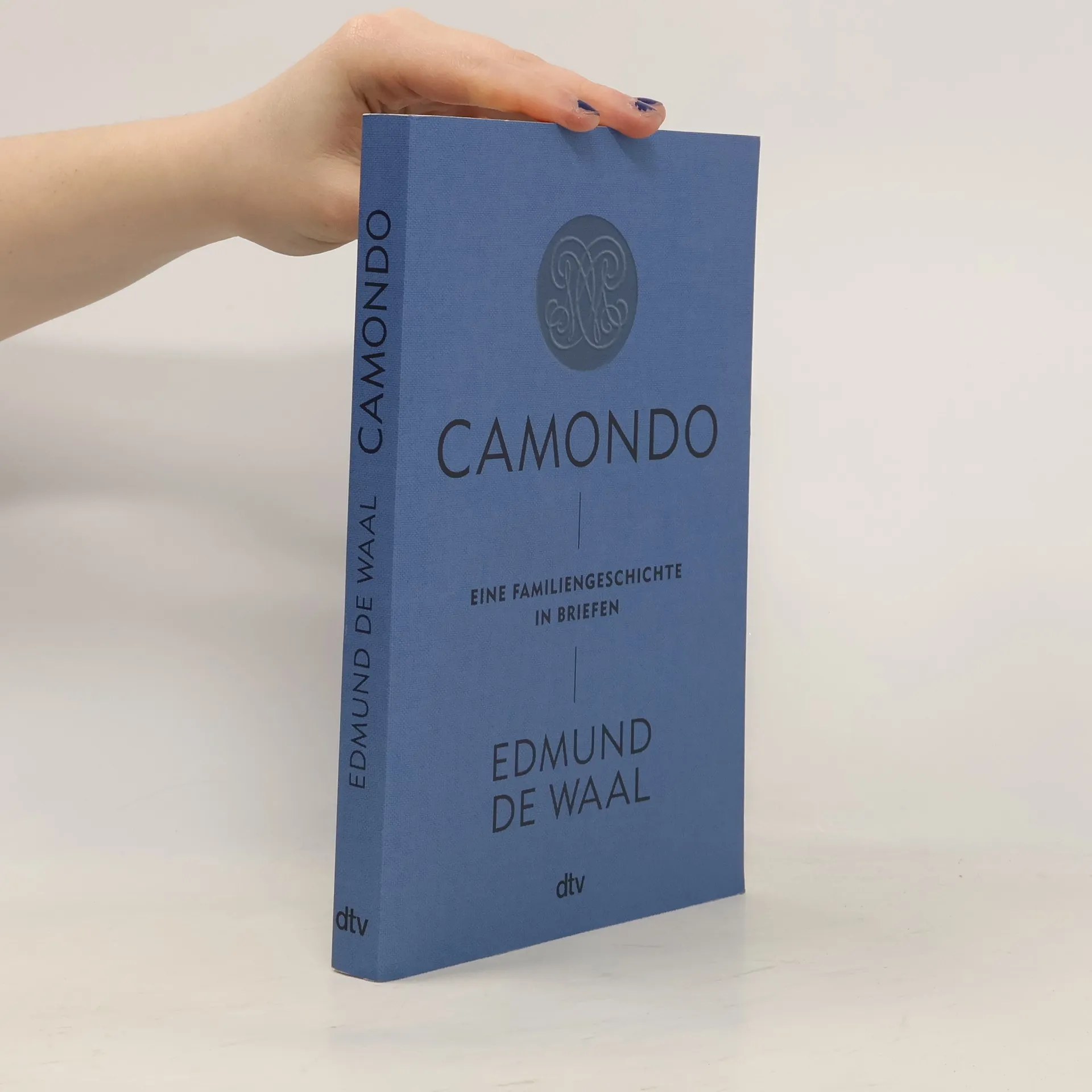
    • Camondo

      Eine Familiengeschichte in Briefen | Ein Meisterwerk der Erinnerungskultur

      • 192bladzijden
      • 7 uur lezen

      Ein Meisterwerk der Erinnerungskultur Geschichte ist nicht Vergangenheit, sie hört nie auf und entfaltet sich in unseren Händen. In seinem neuen Buch nimmt Edmund de Waal uns mit in die Pariser Rue de Monceau, in der einst sein Vorfahre Charles Ephrussi den berühmten »Hasen mit den Bernsteinaugen« hütete, wo in unmittelbarer Nachbarschaft Marcel Proust wohnte und wo der Bankier Moïse de Camondo aus Konstantinopel ein Palais errichten ließ, in dem sich heute ein seit 1936 unverändertes Museum befindet. Niemand war zufällig in dieser »Straße der Anfänge«, sagt de Waal und beginnt, imaginäre Briefe an Moïse zu richten, über die vielfältigen Beziehungen ihrer beiden Familien, über Assimilation, Großzügigkeit, privates und öffentliches Leben und immer wieder über die Bedeutung der Erinnerung und dass es keinen »Schlussstrich« geben kann und darf.

      Camondo2023
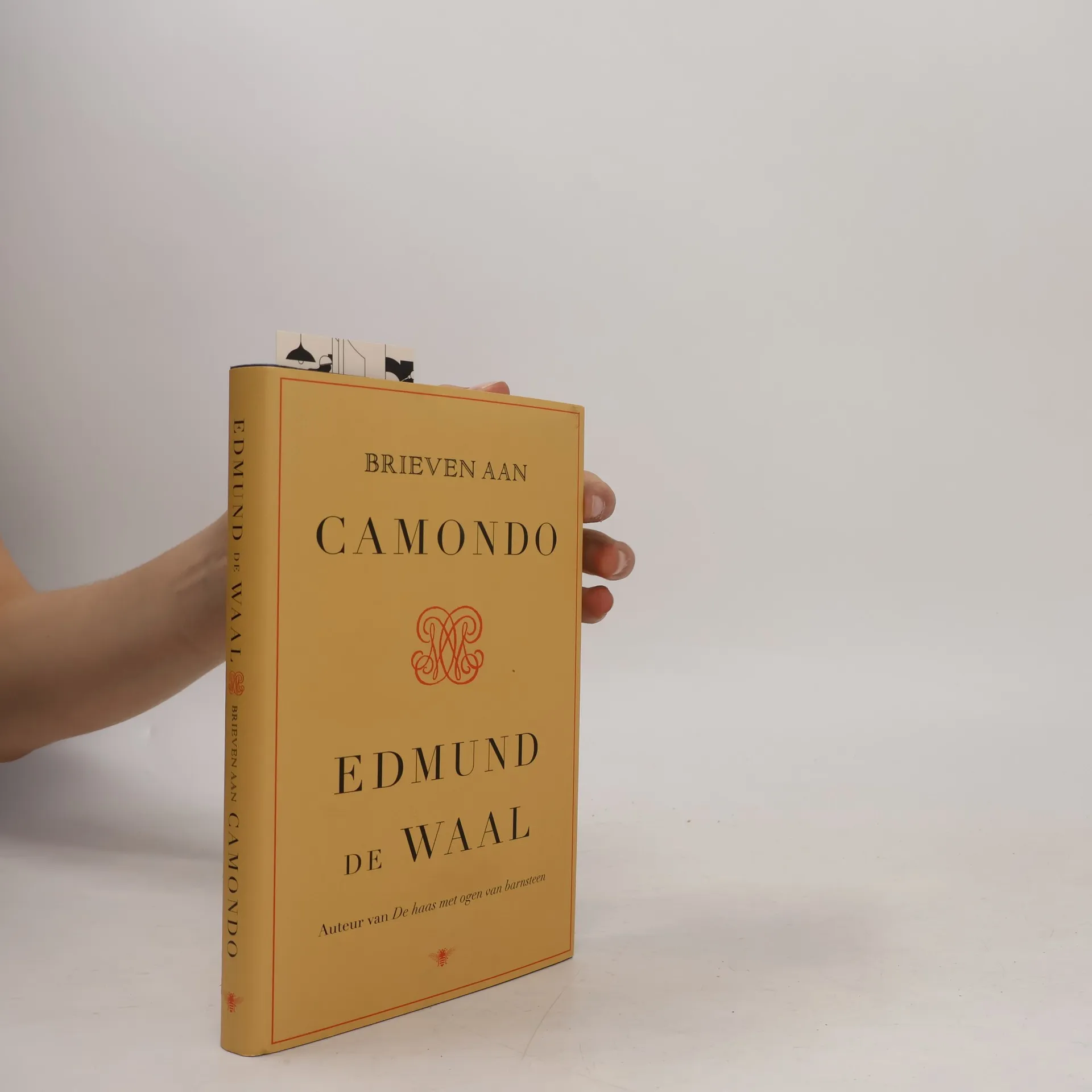
    • Letters to Camondo

      • 182bladzijden
      • 7 uur lezen

      Count Moïse de Camondo lived a few doors away from Edmund de Waal's forebears, the Ephrussi, first encountered in his bestselling memoir The Hare with Amber Eyes. Like the Ephrussi, the Camondos were part of belle époque high society. They were also targets of anti-semitism. Camondo created a spectacular house and filled it with the greatest private collection of French eighteenth-century art for his son to inherit. But when Nissim was killed in the First World War, it became a memorial and, on the Count's death, was bequeathed to France. The Musée Nissim de Camondo has remained unchanged since 1936. Edmund de Waal explores the lavish rooms and detailed archives and uncovers new layers to the family story. In a haunting series of letters addressed to the Count, he tells us what happened next.

      Letters to Camondo2021
      4,2
    • ** A Sunday Times Top Ten Bestseller ** "Other things in the world are white but for me porcelain comes first" A handful of clay from a Chinese hillside carries a promise: that mixed with the right materials, it might survive the fire of the kiln, and fuse into porcelain âe" translucent, luminous, white. Acclaimed writer and potter Edmund de Waal sets out on a quest - a journey that begins in the dusty city of Jingdezhen in China and travels on to Venice, Versailles, Dublin, Dresden, the Appalachian Mountains of South Carolina and the hills of Cornwall to tell the history of porcelain. Along the way, he meets the witnesses to its creation; those who were inspired, made rich or heartsick by it, and the many whose livelihoods, minds and bodies were broken by this obsession. It spans a thousand years and reaches into some of the most tragic moments of recent times. In these intimate and compelling encounters with the people and landscapes who made porcelain, Edmund de Waal enriches his understanding of this rare material, the âe~white goldâe(tm) he has worked with for decades. ** Book of the Week on BBC Radio 4 **

      The White Road2016
      3,6
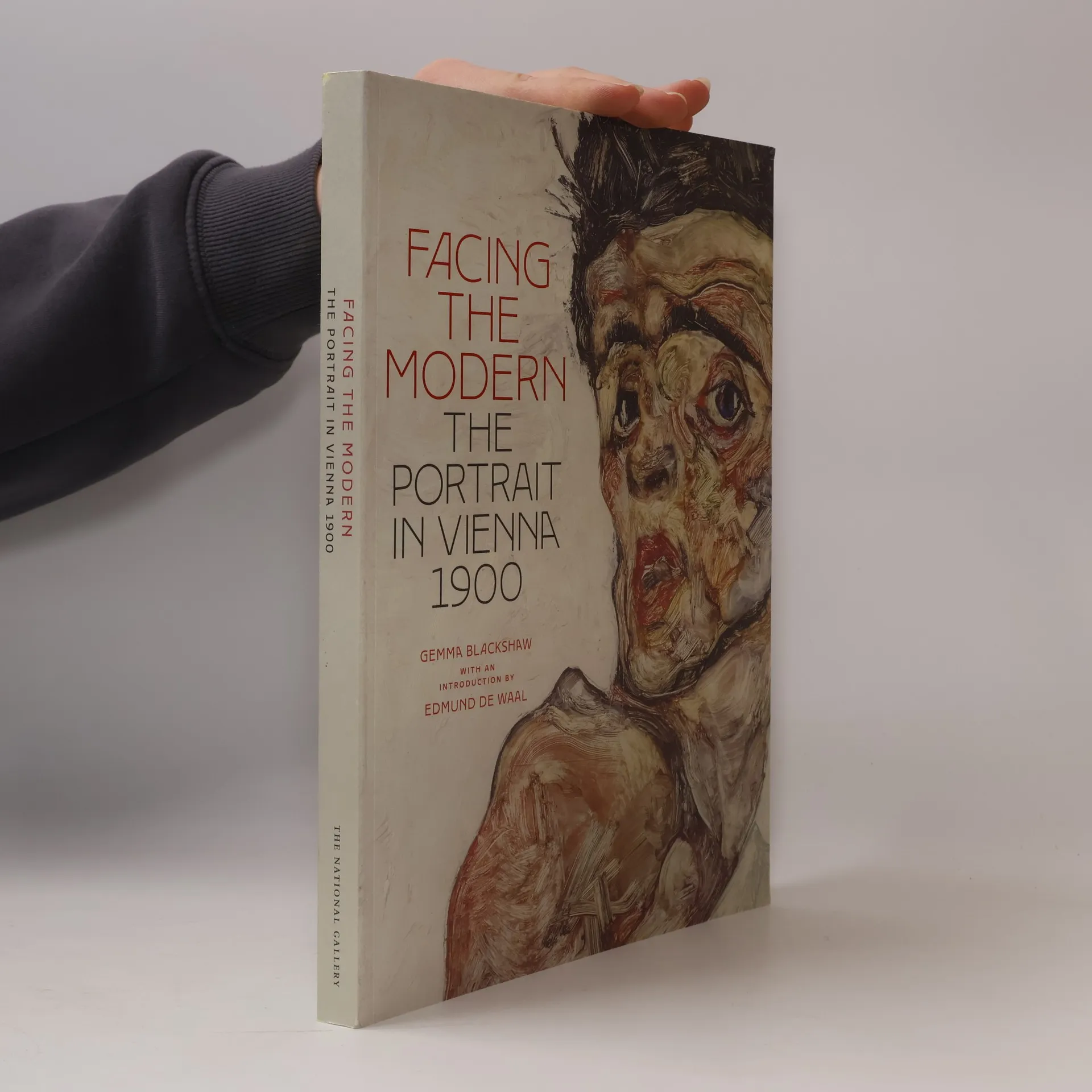
    • Facing the Modern

      The Portrait in Vienna 1900

      • 215bladzijden
      • 8 uur lezen

      During the great flourishing of modern art in fin-de-siècle Vienna, artists of that city focused on images of individuals. Their portraits depict artists, patrons, families, friends, intellectual allies, and society celebrities from the upwardly mobile middle classes. Viewed as a whole, the images allow us to reconstruct the subjects’ shifting identities as the Austro-Hungarian Empire underwent dramatic political changes, from the 1867 Ausgleich (Compromise) to the end of World War I. This is viewed as a time when the avant-garde overthrew the academy, yet Facing the Modern tells a more complex story of the time through thought-provoking texts by numerous leading art historians. Their writings examine paintings by innovative artists such as Gustav Klimt, Oskar Kokoschka, and Egon Schiele alongside earlier works, blurring the conventionally-held distinctions between 19th-century and early-20th-century art, and revealing surprising continuities in the production and consumption of portraits. This compelling book features works not only by famous names but also by lesser-known female and Jewish artists, giving a more complete picture of the time.

      Facing the Modern2013
      4,0
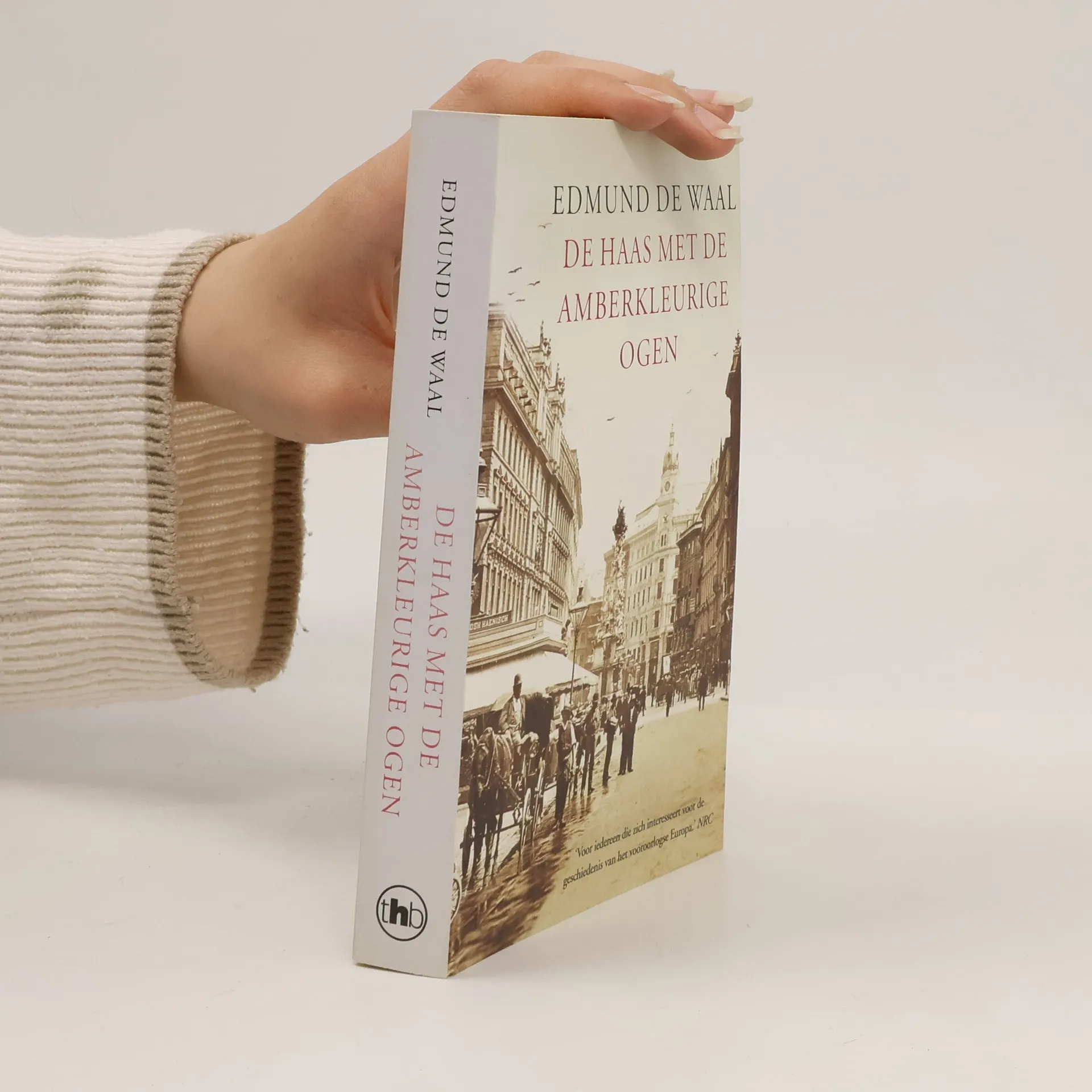
    • De haas met de amberkleurige ogen

      • 336bladzijden
      • 12 uur lezen

      Eind negentiende eeuw koopt Charles Ephrussi, een rijke graanhandelaar en kunstliefhebber, een verzameling netsukes: kleine figuurtjes van ivoor, hout en steen. De kostbare traditioneel Japanse knoopjes worden een geliefd familiebezit. Wanneer veertig jaar later de nazi's Wenen innemen en de Joodse familie wordt verdreven, is ook het lot van de knoopjes onzeker - maar dankzij een onverwachte wending komen de beeldjes toch weer in het bezit van de familie, en dus bij de volgende generaties terecht.

      De haas met de amberkleurige ogen2010
      4,0
    • THE NUMBER ONE SUNDAY TIMES BESTSELLER WINNER OF THE 2010 COSTA BIOGRAPHY AWARD 264 wood and ivory carvings, none of them bigger than a matchbox: Edmund de Waal was entranced when he first encountered the collection in his great uncle Iggie's Tokyo apartment. When he later inherited the 'netsuke', they unlocked a story far larger and more dramatic than he could ever have imagined. From a burgeoning empire in Odessa to fin de siecle Paris, from occupied Vienna to Tokyo, Edmund de Waal traces the netsuke's journey through generations of his remarkable family against the backdrop of a tumultuous century. 'You have in your hands a masterpiece' Frances Wilson, Sunday Times 'The most brilliant book I've read for years... A rich tale of the pleasure and pains of what it is to be human' Bettany Hughes, Daily Telegraph, Books of the Year 'A complex and beautiful book' Diana Athill

      The hare with amber eyes. A hidden inheritance2010
      3,9