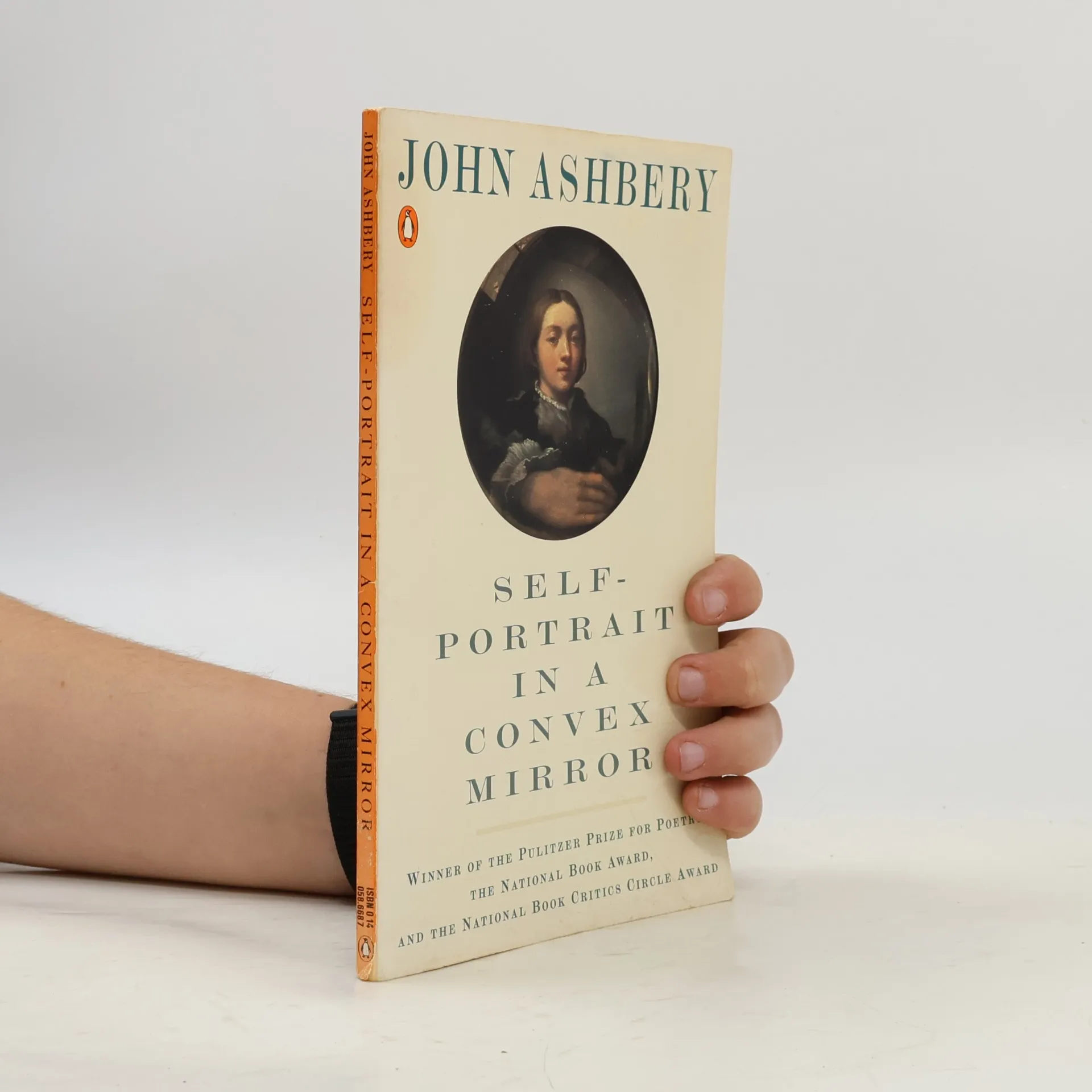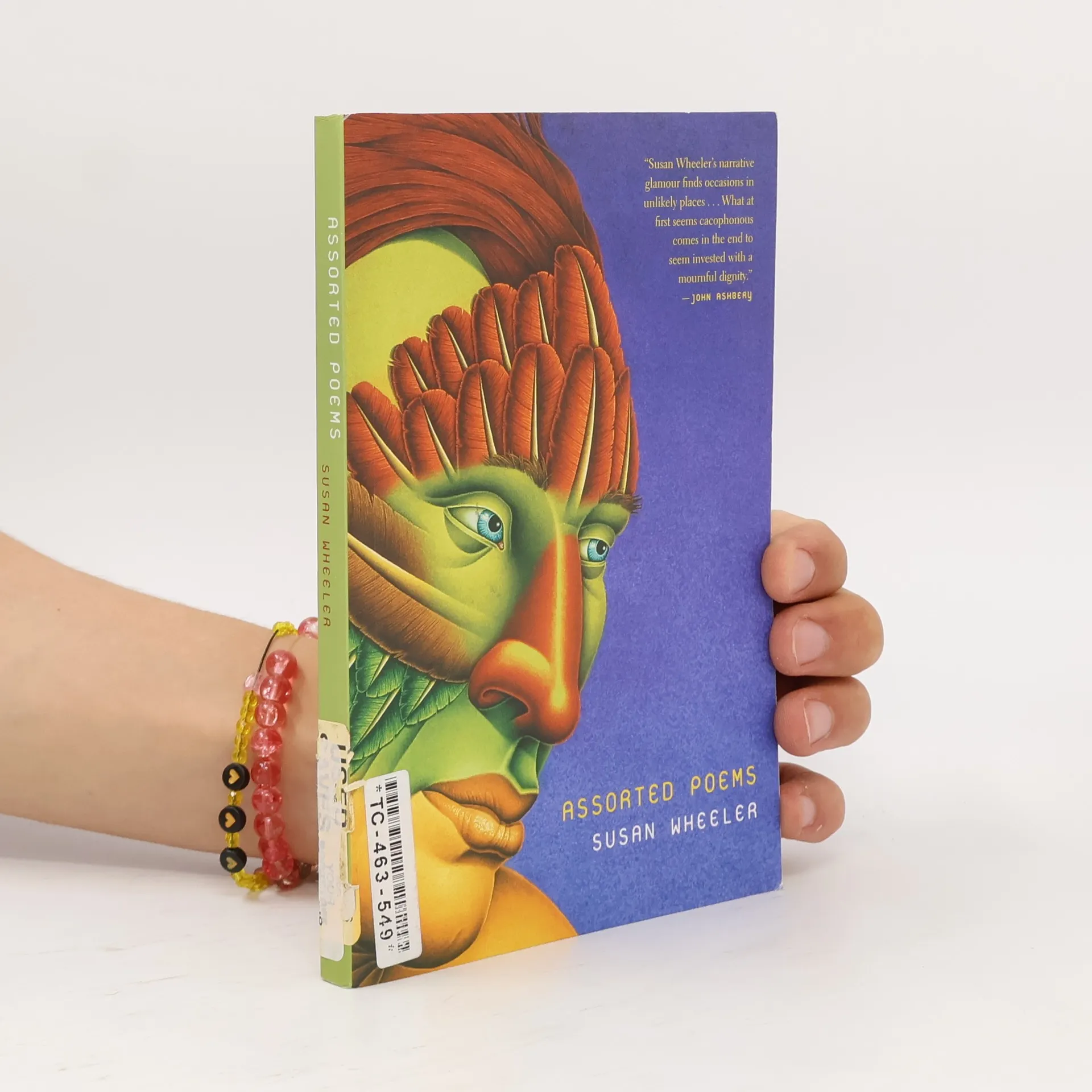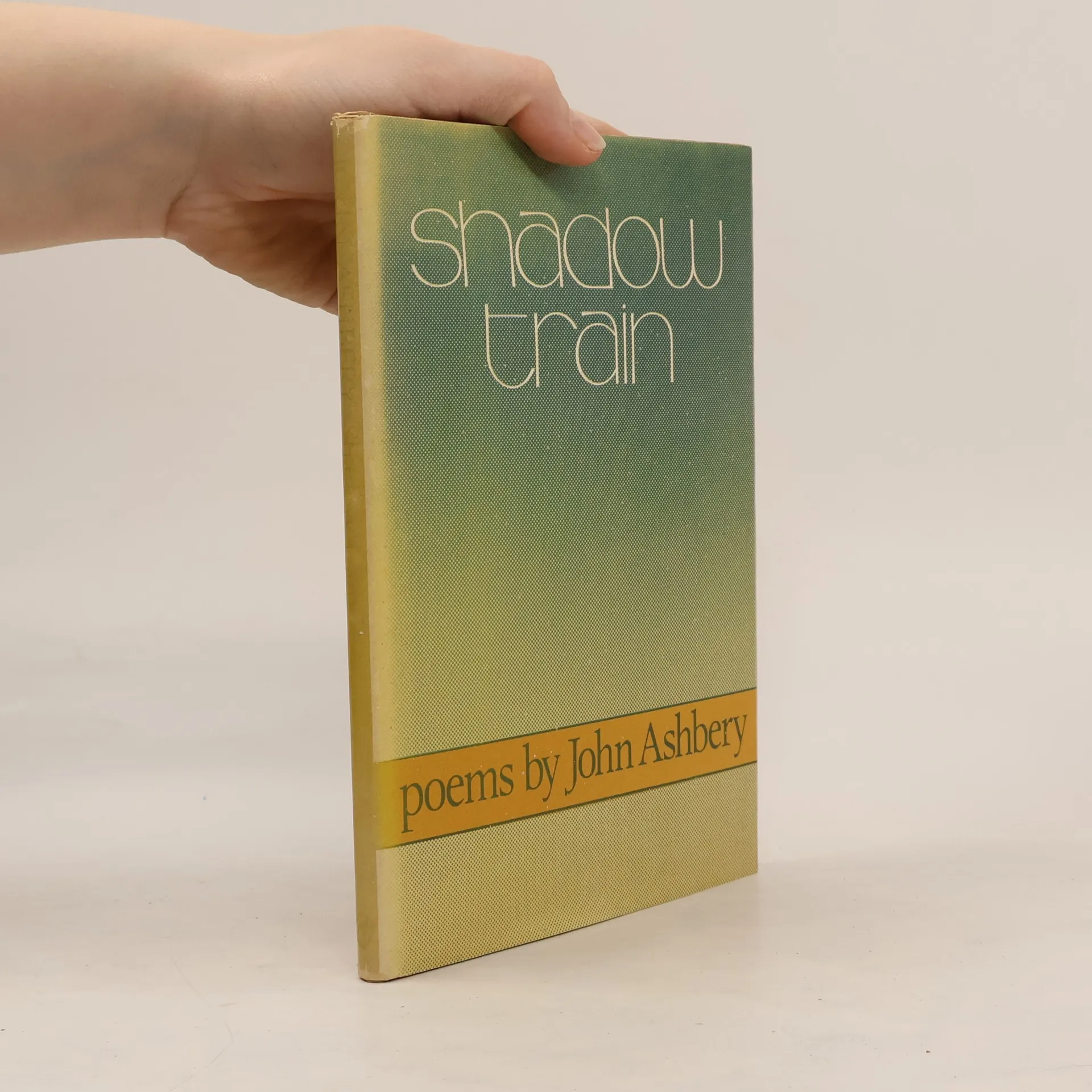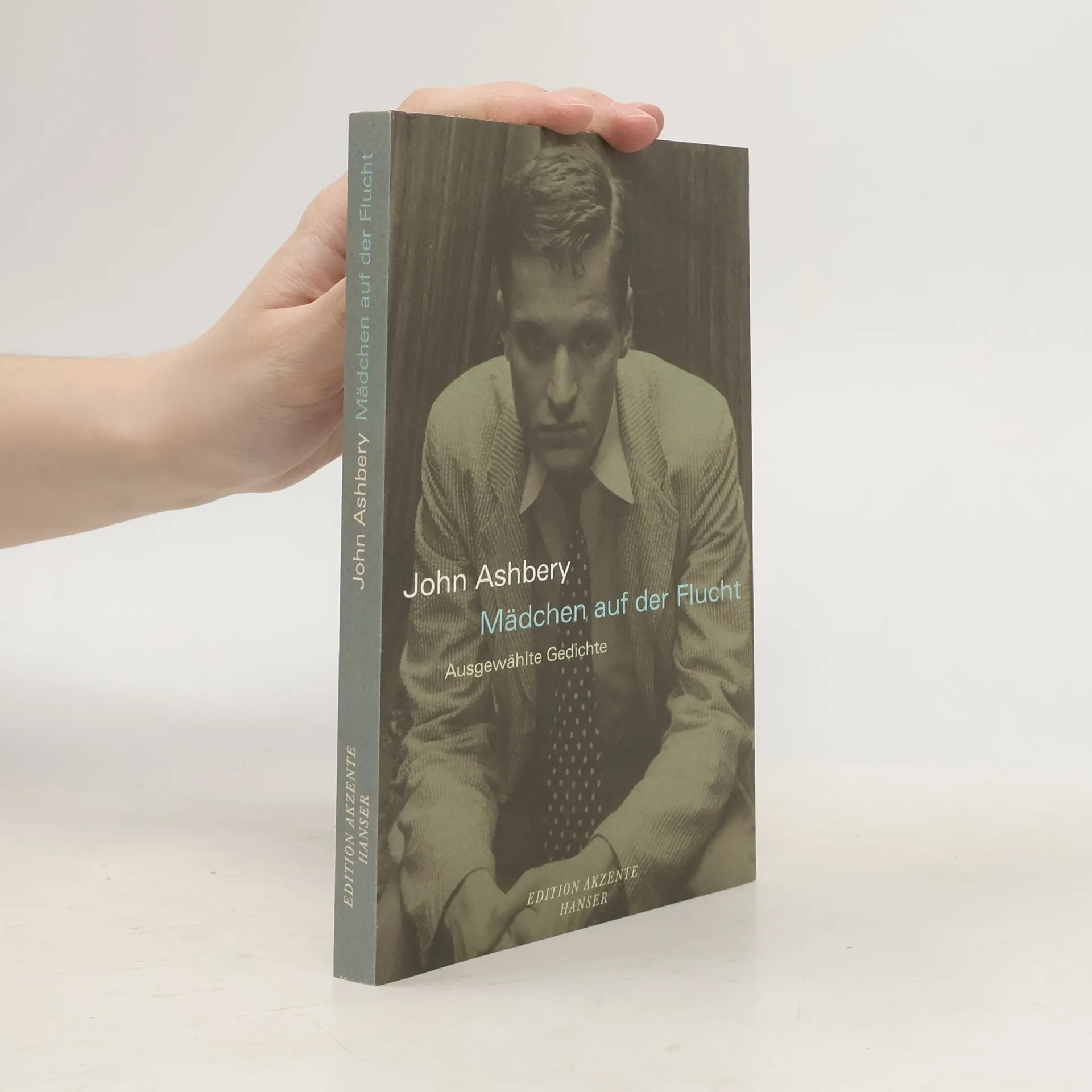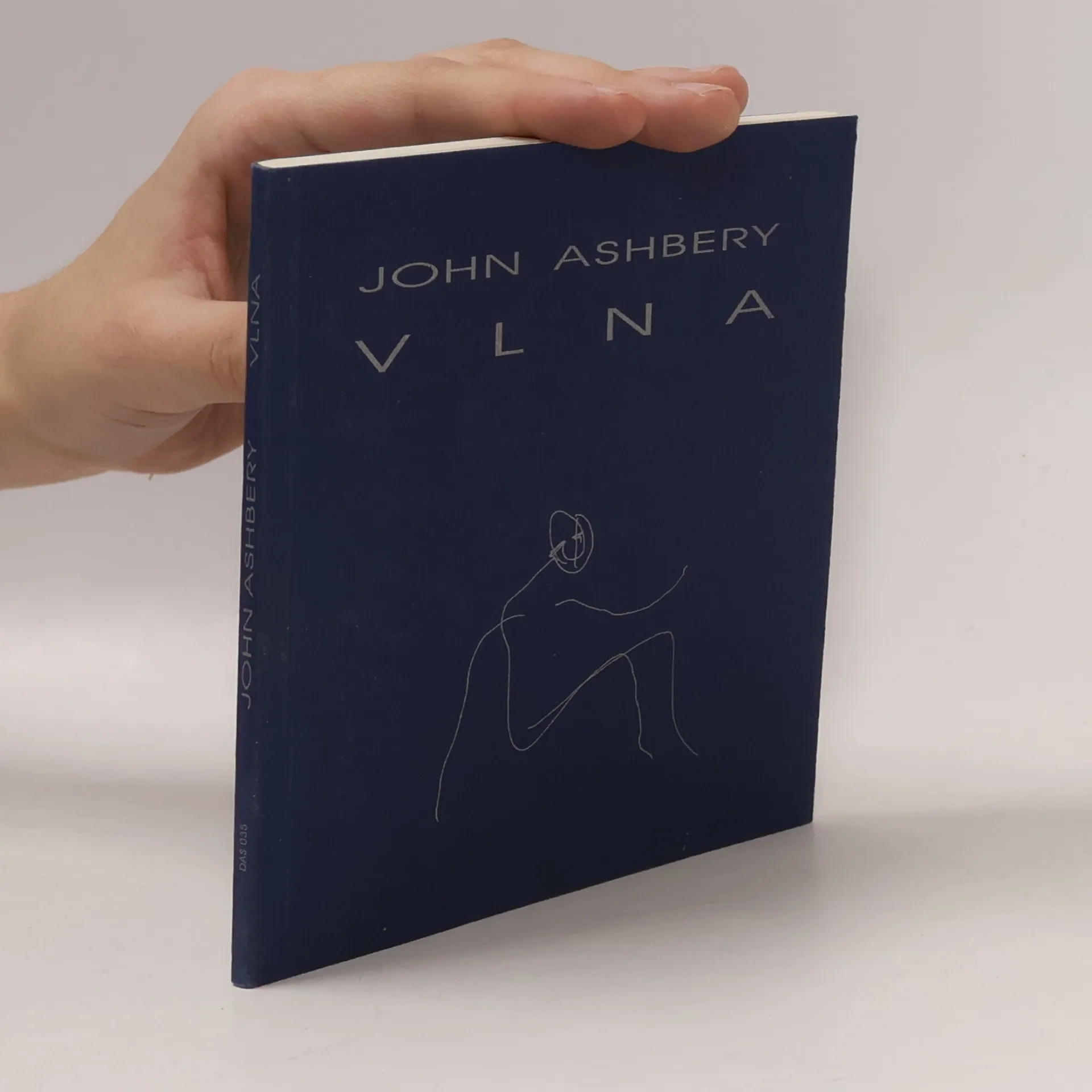


John Ashbery behoorde tot de meest vooraanstaande Amerikaanse dichters, bekend om een oeuvre dat gekenmerkt wordt door speelse intelligentie, ingewikkelde structuren en dubbelzinnige betekenissen die uitnodigen tot actieve betrokkenheid van de lezer. Zijn poëzie duikt regelmatig in thema's als herinnering, identiteit en de aard van taal zelf. Ashbery's kenmerkende stijl, die elementen van modernisme en postmodernisme combineert, heeft een onuitwisbare indruk achtergelaten op de Amerikaanse literatuur.
During his career John Ashbery has been hailed as the eminence grise of
postmodernism, championed by W.H. Auden and has carried off every major
literary prize. Drawn from the work he published up to 1984, this collection
makes a wide range of this poet's writing available.
Featuring masterful translations, this vibrant collection showcases the work of one of today's finest poets. The selections highlight the poet's skill in capturing the essence and nuances of the original texts, offering readers a rich and immersive experience. Each piece reflects a deep understanding of language and emotion, making this collection a vital addition for lovers of poetry and translation alike.
From the early virtuosity of Some Trees and The Tennis Court Oath through the triumphs of the Pulitzer Prize-winning Self-Portrait in a Convex Mirror to the brilliance of A Wave - each collection of John Ashbery's verse has broken new ground. Now, from the whole range of a lifetime's work, Ashbery has chosen his own selection of 138 poems, including short lyrics, haiku, prose poems, and many of his major long poems. Seeing these great works together in one volume, readers will be able to savor a distillation of John Ashbery's work and appreciate fully how remarkable is his achievement.
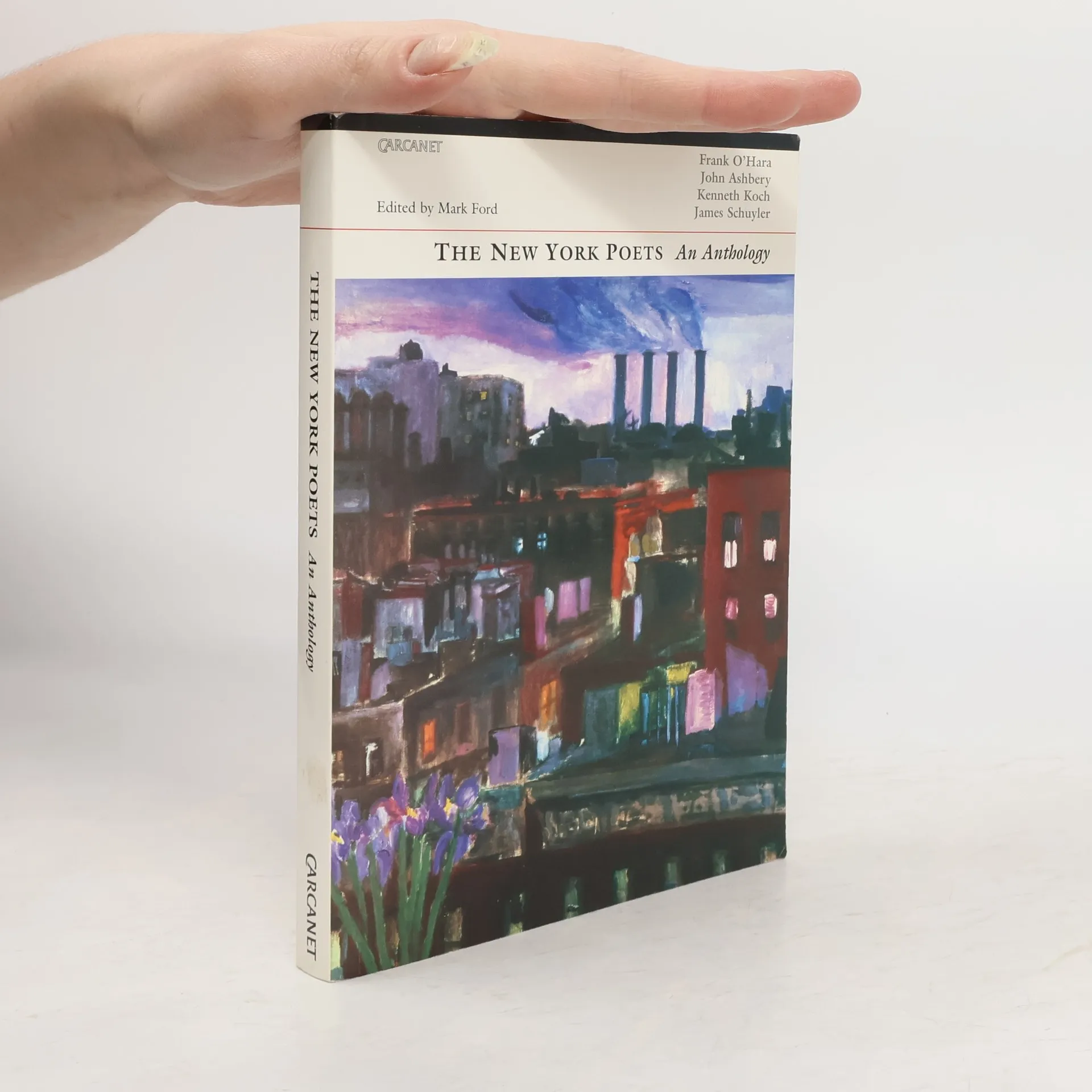
Gathers the work of four of the 'first generation' of New York poets: Frank
O'Hara, John Ashbery, Kenneth Koch and James Schuyler. This anthology provides
introductions to the poets' work, and charts an exchange between experiment
and the emergence of language poetry.
A capsule of the imaginative life of the individual, Some Trees is the 52nd volume of the Yale Series of Younger Poets Comparing him to T. S. Eliot, Stephanie Burt writes that Ashbery is “the last figure whom half of the English-language poets alive thought a great model, and the other half thought incomprehensible.” After the publication of Some Trees, selecting judge W. H. Auden famously confessed that he didn’t understand a word of it. Most reviews were negative. But in this first book of poems from one of the century’s most important poets, one finds the seeds of Ashbery’s oeuvre, including the influence of French surrealists—many of whom he translated—and abstract expressionism.
John Ashberry won the Pulitzer Prize, the National Book Award, and the National Book Critics Circle Award for Self-Portrait in a Convex Mirror. Ashberry reaffirms the poetic powers that have made him such an outstanding figure in contemporary literature. This new book continues his astonishing explorations of places where no one has ever been.
This book places poetry by Ashbery (1927-2017), gathered from his later collections, in conversation with a selection of contemporaneous art writing. In addition, as Ashbery loved music and listened to it while writing, the "playlists" here offer representative samplings of music from these same years, culled from Ashbery's own library of recordings. Ashbery's poetry is frequently described as ekphrastic, though, rather than writing a poem "based on'' or "inspired" by the content of an artwork or piece of music, he engages with how the experience of seeing it and the artistic strategies employed offer ways of thinking about it and through it. Many of the observations from Ashbery's art writing also offer keys to how we might read his poetry. Many of the recordings he listened to feature contemporary classical works that emphasize complex textures, disparate sounds, and disjunct phrases--qualities which are mimicked in his poetry. Ashbery's poetry similarly plays with a diversity of poetic textures and sudden turns such that a reader might construct multiple narratives or pathways of meaning. He rarely offers linear stories or focuses on evocative descriptions of a scene or object. In exploring this ekphrastic book project, the reader is invited to discover how, for Ashbery, these three forms might illuminate and inform one another. In Mónica de la Torre's introduction, she explores the connection between the three muses of music, art, and poetry, and the ekphrastic experience of reading Ashbery-- Provided by publisher