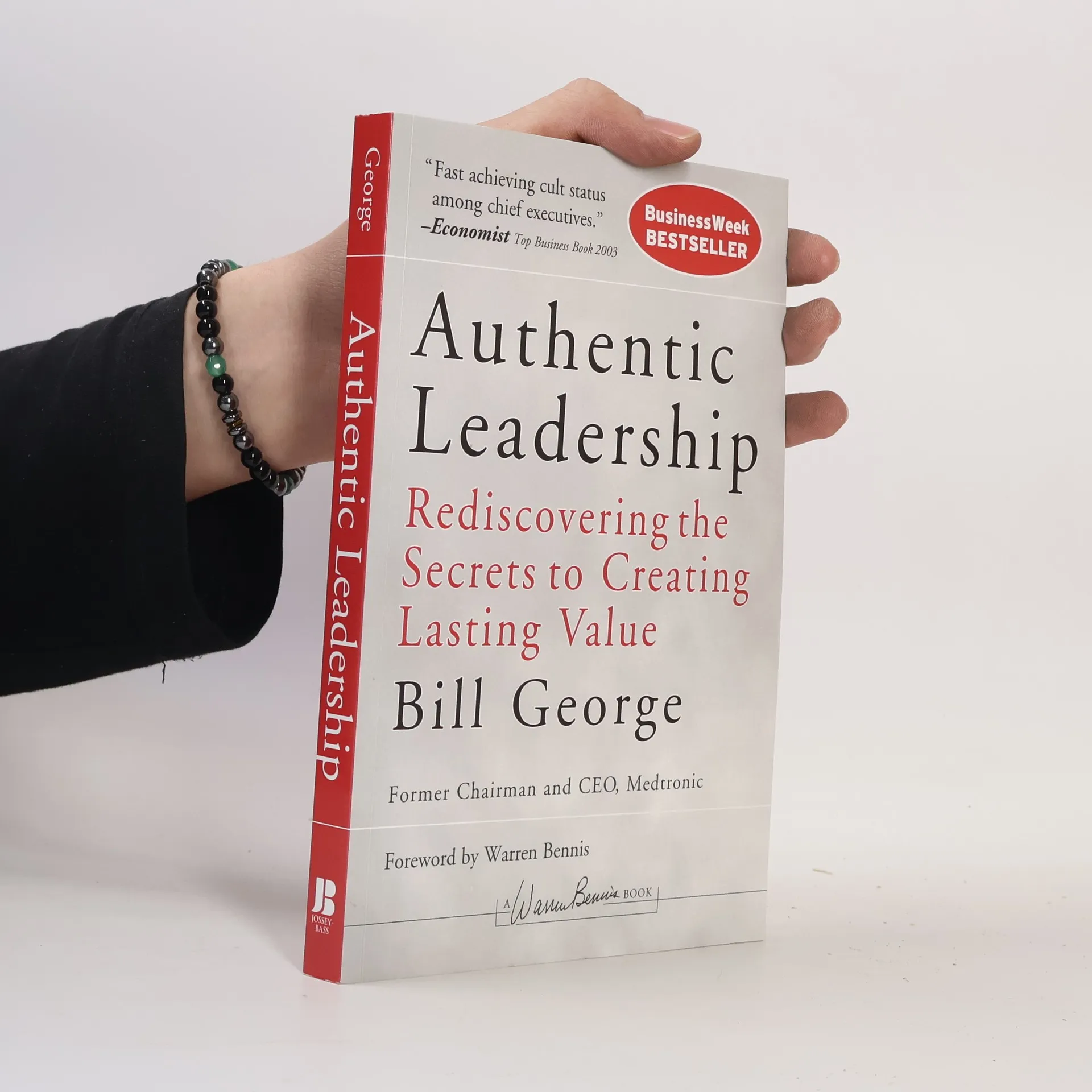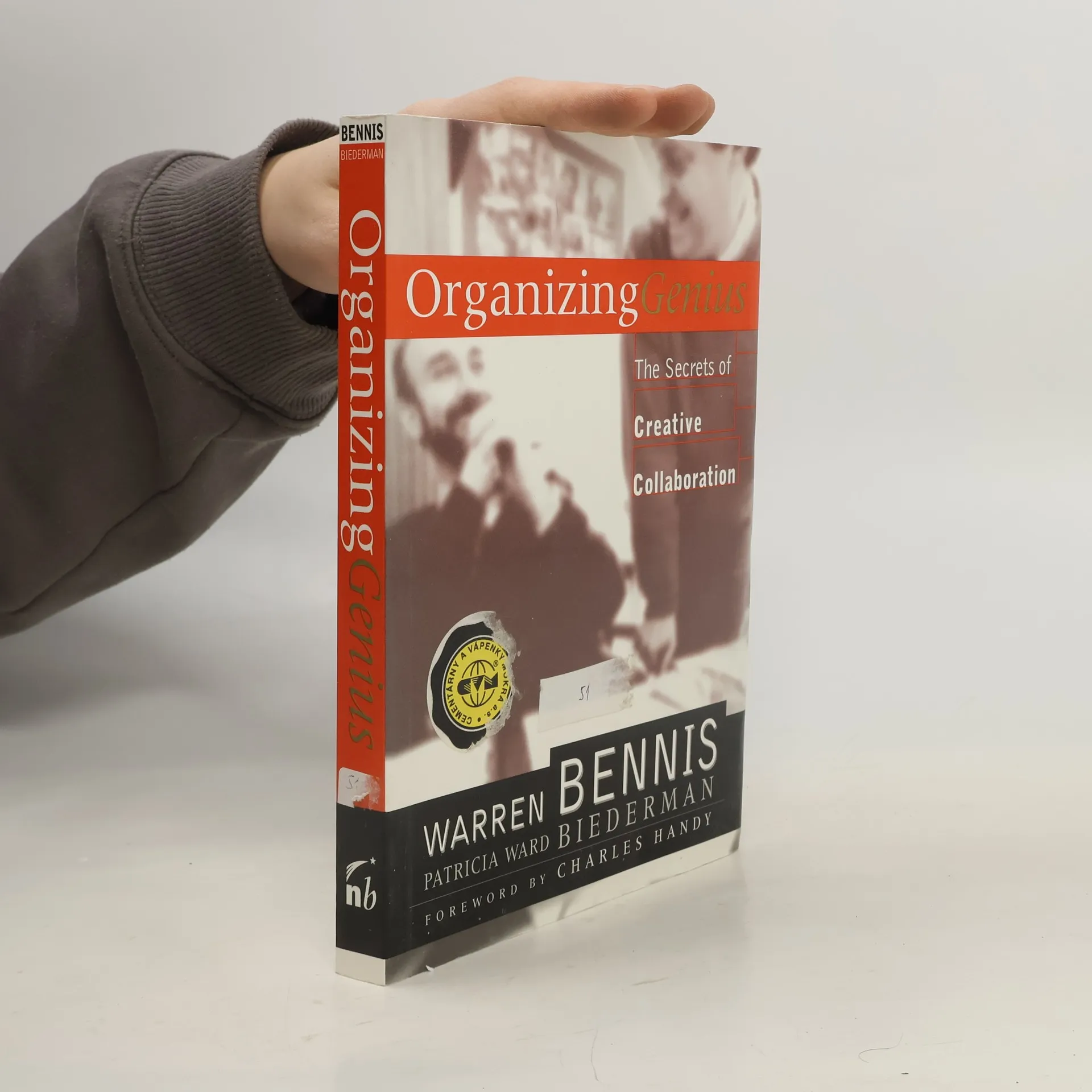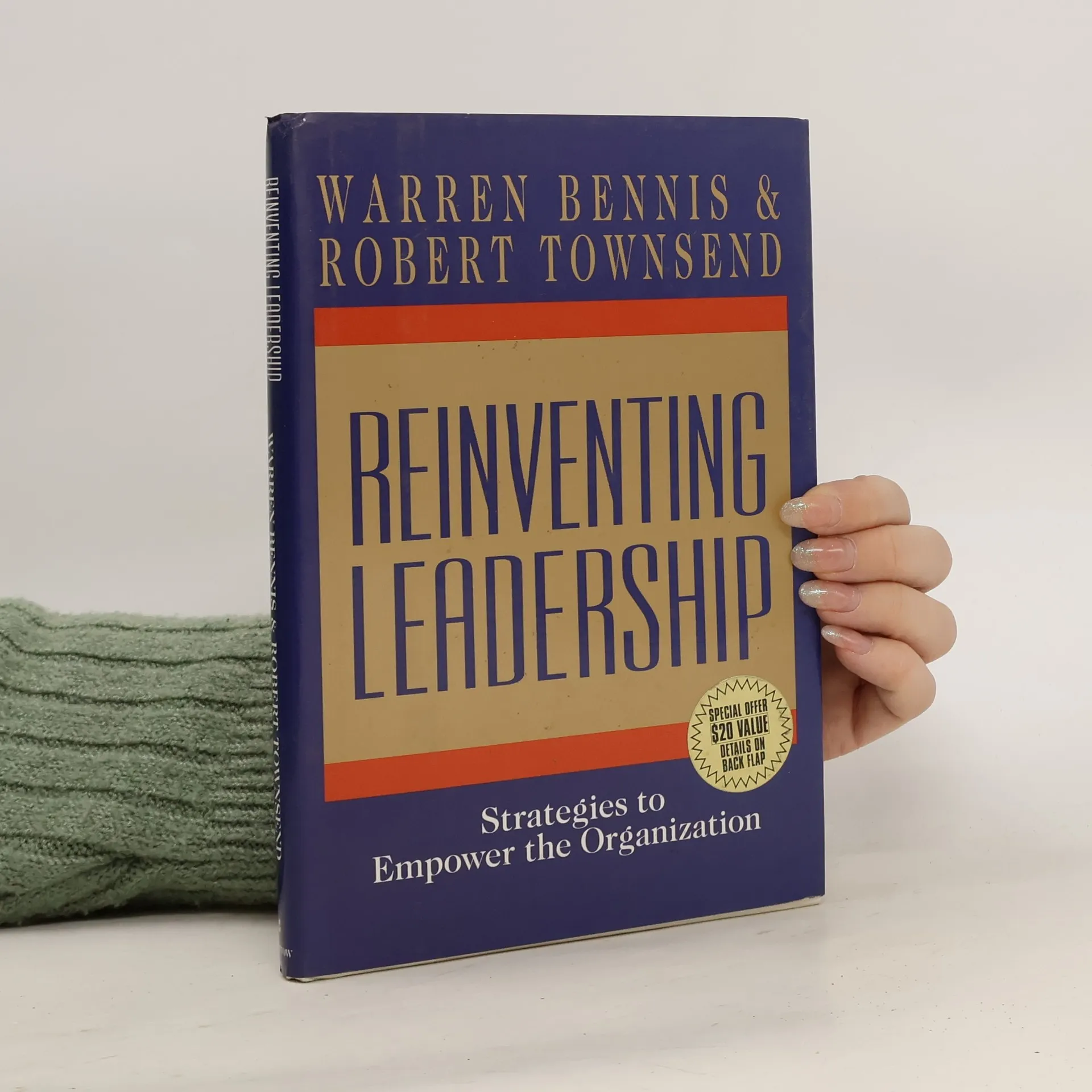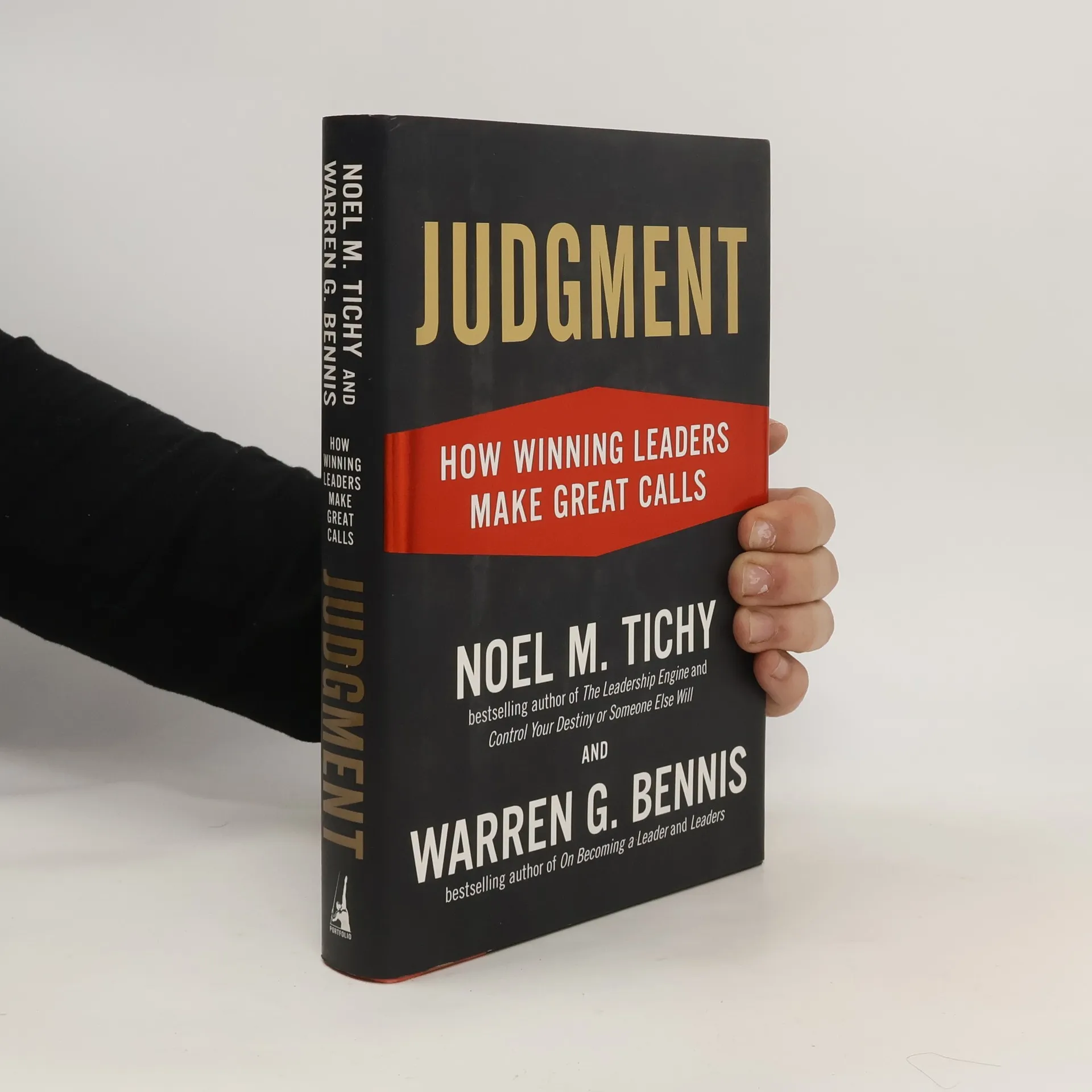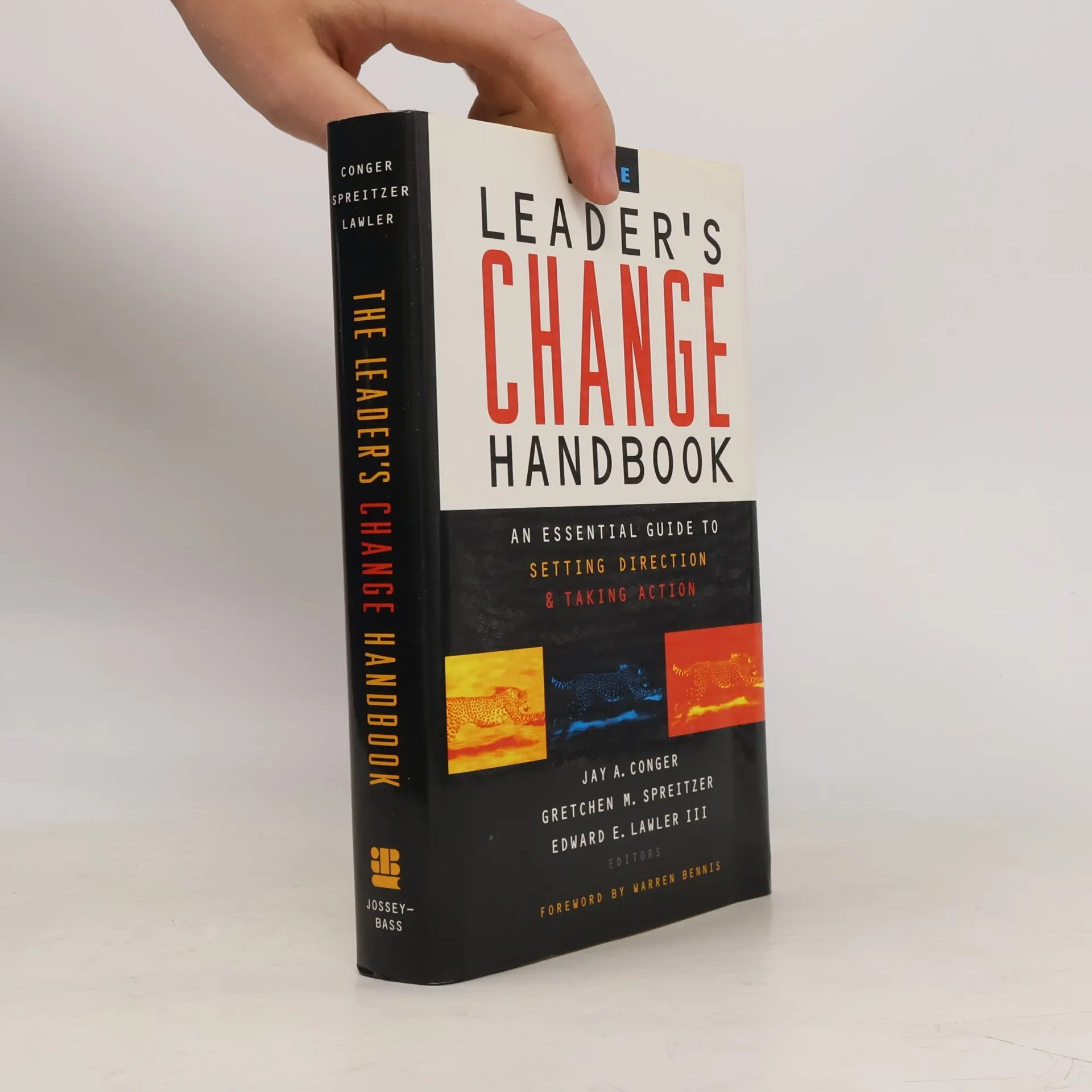
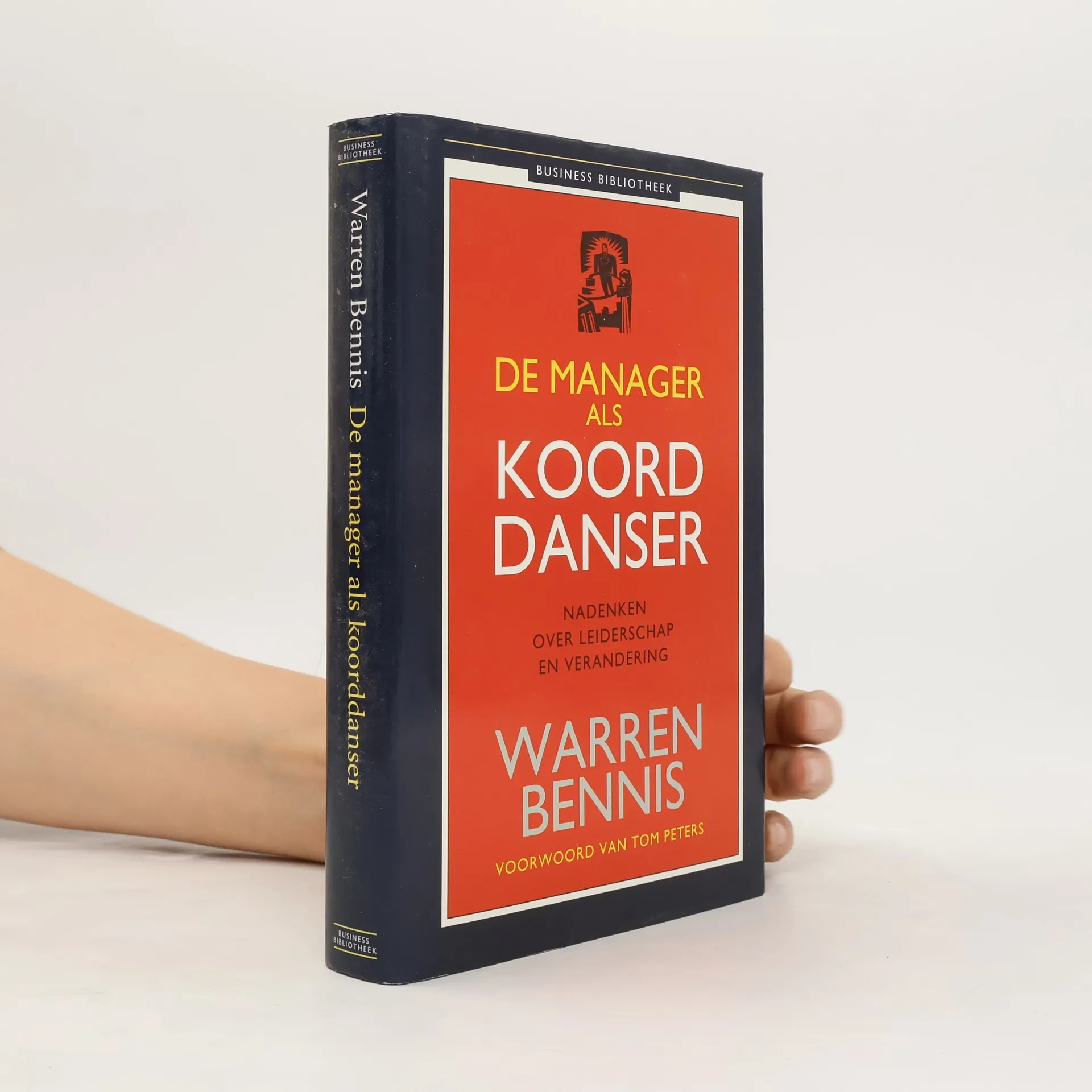


Business Bibliotheek: Leiderschap in de 21ste eeuw
- 126bladzijden
- 5 uur lezen
Interviews met een tiental topmanagers.
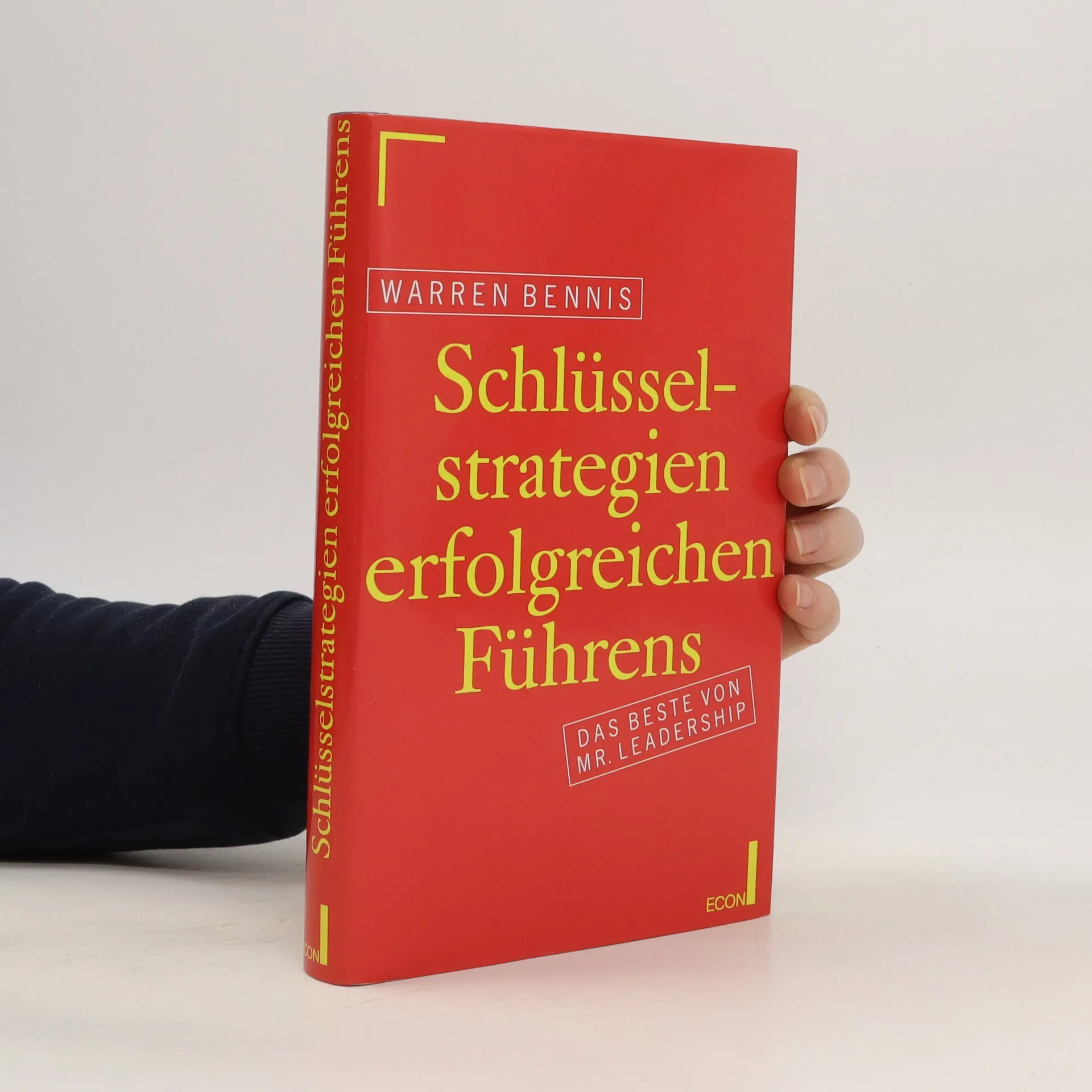
Warren Bennis was een pionier op het gebied van hedendaagse leiderschapsstudies, met een focus op groepsgedrag en het bevorderen van meer democratische en adaptieve instellingen. Hij daagde de heersende opvattingen uit door humanistische, democratische leiderschapsstijlen te bepleiten. Bennis' werk benadrukte het belang van deze benaderingen voor het omgaan met de complexiteit en verandering die kenmerkend zijn voor moderne leiderschapsomgevingen.


Interviews met een tiental topmanagers.
Uitgaande van praktijkvoorbeelden geeft de auteur, een hoogleraar bestuurskunde zijn visie op management en leiderschap met als kenmerken risico's nemen, fouten niet zien als falen en de noodzaak tot voortdurende verandering.
In today's dog-eat-dog world of competition and constant change, people in every position - especially the old dogs - must learn to work in teams rather than as lone wolves. They must learn the relatively new tricks of collaboration and innovation to create faster, better and more profitable organizations. These essays reflect the thinking and insights of Warren Bennis, showing how authoritarian managers may be transformed into collaborative and creative thinkers.
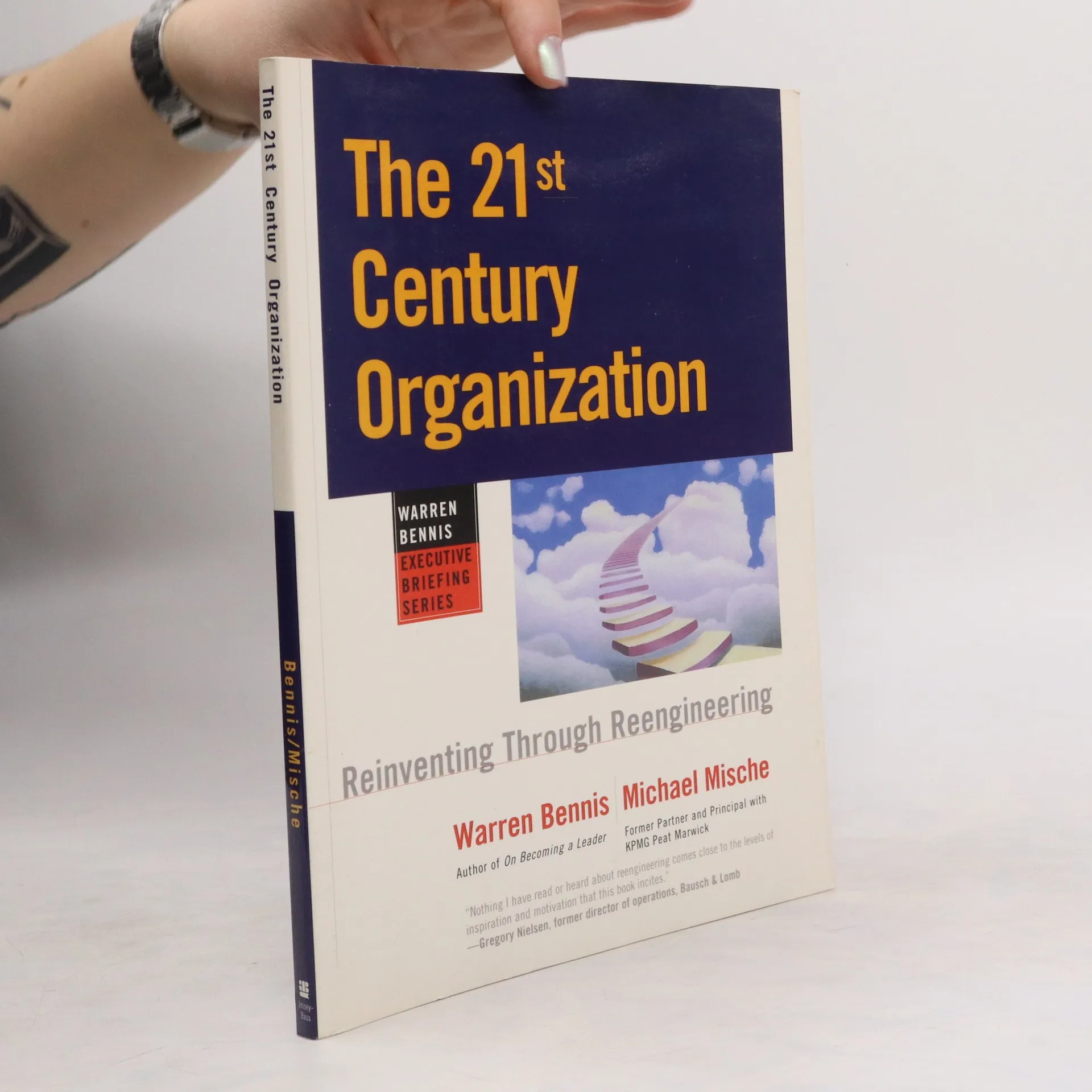
Read it in just 2 hours! A Warren Bennis Executive Briefing Series Book With this book, two distinguished experts present a proven five-phase process for making an organization leaner, more responsive, and more aware of it's customers' needs. Drawing on real-life change iniatives undertaken at Motorola, General Electric, Hewlett-Packard and other industry leaders, Bennis and Mische demystify the process of reinventing a company and address many questions critical to the success of comprehensive change efforts. Through trAnd analysis, case study examples, and facts lists--all presented in an easy-to-absorb SuperReading format-- The 21st Century Organization examines the economic, quality control, and productivity issues associated with organizational restructuring and demonstrates how each will impact a company's ability to compete in the growing global marketplace.
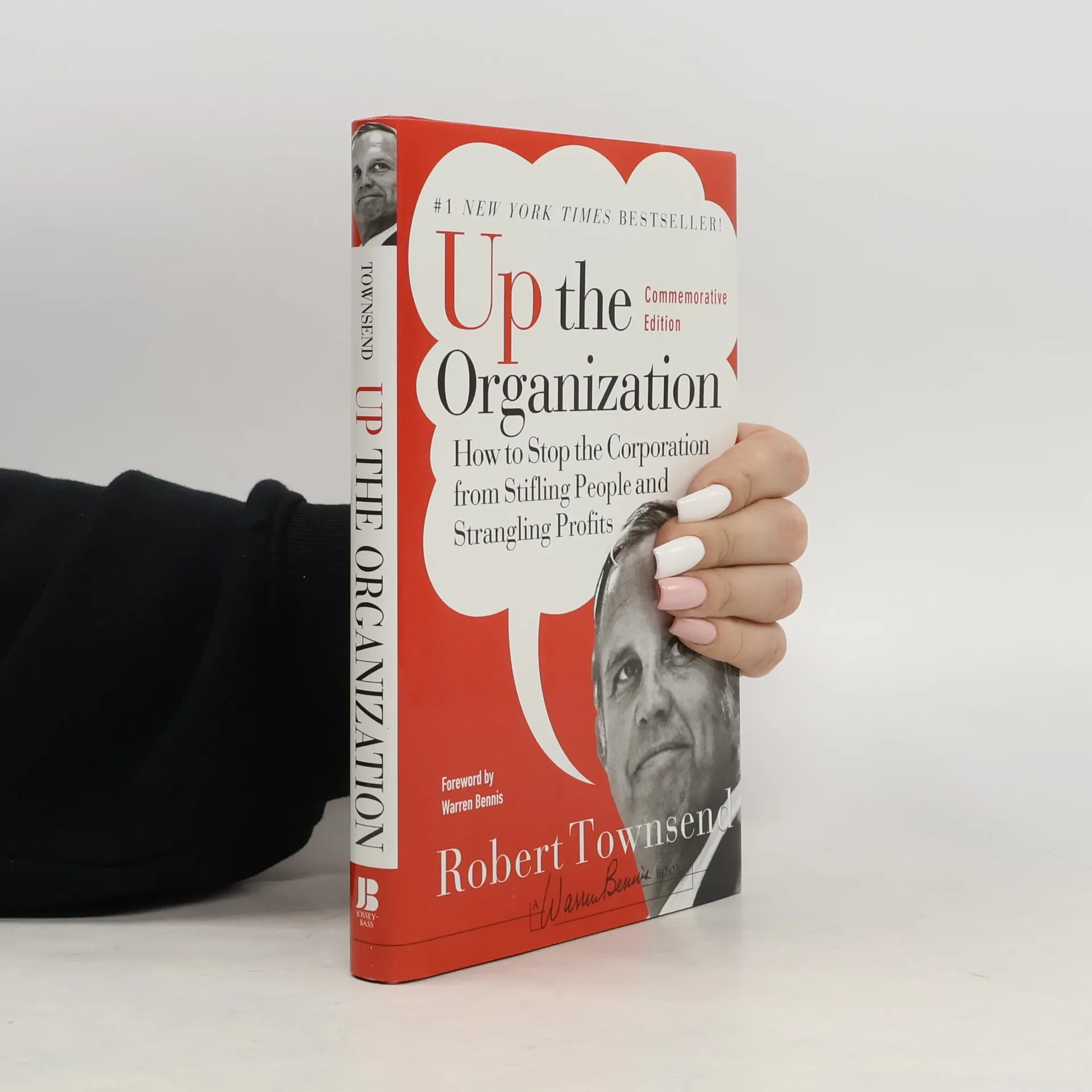
How to Stop the Corporation from Stifling People and Strangling Profits - Commemorative Edition
Although it was first published more than thirty-five years ago, Up the Organization continues to top the lists of best business books by groups as diverse as the American Management Association, Strategy + Business (Booz Allen Hamilton), and The Wharton Center for Leadership and Change Management.
In this offbeat approach to leadership, college president Steven B. Sample-the man who turned the University of Southern California into one of the most respected and highly rated universities in the country-challenges many conventional teachings on the subject. Here, Sample outlines an iconoclastic style of leadership that flies in the face of current leadership thought, but a style that unquestionably works, nevertheless. Sample urges leaders and aspiring leaders to focus on some key counterintuitive truths. He offers his own down-to-earth, homespun, and often provocative advice on some complex and thoughtful issues. And he provides many practical, if controversial, tactics for successful leadership, suggesting, among other things, that leaders should sometimes compromise their principles, not read everything that comes across their desks, and always put off decisions.
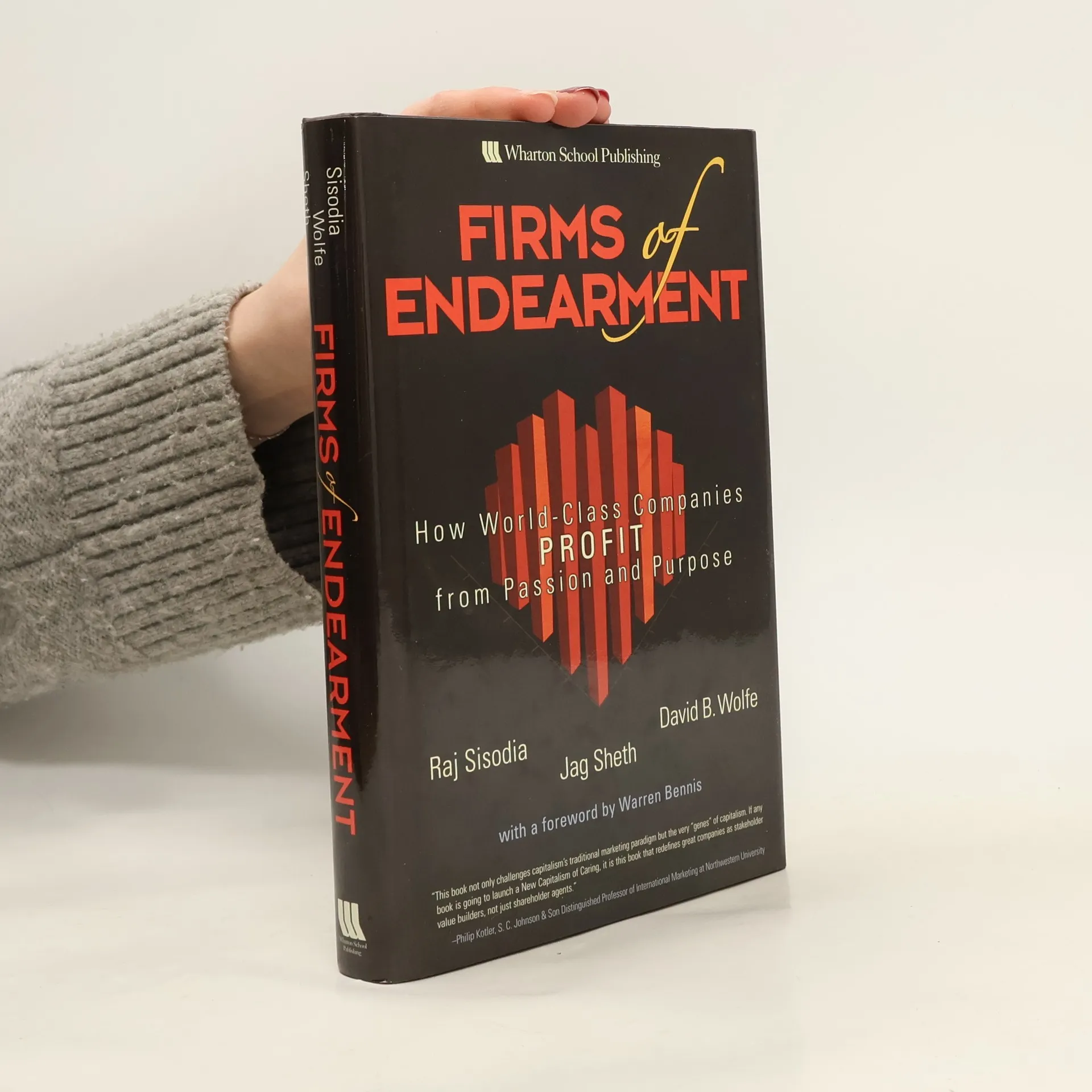
How World-Class Companies Profit from Passion and Purpose
In today's competitive landscape, the most successful companies are redefining value by focusing on emotional, experiential, social, and financial aspects for all stakeholders. These "Firms of Endearment" prioritize love, joy, authenticity, and empathy, creating deep loyalty among customers, employees, and investors. This shift is not merely a trend but a necessary evolution for long-term competitive advantage. Through 30 compelling case studies, including industry leaders like CarMax®, Timberland™, and Trader Joe’s, the text illustrates how these organizations thrive by aligning their missions with the deeper values that modern consumers seek. They are not just chasing profits; they aim to leave a positive impact on society and the environment. This approach transforms the very essence of capitalism, moving beyond traditional corporate social responsibility to a more integrated model of success. The book provides actionable insights for businesses aiming to enhance relationships with customers, associates, and partners. It emphasizes the importance of gaining “share of heart” rather than just “share of wallet,” advocating for a holistic view of stakeholder interests. As we navigate this Age of Transcendence, companies must adapt to survive and flourish, ensuring they contribute positively to the world while achieving remarkable performance.
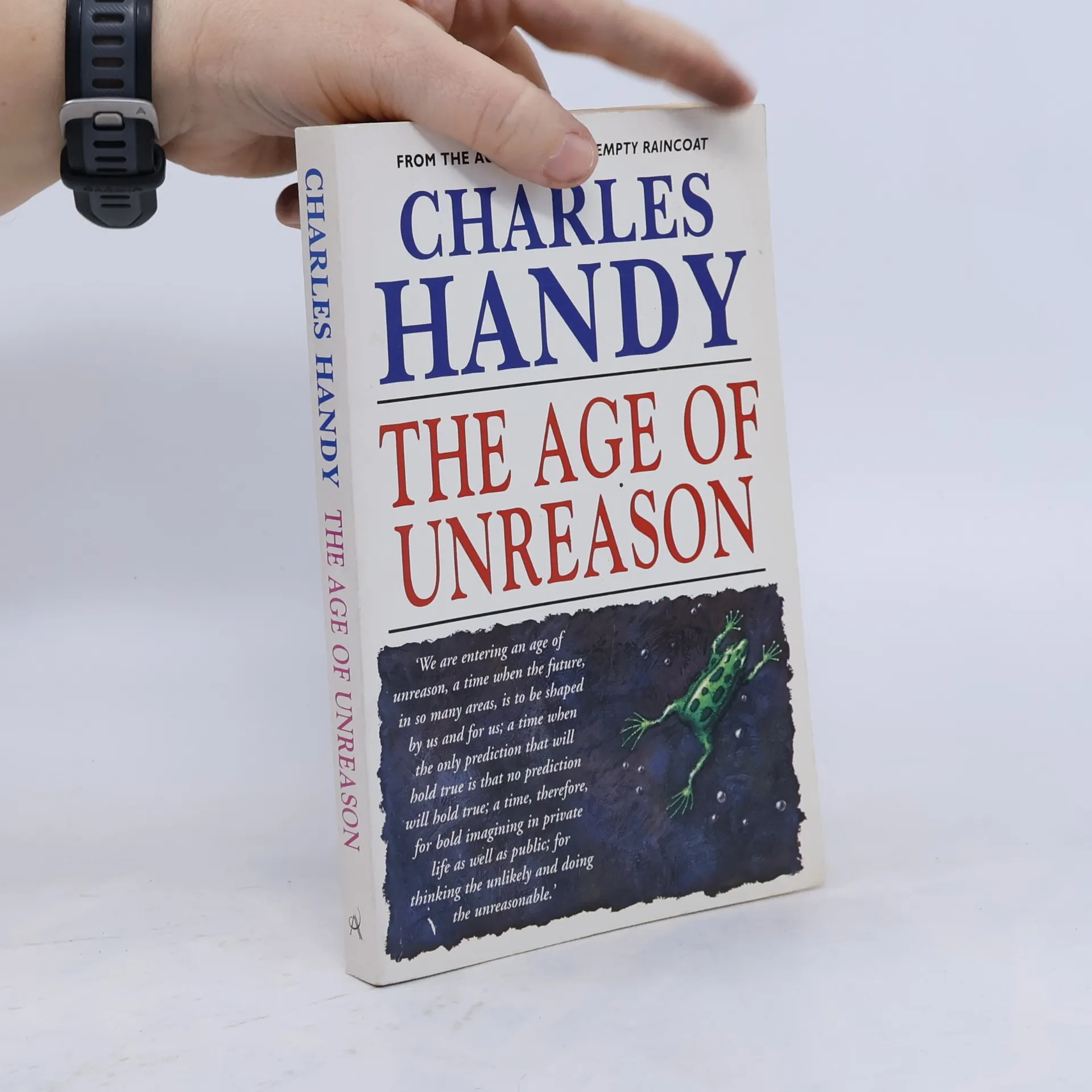
In an era when change is constant, random, and, as Handy calls it, discontinuous, it is necessary to break out of old ways of thinking in order to use change to our advantage. Handy examines how dramatic changes are transforming business, education, and the nature of work. We can see it in astounding new developments in technology, in the shift in demand from manual to cerebral skills, and in the virtual disappearance of lifelong, full-time jobs. Handy maintains that discontinuous change requires discontinuous, upside-down thinking, and discusses the need for new kinds of organizations, new approaches to work, new types of schools, and new ideas about the nature of our society.
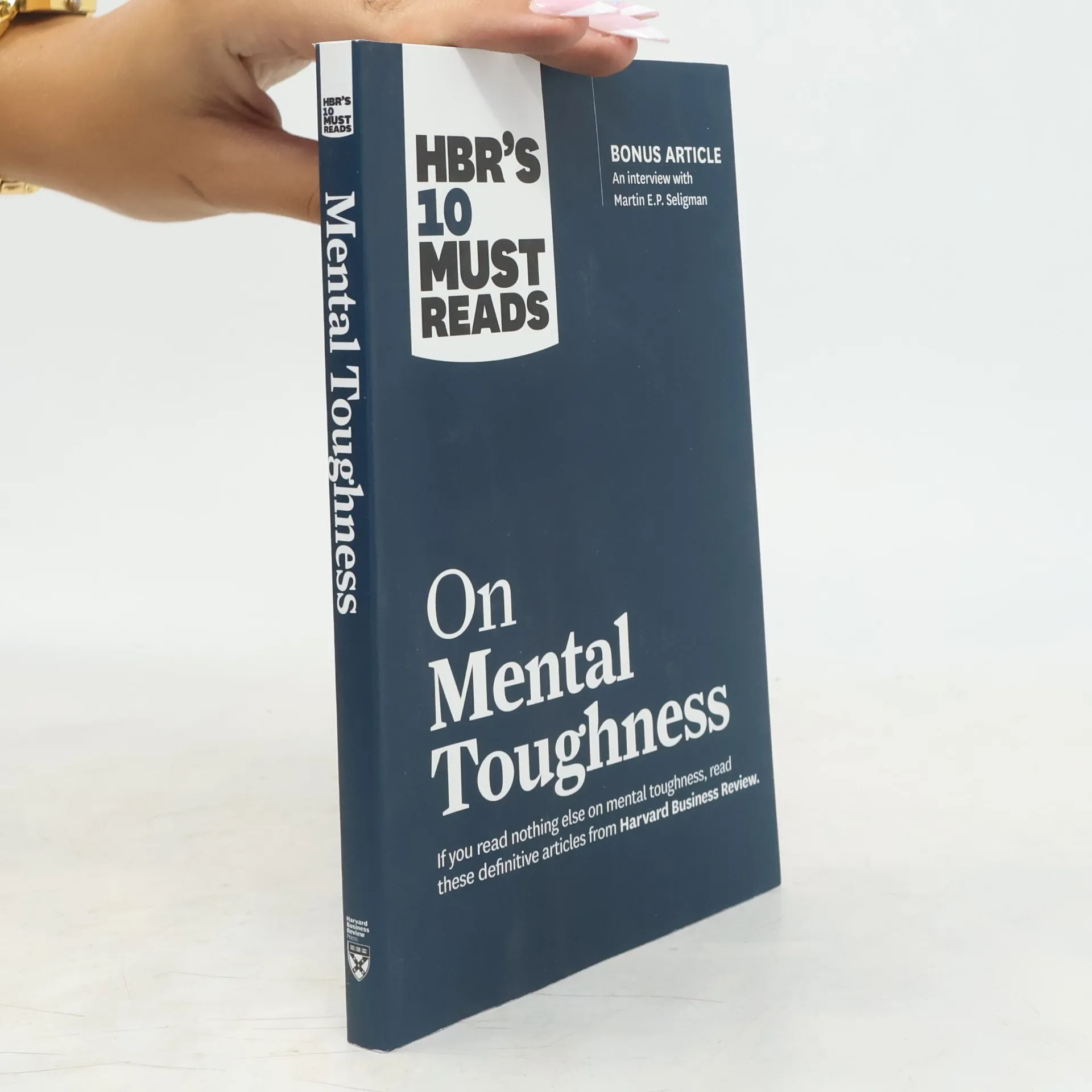
Our professional lives are full of challenges and setbacks, but those who achieve elite performance are able to consistently rally their emotional strength in the pursuit of their goals--no matter what gets thrown at them. If you read nothing else on mental toughness, read these ten articles by experts in the field. We've combed through hundreds of articles in the Harvard Business Review archive and selected the most important ones to help you build your emotional strength and resilience--and to achieve high performance. This book will inspire you to: Thrive on pressure like an Olympic athlete Manage and overcome negative emotions by acknowledging them Plan short-term goals to achieve long-term aspirations Surround yourself with the people who will push you the hardest Use challenges to become a better leader Use creativity to move past trauma Understand the tools your mind uses to recover from setbacks--
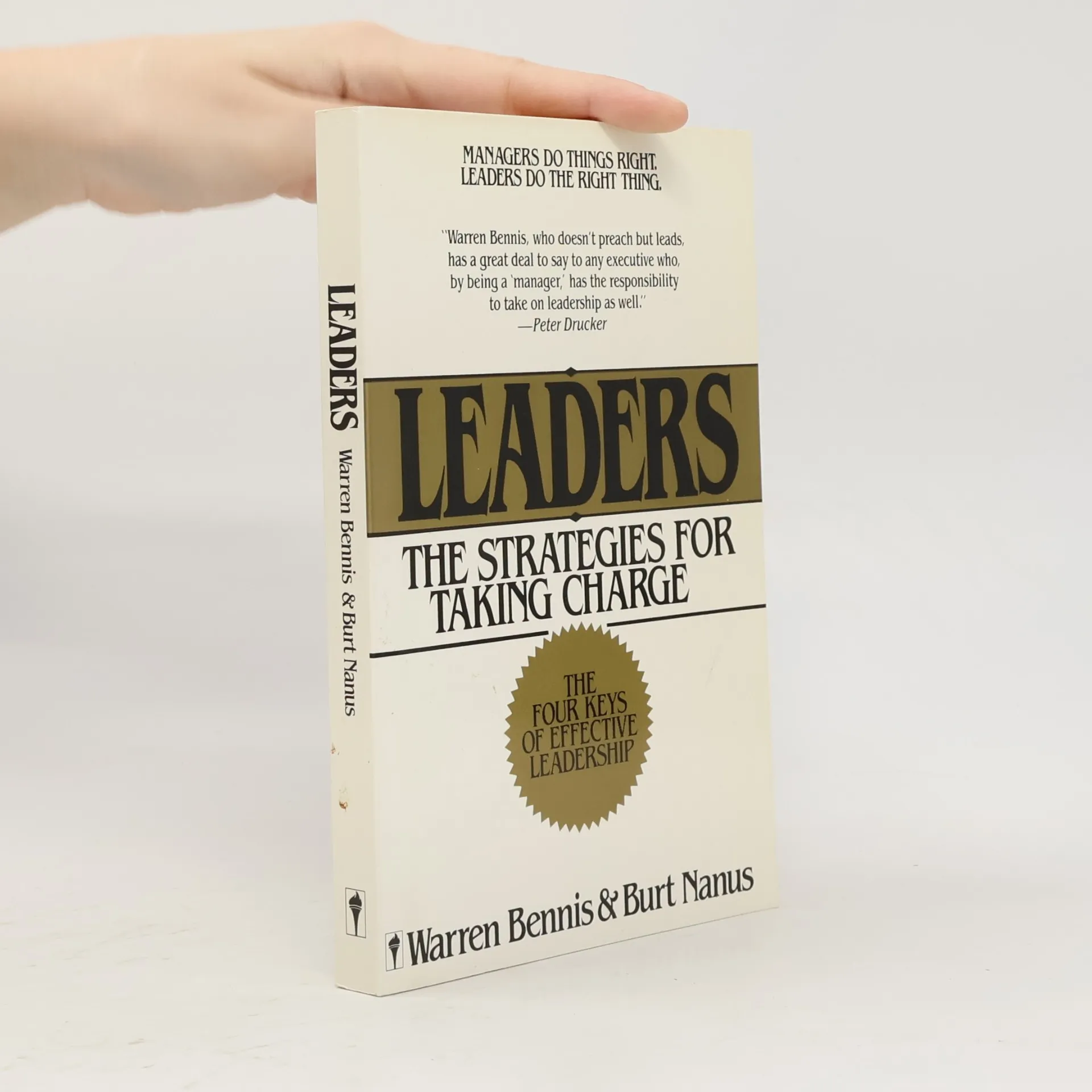
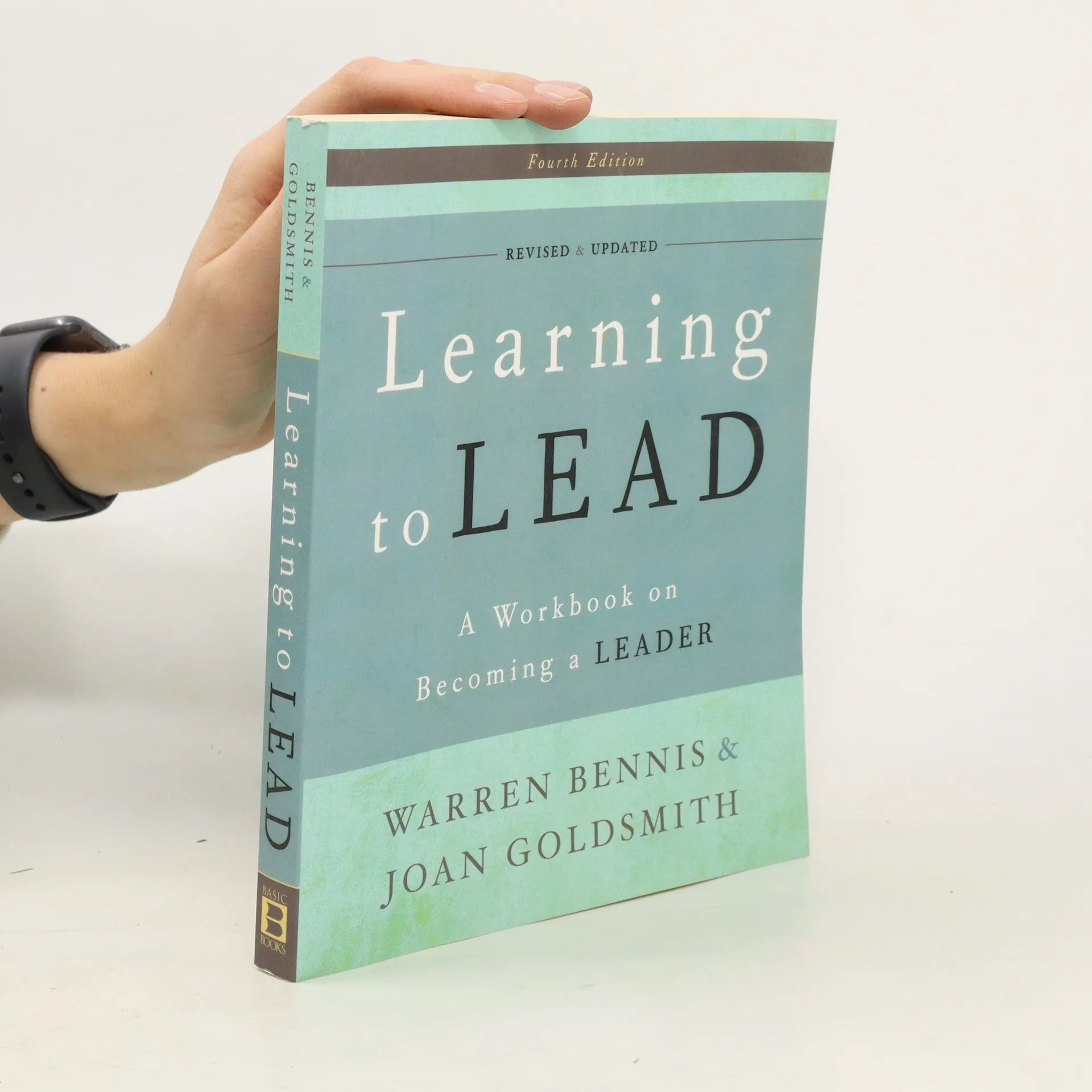
Discusses the qualities of successful business executives and offers advice for managers on how to develop leadership skills.