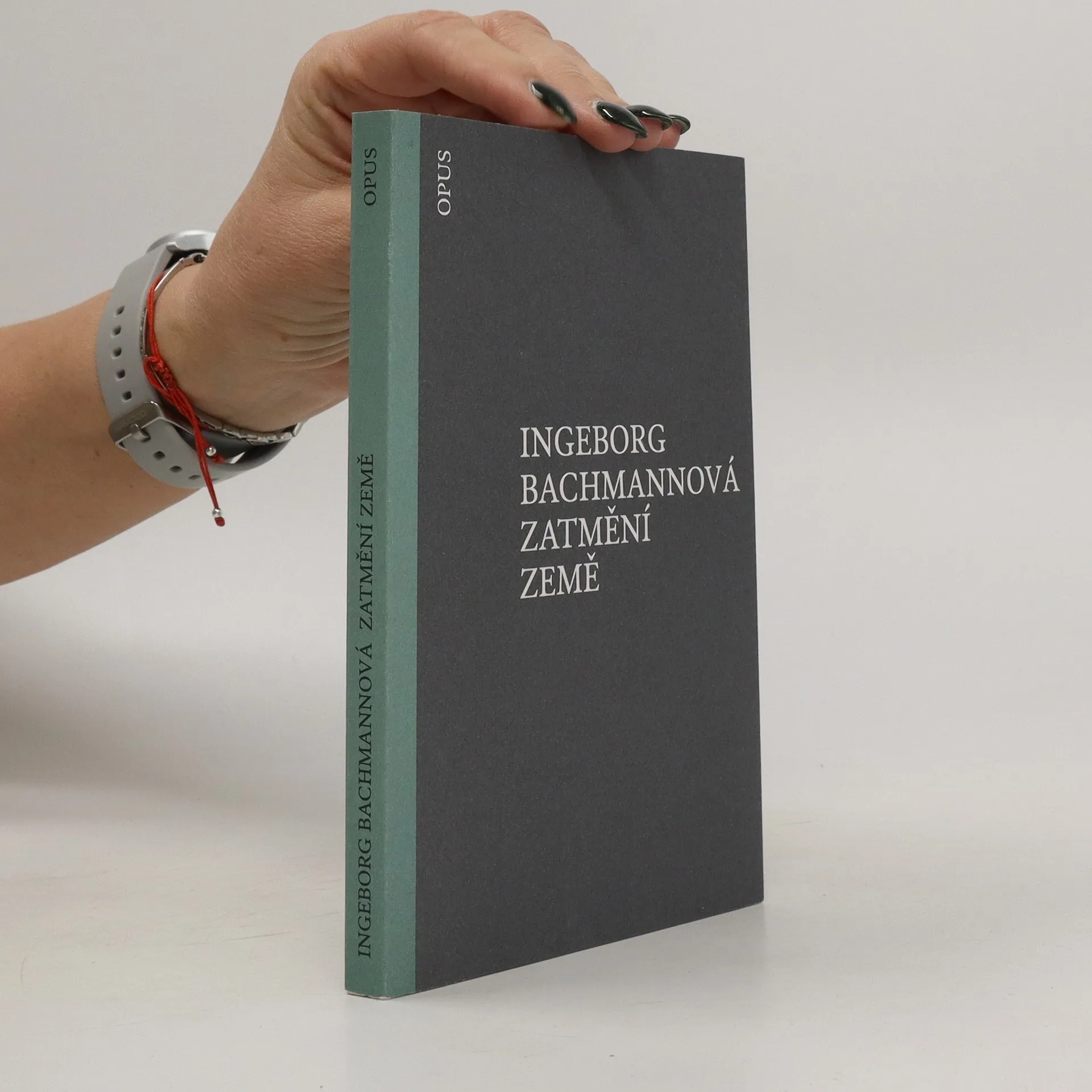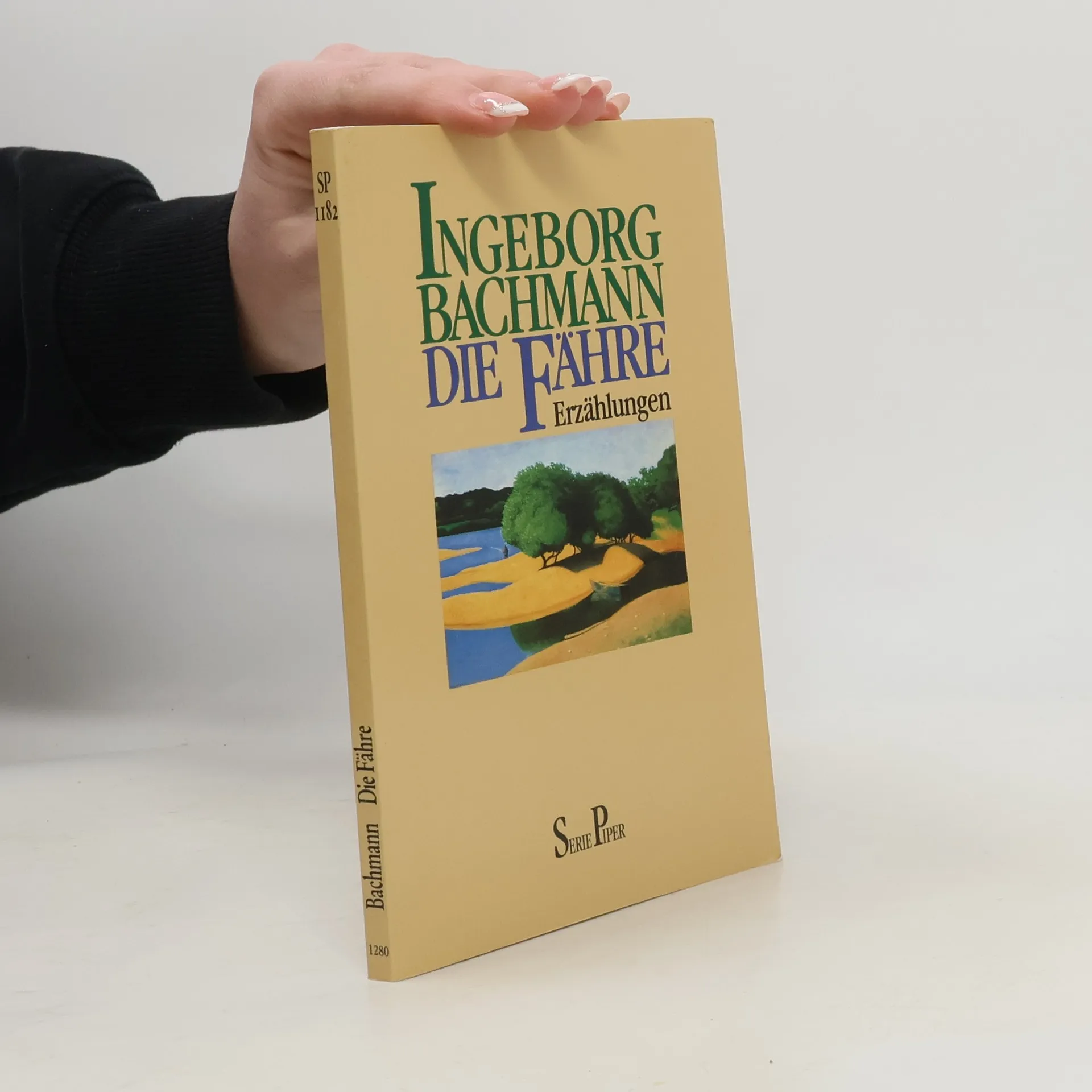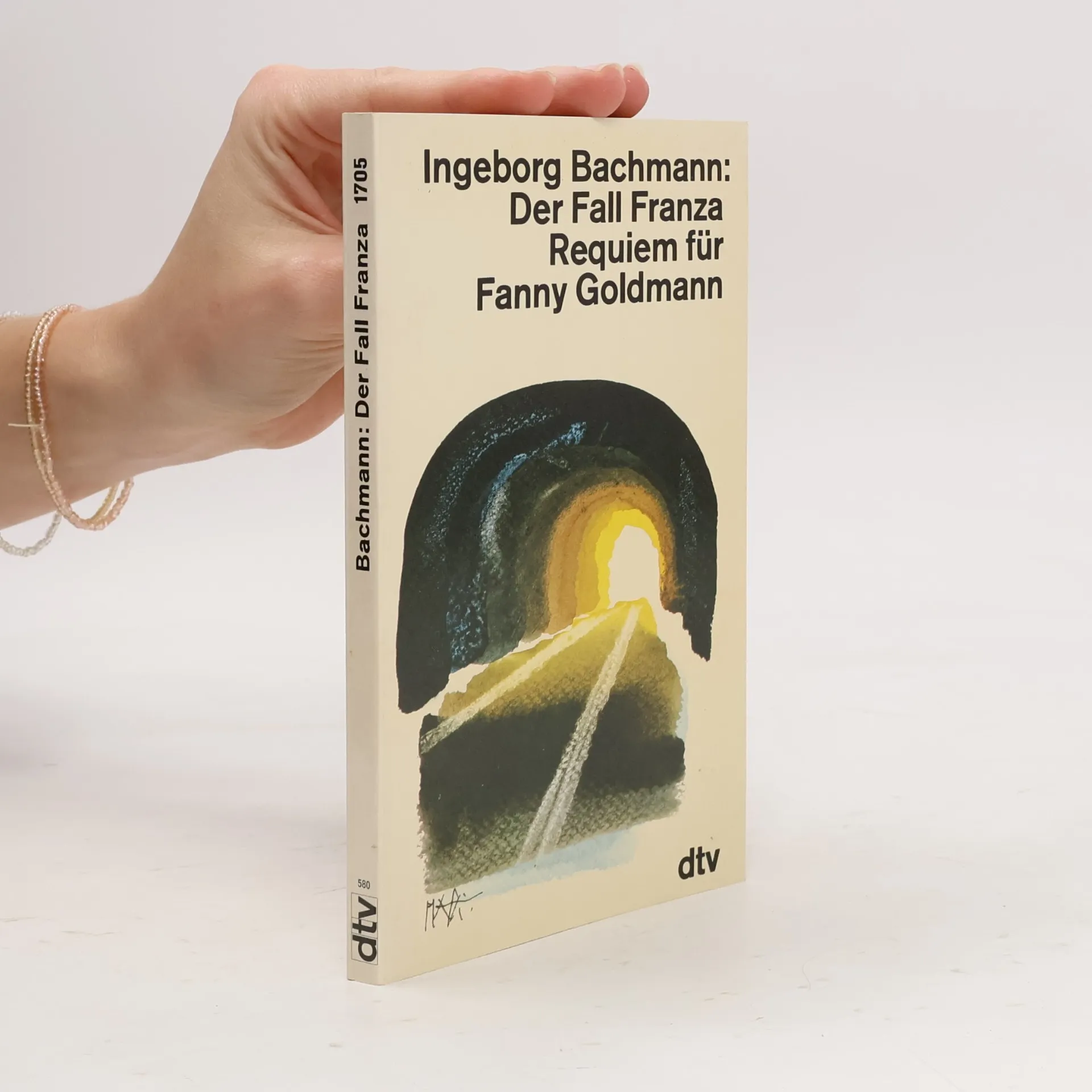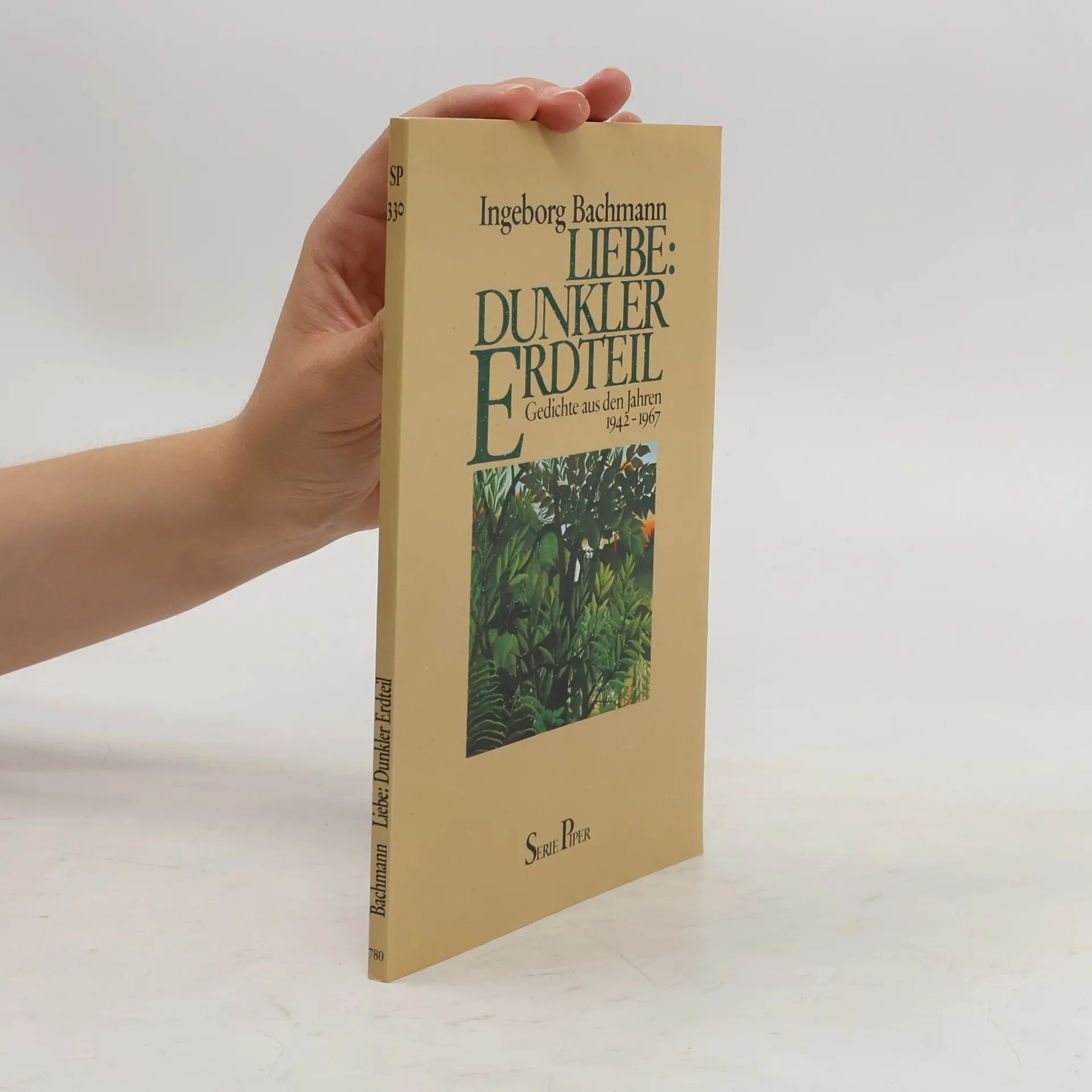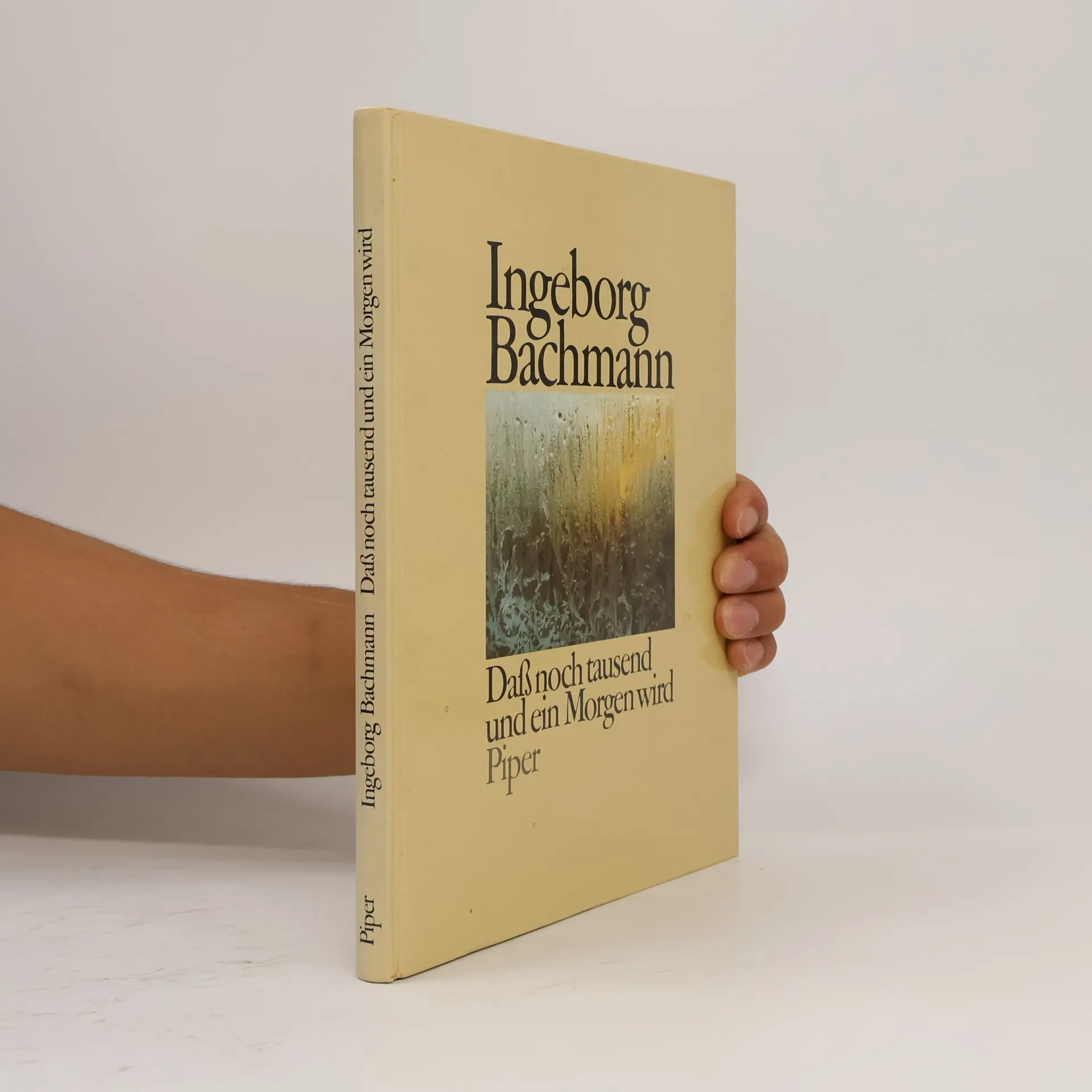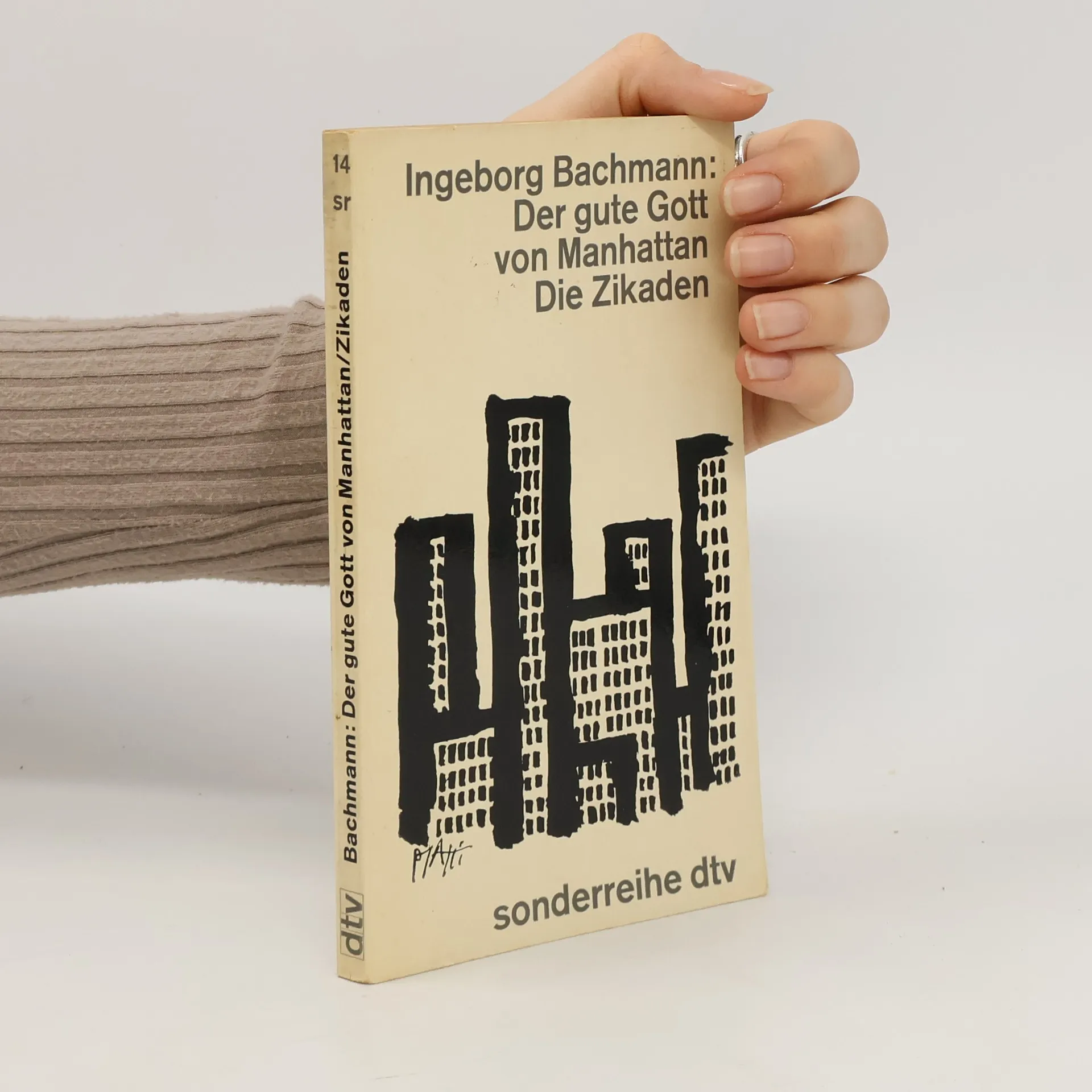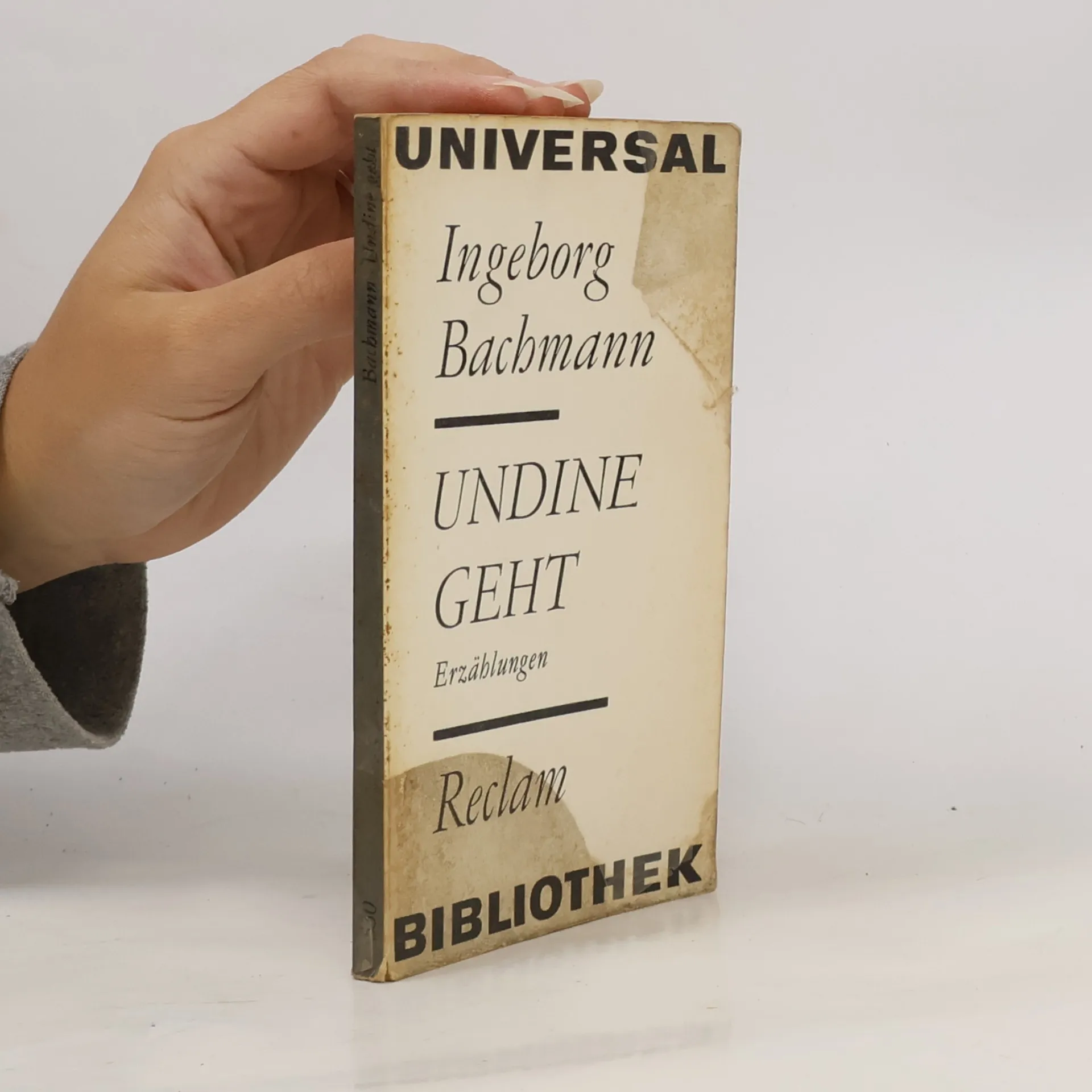
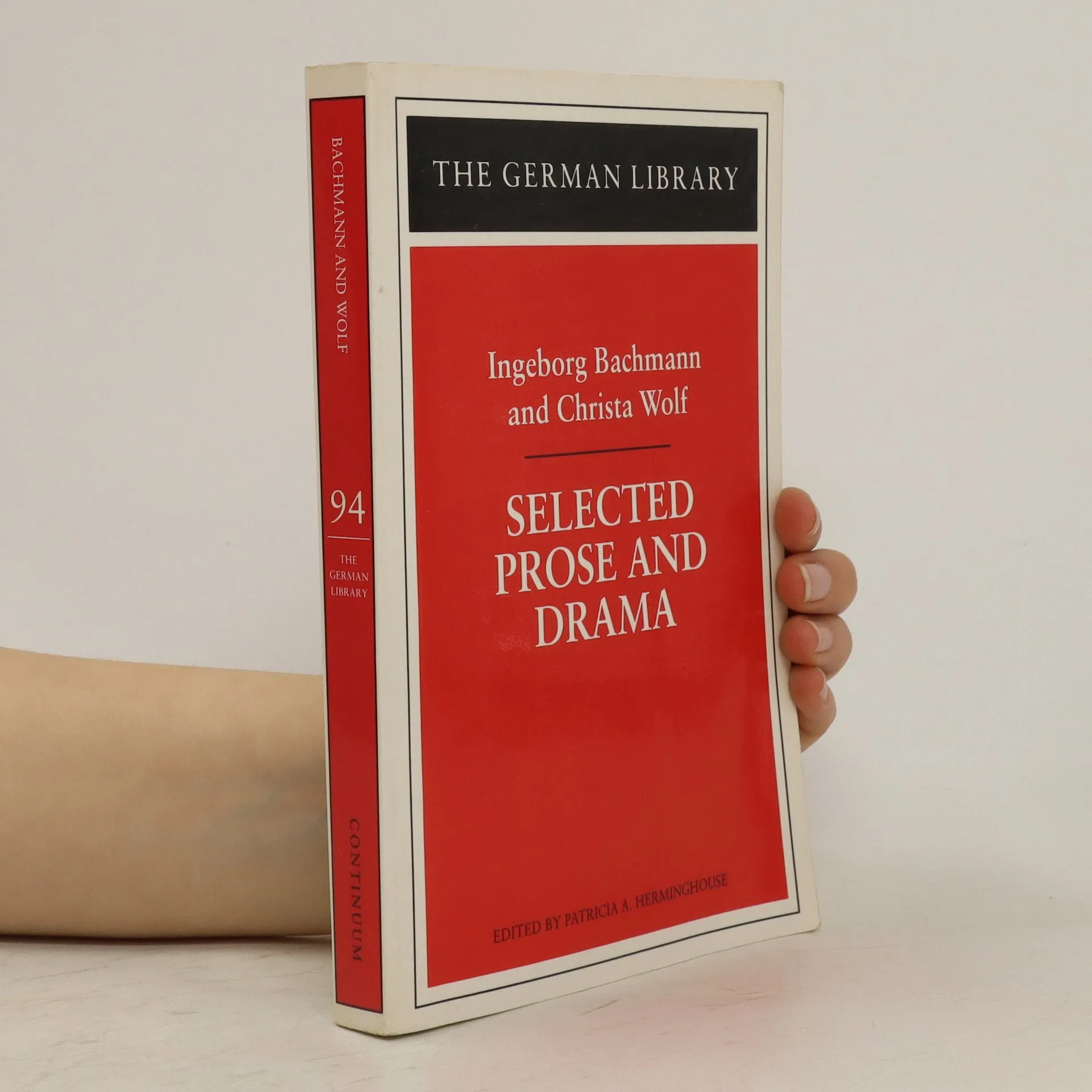
The German Library 94: Selected Prose and Drama
- 304bladzijden
- 11 uur lezen
De literaire creaties van Ingeborg Bachmann, variërend van poëzie tot proza, hoorspelen en essays, waren gericht op het transformeren van perceptie en bewustzijn, en trokken lezers mee in nieuwe ervaringen, ook die van lijden. Haar indringende weergave van vrouwelijke subjectiviteit in een door mannen gedomineerde samenleving veroorzaakte een significante verschuiving in de receptie van haar werk. Hoewel aanvankelijk gevierd om haar lyrische poëzie, wendde Bachmann zich steeds meer tot proza, waarin ze de ontoereikendheid van de wereld en het verlangen naar een nieuwe, waarachtigere orde onderzocht. Haar vaak experimentele werken onthullen vrouwen die beschadigd zijn door patriarchale structuren, diagnosticeren de kwalen van de tijd en stellen dat het fascisme zijn oorsprong vindt in interpersoonlijke relaties.


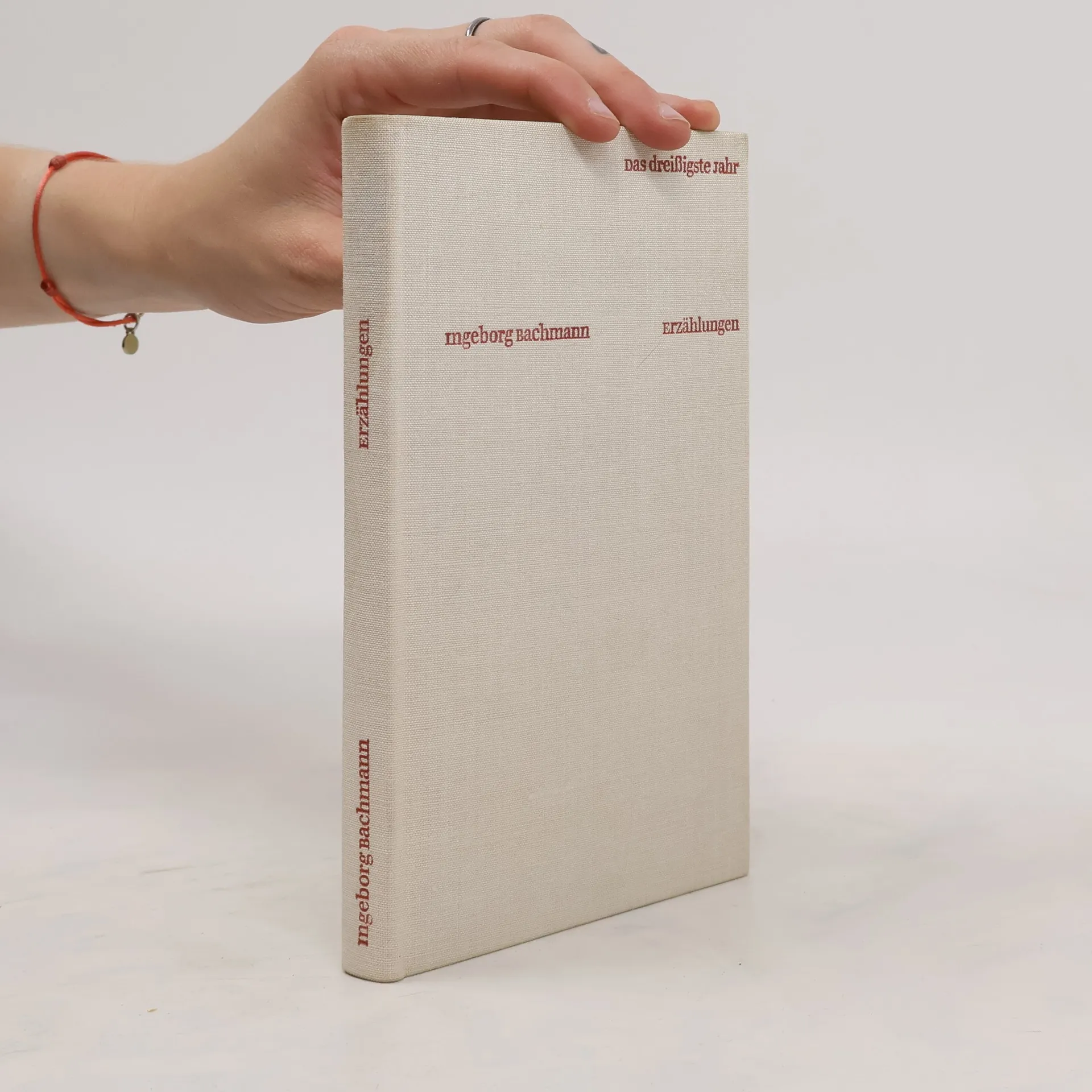
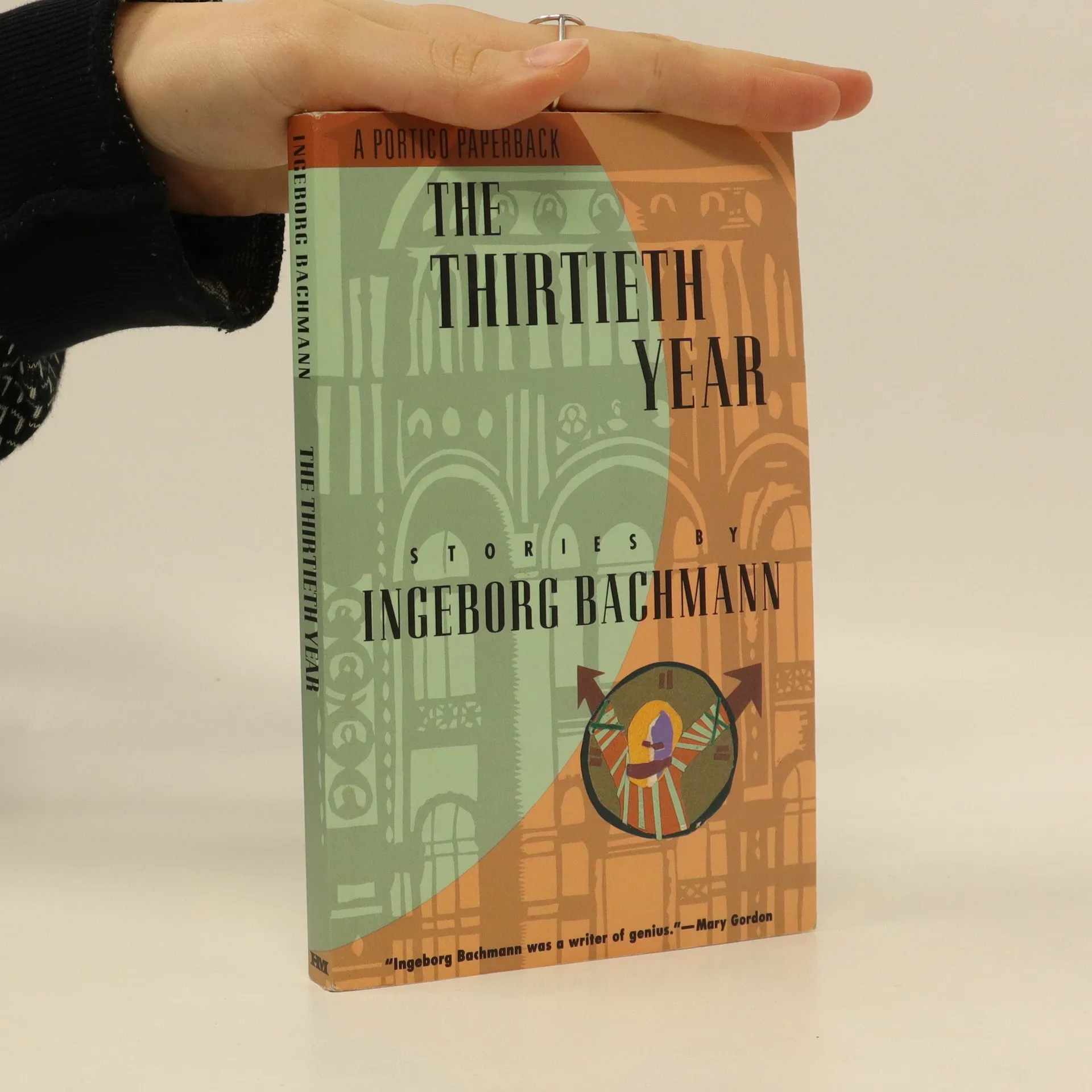
This is collection of the stories written by a distinguished Austrian author who died in 1973. Reading these stories entails abandoning the terms of one's own comfort. The author's relentless vision demands that readers allows themselves to be hypnotised, taken over by her repetitive cadences and burning images of grief and loss. And yet, in the beauty of her images there is a tremendous affirmation of the world.
First published by Zephyr Press in 2006, Darkness Spoken is the most complete volume of Ingeborg Bachmann's poetry in English and German. Considered one of the premiere poets of her generation, Bachmann's various awards include the Georg Büchner Prize, the Berlin Critics Prize, the Bremen Award, and the Austrian State Prize for literature. Darkness Spoken collects her two celebrated books of poetry, as well as the early and late poems not collected in book form. This volume also contains 129 poems released from Bachmann's archives that had never been translated before 2006. Twenty-five of them also appeared in German for the first time. Continued research by Peter Fikins on Bachmann's writing since 2006 as well as his current work on Bachmann's biography (forthcoming, Yale University Press), has afforded him the opportunity to draw even closer to Bachmann's poems and appreciate more deeply their context and meaning. For this second revised edition, roughly a quarter of the poems collected here have benefitted from revisions in word choice for the purposes of greater clarity, better syntax or rhythm, or in a few instances, corrections in punctuation and of interpretive errors. A few lacunae in the German have also been corrected, allowing this volume to remain the most complete edition of Bachmann's poetry.
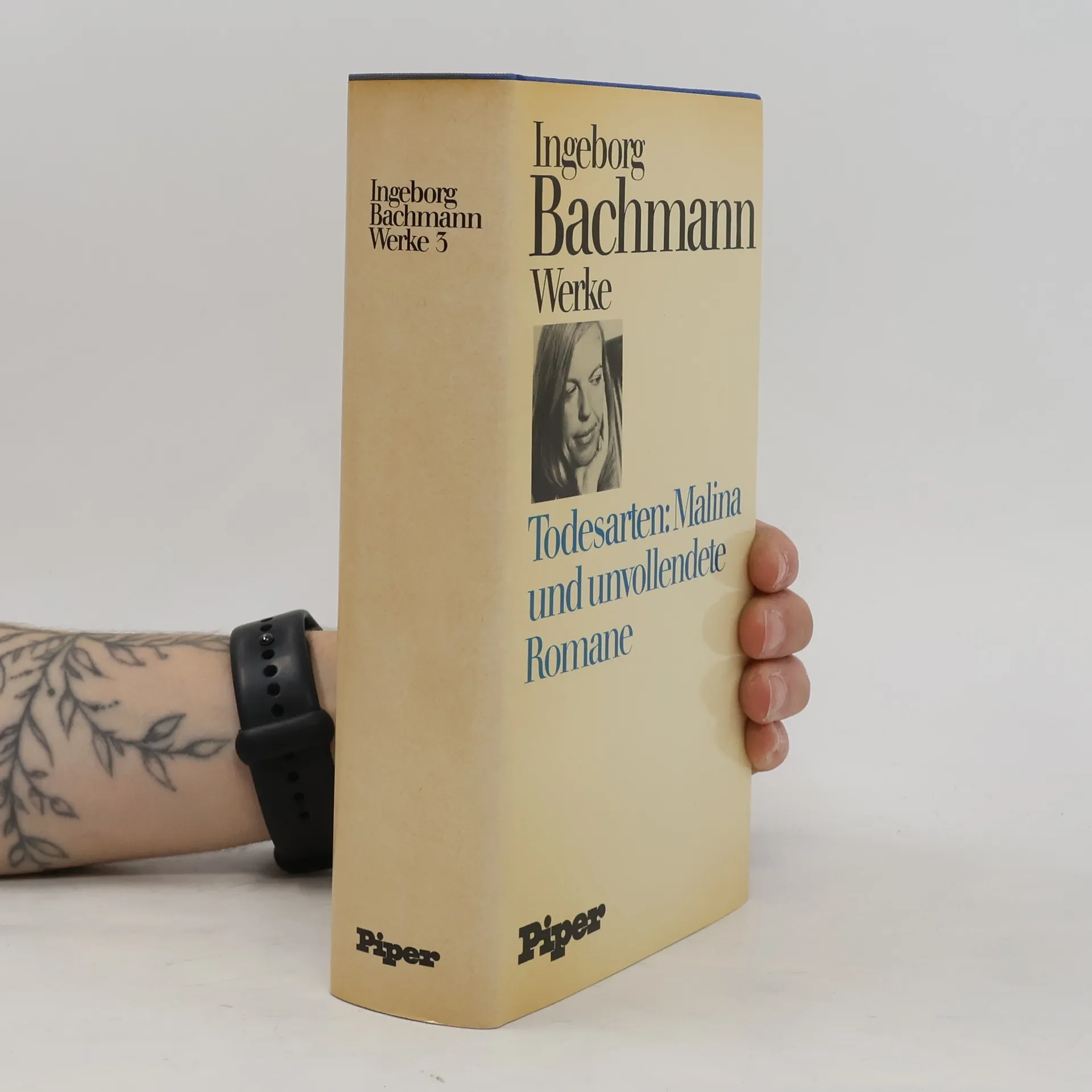
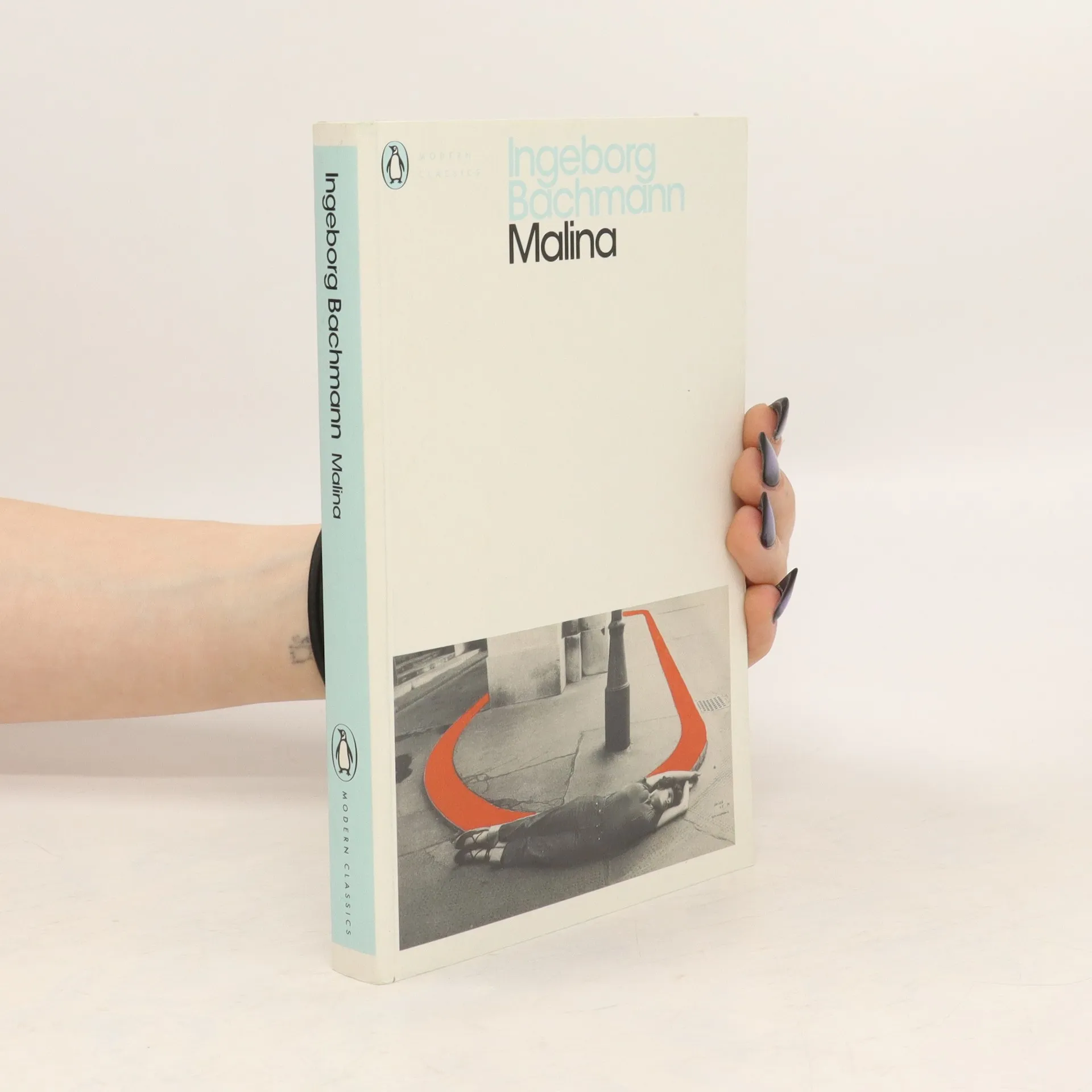
A woman in Vienna walks a tightrope between the two men in her life. There is her lover Ivan, beautiful and unavailable, who obsesses her. And there is Malina, the civil servant with whom she shares an apartment: reserved, fastidious, exacting, chillingly calm. As the balance of power between them starts to shift, she feels her fragile identity unravelling, gradually revealing the dark, bruised heart of her past. Part detective novel, part love story, part psychoanalytic case study, Bachmann's 1971 masterpiece brings us to the broken heart of human experience, eros, neurosis and history.
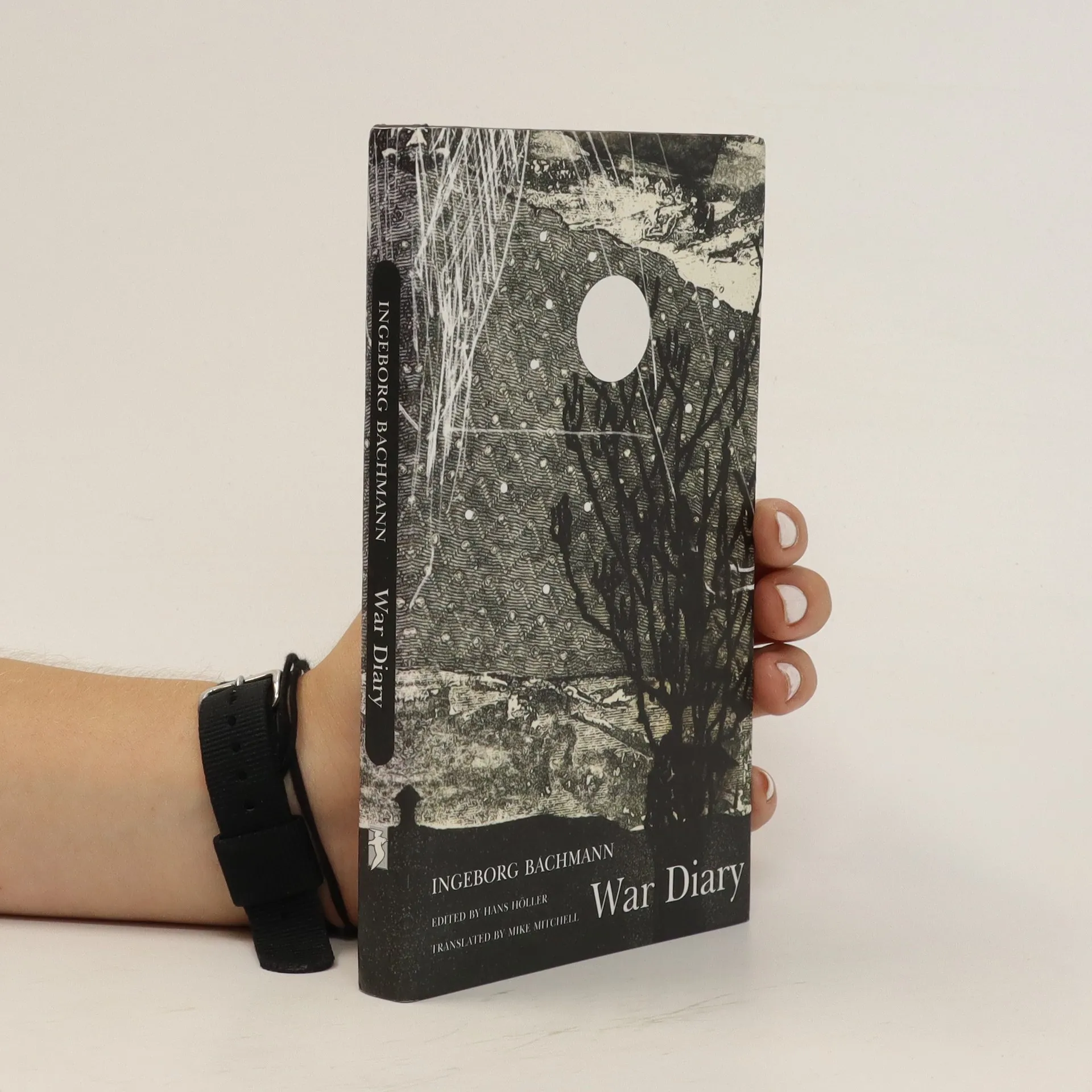
Austrian writer Ingeborg Bachmann (1926-73) is a key figure in postwar German literature, known for her novels, poetry, and plays. Her War Diary is a collection of sketches rather than a traditional journal, reflecting the final months of World War II and the early British occupation of Austria. These powerful entries, remarkable for her young age, express her deep disdain for war and Nazism as she navigates the fervent nationalism in Klagenfurt. The British occupation introduces her to Jack Hamesh, a British officer and Jewish refugee from Vienna, who is surprised to meet an Austrian girl familiar with banned authors like Mann and Schnitzler. Their correspondence, particularly Hamesh's letters to Bachmann during his time in Israel in 1946, reveals his struggles with rootlessness after the war. War Diary offers a unique perspective on Bachmann's development as a writer and serves as a poignant reflection on life in post-war Austria. The insights from both Bachmann and Hamesh extend beyond their personal narratives, touching on broader themes of loss and recovery. The German edition has been praised for its critical commentary, highlighting the historical context and the emotional resonance of Bachmann's experiences.
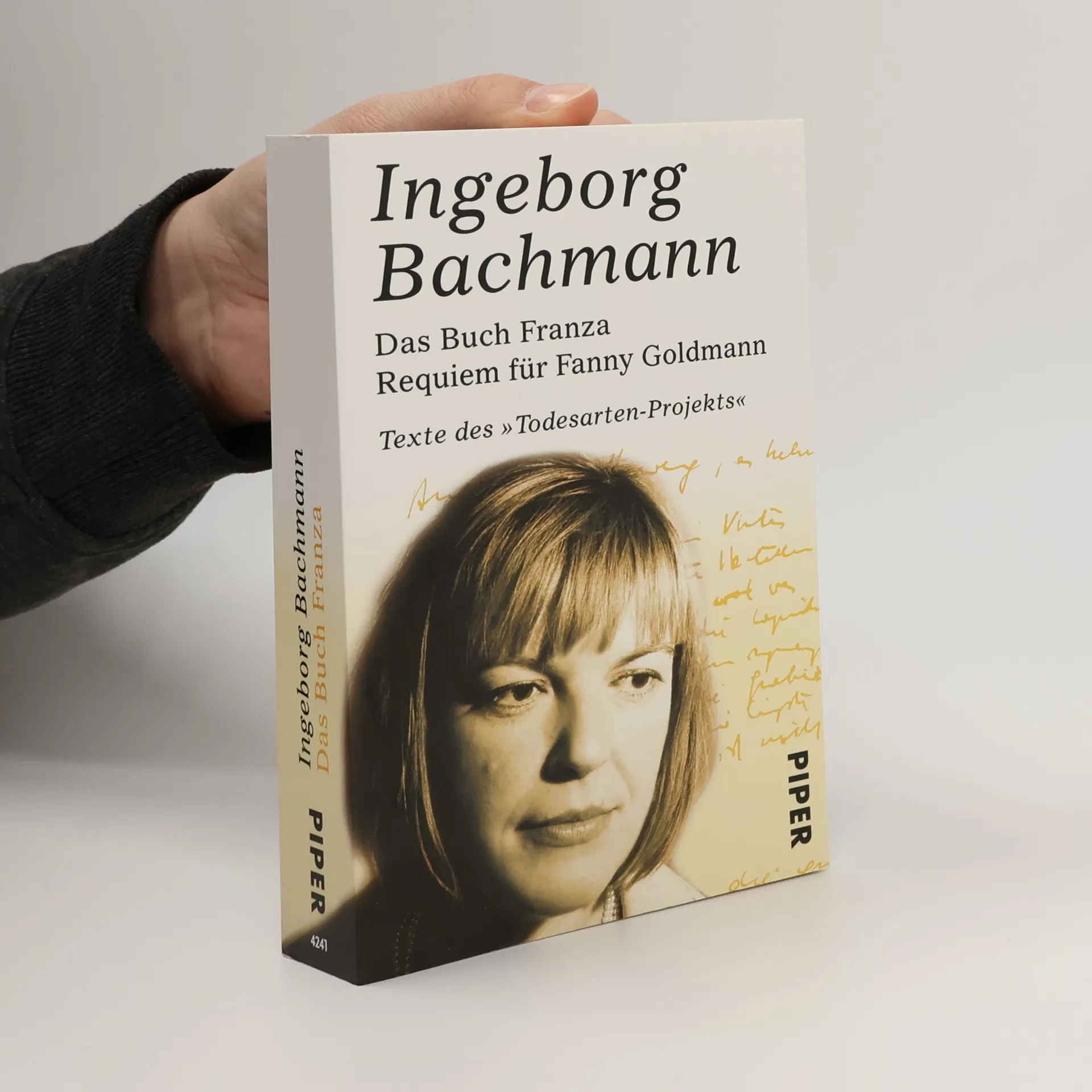
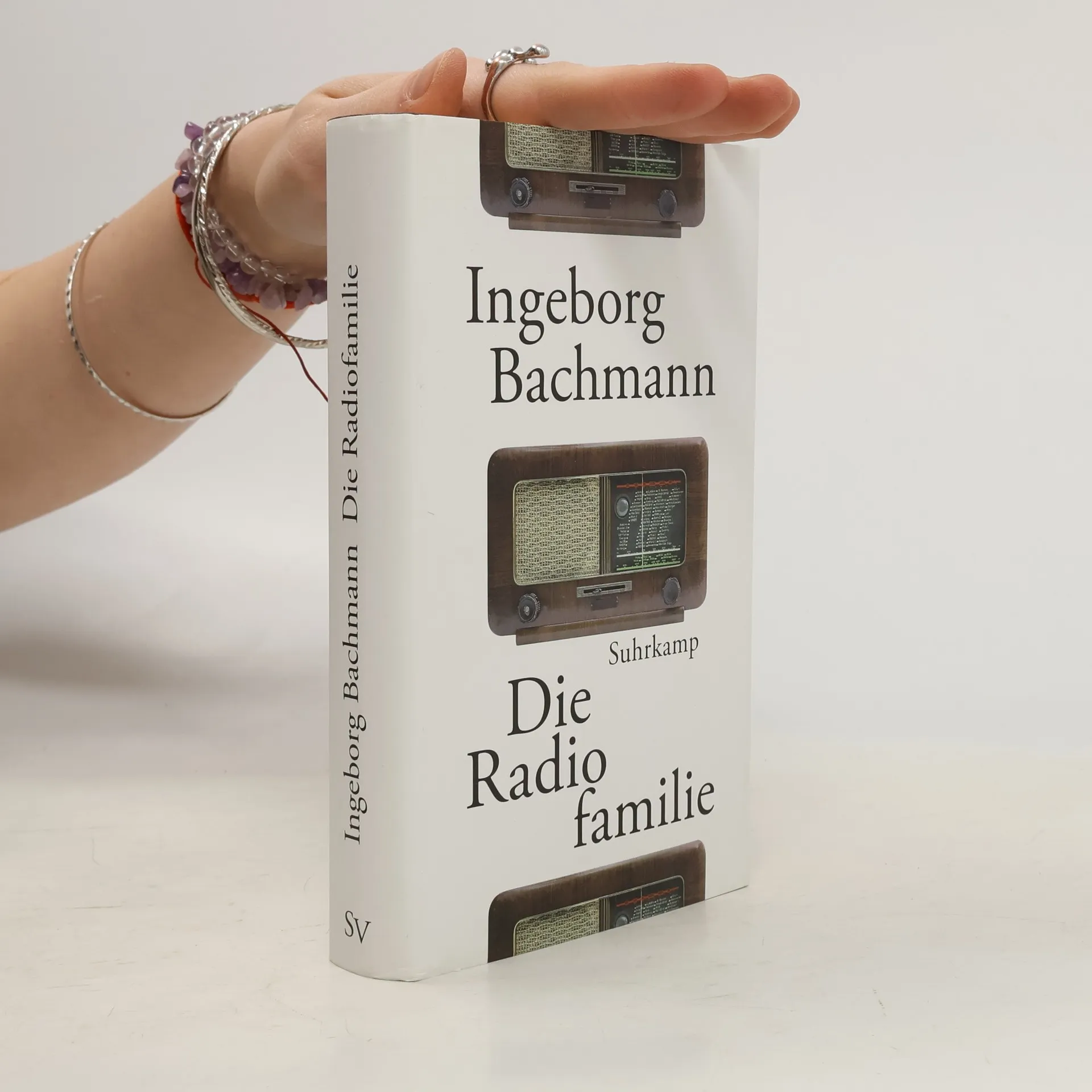
This collection features the first English translation of critical writings by a renowned Austrian poet and novelist, highlighting his impact as a leading postwar German intellectual. The essays and lectures delve into his profound insights on literature and society, showcasing his influential perspectives and contributions to the cultural landscape of the time.
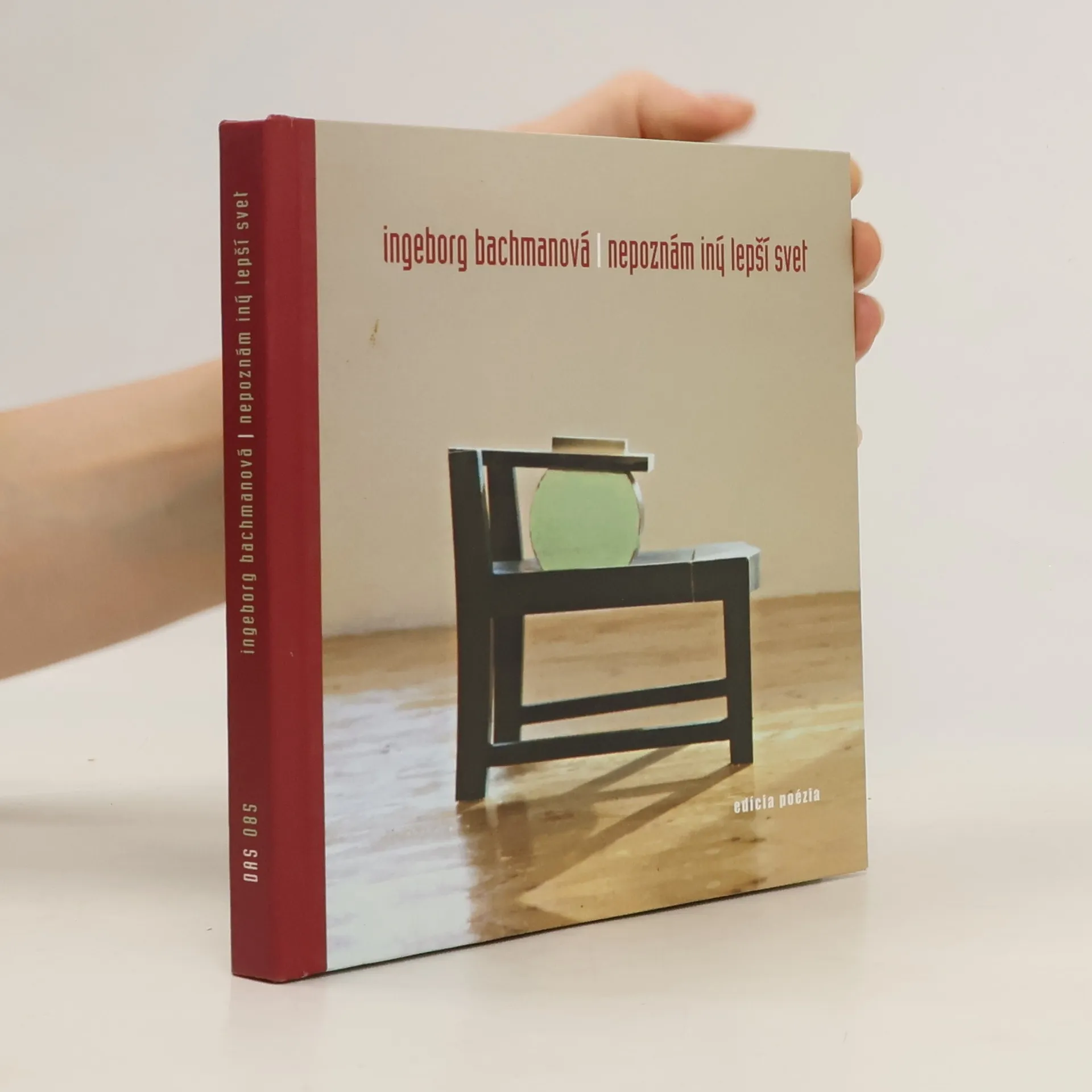
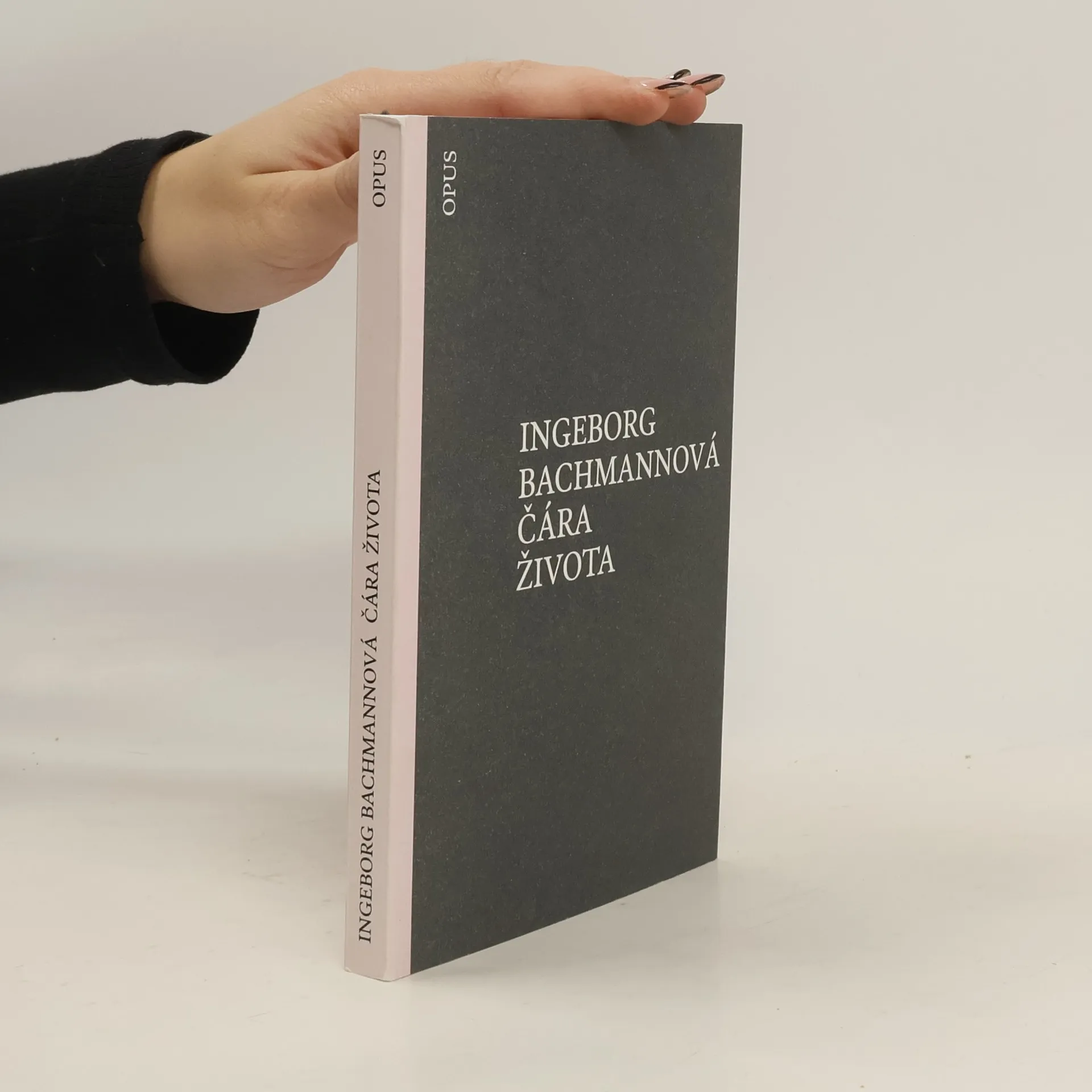
Výbor z lyriky rakouské básnířky. Vybrala, přeložila a ediční poznámku napsala Michaela Jacobsenová.
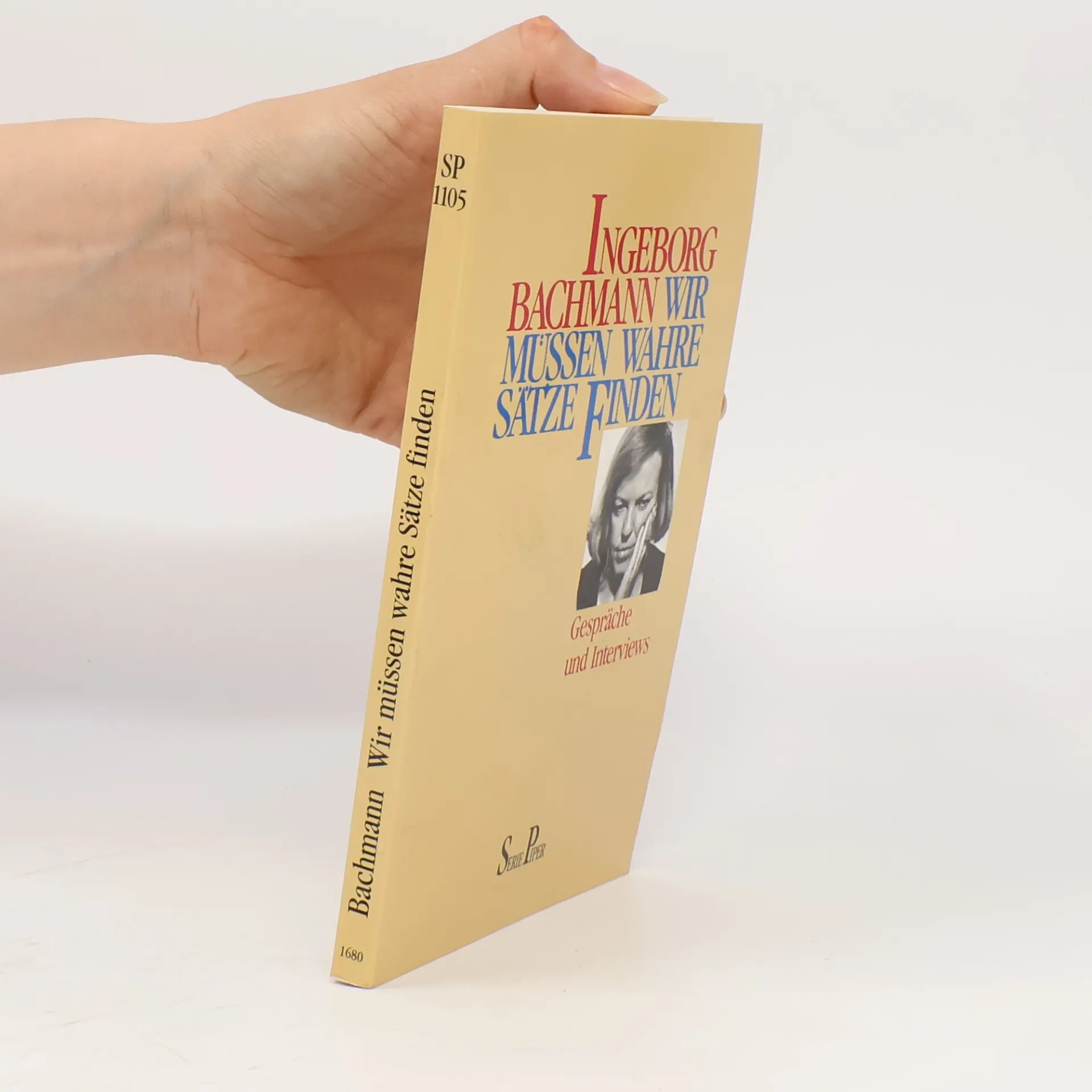
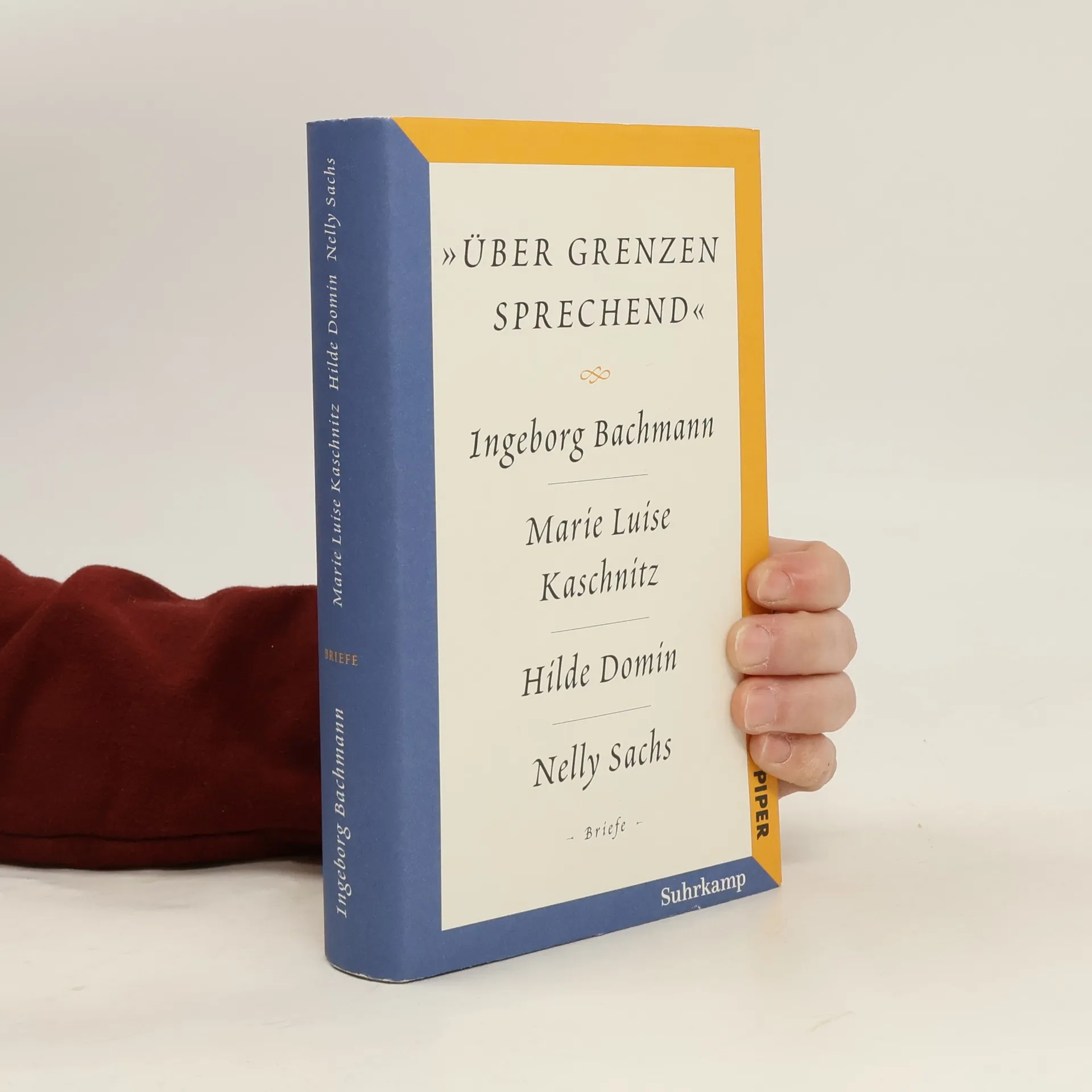
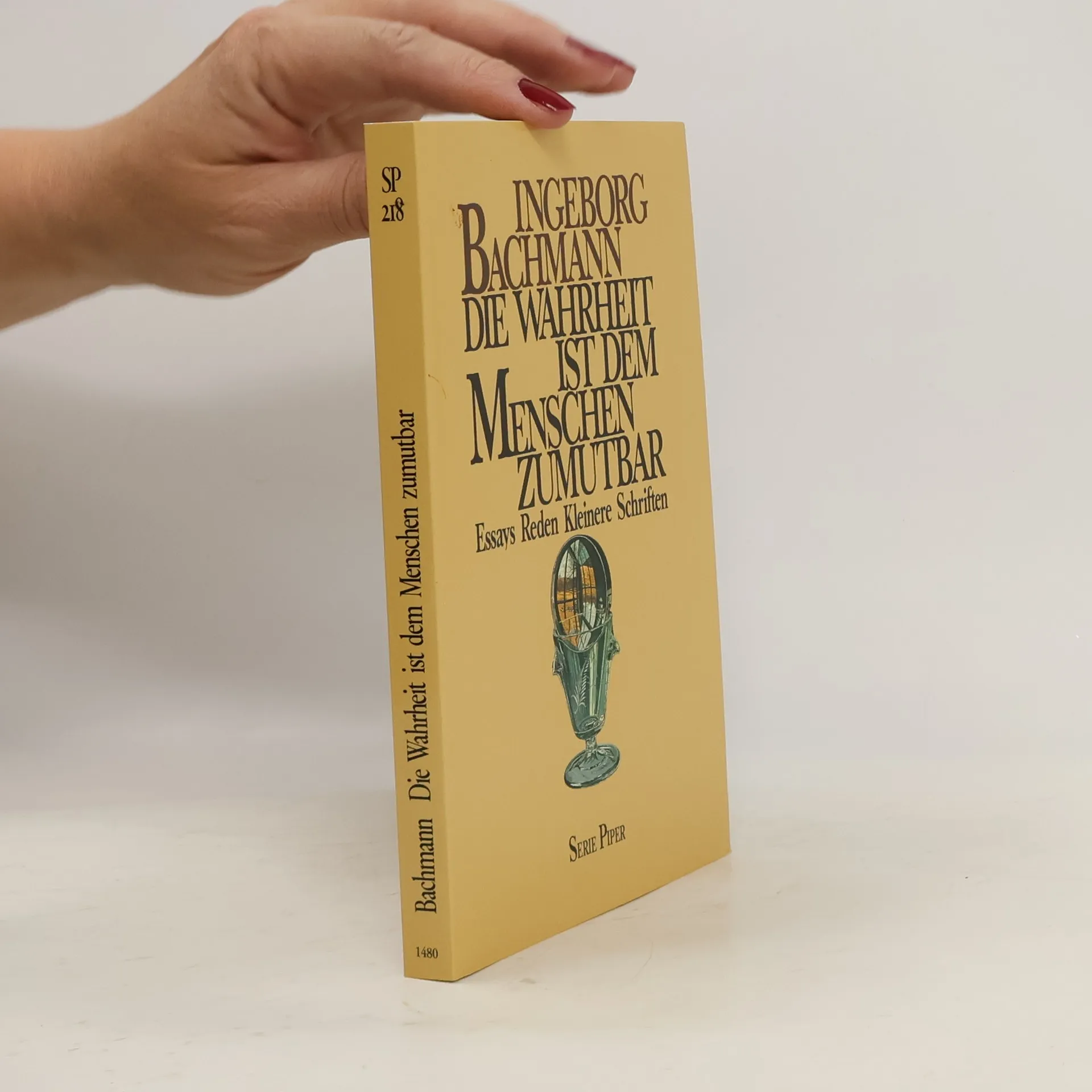
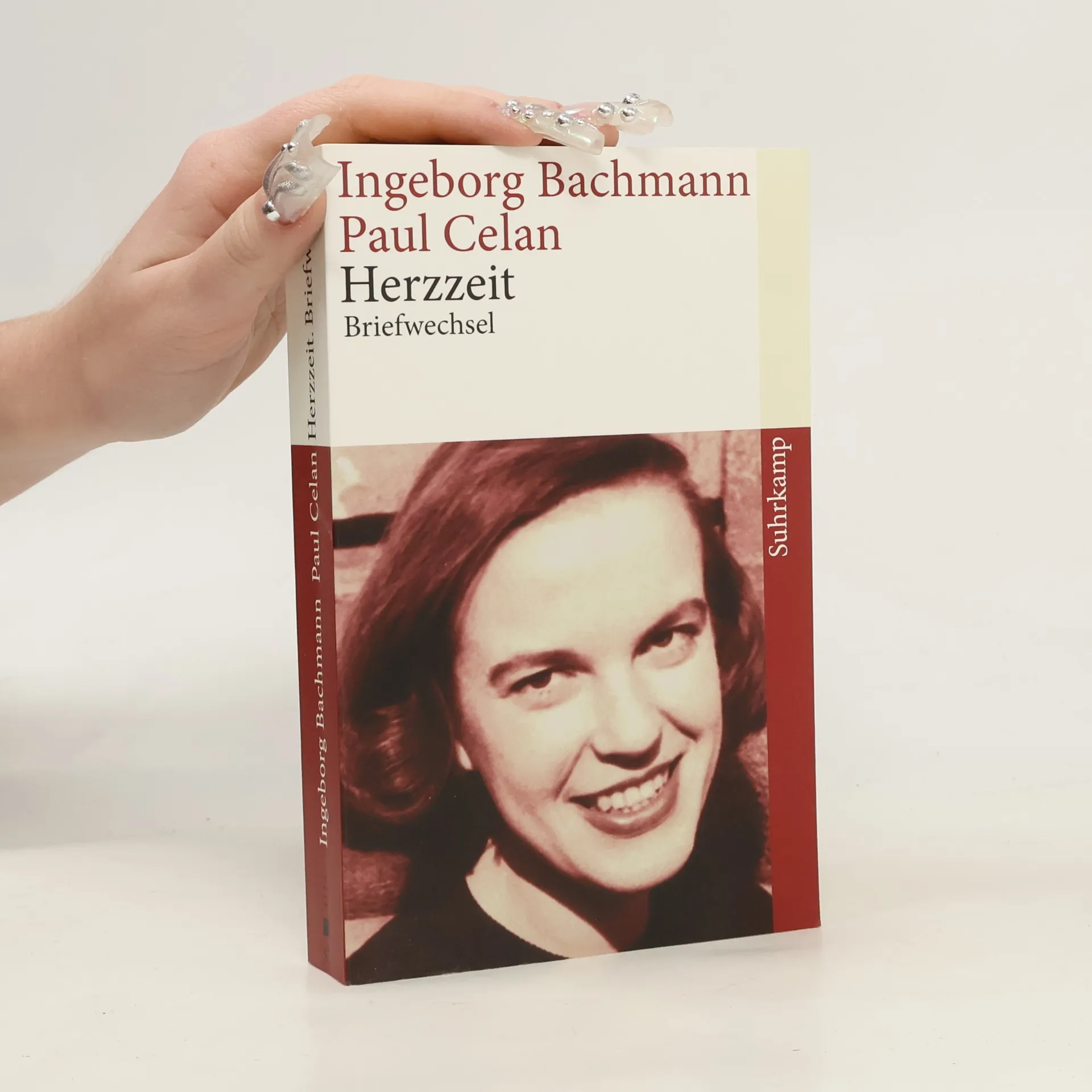
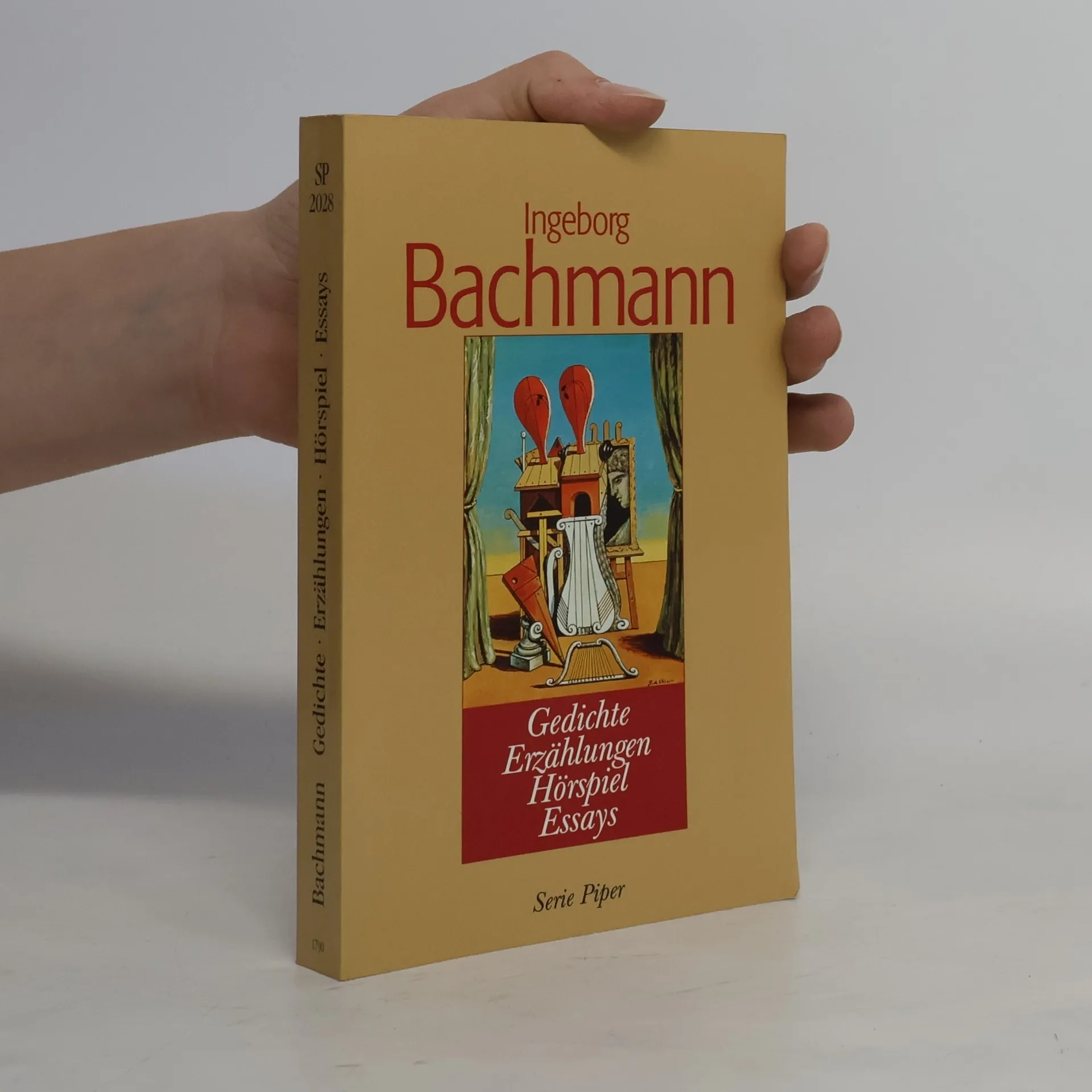
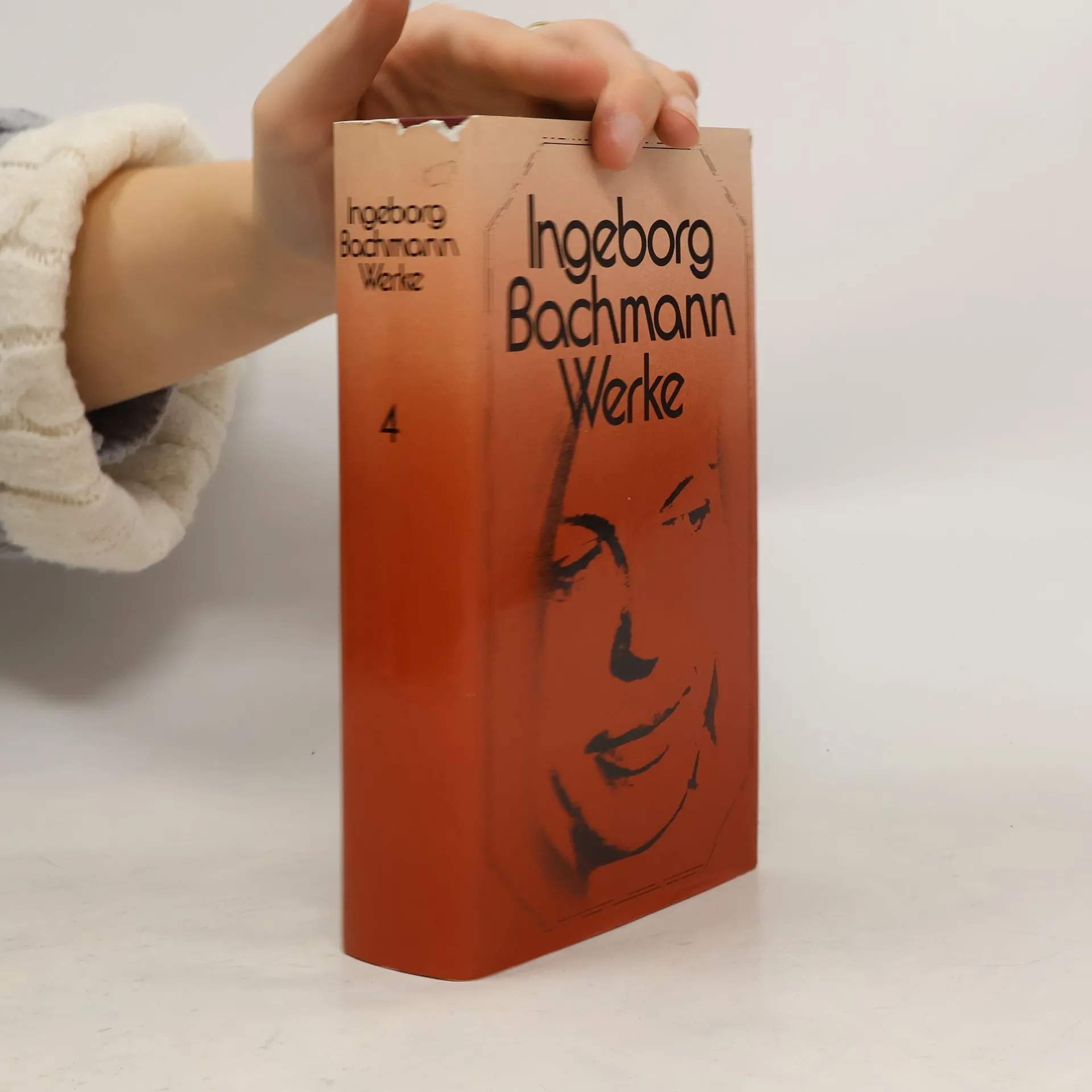
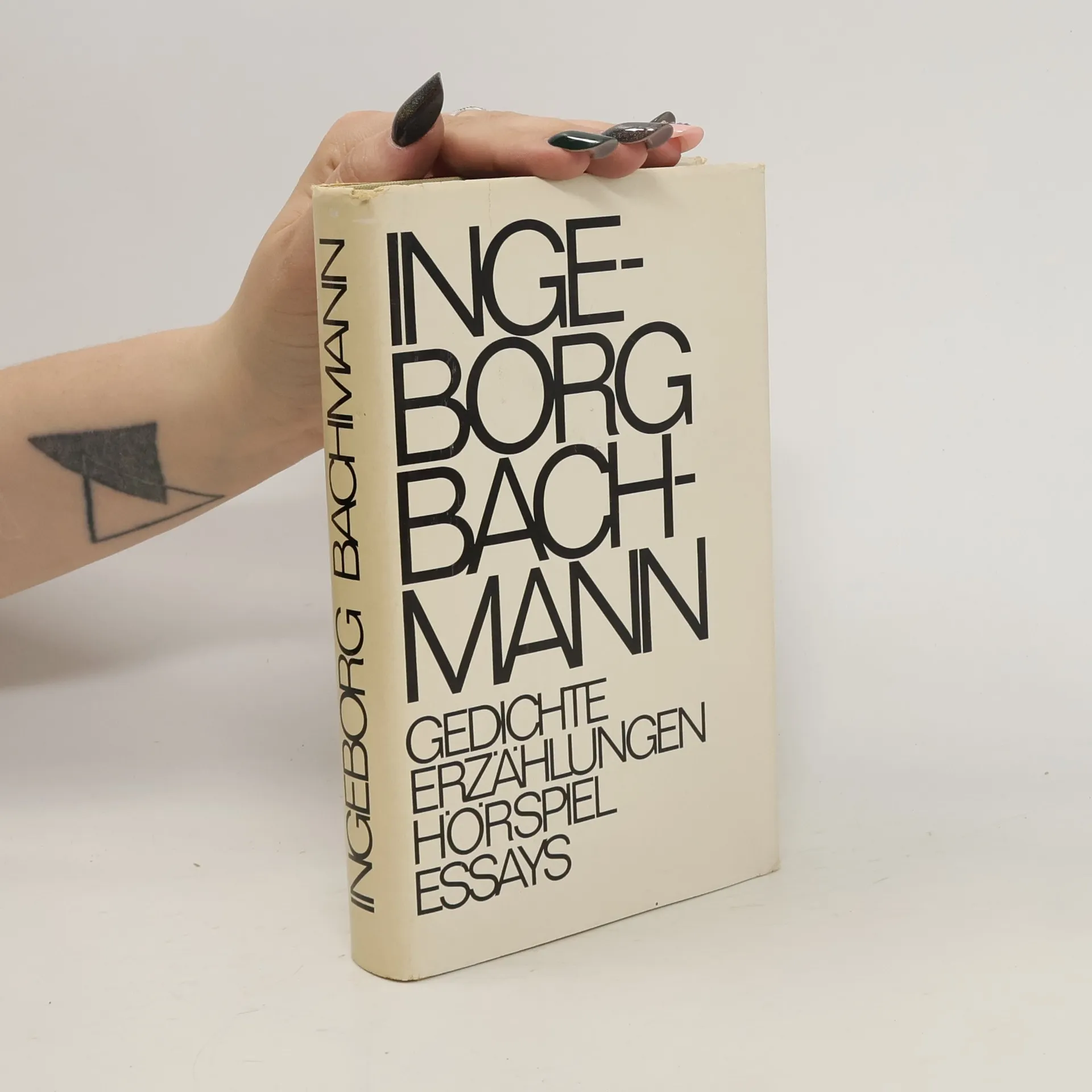
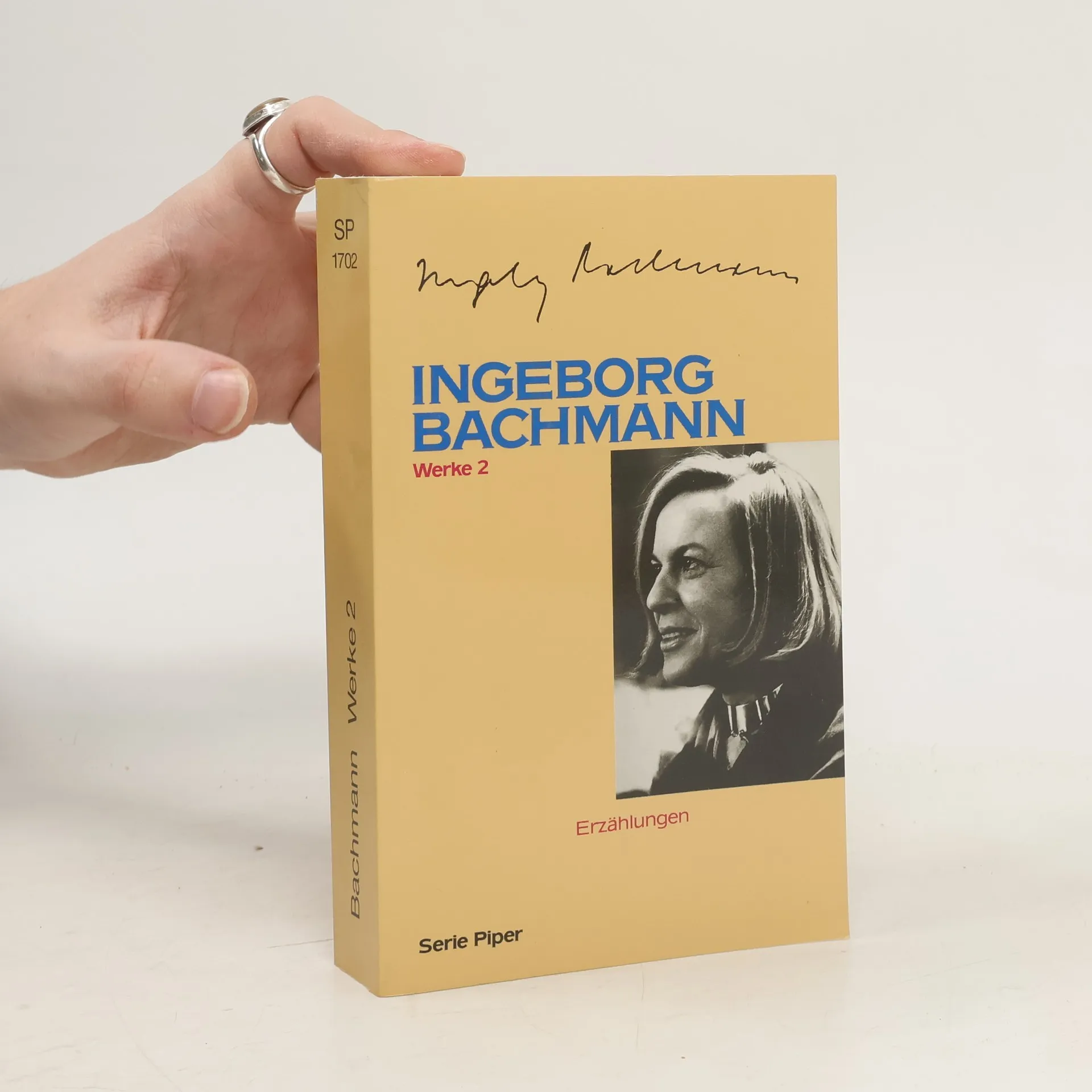
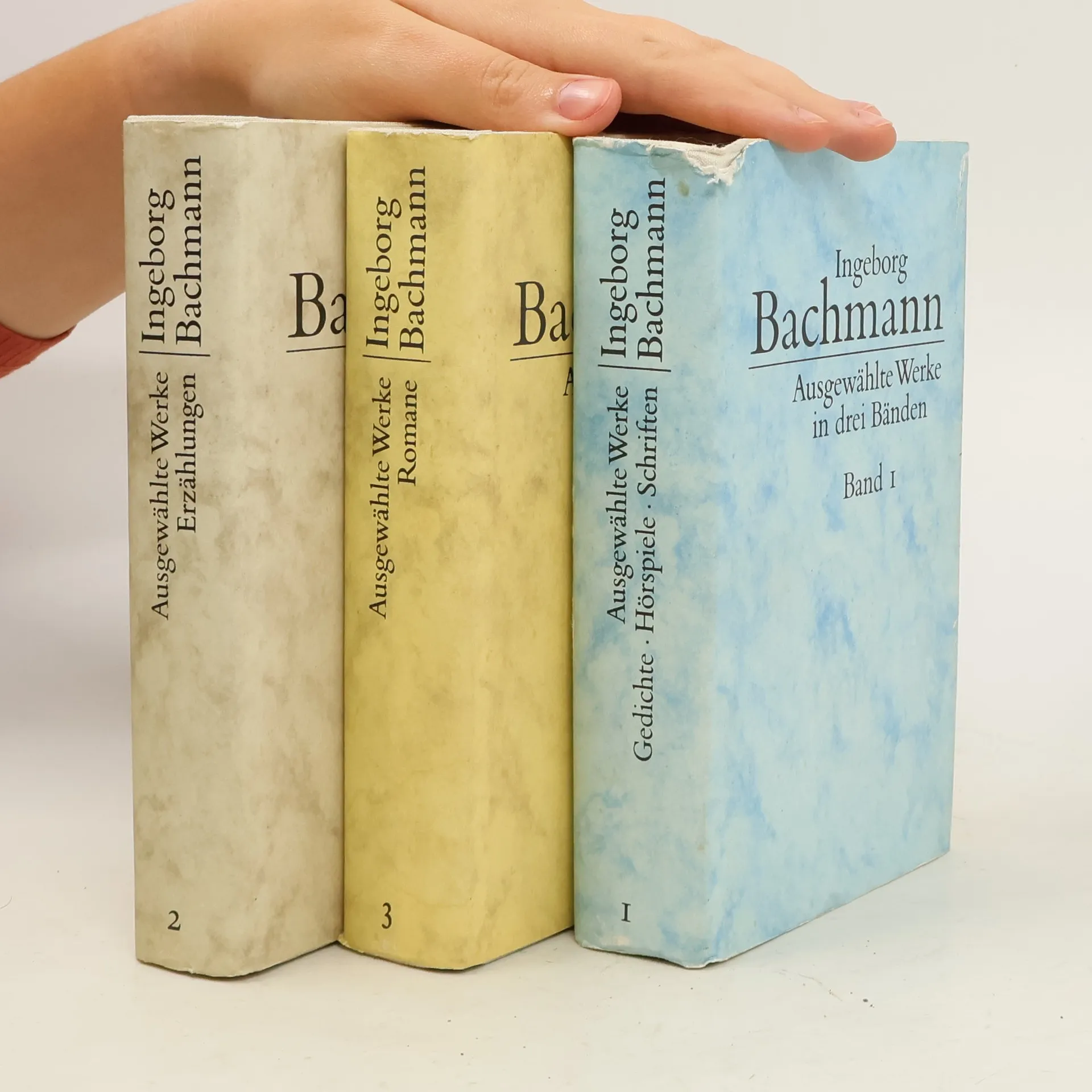
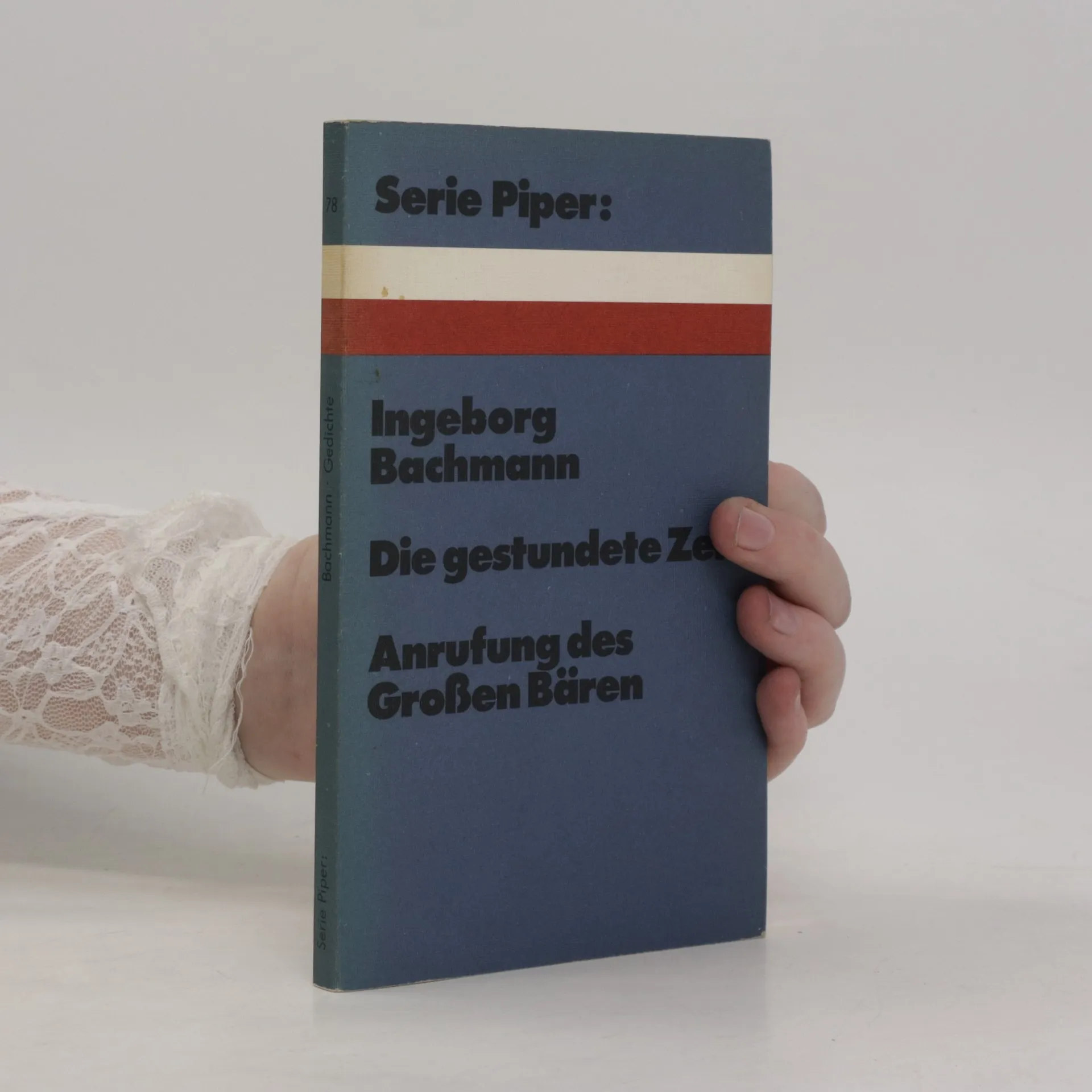
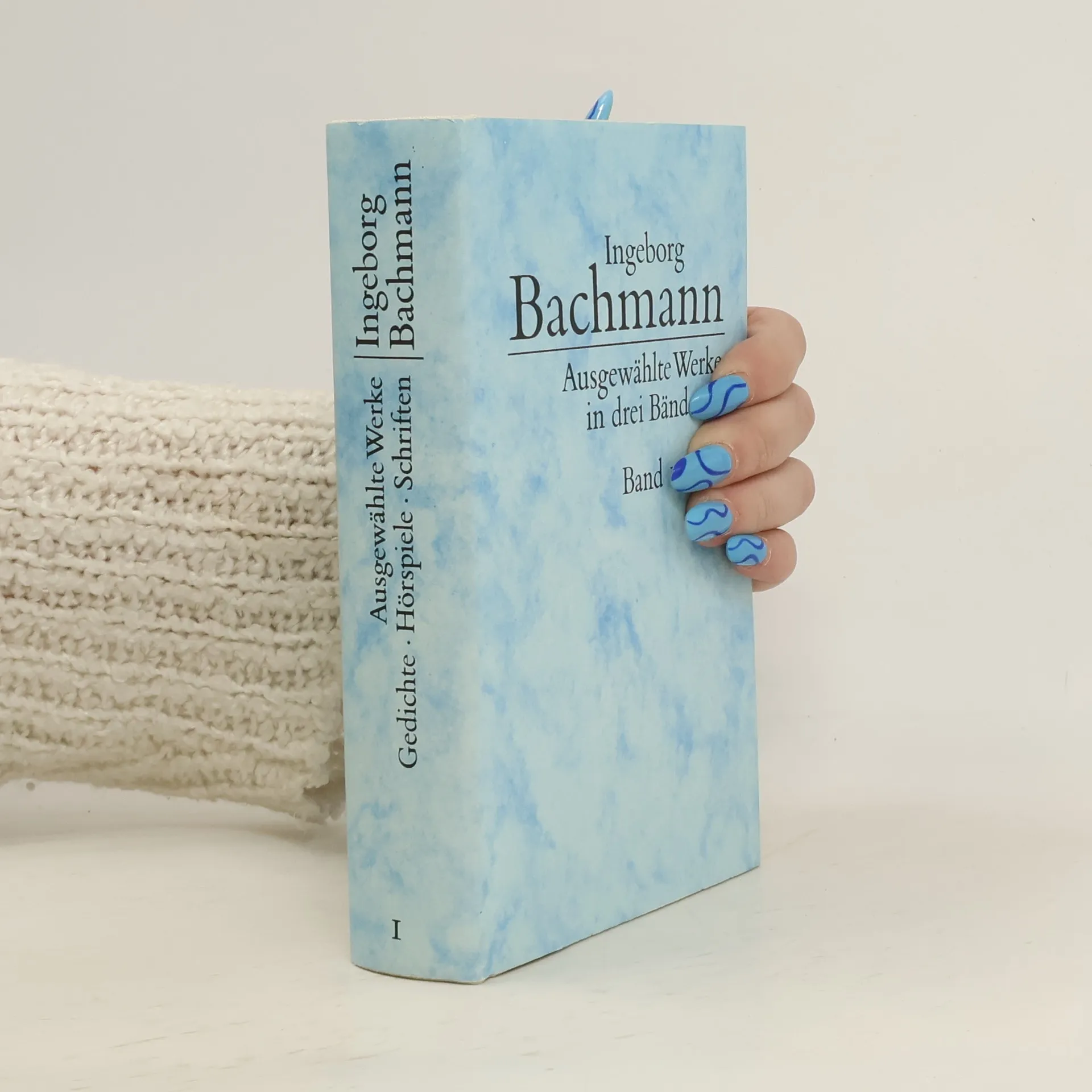
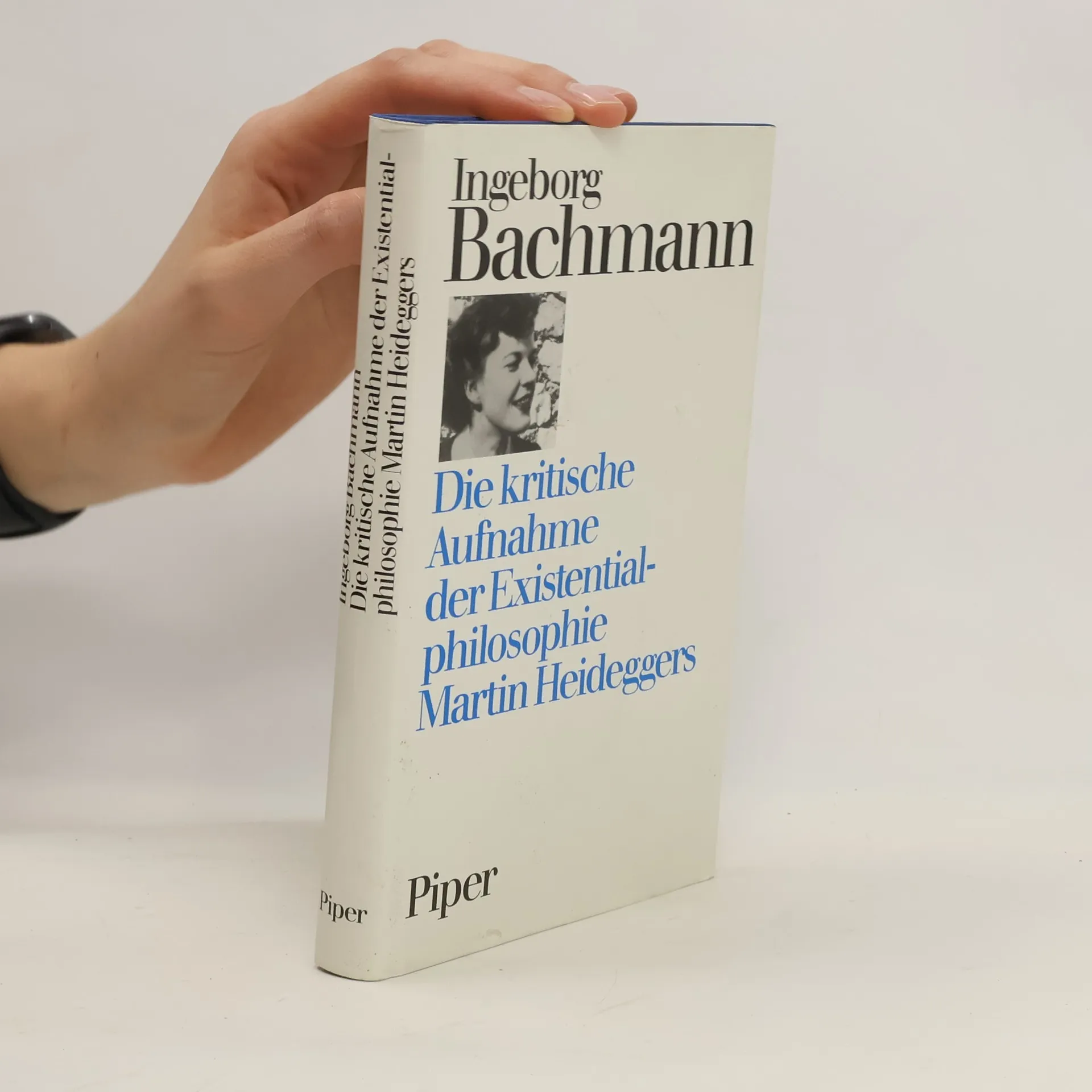
Ingeborg Bachmann (1926–1973) schuf mit ihrer Lyrik, Essayistik und ihrer umfangreichen Prosa eines der eindrucksvollsten schriftstellerischen Werke ihrer Generation. Die vierbändige Ausgabe versammelt alle wichtigen Texte in neuer Ausstattung.