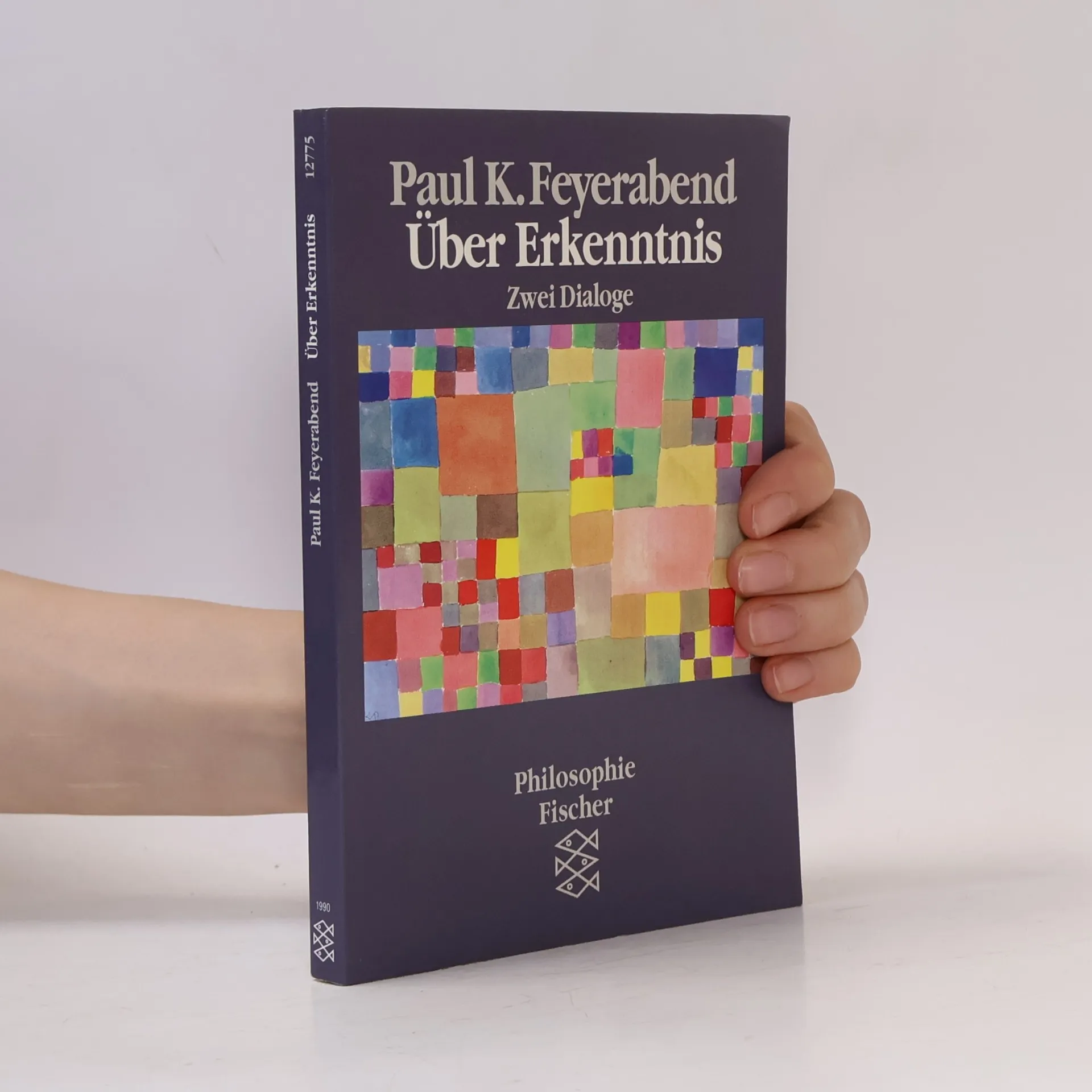
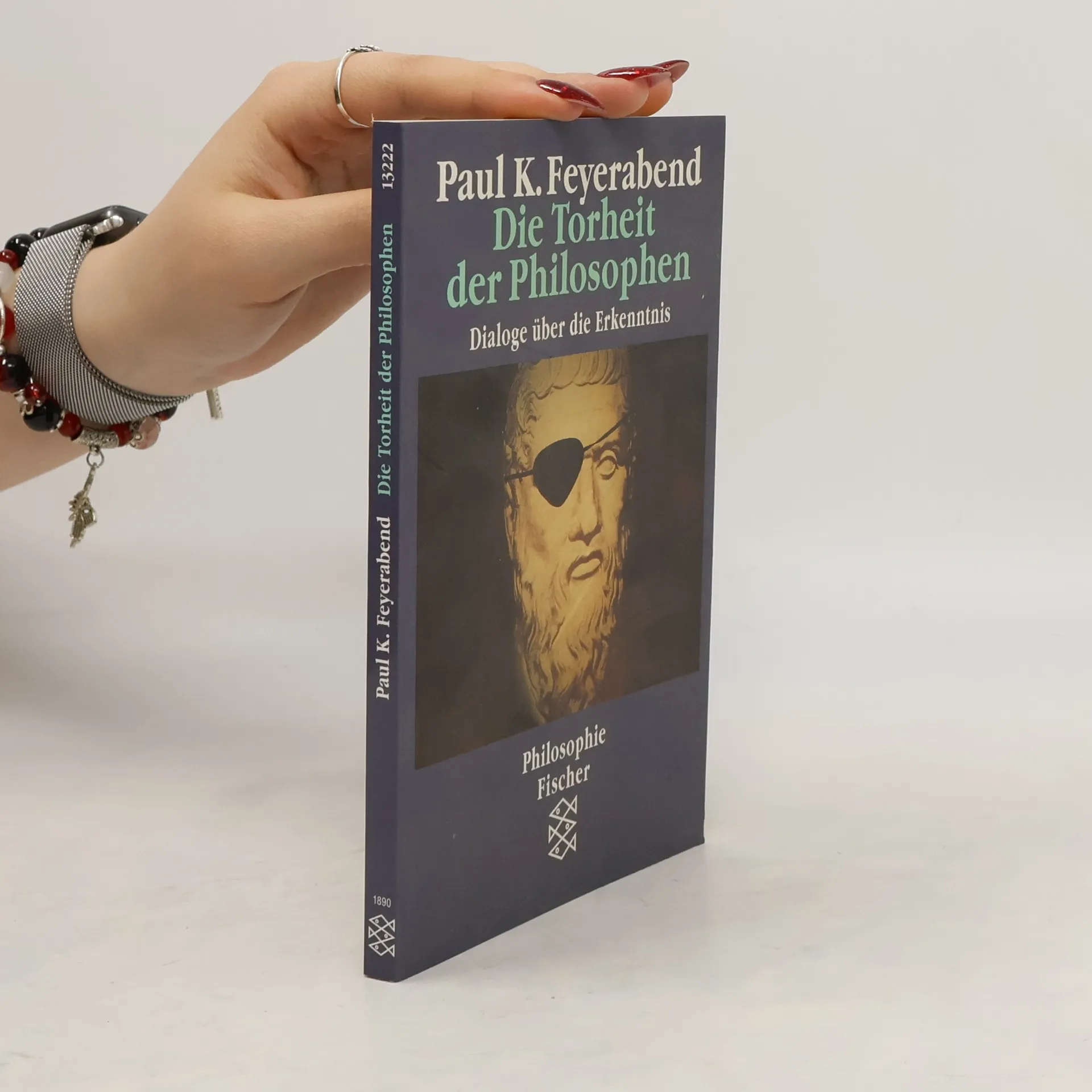
From flea bites to galaxies, Paul Feyerabend celebrated the sensory and intellectual richness of existence while acknowledging that human senses can only grasp a fraction of it. He posits that this limitation is a blessing, suggesting that a superconscious being would be overwhelmed rather than wise. This theme of managing experience is central to Feyerabend's work, which he was developing at the time of his death in 1994. The manuscript, compiled from his drafts, notes, and lectures, presents a captivating exploration filled with insights and the charm that characterizes his writing. Feyerabend examines how we strive to explain and predict the mysteries of the natural world, focusing on our tendency to abstract experiences and reduce wonder to formulas. He discusses the implications of these efforts, framing the "conquest of abundance" as a vital aspect of Western civilization's history and identity. Esteemed figures like Richard Rorty and Nancy Maull have praised Feyerabend's unique and adventurous approach to philosophy, highlighting his brilliant style and profound knowledge. This work serves as a testament to his thought, reflecting the richness of the world it seeks to understand.
Paul Karl Feyerabend Boeken
Paul Karl Feyerabend was een in Oostenrijk geboren wetenschapsfilosoof, bekend om zijn uitdaging van universele regels van de wetenschappelijke methodologie. Zijn werk verdedigde een vrije benadering van de wetenschap, waarbij hij een enkele, universele reeks procedures afwees. Feyerabend werd beroemd om zijn vermeend anarchistische kijk op de wetenschap en werd een invloedrijke figuur in de wetenschapsfilosofie en de sociologie van wetenschappelijke kennis. Zijn ideeën blijven stof tot nadenken geven over de aard van wetenschappelijke vooruitgang.





Finished only weeks before his death in 1994, this autobiography traces the trajectory that led Feyerabend him from an isolated, lower-middle-class childhood in Vienna to the height of international academic success as one of this century's most influential intellectuals.
For and Against Method
- 459bladzijden
- 17 uur lezen
The text opens with an imaginary dialogue between Lakatos and Feyerabend, which Matteo Motterlini has constructed, based on their published works, to synthesize their positions and arguments. Part one presents the transcripts of the last lectures on method that Lakatos delivered. Part two, Feyerabend's response, consists of a previously published essay on anarchism, which began the attack on Lakatos's position that Feyerabend later continued in "Against Method." The third and longest section consists of the correspondence Lakatos and Feyerabend exchanged on method and many other issues and ideas, as well as the events of their daily lives, between 1968 and Lakatos's death in 1974.
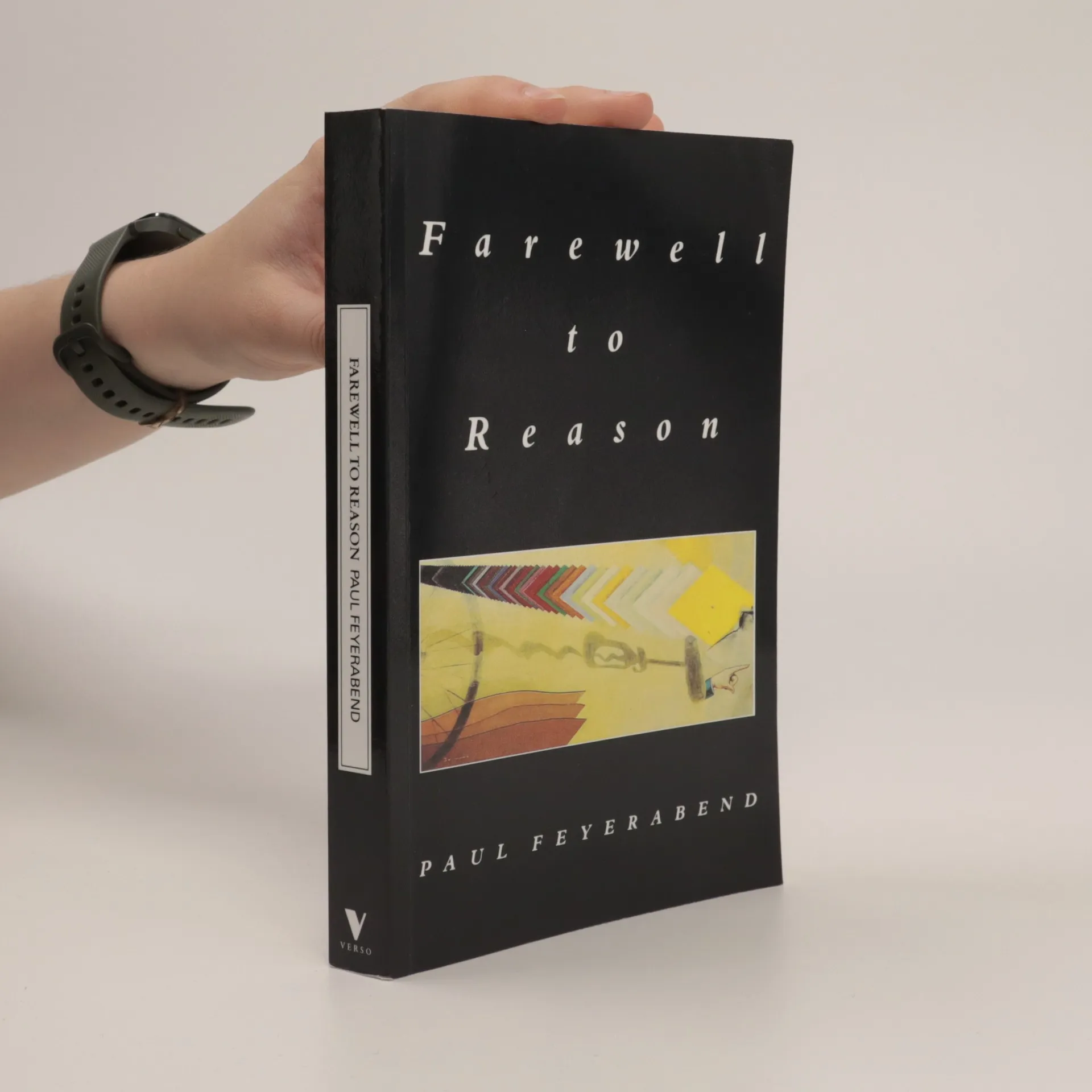
Farewell to Reason offers a vigorous challenge to the scientific rationalism that underlies Western ideals of “progress” and “development,” whose damaging social and ecological consequences are now widely recognized. For all their variety in theme and occasion, the essays in this book share a consistent philosophical purpose. Whether discussing Greek art and thought, vindicating the church’s battle with Galileo, exploring the development of quantum physics or exposing the dogmatism of Karl Popper, Feyerabend defends a relativist and historicist notion of the sciences. The appeal to reason, he insists, is empty, and must be replaced by a notion of science that subordinates it to the needs of citizens and communities. Provocative, polemical and rigorously argued, Farewell to Reason will infuriate Feyerabend’s critics and delight his many admirers.
Science in a Free Society
- 221bladzijden
- 8 uur lezen
No study in the philosophy of science created such controversy in the seventies as Paul Feyerabend’s Against Method. In this work, Feyerabend reviews that controversy, and extends his critique beyond the problem of scientific rules and methods, to the social function and direction of science today. In the first part of the book, he launches a sustained and irreverent attack on the prestige of science in the West. The lofty authority of the “expert” claimed by scientists is, he argues, incompatible with any genuine democracy, and often merely serves to conceal entrenched prejudices and divided opinions with the scientific community itself. Feyerabend insists that these can and should be subjected to the arbitration of the lay population, whose closes interests they constantly affect—as struggles over atomic energy programs so powerfully attest. Calling for far greater diversity in the content of education to facilitate democratic decisions over such issues, Feyerabend recounts the origin and development of his own ideas—successively engaged by Brecht, Ehrenhaft, Popper, Mill and Lakatos—in a spirited intellectual self-portrait. Science in a Free Society is a striking intervention into one of the most topical debates in contemporary culture and politics.
Against Method
- 296bladzijden
- 11 uur lezen
Paul Feyerabend’s globally acclaimed work, which sparked and continues to stimulate fierce debate, examines the deficiencies of many widespread ideas about scientific progress and the nature of knowledge. Feyerabend argues that scientific advances can only be understood in a historical context. He looks at the way the philosophy of science has consistently overemphasized practice over method, and considers the possibility that anarchism could replace rationalism in the theory of knowledge. This updated edition of the classic text includes a new introduction by Ian Hacking, one of the most important contemporary philosophers of science. Hacking reflects on both Feyerabend’s life and personality as well as the broader significance of the book for current discussions.
The Truth About the Truth
De-confusing and Re-constructing the Postmodern World
- 272bladzijden
- 10 uur lezen
Includes essays and excerpts from the works of prominent modern thinkers such as Umberto Eco, Jacques Derrida, and Isaiah Berlin among others.
Paul Feyerabend, a prominent 20th-century philosopher of science, presents a compelling narrative that explores the rise of rationalism in Ancient Greece, which led to the establishment of a mythical ‘scientific worldview.’ In this accessible work, he challenges prevalent myths about science, particularly the notion that it is inherently successful. Feyerabend argues that fundamental assumptions about science are often misguided, with many scientific ideologies stemming from superficial generalizations that distort our understanding of human life. He contends that scientific theorizing fails to address pressing issues like war and poverty, instead favoring fleeting generalities over the real particulars that imbue life with meaning. The emphasis on objectivity and generality, rooted in abstraction, comes at a significant cost, creating a disconnect between thought and experience. Theoreticians impose a tyranny on concepts, neglecting the subjective experiences that enrich life. Feyerabend posits that practical experience serves as a more reliable guide to reality than theory alone and asserts that all forms of tyranny, even those with noble intentions, can be resisted. Provocative and iconoclastic, this work represents one of Feyerabend’s final contributions and is essential reading for those interested in the impact of science on the modern world.
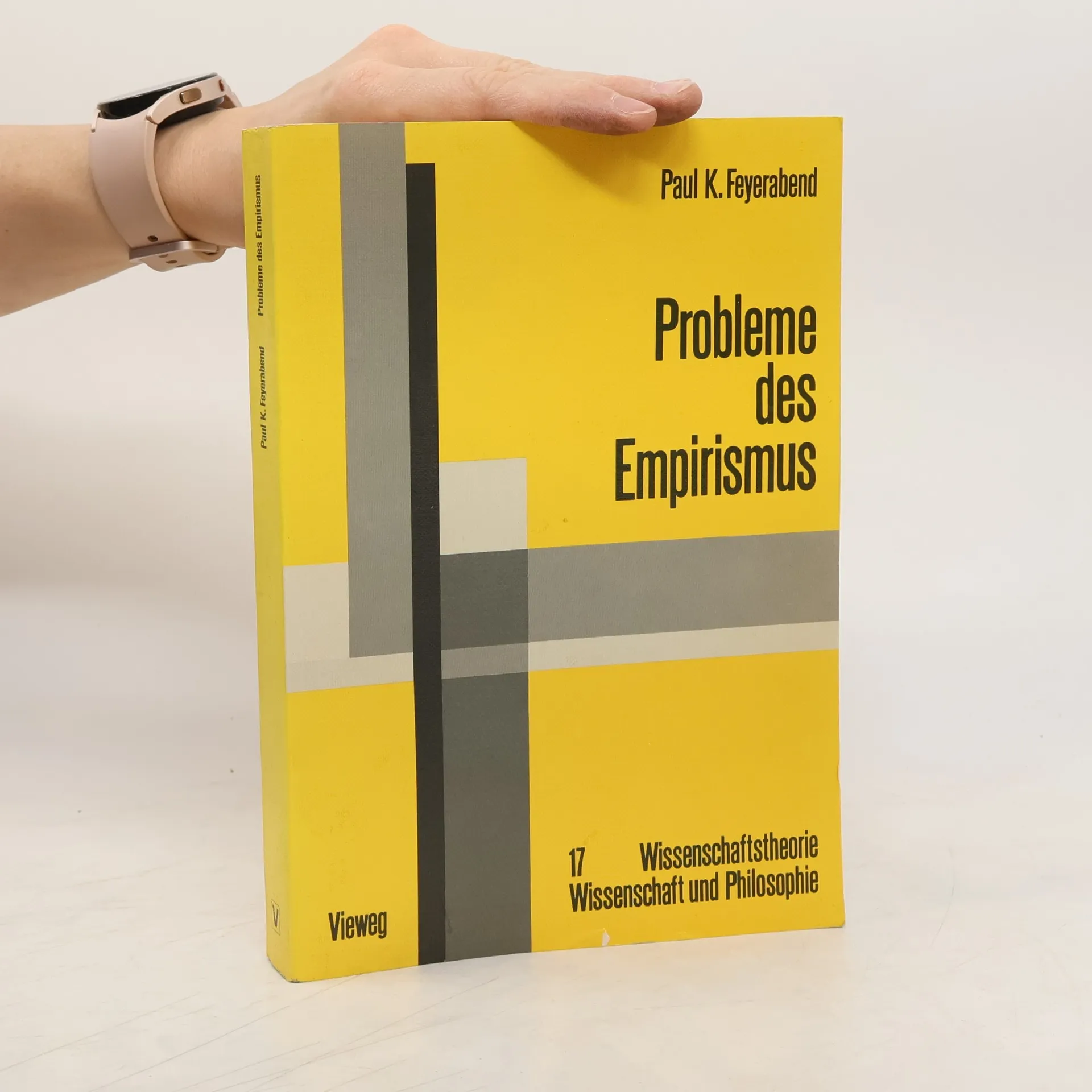
Probleme des Empirismus
Schriften zur Theorie der Erklärung, der Quantentheorie und der Wissenschaftsgeschichte Ausgewählte Schriften
Inhaltsverzeichnis: Einleitung zu den Grenzen eines kritischen Realismus. Der Pluralismus als methodologisches Prinzip. Wissenschaftlicher und philosophischer Realismus: Historischer Hintergrund, Arten des Realismus, Maxwell und Mach, das Zweisprachenmodell, Inkommensurabilität. Wissenschaftliche Praxis und philosophische Theorie: Degenerationsprozess der Wissenschaftstheorie, Commonsense und abstrakte Philosophie, historische und abstrakte Traditionen, Aristoteles, philosophische Maßstäbe, Ernst Mach und seine Nachfolger, Popper, Kuhn, Lakatos und das Ende des Rationalismus, politische Folgen. Erklärung, Reduktion und Empirismus: Annahmen des zeitgenössischen Empirismus, Kritik der Erklärung, methodologische Überlegungen, Sinninvarianz. Antwort an Kritiker: Pluralismus, starke Alternativen, Fortschrittsmodell, Konsistenz, historische und methodologische Fragen, Beobachtung. Der klassische Empirismus. Besprechung von Ernest Nagels „The Structure of Science“. Materialismus und das Leib-Seele-Problem. Verteidigung der klassischen Physik: Auffassungen von menschlicher Erkenntnis, Parmenideisches Vorgehen, Fortbestehen klassischer Ideen, klassische Statistik, Wahrscheinlichkeiten, Birkhoffs Satz. David Böhms Naturphilosophie. Quantentheorie der Messung: Probleme, von Neumanns Theorie, Stadien des Messprozesses, Schwierigkeiten. Dialektischer Materialismus und Quantentheorie. Zwei Theorien des Erkenntniswandels: Mill und Hegel. Wit
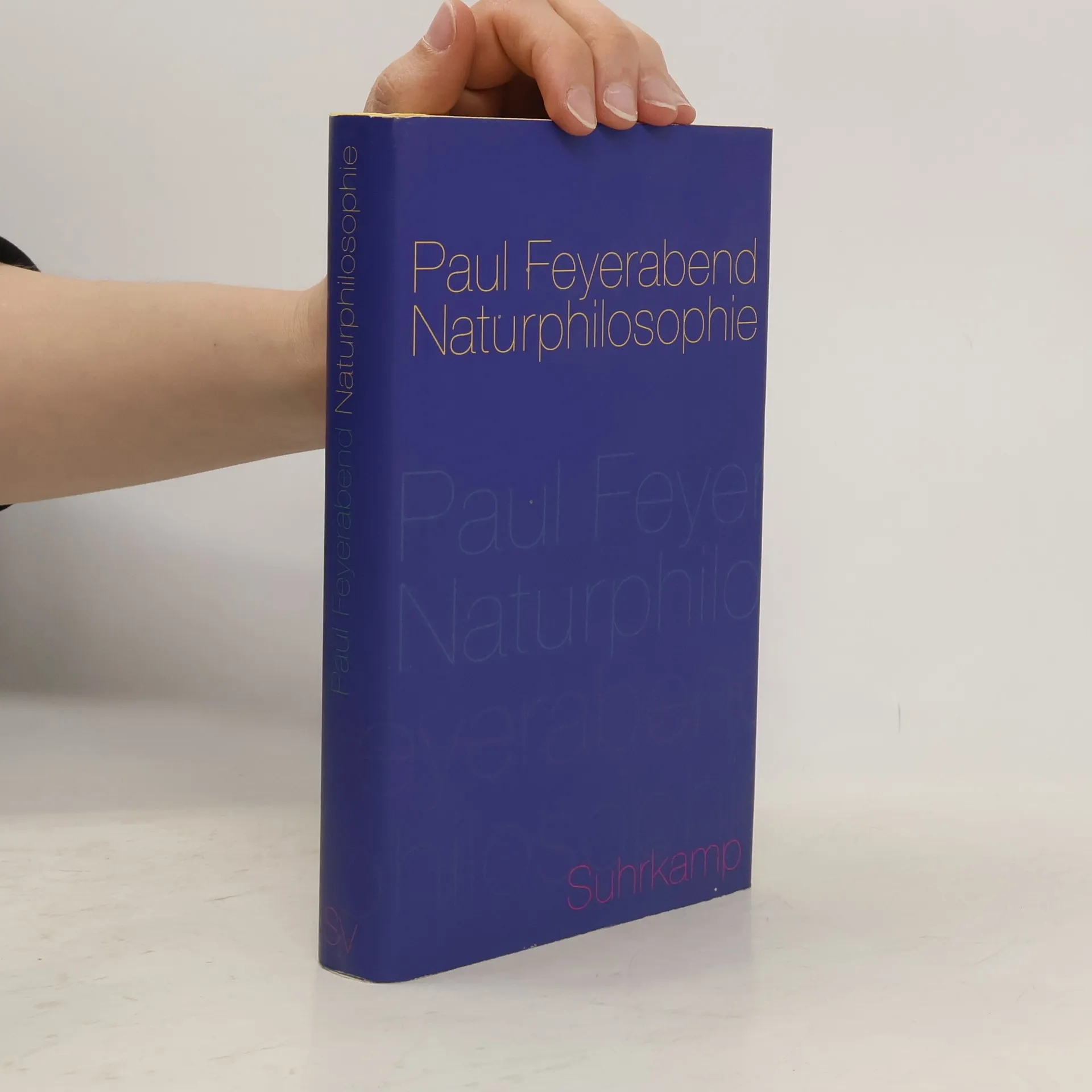
Naturphilosophie
- 384bladzijden
- 14 uur lezen
Paul Feyerabend, ein unkonventioneller Wissenschaftler, ist bekannt für sein Konzept des "Anything Goes". Wenig bekannt ist, dass er über Jahre an einer umfassenden Naturphilosophie arbeitete, die von der Steinzeit bis zur Atomphysik reichen sollte – ein Projekt, das ihn fast um den Verstand brachte. Das Manuskript galt lange als verloren, bis ein Typoskript des ersten Bandes im Archiv der Universität Konstanz entdeckt wurde. In diesem Band untersucht Feyerabend die Rolle von Mythen in der frühen Naturphilosophie und den Übergang vom "Aggregatuniversum" Homers zu Parmenides' Einheitsdenken. Er kritisiert den Aufstieg des Rationalismus in der griechischen Antike und die damit verbundene Entfremdung des Menschen von der Natur. Mit seiner gewohnten Polemik und umfassenden Bildung beleuchtet er die Vorgeschichte der modernen Wissenschaft. Der Band enthält zahlreiche Abbildungen, darunter archaische Kunstgegenstände und persönliche Skizzen Feyerabends. Ergänzt wird das Werk durch bislang unveröffentlichte biografische Dokumente, die das Gesamtbild des Denkers abrunden. Eine Einführung der Herausgeber erläutert die Bedeutung der Naturphilosophie in Feyerabends Denken.
Briefwechsel
- 272bladzijden
- 10 uur lezen
Der Briefwechsel zwischen den Philosophen Paul Feyerabend (1924–1993) und Hans Albert (geb. 1921), die beide dem „Kritischen Rationalismus“ zuzurechnen sind, überrascht durch seine Offenheit. Hier diskutieren der in Berkeley und Zürich lehrende, aus Wien stammende Skeptiker und „anarchistische“ Methodenpluralist und der wichtigste deutsche Vertreter der von Karl R. Popper ausgehenden Logik und Sozialphilosophie nicht nur ihre wissenschaftstheoretischen Projekte und ihr Verhältnis zu Popper - die in charakterlicher und fachlicher Hinsicht sehr verschiedenartigen Denker äußern sich auch sehr freizügig zu Themen des akademischen Lebens, der 68er Bewegung und zu Fragen des Privatlebens. Die Briefe aus den Jahren 1966 bis 1971 kommentieren die Ereignisse der Studentenrevolte, der Arbeiten Feyerabends an seinem Hauptwerk „Wider den Methodenzwang“. Sie ermöglichen einen kritischen und amüsanten Rückblick auf einen entscheidenden Paradigmenwechsel in der Wissenschaftstheorie.
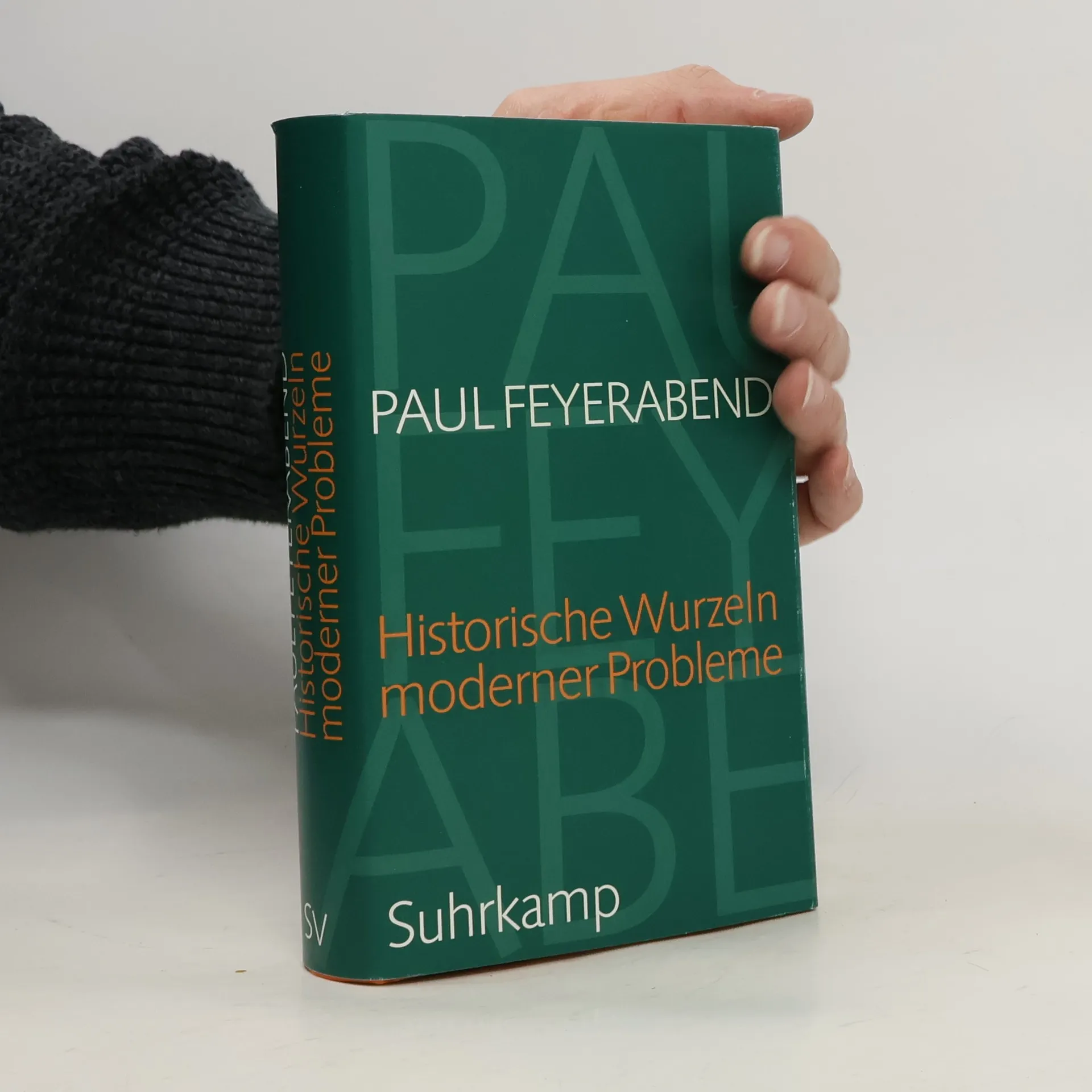
Im Sommersemester 1985 hält Paul Feyerabend eine Vorlesung an der ETH Zürich, in der er die These vertritt, dass wir viele Probleme der modernen Welt besser verstehen, wenn wir sie auf historische Wurzeln in der Geisteswelt der griechischen Antike zurückführen. Das überwiegend naturwissenschaftliche Publikum wird nicht enttäuscht. In gezielt antiprofessoraler Performance, gespickt mit brillanten Provokationen und anekdotischen Abschweifungen, die sein profundes Wissen offenbaren, schärft das enfant terrible der Wissenschaftsphilosophie seine berühmte Kritik am abendländischen Rationalismus. Besonders die Monopolstellung der wissenschaftlich-technischen Vernunft mit ihren Vorstellungen von Fortschritt, Wahrheit oder Objektivität nimmt er dabei ins Visier, als mitverantwortlich für die Schieflage der Welt. Dagegen empfiehlt Feyerabend einen erkenntnistheoretischen und politischen Pluralismus, um den »modernen Problemen« seiner Zeit beizukommen: der atomaren Bedrohung, der Zerstörung außereuropäischer Zivilisationen, den sozialen Verwerfungen und der sich anbahnenden ökologischen Katastrophe. Und heute? Eine furiose Reise in die 1980er Jahre, die unter anderem zeigt, dass nicht wenige Probleme von gestern noch immer auf der Agenda stehen.
Tři dialogy o vědění
- 179bladzijden
- 7 uur lezen
Tři dialogy o vědění jsou první autorovou knihou přeloženou do češtiny. Jemná ironie v dokonale dramaticky vystavěných dialozích.
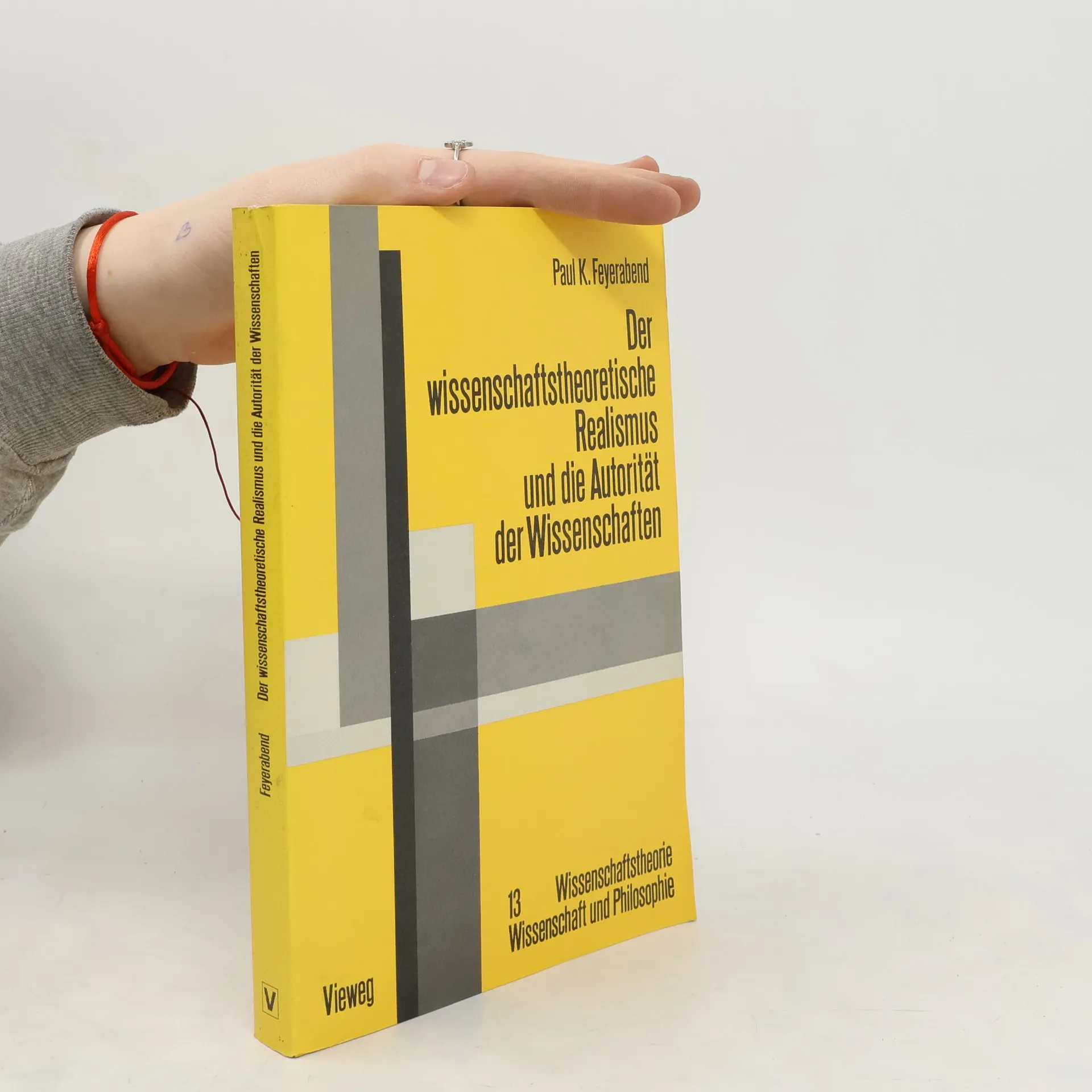
Die Aufsätze in diesem Band befassen sich mit gewissen Aspekten der Rolle der Wissenschaften in unserer Kultur. Im ersten Teil wird gefragt, ob die Wissenschaft einen Beitrag zu unserem Weltbild leisten kann, oder ob sie einzig dazu taugt, Voraussagen zu machen oder Erfahrungen zu ordnen in einer Welt, deren Züge durch andere überlegungen bereits festgelegt sind. Im zweiten Teil wird gefragt, ob die Methoden und Ergebnisse der Wissen schaft wirklich die immense Autorität haben, die man ihnen heute zuschreibt. Die Antwort auf die erste Frage lautet: die Wissenschaft kann eine Kosmolo gie im vollen Sinne des Wortes sein, sie ist in dieser Hinsicht der Religion, der Philosophie, dem Alltagsdenken, dem Mythos sicher nicht untergeordnet. Ich erreiche diese Antwort auf dem Umweg über die Diskussion eines Problems, das in der Literatur den etwas pompösen Namen 'Das Problem der Existenz theoreti scher Entitäten' erhalten hat. Die Antwort auf die zweite Frage lautet: die Wissenschaft ist anderen Ideolo gien aber auch nicht übergeordnet, sie hat keine höhere Autorität als jene. Diese Antwort erhalte ich in zwei Schritten. Erstens durch eine Kritik der Wissenschafts theorie, wo man ja zeigen will, warum die Wissenschaft so hervorragt. Zweitens durch eine Kritik der von den Wissenschaften selbst gemachten Ansprüche.
Erkenntnis für freie Menschen. Veränderte Ausgabe
- 299bladzijden
- 11 uur lezen
In der veränderten Neuausgabe (Feyerabend verfaßte eine neue Einleitung und schrieb das zentrale Kapitel über den Relativismus neu) von Erkenntnis für freie Menschen zieht Feyerabend die politischen Konsequenzen aus dieser These: »Wie beurteilt ein Bürger die Vorschläge der Institutionen, die ihn umgeben, von seinem Geld leben und sein Dasein verunstalten und wie beurteilt er diese Institutionen selbst? Er braucht Maßstäbe und Kriterien - das hören wir fortwährend von unseren Intellektuellen. Aber welche Maßstäbe wird er wählen? Die Antwort, die ich im vorliegenden Buch auf diese Frage gebe, erkläre und verteidige, lautet wie folgt: In einer freien Gesellschaft verwendet der Bürger die Maßstäbe der Tradition, der er angehört.«
Briefe an einen Freund
- 290bladzijden
- 11 uur lezen
»Ganz Unterschiedliches wird in diesem Briefwechsel verhandelt: Wissenschaftstheorie, Gesellschaftstheorie, Politik; es wird aber auch der Wissenschaftsbetrieb verhöhnt; ernst nehmen sich die Briefpartner, sie verfügen aber zugleich über den notwendigen Humor, sich und die Kollegen und den Wissenschaftsbetrieb auch in seinen selbstparodistischen Elementen wahrzunehmen.«
Wie kann man die Natur der Künste bestimmen? In welcher Weise läßt sich ihre Geschichte verstehen? Wodurch können die Wissenschaften definiert werden? Womit ist die Aufeinanderfolge wissenschaftlicher Denkweisen zu erklären? Welches sind die Beziehungen zwischen den Wissenschaften und den Künsten? Was ist die Rolle beider in einer freien Gesellschaft? Bei der Beantwortung dieser Fragen geht Paul Feyerabend von der Kunsttheorie Alois Riegls aus.
Paul K. Feyerabend war nicht nur ein scharfer Kritiker wissenschaftlicher Dogmen, sondern auch einer der respektlosesten. Er stellte die Festlegungen der einzig richtigen Methode, die den Titel „wissenschaftliche Rationalität“ verdienen sollte, mit seiner charakteristischen Respektlosigkeit in Frage. Es war ihm ein Anliegen, die Ordnungshüter der Vernunft und Wissenschaft herauszufordern. Diese polemische Haltung und sein ironischer Witz kommen in zwei Dialogen zur Geltung, die er in seinen letzten Lebensjahren verfasste. Im ersten Dialog, „Platonische Phantasien“, gelingt es einer bunt gemischten Gruppe von Studenten nicht, sich auf den Seminartext von Plato zu konzentrieren. Doch durch Feyerabends geschickte Regie entwickelt sich ein anregendes Streitgespräch über Wissenschaft, Objektivität und den Wert philosophischer Reflexion. Im zweiten Dialog konfrontiert Feyerabend einen ehrgeizigen Interviewer, der ihm beim Waldspaziergang auflauert, und entlarvt dessen überzogene Vorstellungen von Philosophie. Der Leser erhält dabei einen prägnanten Überblick über Feyerabends Maximen im Umgang mit Philosophie und Wissenschaftsgeschichte.
Aber ein Paul hilft doch dem anderen
Briefwechsel Paul Feyerabend - Paul Hoyningen-Huene 1983 - 1994
- 318bladzijden
- 12 uur lezen
Der Briefwechsel ist ein intellektuelles und bewegendes Dokument einer Freundschaft zweier Gelehrter. Diese entfaltet sich in 115 Briefen in der Zeit von 1983 bis zu Feyerabends Tod 1994. Begleitet werden die Briefe von einem Vorwort, einer Einführung von Hoyningen-Huene und biographischen Anmerkungen des Herausgebers. Die Korrespondierenden sind beide davon überzeugt, dass die Wissenschaft etwas über die Welt herausfindet – über Kriterien und Methodik disputieren die beiden Gelehrten humorvoll, tiefsinnig und zeitweilen sarkastisch-nachdenklich. Der Briefwechsel zeugt von einer tiefen lebendigen Freundschaft und ist mehr als ein Emblem der Wissenschaftstheorie gegen Ende des vergangenen Jahrhunderts. Bislang unveröffentlichtes Quellenmaterial dient dem Herausgeber als Grundlage für seine biographischen Kommentare.
Leben mit den "acht Todsünden der zivilisierten Menschheit"?
- 416bladzijden
- 15 uur lezen
Licht inmitten der Nacht
- 30bladzijden
- 2 uur lezen
Probleme des Empirismus 1
- 261bladzijden
- 10 uur lezen
Philosophy: Наука в свободном обществе
- 384bladzijden
- 14 uur lezen
Издание содержит: Разум и практика; Наука в свободном обществе; Разговоры с недоучками
Nutzniesser und Betroffene von Wissenschaften: Publikation zur gleichnamigen Veranstaltungsreihe
- 241bladzijden
- 9 uur lezen
FEYERABEND, P. / C. THOMAS, NUTZNIESSER UND BETROFFENE VON WISSENSCHAFTEN. ZURICH, 1986, x 241 p. figuras.Encuadernacion original. Nuevo.
Il caso e la libertà
- 187bladzijden
- 7 uur lezen
Da "il caso e la necessità" al "caso e la libertà". Scienziati, psicologi e filosofi pongono l'accento sul valore critico della scelta, della creatività e della responsabilità del ricercatore.Contributi di Henri Atlan, John D. Barrow, Remo Bodei, Jerome S. Bruner, Jean-Pierre Dupuy, Paolo Fabbri, Paul K. Feyerabend, Stefano Rodotà, René Thom.