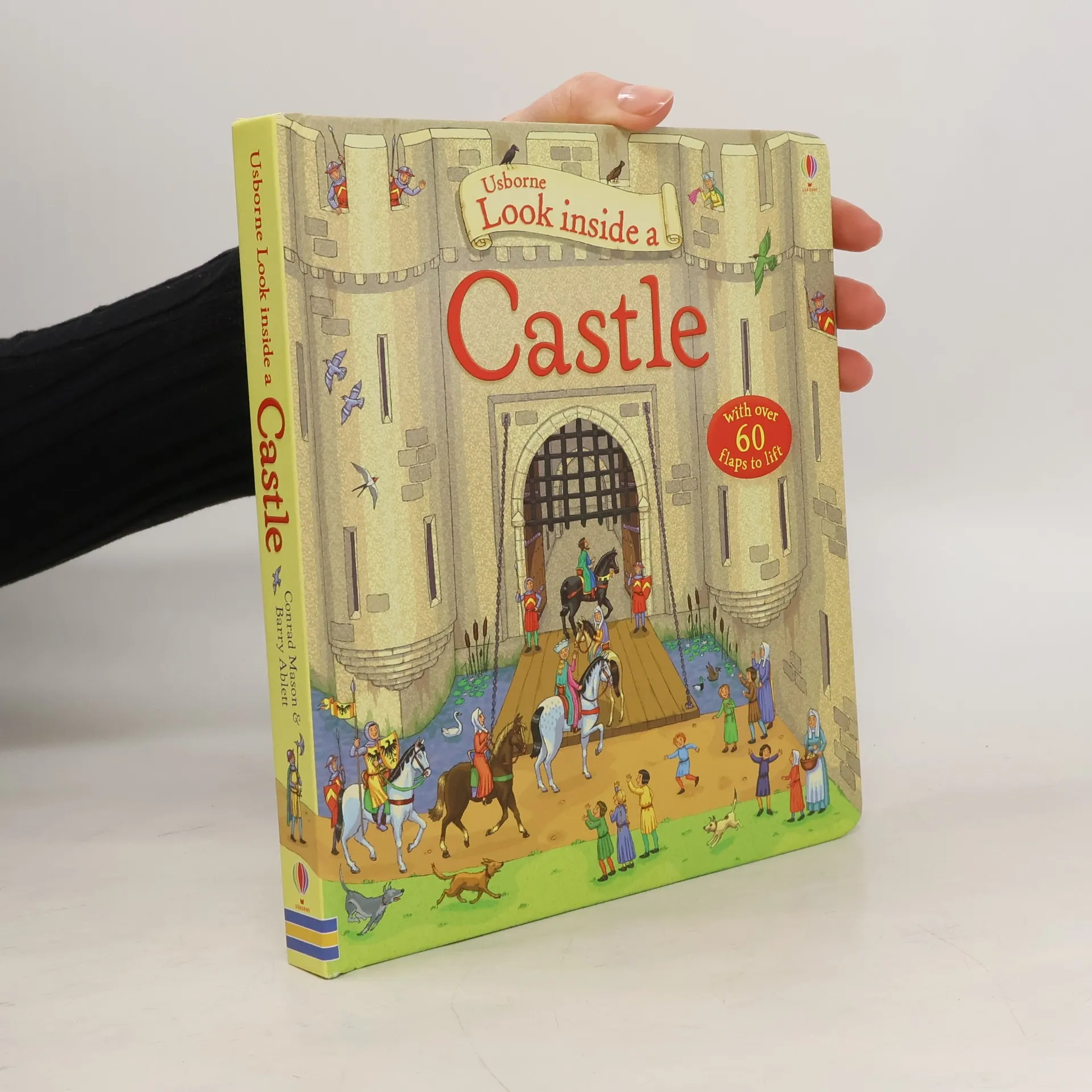
Offers a glimpse behind the scenes of a busy castle. Amid the hustle and
bustle, this flap book helps young readers meet lords, ladies, knights and
squires and find out how they live, work, fight and relax in their magnificent
castle home.
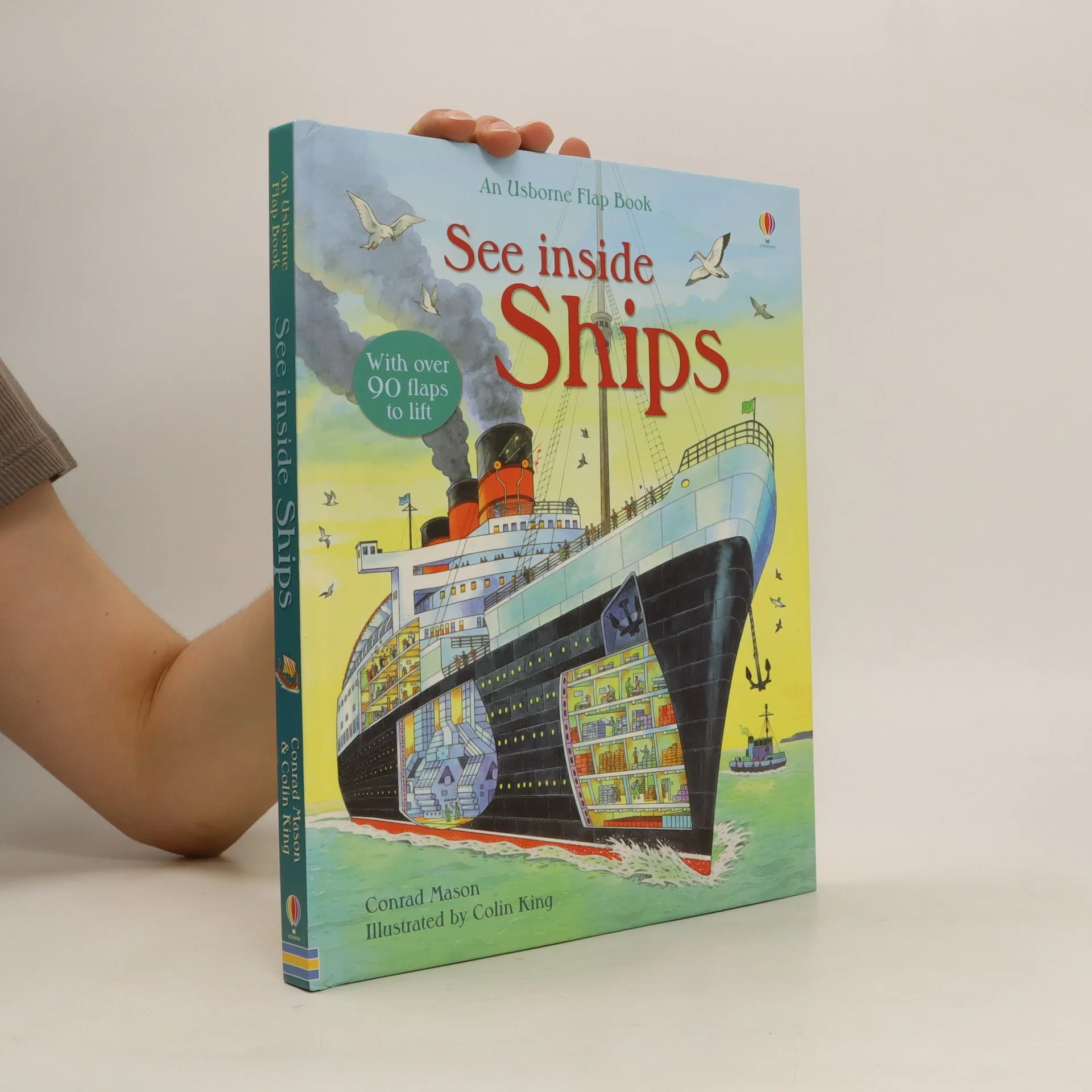
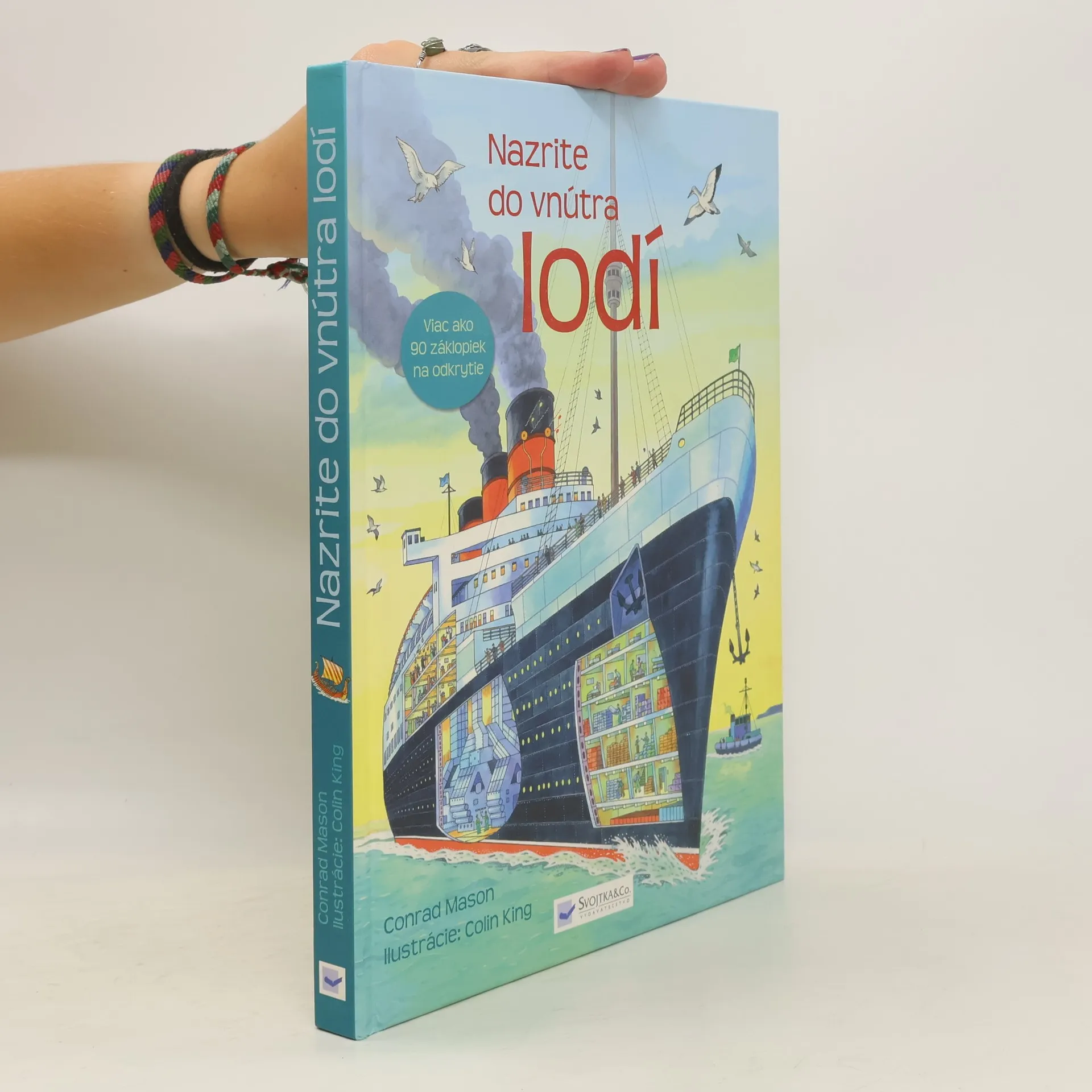
A brilliant flap book for older children exploring ships through the ages. Stunning illustrations with over 90 flaps reveal the insides of historical and modern-day ships along with fascinating facts about them. Ships include a Viking longboat, a cannon-firing Man-of-war, 19th century steamships, submarines, cruise liners and an enormous aircraft carrier. To illustrate the size of an aircraft carrier, the scene opens out in one large flap with even more facts beneath. With internet links to further information about ships.
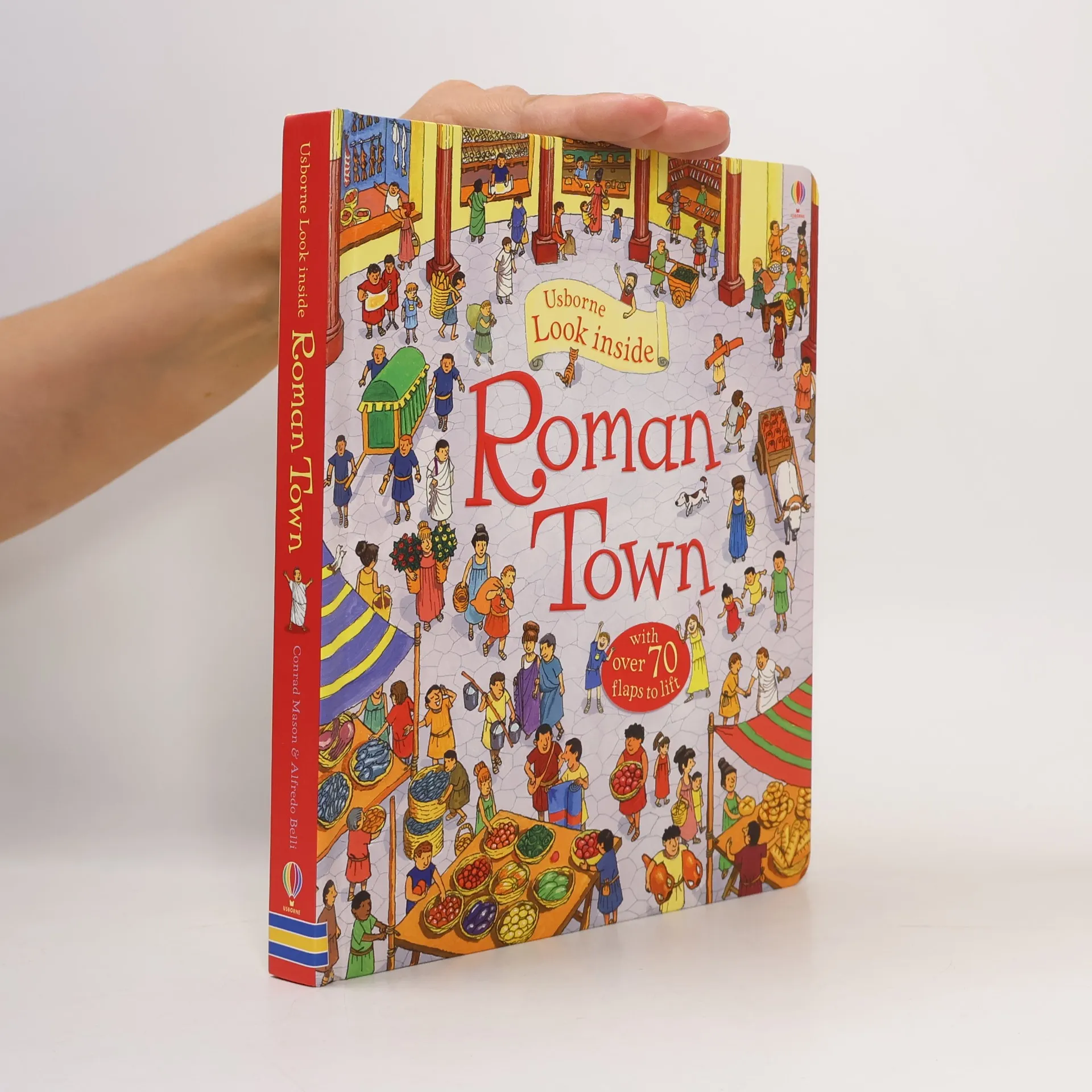
"Lift the flaps to explore a busy ancient Roman town, and join the Flavius family as they go shopping, visit the baths and watch a thrilling chariot race"--Back cover.
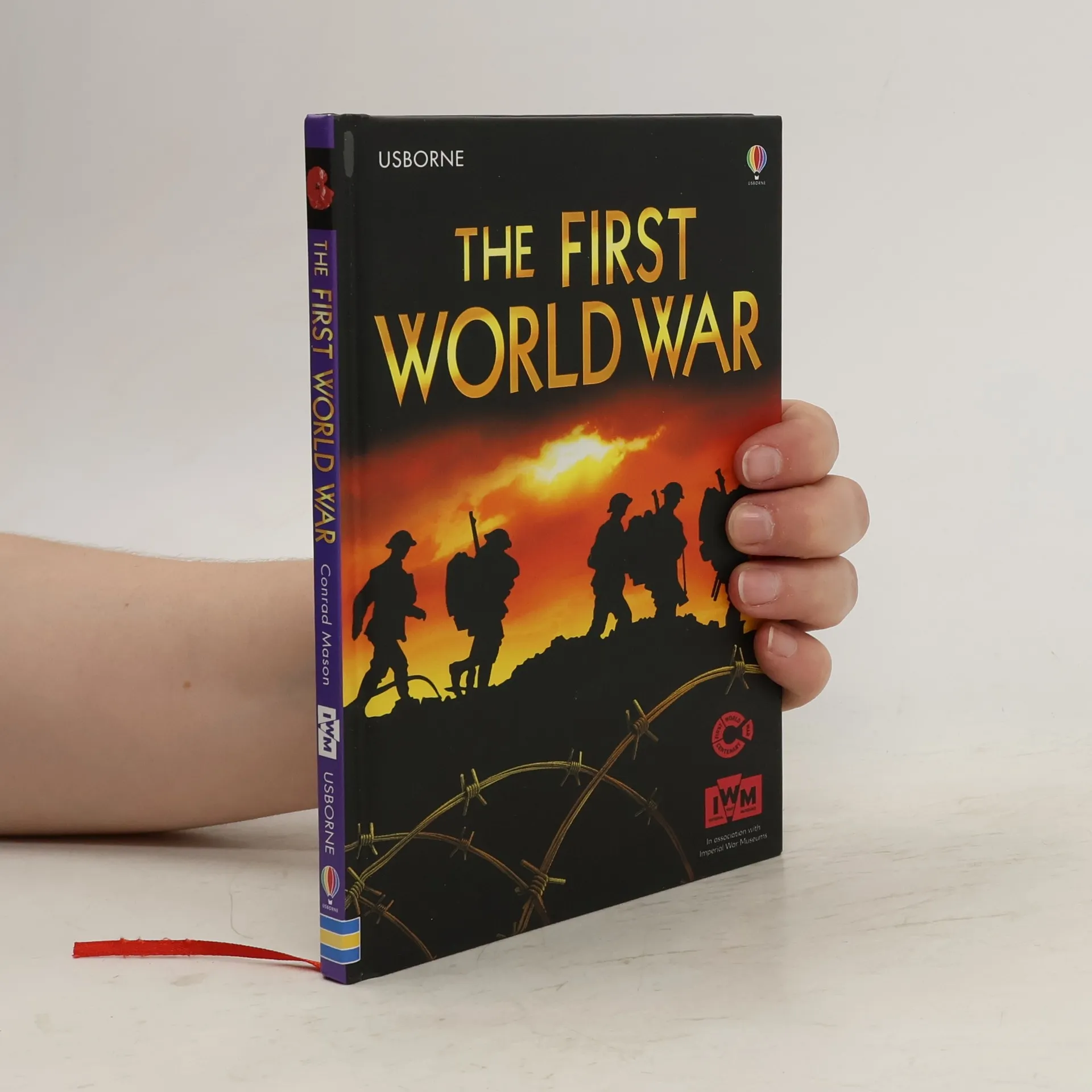
In 1914, the murder of Archduke Franz Ferdinand sparked one of the most
destructive conflicts the world had ever seen. This title tells the story of
the First World War, and the people who lived and died fighting in it. It is a
narrative account of WWI, written specially for children who are ready to
tackle longer and more complex subjects.
Encompasses witchcraft, bloody murder, and ghostly apparitions. This work tells the tragedy of a good, brave and honourable man turned into the personification of evil by the workings of unreasonable ambition.
"Explore the icy world of polar ears and see them swim, hunt and play. Then follow a cub's journey from its birth in an underground den to the day it heads out into the world alone"--Page 4 of cover.
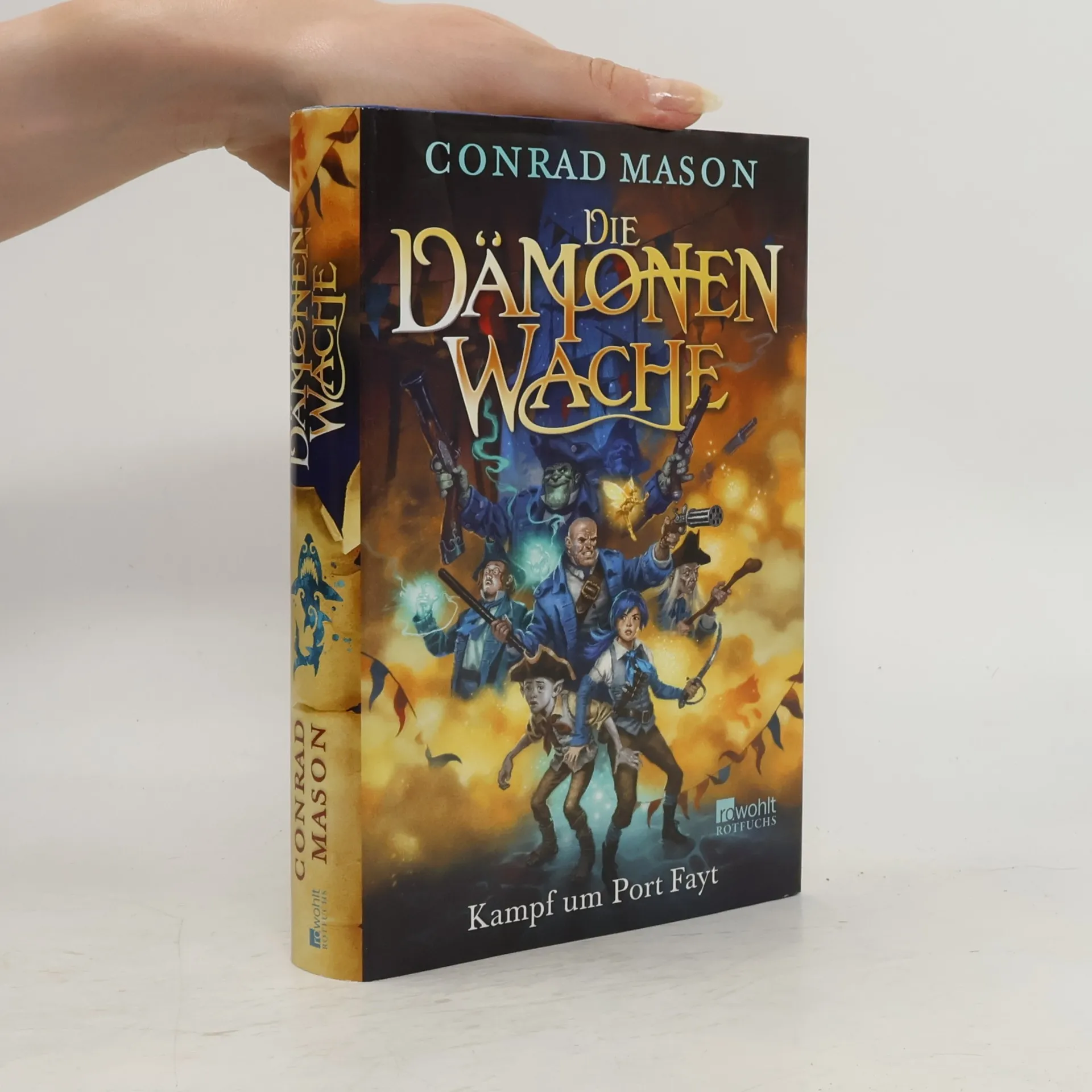
Die Hafenstadt Port Fayt ist in Gefahr. Ein Küchenjunge, ein blauhaariges Mädchen und die berühmte Dämonenwache müssen sie vor einer bösen Hexe retten. Seefahrer-Fantasy-Abenteuer ab 11
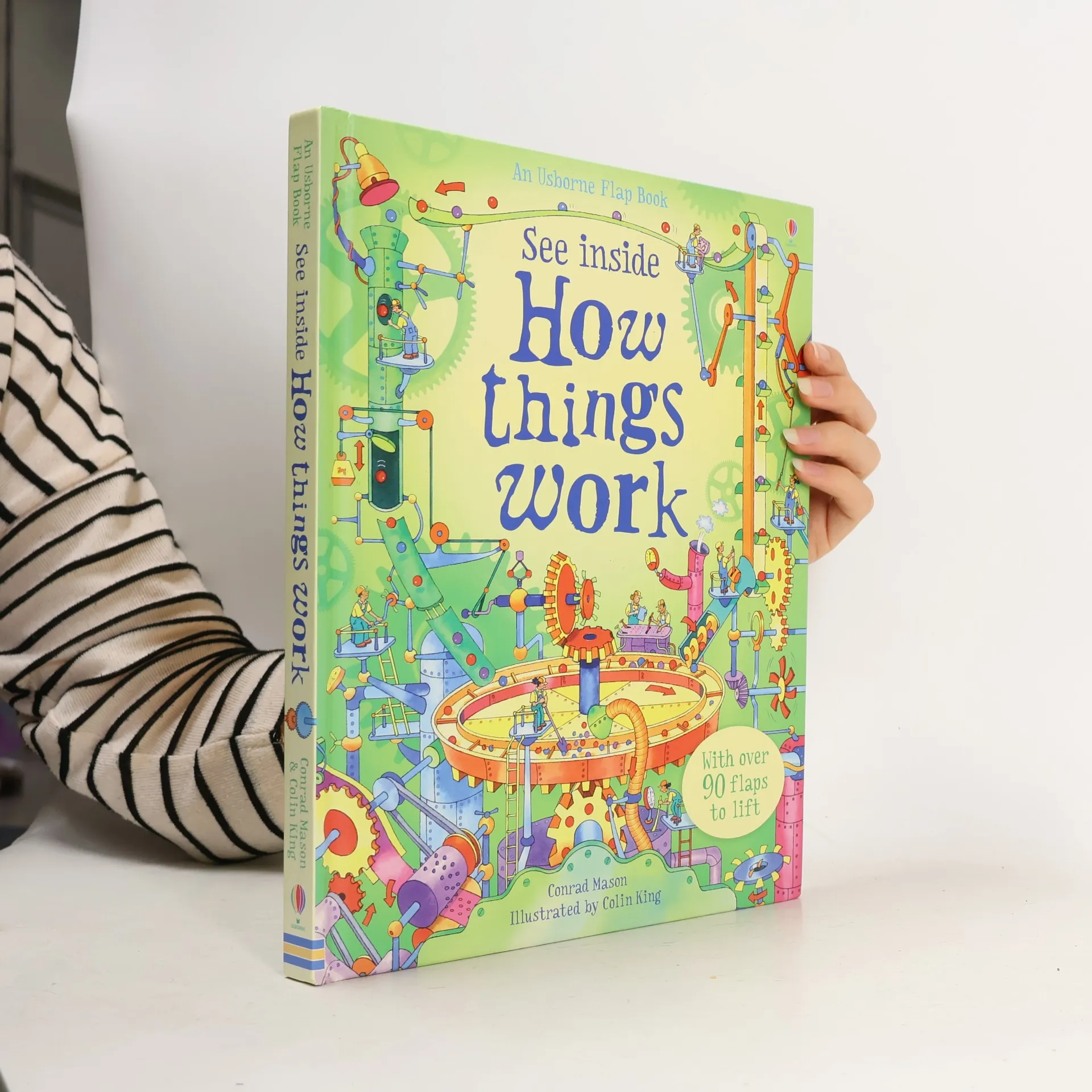
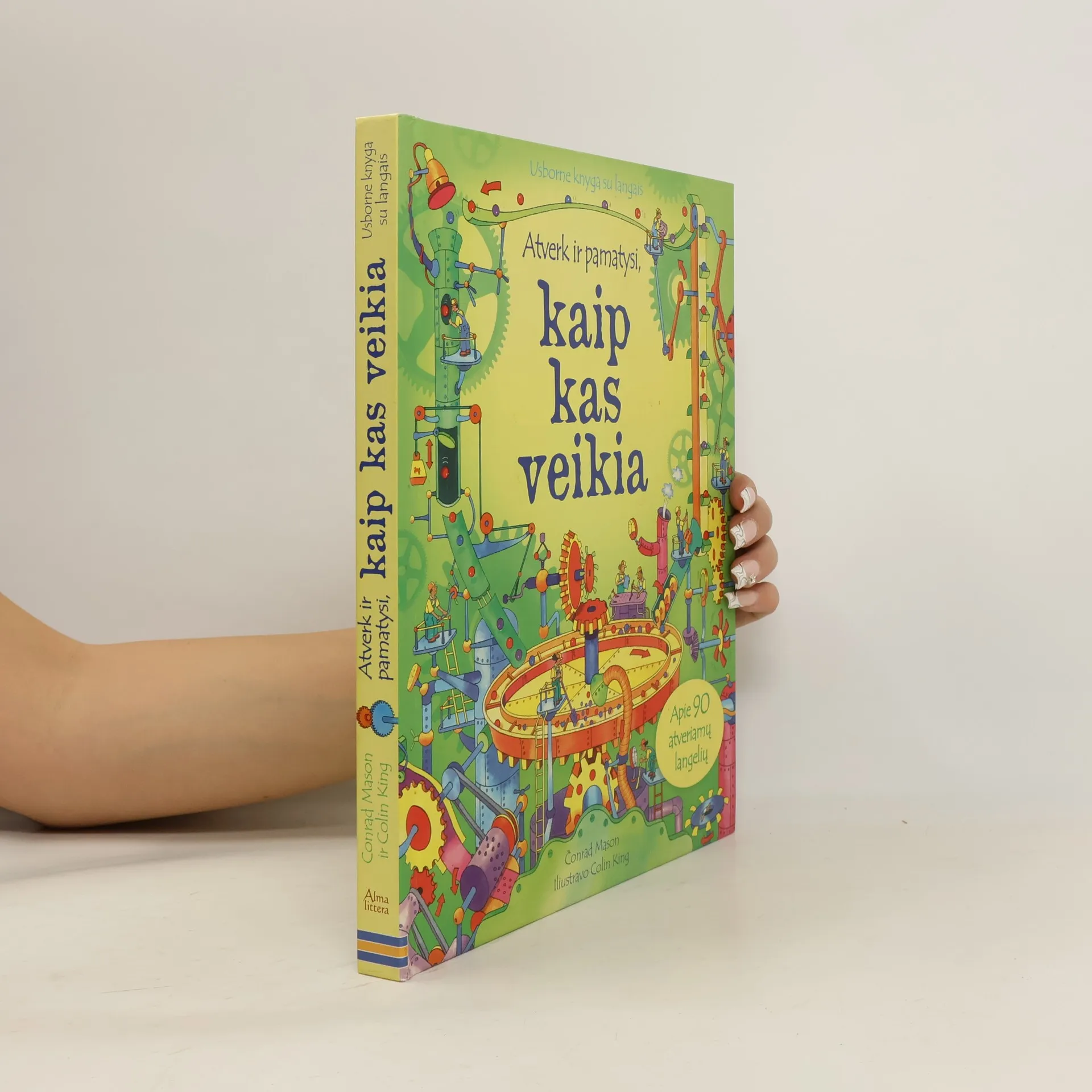
Ar esi kada speliojes, is kur atsiranda nuleidziamas vanduo tualete, arba kodel sviecia elektros lempute? Gal nori suzinoti, kaip kasa zeme ekskavatorius, kodel plaukia laivai ir kas laiko ore lektuvus? Atverk langelius ir pamatysi, kaip kas veikia - pradedant buities daiktais ir baigiant galingomis masinomis.
Joseph Grubb ist das jüngste Mitglied der Dämonenwache, die Port Fayt beschützt - die Hafenstadt, wo Menschen in Frieden neben Trollen, Elfen und Feen leben. Sehr zum Ärger der Liga des Lichts, die nun ihre Armada auschickt, um den Hafen von der Landkarte zu streichen. Fayts einzige Hoffnung ist das magische Meervolk, das an ihrer Seite kämpfen soll. Doch das Meervolk will erst einwilligen, wenn ihre Prinzessin aus den Fängen des gefährlichsten Jungen befreit ist, den die Hafenstadt je gesehen hat. Es liegt an Joseph und seiner Freundin Tabitha, die Prinzessin zu befreien. Und dabei erfährt Joseph, dass seine Eltern entgegen seiner Überzeugung gar nicht von der Liga des Lichts getötet worden sind.