Ulrike Becks Malorny Boeken
1 januari 1950
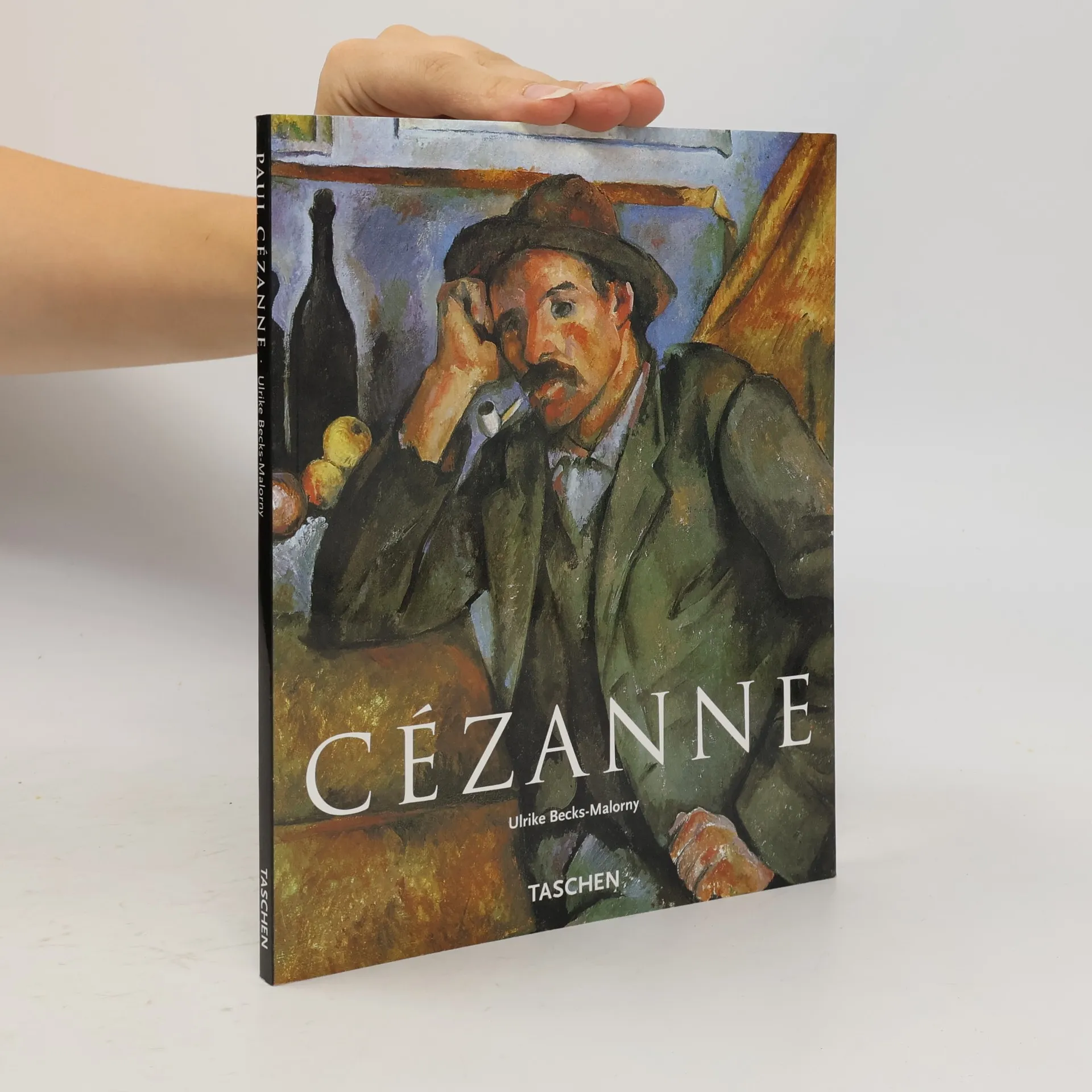
Divine apples and Cézanne’s quest for “a harmony parallel to Nature” He was the founding father of modern art, the grand master who pointed painting forward on its way from Impressionism to the 20th Paul Cézanne (1839–1906). In Paris, but above all in Provence, Cézanne quested tirelessly for “a harmony parallel to Nature”—discovering it in still lifes of apples, in bathers, or in the renowned landscapes of his beloved Montagne Sainte-Victoire. This book discusses this extraordinary artist’s major works and his theories of painting and color. About the Each book in TASCHEN’s Basic Art series
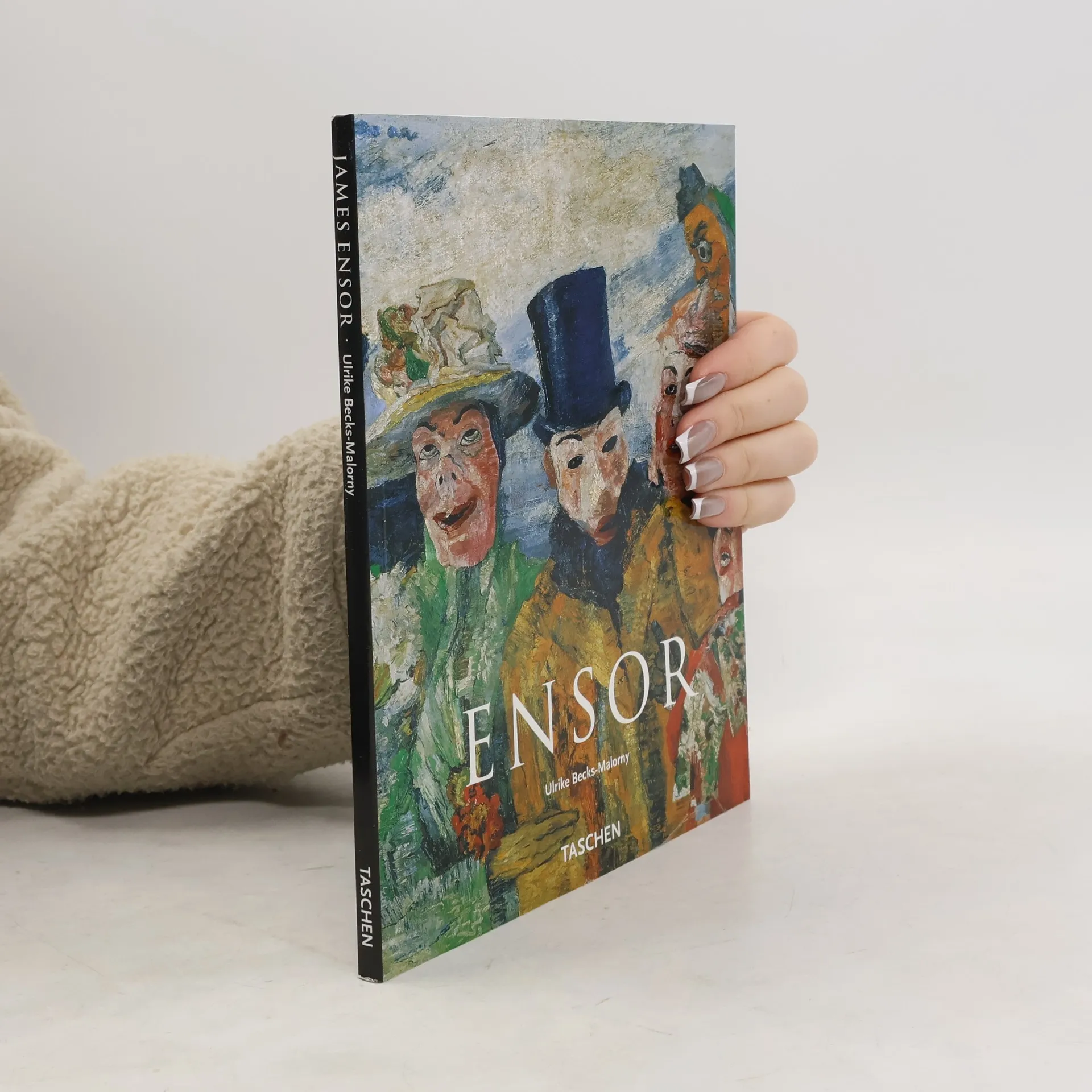
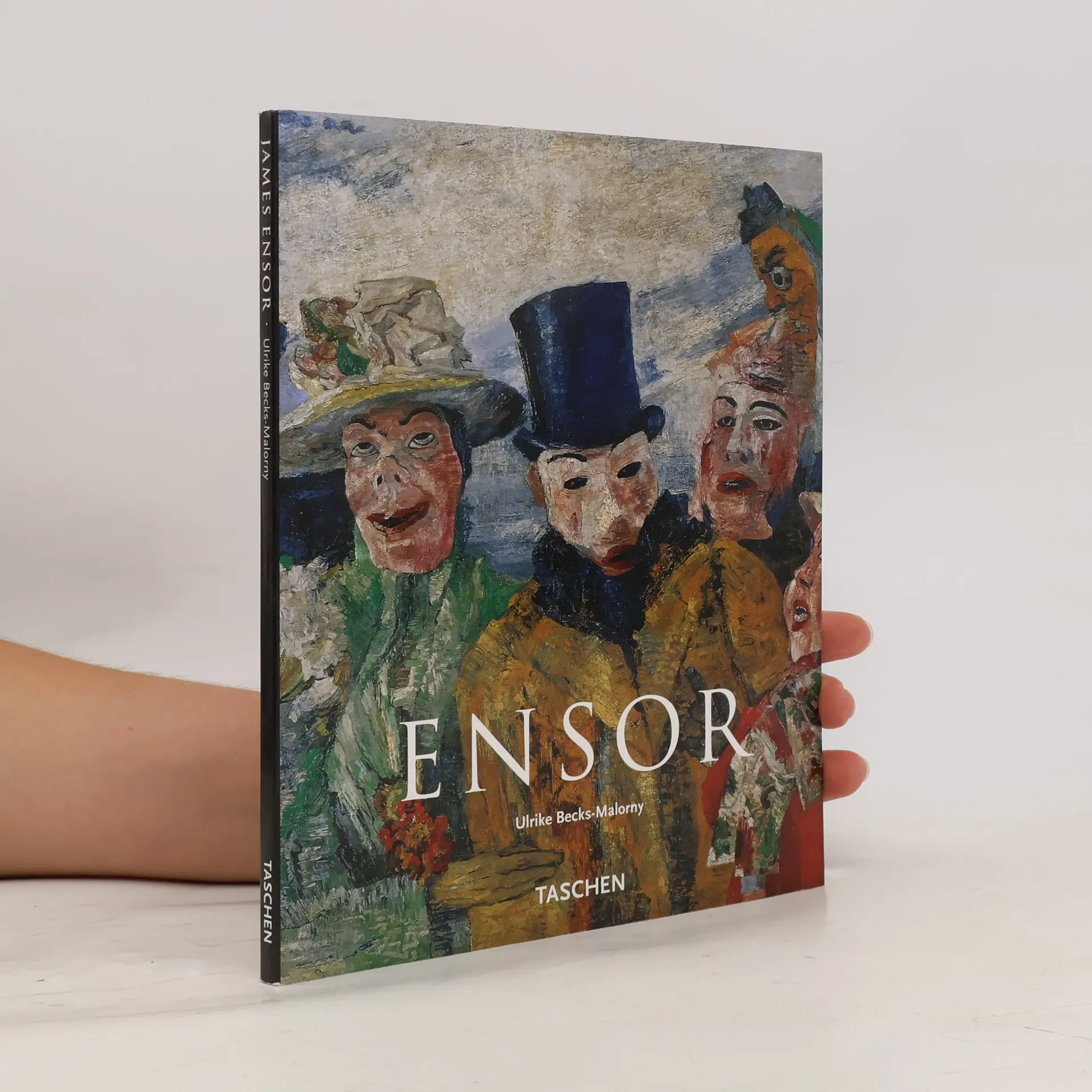
Ensor
- 96bladzijden
- 4 uur lezen
It has been said that James Ensor appropriated the subject matter of a Bosch or Bruegel and revisioned them using the techniques of Manet or Rubens. This work shows that Ensor was a genuine maverick with his own merit.
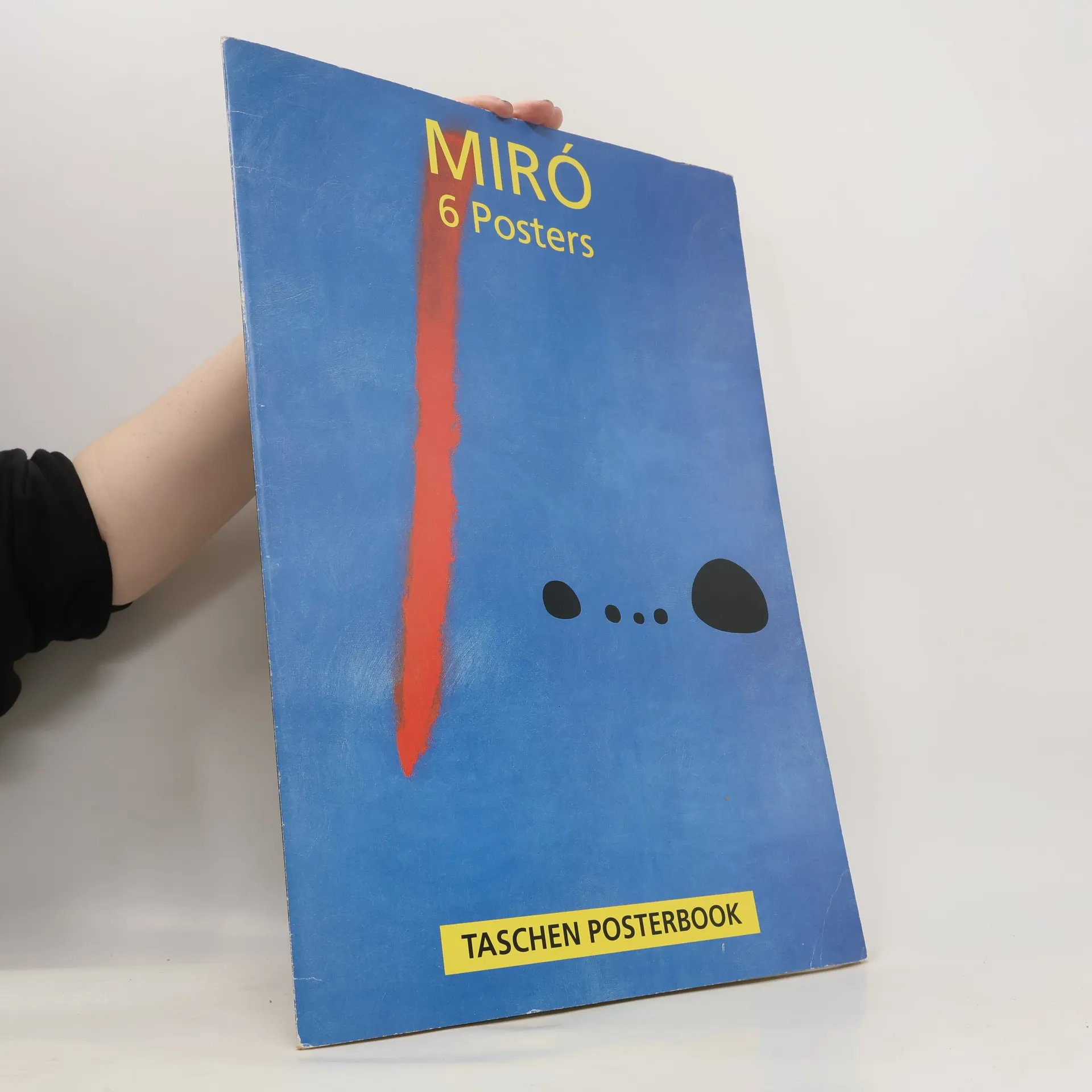
Posterbook: Miró
- 6bladzijden
- 1 uur lezen
posters
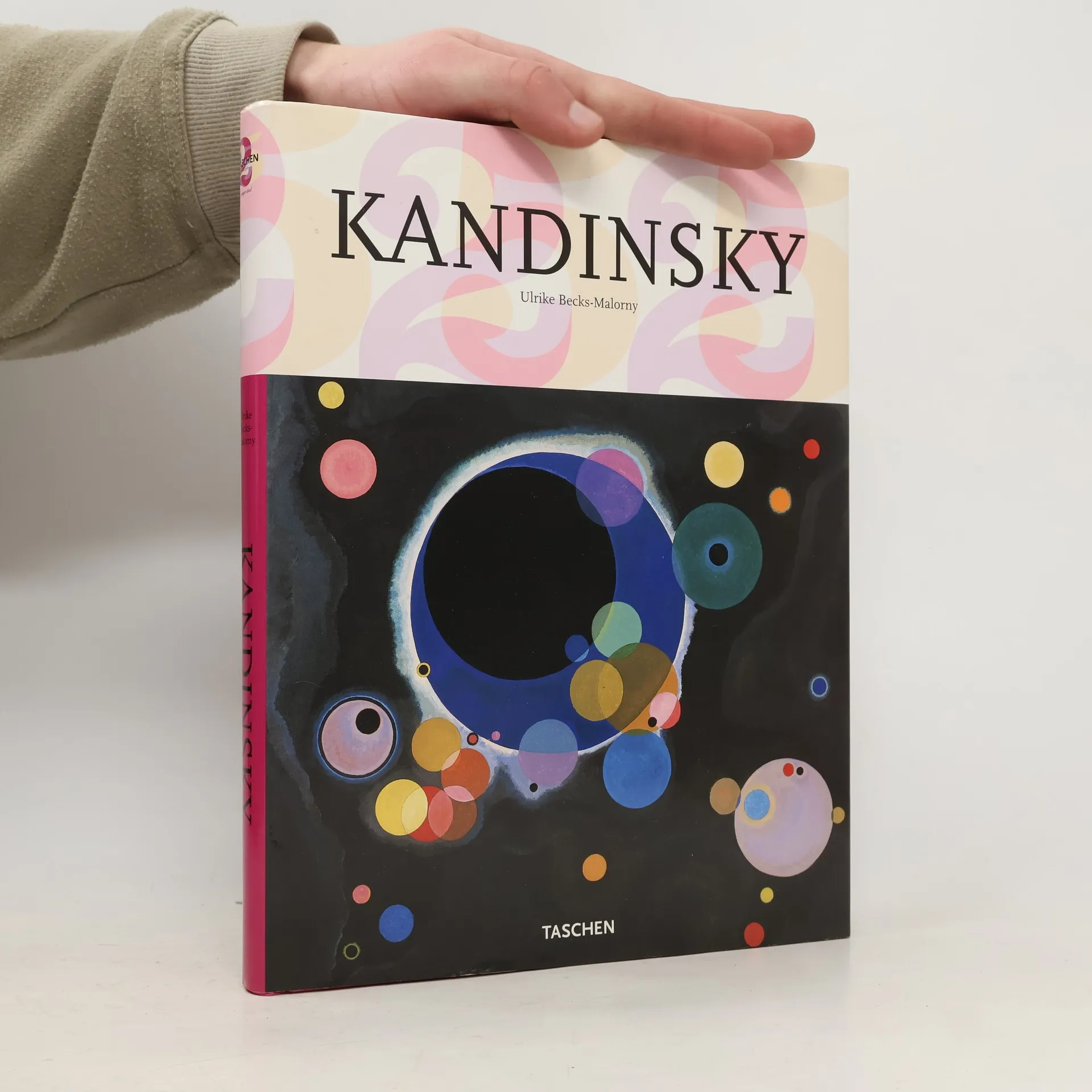
Kandinsky
- 199bladzijden
- 7 uur lezen
Wassily Kandinsky was undoubtedly one of the most exciting artists of the twentieth century. He brought an equal passion and commitment to his work as a painter, a theoretician and a teacher of art. After conventional beginnings in Munich, he devoted his intellectual and artistic energies to pioneering new dimensions of expression in art.
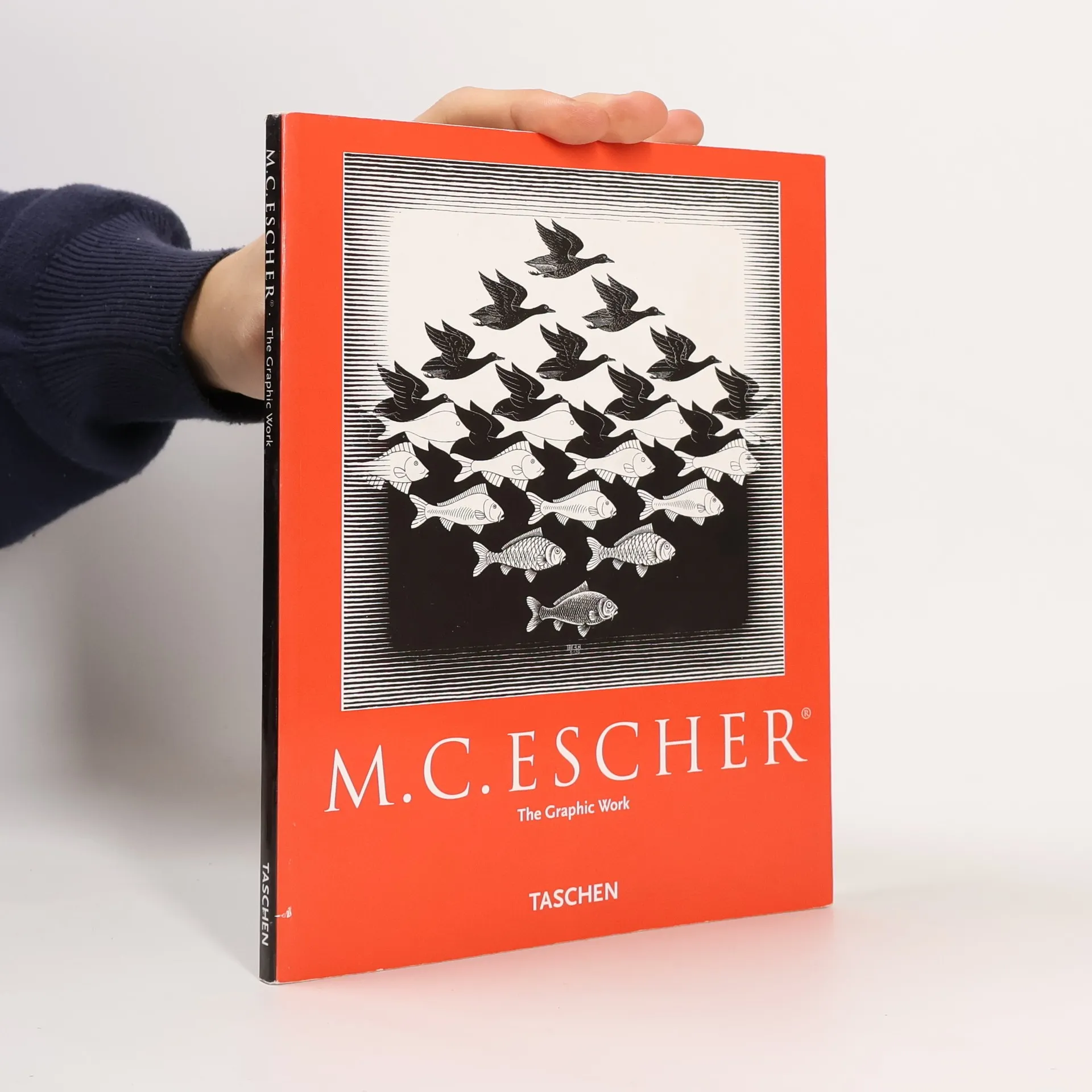
Escher
- 96bladzijden
- 4 uur lezen
Dieses Buch zeigt das Werk von M.C. Escher, einem Architekten unmöglicher Welten, der strukturell Unvorstellbares als Naturgesetz darstellt. Die daraus entstehenden dimensionalen und perspektivischen Illusionen konfrontieren uns mit den Grenzen unserer Sinneswahrnehmung.
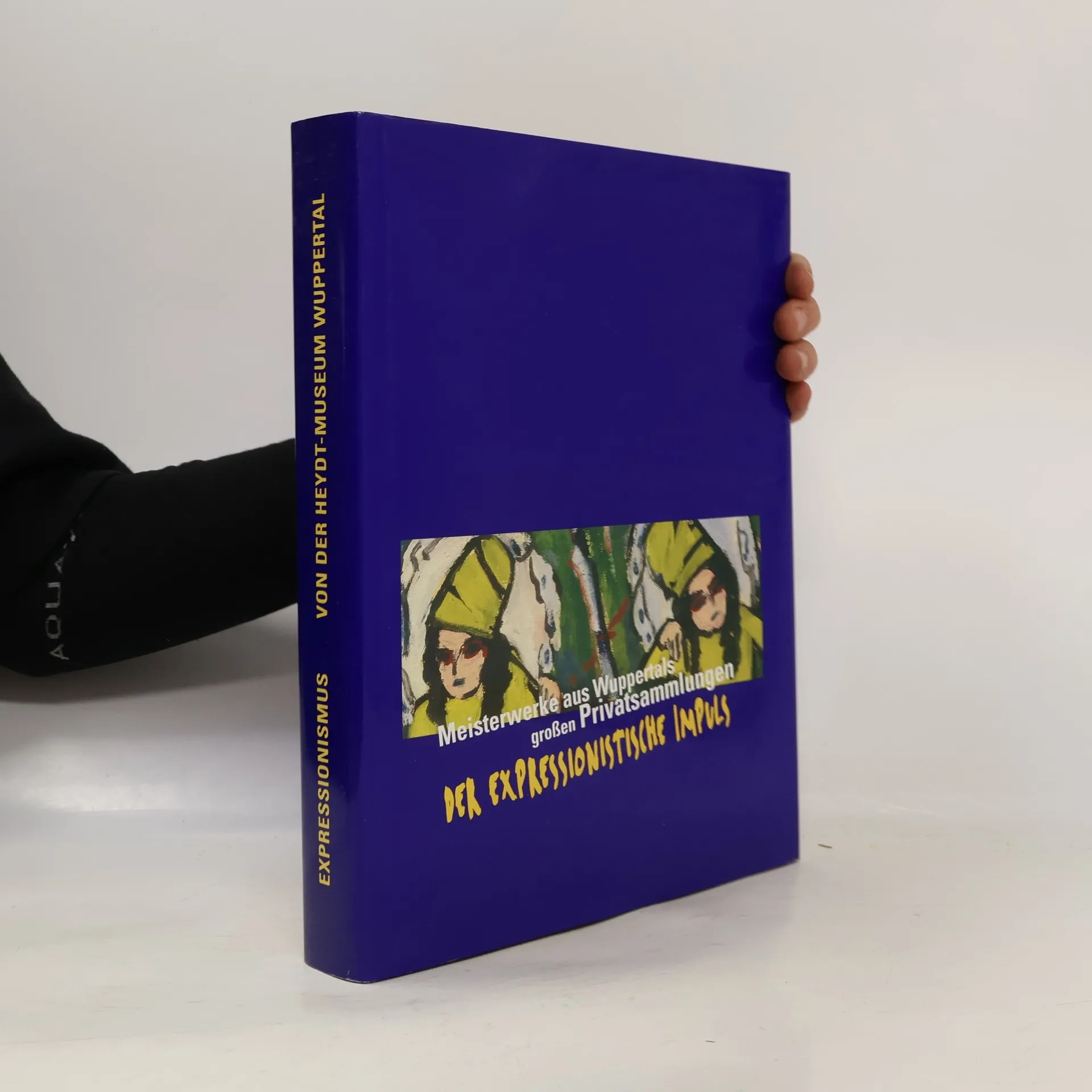
Der expressionistische Impuls
- 367bladzijden
- 13 uur lezen
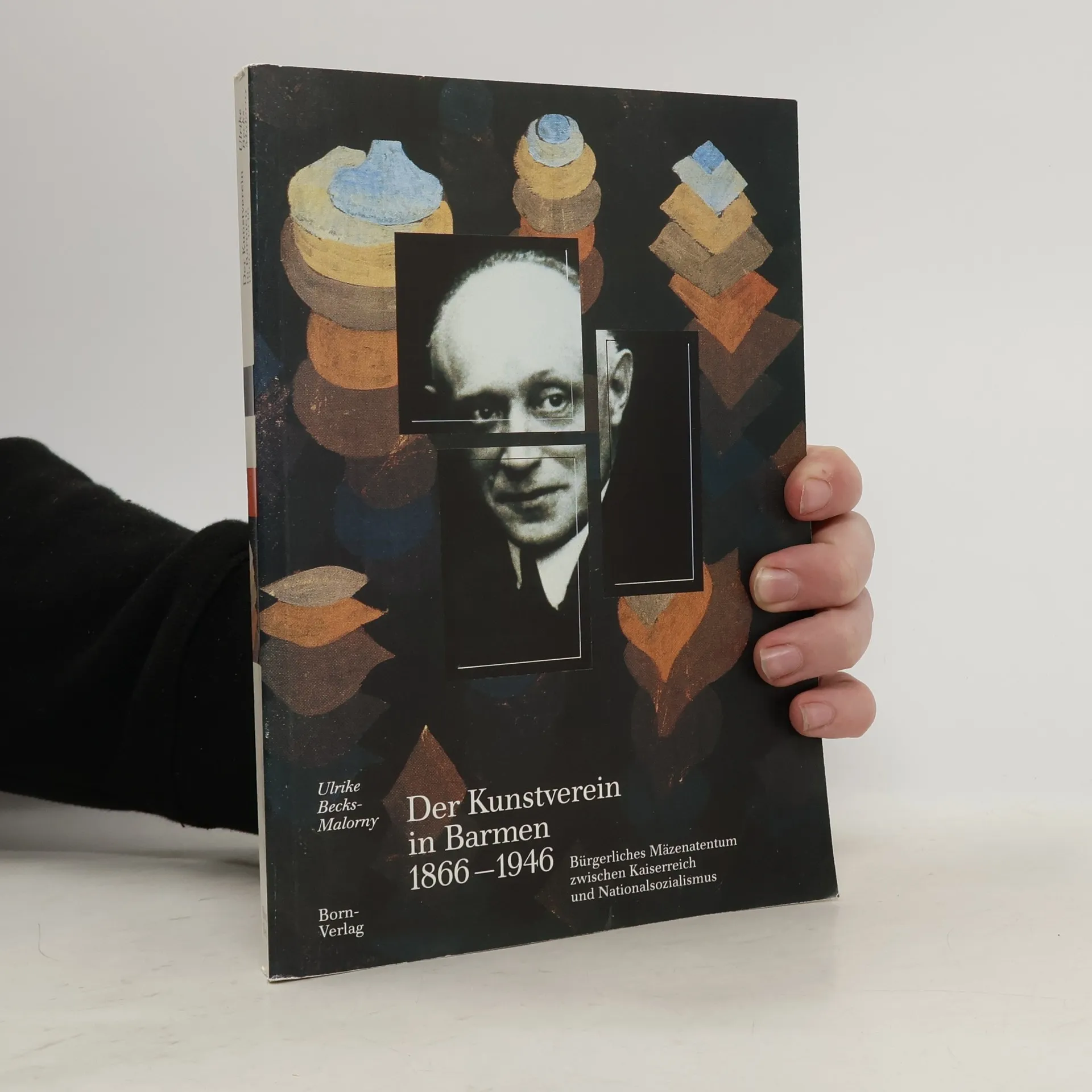
Der Kunstverein in Barmen 1866 - 1946
- 287bladzijden
- 11 uur lezen
Die umfassende Dokumentation der Geschichte des Barmer Kunstvereins von seiner Gründung 1866 bis zu seiner Fusion mit dem Elberfelder Museumsverein im Jahre 1946 zum Kunst- und Museumsverein Wuppertal ist ein einzigartiges Geschenk zum 125jährigen Jubiläum! Die Geschichte des Barmer Kunstvereins, einer Bürgerinitiative im besten Sinne des Wortes, ist die Geschichte bürgerlichen Engagements und Mäzenatentums, der Liebe zur Stadt und zur Kunst, ein Stück Kultur- und Stadtgeschichte. Was den Barmer Kunstverein aber weit über eine lokale Institution hinaushebt, ist die Tatsache, dass er in der Zeit zwischen 1910 und 1930 ein Zentrum modernen Kunst war, das den Vergleich mit den künstlerischen Metropolen in Deutschland nicht zu scheuen brauchte. Er war ein Stützpunkt der Avantgarde, dessen progressive Sammlungstätgkeit die Barmer Ruhmeshalle in den zwanziger Jahren zu einer der bedeutendsten Galerien moderner Kunst in Deutschland machte.