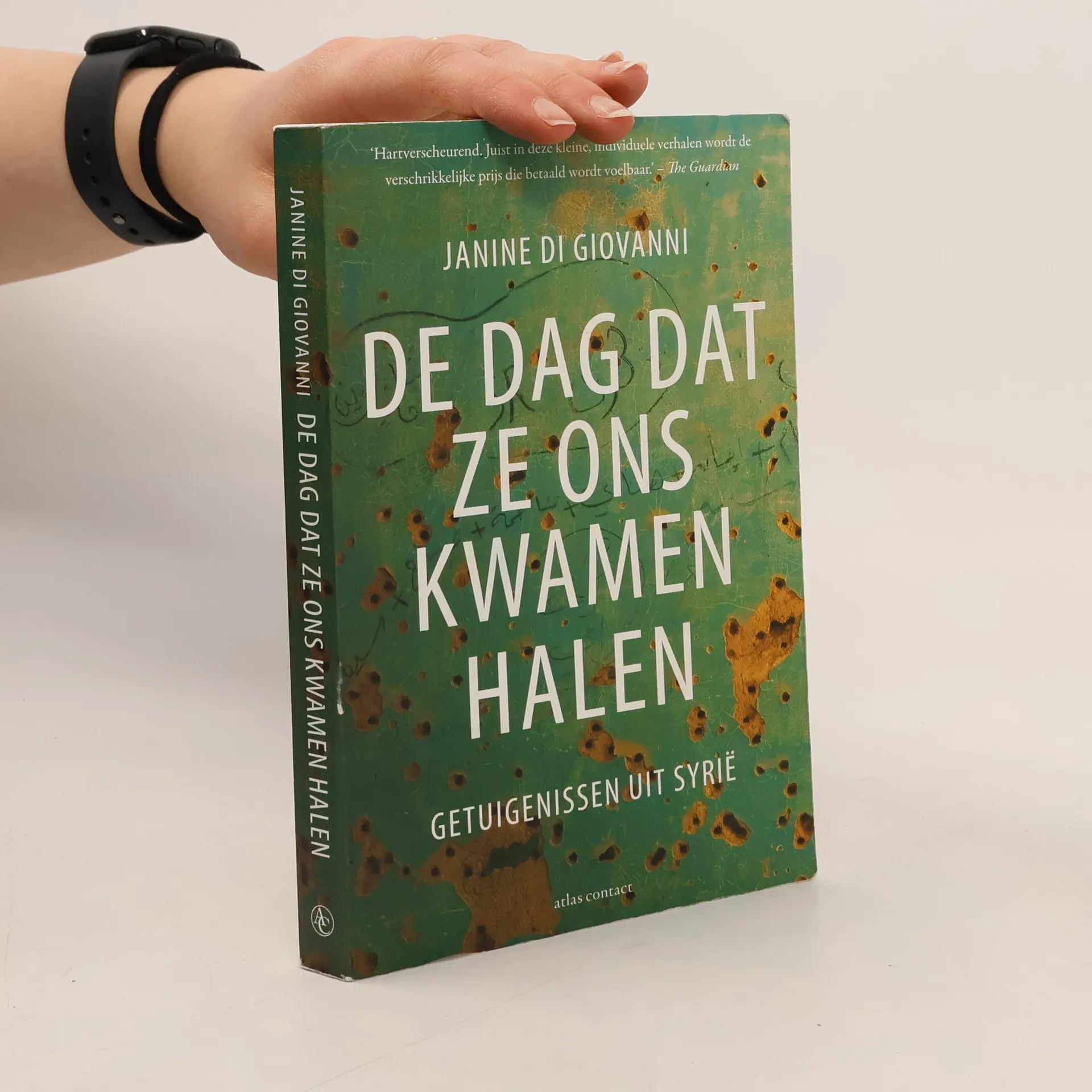
Wat in 2011 in Syrië begon als een vreedzame opstand, ontwikkelde zich tot een van de meest wrede, moorddadige conflicten in de recente geschiedenis. Studenten zien hun strijd voor democratie en vrijheid ontaarden in een burgeroorlog; rebellen belanden bij de minste provocatie in de gevangenis; kinderen en gezinnen moeten toezien hoe hun dierbaren op basis van dubieuze aanklachten door het regime worden meegenomen of vermoord; elitefamilies verschansen zich in dure hotels en wenden hun blik af van de verschrikkingen buiten: in De dag dat ze ons kwamen halen vertelt oorlogscorrespondent Di Giovanni de verhalen van gewone Syriërs die getroffen worden door het conflict. Bevlogen, onverschrokken en inlevend beschrijft ze een land op de rand van de afgrond en schetst een apocalyptisch maar tegelijkertijd teder beeld van het dagelijks leven in de frontlinie. Dit felle, prachtig geschreven boek is een onvergetelijk bewijs van de veerkracht van de mens wanneer hij wordt geconfronteerd met de verwoestende, onvoorstelbare gruwelen van oorlog.
Janine di Giovanni Boeken
Janine di Giovanni behoort tot Europa's meest gerespecteerde oorlogsverslaggevers, bekend om haar onwrikbare focus op de menselijke kosten van conflicten. Haar kenmerkende aanpak omvat het betreden van vergeten oorlogsgebieden, waarbij ze ernaar streeft om een gezicht te geven aan het immense lijden veroorzaakt door geweld. Met een carrière die gekenmerkt wordt door diepe empathie en rigoureus onderzoek, is ze een essentiële stem geworden voor degenen die door oorlog tot zwijgen zijn gebracht. Haar meeslepende verhalen bieden lezers een diepgaand begrip van de menselijke ervaring onder de meest extreme omstandigheden.



Madness Visible
- 304bladzijden
- 11 uur lezen
Superb war reporting which sits alongside that of Martha Gellhorn, Fergal Keane and John Simpson
War is a collective matter. It involves nations, factions, and religions. However, it is also a personal affair. War is made by people and lived by people: the one who kills and the one who is killed, the one who becomes disabled and the one who sees their home bombed, the one who fights at the front and the one who watches helplessly as their life, as they knew it until then, collapses. In this book, Janine di Giovanni—the most significant war correspondent of her generation—does not make geopolitical analyses. She does not view war from above. She observes it from within, through the eyes of the people experiencing it. She narrates the stories of soldiers, both from the government army and the opposition, of the tortured, of civilians, of mothers, of children. She captures primal, physical feelings: pain, loss, brutality, horror. She records the smells of war, the sounds, the cold, the mud. She documents fears and hopes, mourning and devastation. Through dozens of human stories—the stories of Nanda, Mariam, Hussein, Mohamed, Abdullah, Carla—the author composes a poignant mural of a society that is devouring itself, driven into a fratricidal war and the greatest tragedy of our time.
At once necessary, difficult and elating. Her reporting from the Syrian revolution and war is clear-eyed and engaged in the best sense - engaged in the human realm rather than the abstractly political. . . . Such reporters as Giovanni, who not only visit but also live (and often die) through wars not their own, are heroic Robin Yassin-Kassab Guardian
The Vanishing
- 272bladzijden
- 10 uur lezen
Some of the countries that first nurtured and characterized Christianity - along the North African Coast, on the Euphrates and across the Middle East and Arabia - are the ones in which it is likely to first go extinct. Christians are already vanishing. We are past the tipping point, now tilted toward the end of Christianity in its historical homeland. Christians have fled the lands where their prophets wandered, where Jesus Christ preached, where the great Doctors and hierarchs of the early church established the doctrinal norms that would last millennia. From Syria to Egypt, the cities of northern Iraq to the Gaza Strip, ancient communities, the birthplaces of prophets and saints, are losing any living connection to the religion that once was such a characteristic feature of their social and cultural lives. In The Vanishing, Janine di Giovanni has combined astonishing journalistic work to discover the last traces of small, hardy communities where ancient rituals are quietly preserved amid 360 degree threats. Full of faith and hope, di Giovanni's riveting personal stories make a unique act of pre-archeology: the last chance to visit the living religion before all that will be left are the stones of the past
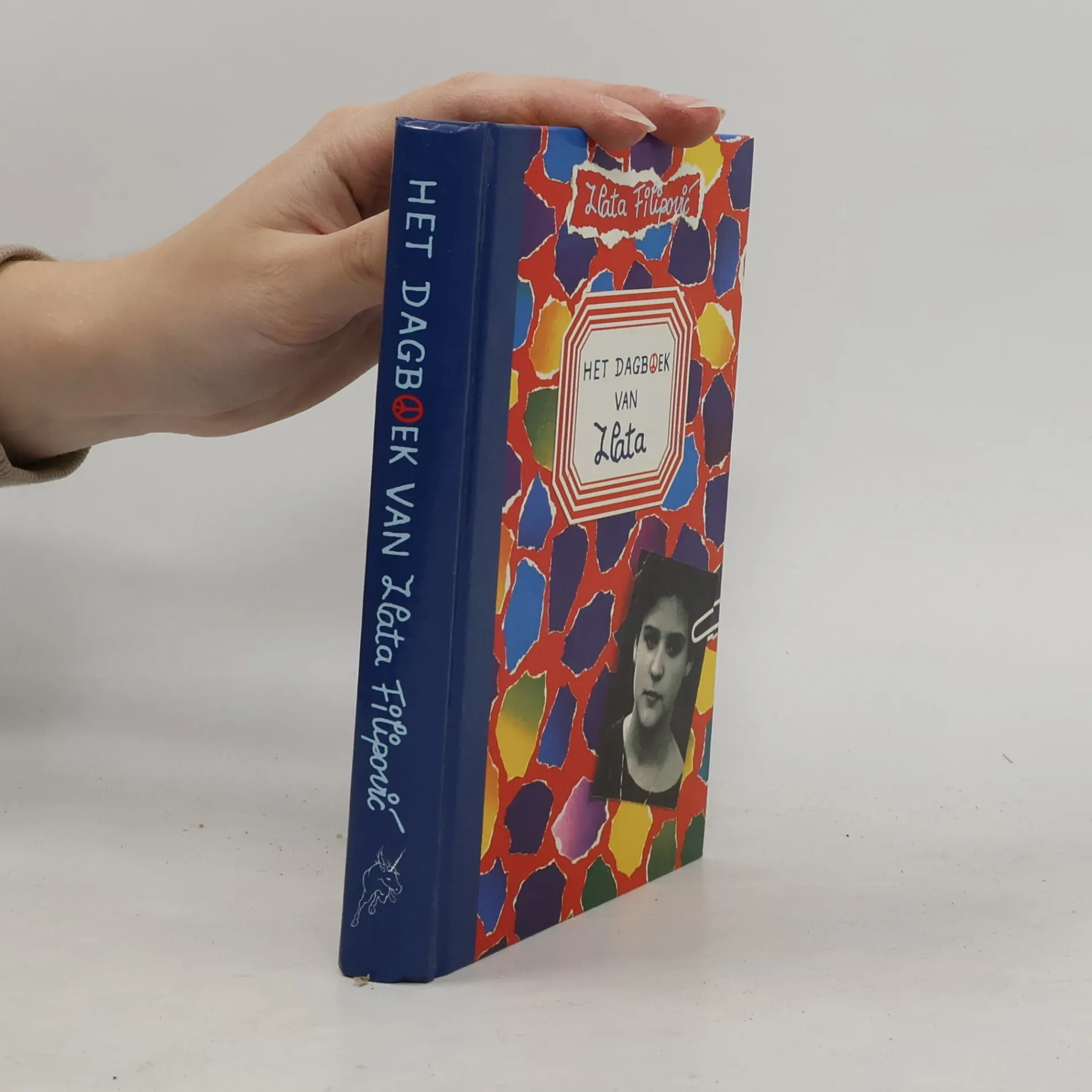
Het dagboek van Zlata Filipović
- 193bladzijden
- 7 uur lezen
Sarajevo 1991. Zlata Filipovic is elf en geniet met volle teugen van haar jeugd. Ze gaat naar school, volgt muzieklessen, kijkt naar MTV en adoreert Madonna. Aan haar dagboek, dat ze Mimmy noemt, vertrouwt ze al haar geheimen toe. Maar dan breekt de oorlog uit, en Sarajevo verandert langzaam in een hel. Ook dit verteld Zlata allemaal aan Mimmy. Ze beschrijft hoe verwoestend de oorlog is, hoe vrienden en kenniessen verdwijnen, gewond raken of worden gedood. Ze schrijft over angst, verdriet en wanhoop, met dezelfde indringende eerlijkheid als het dagboek van Anne Frank. Een onschuldig meisje temidden van een gruwelijk strijdtoneel, waarin geen plaats is voor de dromen van een kind. Toch brengt Zlata's onvergetelijke verhaal ook hoop en ontroering.
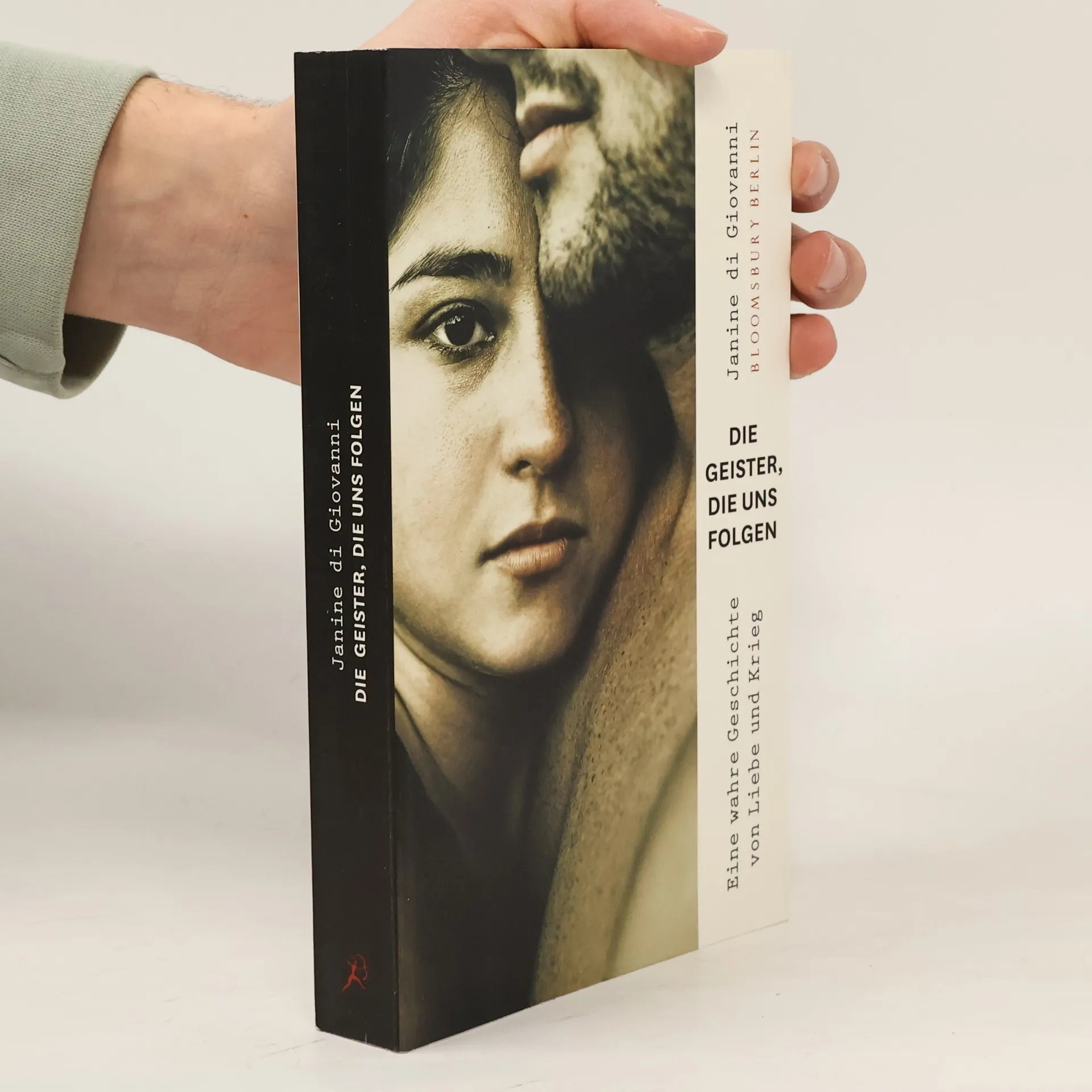
Janine und Bruno wollen sich ein gemeinsames Leben aufbauen - die beiden Kriegsreporter, die sich im belagerten Sarajevo ineinander verliebt haben. Jahrelang sind sie über den Globus geirrt, von einem Konflikt zum nächsten, von einer Trennung zur nächsten. Nur unterbrochen von kurzen, aber intensiven Momenten der Zweisamkeit. Aber der Plan, nach den zahlreichen Kriegen in Paris endlich Fuß zu fassen, will und will nicht aufgehen. Ihr Familienalltag wird immer wieder von den Erlebnissen der Vergangenheit eingeholt: So kämpft Bruno mit seinen traumatischen Erfahrungen und Janine damit, ihrer neuen Rolle als Mutter und Ehefrau gerecht zu werden. Der Krieg hat sie zusammengeführt. Nun stehen sie vor der Frage: Wie zusammenbleiben ohne ihn? Mitreißend und mit schonungsloser Offenheit erzählt die renommierte Kriegsberichterstatterin Janine di Giovanni davon, was es heißt, ankommen zu wollen, ohne ankommen zu können.