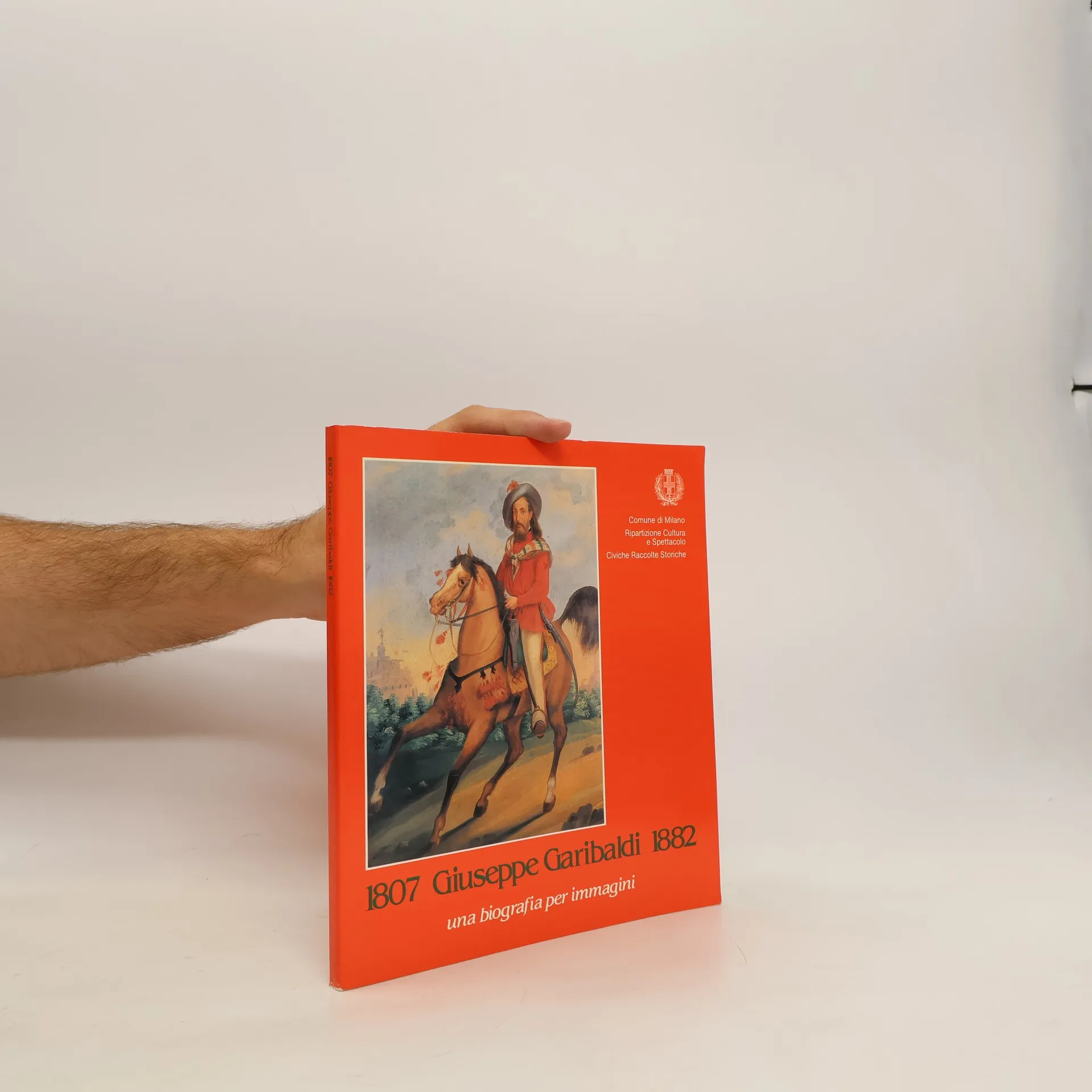
Kurz nach Garibaldis Tod erschienen seine Memoiren erstmals im Verlag Barbèra in Florenz. Eine deutsche Ausgabe von Elpis Melena folgte 1861, die auf Garibaldis Manuskript bis 1848 basierte. Später bearbeitete Dumas das Werk, doch die vorliegende Übersetzung orientiert sich am authentischen Text und umfasst Garibaldis Rückkehr nach Italien 1848.
Giuseppe Garibaldi Volgorde van de boeken (chronologisch)
4 juli 1807 – 2 juni 1882
Giuseppe Garibaldi was een Italiaanse militaire en politieke leider wiens leven werd gekenmerkt door revolutionaire idealen en expedities over continenten heen. Als jongeman raakte hij betrokken bij complotten en vluchtte hij uit Italië na een mislukte opstand. Zijn militaire carrière bloeide op in Zuid-Amerika, waar hij het Italiaanse Legioen leidde in revolutionaire conflicten, alvorens terug te keren naar Europa om een sleutelfiguur te worden in het Italiaanse Risorgimento. Gevierd voor zijn heroïsche daden in zowel Zuid-Amerika als Europa, verwierf hij de bijnaam "Held van de twee werelden" en blijft hij een Italiaanse nationale held.



Memorie Autobiografiche (1888)
- 492bladzijden
- 18 uur lezen
The autobiography details Giuseppe Garibaldi's life from his Ligurian childhood to his pivotal role in the Italian Revolution of 1848 and the unification of Italy. It highlights his military exploits, particularly the famous Expedition of the Thousand, which led to the capture of the Kingdom of the Two Sicilies. Garibaldi also reflects on the political landscape of his time, providing insights into his contributions to Italy's unification. This work is essential for understanding Garibaldi's legacy and the historical context of 19th-century Italy.
The Life Of General Garibaldi
With His Sketches Of His Companions In Arms (1859)
- 350bladzijden
- 13 uur lezen
Focusing on the life of Giuseppe Garibaldi, this biographical account details his journey from childhood to becoming a pivotal figure in Italy's unification. It highlights his military endeavors and political activism, enriched by personal sketches and anecdotes of his comrades. Garibaldi's courage and dedication to the cause of Italian unification resonate throughout, inspiring future generations. This work not only captures the essence of the Italian Risorgimento but also serves as a valuable resource for those interested in military strategy and political history.
Die Memoiren Giuseppe Garibaldis
- 692bladzijden
- 25 uur lezen
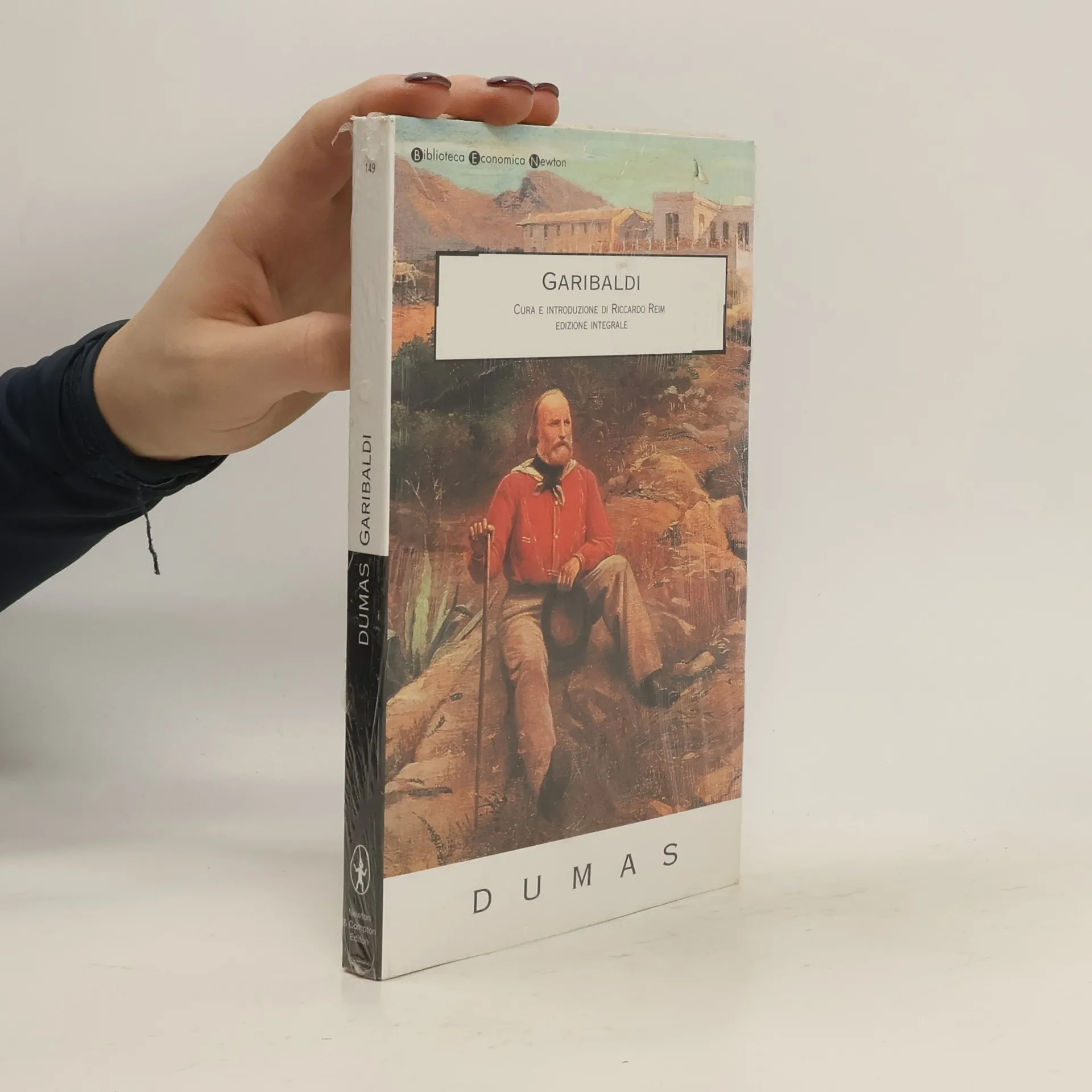
Alexandre Dumas der Ältere erlangte Berühmtheit durch seine Abenteuerromane, war jedoch auch politisch aktiv. Er kämpfte für die Revolution von 1830, ging ins Exil nach Brüssel und reiste durch Europa, wo er an der Seite Garibaldis für die italienische Republik kämpfte. Dumas verband mit Garibaldi eine tiefe Freundschaft und Bewunderung, die in seinen Memoiren lebendig wird. Er schildert die aufregende Atmosphäre der Zeit, die einen Visionär wie Garibaldi hervorbrachte, dessen mutiger Einsatz die Grundlage für Italiens Einheit bildete — eine Geschichte von unvergleichlicher Vaterlandsliebe. Garibaldi, geboren 1807 in Nizza, wurde 1834 als Revolutionär verbannt und verbrachte 14 Jahre in Südamerika. Die Revolution von 1848 ermöglichte seine Rückkehr nach Italien. Nach der Eroberung der römischen Republik durch Frankreich und zahlreichen gescheiterten Abenteuern mit Österreich musste er erneut ins Exil. 1850 wurde er Bürger von New York, arbeitete in einer Kerzenfabrik und kehrte 1859 nach Italien zurück. Dort wurde er zum führenden General und organisierte die „Alpenjäger“, die den Feinden große Verluste zufügten. Garibaldi starb schließlich im Exil auf der Insel Caprera, als „Held Zweier Welten“ und einer der bekanntesten Protagonisten des Risorgimento.
Garibaldi
- 224bladzijden
- 8 uur lezen
Nel 1850, mentre si preparava a partire per l'esilio a New York, Giuseppe Garibaldi iniziò a scrivere le sue memorie, riflettendo su tre momenti cruciali della sua vita. Tra il 1836 e il 1848, combatté per la libertà della Repubblica di Montevideo, e successivamente, tornato in Italia, partecipò alla prima guerra d'indipendenza, dove i garibaldini si distinsero nonostante la diffidenza di Carlo Alberto e i conflitti con i generali sabaudi. Nel 1849, Garibaldi si trovò nella disperata difesa della Repubblica romana, dove molti patrioti sacrificarono la vita per un'Italia unita. La fuga da Roma e la morte di Anita segnarono un punto di svolta nella sua esistenza, portandolo a chiudere il racconto delle sue memorie. Tuttavia, l'anno successivo, Alessandro Dumas (padre) lo convinse a continuare la narrazione fino alla vigilia della spedizione dei Mille. Dumas seguì Garibaldi a Napoli e diresse il quotidiano "L'Indipendente". Le memorie furono pubblicate tra il 1859 e il 1862 in diverse edizioni: quella di Theodore Dwight in inglese, quella di Speranza con Schwarz in tedesco e quelle di Dumas in francese. Le edizioni di Dumas, in particolare, aumentarono la fama di Garibaldi, già soggetto di opere precedenti dello scrittore.
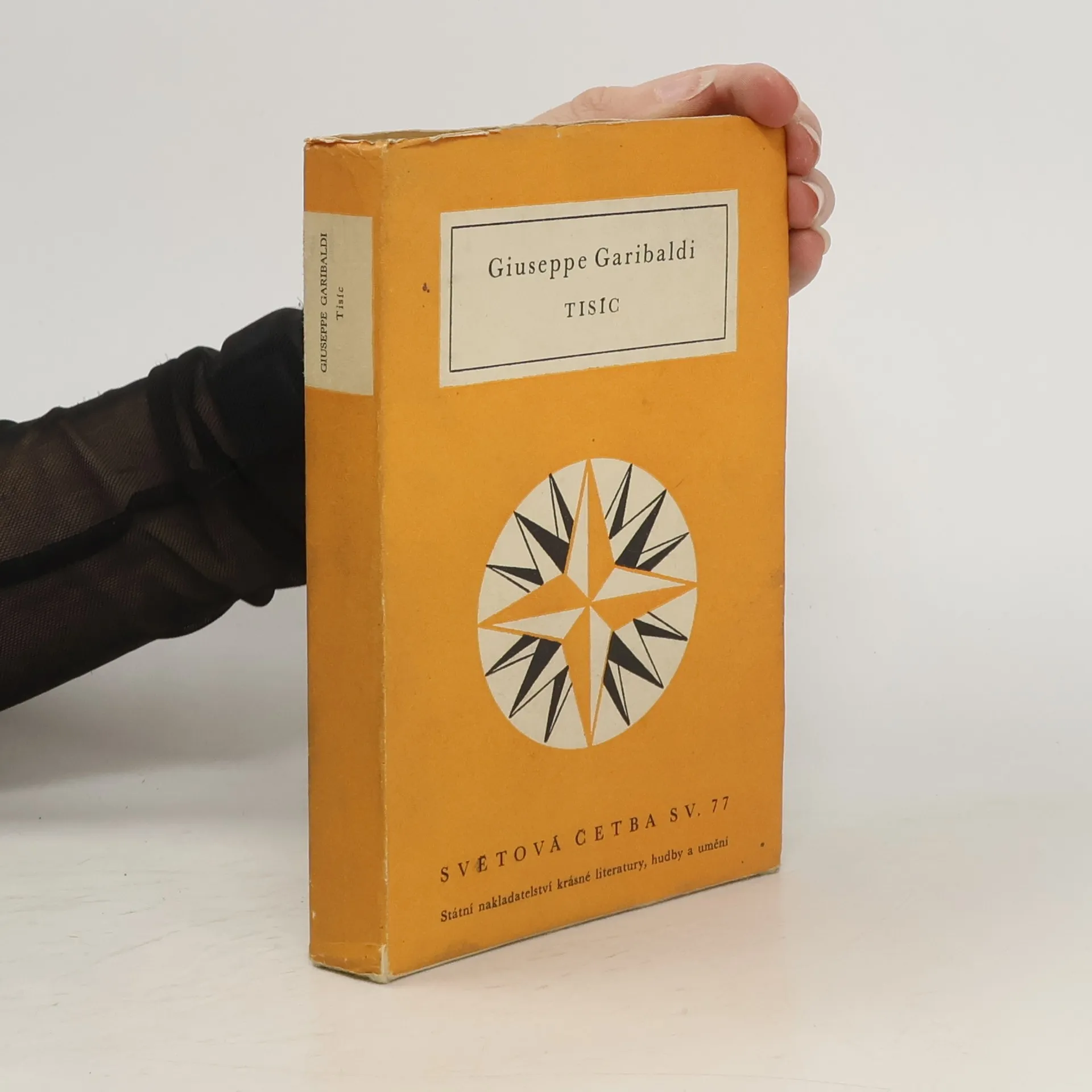
Proslulý revolucionář italský, Giuseppe Garibaldi, jenž si vzal kdysi za úkol politicky sjednotit Italii a osvobodit ji od cizích panovníků, byl i literárně činný. Tento jeho román, po prvé do češtiny přeložený, vypravuje o skutečné události, kterou Engels označil za jeden z největších vojenských činů 19. století. Jde o výpravu jednoho tisíce dobrovolníků, kteří r. 1860 pod vedením Garibaldiho vtrhli na Sicilii, aby odtamtud vyhnali vládnoucí francouzské Bourbony. Autor líčí v drobných kapitolách nejen postup vojenských akcí, ale i politické intriky nepřátel a zrádců - šlechty a kleru, zejména jesuitů. S dojetím vzpomíná na své statečné druhy a mezi řádky polemisuje s oportunistickými stoupenci Mazziniho. Děj oživují osudy několika žen, které se zúčastnily sicilského tažení.