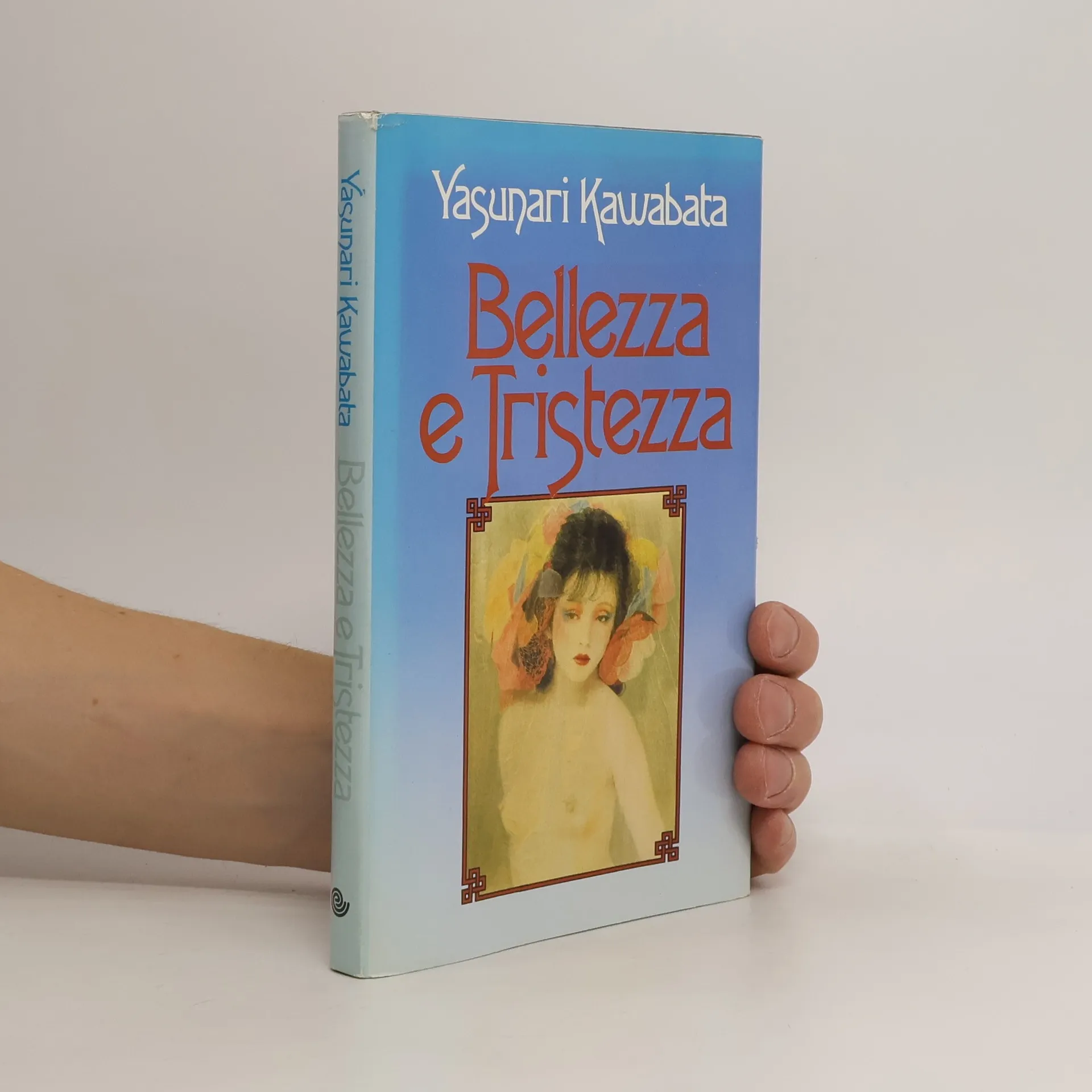
De schone slaapsters
- 120bladzijden
- 5 uur lezen
De aanblik van door drugs verdoofde meisjes zet een oude bezoeker van een bordeel aan tot melancholiek gepeins.


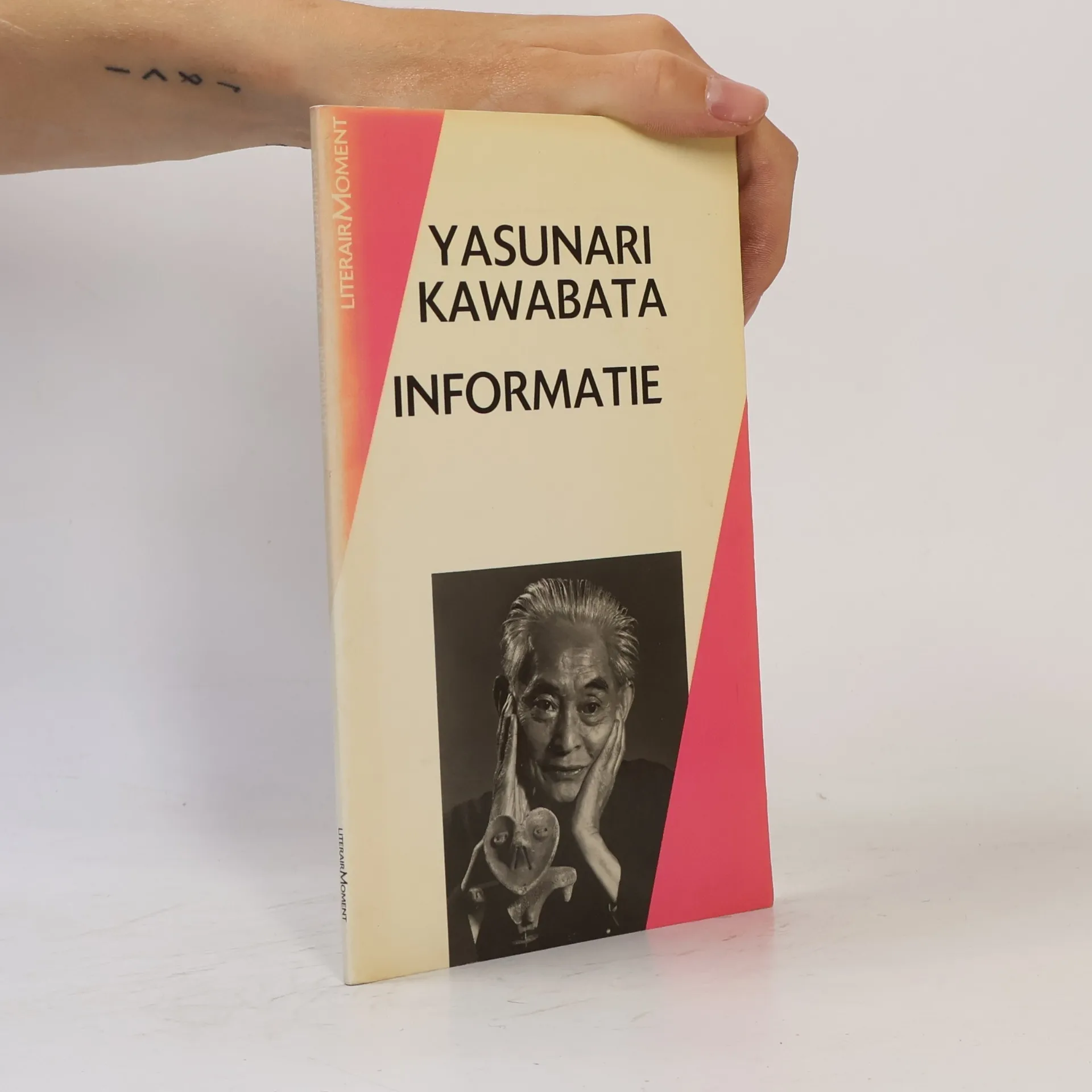
De sobere, lyrische en subtiel genuanceerde proza van Yasunari Kawabata leverde hem de Nobelprijs voor Literatuur op. Zijn werken worden geprezen om hun elegante minimalisme en diepe psychologische inzichten, waarbij thema's als schoonheid, eenzaamheid en vergankelijkheid worden verkend. Kawabata vangt meesterlijk de innerlijke wereld van zijn personages en gebruikt vaak natuurbeelden om complexe menselijke emoties over te brengen. Zijn diepgaande invloed op de moderne Japanse literatuur resoneert tot op de dag van vandaag bij lezers wereldwijd.

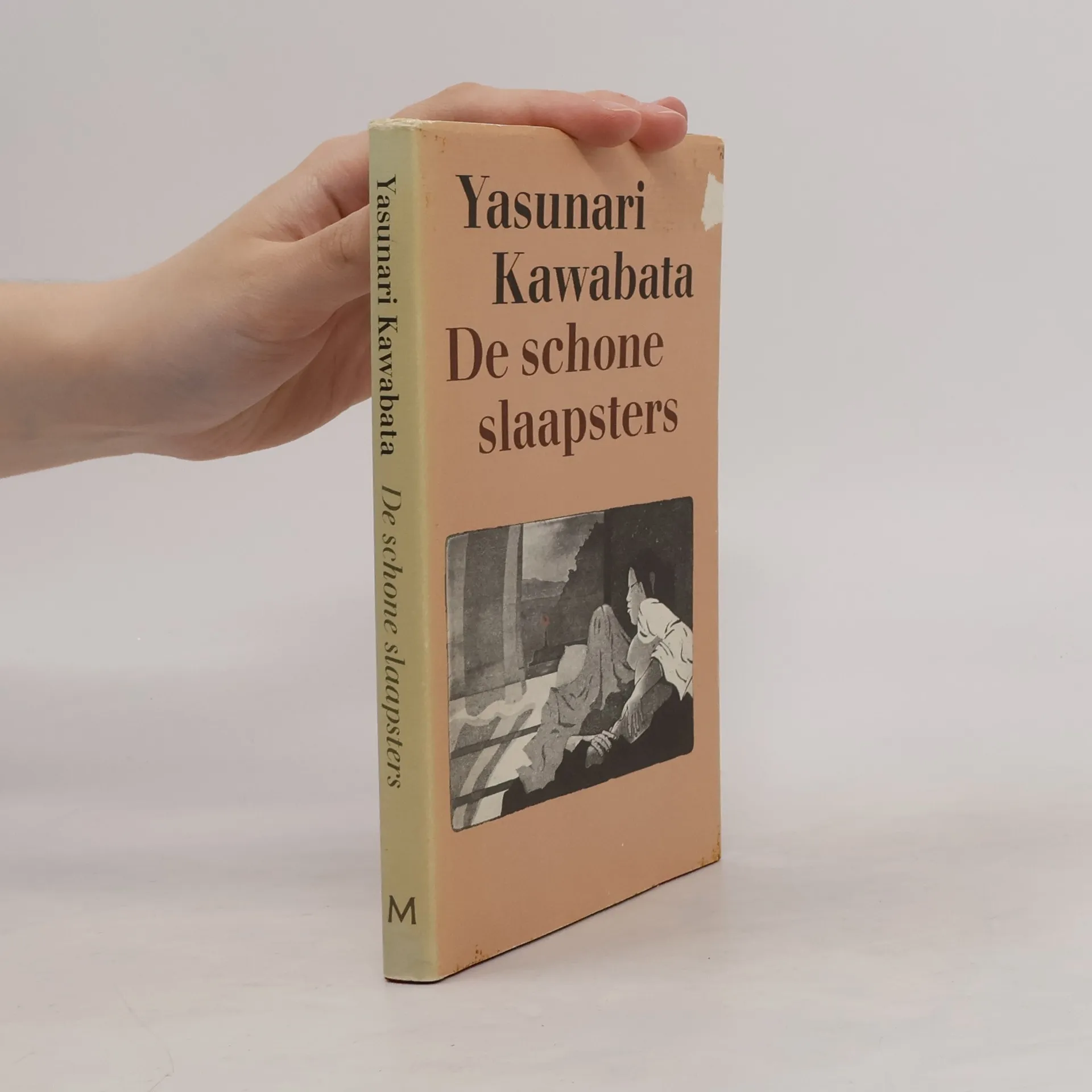
De aanblik van door drugs verdoofde meisjes zet een oude bezoeker van een bordeel aan tot melancholiek gepeins.
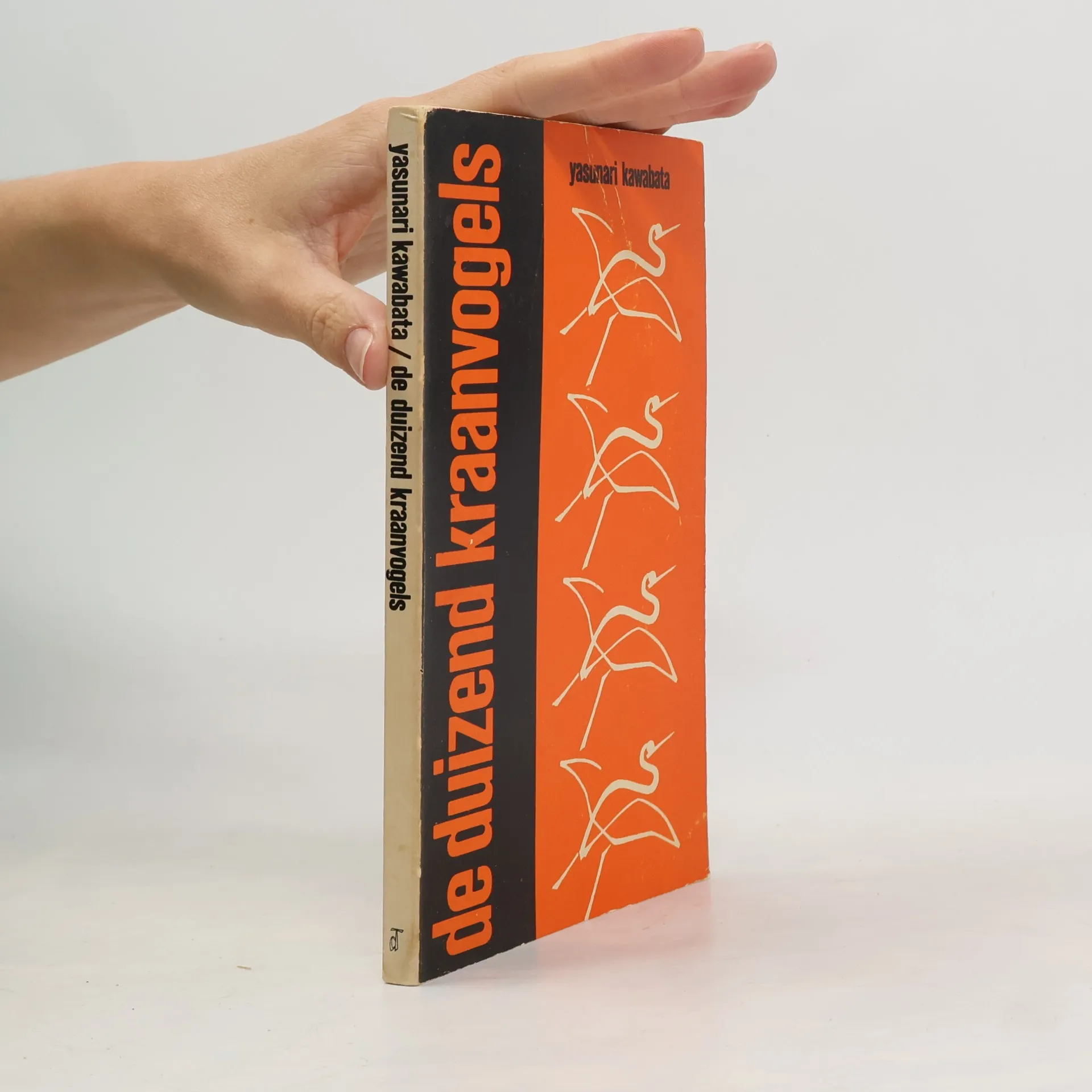
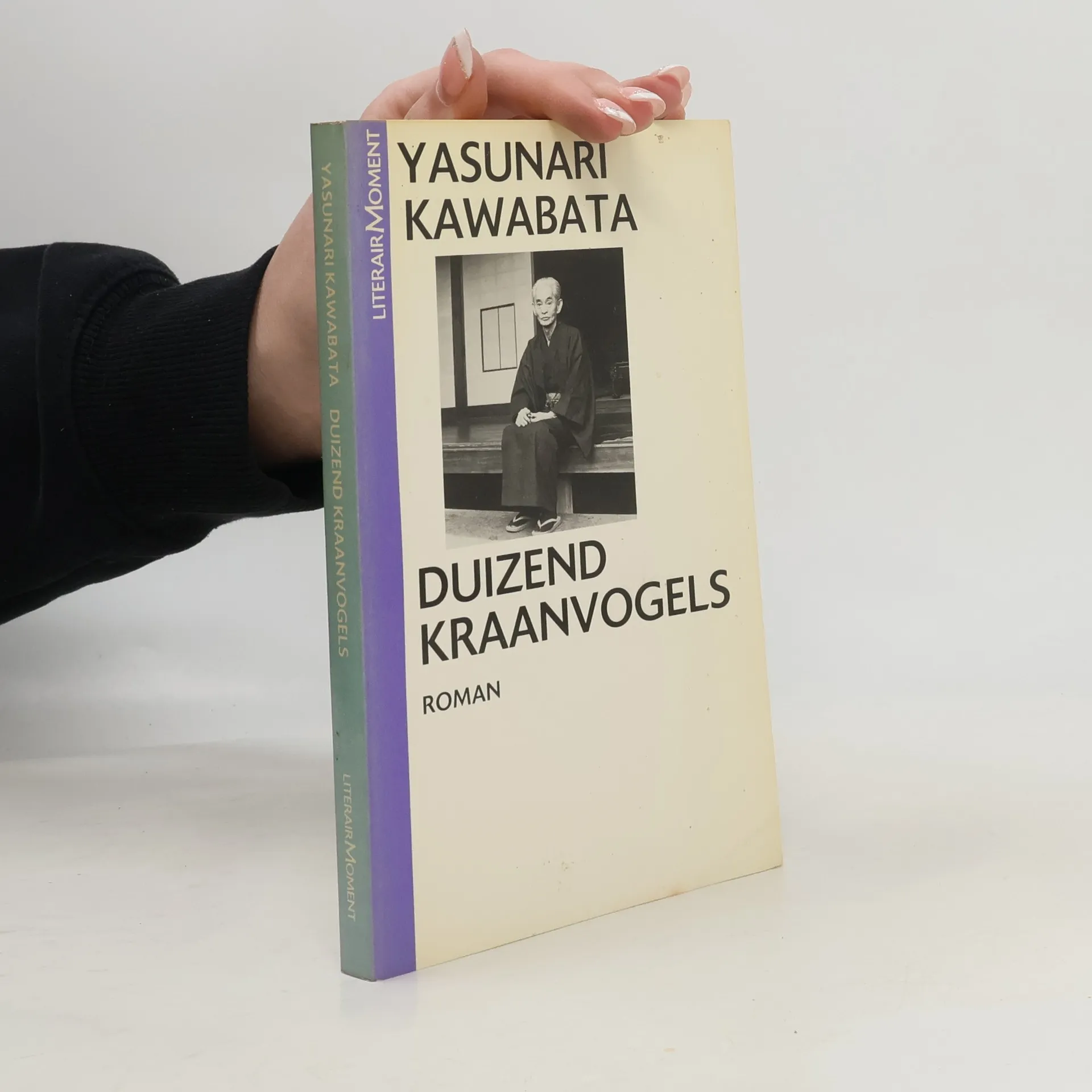
Duizend kraanvogels (1951) - een begrip dat in Japan tot symbool van geluk en zuiverheid is geworden - is een liefdesroman waarin twee families verwikkeld zijn: de vader en de zoon van de ene en de moeder en de dochter van de andere. Als een boze, onreine geest spookt de schuld om de geliefden, die gestalte lijkt te hebben gekregen in de verzuurde lerares van de theeceremonie.
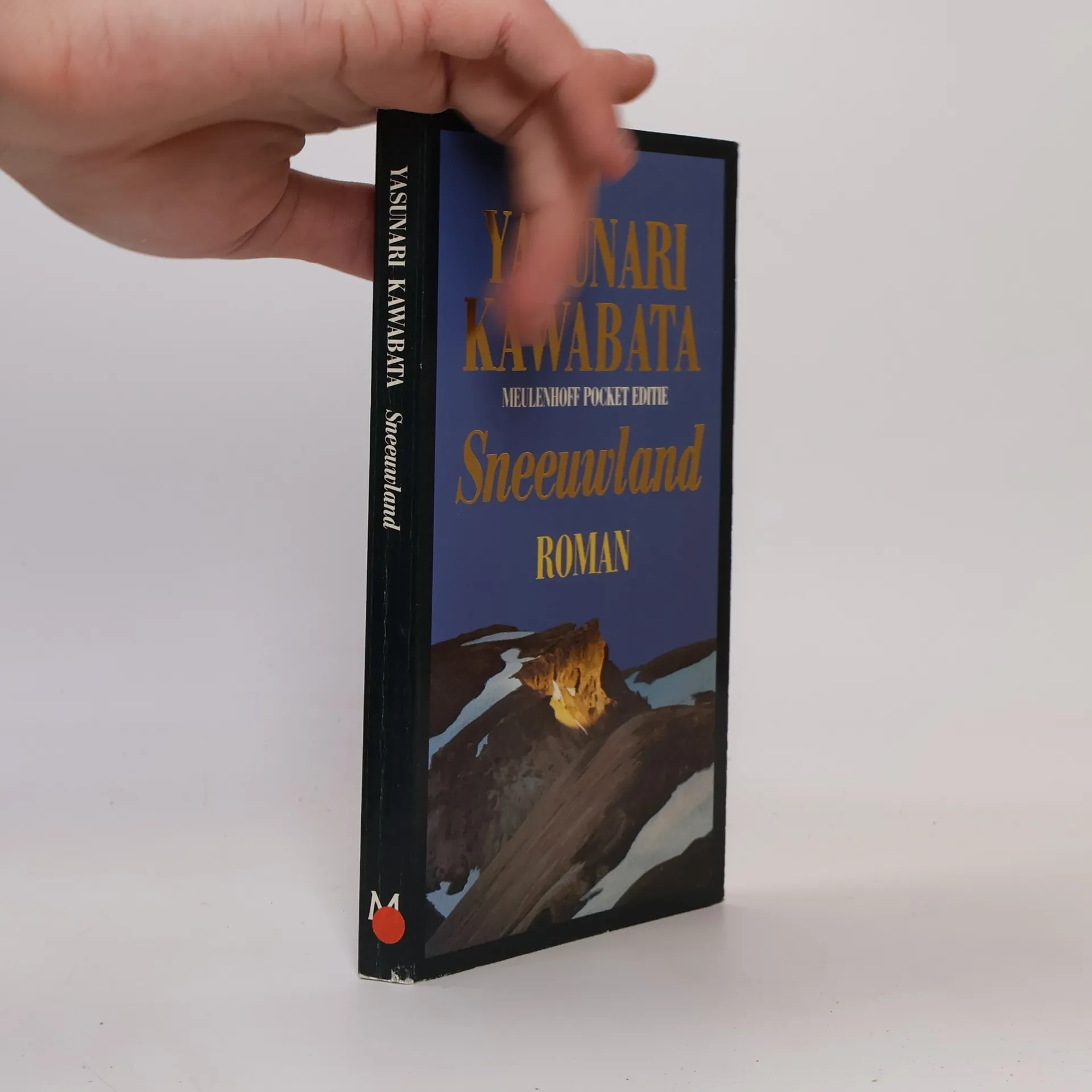
Schildering van de liefdesverhouding tussen een geisha met haar ongecompliceerde levensinstelling en een tot diepere menselijke gevoelens onmachtige intellectuele estheet.
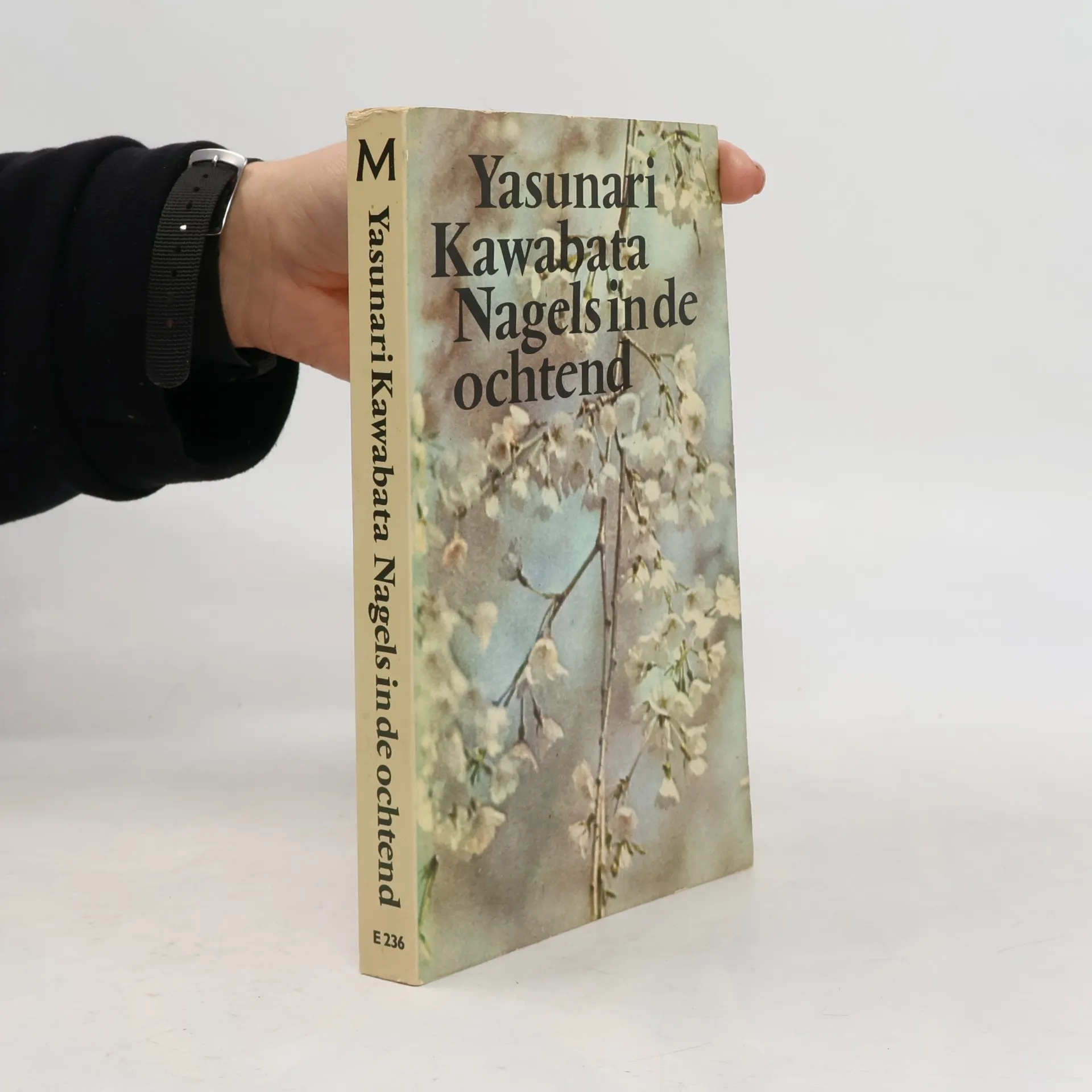
De bundel bevat dertien verhalen van de Japanse grootmeester Yasunari Kawabata, variërend van het dagboekfragment van een schooljongen tot de hallucinerende novelle "De arm". Deze voor het eerst vertaalde verhalen beslaan vijftig jaar van Kawabata's literaire carrière en zijn representatief voor zijn werk, dat de essentie van de Japanse geest weergeeft, zoals de Zweedse Academie het formuleerde bij de Nobelprijs in 1968. Geboren in 1899, schreef Kawabata honderden verhalen, van korte schetsen tot lange novelles. Zijn vertelkunst is geworteld in een lange traditie, waaronder de intrigerende "Vertellingen van de Middelste Staatsraad bij de dijk", die tot de oudste ter wereld behoren. In Kawabata's wereld ontbreken vaak grote dramatische momenten; hij kiest voor een zelfgekozen beperking. In de alledaagse dingen, zoals de nagels in de ochtend of een bloesemtak in het licht van autolampen, ligt de essentie van zijn verhalen. Ondanks de verschillen ademen ze eenzelfde geest: de seizoenen, de natuur en het 'inbegrip' van alle dingen, zoals verwoord door de priester Dōgen. Dr. C. Ouwehand, een van de weinige Nederlandse kenners van de Japanse literatuur, vertaalde eerder Kawabata's romans "Sneeuwland" en "De schone slaapsters".
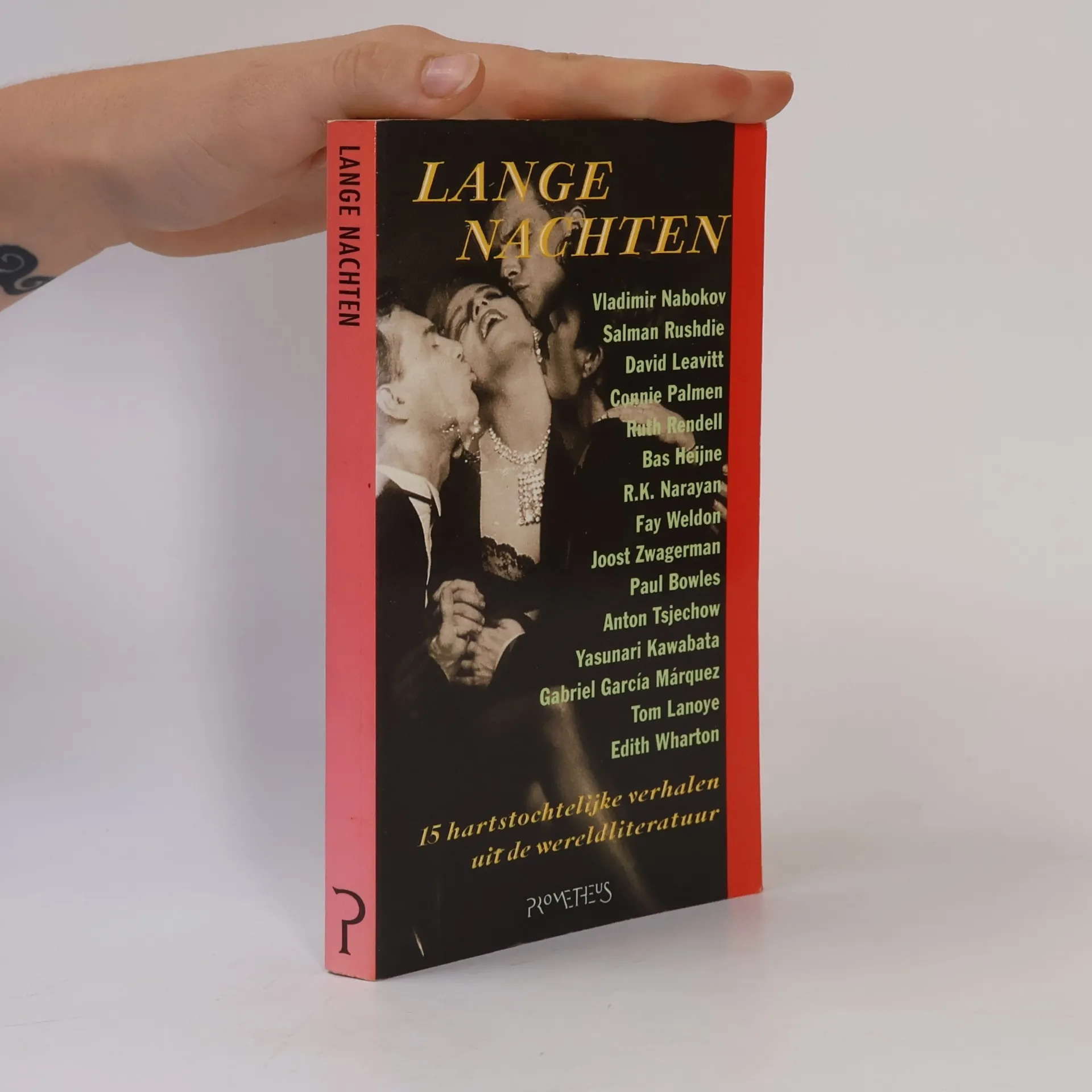
15 Hartstochtelijke verhalen uit de wereldliteratuur
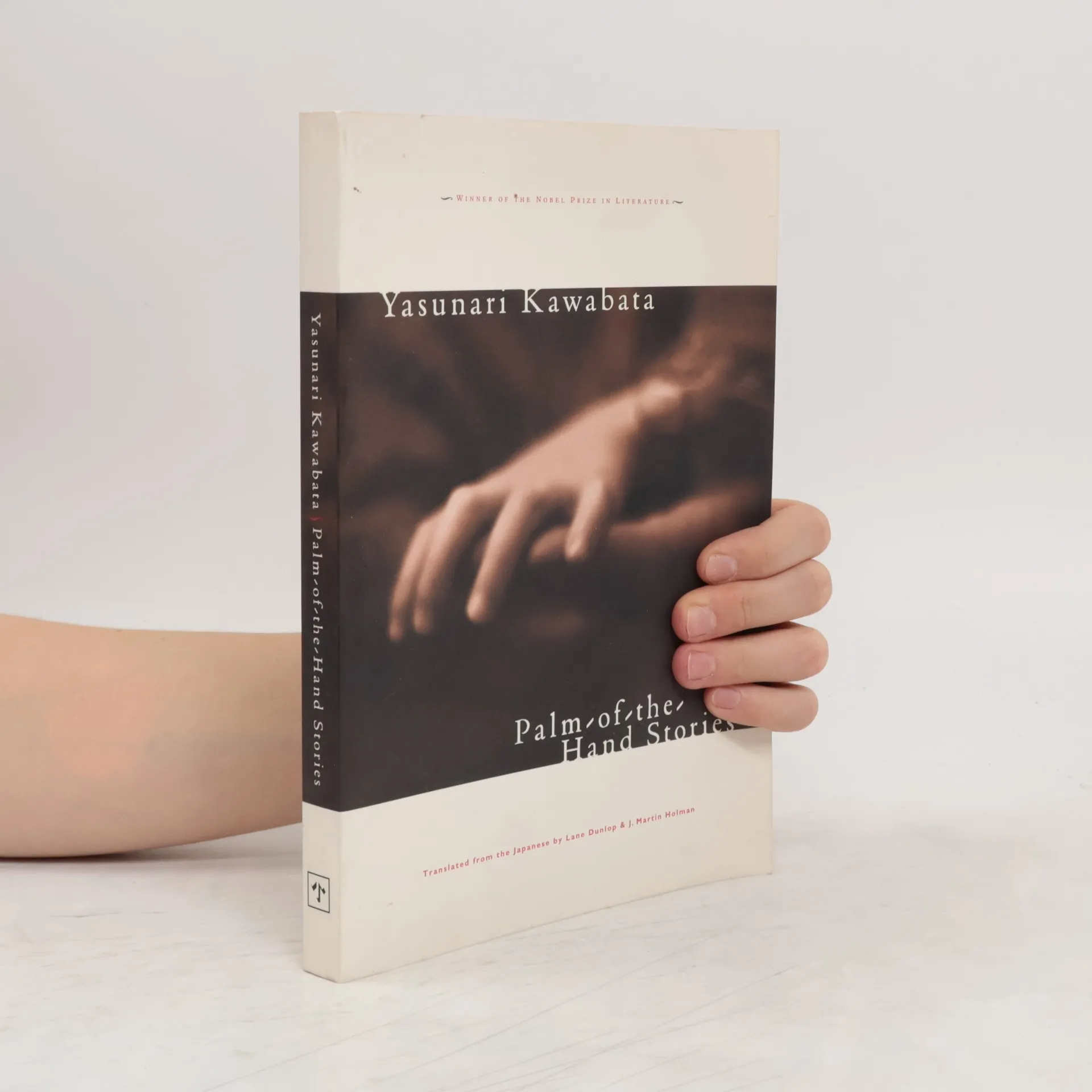
In 1930, Yasunari published this second collection of very short stories (which he himself defined as "in the palm of the hand") four years after "Suggestions and Artifices." The author gathers his narrative material "almost without needing to live," simply noting what moves around him, with a detached gaze that is also seduced by the flow of life, a gaze that does not violate but gives images: the gaze of poetry. Everyday life and the life of the universe are fragmented, event by event, emotion by emotion, using tools that, following ancient Japanese paths, reach the most current narrative trends.
These stories by the 1968 Nobel laureate, some translated into German for the first time, showcase Kawabata's modernity and his unique Japanese sensualism and eroticism, influenced by Joyce and Proust. They exemplify subtle psychology and highlight Kawabata at the peak of his narrative mastery.
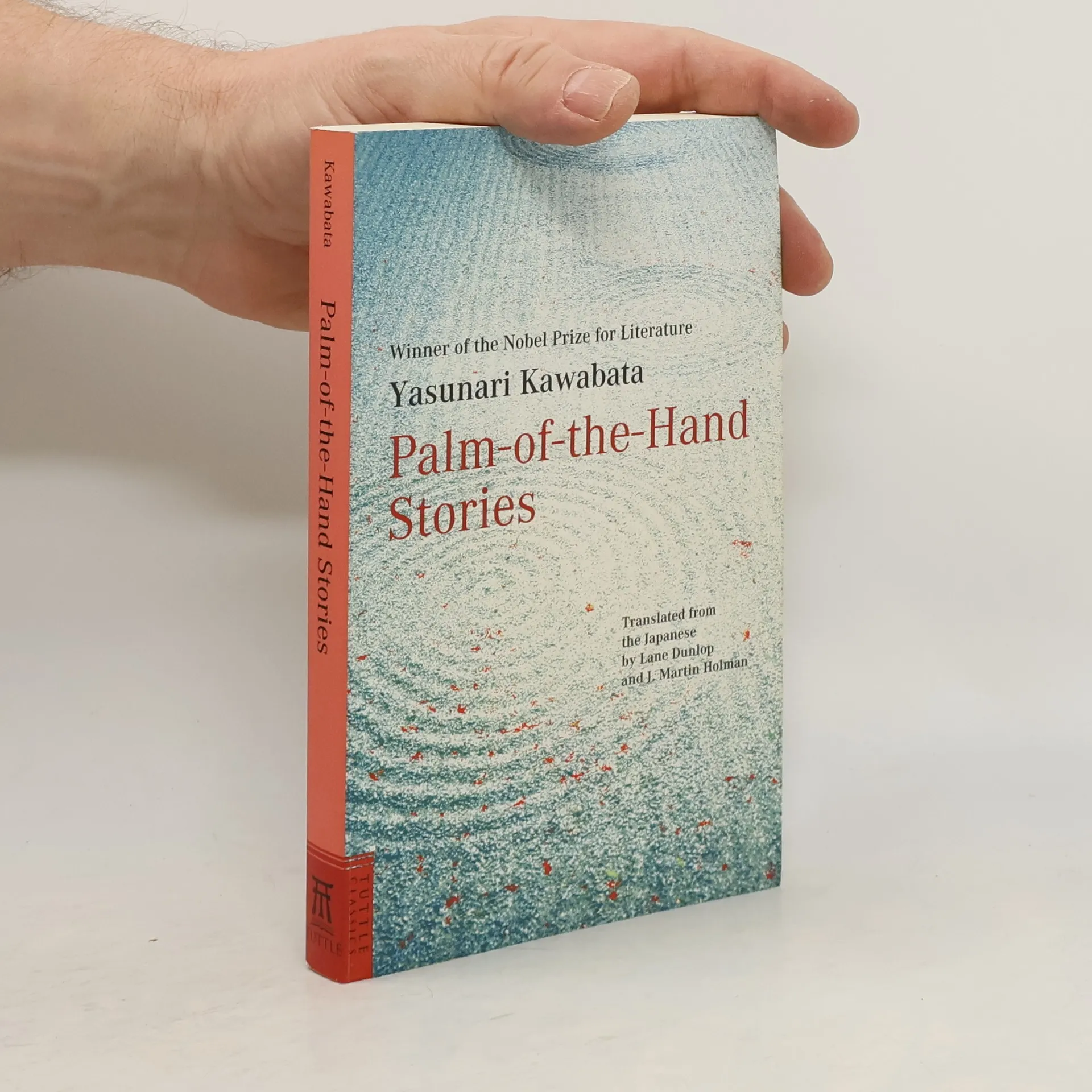
Winner of the Nobel Prize in Literature in 1968, Yasunari Kawabata is perhaps best known in the United States for his deeply incisive, marvelously lyrical novel "Snow Country," But according to Kawabata himself, the essence of his art was to be found in a series of short stories-which he called "Palm-of-the-Hand Stories"-written over the entire span of his career. He began experimenting with the form in 1923 and returned to it often. In fact, his final work was a "palm-sized" reduction of "Snow Country," written not long before his suicide in 1972. Dreamlike, intensely atmospheric, at times autobiographical and at others fantastical, these stories reflect Kawabata's abiding interest in the miniature, the wisp of plot reduced to the essential. In them we find loneliness, love, the passage of time, and death. "Palm-of-the-Hand Stories" captures the astonishing range and complexity of one of the century's greatest literary talents.
Exploring the complexities of love and identity, this collection features nine poignant stories and a brief play by Japan's first Nobel laureate. Kawabata's clear narrative style reveals the struggles of suburban lovers who grapple with self-knowledge and emotional connection. Noteworthy tales include "Silence," a Kafkaesque reflection on an elderly novelist's isolation, and the title story, where a separated couple confronts their lost past. This beautifully spare work delves into themes of art, loss, and the passage of time, showcasing Kawabata's mastery.
Librarian's note: An alternate cover of this ISBN can be found here.From the Nobel Prize-winning writer and acclaimed author of Snow Country comes a beautiful rendering of the predicament of old age—about an elderly Tokyo businessman who must face the failures of his memory and the sudden upsurges of passion that illuminate the end of a life.“A rich, complicated novel…. Of all modern Japanese fiction, Kawabata’s is the closest to poetry.” —The New York Times Book ReviewBy day Ogata Shingo, an elderly Tokyo businessman, is troubled by small failures of memory. At night he associates the distant rumble he hears from the nearby mountain with the sounds of death. In between are the complex relationships that were once the foundations of Shingo’s life: his trying wife; his philandering son; and his beautiful daughter-in-law, who inspires in him both pity and the stirrings of desire. Out of this translucent web of attachments, Kawabata has crafted a novel that is a powerful, serenely observed meditation on the relentless march of time.Translated from the Japanese by Edward G. Seidensticker
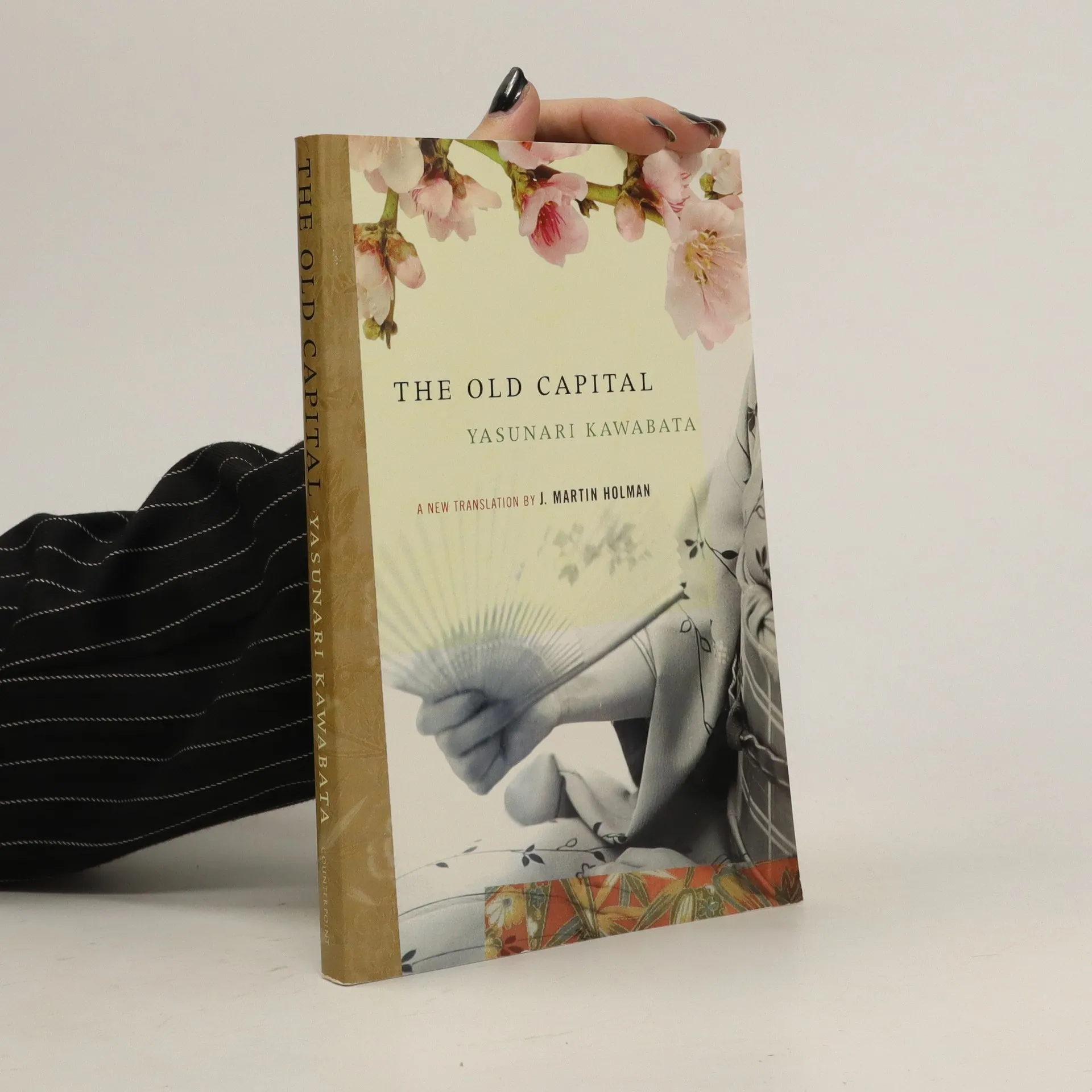
NOBEL PRIZE WINNER • The successful writer Oki has reached middle age and is filled with regrets. He returns to Kyoto to find Otoko, a young woman with whom he had a terrible affair many years before. "Endlessly provocative and original." —The New York Times Otoko is now a painter, living with a younger woman as her lover. Otoko has continues to love Oki and has never forgotten him, but his return unsettles not only her but also her young lover. This is a work of strange beauty, with a tender touch of nostalgia and a heartbreaking sensitivity to those things lost forever.
The Old Capital is one of the three novels cited specifically by the Nobel Committee when they awarded Kawabata the Nobel Prize for Literature in 1968. With the ethereal tone and aesthetic styling characteristic of Kawabata's prose, The Old Capital tells the story of Chieko, the adopted daughter of a Kyoto kimono designer, Takichiro, and his wife, Shige.Set in the traditional city of Kyoto, Japan, this deeply poetic story revolves around Chieko who becomes bewildered and troubled as she discovers the true facets of her past. With the harmony and time-honored customs of a Japanese backdrop, the story becomes poignant as Chieko’s longing and confusion develops.
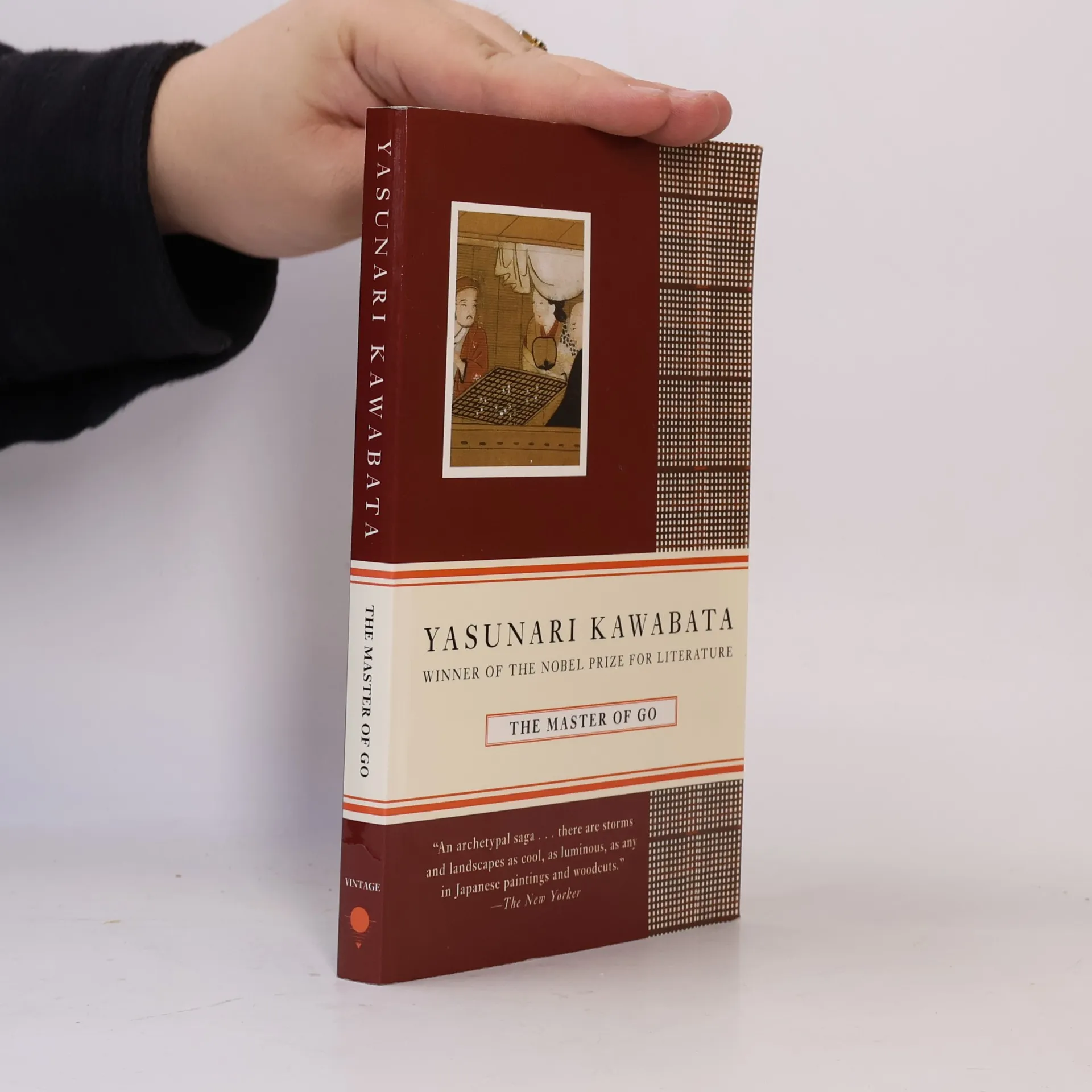
From the Nobel Prize-winning author and acclaimed writer of Thousand Cranes comes the luminous chronicle of a match of the Japanese game Go played between a master and a younger, more modern challenger that serves as a suspenseful elegy for an entire society.Go is a game of strategy in which two players attempt to surround each other’s black or white stones. Simple in its fundamentals, infinitely complex in its execution, Go is an essential expression of the Japanese spirit. And in his fictional chronicle of a match played between a revered and heretofore invincible Master and a younger, more modern challenger, Yasunari Kawabata captured the moment in which the immutable traditions of imperial Japan met the onslaught of the twentieth century.The competition between the Master of Go and his opponent, Otaké, is waged over several months and layered in ceremony. But beneath the game’s decorum lie tensions that consume not only the players themselves but their families and retainers—tensions that turn this particular contest into a duel that can only end in death. Luminous in its detail, both suspenseful and serene, The Master of Go is written with the poetic economy and psychological acumen that brought Kawabata the Nobel Prize for Literature.
Exploring the depths of human emotion, this newly translated collection features twenty-three stories from Yasunari Kawabata, a pivotal figure in modern Japanese literature. His "palm-of-the-hand" stories showcase a unique blend of poetic devices and vivid imagery, revealing the profound feelings beneath everyday life. Written between 1923 and 1929, these narratives draw on autobiographical themes and reflect the author's early life struggles with loss and melancholy, highlighting his remarkable perception and innovative storytelling style.
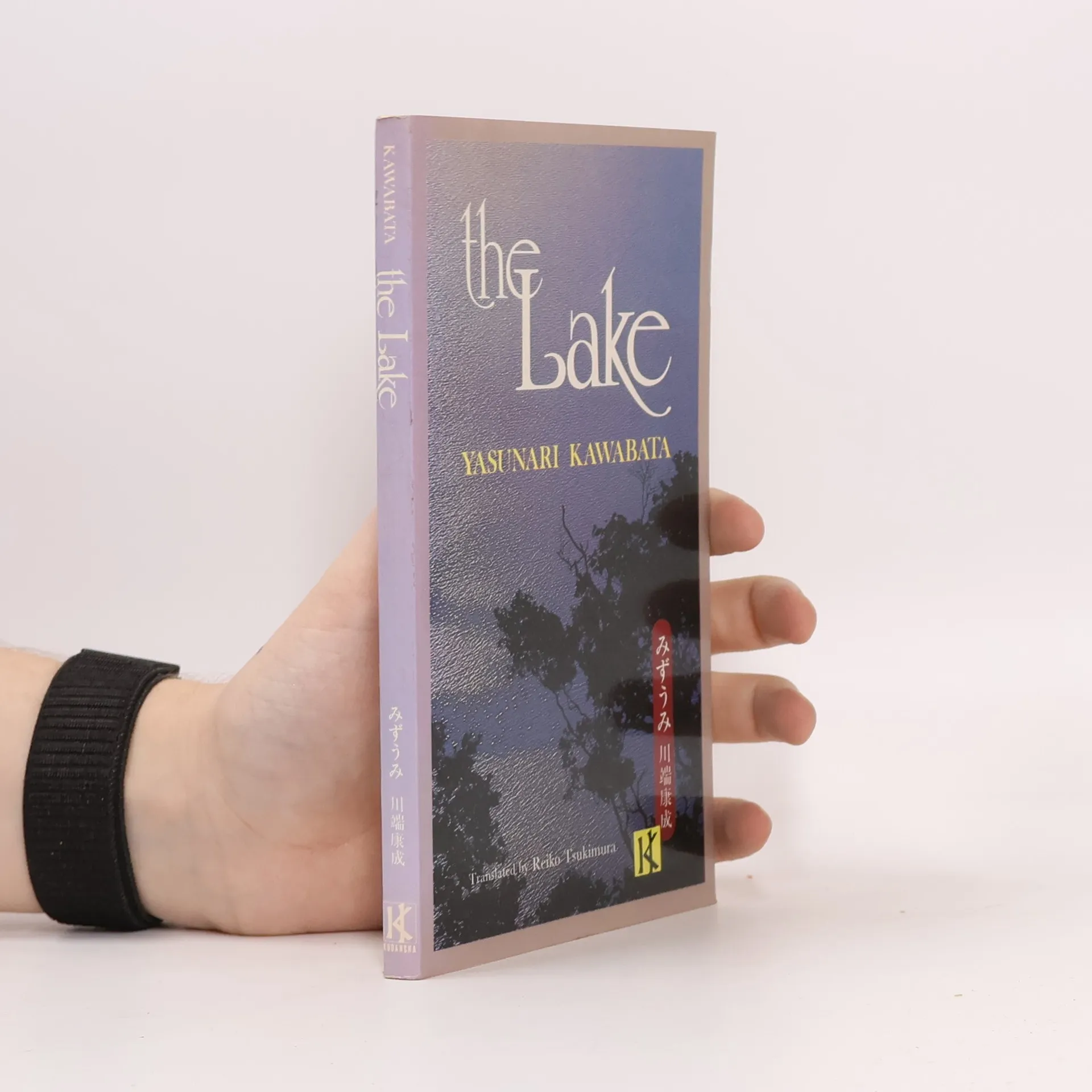
The Lake is the history of an obsession. It traces a man's sad pursuit of an unattainable perfection, a beauty out of reach, admired from a distance, unconsummated. Homeless, a fugitive from an ambiguous crime, his is an incurable longing that drives him to shadow nameless women in the street and hide in ditches as they pass above him, beautiful and aloof. For their beauty is not of this world, but of a dream--the voice of a girl he meets in a Turkish bath is "an angel's," the figures of two students he follows seem to "glide over the green grass that hid their knees." Reality is the durable ugliness that is his constant companion and is symbolized in the grotesque deformity of the hero's feet. And it is the irreconcilable nature of these worlds that explains the strangely dehumanized, shadowy quality of the eroticism that pervades this novel. In a sense The Lake is a formless novel, a "happening," making it one of the most modern of all Kawabata's works. Just as the hero's interest might be caught by some passing stranger, so the course of the novel swerves abruptly from present to past, memory shades into hallucination, dreams break suddenly into daylight. It is an extraordinary performance of free association, made all the more astonishing for the skill with which these fragments are resolved within the completed tapestry.
Available in English for the very first time, a powerful, poignant novel about three half sisters in post-war Japan, from the Nobel Prize-winning author of Snow Country. With the Second World War only a few years in the past, and Japan still reeling from its effects, two sisters—born to the same father but different mothers—struggle to make sense of the new world in which they are coming of age. Asako, the younger, has become obsessed with locating a third sibling, while also experiencing love for the first time. While Momoko, their father’s first child—haunted by the loss of her kamikaze boyfriend and their final, disturbing days together—seeks comfort in a series of unhealthy romances. And both sisters find themselves unable to outrun the legacies of their late mothers. A thoughtful, probing novel about the enduring traumas of war, the unbreakable bonds of family, and the inescapability of the past, The Rainbow is a searing, melancholy work from one of Japan’s greatest writers. A VINTAGE ORIGINAL.
The exquisite last novel from Nobel Prize-winning author Yasunari Kawabata Ineko has lost the ability to see things. At first it was a ping-pong ball, then it was her fiancé. The doctors call it 'body blindness', and she is placed in a psychiatric clinic to recover. As Ineko's mother and fiancé walk along the riverbank after visiting time, they wonder: is her condition a form of madness - or an expression of love? Exploring the distance between us, and what we say without words, Kawabata's transcendent final novel is the last word from a master of Japanese literature. 'Lusciously peculiar' Paris Review
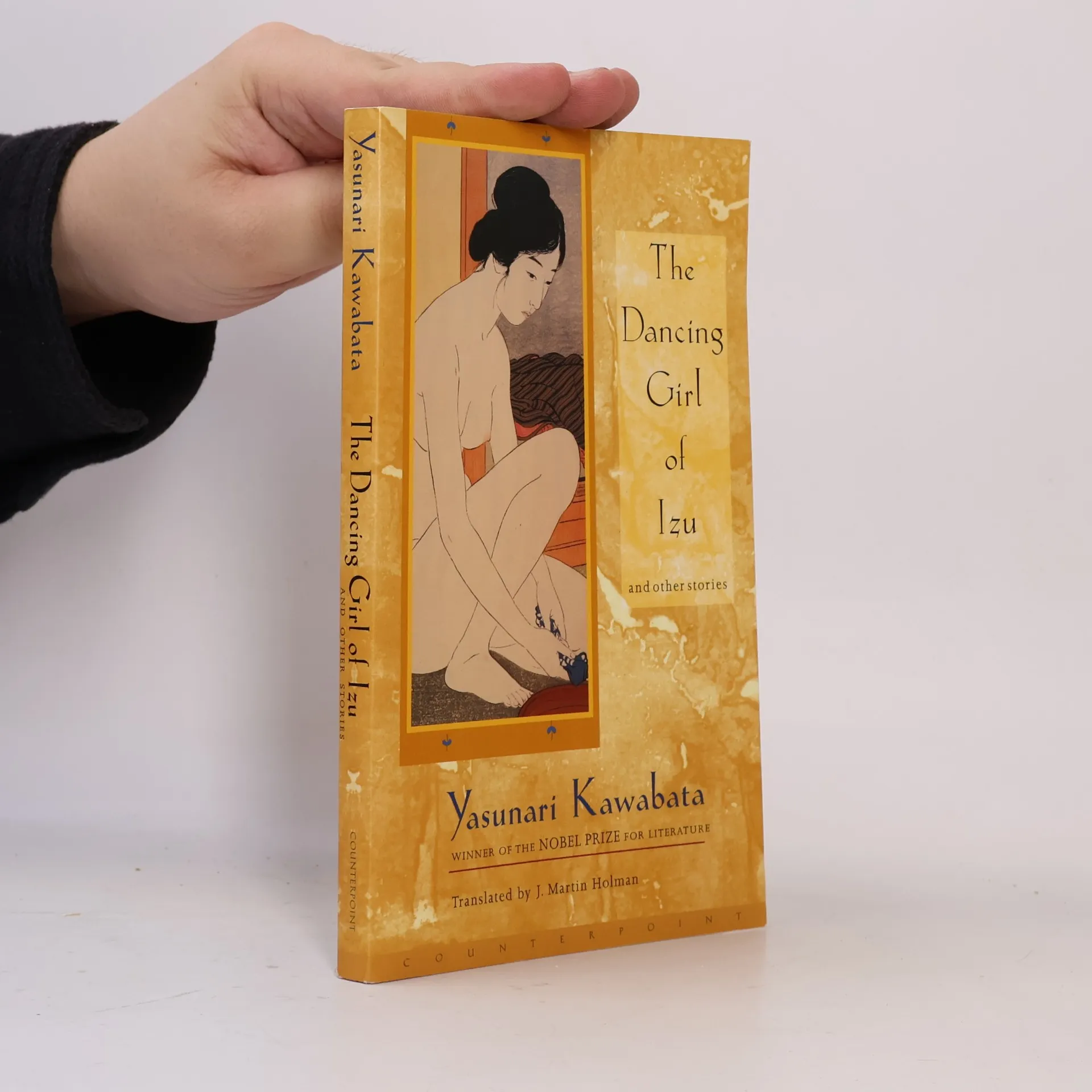
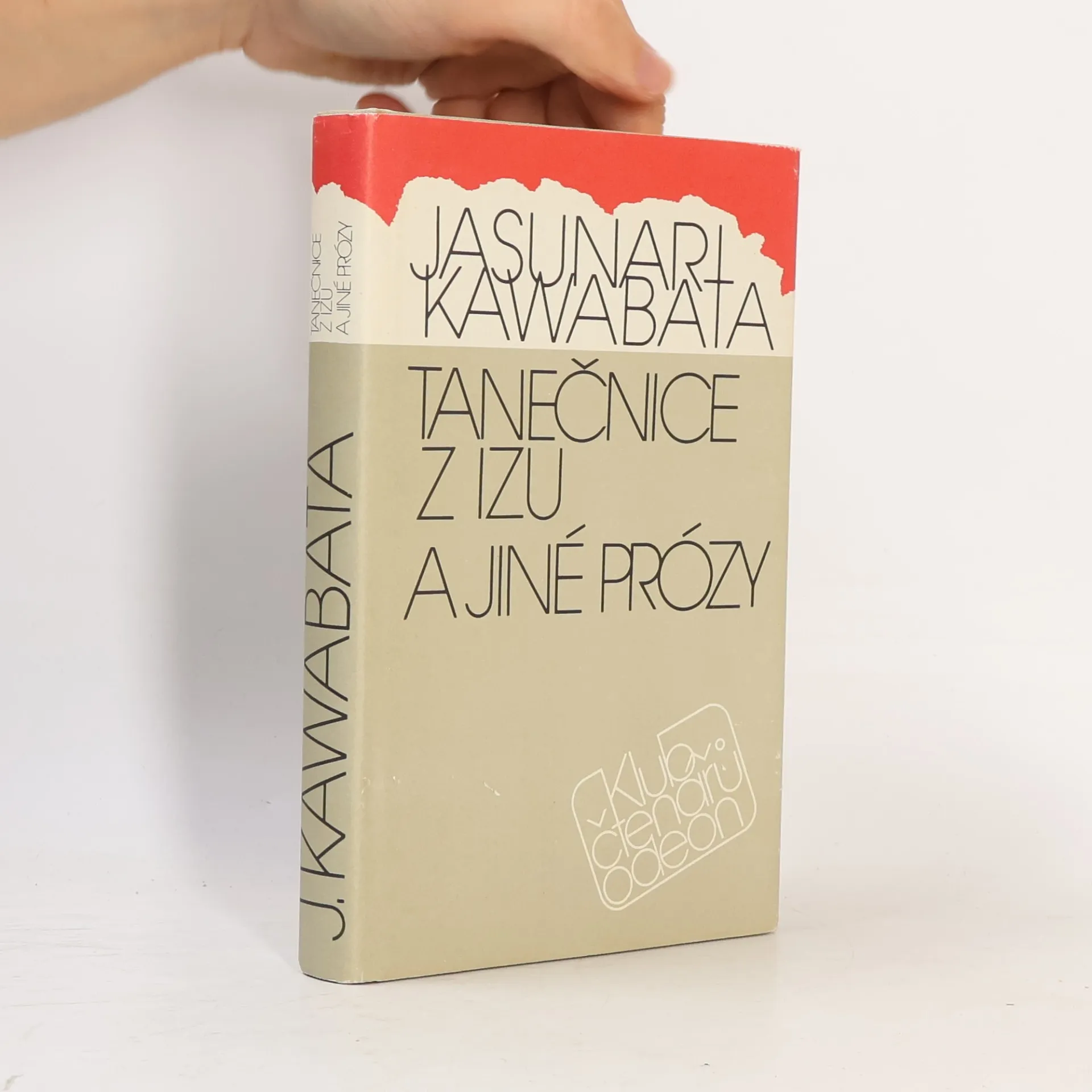
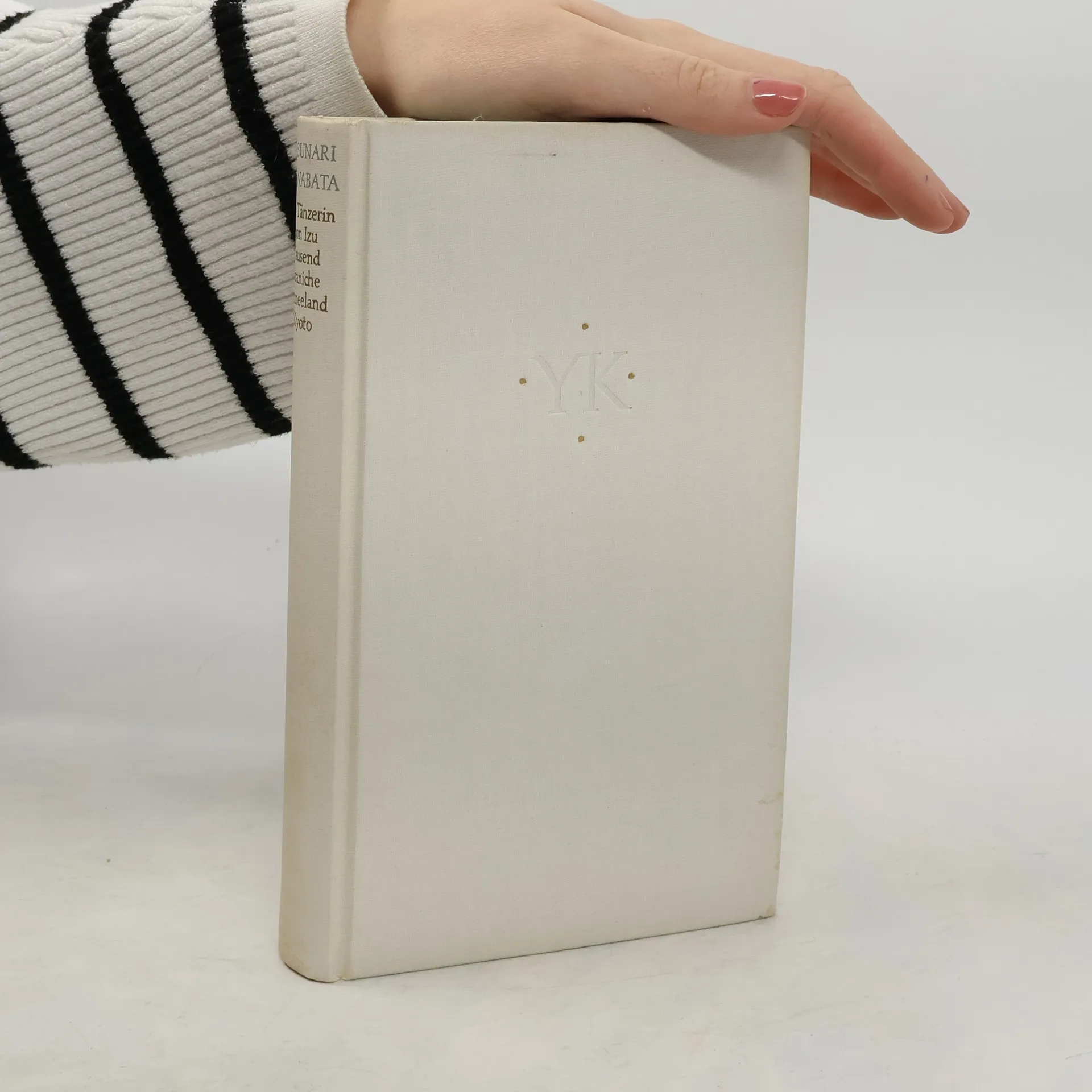
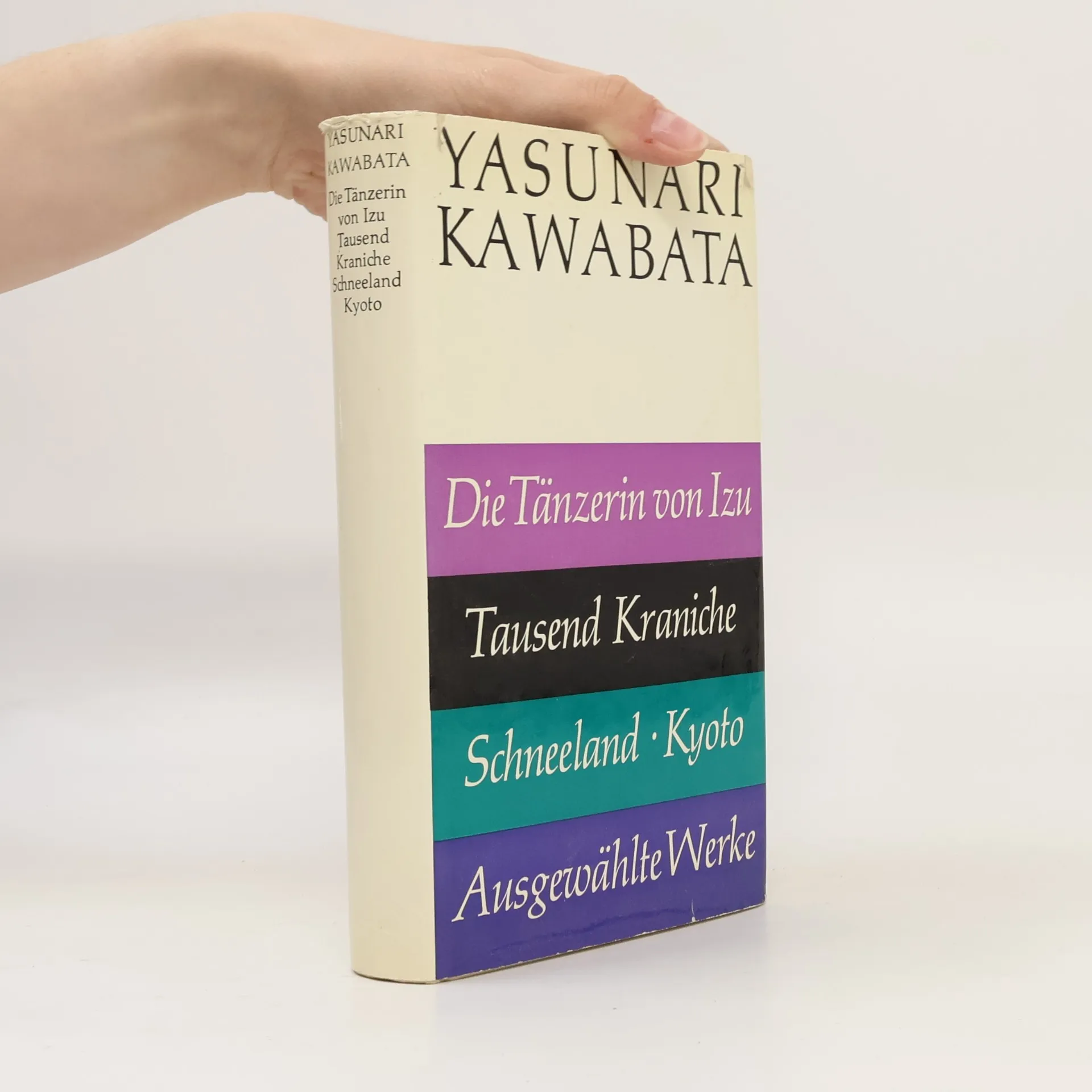
Souborné vydání Kawabatových próz: Tanečnice z Izu, Sněhová země (přel. V. Hilská), Meidžin, Deník šestnáctiletého, Povídky na dlaň (Letní střevíčky, Díky, Modlitba panen, Případ mrtvé tváře), Hiroko odchází, Město Jumiura (přel. M. Novák) a Odraz měsíce na vodě. Z japonských originálů vybrala a přeložila Vlasta Winkelhöferová.
Poëtische Novelle über einen Studenten, der die Tänzerin eines reisenden Theaterensembles begehrt.
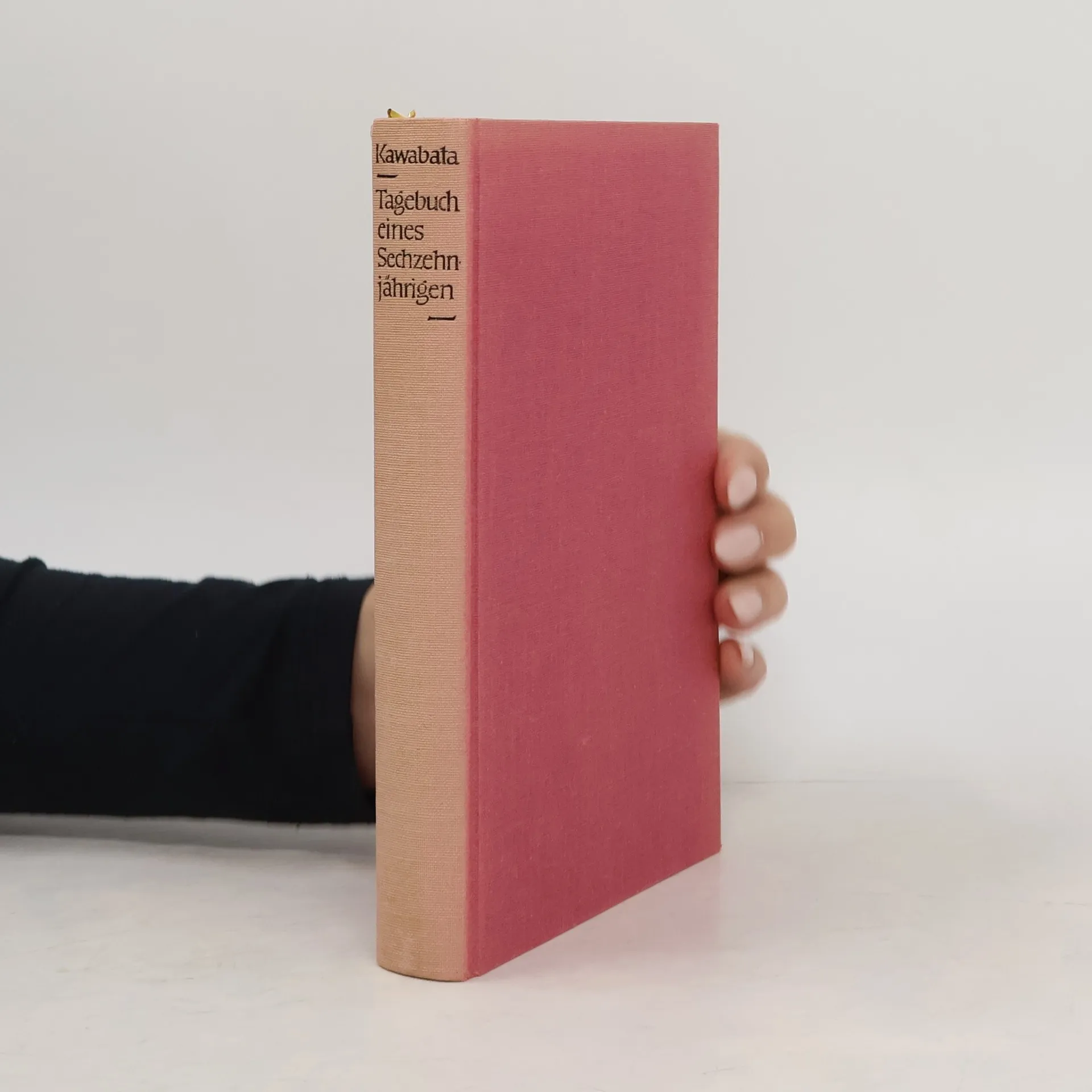
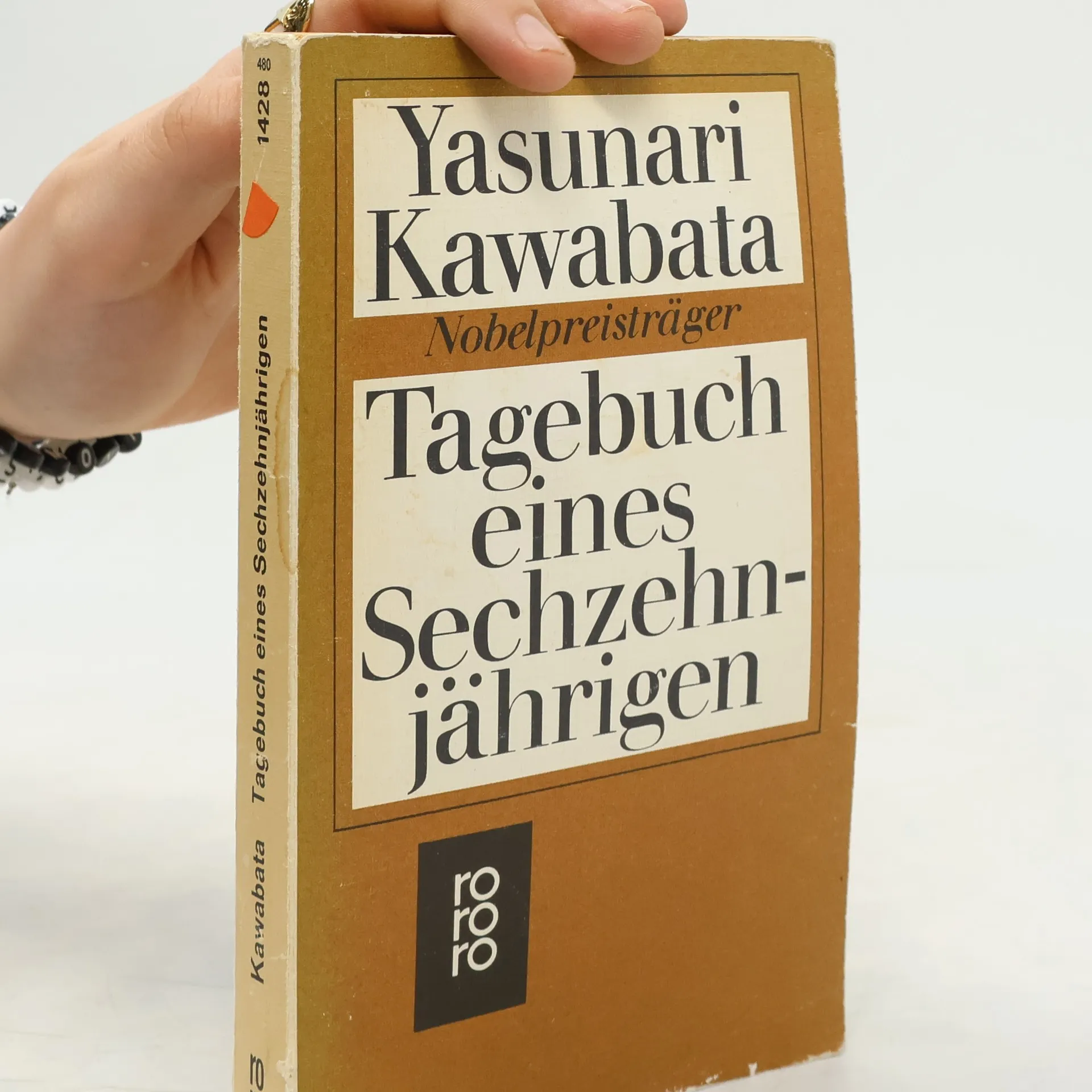
Sammlung von Erzählungen von Yasunari Kawabata (1899-1972), Nobelpreisträger für Literatur 1968. Inhalt Tagebuch eines Jungen Seine zweite Ehe Die Tänzerinnen Die Geschichte des Strohhuts Vor dem Winter
Neue Handtellergeschichten
Handtellergeschichten sind kurze, witzige und expressionistische Erzählungen von Yasunari Kawabata, die alltägliche Begebenheiten und Traumbilder enthalten. Sie eröffnen den Horizont auf ein ganzes Leben und sind das Herzstück seines Schaffens. Kawabata ist ein bekannter japanischer Schriftsteller und Nobelpreisträger.
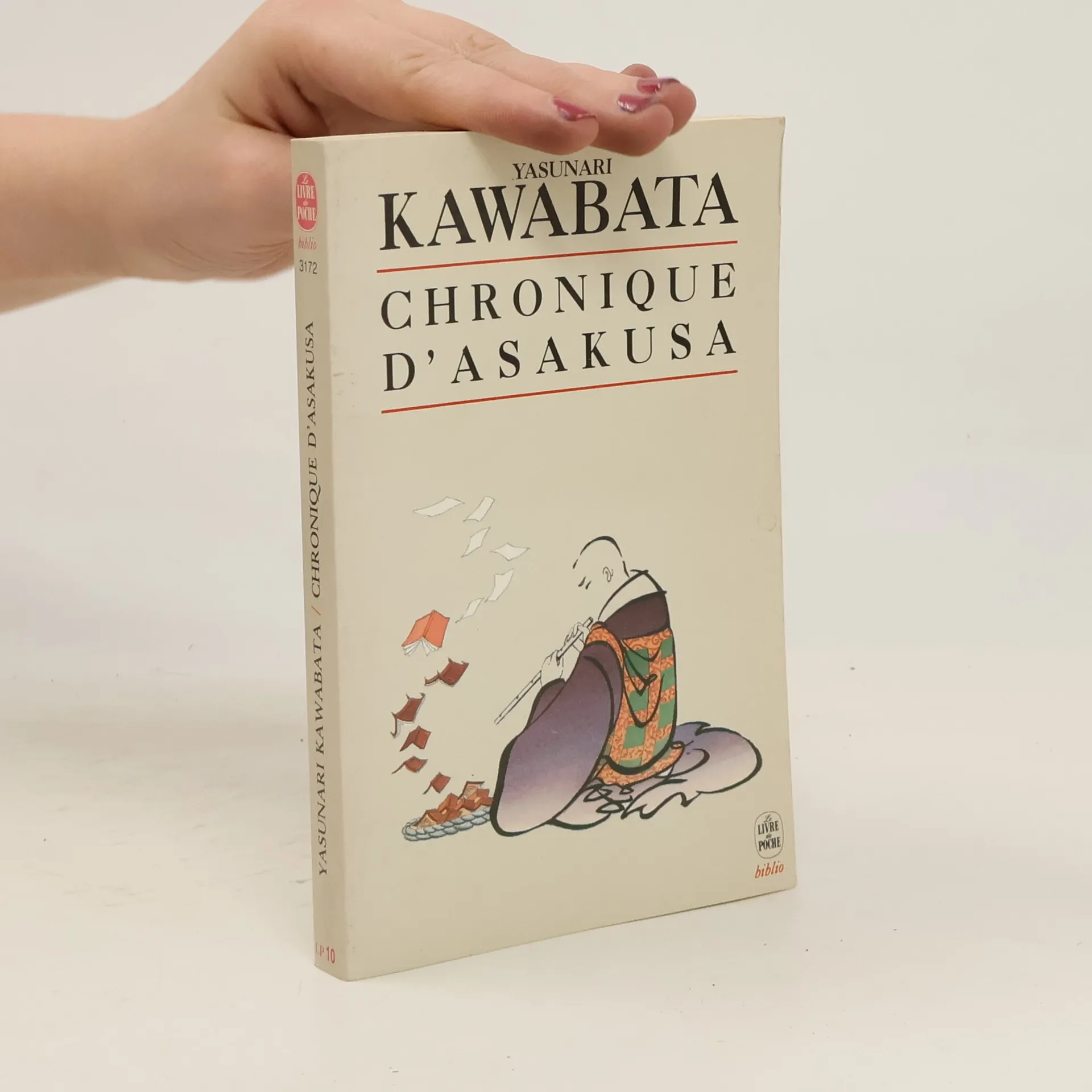
Leurs yeux se cherchA]rent et au moment oA leurs regards allaient se fondre, les bras de l'homme l'attirA]rent vers lui et il posa son visage sur la jeune femme. - ImbA(c)cile ! dit Yumiko en repoussant la bouche de l'homme de la paume de sa main droite. Les dents n'A(c)taient-elles pas teintA(c)es par le poison des pilules que Yumiko lui avait enfoncA(c)es dans la bouche ? Elles avaient fondu en libA(c)rant le liquide. - DA(c)cidA(c)ment, tu n'es qu'un imbA(c)cile ! Akagi blAamit soudain et s'effondra. Yasunari Kawabata.Chronique d'Asakusa, ou la banale histoire de Yumiko, une jeune femme qui voulait croire aux merveilles de l'amour dans le Tokyo des annA(c)es 30. Texte intA(c)gral
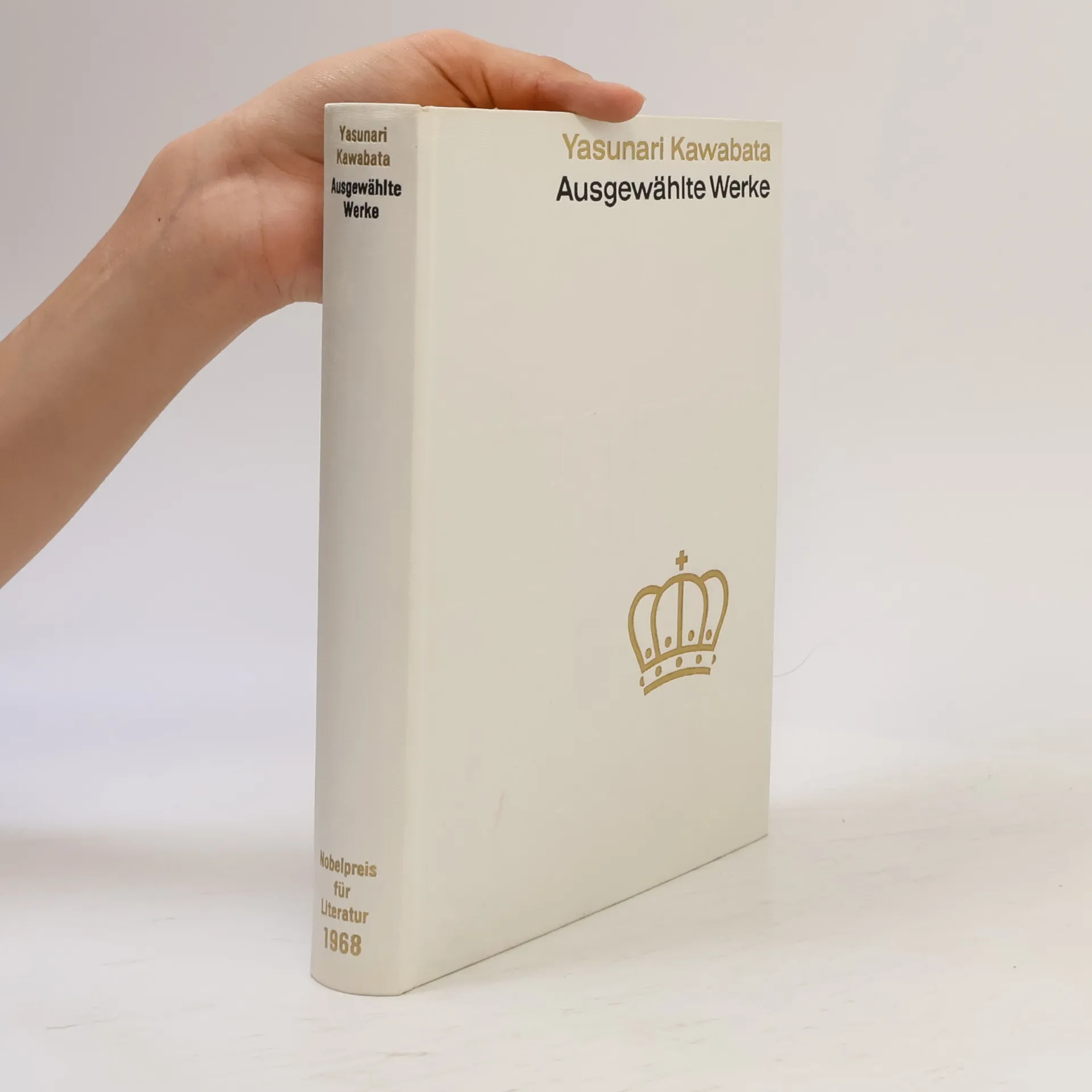
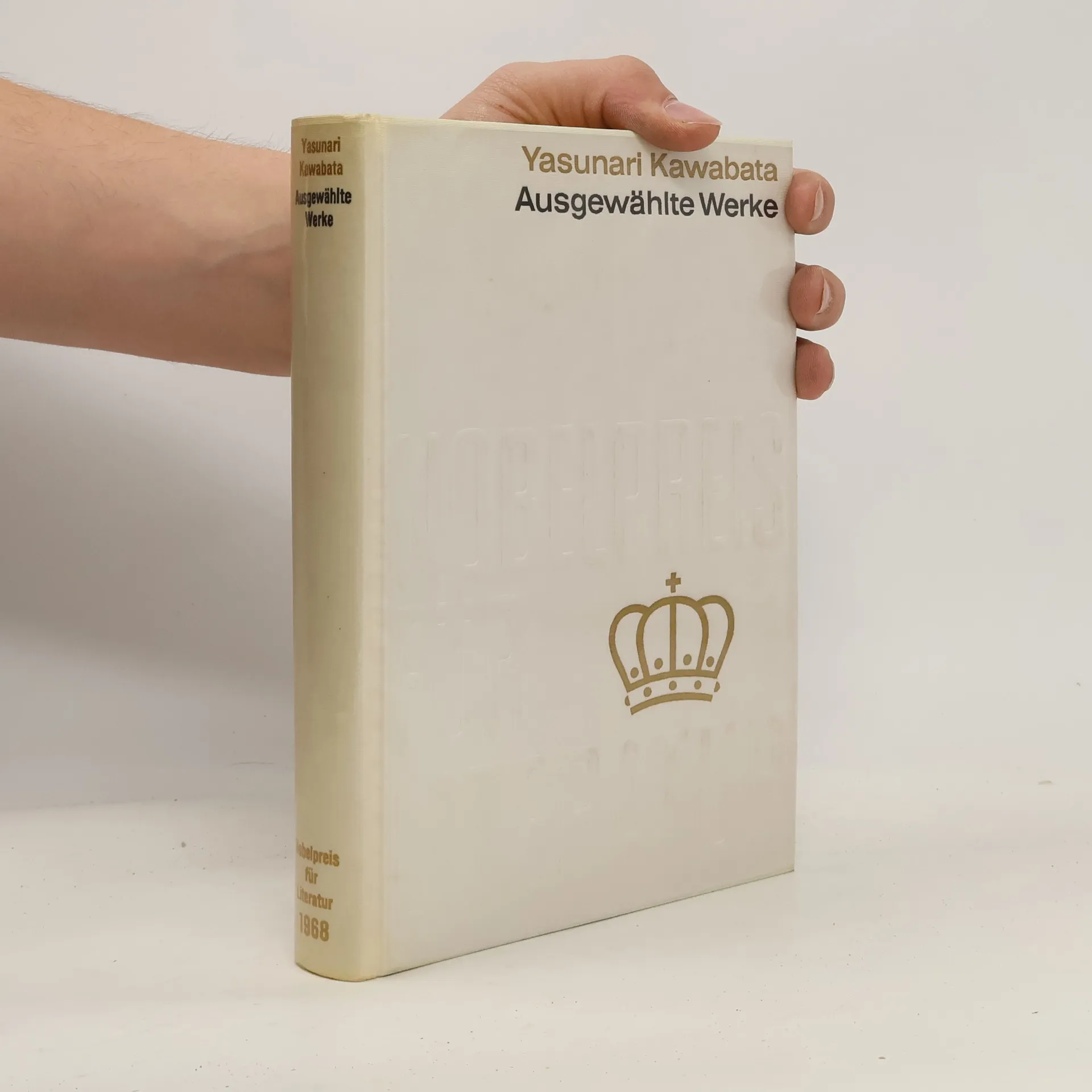
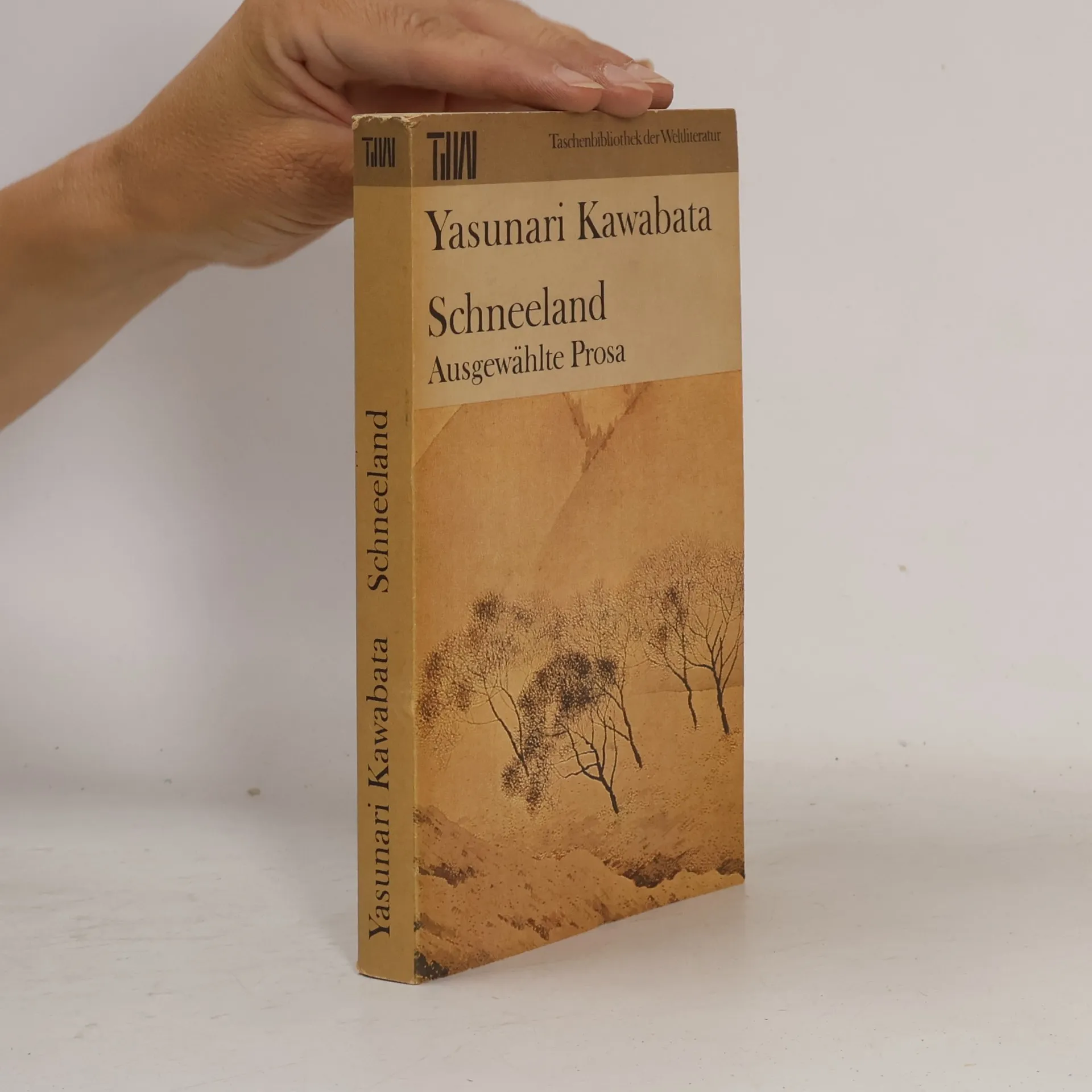
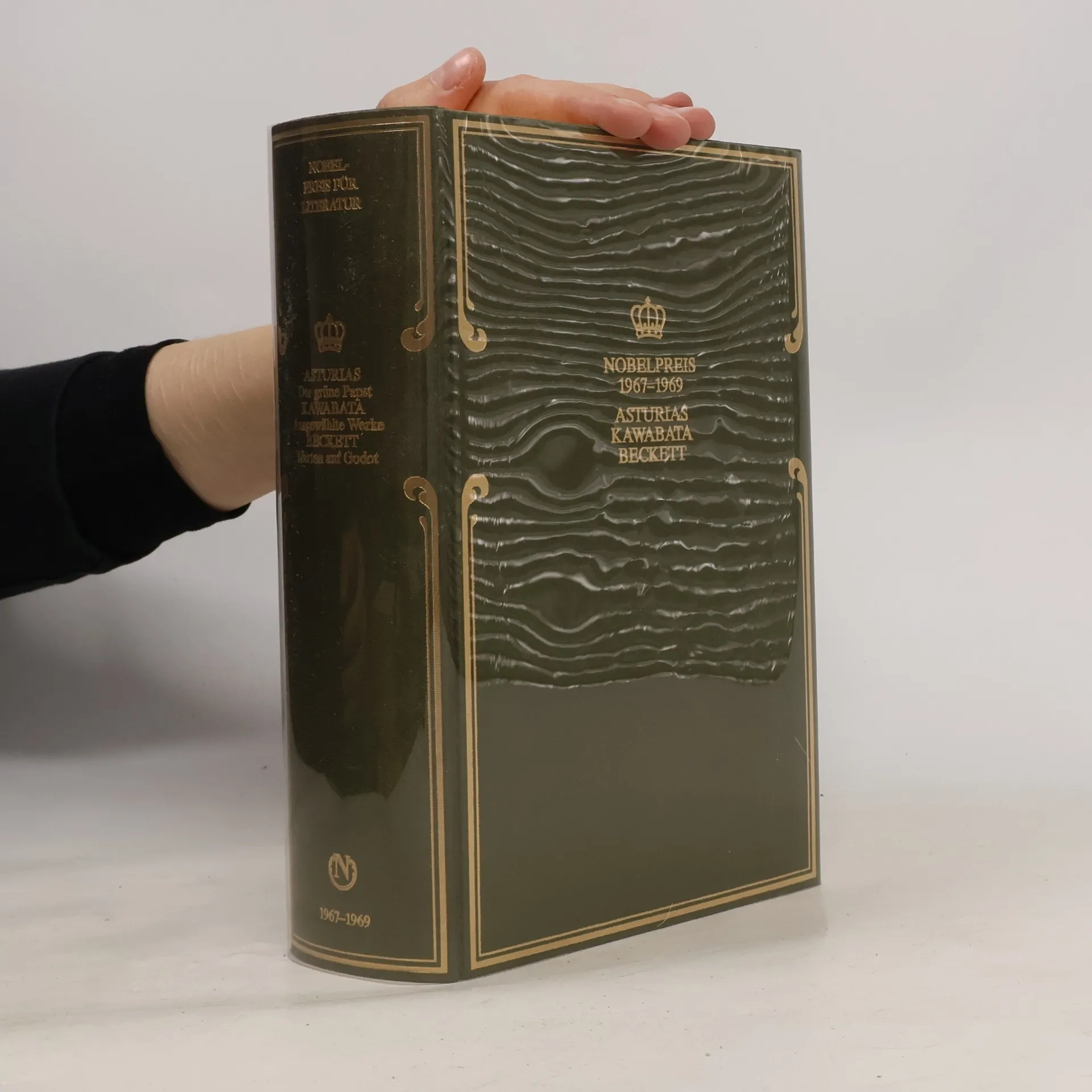
Ausgewählte Werke
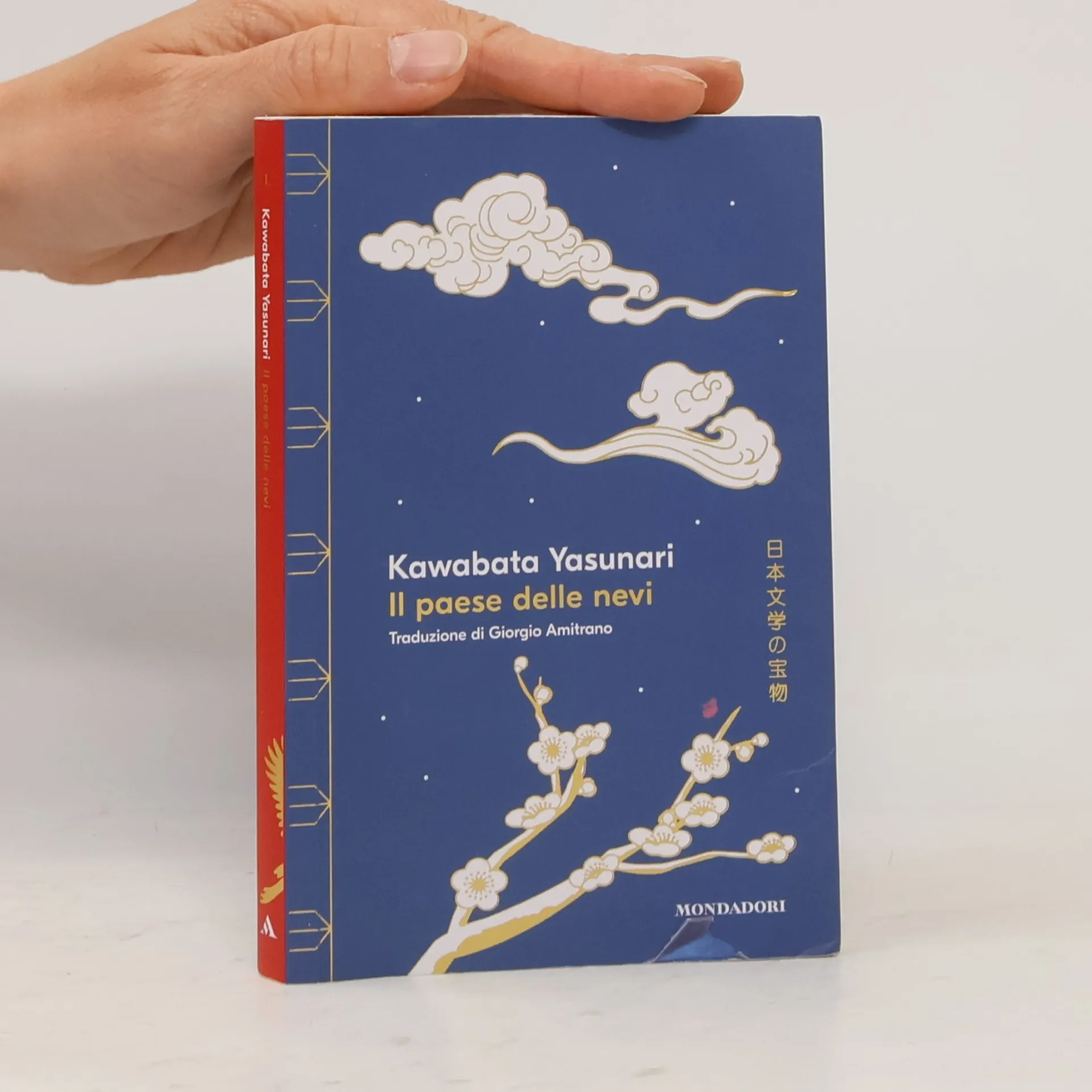
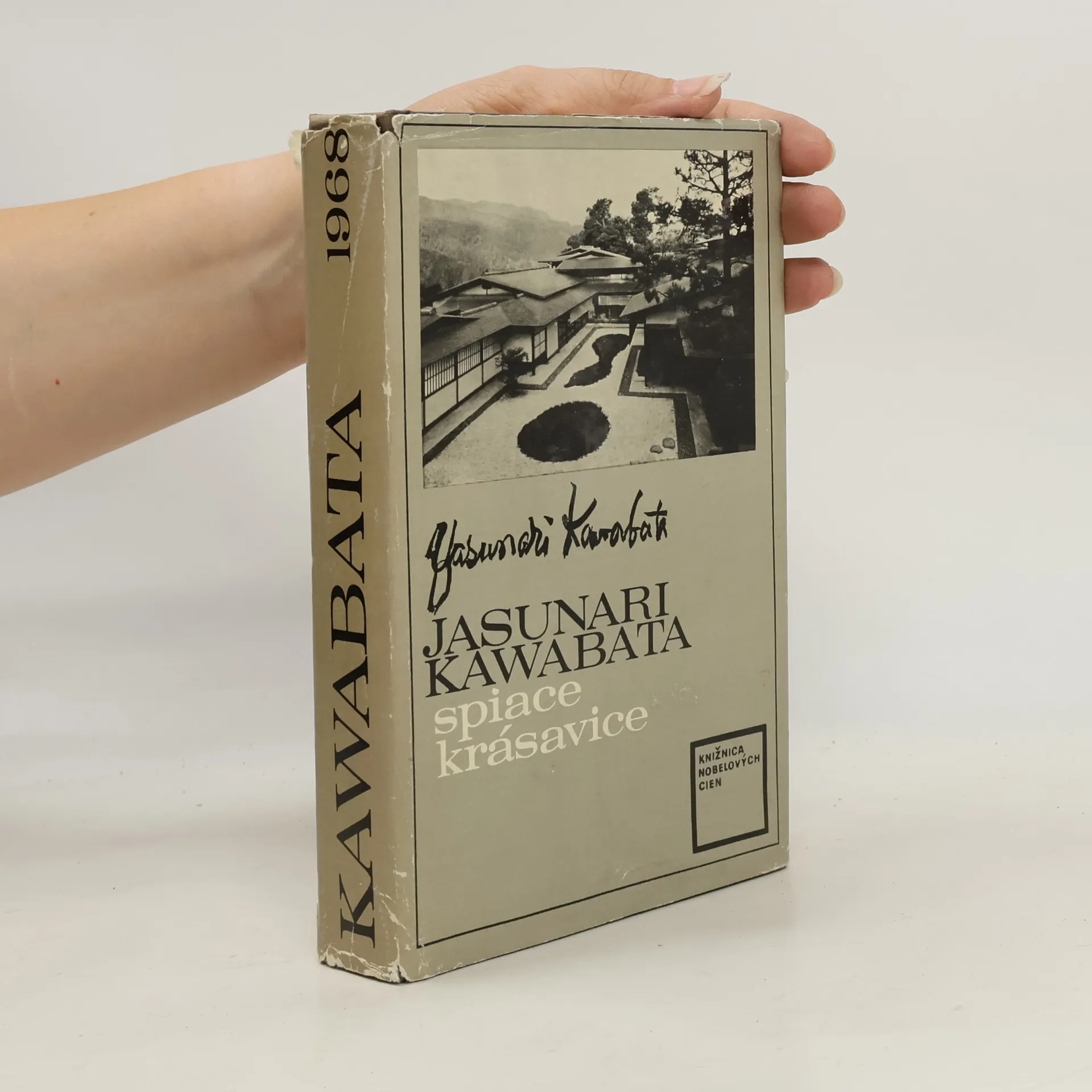
4 japonské novely – Snežná krajina, Tisíc žeriavov, Hlas hory, Spiace krásavice. Príroda, pôvab ženy, kult čajového obradu, melancholické návraty do minulosti a snov, životný pocit presiaknutý úvahami o smrti a o jej prekonávaní, o krehkosti ľudských vzťahov – to je okruh tém, ktoréspájajú Kawabatove novely.
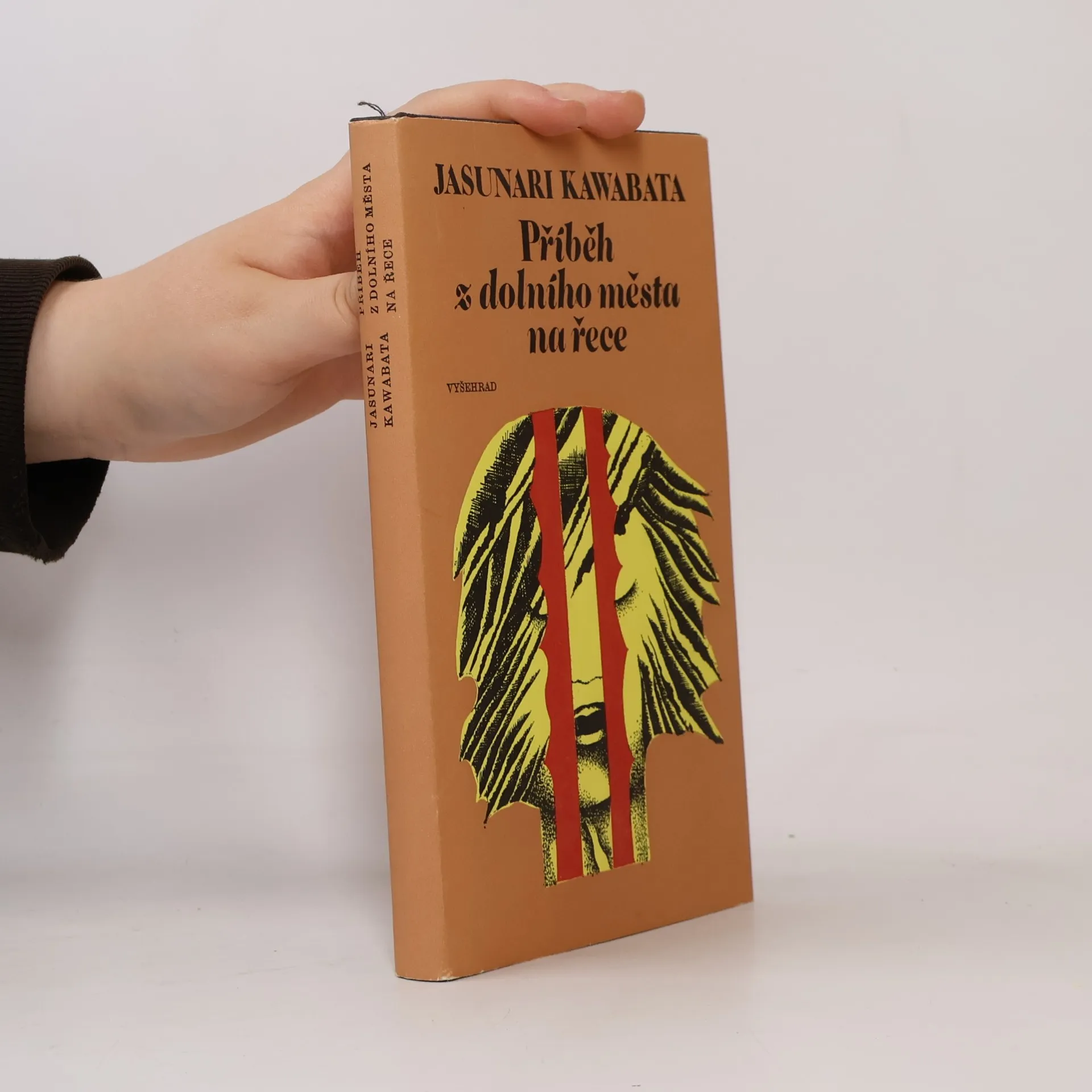
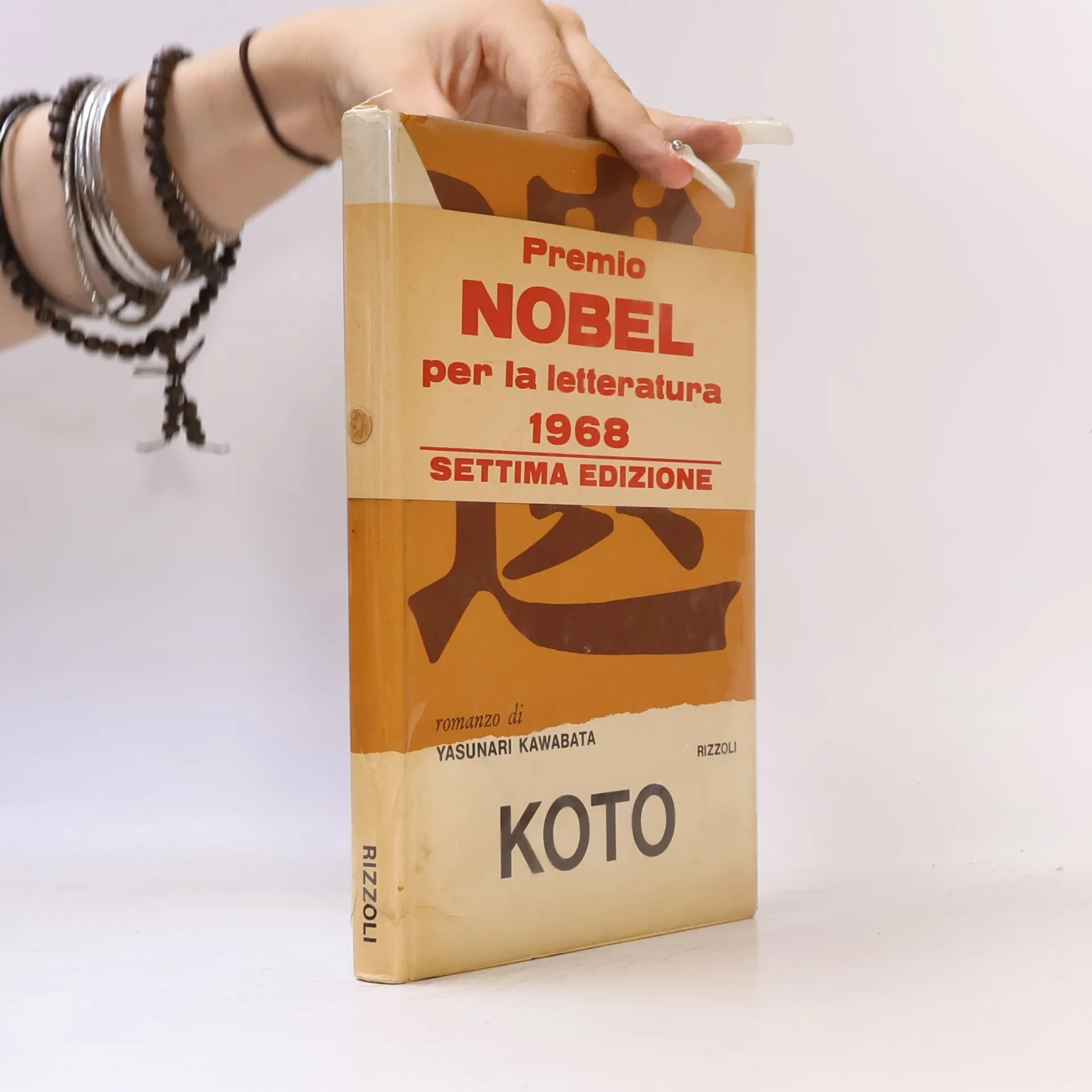
Hlavním hrdinou milostného příběhu z poválečného Tokia je student medicíny, jehož život ovlivňují tři dívky.
1967–1969
Eine Auswahl aus dem Werk des Nobelpreisträgers