Fifty One Photographs in Black & White
- 72bladzijden
- 3 uur lezen
A collection of classic photographs of one of the world's leading photographers.



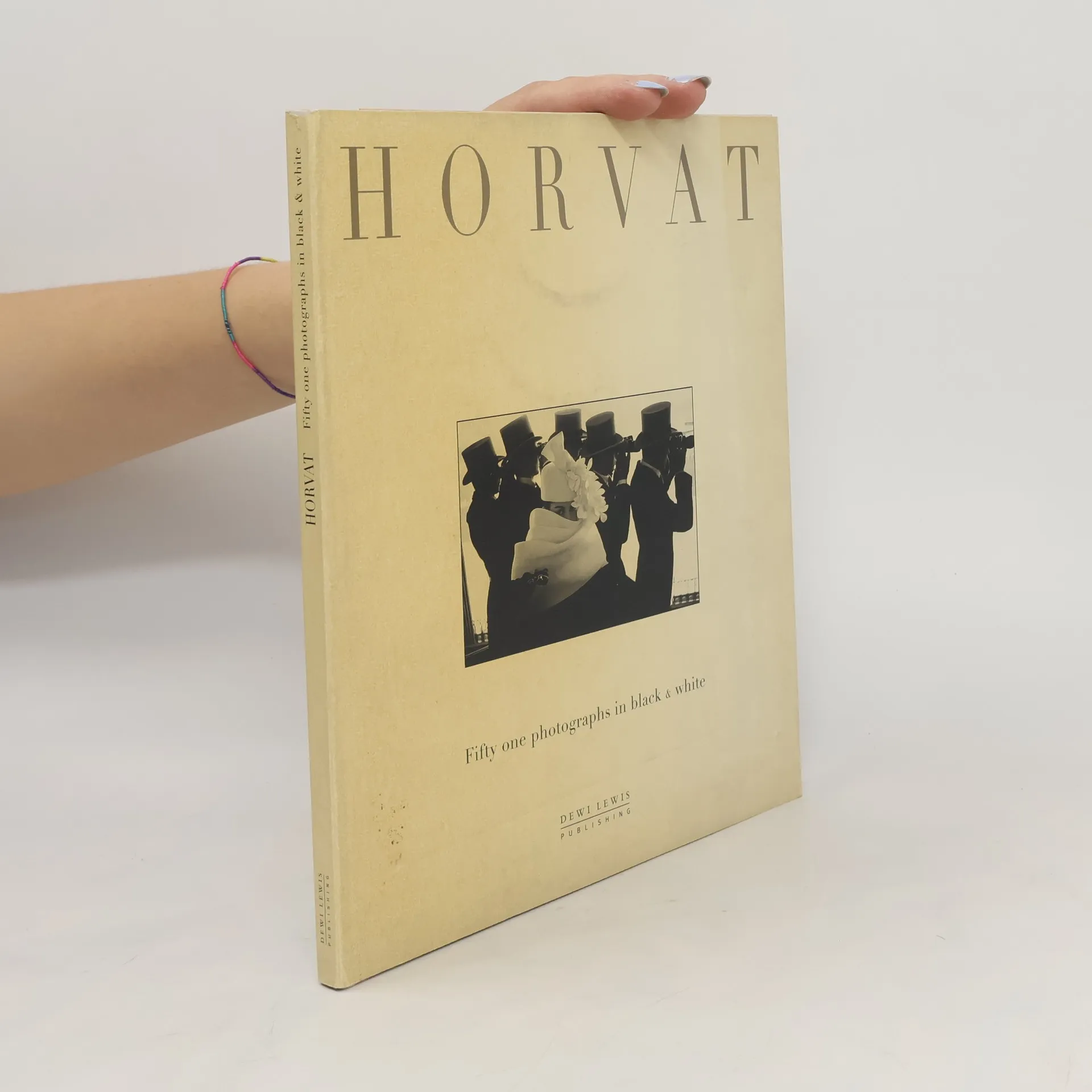
A collection of classic photographs of one of the world's leading photographers.
John Fowles (1926–2005) is widely regarded as one of the preeminent and most successful English novelists of the 20th century. His books have sold millions of copies worldwide, have been adapted for beloved films, and have been popularly voted among the 100 Greatest Novels of the Century. To a smaller but no less passionate audience, Fowles is also known as the author of The Tree—one of the most affecting and memorable arguments for the connection between the natural world and human creativity ever written. Fowles recounts his childhood in suburban and rural England, during which he rebelled against his Edwardian father’s obsession with the fruitfulness and “quantifiable yield” of well-pruned trees, and instead came to prize the messy, purposeless beauty of nature left to its wildest. The Tree is a powerful vindication of the joy of getting lost, the merits of having no plan, and the wisdom of following one’s nose wherever it might lead—in life as much as in art. Inspiring and life-changing, The Tree reaffirms our connection to nature and reminds us of the artistic life that is in all of us.
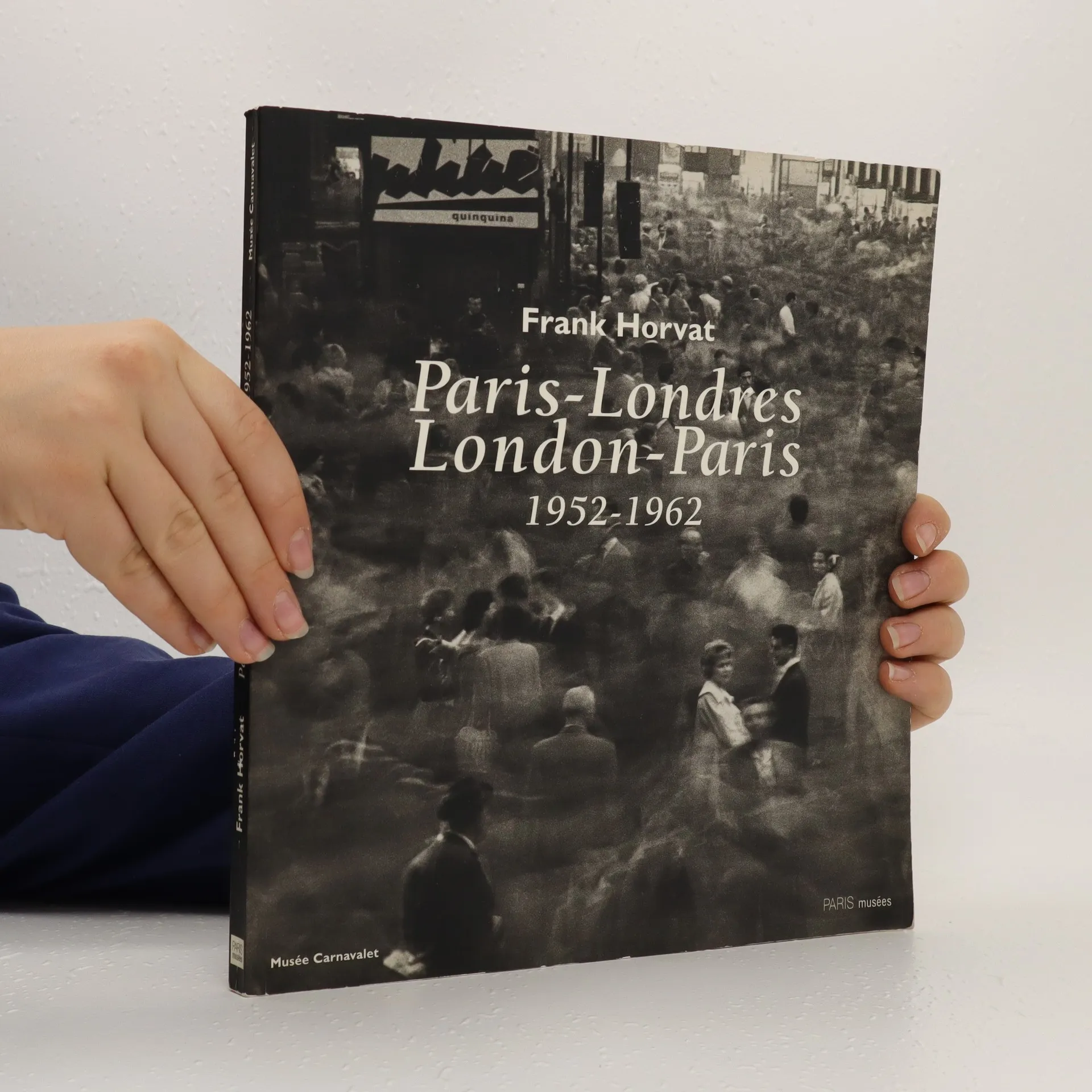
Frank Horvat débute comme reporter-photographe. Il devient rapidement photographe de mode il est le premier à mélanger les genres en réalisant des photographies de mannequins dans la rue à l'aide d'un appareil 24 x 36 - ce qui lui vaut un succès immédiat. Entre 1952 et 1962, il vit alternativement à Londres et à Paris, et photographie les deux villes avec passion et originalité. Ses images, sensibles, élégantes, souvent pleines d'ironie et de séduction, conservent tout leur charme et toute leur verve. A travers les deux capitales, on suit le parcours d'un Jeune homme fasciné par la vie urbaine, son décor et ses acteurs. Frank Horvat began his career as a photojournalist. Soon, however, he started working in fashion photography. Taken in the street using a 24 x 36 camera, his images of models were the first to combine realism and artifice and won him immediate success. From 1952-1962, Horvat lived between London and Paris, building up a passionate and Original photographic record of the two cities. His images from this period are sensitive and elegant, often richly ironic or seductive. Forty years later, they have lost none of their charm and verve. Through these two capitals, we follow in the footsteps of a young man fascinated by urban life and its multiple facets and actors.
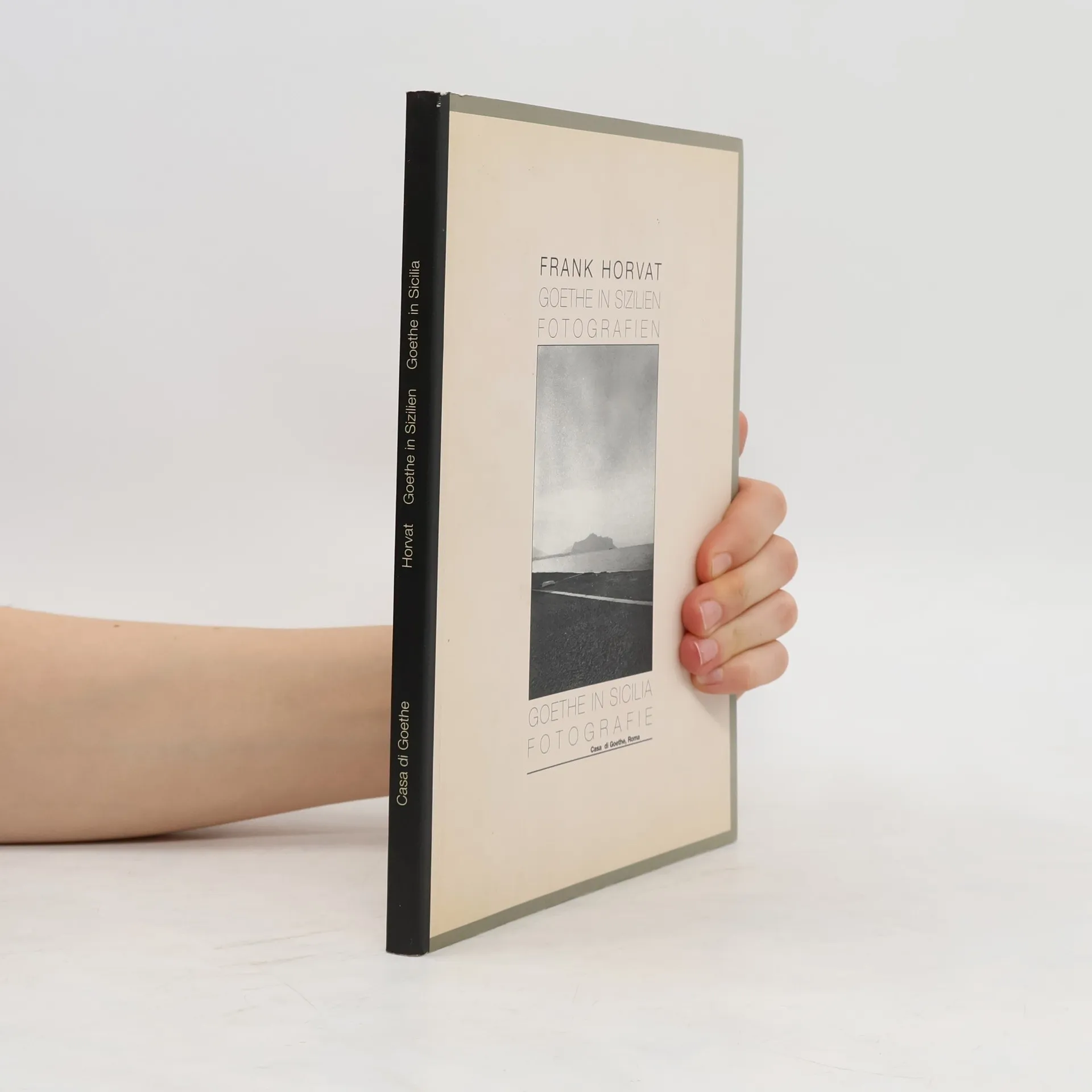
Fotografien
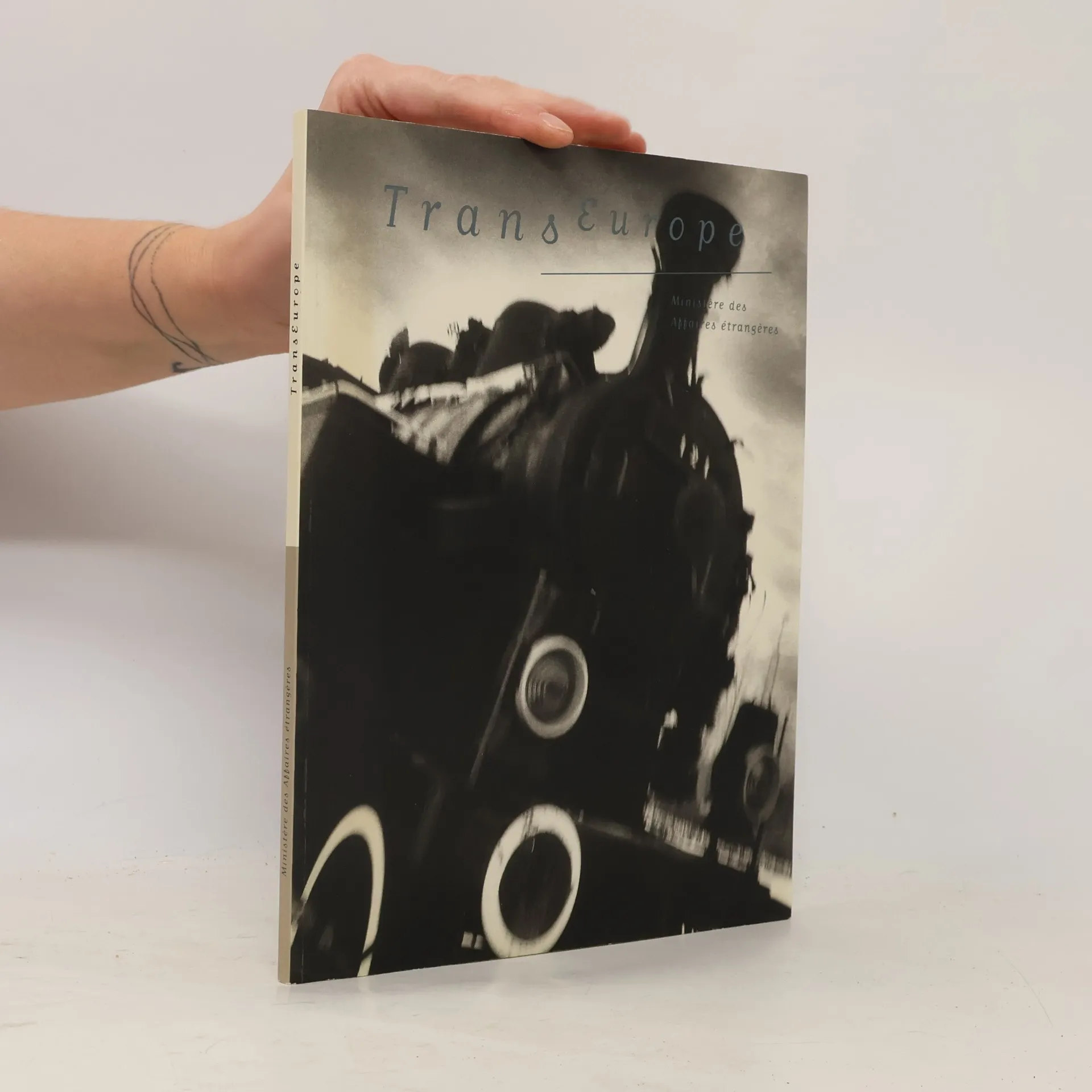
Après avoir exploré l'univers des cafés d'Europe et d'Orient, celui des grands hôtels et des bibliothèques mythiques ou réelles, cette série se clôt par une évocation littéraire et photographique de l'imaginaire des trains et des gares. TransEurope propose un parcours rêvé des chemins de fer. Voyage, fuite, aventures, dépaysement... le train traverse notre Europe et en réunit les pays dans une géographie aussi romanesque que bien concrète. De très grands photographes du monde entier, de Joseph Koudelka à Frank Horvat, de Jeanloup Sieft à Henri Cartier-Bresson et bien d'autres en rappellent ici la mémoire.