"Guibert is perhaps France's best known author of AIDS narratives. This brief, literary rumination of photography was written in response to Barthes's Camera Lucida. Guibert combines explorations of the artistic process with memoir, revealing his particular experience and vision of the world as he tries to express what he would have caught in photographs he attempted to take but missed through technical mistakes."--Publisher info
Hervé Guibert Boeken
14 december 1955 – 27 december 1991
Hervé Guibert was een Franse schrijver en journalist wiens werk voornamelijk putte uit autobiografie en autofictie. Zijn stijl, beïnvloed door auteurs als Roland Barthes en Thomas Bernhard, werd gekenmerkt door een streven naar eenvoud en soberheid, waarbij vaak gebruik werd gemaakt van verfijnde woordenschat en rauwe beschrijvingen. Guiberts korte romans, vaak gebaseerd op biografische feiten verweven met fictie, trekken de lezer mee in bruut gepresenteerde verhaallijnen. In zijn latere werken, die zijn ervaring met AIDS weerspiegelden, documenteerde hij de dagelijkse voortgang van zijn ziekte en onderzocht hij op artistieke wijze zijn eigen lichaam en lijden.



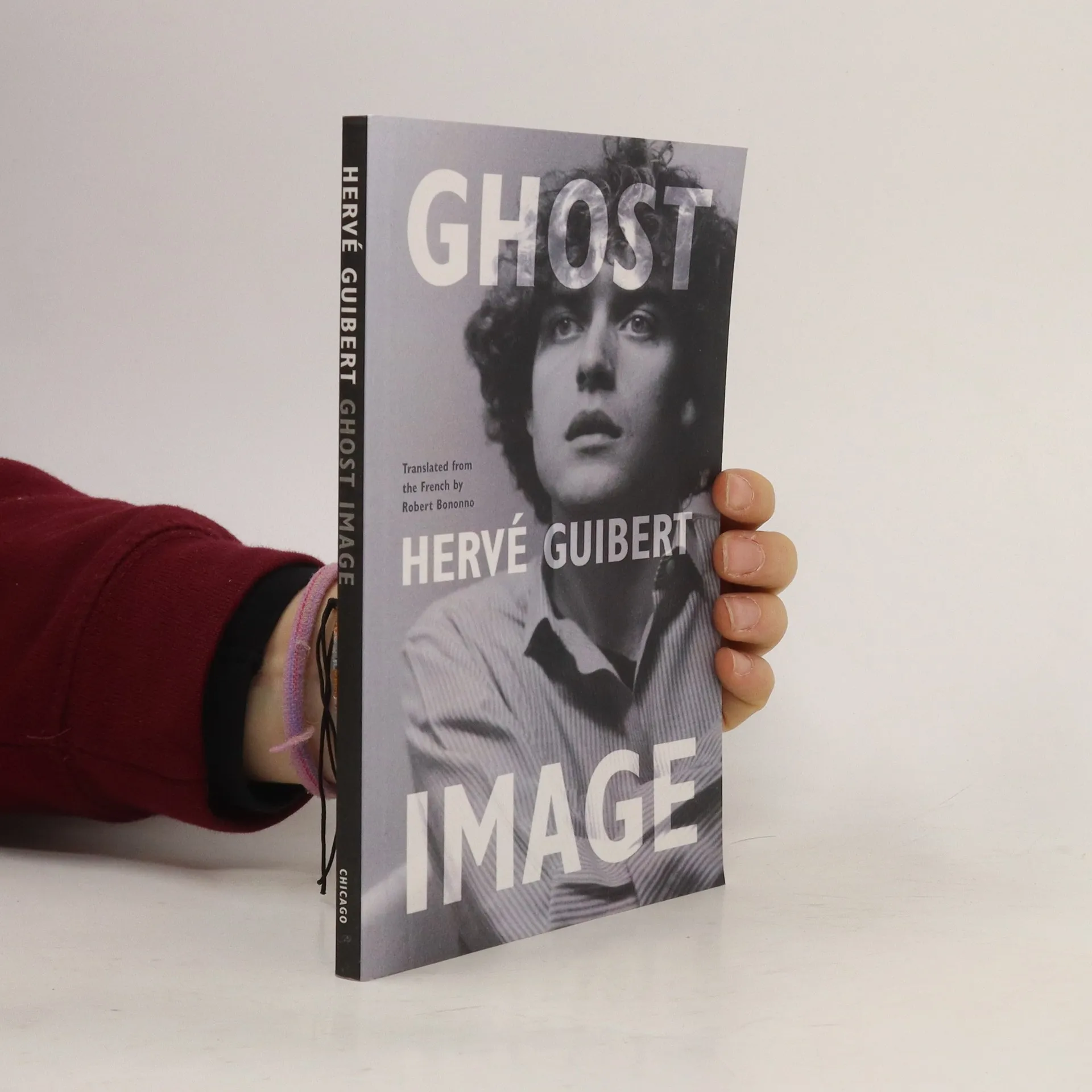
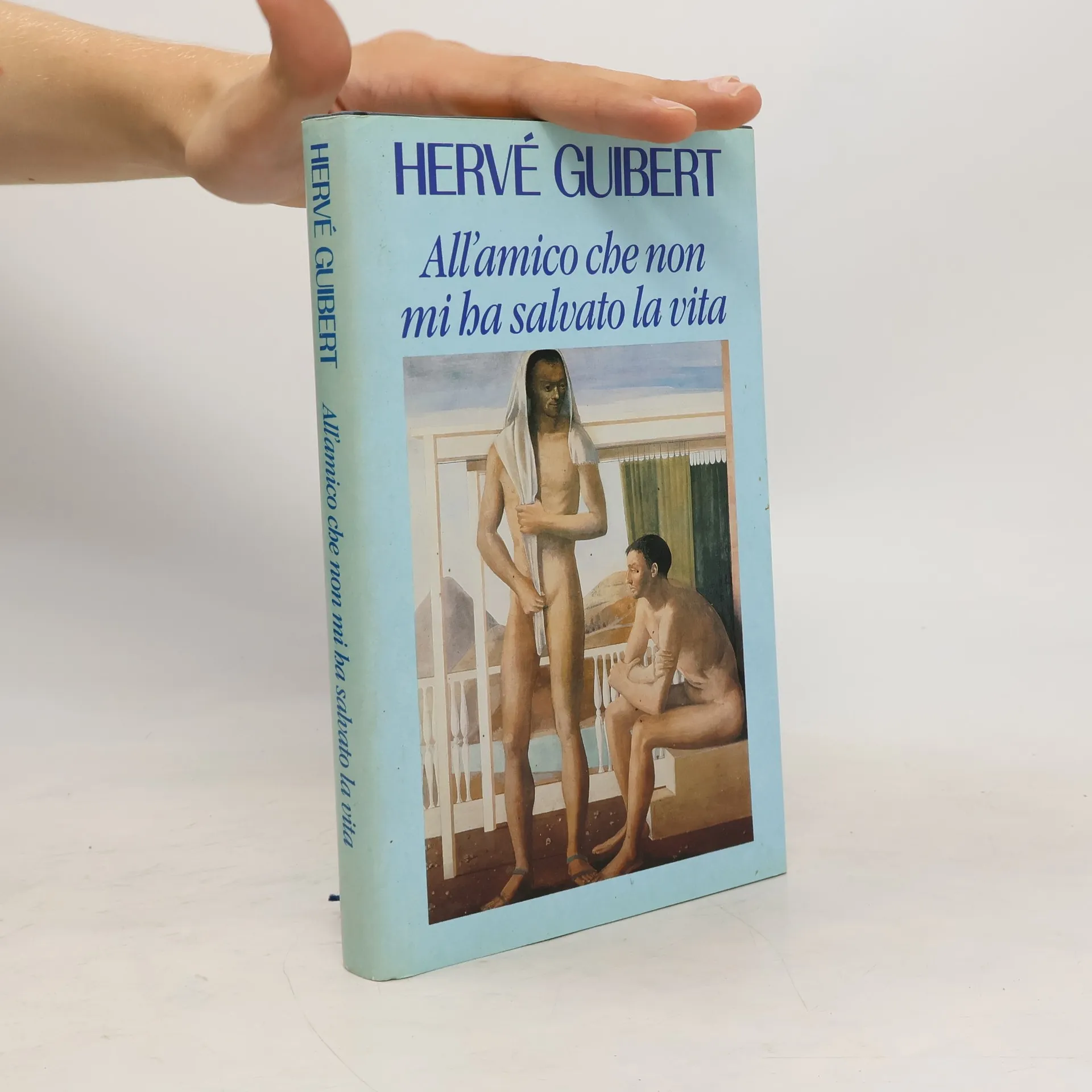
A New York Times Book of the Year After being diagnosed with AIDS, Hervé Guibert wrote this devastating, darkly humorous and personal novel, chronicling three months in the penultimate year of the narrator's life. In the wake of his friend Muzil's death, he goes from one quack doctor to another, from holidays to test centres, and charts the highs and lows of trying to cheat death. On publication in 1990, the novel scandalized French media, which quickly identified Muzil as Guibert's close friend Michel Foucault. The book became a bestseller, and Guibert a celebrity. The book has since attained a cult following for its tender, fragmented and beautifully written accounts of illness, friendship, sex, art and everyday life. It catapulted Guibert into notoriety and sealed his reputation as a writer of shocking precision and power.
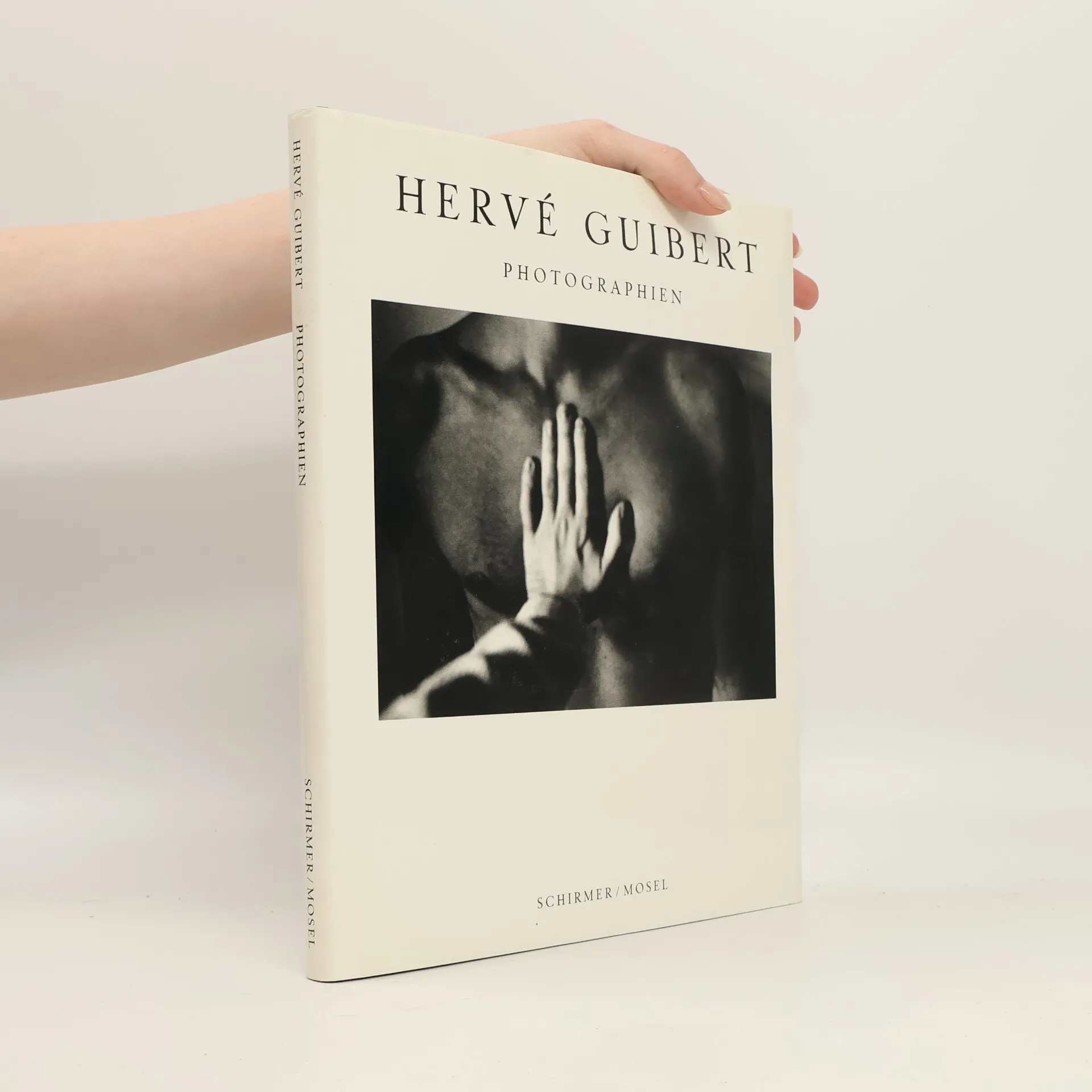
Photographien
- 136bladzijden
- 5 uur lezen
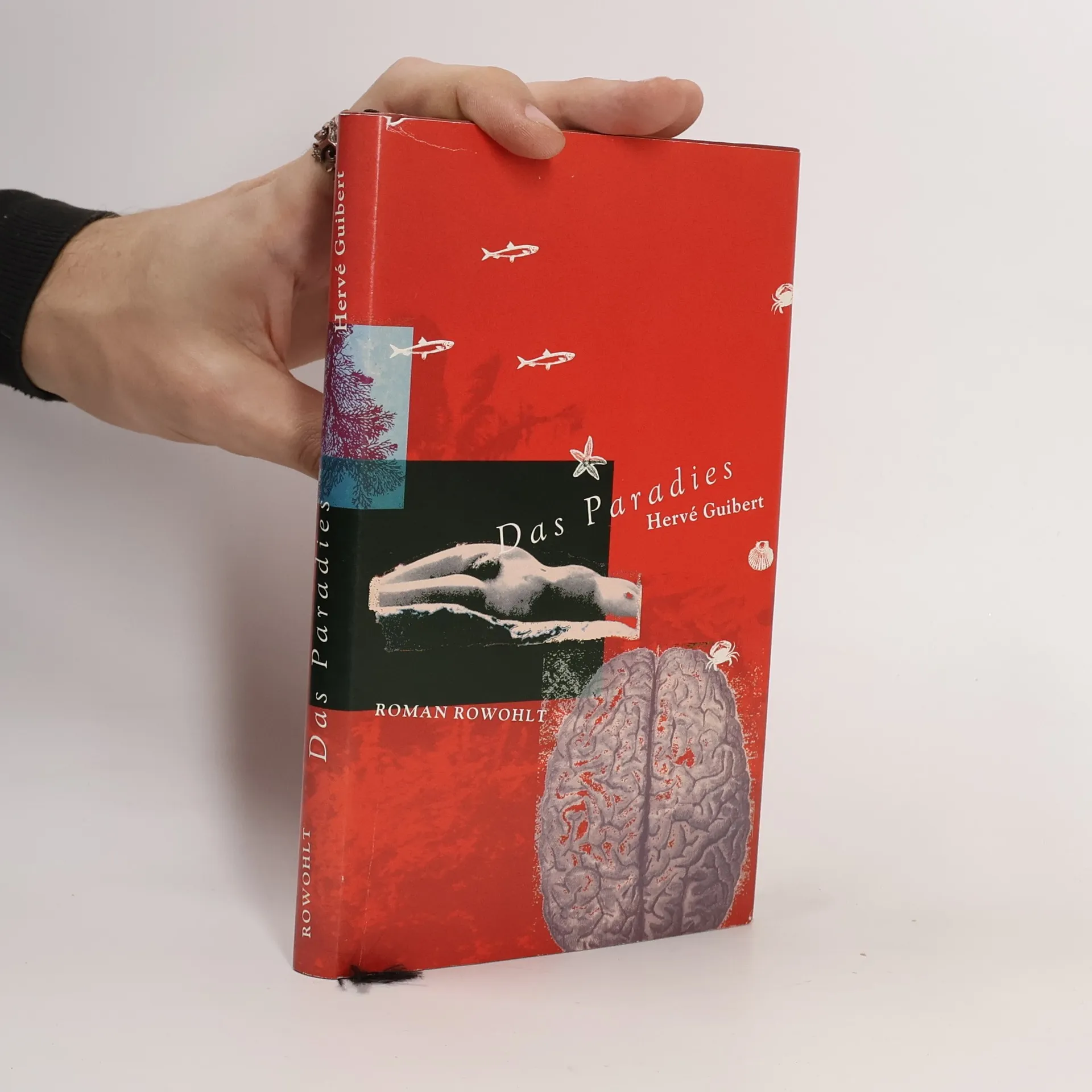
German language translation of French edition.
Zouc par Zouc a vu le jour grâce au hasard d'une rencontre entre Hervé Guibert et Claude Michel Cluny, à la terrasse d'un café d'Avignon. Avertie du projet de livre qu'ils veulent lui consacrer, Zouc retrouve Hervé - pas encore Guibert - dans un café de Montparnasse pour un premier entretien. Elle a tenu absolument à ce que ce soit lui, Hervé, qui s'en charge. Hervé a vingt-deux ans, elle à peine plus. Ils éprouvent l'un pour l'autre une attirance et une fascination très fortes qui conduisent Zouc à laisser Hervé fouiller avec délectation dans son histoire. Paru dans un livre illustré à la rentrée 1978, ce texte était devenu, aujourd'hui, introuvable.
Hinrich Schmidt-Henkel, geboren 1959, lebt in Berlin. Er übersetzt u. a. auch Jean Echenoz, Édouard Louis, Jon Fosse, Tomas Espedal und Tarjei Vesaas. Ausgezeichnet wurde er mit dem Jane Scatcherd-Preis, dem Paul-Celan-Preis des Deutschen Literaturfonds und dem Straelener Übersetzerpreis der Kunststiftung NRW (zusammen mit Frank Heibert).
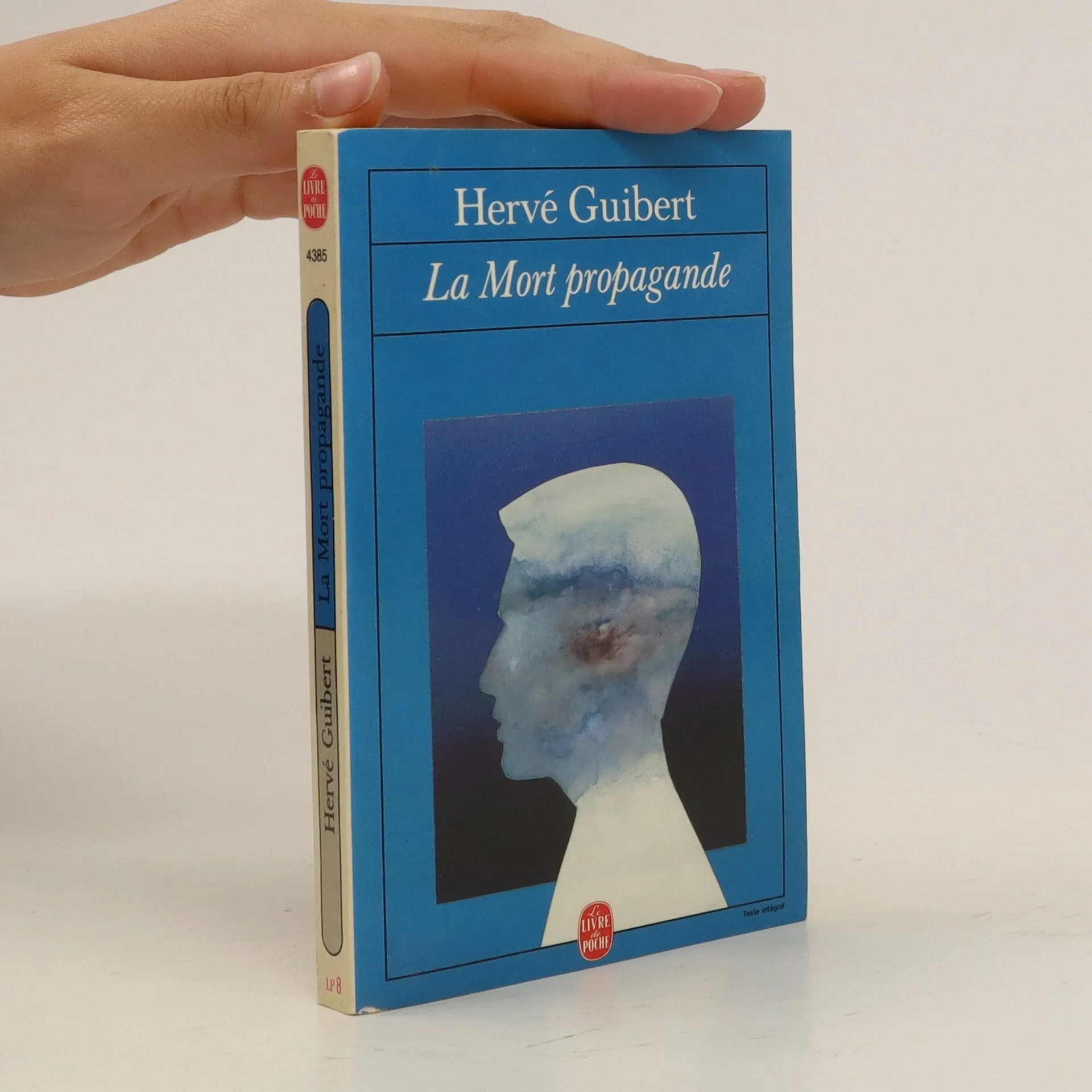
La Mort propagande
- 315bladzijden
- 12 uur lezen
Étude du corps jouissant, souffrant, agonisant, puis mort, La mort propagande trace en douze brefs chapitres un troublant autoportrait de son auteur. D'une violence et d'une force de provocation inouïes, La mort propagande fut le premier livre publié d'Hervé Guibert, alors âgé de vingt et un ans.
Zytomegalievirus
Krankenhaustagebuch
Guiberts Texte erweisen sich als Vorläufer gegenwärtiger Autofiktionen von Maggie Nelson bis Ocean Vuong: nicht nur angesichts der Coronapandemie eine wichtige Wiederentdeckung Beim Zytomegalievirus handelt es sich um eine Herpesvariante, die im Zuge der Schwächung des Immunsystems durch eine HIV-Infektion zu schwerwiegenden Komplikationen führen kann. Es droht das Erblinden. In diesem »Krankenhaustagebuch«, das wenige Monate vor seinem Tod entstand und hier erstmals in deutscher Übersetzung vorliegt, notierte Hervé Guibert 22 Tage lang die Angst und Verzweiflung, den Ärger und die Wut, die Melancholie und Langeweile, aber auch die kleinen Triumphe eines Krankenhausaufenthalts zwischen Leben und Tod. »Zytomegalievirus« ist eine schmerzhafte Lektüre – und immer wieder auf groteske Weise komisch.
Verrückt nach Vincent & Reise nach Marokko
Zwei Erzählungen
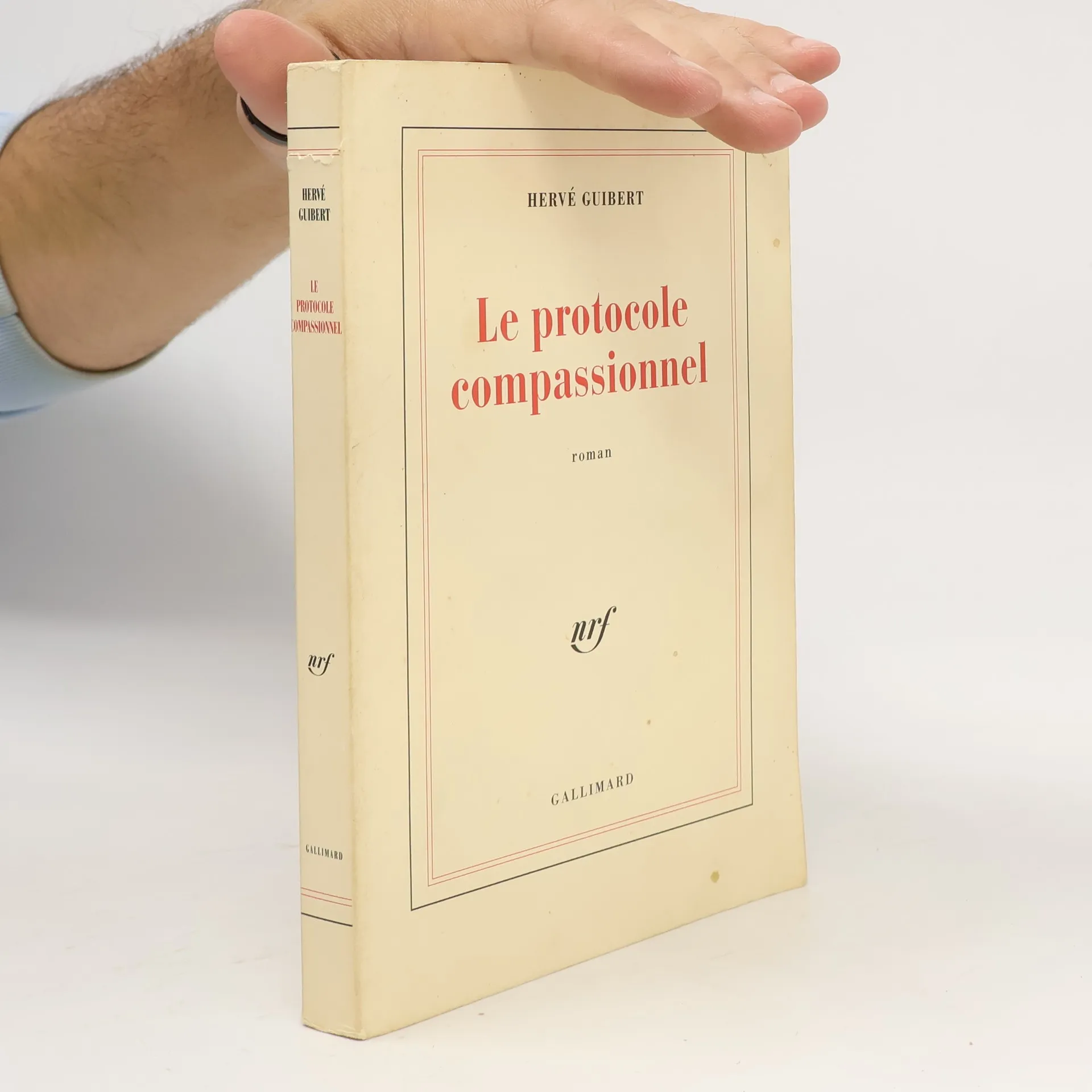
Le Protocole compassionnel
- 226bladzijden
- 8 uur lezen
C'est la suite de A l'ami qui ne m'a pas sauvé la vie, un an et demi après. Ce laps de temps a été marqué par une renonciation à l'écriture et une immersion dans l'expérience. Les mêmes personnages sont présents : Hervé Guibert, écrivain atteint du sida, ses proches et la communauté des malades et soignants. Claudette Dumouchel, une jeune médecin de vingt-huit ans, entre en scène, et une relation complexe se tisse entre elle et le narrateur, oscillant entre l'amitié et un sentiment plus profond, sans jamais vraiment se définir. Un nouveau médicament, le DDI, apparaît, difficile à obtenir et encore expérimental. Aux États-Unis, il a causé la mort de trois cents personnes qui l'ont utilisé sans précautions. En France, il est prescrit aux malades en phase terminale dans un cadre « compassionnel ». Ce médicament a permis au narrateur de surmonter son épuisement et de reprendre l'écriture. Si le premier livre évoquait la prise de conscience de la maladie, celui-ci explore l'étonnement, la douleur, la rage et la tristesse d'un homme de trente-cinq ans dont le corps est usé. Pourtant, la possibilité d'une rémission vient troubler ce tableau sombre, apportant un éclat de bonheur au milieu de la souffrance.
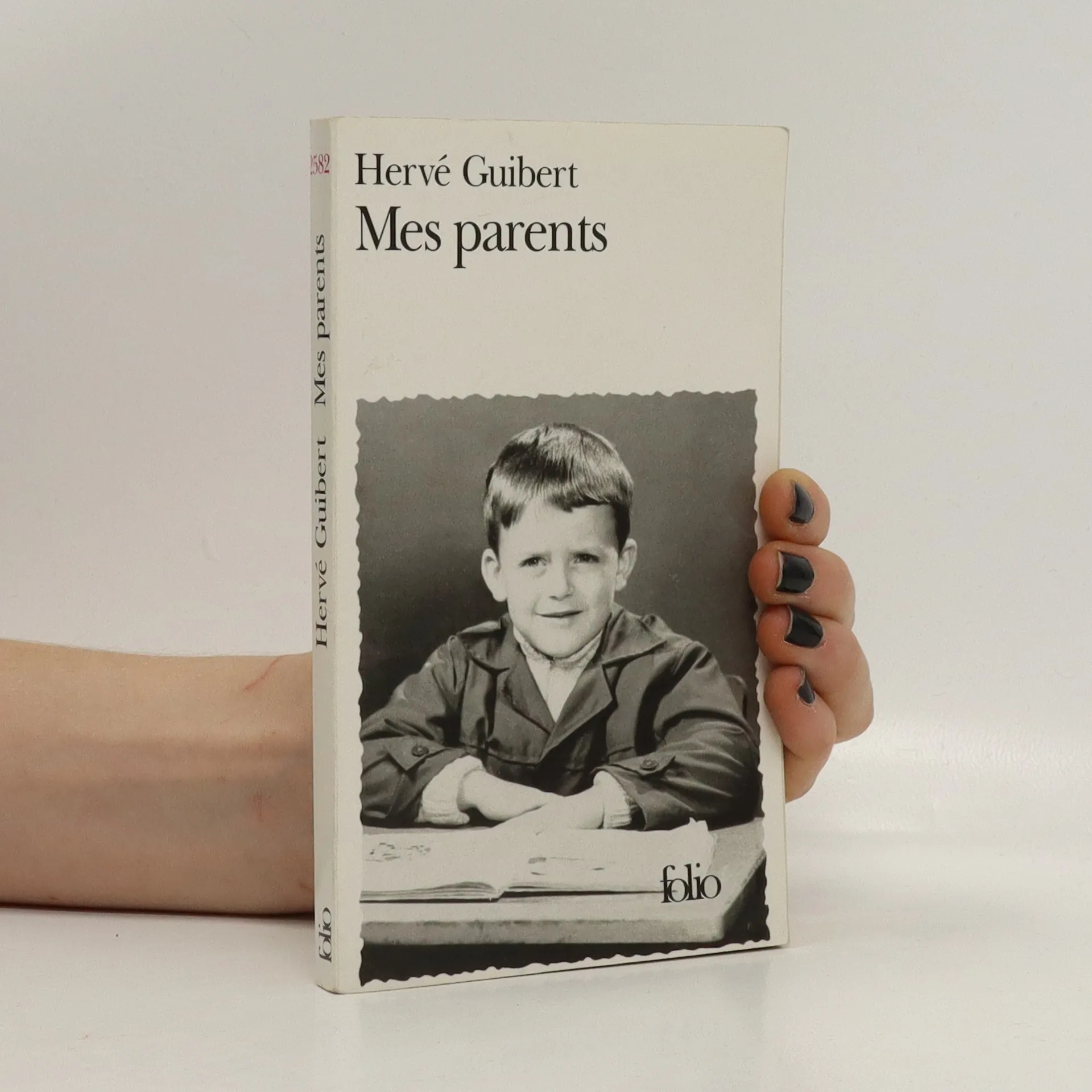
Mes parents
- 168bladzijden
- 6 uur lezen
Pourquoi la grand-tante Louise saccage-t-elle l'appartement de sa sœur Suzanne ? Quels sont ces documents qu'elle cherche, et que contiennent ces liasses de papiers qu'elle brûle finalement dans la cuisinière ? Concernent-ils vraiment, comme le prétend Suzanne, une infamie qu'aurait commise la mère, trente ans plus tôt ? Comment se fait-il qu'au même moment le père ait dû précipitamment quitter Nice, abandonnant un cabinet de vétérinaire, un voilier, une Ford verte, une fiancée et deux chevaux, pour se retrouver à Paris sans chaussettes de rechange ? Quel est ce chantage que mettent en train les parents du petit Hervé pour extorquer l'argent de la famille ? Et où est caché cet or qu'on n'en finit pas d'enterrer et de déterrer, dont on n'a jamais pu se servir, sinon pour se plaindre qu'il soit encrassé ? D'ailleurs ce trésor trop tard obtenu n'a-t-il pas un rapport avec le cancer de la mère, qui suit de peu l'héritage ? N'y a-t-il donc rien de pire au monde, pour des parents, que d'avoir un fils soucieux de la vérité ?
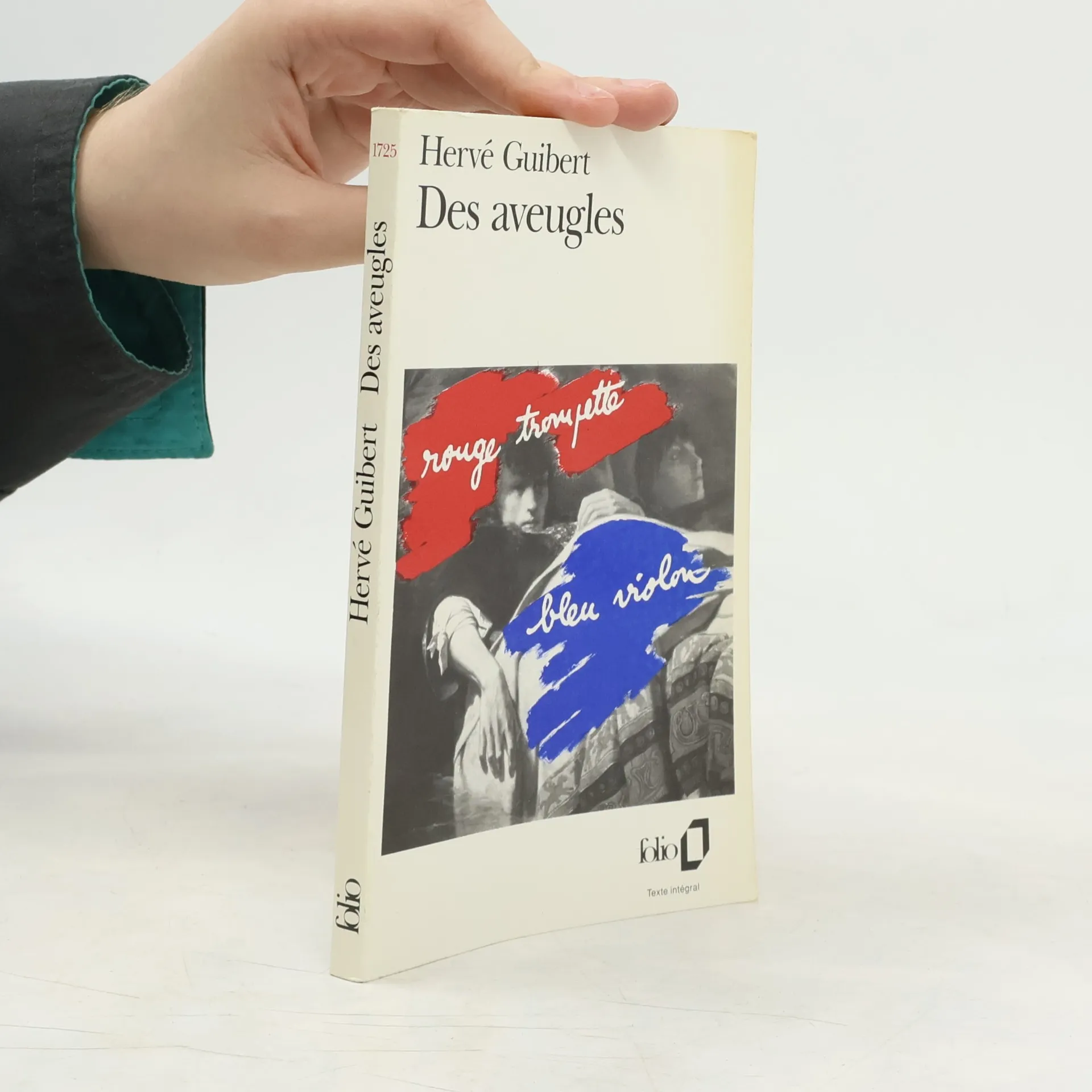
Des Aveugles
- 126bladzijden
- 5 uur lezen
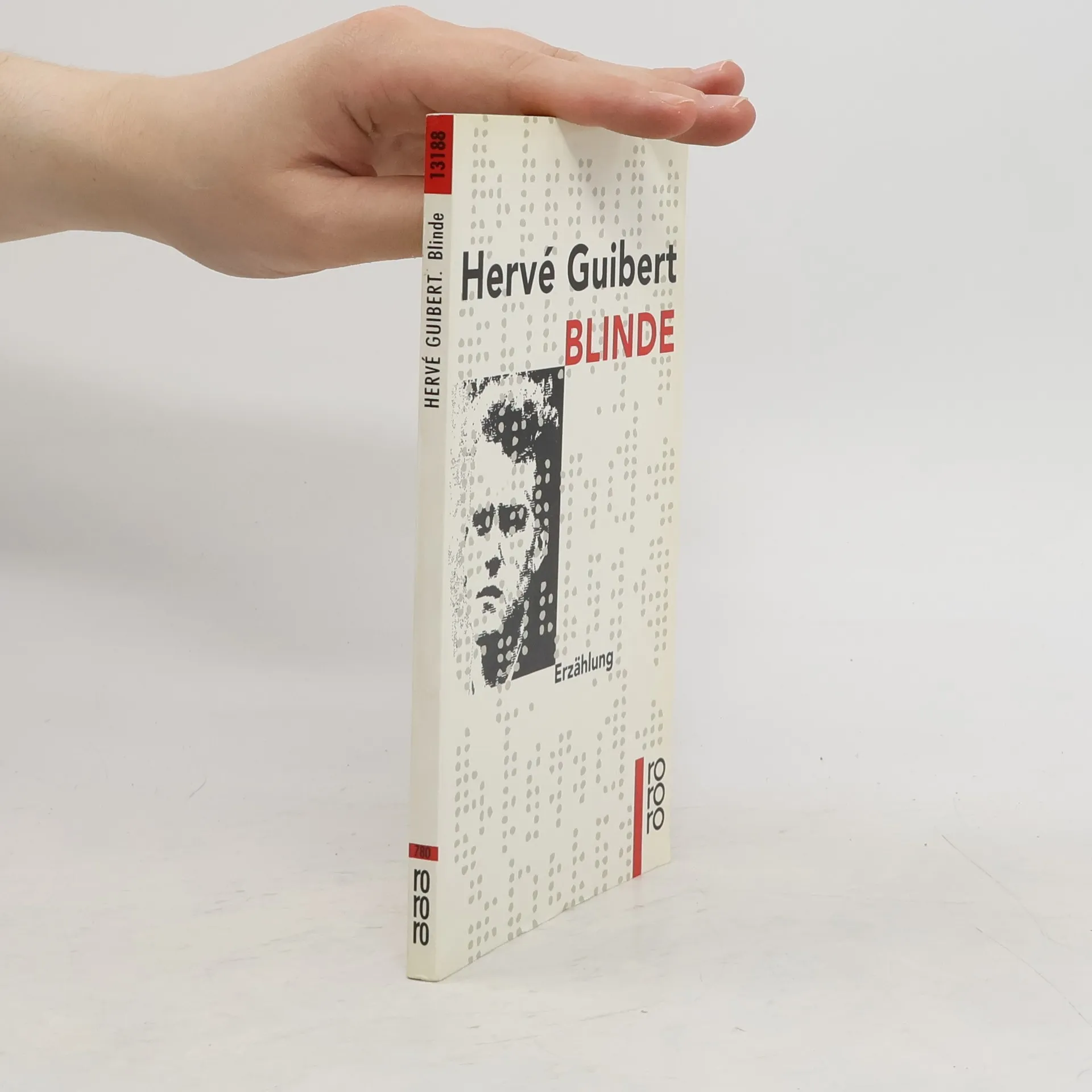
Trois aveugles : la femme, le mari, l'amant. Comment ils se rencontrent, comment ils s'aiment, comment ils s'entre-tuent. Un récit d'épouvante, puisque c'est le mode de lecture préféré des aveugles. Dans ce livre sans pitié, à la fois documentaire et fantasmagorique, les visions de l'obscurité définissent un nouveau système de voluptés et de frayeurs.
Blinde
- 100bladzijden
- 4 uur lezen
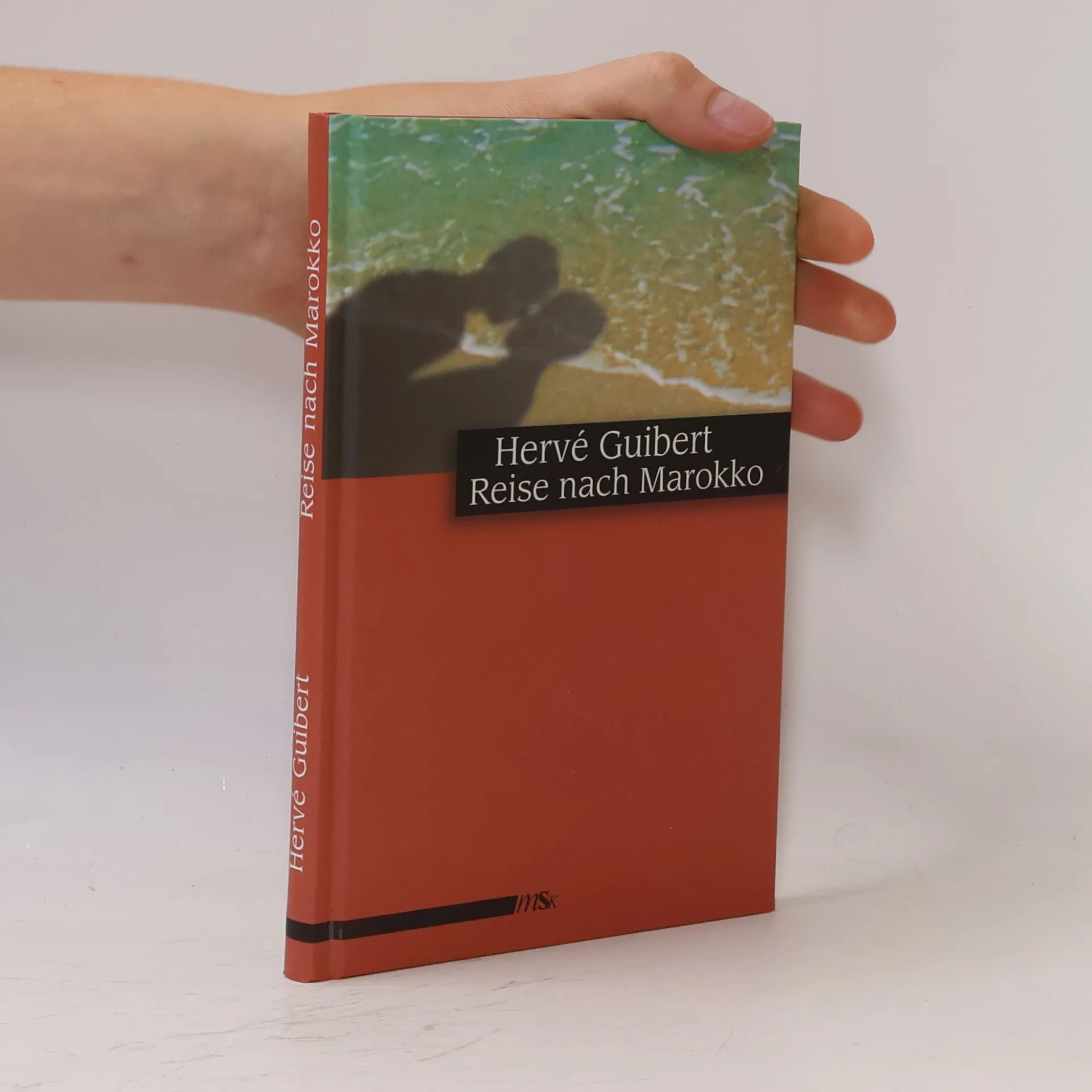
Reise nach Marokko. Aus d. Französ. v. J. J. Schlegel
- 104bladzijden
- 4 uur lezen
"Reise nach Marokko" ist kein klassischer Reiseroman, sondern erkundet die komplexen Beziehungen zwischen zwei schwulen Männern und zwei Jugendlichen während ihres Urlaubs in Marokko. Hervé Guibert thematisiert die Wahrnehmung von Jugendlichen ohne elterliche Einflüsse und spielt mit erotischen Fantasien. Der Text ist eine faszinierende Mischung aus Beobachtung und Phantasie.