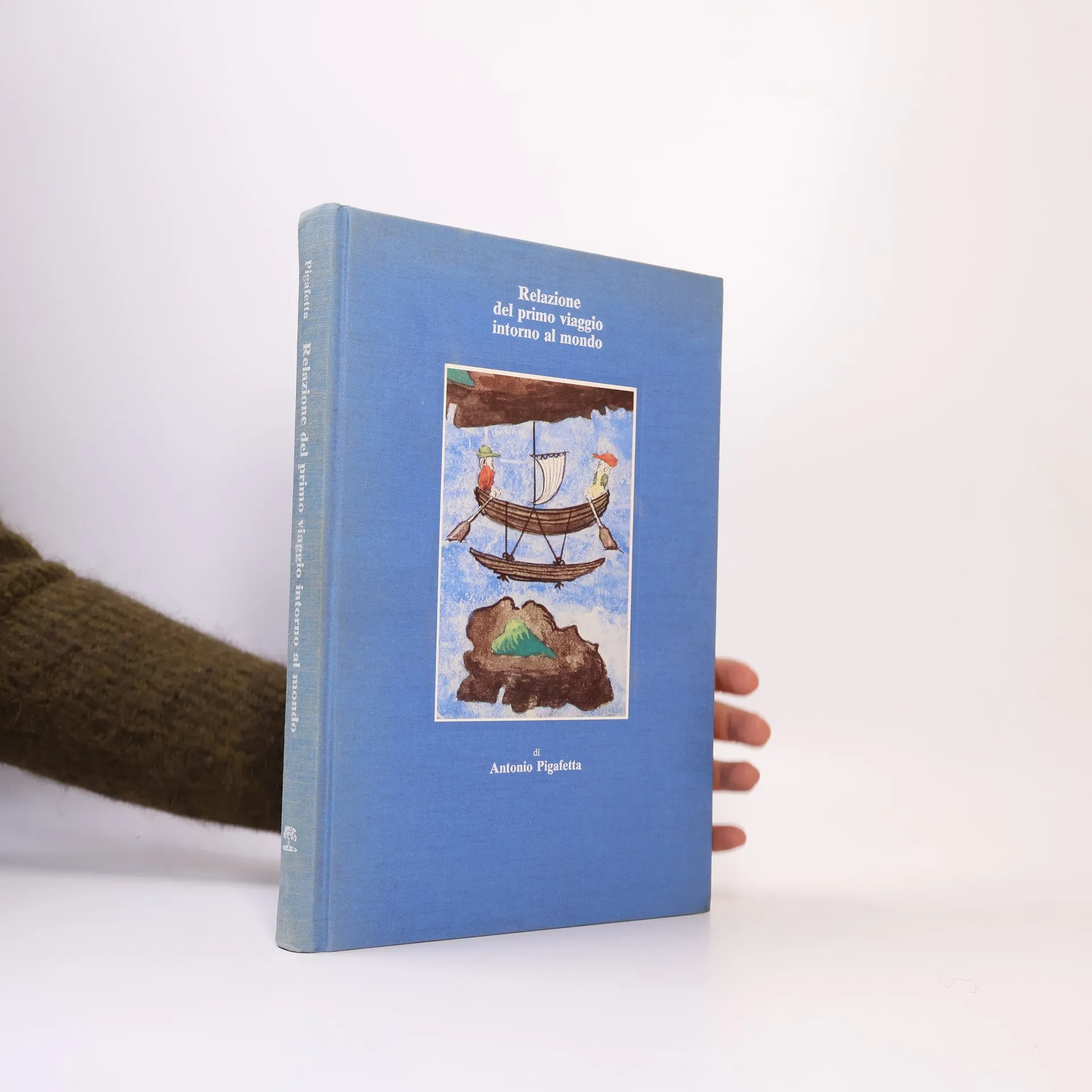
La Relazione del primo viaggio intorno al mondo fu pubblicata per la prima volta nel 1524. In essa Pigafetta, che fu tra i 18 dei 234 partiti a ultimare la circumnavigazione, racconta in un ibrido italo-veneto il lungo viaggio compiuto con Magellano.Si sofferma, in particolare, sulla descrizione dei vari popoli coi quali entrarono in contatto nel corso della spedizione, descrivendone l’aspetto, gli usi, le credenze religiose e il modo esprimersi.Riporta, inoltre, i momenti più drammatici, primo tra tutti l’uccisione di Magellano avvenuta in un’isola delle Filippine nell’aprile del 1521. “Subito li furono addosso con lancie de ferro e de canna e con quelli sui terciadi, fin che lo specchio, il lume, el conforto e la vera guida nostra ammazzarono.”
Antonio Pigafetta Volgorde van de boeken (chronologisch)
Antonio Pigafetta was een Venetiaanse geleerde en ontdekkingsreiziger die de eerste wereldreis documenteerde. Als assistent van Ferdinand Magellaan documenteerde hij de expeditie nauwgezet en leverde hij een onschatbaar verslag uit de eerste hand van deze baanbrekende reis. Zijn dagboek bleek ook cruciaal voor het vertalen van de Filippijnse taal Cebuano, wat de eerste geregistreerde instantie van deze taalkundige documentatie markeerde. Pigafetta behoorde tot de weinige overlevenden van de zware reis, en zijn gedetailleerde geschriften blijven een primaire bron voor het begrip van de epische omvang en historische betekenis van deze tijdperkbepalende expeditie.



Die erste Reise um die Erde
Ein Augenzeugenbericht von der Weltumsegelung Magellans 1519-1522
- 294bladzijden
- 11 uur lezen
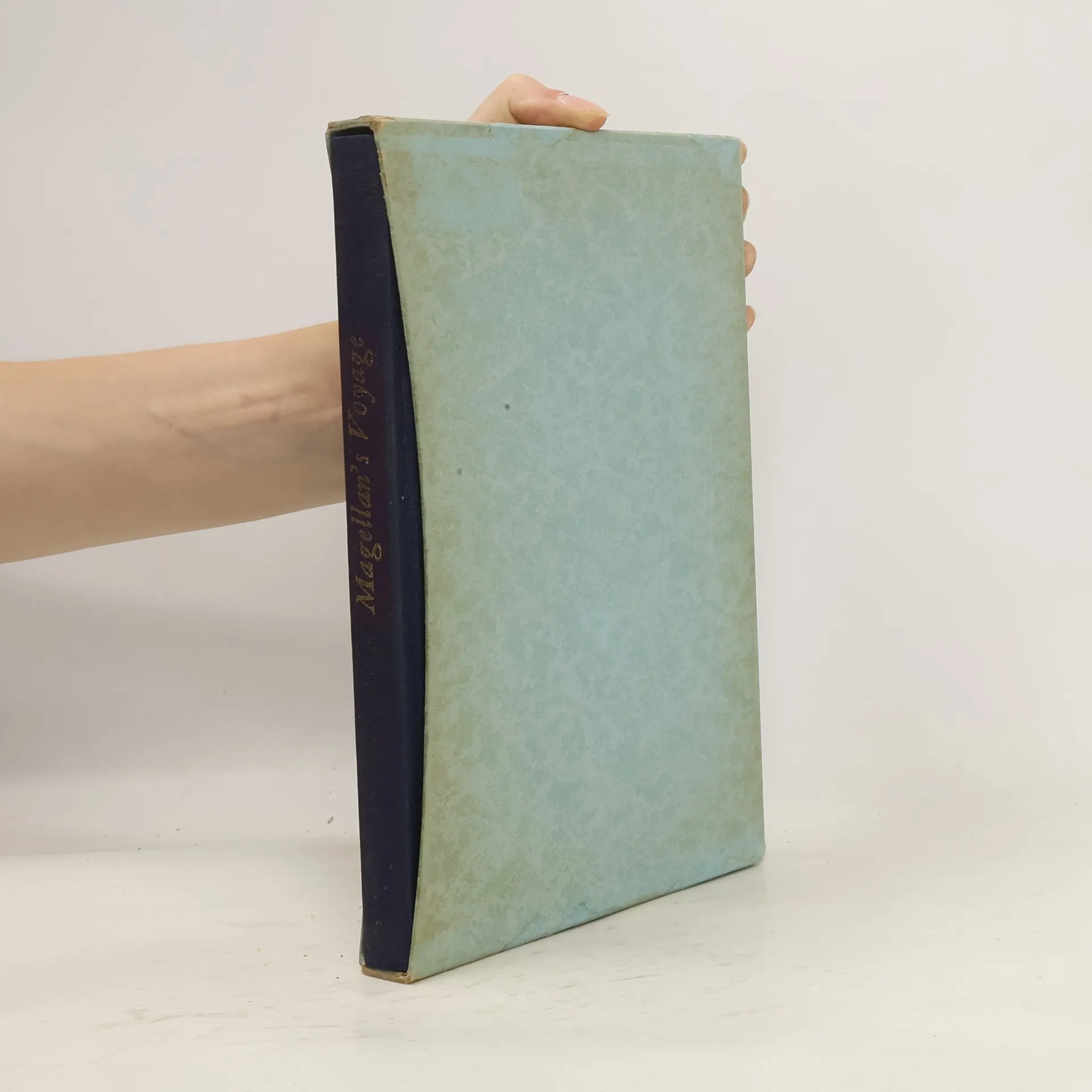
Magellan's Voyage
A Narrative Account of the First Navigation
In 1519, the Portuguese navigator Ferdinand Magellan set sail under the Spanish crown with five ships to find a western route to the legendary Spice Islands in the Pacific. Among the 240 crew members was the Italian nobleman Antonio Pigafetta, who kept a diary during the voyage. After three years, Pigafetta returned to Spain as one of only eighteen survivors, while Magellan did not survive the expedition. The account details the challenges of life aboard a sailing ship in the early modern period, including calms, storms, cold, and famine. It describes the flora and fauna of the Pacific islands as well as encounters with indigenous peoples. The report also addresses conflicts between Magellan and his crew, such as mutiny and desertion. The expedition led to the discovery of a sea route through the southern tip of America, known as the Strait of Magellan, and ended with Magellan's death in the Visayas. The survivors were the first Europeans to cross the Pacific Ocean and reach Asia from the east, marking the first circumnavigation of the globe and a milestone in the history of navigation.