Nigel WarburtonVolgorde van de boeken (chronologisch)
Nigel Warburton is toegewijd aan het populariseren van filosofie en gidst lezers op een toegankelijke en boeiende manier door complexe ideeën. Zijn werk richt zich op het verteerbaar maken van filosofische concepten voor een breed publiek, en moedigt contemplatie van fundamentele existentiële vragen aan. Door middel van zijn geschriften en podcasts streeft Warburton ernaar te demonstreren hoe filosofie ons dagelijks leven kan verrijken en ons kan helpen de wereld om ons heen beter te begrijpen. Hij wordt gewaardeerd om zijn vermogen om ingewikkelde filosofische argumenten te destilleren tot verteerbare vormen, waardoor de deur naar dit vakgebied wordt geopend voor nieuwe generaties lezers.
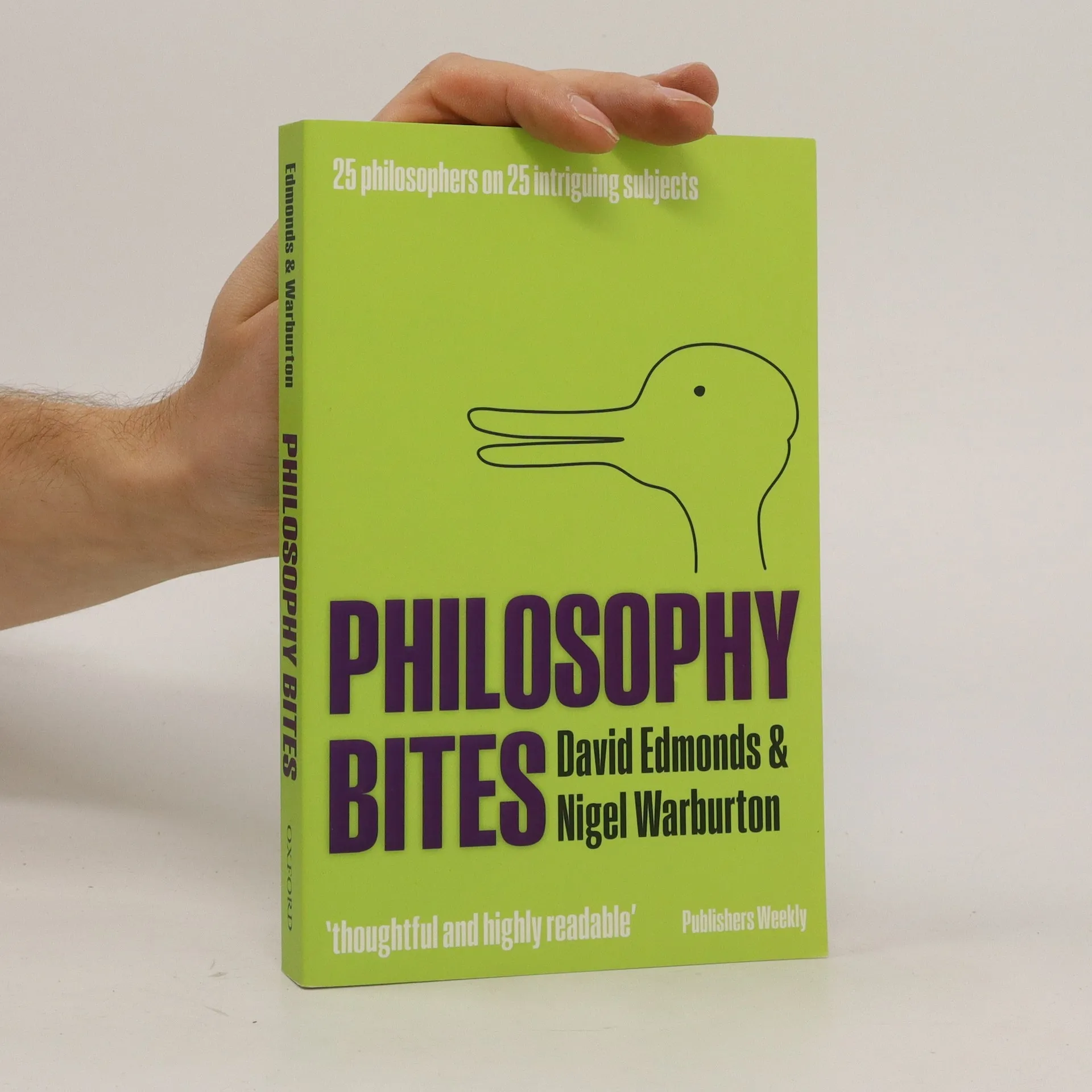
'Philosophy Bites' is a selection of interviews from the hugely successful podcast of the same name. Leading philosophers discuss a wide range of philosophical issues, from ethics to aesthetics to metaphysics, in a lively, informal, personal way.
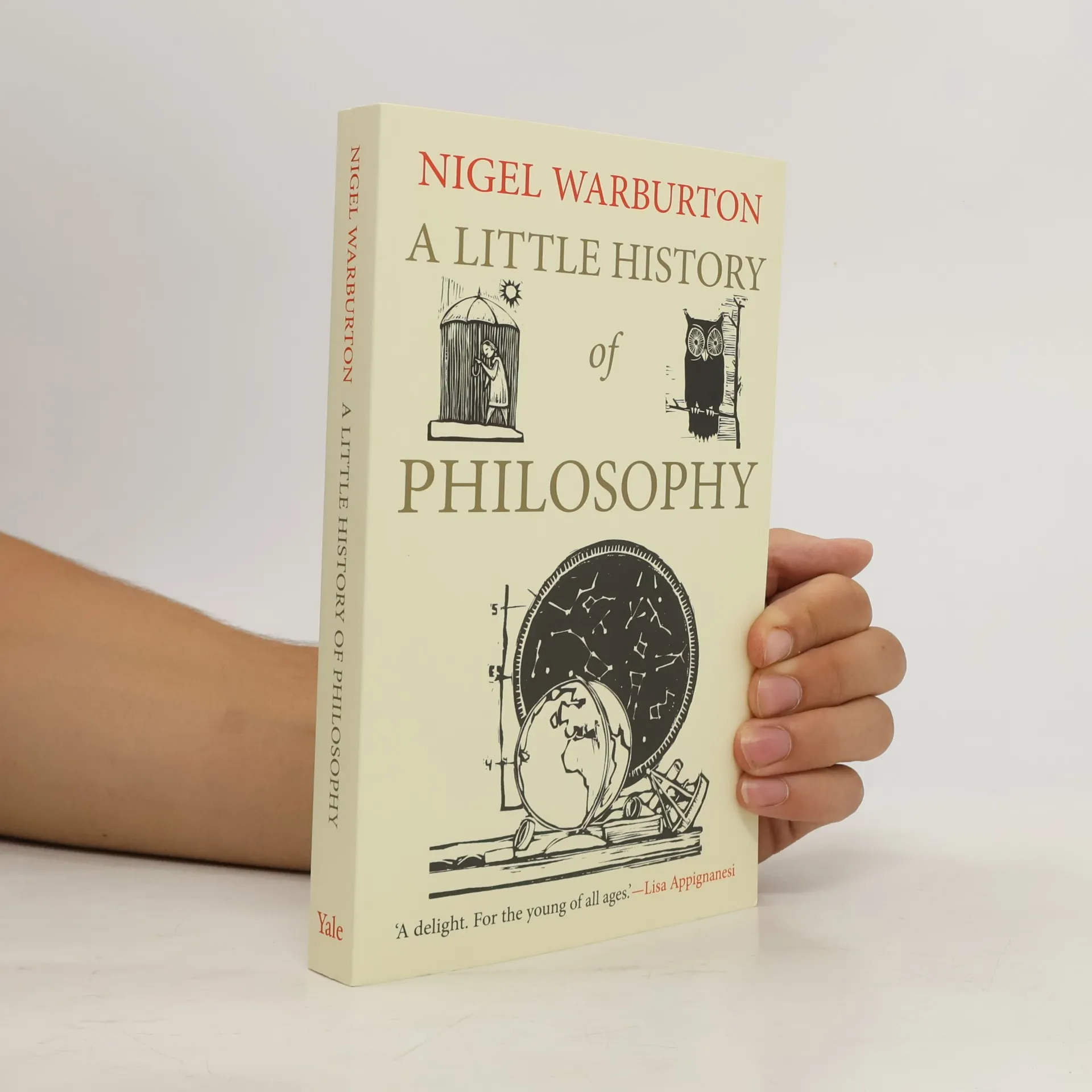
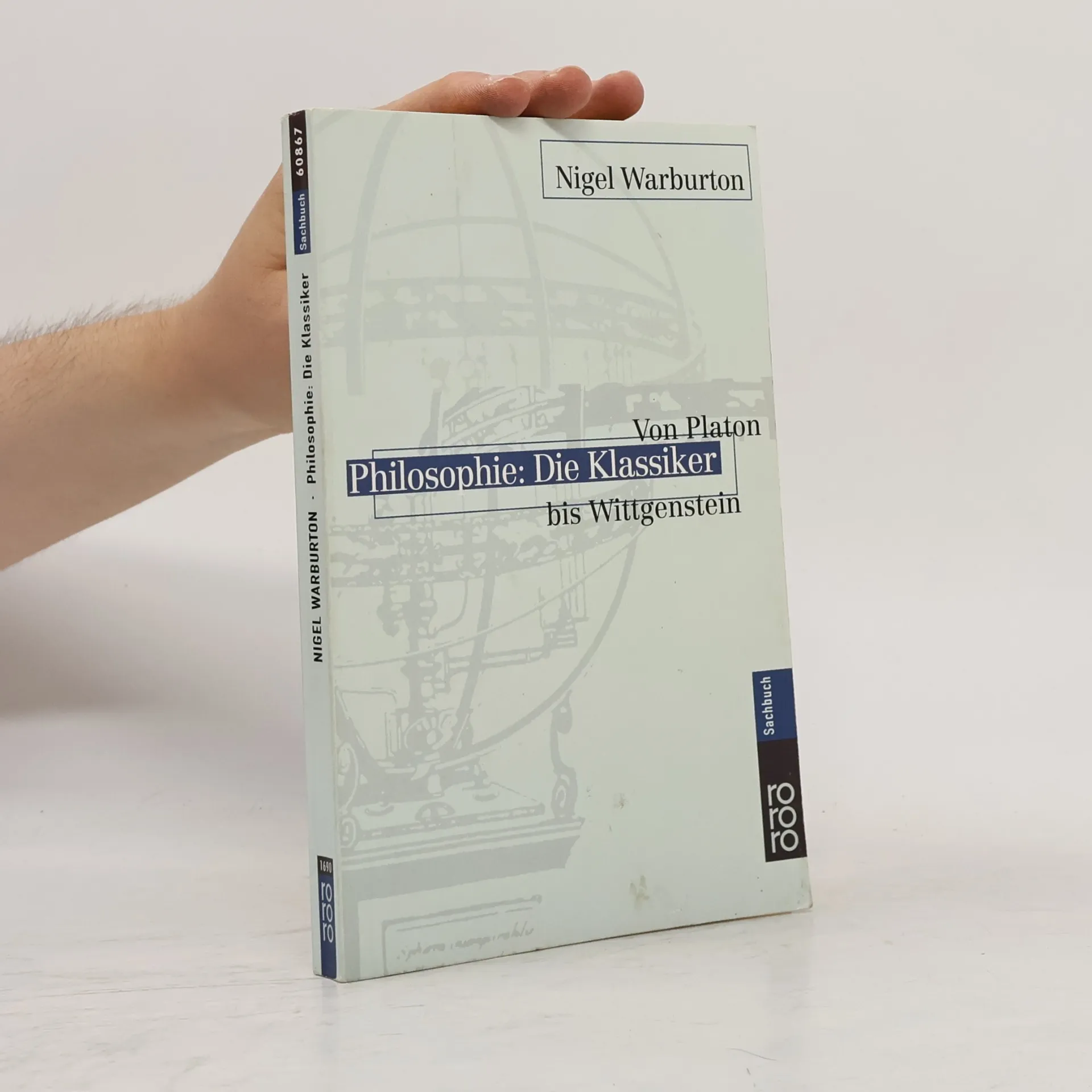
Philosophy begins with questions about the nature of reality and how we should live. These were the concerns of Socrates, who spent his days in the ancient Athenian marketplace asking awkward questions, disconcerting the people he met by showing them howlittle they genuinely understood. This engaging book introduces the great thinkers in Western philosophy and explores their most compelling ideas about the world and how best to live in it. In forty brief chapters, Nigel Warburton takes us on a chronological tour of the major ideas in the history of philosophy. He provides interesting and often quirky stories of the lives and deaths of thought-provoking philosophers from Socrates, who chose to die by hemlock poisoning rather than live on without the freedom to think for himself, to Peter Singer, who asks the disquieting philosophical and ethical questions that haunt our own times. Warburton not only makes philosophy accessible, he offers inspiration to think, argue, reason, and question in the tradition of Socrates. "A Little History of Philosophy" presents the grand sweep of humanity's search for philosophical understanding and invites all to join in the discussion.
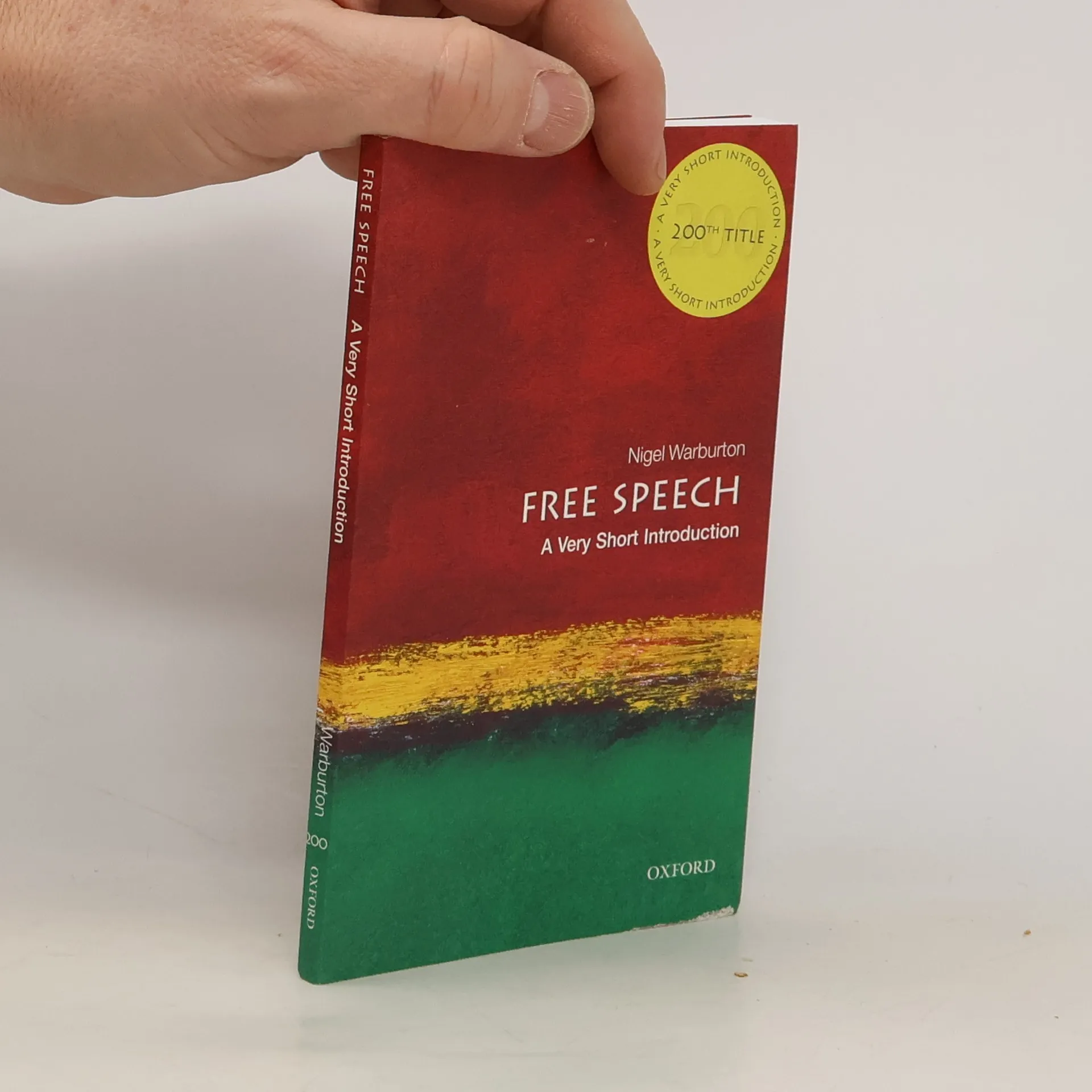
How important is free speech? Should it be defended at any cost? Or should we
set limits on what can and cannot be said? This Very Short Introduction offers
a lively and thought-provoking guide to these questions, exploring both the
traditional philosophical arguments as well as the practical issues and
controversies facing society today.
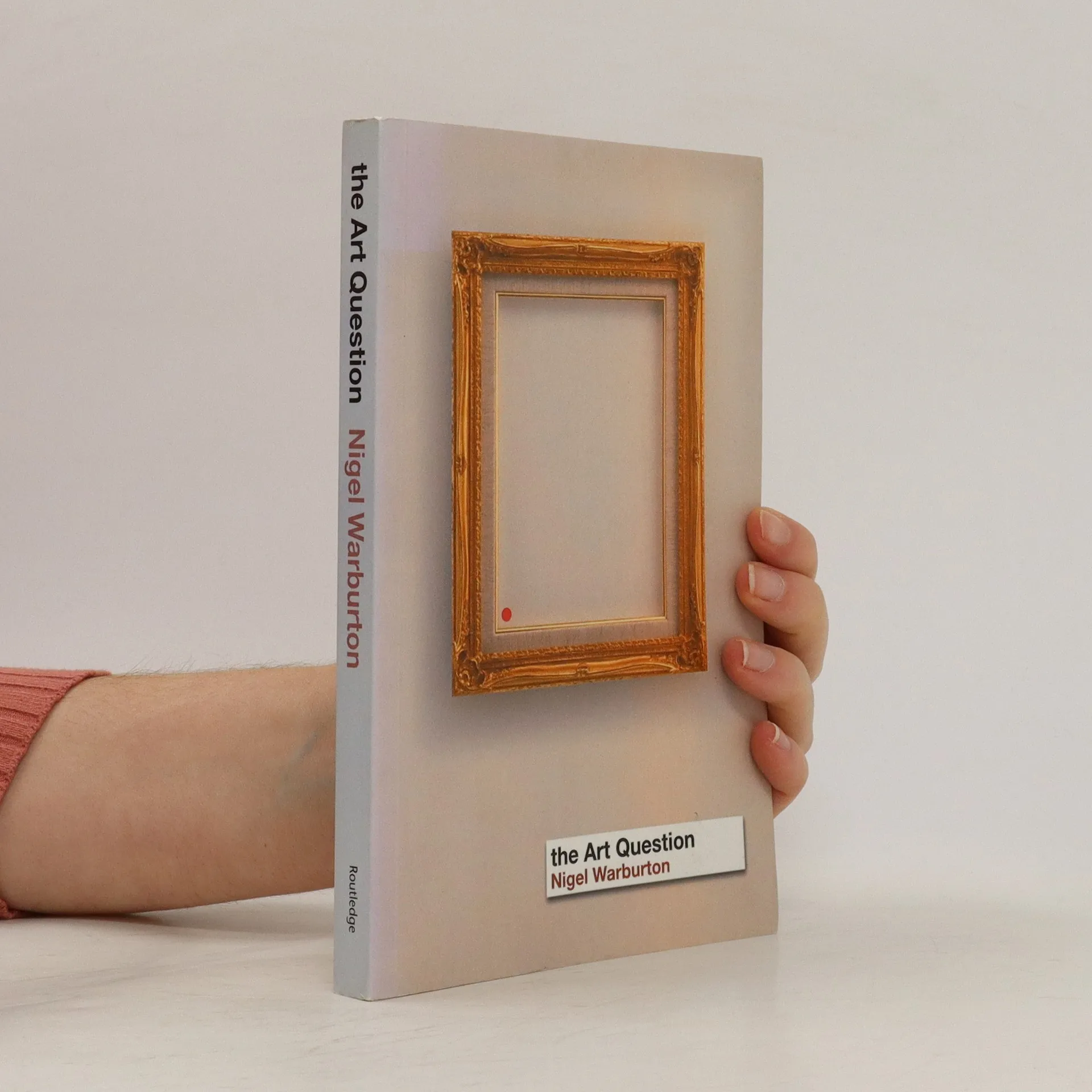
If an artist sends a live peacock to an exhibition, is it art?'What is art?' is a question many of us want answered but are too afraid to ask. It is the very question that Nigel Warburton demystifies in this brilliant and accessible little book. With the help of varied illustrations and photographs, from Cézanne and Francis Bacon to Andy Warhol and Damien Hirst, best-selling author Warburton brings a philosopher's eye to art in a refreshing jargon-free style.With customary clarity, he explains art theories, that are much discussed but little understood, by thinkers such as Clive Bell, R.G Collingwood and Wittgenstein. He illuminates other perplexing problems in art, such as the artist's intention, representation and emotion. Drawing on photographs of Cindy Sherman and Tiananmen Square, Warburton shows that, if we are ever to answer the art question, we must consider each work of art on its own terms.A stimulating and handy guide through the art maze, The Art Question is essential reading for anyone interested in art, philosophy or those who simply like looking at and thinking about pictures.
With 'Thinking from A to Z', Nigel Warburton presents an alphabetically arranged guide to help readers understand the art of arguing. This fully updated edition has many new entries including lawyer's answer, least worst option, stonewalling, sunk-cost fallacy and tautology.
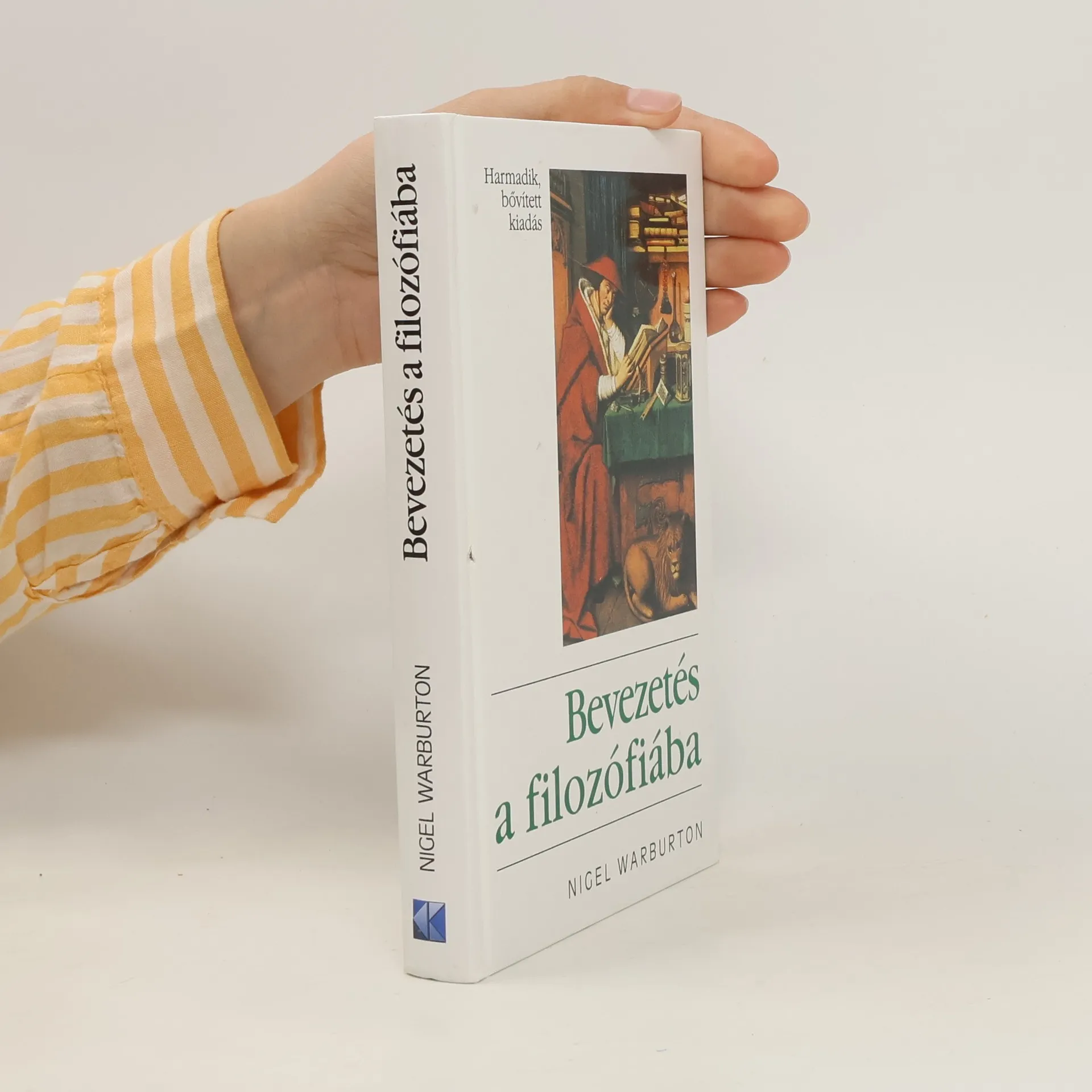
Dit boek biedt antwoorden op de vraag "Wat is filosofie?" en is ideaal voor iedereen die zich afvraagt of de wereld is zoals zij die zich voorstellen. Het verkent vragen zoals: Kun je het bestaan van God bewijzen? Hoe onderscheiden we goed van kwaad? Heeft alles een oorzaak? Wat zijn de grenzen van de vrijheid van meningsuiting? Hoe wordt gelijkheid bereikt? Wat is vrijheid? Is er een echte wereld buiten ons? Weet je hoe de wetenschap werkt? Is je geest verschillend van je lichaam? Dit boek behandelt ongeveer 60 belangrijke filosofische ideeën en analyseert deze op een buitengewoon succesvolle en begrijpelijke manier. Het is een toegankelijke inleiding tot de filosofie en blijft een van de meest aanbevolen boeken op dit gebied.
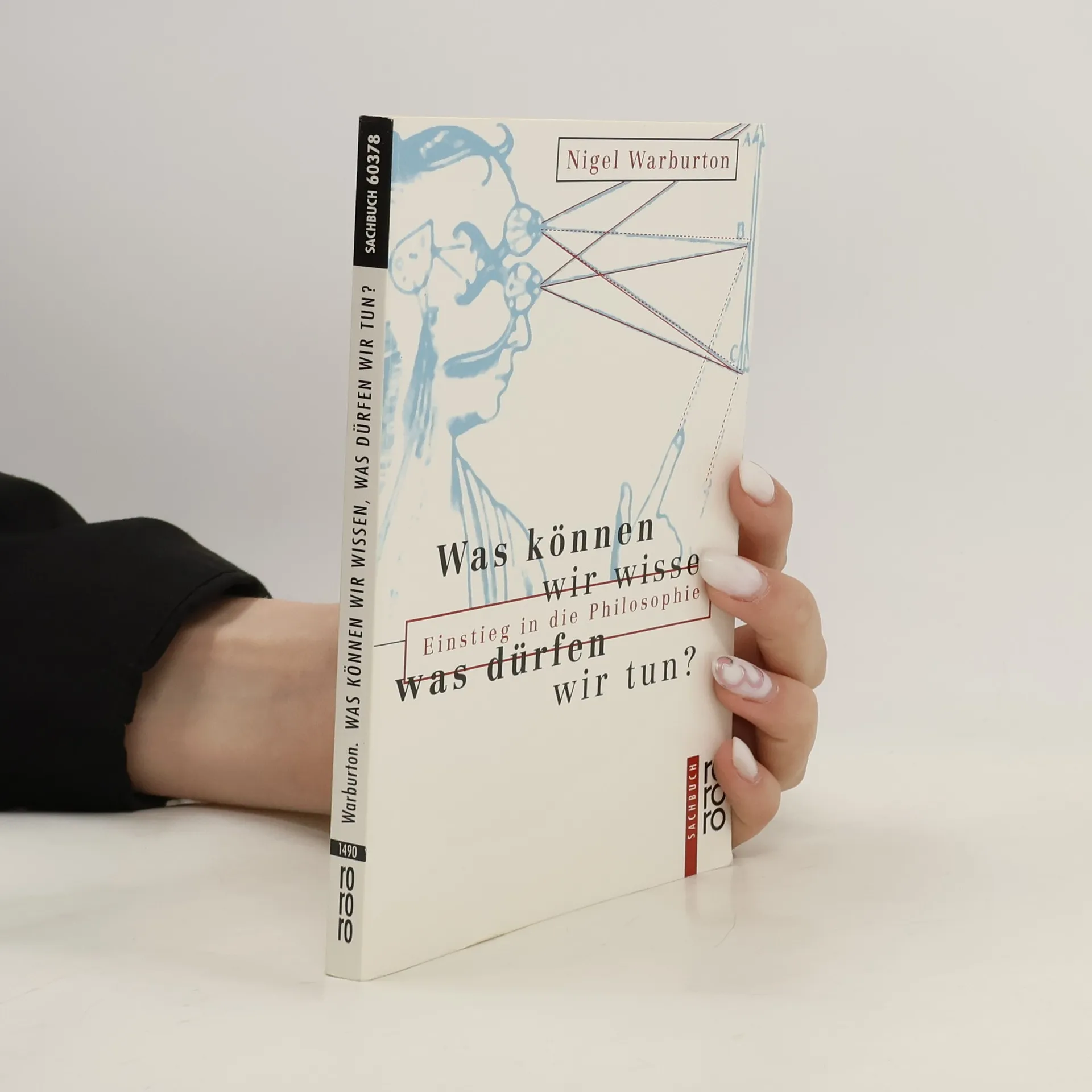
Im Mittelpunkt dieses Bandes steht die FRage: „Warum soll man sich mit Philosophie beschäftigen?“ In sieben Kapiteln werden Antworten gegeben zu den Themenbereichen Gott, Recht und Unrecht, Politik, Außenwelt, Wissenschaft, Geist und Kunst. Das besondere an diesem Crash-Kurs liegt darin, daß nach den jeweils knappen Überblicken die wichtigsten Gründe genannt werden, die für und gegen die angeführten Lehrmeinungen sprechen.