

Bookbot

Peter Morville

    Peter Morville is een pionier op het gebied van informatiearchitectuur en gebruikerservaring, toegewijd aan het helpen van mensen met plannen sinds 1994. Zijn invloedrijke werk is erkend en belicht door belangrijke publicaties zoals Business Week, The Economist, NPR en The Wall Street Journal. Hij heeft zijn expertise wereldwijd gedeeld via keynotes en workshops op alle continenten. Morville's bijdragen vormen een belangrijke invloed op hoe we omgaan met digitale en informationele structuren.

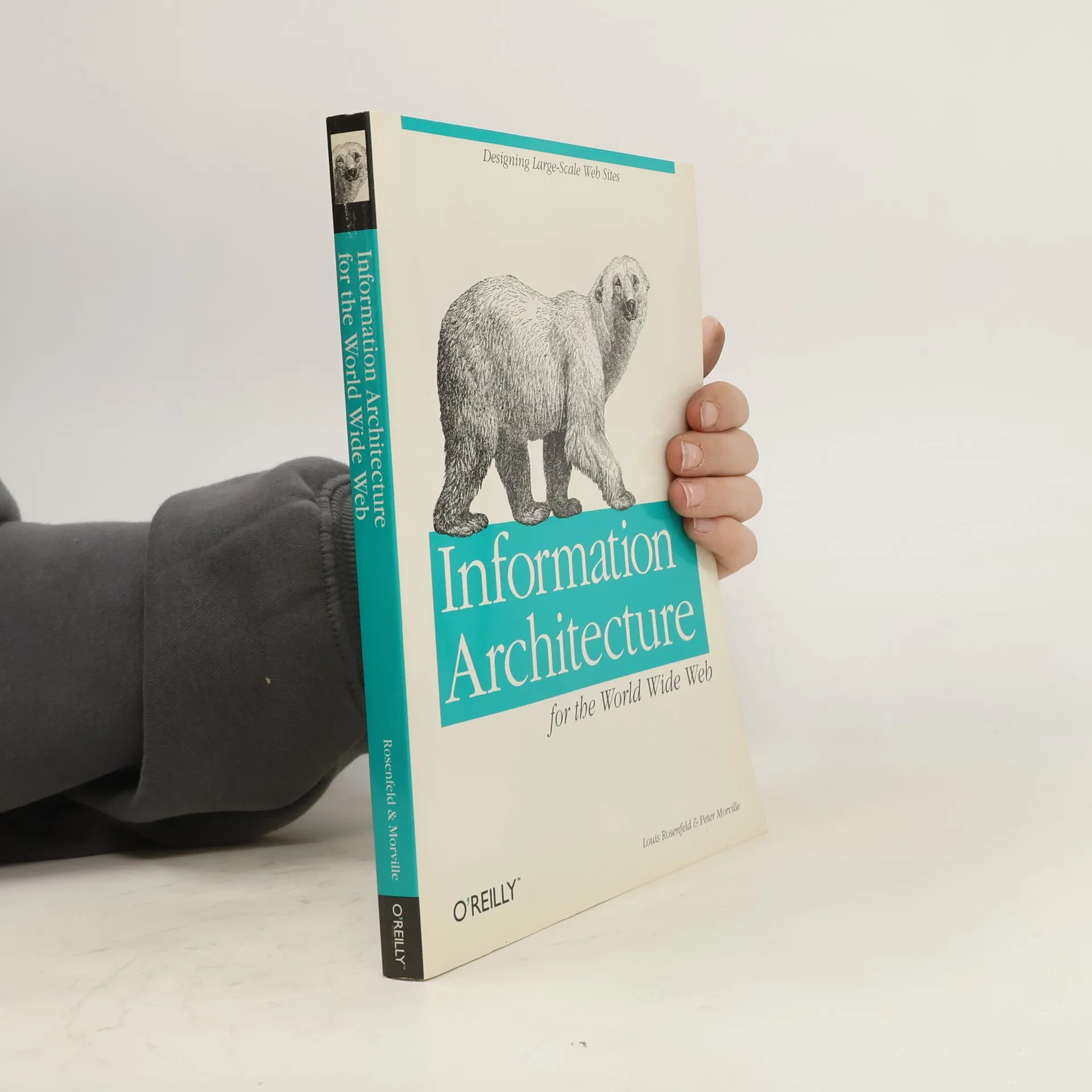
    Information Architecture for the World Wide Web
    Information architecture for the web and beyond
    • Scheduled for release in mid-2015, the fourth edition of this bestselling guide focuses on information architecture as a set of tools and techniques for dealing with today’s tough information organization problems. It’s ideal for anyone involved in any aspect of design. The universal and timeless principles of information organization described in the book’s first three editions still apply in our increasingly mobile world. In the fourth edition, the authors cast those principles in the context of current practice, using many updated examples and illustrations. They examine technology- and vendor-independent tools and techniques that have also stood the test of time, and have updated the book’s appendix to include the most useful information architecture resources available today. Reserve your copy of Information Architecture for the World Wide Web, Fourth Edition and learn how well-planned information architecture is more essential than ever.

      Information architecture for the web and beyond
    • Information Architecture for the World Wide Web

      Designing Large-Scale Web Sites - Second Edition

      • 496bladzijden
      • 18 uur lezen
      4,0(3160)Tarief

      Today's websites have evolved beyond simple "brochureware" into complex platforms of strategic value, demanding that designers and managers handle vast information, frequent updates, and diverse objectives. This complexity can lead to sites that resemble chaotic cities—difficult to navigate. Effective information architecture is crucial now more than ever. The second edition of this guide demonstrates how to merge aesthetics with functionality to create cohesive and effective websites. Unlike other resources that focus solely on graphics or technical aspects, this book emphasizes the framework that integrates both elements. With over 75% new content, it includes updated chapters on organization, labeling, navigation, and searching, along with a new chapter on thesauri, controlled vocabularies, and metadata, illustrating their interconnections. The methodology sections have been expanded to incorporate a diverse array of tools and techniques, complementing top-down strategies with bottom-up approaches for emergent solutions. New sections explore the practice of information architecture within broader organizational contexts, while updated case studies provide models for enterprise intranets and online communities. This edition is a valuable resource for anyone involved in creating or managing complex websites, offering practical advice and essential insights for building user-friendly, maintainable platforms.

      Information Architecture for the World Wide Web