

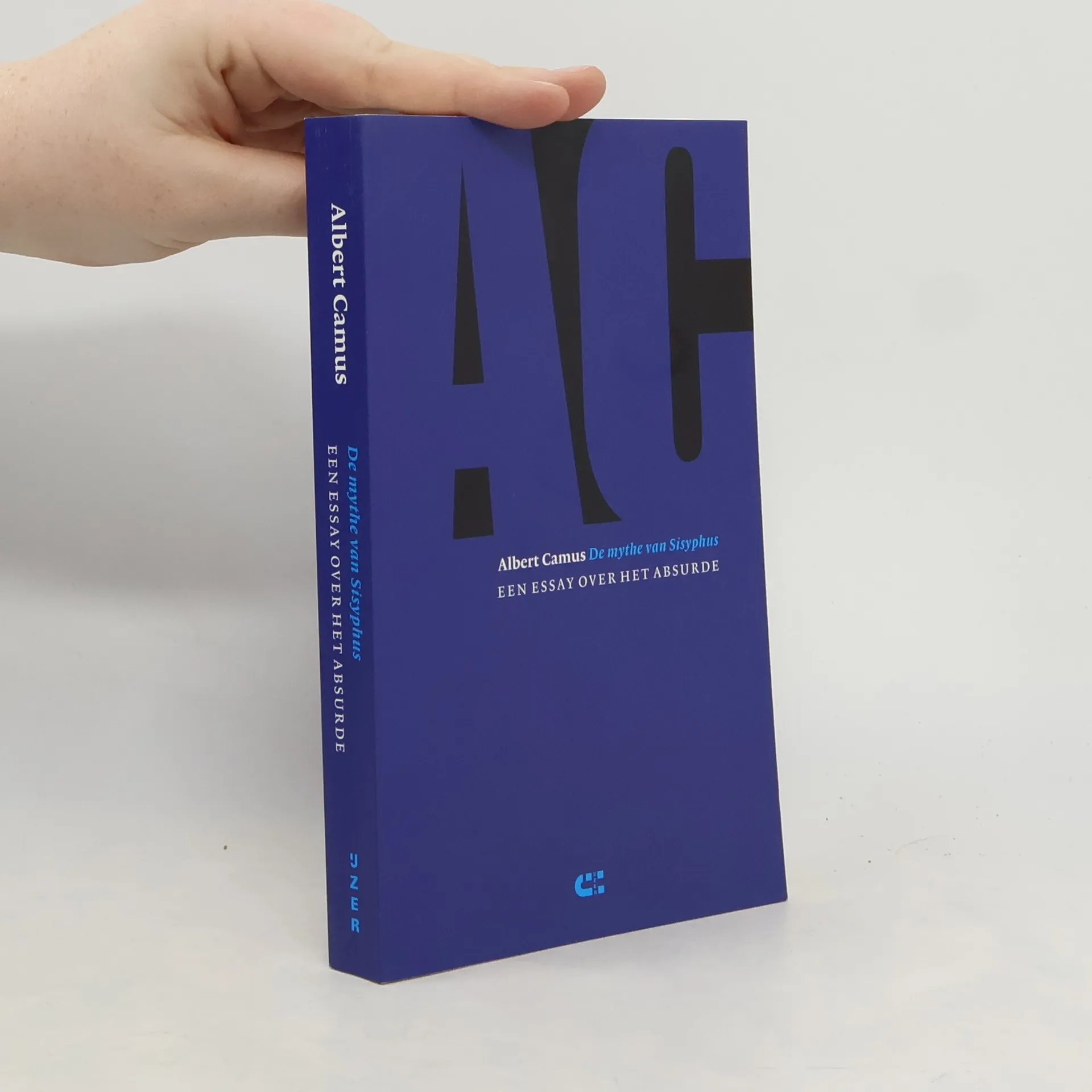
"Het absurde ontstaat uit de confrontatie van de mens die vraagt, en de wereld die op een onredelijke wijze zwijgt." Hoe moet ik leven, als ik mij nergens op kan beroepen? Dat is de vraag die Albert Camus (1913-1960) ons voorlegt in De mythe van Sisyphus. Een vraag die ook nu nog even dringend is als in 1942 toen Camus dit boek publiceerde.
Justin O. Brien Volgorde van de boeken (chronologisch)
Deze auteur is gespecialiseerd in de politiek van corruptie en onderzoekt malversaties op de kapitaalmarkten. Zijn werken duiken in de complexiteit van de Ierse politiek en bieden diepgaande inzichten in thema's als machtsmisbruik en politieke corruptie. Zijn schrijven analyseert kritisch de kruising van bestuur en illegale financiële activiteiten.
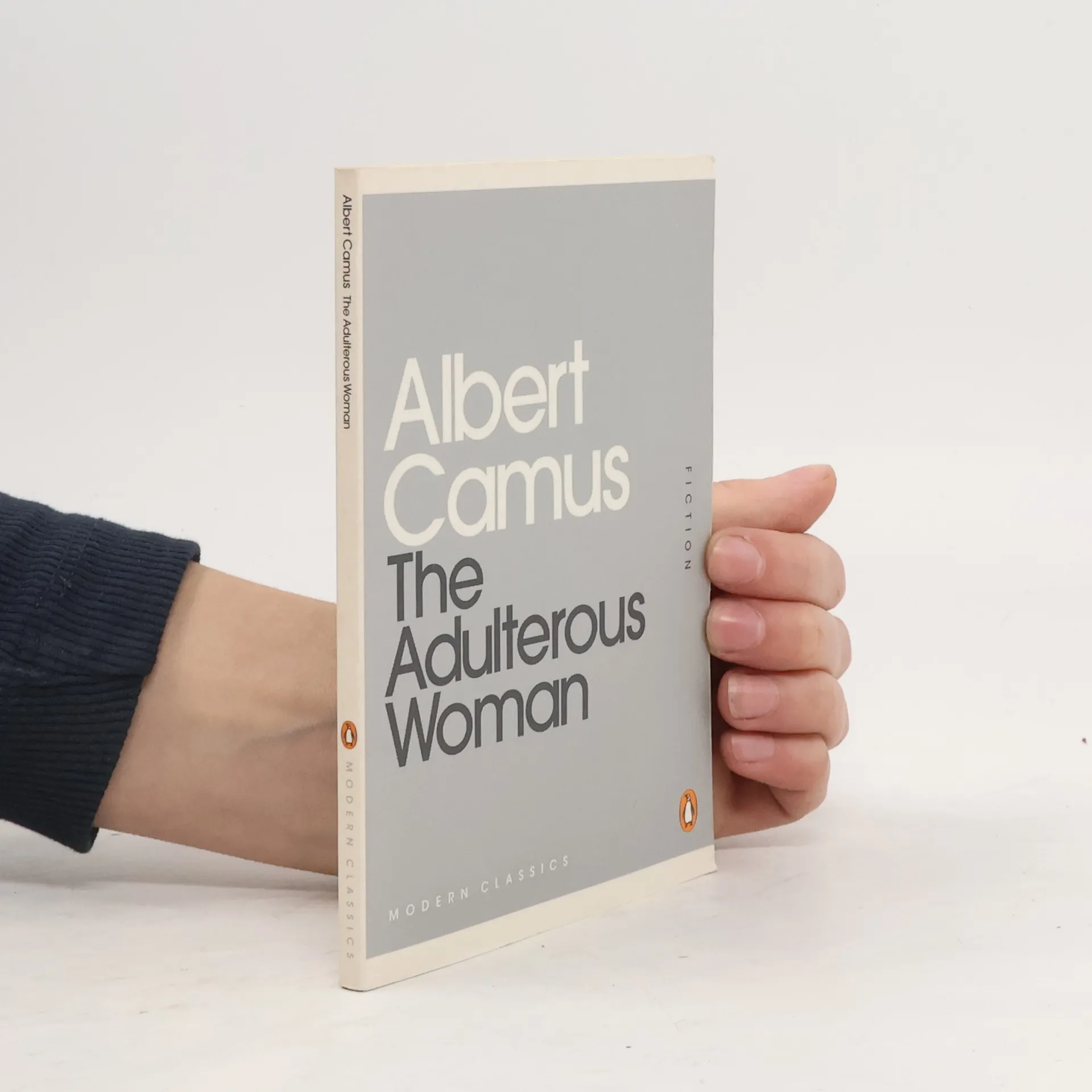
The adulterous woman
- 82bladzijden
- 3 uur lezen
Camus's writing confronts the great philosophical dilemmas of our time with piercing clarity. These three powerful and evocative stories are heavy with the weight of the human condition, and rich with atmosphere. In them, an ageing labourer, a woman travelling in North Africa with her husband, and a schoolteacher tasked with transporting a prisoner each face their own moral crises.
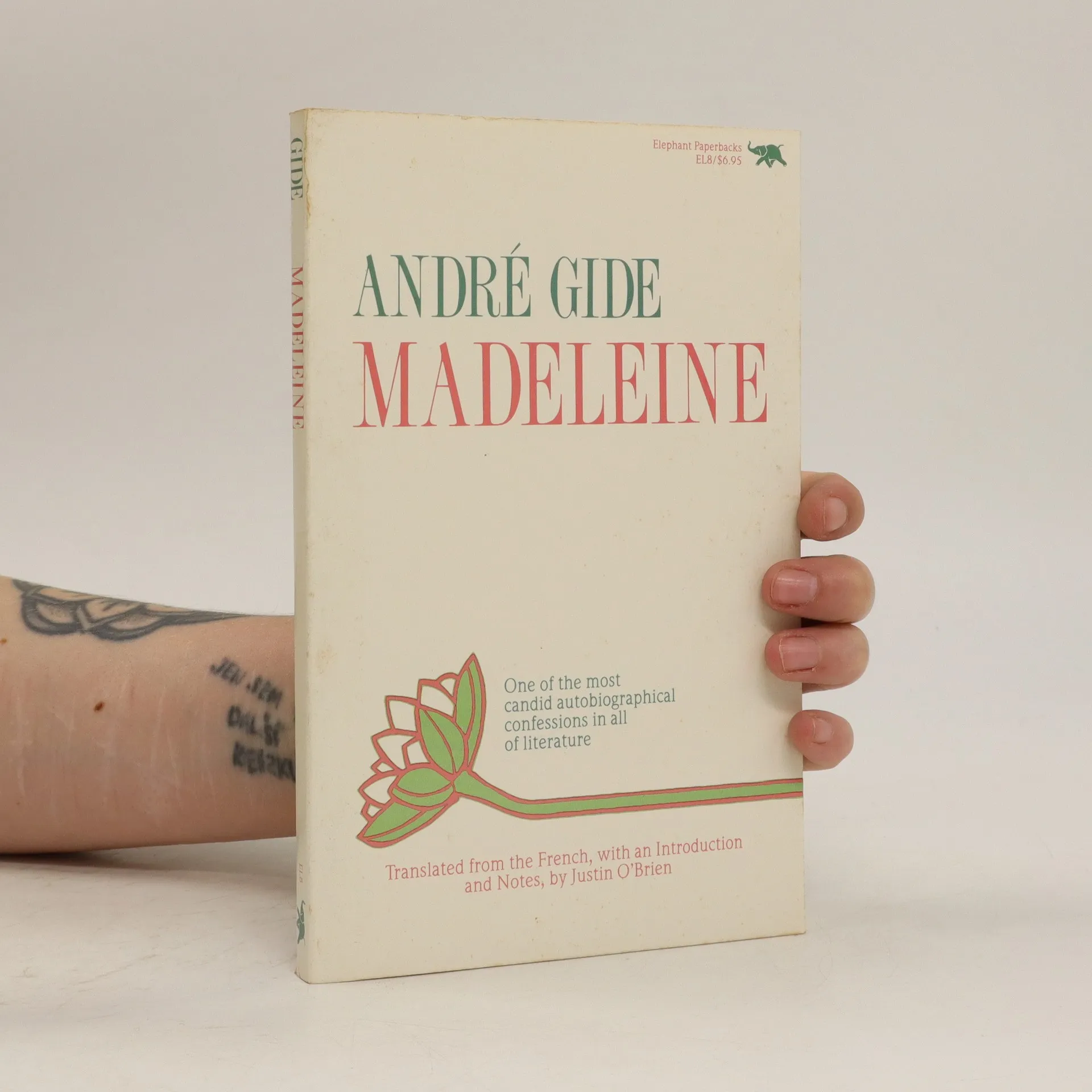
Madeleine
- 124bladzijden
- 5 uur lezen
Madeleine is the story of a great writer's marriage, a deeply disturbing account of André Gide's feelings towards his beloved and long-suffering wife. It was a relationship which Gide exalted―he termed it the central drama of his existence―yet deliberately shrouded in mystery. This was no ordinary marriage. Madeleine Rondeaux, two years older than her cousin André Gide, became his wife after Gide's first visit to Algeria. In his Journal, Gide refers to her as Emmanuèle or as Em. Only in this book, published a few months after his death, does Gide call her by her real name and painfully reveal the nature of their life together. All of Gide's vast work may be viewed as a confession, impelled by his need to write what he believed to be true about himself. In Madeleine this act of confession reaches a crowning point. It is a complex tale by a complex man about a complex relationship. “Ranks among the masterpieces of Gide's vibrating prose. It is also the most tragic personal document to have emanated from Gide's pen.”― New York Times .