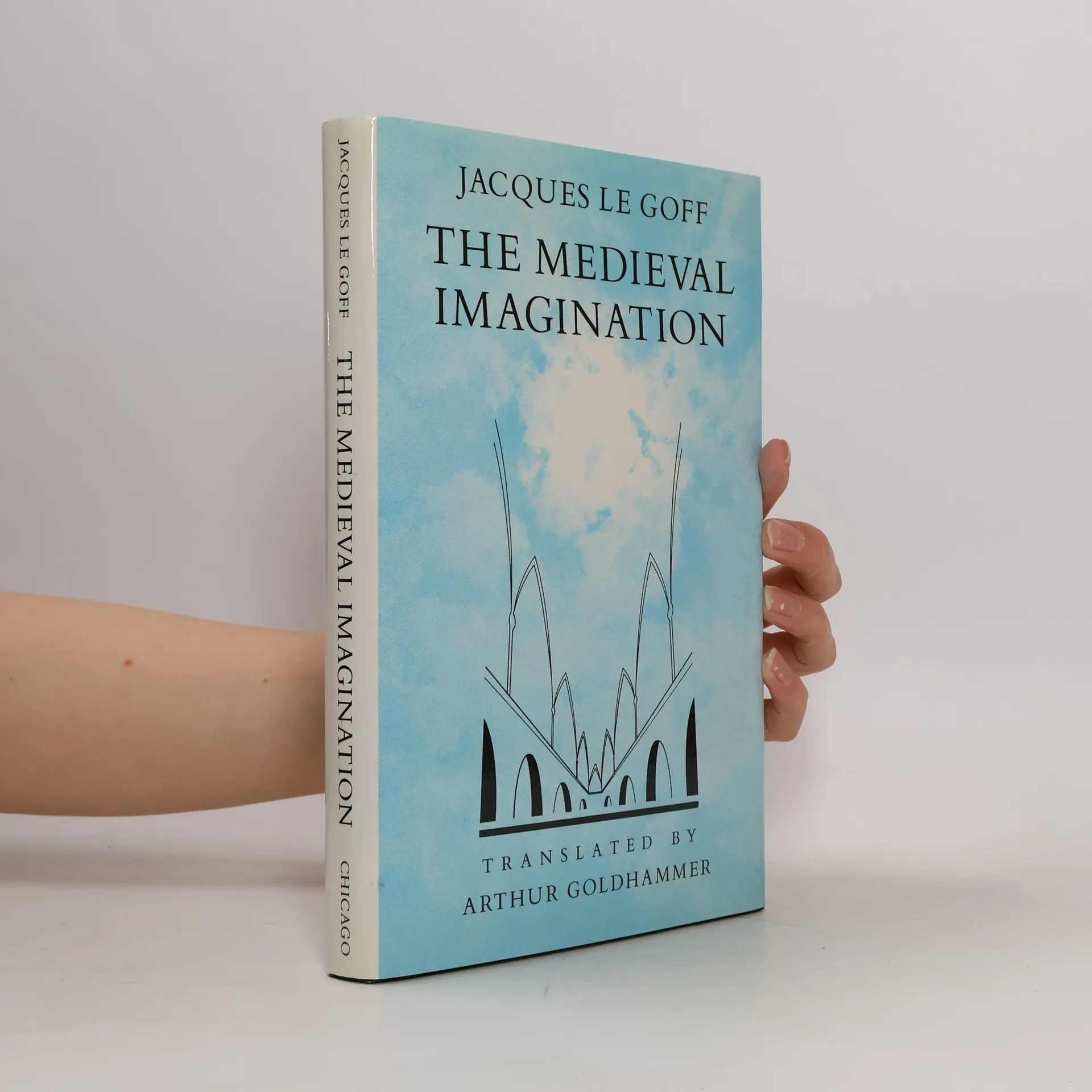
Thomas Piketty's follow-up to his bestselling work challenges us to rethink politics, ideology, and history in light of persistent inequality. He identifies the ideas that have perpetuated inequality for centuries and critiques the ineffective politics of both the right and left. Piketty asserts that our economy is not a natural phenomenon; rather, markets, profits, and capital are historical constructs shaped by choices. He delves into the material and ideological conflicts among social groups that have led to systems like slavery, serfdom, colonialism, communism, and hypercapitalism, profoundly affecting billions. Piketty argues that the true driver of human progress has been the quest for equality and education, rather than property rights or stability. He highlights that the extreme inequality that has emerged since the 1980s stems from a backlash against communism, compounded by ignorance and a shift toward the unproductive politics of identity. Understanding these dynamics allows us to envision a more equitable economic and political framework. Piketty advocates for a new "participatory" socialism, rooted in equality, social property, education, and the equitable distribution of knowledge and power.
Arthur Goldhammer Volgorde van de boeken (chronologisch)

Kapitaal in de 21ste eeuw
- 813bladzijden
- 29 uur lezen
Een van de grootste problemen van de economie is de opeenhoping en de verdeling van kapitaal. Dat hangt nauw samen met kwesties van ongelijkheid, concentratie van welvaart en economische groei. Bevredigende oplossingen voor die problemen waren tot nu toe moeilijk te vinden. Theorieën te over, maar relevant historisch onderzoek was niet voorhanden. In Kapitaal in de 21ste eeuw analyseert Thomas Piketty een groot aantal gegevens uit de laatste twee eeuwen en uit twintig landen. Zo weet hij fundamentele economische en sociale processen bloot te leggen. Hij toont aan dat de moderne economische groei en de spreiding van kennis ons in staat hebben gesteld om de ongelijkheid op apocalyptische schaal die Marx had voorspeld, te voorkomen. Maar de diepere structuur van kapitaal en ongelijkheid is er in wezen niet door veranderd, zoals we in ons optimisme na de Tweede Wereldoorlog dachten. De belangrijkste oorzaak van de ongelijkheid is de tendens dat de opbrengst op kapitaal groter is dan de economische groei – iets wat nu tot extreme ongelijkheid dreigt te leiden. Het wakkert de onvrede aan en ondermijnt democratische verworvenheden. Het is aan de politiek om die tendens in te tomen. Kapitaal in de 21ste eeuw is een buitengewoon ambitieuze onderneming, waarvan de grote waarde alom wordt erkend. Het is een herbezinning op de economische geschiedenis en dwingt ons de werkelijkheid nuchter onder ogen te zien.
Counter-Democracy
- 350bladzijden
- 13 uur lezen
The latest contribution to one of the most distinguished and important series in political thought in the world.
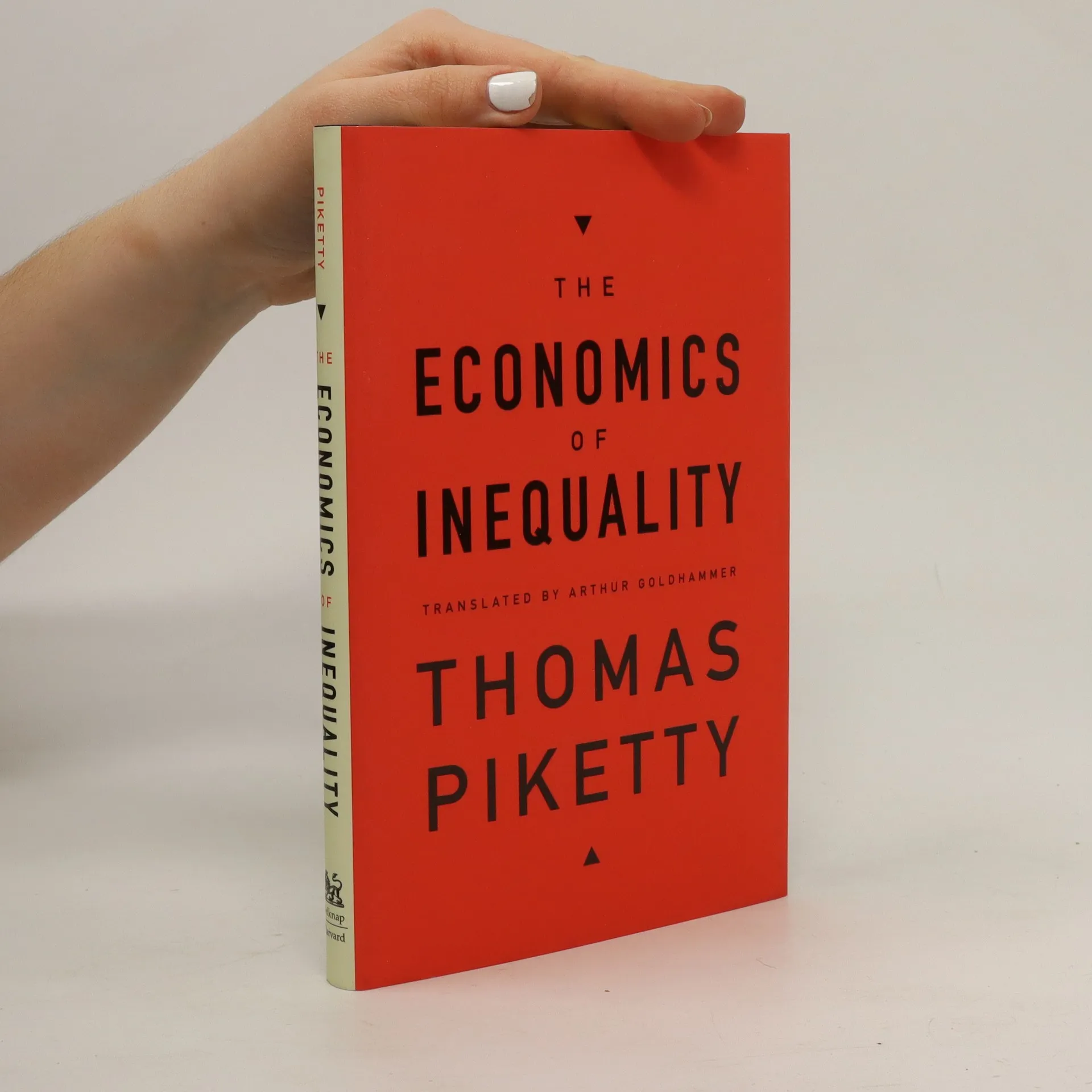
The Economics of Inequality
- 142bladzijden
- 5 uur lezen
Succinct, accessible, and authoritative, Thomas Piketty’s The Economics of Inequality is the ideal place to start for those who want to understand the fundamental issues at the heart of one the most pressing concerns in contemporary economics and politics. This work now appears in English for the first time.
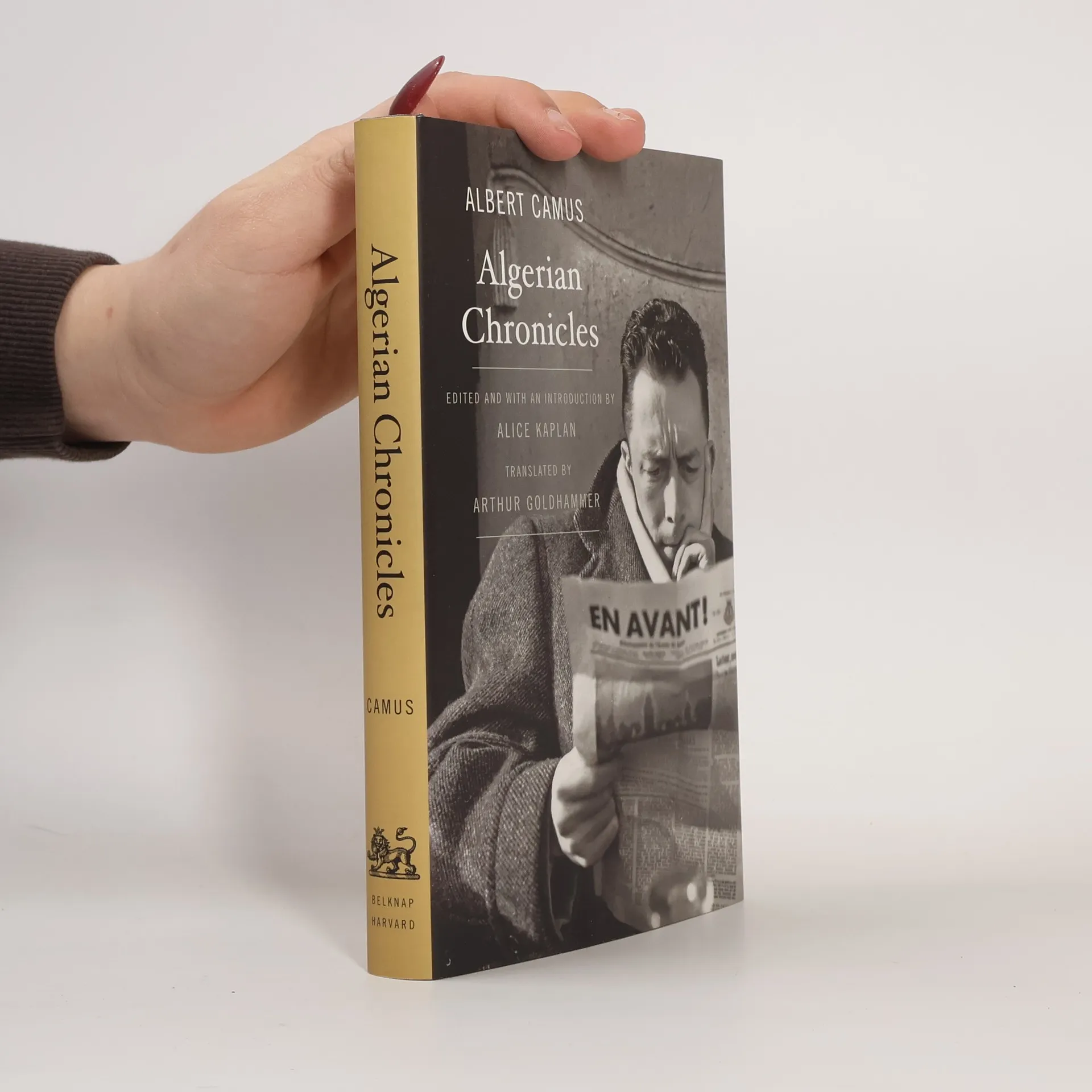
Algerian Chronicles
- 224bladzijden
- 8 uur lezen
More than fifty years after Algerian independence, Albert Camus "Algerian Chronicles" appears here in English for the first time. Published in France in 1958, the same year the Algerian War brought about the collapse of the Fourth French Republic, it is one of Camus most political works an exploration of his commitments to Algeria. Dismissed or disdained at publication, today "Algerian Chronicles, " with its prescient analysis of the dead end of terrorism, enjoys a new life in Arthur Goldhammer s elegant translation. Believe me when I tell you that Algeria is where I hurt at this moment, Camus, who was the most visible symbol of France s troubled relationship with Algeria, writes, as others feel pain in their lungs. Gathered here are Camus strongest statements on Algeria from the 1930s through the 1950s, revised and supplemented by the author for publication in book form. In her introduction, Alice Kaplan illuminates the dilemma faced by Camus: he was committed to the defense of those who suffered colonial injustices, yet was unable to support Algerian national sovereignty apart from France. An appendix of lesser-known texts that did not appear in the French edition complements the picture of a moralist who posed questions about violence and counter-violence, national identity, terrorism, and justice that continue to illuminate our contemporary world.
A History of Private Life: From pagan Rome to Byzantium
- 704bladzijden
- 25 uur lezen
First of the widely celebrated and sumptuously illustrated series, this book reveals in intimate detail what life was really like in the ancient world. Behind the vast panorama of the pagan Roman empire, the reader discovers the intimate daily lives of citizens and slaves--from concepts of manhood and sexuality to marriage and the family, the roles of women, chastity and contraception, techniques of childbirth, homosexuality, religion, the meaning of virtue, and the separation of private and public spaces.The emergence of Christianity in the West and the triumph of Christian morality with its emphasis on abstinence, celibacy, and austerity is startlingly contrasted with the profane and undisciplined private life of the Byzantine Empire. Using illuminating motifs, the authors weave a rich, colorful fabric ornamented with the results of new research and the broad interpretations that only masters of the subject can provide.
Realms of Memory III.
- 688bladzijden
- 25 uur lezen
The third and final volume in Pierre Nora's award-winning (for Volume I) REALMS OF MEMORY, which includes groundbreaking discussions of France's past, powerfully demonstrates how a nation can both recover and rediscover its identity through remembrance, how rewriting history can forge new paradigms of cultural identity, and how meanings attached to an event can be as significant as the event itself. 146 illustrations.
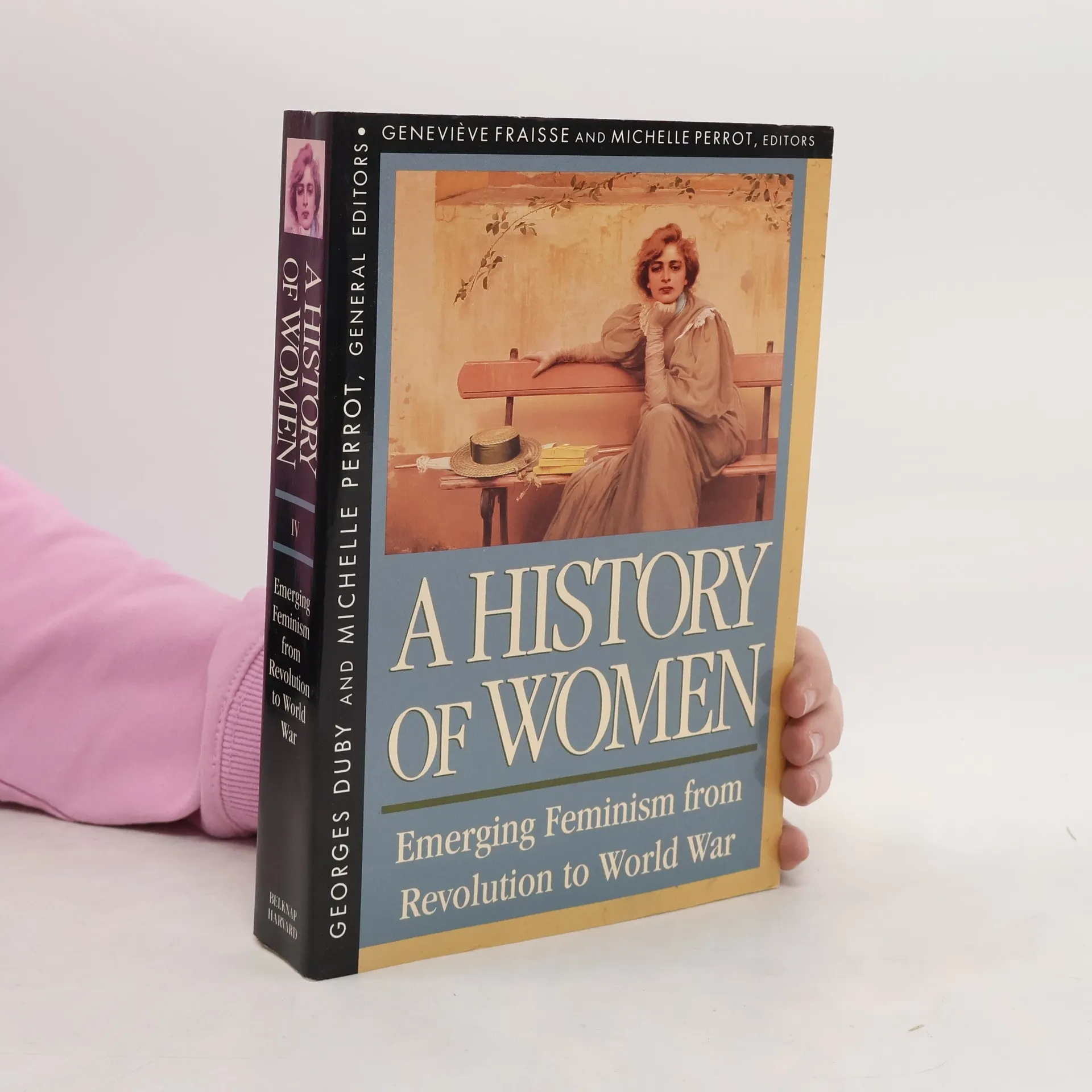
A History of Women in the West
Emerging Feminism from Revolution to World War
- 652bladzijden
- 23 uur lezen
The French Revolution opened a whole new stage in the history of women, despite their conspicuous absence from the playbill. The coming century would see women’s subordination to men codified in all manner of new laws and rules; and yet the period would also witness the birth of feminism, the unprecedented emergence of women as a collective force in the political arena.The fourth volume in this world-acclaimed series covers the distance between these two poles, between the French Revolution and World War I. It gives us a vibrant picture of a bourgeois century, dynamic and expansive, in which the role of woman in the home was stressed more and more, even as the economic pressures and opportunities of the industrial revolution drew her out of the house; in which woman’s growing role in the family as the center of all morals and virtues pressed her into public service to fight social ills.
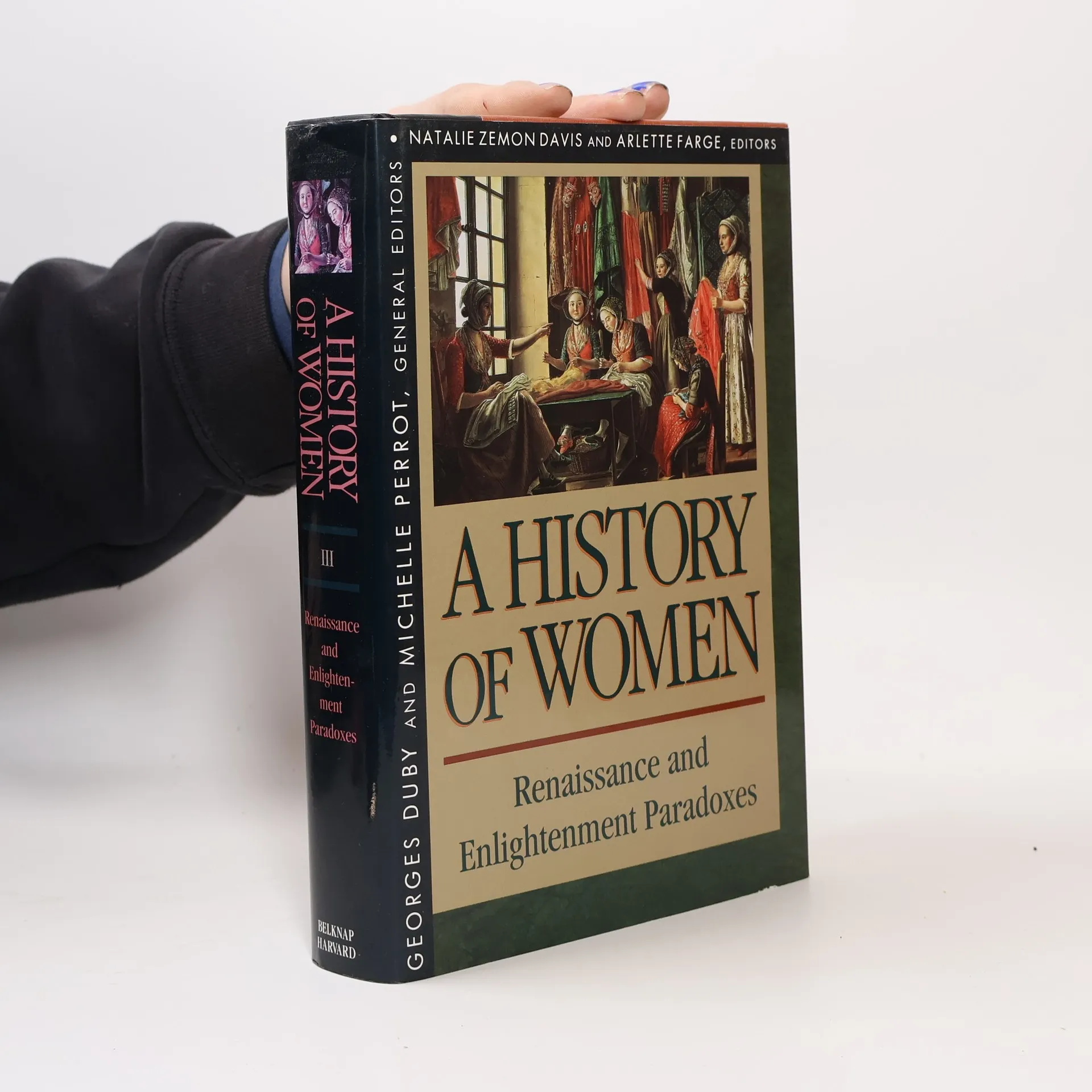
History of Women in the West - 3: Renaissance and the Enlightenment Paradoxes
- 608bladzijden
- 22 uur lezen
In the words of the general editors, this series seeks to understand women's roles, conditions, and representations throughout history. Drawing on the expertise of seventy-five distinguished historians, it presents a panoramic chronicle from antiquity to the present. The inaugural volume shifts the focus from the margins of ancient history to the forefront, offering fresh insights into over twenty centuries of Greek and Roman history. The authors analyze a vast landscape, from the North Sea to the Mediterranean, revealing that ancient perceptions often relegated women to silent roles in motherhood and homemaking, largely ignored by historical records. In Rome, for instance, only heiresses were counted in the census. This scarcity of information about women contrasts sharply with the abundance of texts and images created by men regarding women and gender. The authors utilize diverse sources—gravestones, floor plans, stele inscriptions, papyrus rolls, vase paintings, and literary works—to illustrate the evolution of women's representations. They delve into the minds of men, from the Greeks envisioning goddesses to Church Fathers crafting the image of martyred female saints, uncovering an imaginative history of women and the dynamics between the sexes. Through this exploration, the authors highlight select aspects of women's experiences and the cultural narratives that shaped their identities.
Drawing on diverse sources—from traces of a cradle in an early medieval home to an illustration of Eve's fall—this volume offers fresh insights into the lives of women from the end of the Roman Empire to the Italian Renaissance. Twelve historians explore the masculine perception of women, their social conditions, and daily experiences during this era when men's control over women's lives was paramount. Women's sexuality was often viewed as dangerous, confining them to the home and cloister. The authors examine writings from bishops, moralists, and philosophers to reveal how men regulated women's lives through sumptuary laws, admonitions for silence and chastity, and misguided theories about women's physiology. While reverence for the Virgin Mary elevated motherhood by 1200, misogyny persisted in proverbs and clerical thought. The authors analyze legal, economic, and demographic factors affecting family life, highlighting rare moments when women gained autonomy. They challenge the notion that courtly love empowered feudal women. Artifacts like hearthstones and everyday tools illustrate the tasks that defined women's lives. Despite male fantasies in art, women began to express their own visions through tapestries and writing, marking the beginnings of a quiet revolution as a few women dared to document their thoughts.
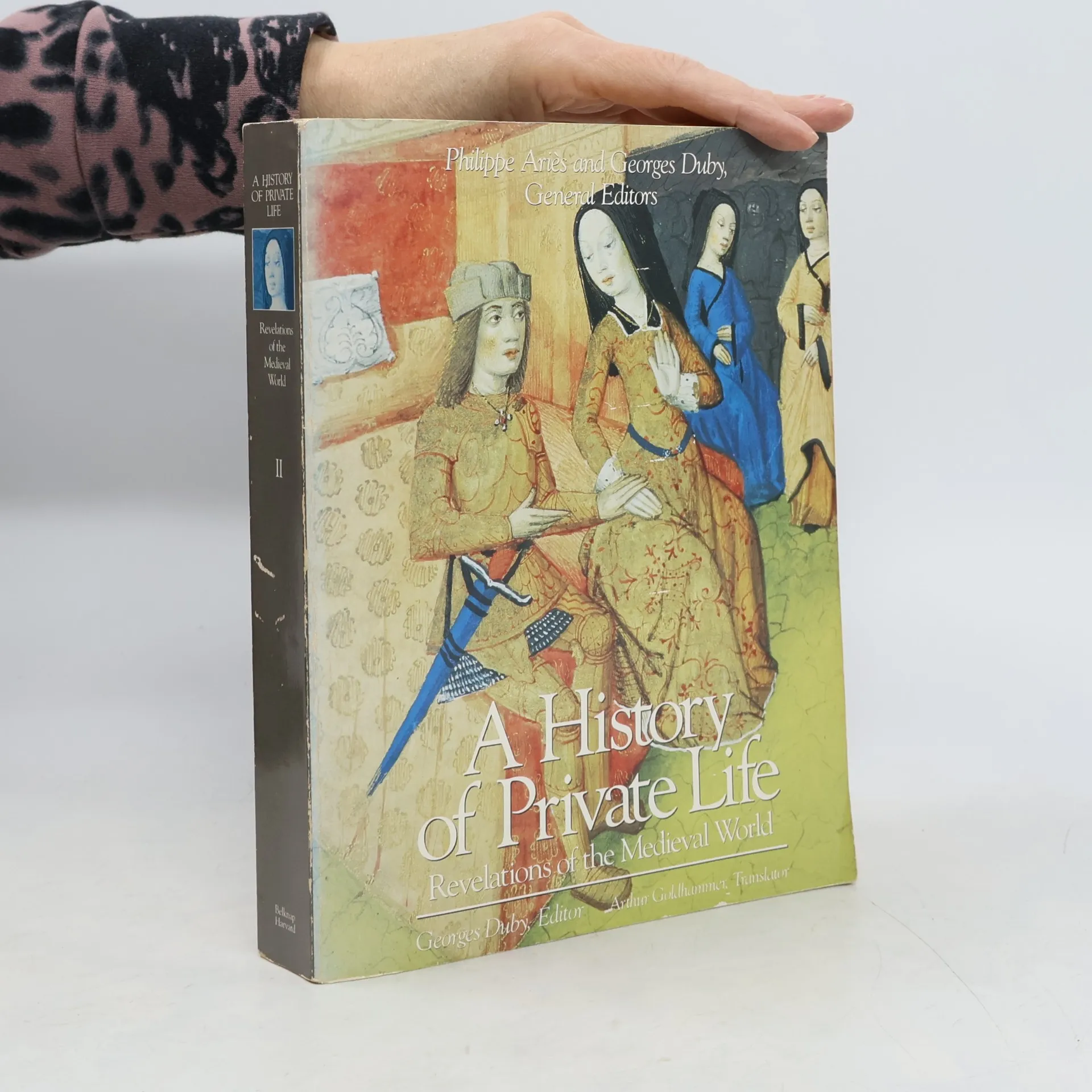
A history of private life II.
Revelations of the Medieval World
The second volume of A History of Private Life is a treasure-trove of rich and colorful detail culled from an astounding variety of sources. This absorbing "secret epic" constructs a vivid picture of peasant and patrician life in the eleventh to fifteenth centuries. All the mystery, earthiness and romance of the Middle Ages are captured in this panorama of everyday life. The evolving concepts of intimacy are explored--from the semi-obscure eleventh century through the first stirrings of the Renaissance world in the fifteenth century. Color and black-and-white illustrations
The Medieval Imagination
- 302bladzijden
- 11 uur lezen
The collection begins with an essay on 'the marvelous.' Le Goff highlights subtle changes in medieval attitudes and sensibilities by contrasting the marvelous (representing a 'secularization' of the supernatural after the thirteenth century) with the miraculous (depending solely on God's saving grace) and the magical (governed by Satan's destructive activity).
Jacques Le Goff is a prominent figure in the tradition of French medieval scholarship, profoundly influenced by the Annales school, notably, Bloch, Febvre, and Braudel, and by the ethnographers and anthropologists Mauss, Dumézil, and Lévi-Strauss. In building his argument for "another Middle Ages" (un autre moyen âge), Le Goff documents the emergence of the collective mentalité from many sources with scholarship both imaginative and exact.