Deze Britse natuuronderzoeker en ontdekkingsreiziger staat bekend om zijn onafhankelijke voorstel van de theorie van natuurlijke selectie, wat Charles Darwin ertoe aanzette zijn eigen werk te publiceren. Zijn uitgebreide veldwerk in het Amazonebekken en de Maleisische archipel leidde tot de identificatie van de Wallace-lijn, die Indonesië verdeelt in twee verschillende biogeografische zones. Wallace was een vooraanstaand 19e-eeuws expert op het gebied van de geografische verspreiding van soorten en wordt beschouwd als de "vader van de biogeografie". Naast de mede-ontdekking van natuurlijke selectie omvatten zijn bijdragen aan de evolutietheorie het concept van waarschuwingskleuren en het Wallace-effect, dat soortvorming verklaart. Hij stond ook bekend om zijn aantrekkingskracht tot onconventionele ideeën zoals spiritualisme en zijn kritiek op sociale onrechtvaardigheid.
Wallace reisde van 1854 tot 1862 door Maleisië en Indonesië en zijn verslag is niet alleen het mooiste reisverhaal dat er over dit gebied is geschreven, maar ook een van de belangrijkste negentiende-eeuwse boeken op het gebied van de natuurlijke historie.
The book is a facsimile reprint of a scarce antiquarian work, preserving its historical significance despite potential imperfections from its age, such as marks and marginalia. The publisher emphasizes its cultural importance, aiming to protect and promote literature by providing accessible, high-quality editions that remain faithful to the original text.
As the co-formulator with Charles Darwin of the theory of biological evolution via natural selection, naturalist Alfred Russel Wallace (1823-1913) argued that plant and animal species develop throughout organic history. Wallace focused special attention on the diversity of tropical life forms and became acutely aware of the adaptive relationship between each species and its particular environment: an ongoing relationship that is necessary for survival and reproduction. After amassing empirical evidence from the Malay Archipelago, Wallace wrote Island Life (1881) in order to document the dynamic realtionship between organisms and their climatic habitats. Anticipating our present concern with both endangered species and vanishing environments, Wallace's ecological studies helped substantiate the fact of evolution. This book is an excellent example of long-term research and the far-reaching insights such scientific projects hold for understanding and appreciating the evolving life on Earth.
Darwinism - an exposition of the theory of natural selection, with some of its applications. 1891 is an unchanged, high-quality reprint of the original edition of 1891. Hansebooks is editor of the literature on different topic areas such as research and science, travel and expeditions, cooking and nutrition, medicine, and other genres. As a publisher we focus on the preservation of historical literature. Many works of historical writers and scientists are available today as antiques only. Hansebooks newly publishes these books and contributes to the preservation of literature which has become rare and historical knowledge for the future.
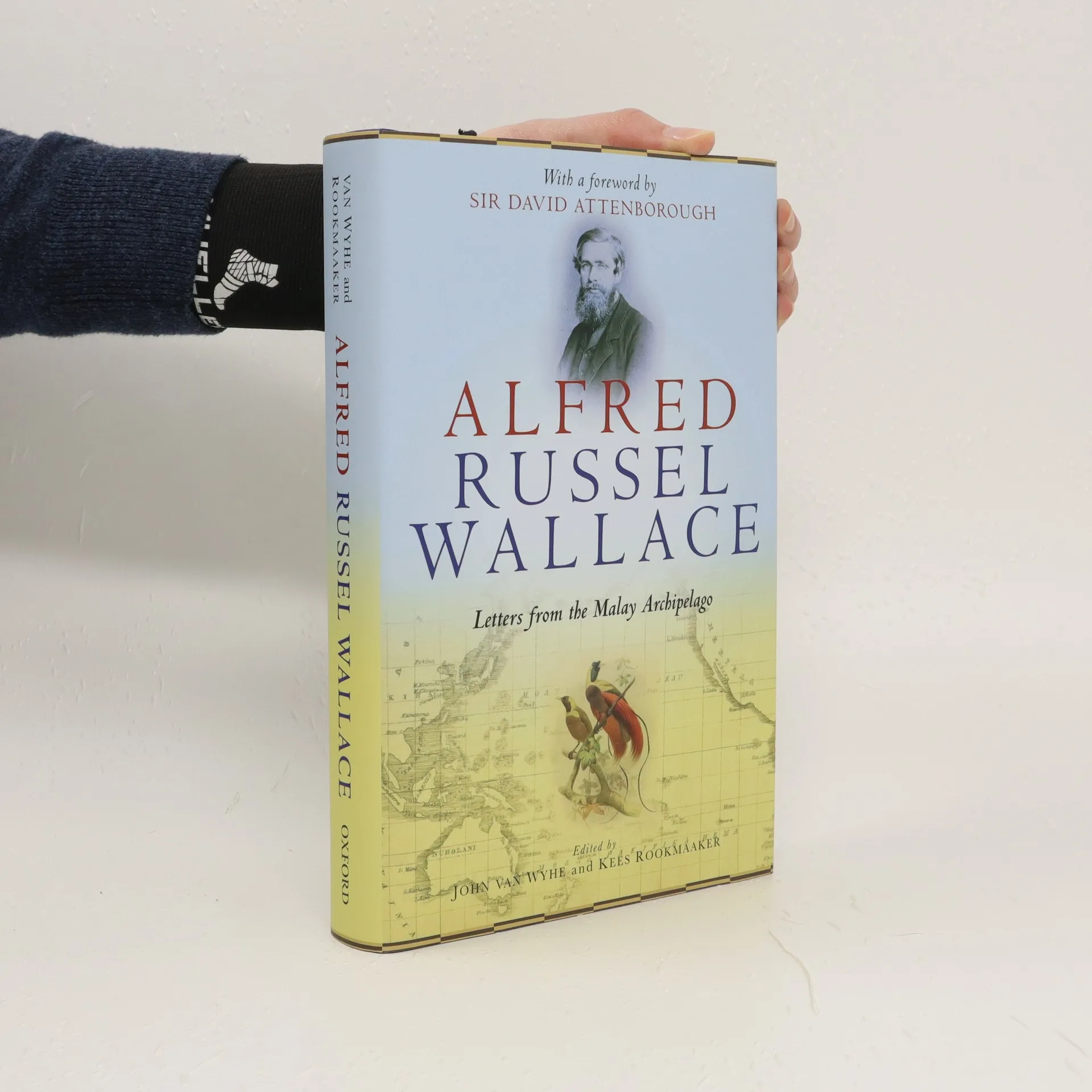
This volume of newly transcribed letters documents the travels of the Victorian naturalist Alfred Russel Wallace in the Malay Archipelago, during which he famously discovered natural selection independently of Darwin. Vivid with detail, the letters are fully annotated and accompanied by an introduction with a newly reconstructed itinerary.
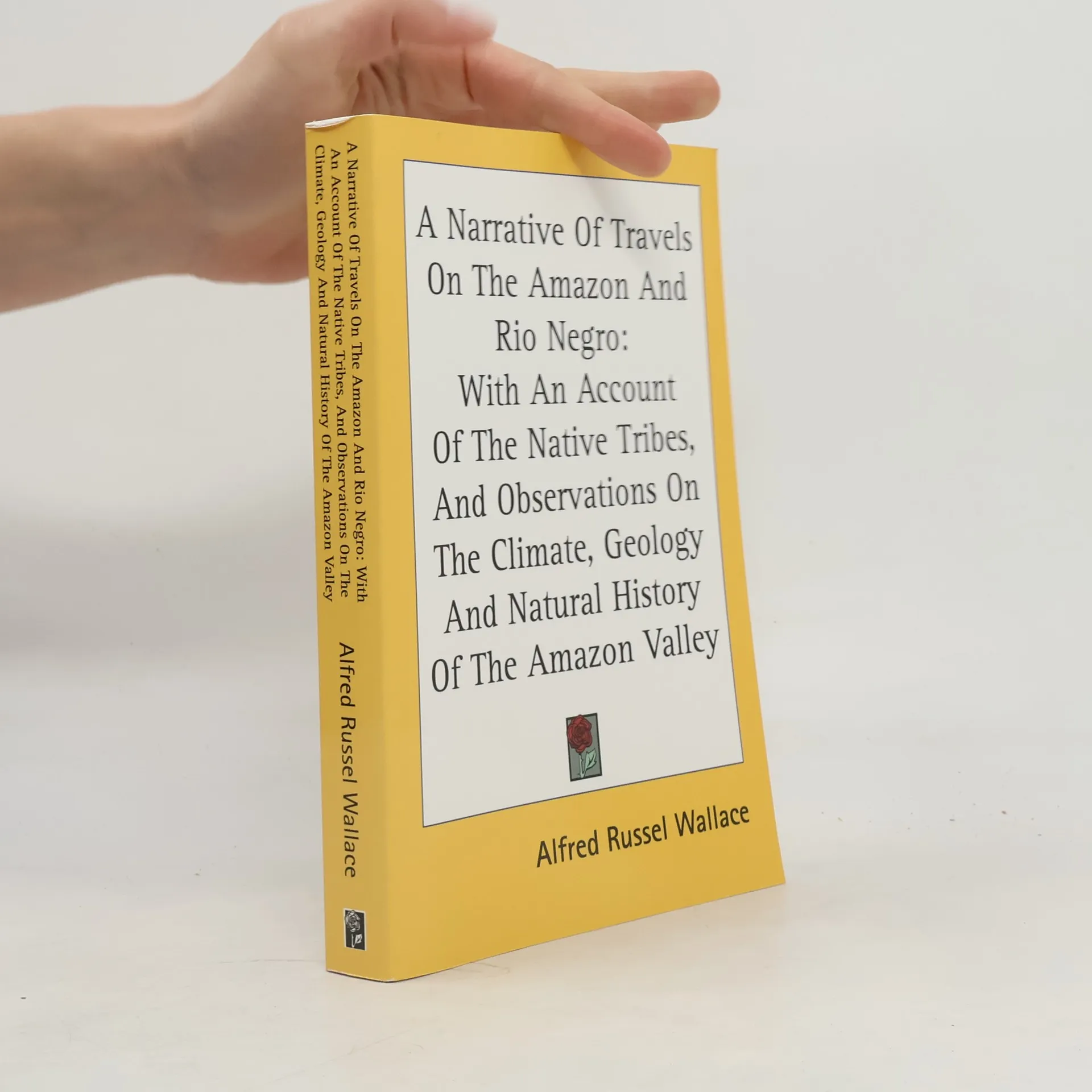
With an Account of the Native Tribes, and Observations on the Climate, Geology and Natural History of the Amazon Valley
412bladzijden
15 uur lezen
""A Narrative of Travels on the Amazon and Rio Negro"" is a travelogue written by Alfred Russel Wallace, a British naturalist and explorer, detailing his journey through the Amazon Valley in the mid-19th century. The book provides a vivid account of his experiences navigating the rivers, encountering various native tribes, and documenting the region's unique flora and fauna. Wallace's observations on the climate, geology, and natural history of the Amazon Valley are also included, providing valuable insights into the region's ecology and geological history. Overall, this book is an important historical document that offers a fascinating glimpse into the Amazon region during a time of great exploration and discovery.This scarce antiquarian book is a facsimile reprint of the old original and may contain some imperfections such as library marks and notations. Because we believe this work is culturally important, we have made it available as part of our commitment for protecting, preserving, and promoting the world's literature in affordable, high quality, modern editions, that are true to their original work.
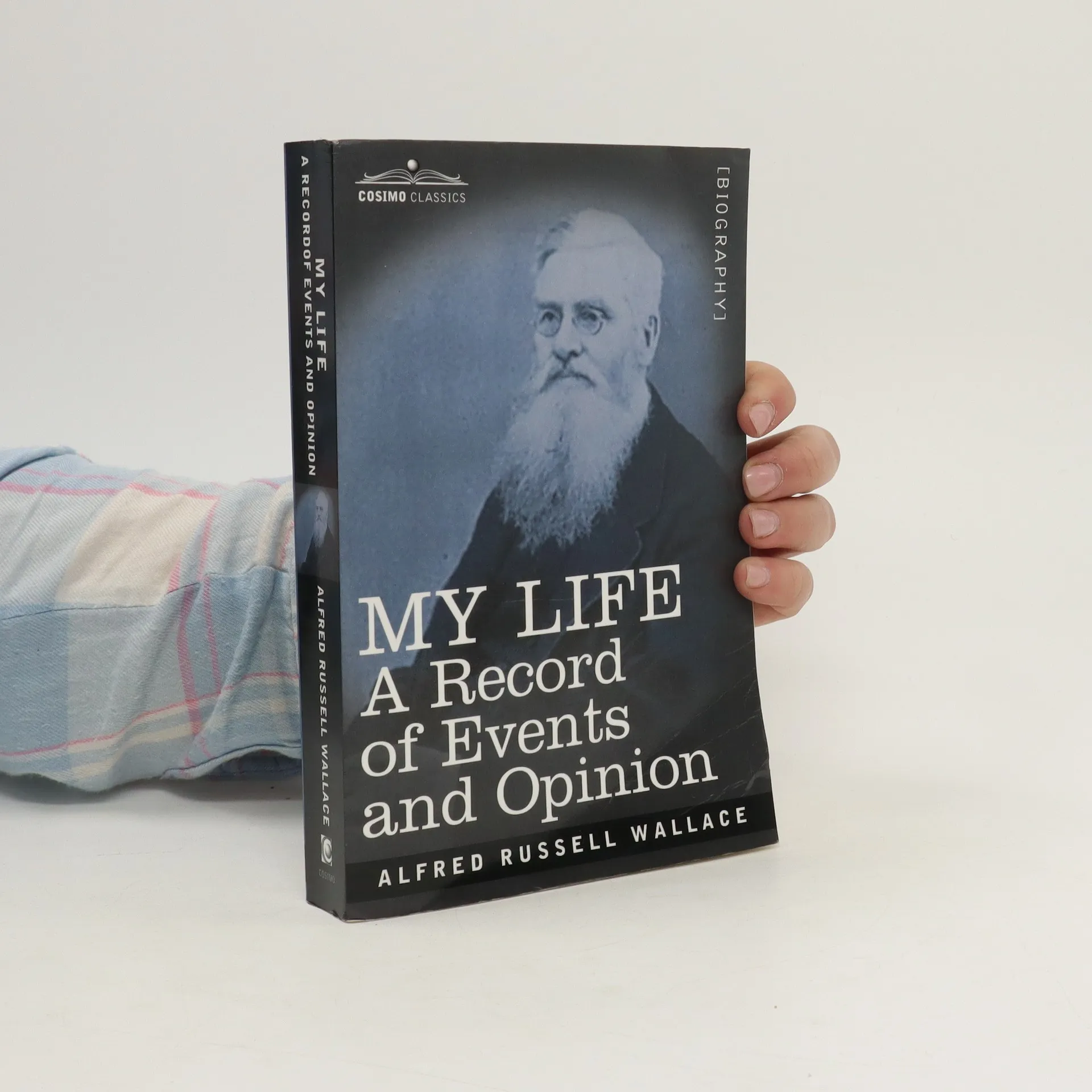
"Author of the curious The Wonderful Century, British biologist and explorer ALFRED RUSSEL WALLACE (18231913) here brings to readers a review of his own life. Discover: the studies that led him on exotic exploits, like his journeys through the Amazon River basin and the Malay archipelago researching plant and animal species; the radical social views that brought him much infamy at home, such as his refusal to believe that evolution, theories of which he developed in parallel with Darwin, could account for human endeavors such as mathematics and art. Spiritualist, creative thinker, and adventurer, Wallace led a singular life detailed with humor and humility in this autobiography. History buffs and those who are interested in the major scientific figures of the 19th century will love getting to know this influential scientist."
Focusing on Wallace's extensive observations, this collection features essays that explore equatorial vegetation, animal life, and sexual selection. Born in Wales in 1823, Wallace's passion for natural history led him to the Amazon rainforest, where he spent four years studying its diverse ecosystems and cultures. His experiences there shaped his ideas on evolution, culminating in his co-discovery of natural selection alongside Darwin. This work highlights his significant contributions to natural sciences and evolutionary theory, enriched by a new introductory biography.
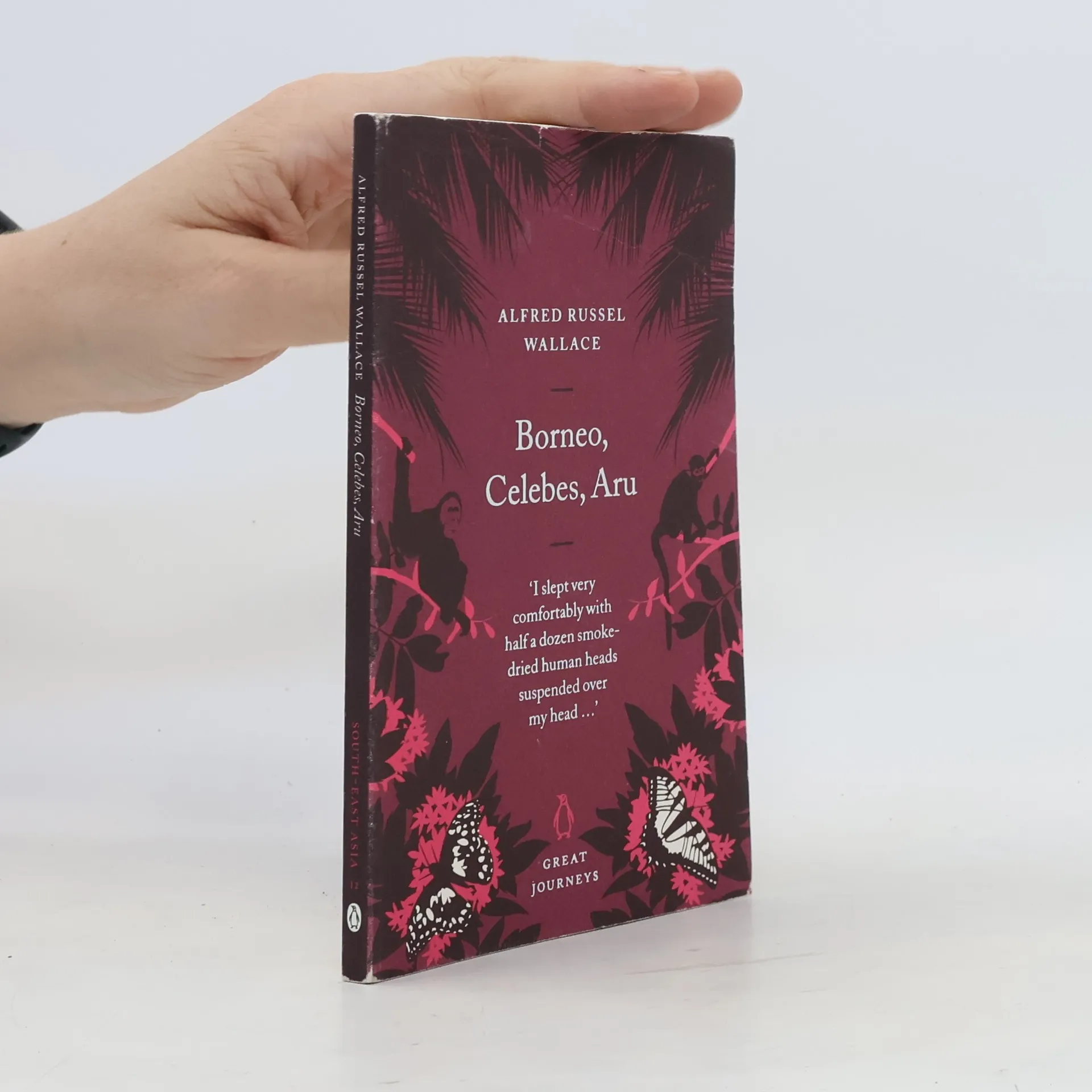
Racked with fever, virtually broke and earning a precarious living through sending back to London the plumes of beautiful birds, Wallace (1823-1913) ultimately became one of the most heroic and admirable of all scientist-explorers. Whether living with Hill Dyaks or hunting Orang-Utans or sailing on a junk to the unbelievably remote Aru islands, Wallace opens our eyes to a now long vanished world. Great Journeys allows readers to travel both around the planet and back through the centuries � but also back into ideas and worlds frightening, ruthless and cruel in different ways from our own. Few reading experiences can begin to match that of engaging with writers who saw astounding things: Great civilisations, walls of ice, violent and implacable jungles, deserts and mountains, multitudes of birds and flowers new to science. Reading these books is to see the world afresh, to rediscover a time when many cultures were quite strange to each other, where legends and stories were treated as facts and in which so much was still to be discovered.
as illustrated by the Papilionidae of the Malayan region. Read March 17, 1864
96bladzijden
4 uur lezen
Focusing on the variation and geographical distribution of butterflies, this work explores the Papilionidae family in the Malayan region. The author presents detailed observations and analyses from his research, contributing to the understanding of species diversity and ecological patterns. The book serves as a significant historical reference in the study of entomology and biogeography, reflecting the scientific insights of the mid-19th century. This reprint preserves the original content and quality of the 1865 edition.
This reprint offers a faithful reproduction of the original 1893 edition, providing readers with a glimpse into the historical perspectives and insights of Australia and New Zealand during that time. It captures the essence of the region's culture, geography, and society as perceived in the late 19th century, making it a valuable resource for those interested in the historical context of these countries.
The geographical distribution of animals - Vol. II is an unchanged, high-
quality reprint of the original edition of 1876. Hansebooks is editor of the
literature on different topic areas such as research and science, travel and
expeditions, cooking and nutrition, medicine, and other genres. As a publisher
we focus on the preservation of historical literature. Many works of
historical writers and scientists are available today as antiques only.
Hansebooks newly publishes these books and contributes to the preservation of
literature which has become rare and historical knowledge for the future.
Natural selection and tropical nature - Essays on descriptive and theoretical biology is an unchanged, high-quality reprint of the original edition of 1891. Hansebooks is editor of the literature on different topic areas such as research and science, travel and expeditions, cooking and nutrition, medicine, and other genres.As a publisher we focus on the preservation of historical literature.Many works of historical writers and scientists are available today as antiques only. Hansebooks newly publishes these books and contributes to the preservation of literature which has become rare and historical knowledge for the future.
Die Heimat des Orang-Utan und des Paradiesvogels - 2. Band
512bladzijden
18 uur lezen
Der zweite Band über den malaiischen Archipel bietet einen detaillierten Einblick in die Heimat des Orang-Utans und des Paradiesvogels. Der hochwertige Nachdruck der Originalausgabe von 1869 ermöglicht es den Lesern, die faszinierende Tierwelt und die einzigartigen Landschaften dieser Region zu entdecken. Historische Perspektiven und naturkundliche Beschreibungen machen das Werk zu einer wertvollen Quelle für Interessierte an der Biodiversität und Kultur des malaiischen Archipels.