

In Unbroken beschrijft Laura Hillenbrand het ongelofelijke levensverhaal van Louis Zamperini, dat in 2014 werd verfilmd onder regie van Angelina Jolie. Louis Zamperini groeide op als jonge crimineel in Torrance, Californië, vond als tiener in het hardlopen een uitlaatklep voor zijn agressie en werd Olympisch atleet tijdens de Olympische Spelen in Berlijn, waarbij ook Hitler aanwezig was (1936). Na de aanval op Pearl Harbor ging Louis (Louie voor vrienden) in dienst bij de Amerikaanse luchtmacht. Na hevige luchtgevechten crashte zijn vliegtuig in de Pacific. Hij dreef 47 dagen op een vlot, werd door haaien aangevallen. Meer dood dan levend werd hij opgepikt door Japanse zeelui. Hij belandde vervolgens in een Japans krijgsgevangenkamp, waar Mutsuhiro Watanabe, bijgenaamd de Vogel, de scepter zwaaide. Toen begon voor Louie de nachtmerrie pas echt… Unbroken is een indrukwekkend levensverhaal over doorzettingsvermogen en veerkracht tijdens de zwaarst denkbare beproevingen, maar ook over zijn alcoholverslaving en depressie na zijn thuiskomst en zijn uiteindelijke overwinning. In augustus 2014 overleed Louis Zamperini op 97-jarige leeftijd.
Laura Hillenbrand Boeken
Laura Hillenbrand creëert meeslepende verhalen die geschiedenis en de menselijke geest verweven met nauwgezet onderzoek en een boeiende stijl. Haar werk toont een opmerkelijk vermogen om het verleden tot leven te brengen, waarbij lezers worden ondergedompeld in rijk gedetailleerde en emotioneel resonerende verhalen. Ze bezit een uniek talent om buitengewone verhalen binnen de geschiedenis te vinden, waarbij ze thema's als veerkracht, vastberadenheid en de triomf van de underdog verkent. Hillenbrands proza is zowel gezaghebbend als toegankelijk, waardoor complexe onderwerpen boeiend en onvergetelijk worden voor een breed publiek.





Unbroken (Movie Tie-in Edition)
- 528bladzijden
- 19 uur lezen
Relates the story of a U.S. airman who survived when his bomber crashed into the sea during World War II, spent forty-seven days adrift in the ocean before being rescued by the Japanese Navy, and was held as a prisoner until the end of the war
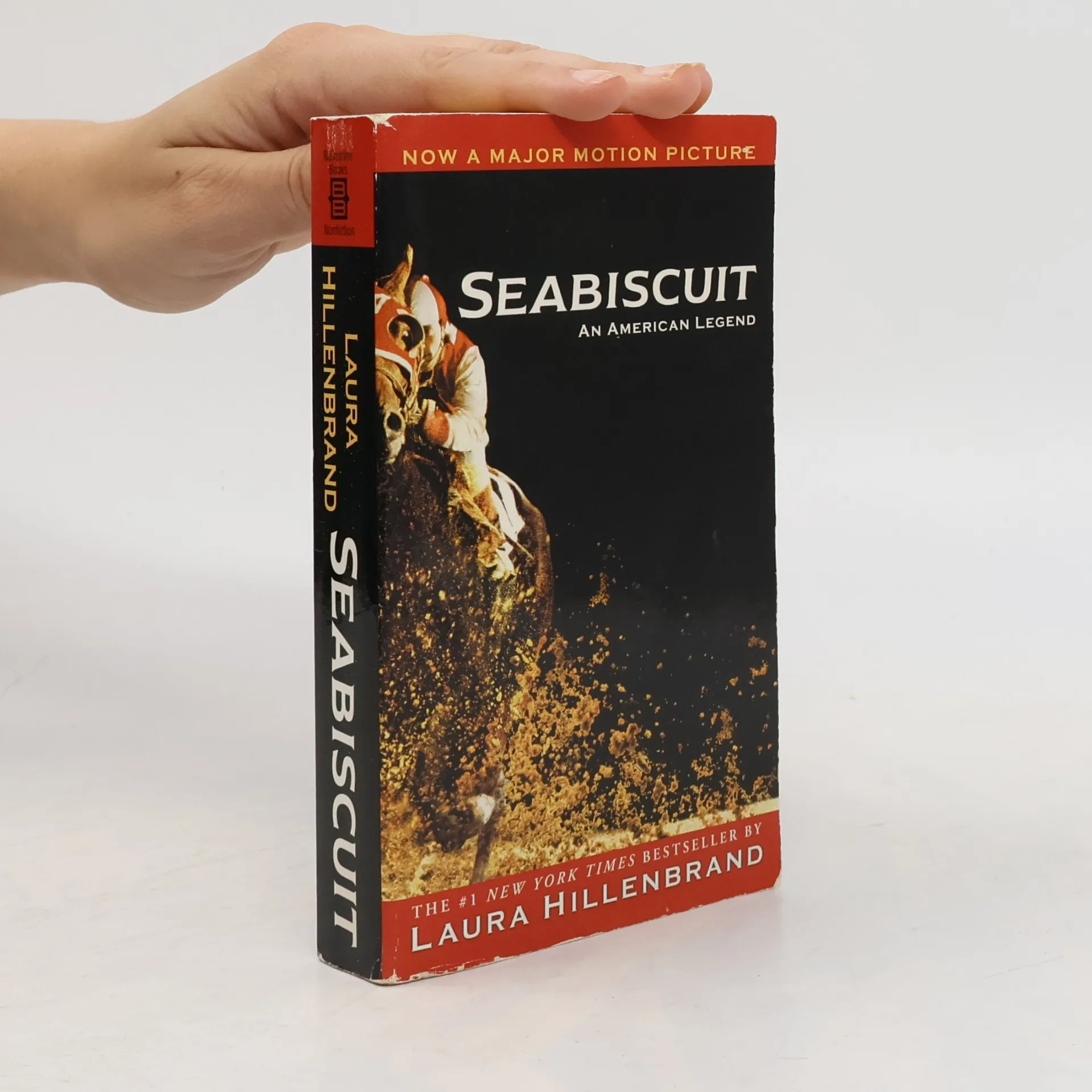
#1 NEW YORK TIMES BESTSELLER • From the author of Unbroken comes a universal underdog story about a horse who rose to legendary status. Seabiscuit captivated the nation in 1938, garnering more media attention than prominent figures like FDR and Hitler. Initially dismissed by the racing establishment, this crooked-legged horse's fortunes changed thanks to three men. Charles Howard, a former bicycle repairman turned millionaire, sought a trainer for his racehorses and found Tom Smith, a mysterious mustang breaker from Colorado. Smith encouraged Howard to purchase Seabiscuit at a low price and hired Red Pollard as the jockey. Pollard, a failed boxer with one eye and a penchant for quoting Ralph Waldo Emerson, joined this unlikely team. Over four years, they faced immense challenges, including bad luck and injuries, transforming Seabiscuit from a lazy underdog into a celebrated sports icon. Praise for the narrative highlights its fascinating storytelling and vivid portrayal of both the horse and the historical context, showcasing the extraordinary journey of its human companions as well. The story remains compelling and memorable, resonating with audiences just as strongly today as it did in 1938.
Unbroken (the Young Adult Adaptation): An Olympian's Journey from Airman to Castaway to Captive
An Olympian's Journey from Airman to Castaway to Captive
- 307bladzijden
- 11 uur lezen
"On a May afternoon in 1943, an American military plane crashed into the Pacific Ocean and disappeared, leaving only a spray of debris and a slick of oil, gasoline, and blood. Then, on the ocean surface, a face appeared. It was that of a young lieutenant, the plane's bombardier, who was struggling to a life raft and pulling himself aboard. So began one of the most extraordinary sagas of the Second World War. The lieutenant's name was Louis Zamperini."--Jacket
Unbroken (The Young Adult Adaptation)
An Olympian's Journey from Airman to Castaway to Captive
- 320bladzijden
- 12 uur lezen
Louis Zamperini, a clever young delinquent turned Olympic runner, became an airman when the war came. In 1943 his plane crashed into the Pacific Ocean, where sharks, a sinking raft, thirst, starvation, and enemy aircraft, tested his will and endurance