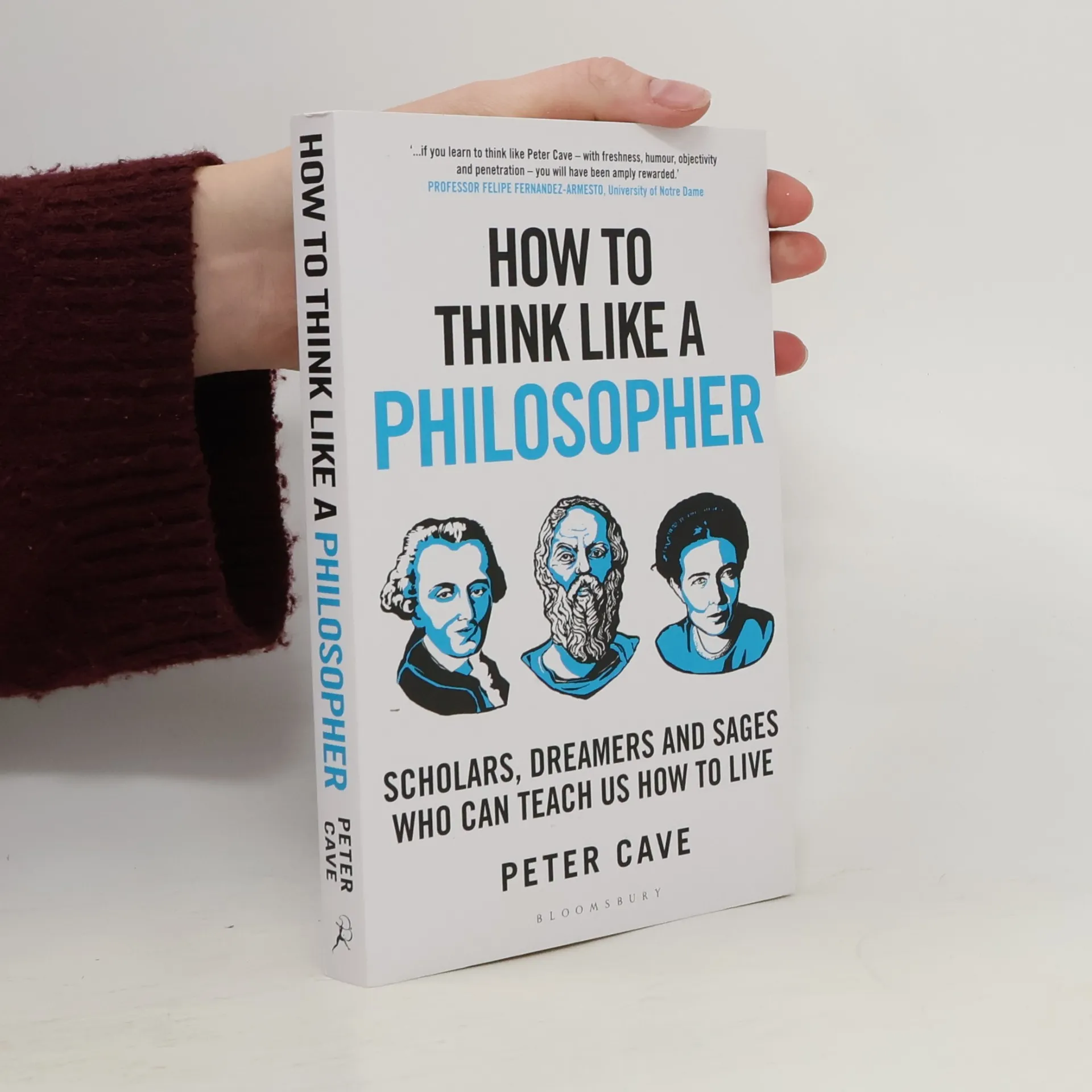
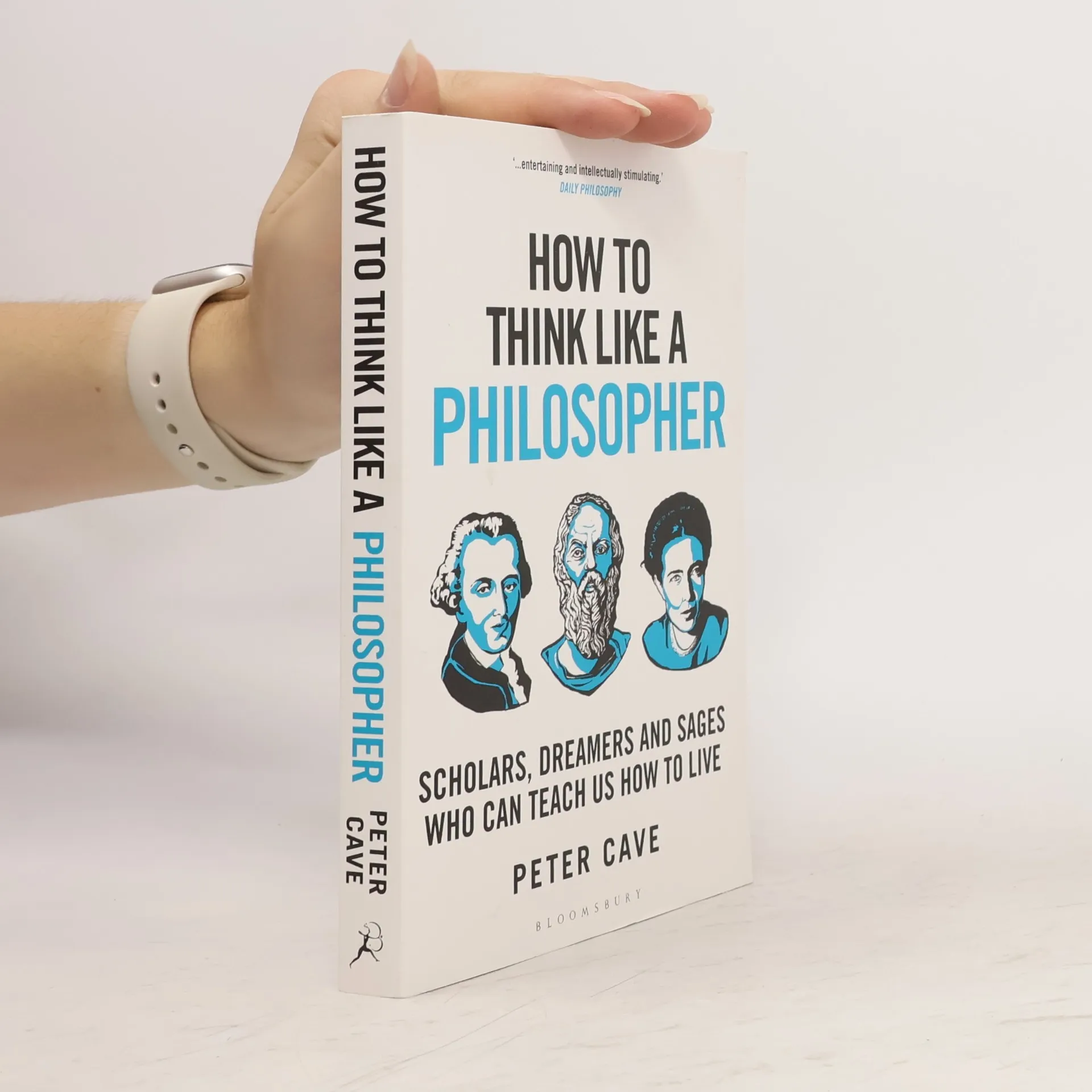
This entertaining guide explores history's most fascinating philosophers, from Sappho to Kant and Aristotle to Simone de Beauvoir, helping us tackle life's big questions. Peter Cave offers an accessible introduction to philosophical thinking and its impact on our everyday lives. He addresses essential inquiries such as the existence of meaning in our lives, the nature of reality, and the distinction between reality and appearance. The book features vivid portraits of inspiring thinkers, including Lao Tzu, Avicenna, Iris Murdoch, Hannah Arendt, Socrates, Plato, Karl Marx, Kierkegaard, Nietzsche, Sartre, Samuel Beckett, and even Lewis Carroll and Ludwig Wittgenstein. It showcases a diverse range of perspectives, including optimists, pessimists, believers, and non-believers, while connecting philosophical ideas to contemporary issues like free speech, abortion, animal rights, and the moral character of leaders. Cave illustrates how these compelling thinkers' approaches were shaped by their lives and times, emphasizing the relevance of their insights for today. In a world that increasingly demands understanding, this guide highlights the importance of philosophical inquiry in navigating our lives and the world around us.
Peter Cave Boeken
Peter Cave is een filosoof wiens werk zich toelegt op het verkennen van fundamentele filosofische vragen en deze toegankelijk maakt voor een breed publiek. Door middel van zijn boeken en lezingen zet hij lezers aan tot het overpeinzen van complexe concepten, waarbij hij nieuwe perspectieven biedt op het menselijk bestaan en de wereld om ons heen. Zijn boeiende aanpak ontrafelt diepzinnige ideeën en nodigt lezers uit tot de voortdurende dialoog van filosofisch onderzoek.

The Myths We Live by
- 352bladzijden
- 13 uur lezen
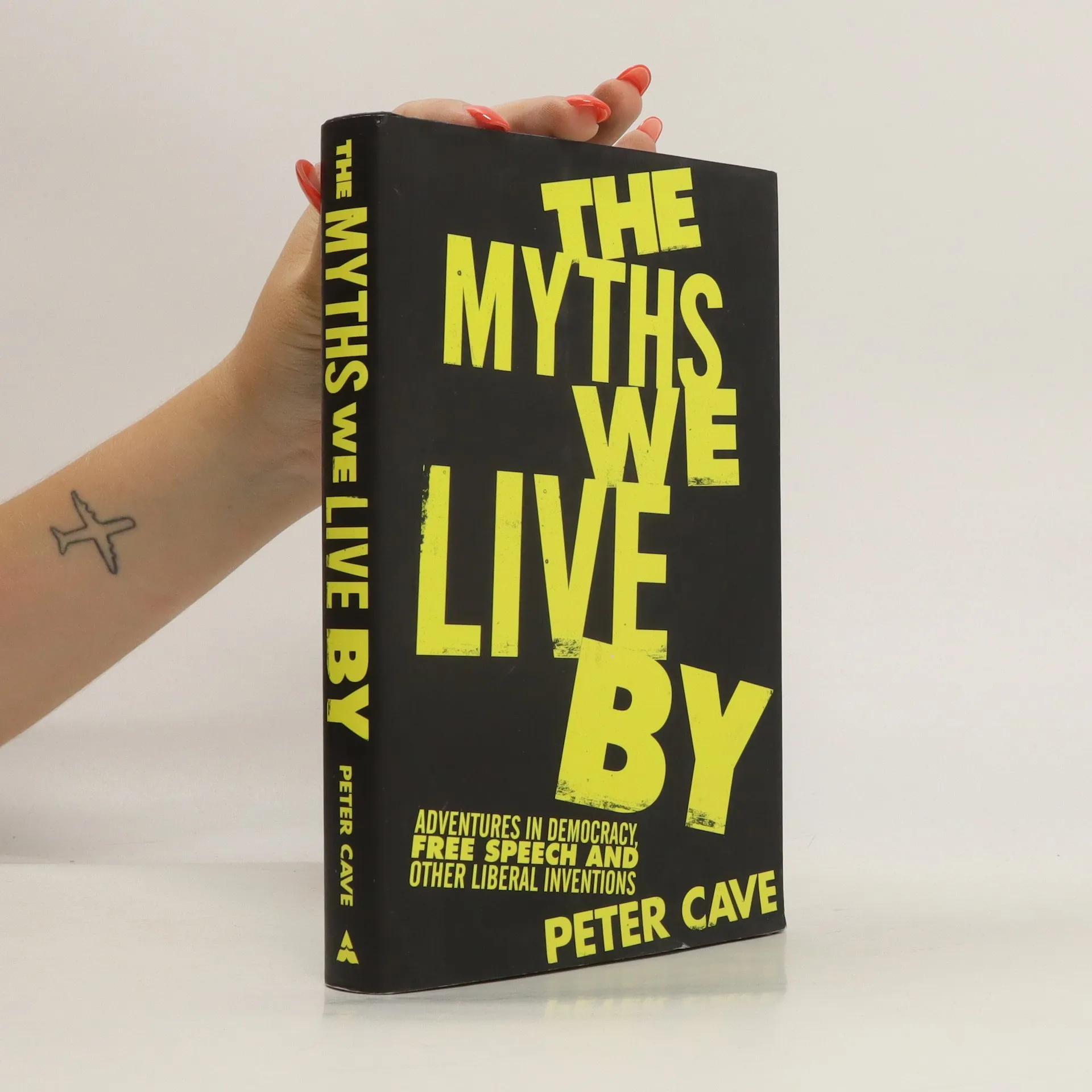
Discover how philosophy can shine a light on the world's most divisive issues.
In showing how the great philosophers of human history lived and thought - and what they thought about - Peter Cave provides an accessible and enjoyable introduction to thinking philosophically and how it can change our everyday lives. With a lightness of touch, he addresses questions such as: Is there anything 'out there' that gives meaning to our lives? Does reality tell us how we ought to live? What indeed is reality and what is appearance - and how can we tell the difference?This book paints vivid portraits of an assortment of inspiring thinkers: from Lao Tzu to Avicenna to Iris Murdoch; from Hannah Arendt to Socrates and Plato to Karl Marx; from Kierkegaard and Nietzsche to Sartre to Samuel Beckett - and let us not forget Lewis Carroll for some thought-provoking fantasies and Ludwig Wittgenstein for the anguishes of a genius. As well as displaying optimists and pessimists, believers and non-believers, the book displays relevance to current affairs, from free speech to abortion to the treatment of animals to our leaders' moral character.In each brief chapter, Cave brings to life these often prescient, always compelling philosophical thinkers, showing how their ways of approaching the world grew out of their own lives and times and how we may make valuable use of their insights today. Now, more than ever, we need to understand how to live, and how to understand the world around us. This is the perfect guide.
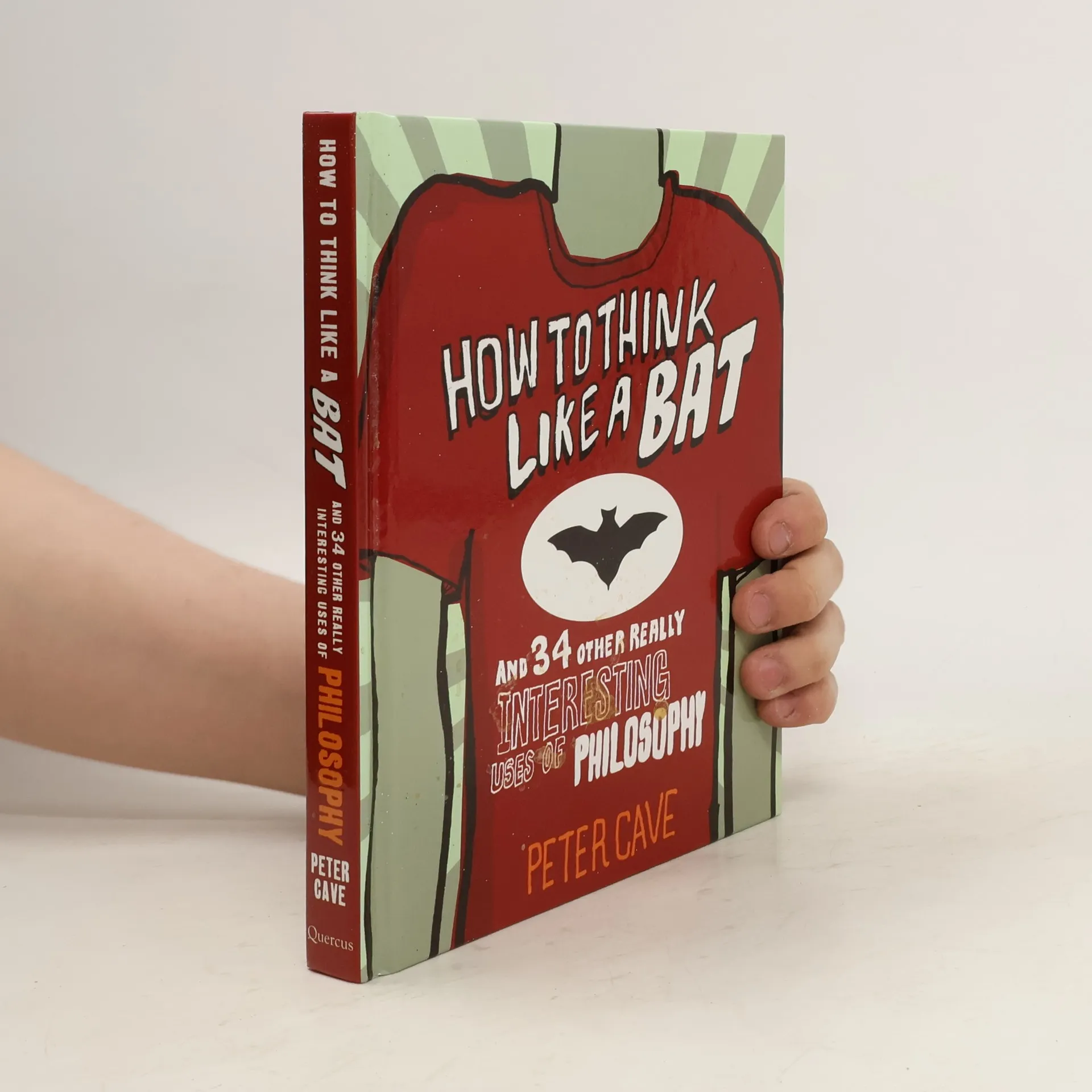
How do you know that you exist? What does it mean to have a future? Are you the same thing as your brain? What does it mean to be free? How can you know what knowledge is? Philosophers think -- but not just that, for they think about thinking and they think about how we think about the world, about how we conceive of ourselves, about how we possess a sense of right and wrong, about how we find meaning in life (if we do). "How to Think Like a Bat" might not help you to think like a bat, but it will certainly help you to think like a philosopher
Humanism
- 224bladzijden
- 8 uur lezen
Is it possible to lead a meaningful life without God?
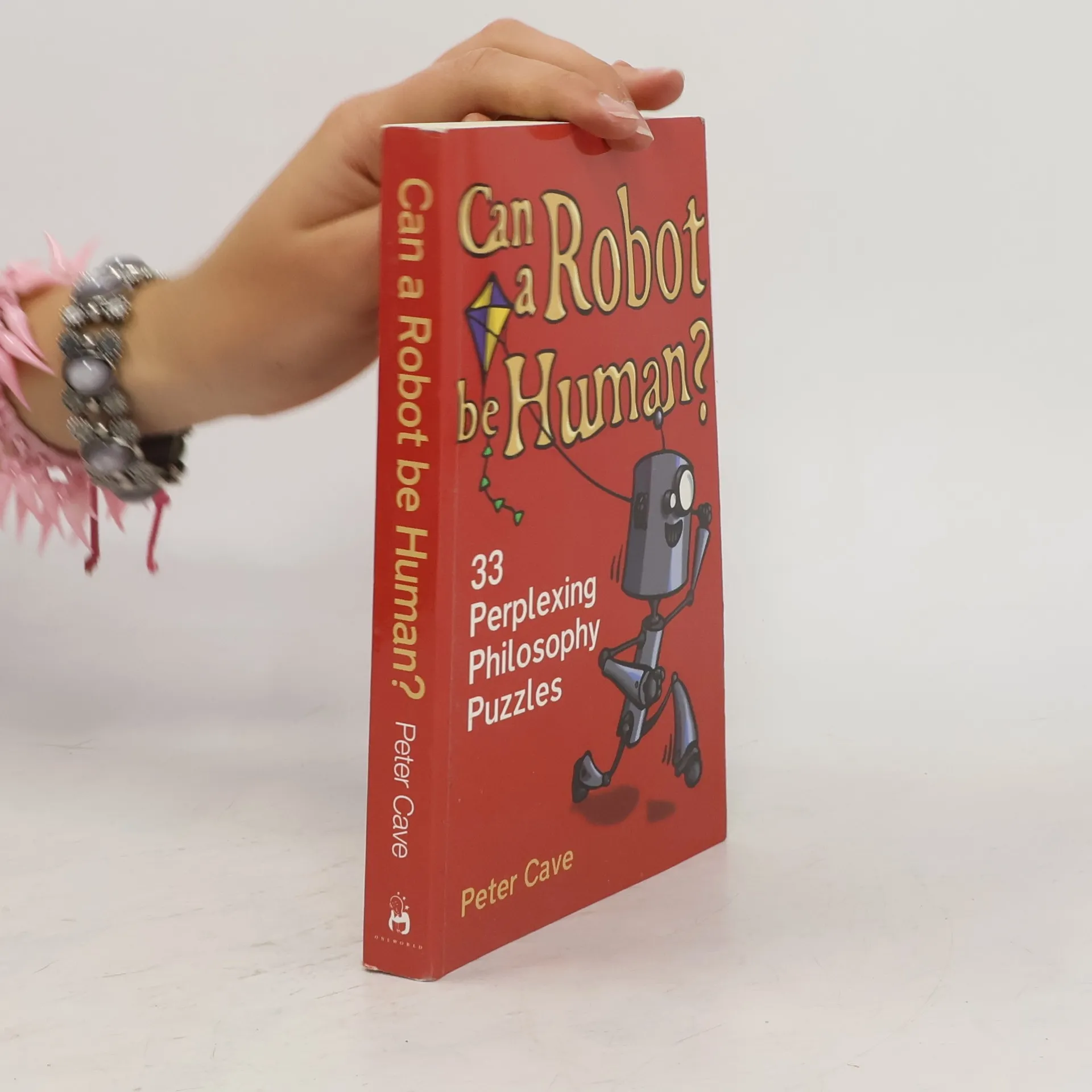
Can a Robot Be Human?
33 Perplexing Philosophy Puzzles
In this fun and entertaining book of puzzles and paradoxes, Peter Cave introduces some of life’s most important questions with tales and tall stories, reasons and arguments, common sense and bizarre conclusions. From speedy tortoises to getting into heaven, paradoxes and puzzles give rise to some of the most exciting problems in philosophy—from logic to ethics and from art to politics. Illustrated with quirky cartoons throughout, Can A Robot Be Human? takes the reader on a taster tour of the most interesting and delightful parts of philosophy. It’s for everyone who puzzles about the world!
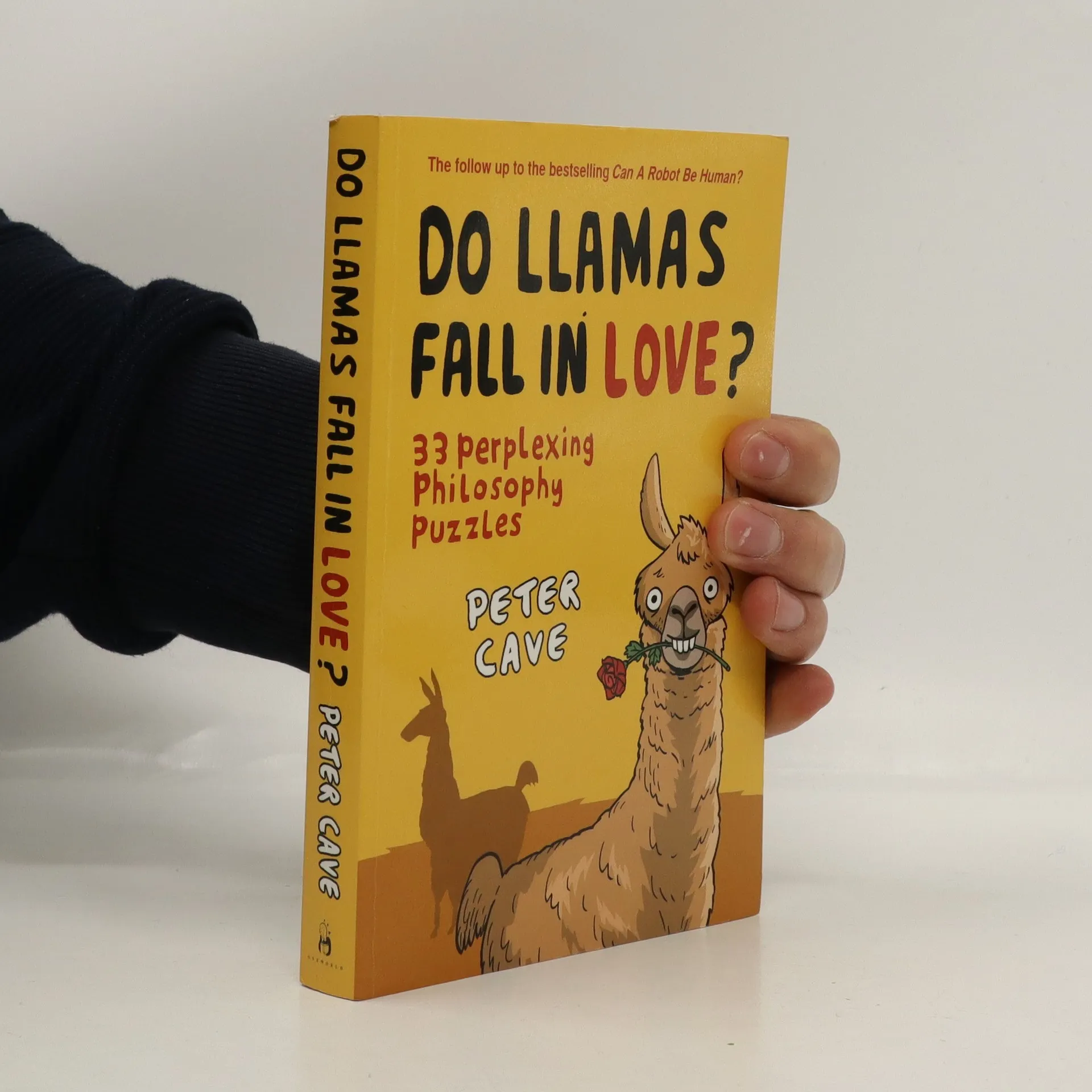
Peter Cave once again takes the reader on a witty, engaging romp through a glorious compendium of philosophical puzzles. With the aid of tall stories, jokes, common sense, and bizarre insights, Cave tackles some of life’s most important questions and introduces the conundrums that will keep you pondering throughout the night. Illustrated with dozens of quirky cartoons, Do Llamas Fall in Love? leaves no stone unturned, covering a smorgasbord of topics including logic, ethics, art, and politics. It will provide a perfect gift for anyone who puzzles about the world!
CODE NAME: HOUSE OF CARDS SUBJECT: ASSASSINATION TARGET: ONE JOHN STEED Assigned to rescue a Soviet defector, the impeccable Steed, the voluptuous Purdey, and the dashing Gambit find themselves targeted in a nightmare deep agent plot: 12 Soviet "sleepers," narco-programmed for terror and triggered by a torn deck of cards, marching like zombies on British Intelligence with orders to kill.
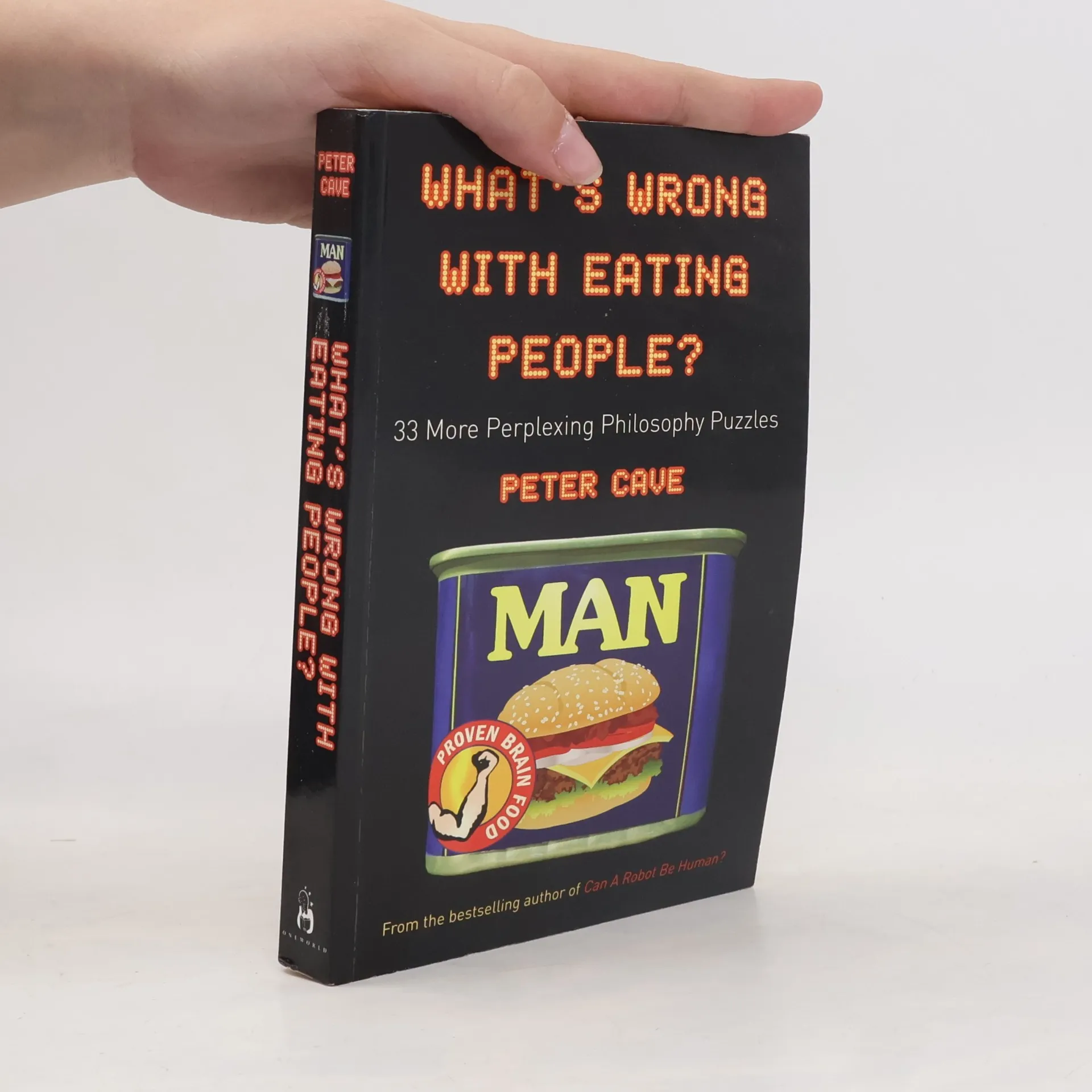
With the aid of tall stories, jokes, common sense and bizarre insights, Cave engages the reader in a romp through the best bits of philosophical thought. Tackling some of life’s most important questions, his brilliant puzzles that will keep you pondering throughout the night. From encounters with bears (ethical dilemmas) to talking turkeys (the problem of induction), Cave storms through philosophy’s classic conundrums with rapier wit and wisdom. Illustrated with quirky cartoons throughout, What's Wrong With Eating People? leaves no stone unturned, covering a smorgasbord of topics including logic, ethics, art and politics. It is a great stocking-filler for anyone, of any age, who loves a mental workout!
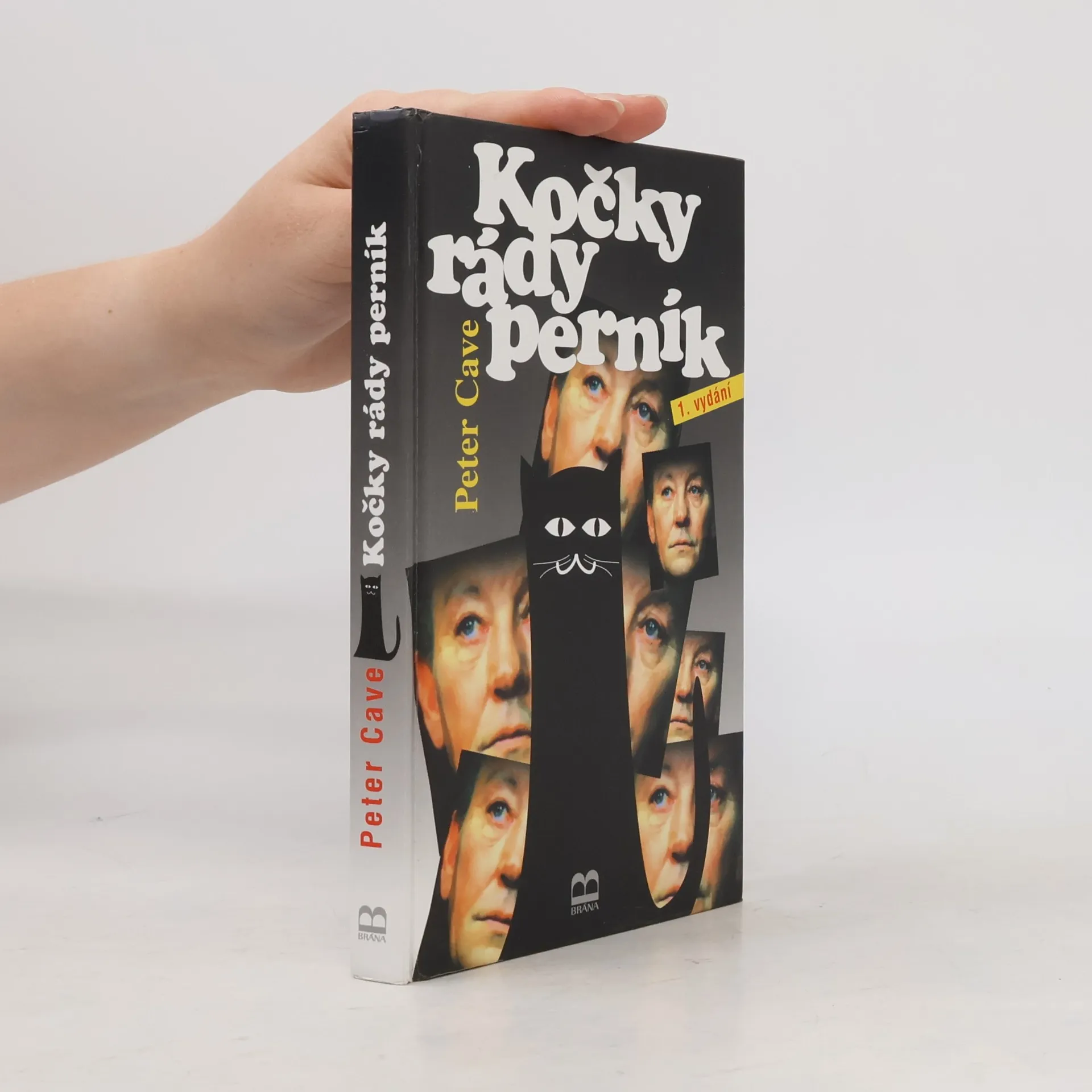
Kočky rády perník
- 157bladzijden
- 6 uur lezen
Vraždící mamba
- 160bladzijden
- 6 uur lezen
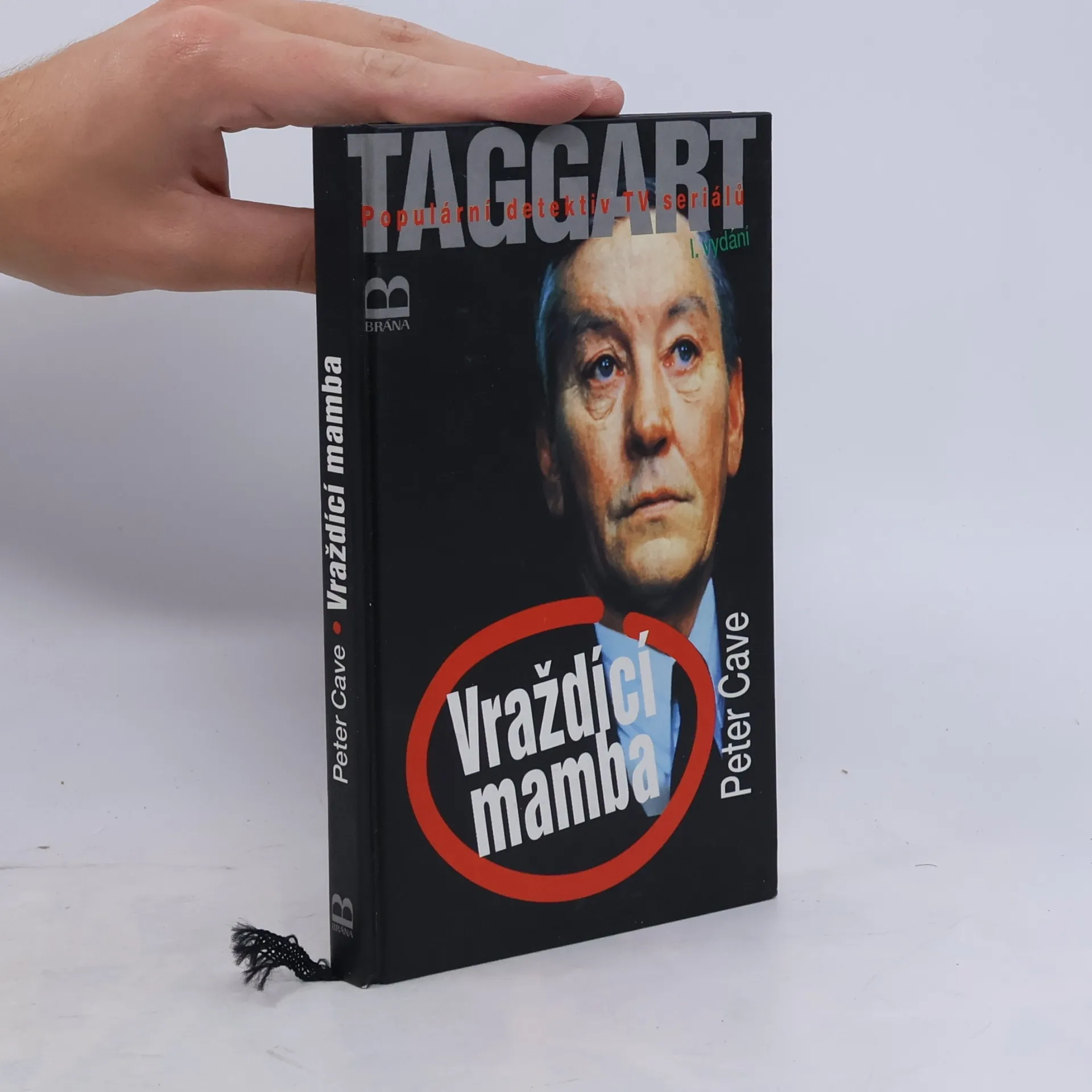
Při stavbě dálnice poblíž Glasgowa jsou nalezeny stavebními dělníky lebky dvou pohřešovaných dívek. Inspektor Taggart zahajuje pátrání. Odborník, který má rekonstruovat podobu dívek, je zavražděn jedovatým pavoukem. Následuje série vražd jedovatými hady... Jedná se o třetí díl v sérii případů inspektora Taggarta.
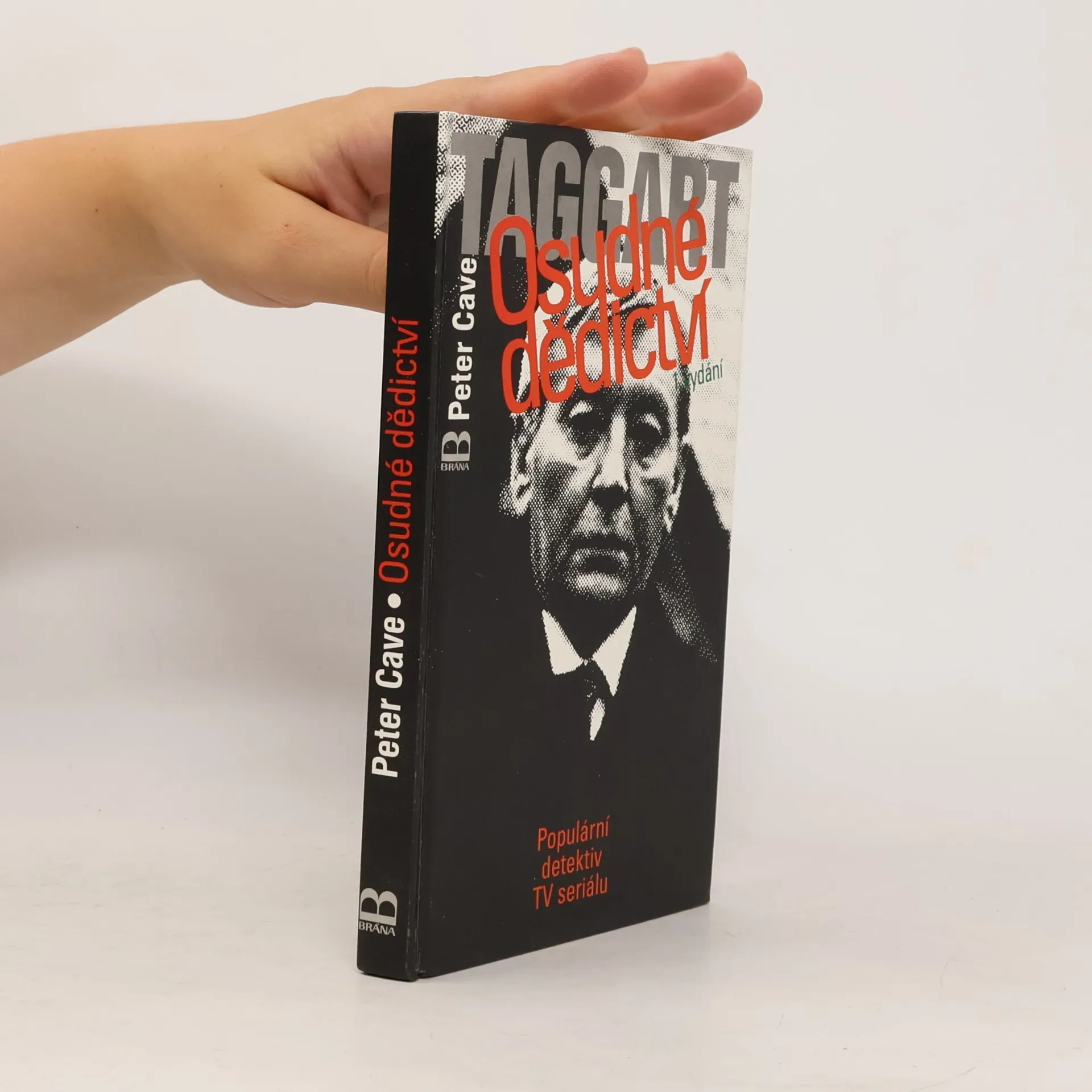
Osudné dědictví
- 127bladzijden
- 5 uur lezen
Detektivní román, v němž inspektor Taggart řeší záhadné vraždy v rodině lékařky, která je spolumajitelkou prosperujícího sanatoria.
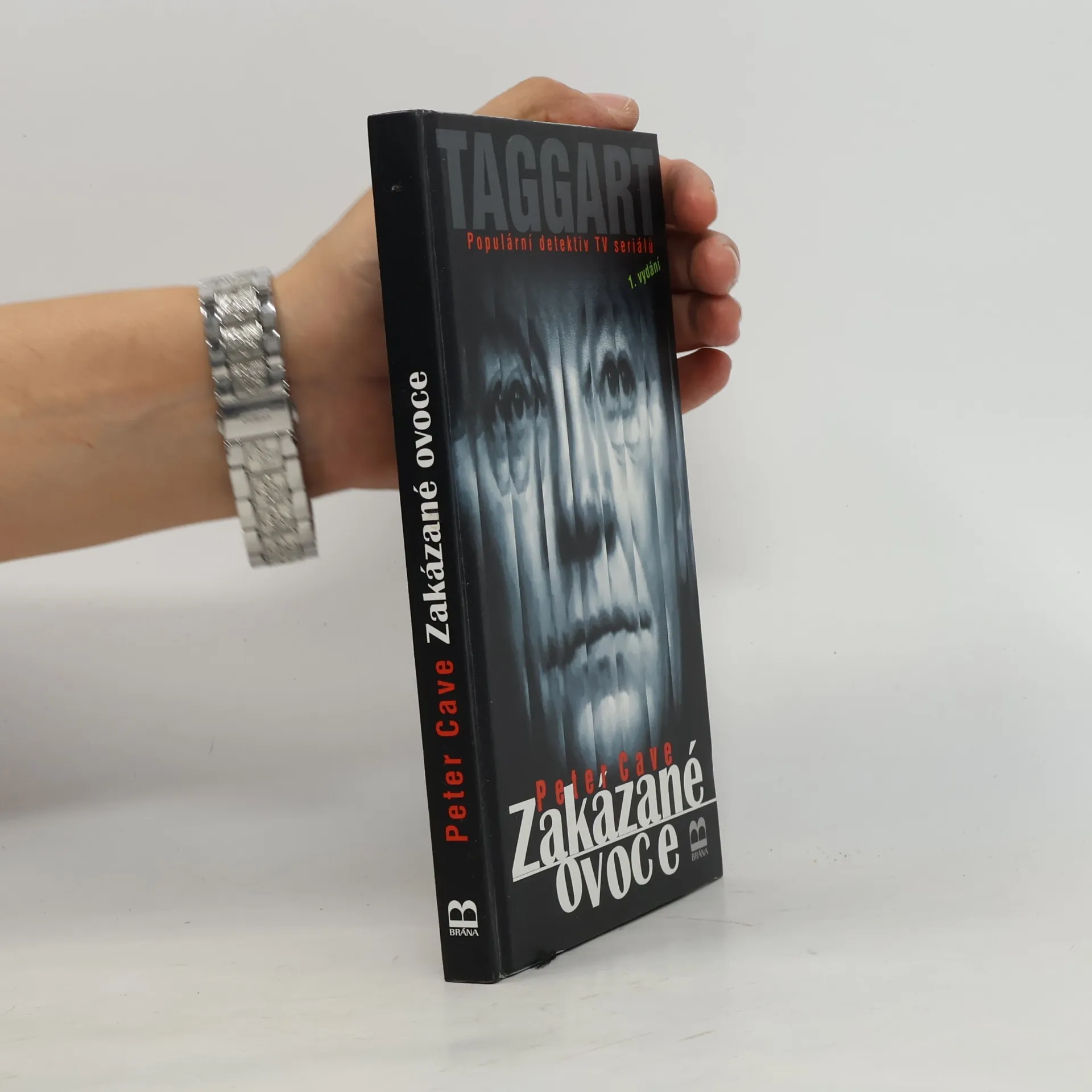
Když se Cathy a Martin Adamsovi v marné touze po dítěti rozhodli pro umělé dárcovské oplodnění, netušili, jak dramaticky to změní jejich život. Martnův ostrý střet se zklamanou, uraženou tchyní a následné události vrcholící vraždou přivedly na místo činu a poté i na soukromou gynekologickou kliniku osvědčený tým vyšetřovatelů v čele s inspektorem Taggartem. Brzy jsou odhalena šokující fakta a nastává boj o čas, než vrah znovu zaútočí...