Walter Benjamin. A graphic guide
- 176bladzijden
- 7 uur lezen
A Graphic Guide to Walter Benjamin, tracing his influence on modern aesthetics and cultural history.


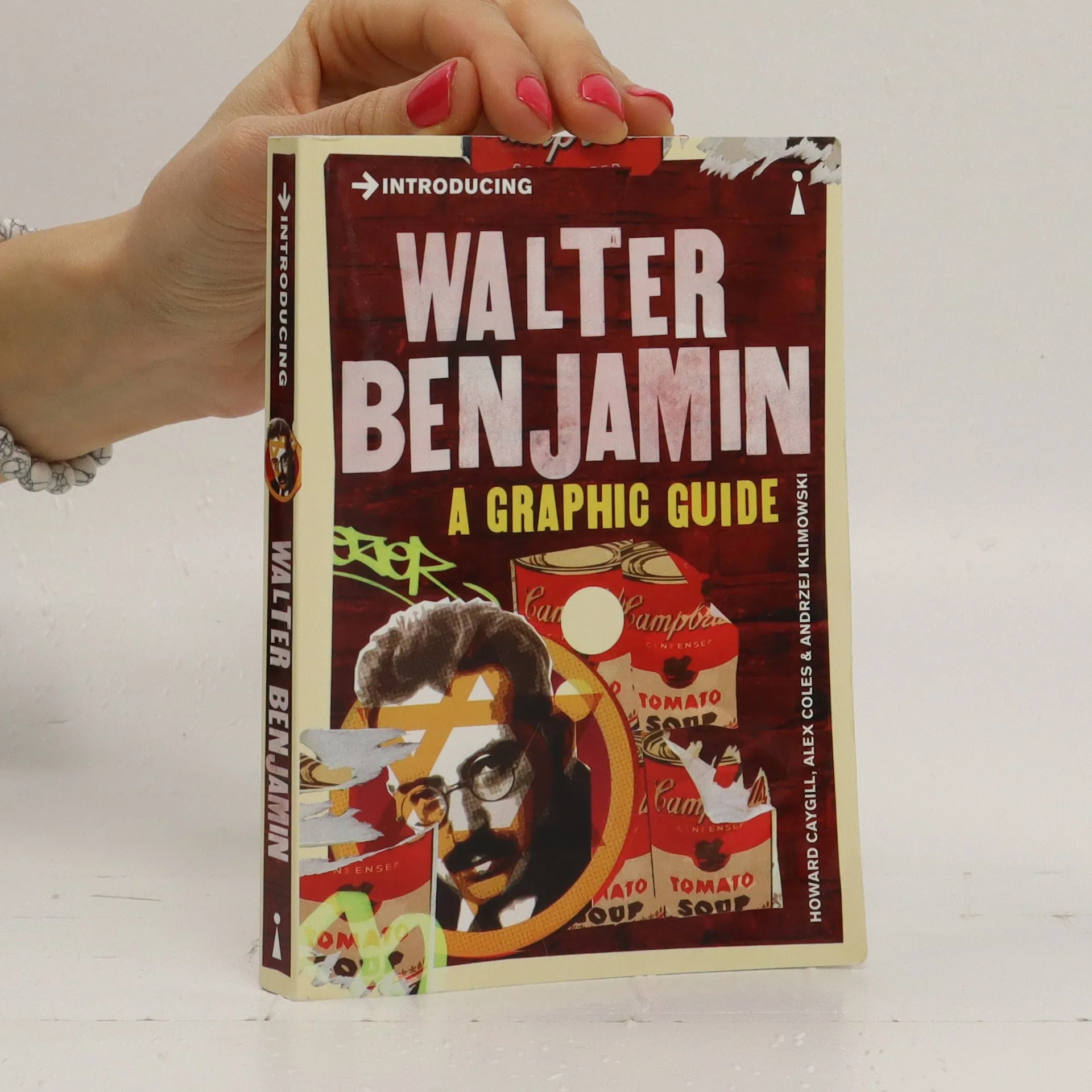
A Graphic Guide to Walter Benjamin, tracing his influence on modern aesthetics and cultural history.
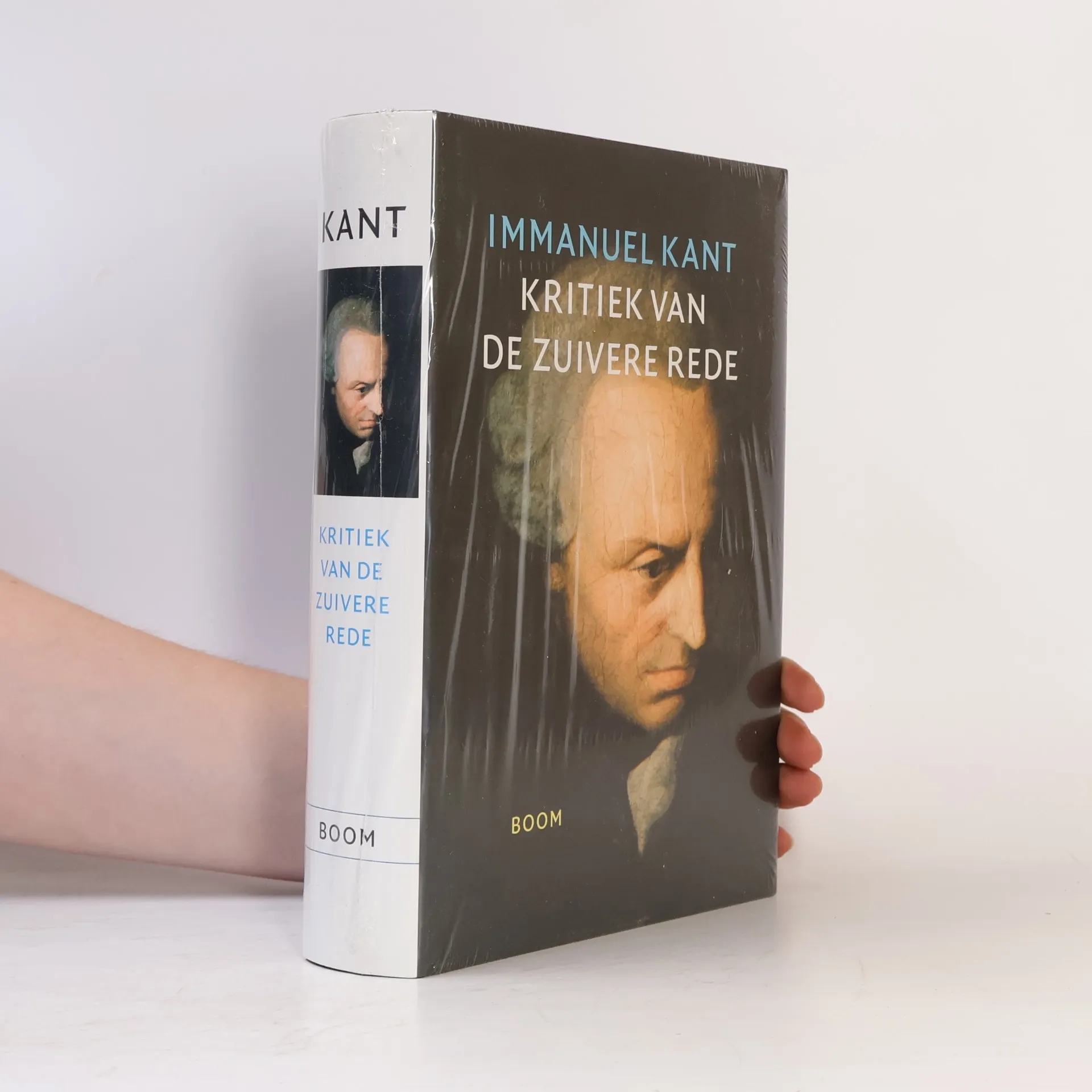
Weinig boeken hebben zo’n impact op de moderne cultuur gehad als Kants Kritiek van de zuivere rede. Terwijl de Franse Revolutie in 1789 een politieke omwenteling teweegbracht, veroorzaakte Kants werk enkele jaren eerder een filosofische revolutie. Denkers als Schopenhauer, Heidegger, Wittgenstein en Lyotard bevestigen dat ons denken pas echt modern werd door Kants inzichten. Voor het eerst verschijnt nu een Nederlandse vertaling van dit invloedrijke boek, een bijzondere primeur. Kant beschouwde zijn Kritiek als een ‘tweede copernicaanse wending’, vergelijkbaar met Copernicus' verwerping van de aarde als centrum van het zonnestelsel. Hij weerlegde de heersende opvatting dat de natuur buiten de mens ligt en toonde aan dat kennis afhankelijk is van hoe onze rede de werkelijkheid ordent en interpreteert. Kennis is een samenspel van zintuiglijke waarneming en verstandelijke kaders die onze perceptie beïnvloeden. De ‘dingen op zichzelf’ blijven voor ons onkenbaar. Kant verkent zo de mogelijkheden en grenzen van de menselijke rede, wat de Kritiek tot een indrukwekkend resultaat maakt. Iedereen die zich modern of postmodern noemt, is erfgenaam van dit kritische zelfonderzoek. De Nederlandse vertaling is helder en toegankelijk, gericht op geïnteresseerden, maar wetenschappelijk verantwoord, tot stand gekomen met hulp van Kant-experts. Het ‘Ten geleide’ door de vertalers biedt extra ondersteuning voor de lezer.
In this new lexical survey Howard Caygill presents Kantian concepts and terminology in terms that will introduce and clarify his ideas for students and general readers alike. The book takes as its starting point the historical nature of philosophical language, and shows how Kant set about redefining certain key concepts and terms. It then shows the profound effect that Kant’s interpretation of the philosophical tradition continues to have upon contemporary philosophical debates. In addition to his reconstruction of Kant’s philosophical vocabulary, Howard Caygill presents a contextual essay on Kant and his place in ‘the age of criticism’. The book has extensive cross-references, and offers valuable scholarly aids in an appendix of philosophers, bibliographies of Kant’s work and secondary sources, and a comprehensive index. Each Blackwell Philosopher Dictionary presents the life and work of an individual philosopher in a scholarly yet accessible manner. Entries cover key ideas and thoughts, as well as the main themes of the philosopher’s works. A comprehensive biographical sketch is also included.