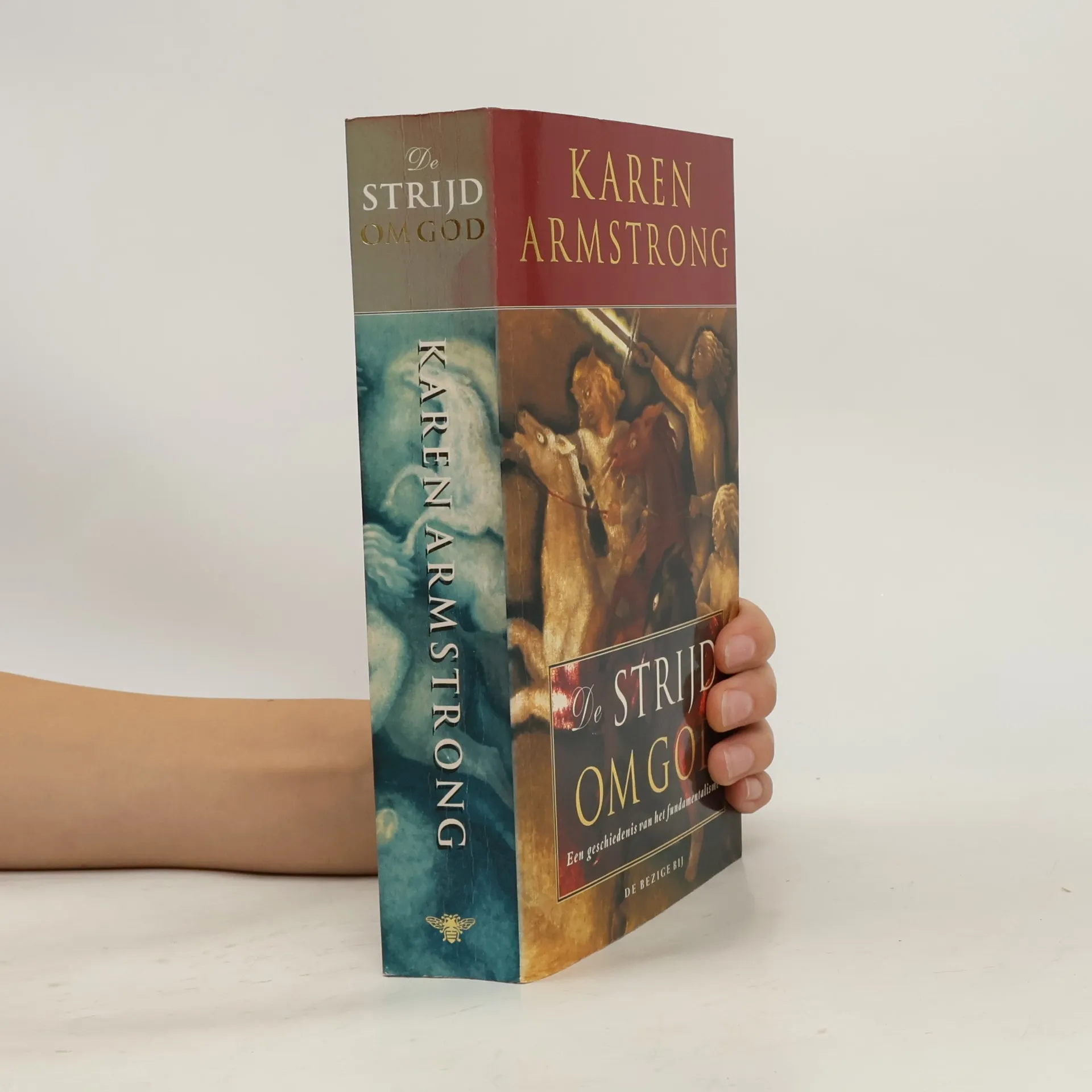
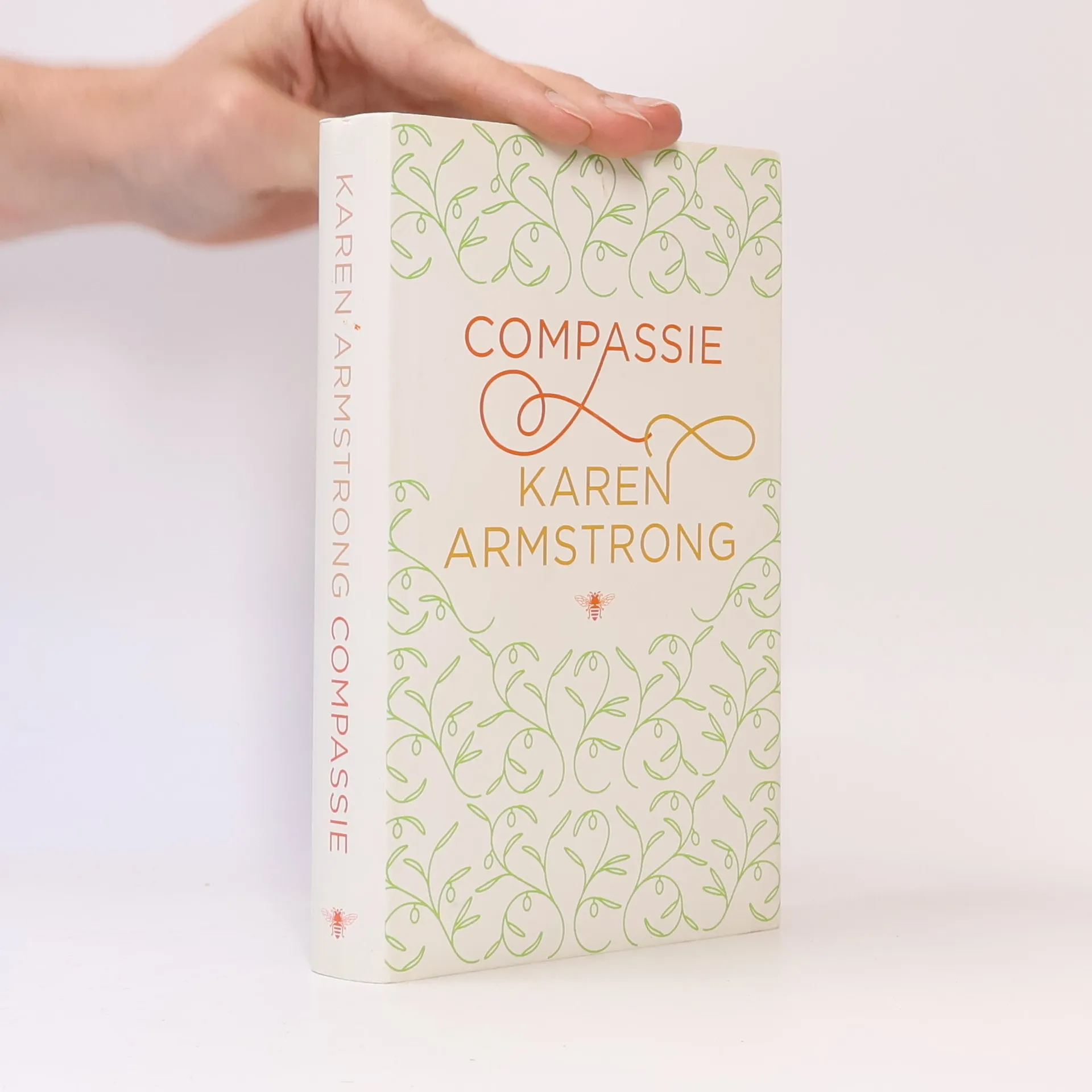
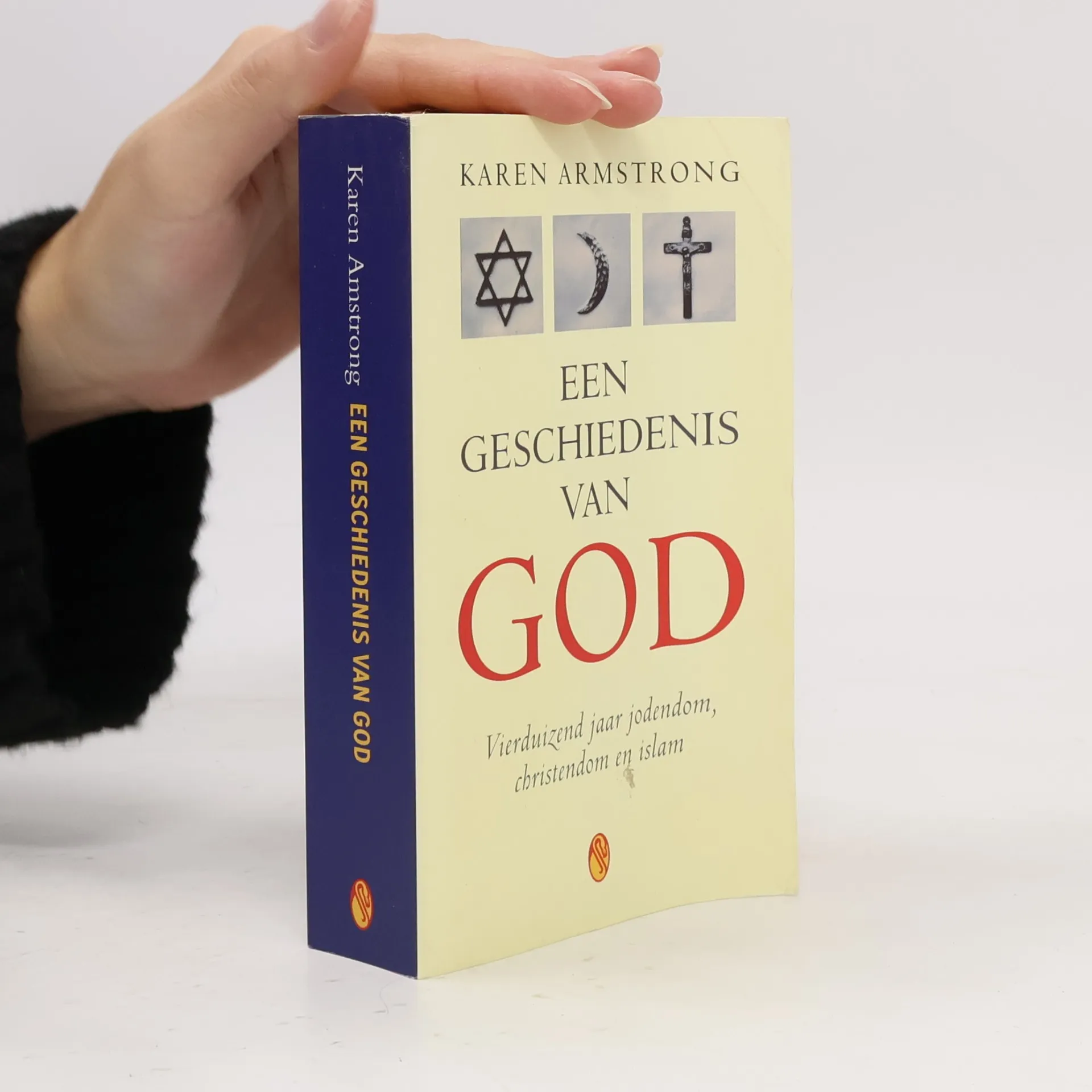
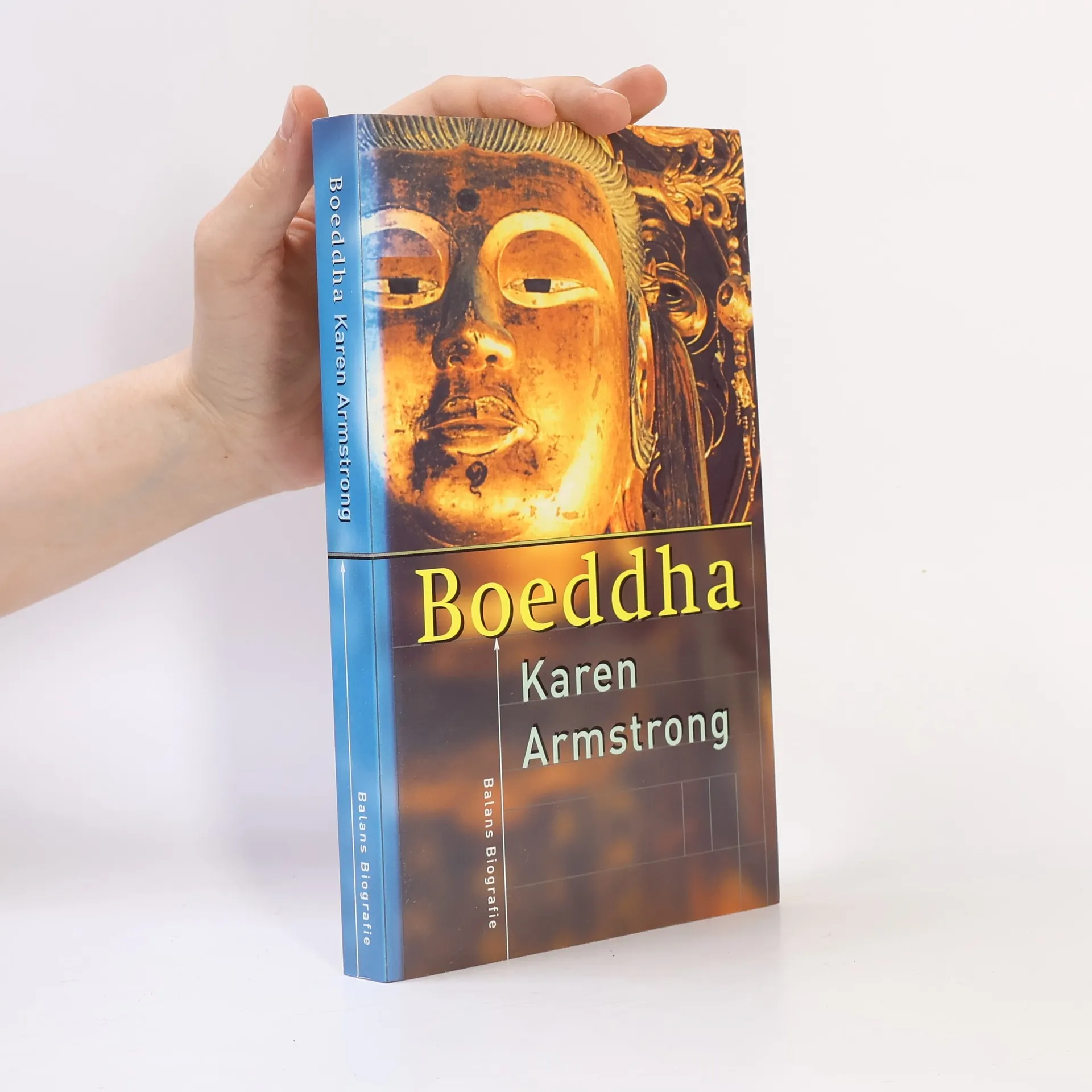
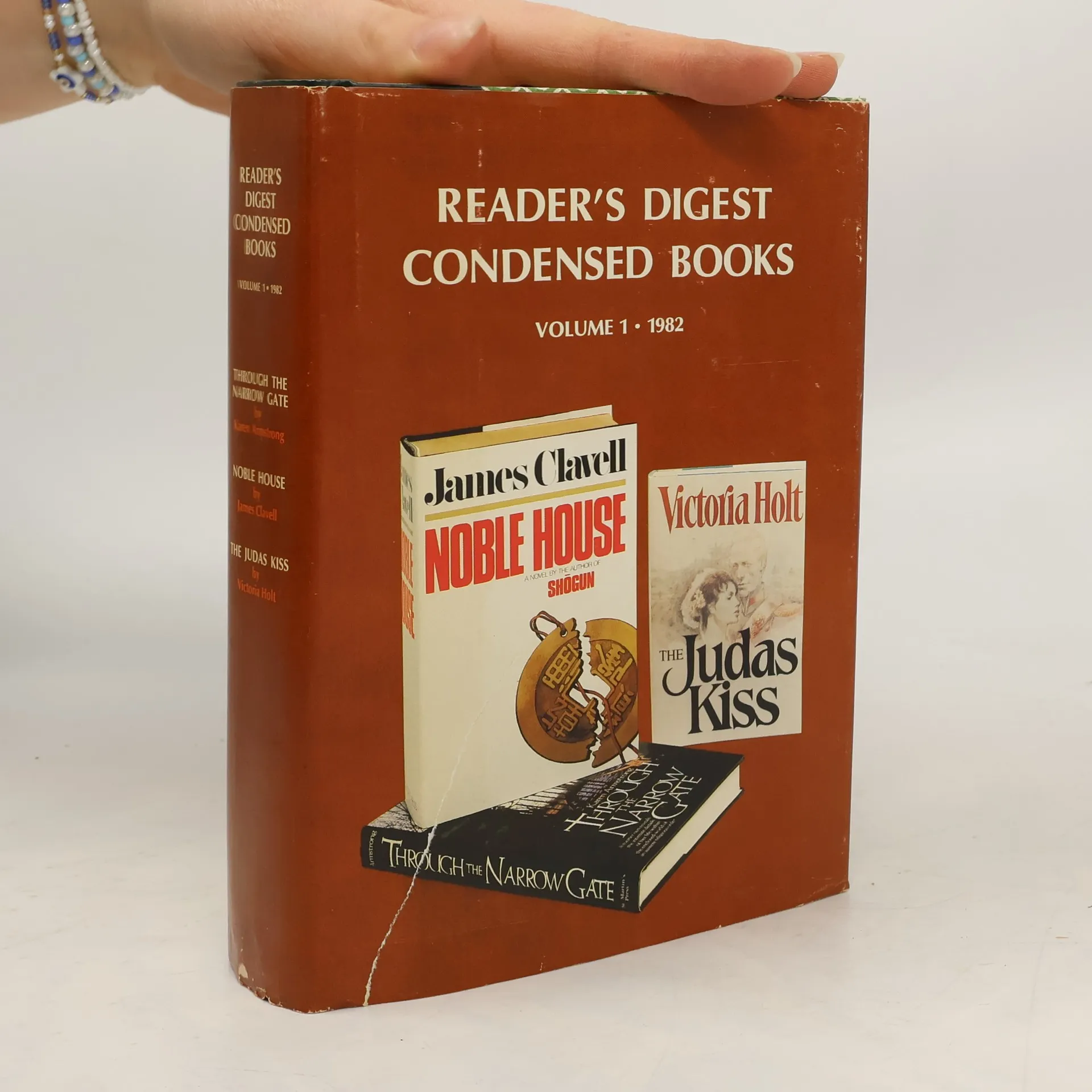
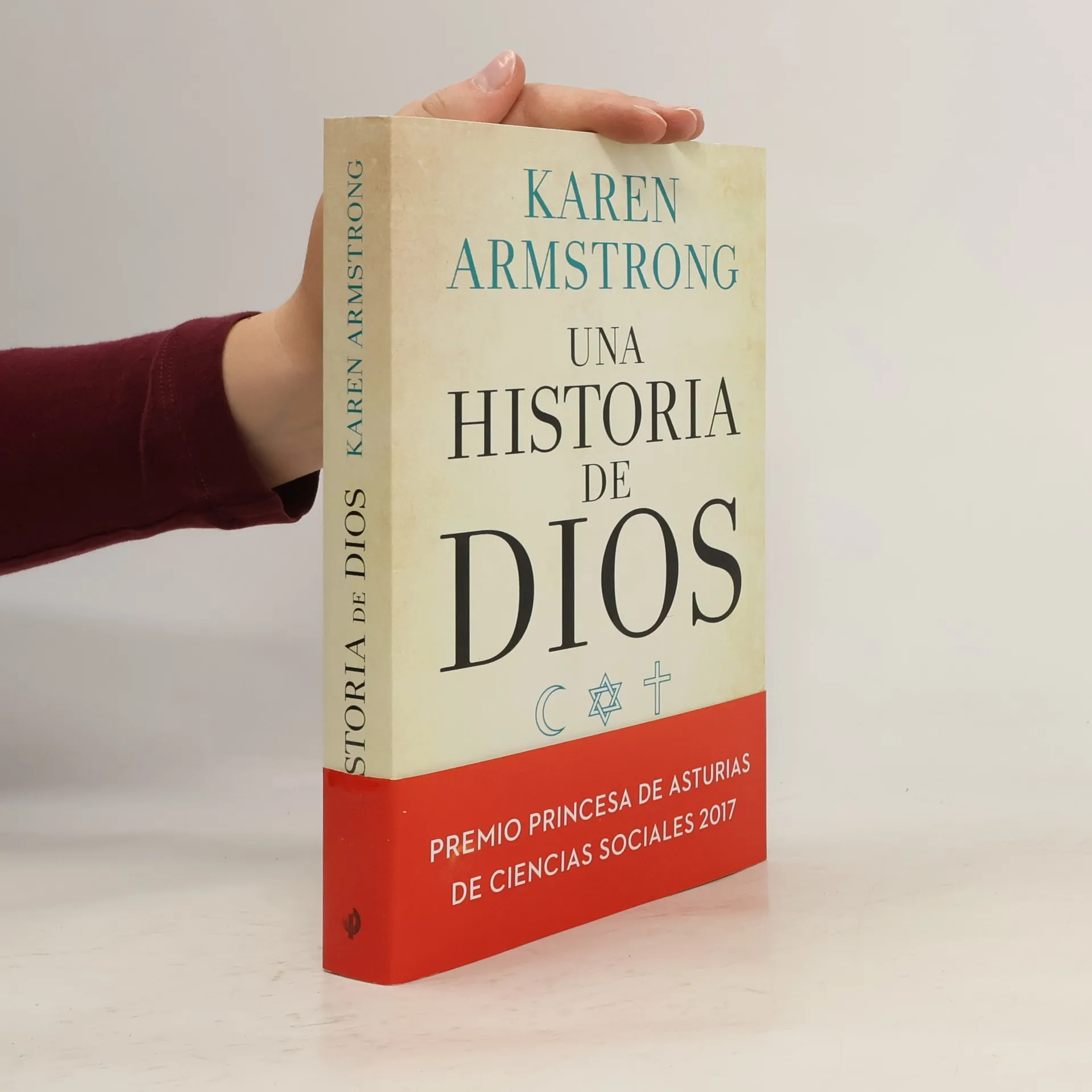
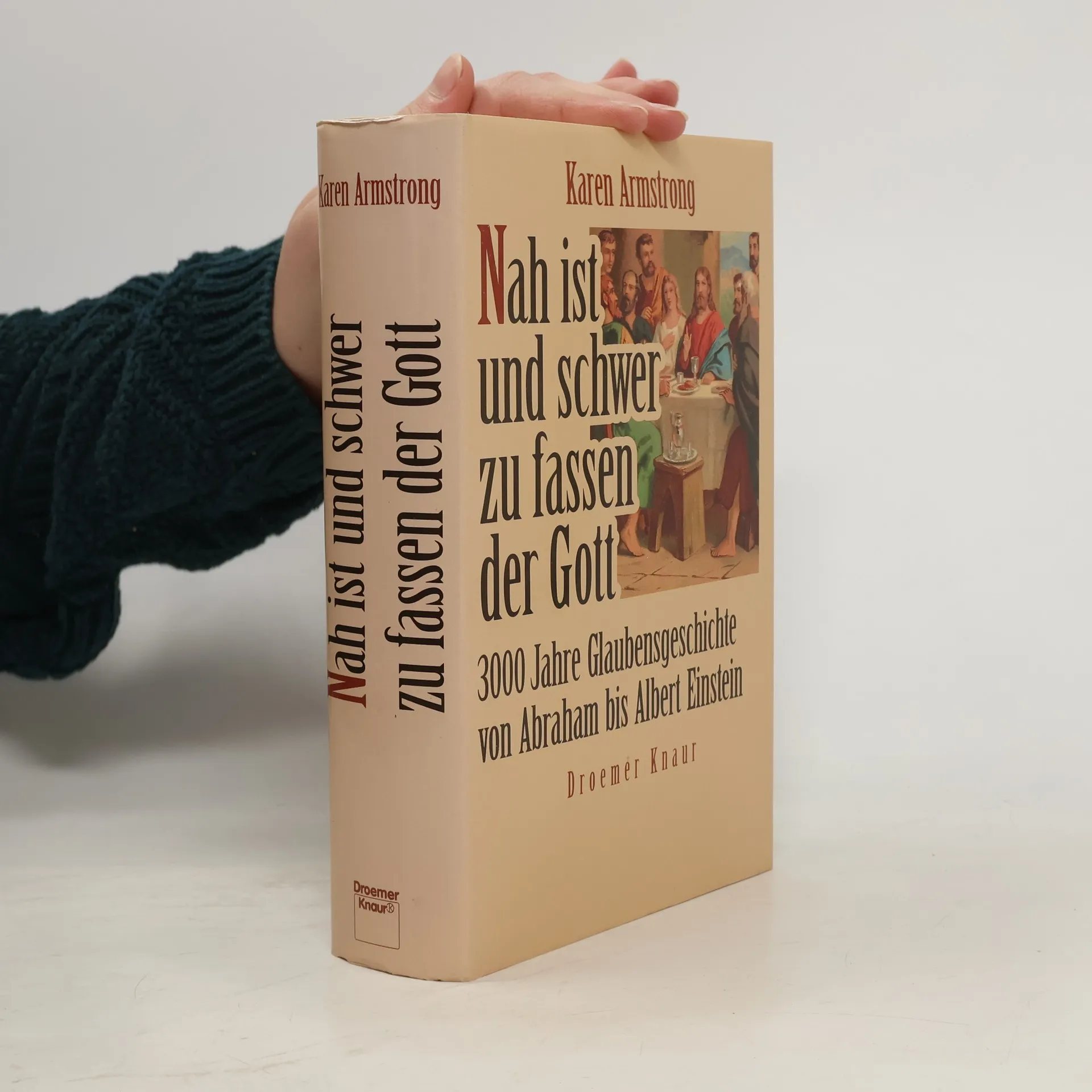
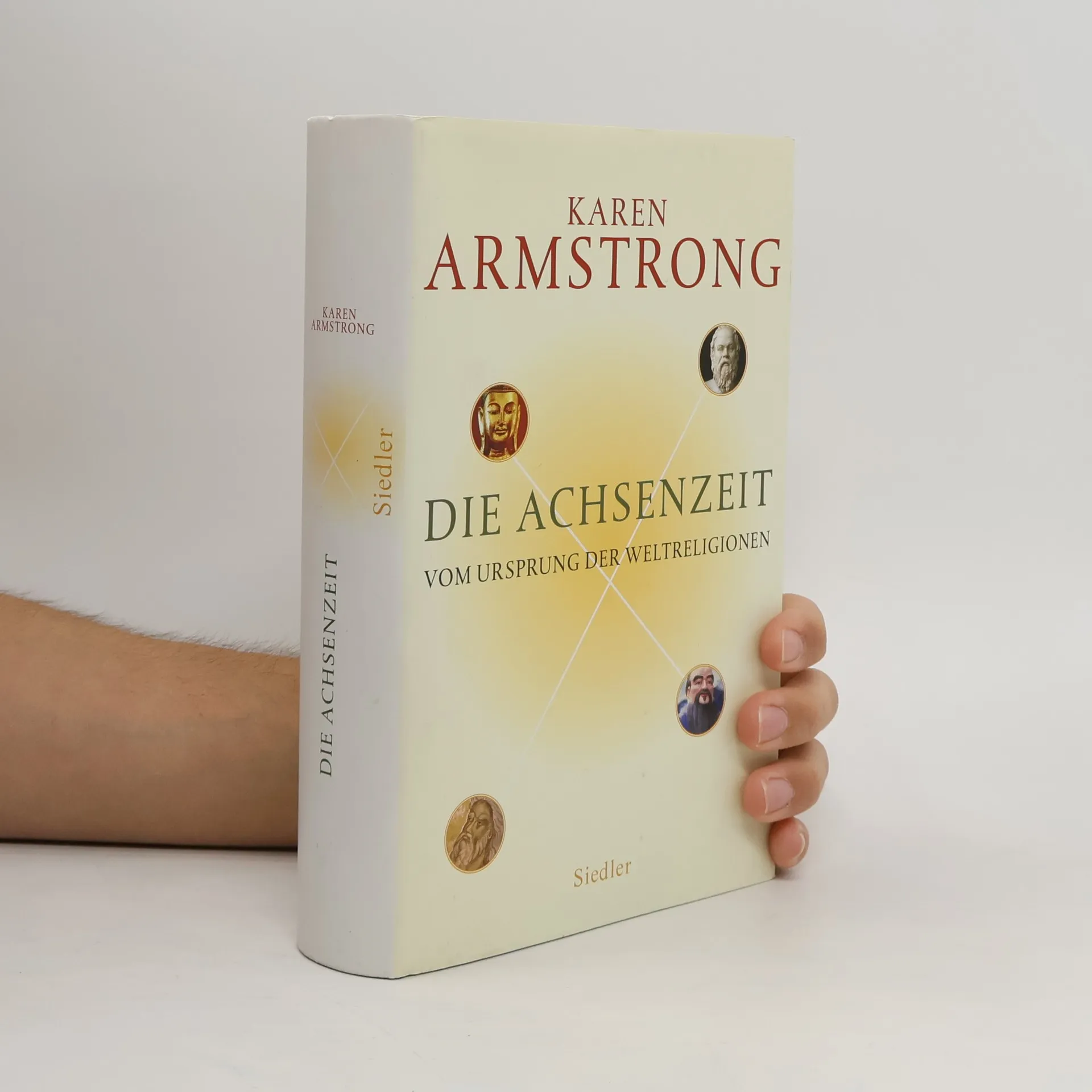
Karen Armstrong is een gerenommeerd specialist in vergelijkende religie, wiens uitgebreide werken ingaan op de essentie van geloof en de historische ontwikkeling ervan. Door haar inzichtelijke analyses onthult ze de complexe relaties tussen religieuze tradities en hun impact op menselijke samenlevingen. Armstrong blinkt uit in het verbinden van theologische concepten met actuele gebeurtenissen, waardoor lezers een diepgaand begrip krijgen van de spirituele landschappen van de wereld. Haar schrijfstijl wordt geprezen om zijn helderheid en zijn vermogen om dialoog tussen culturen en overtuigingen te bevorderen.
mijn zeven kloosterjaren, een spirituele ontdekkingsreis
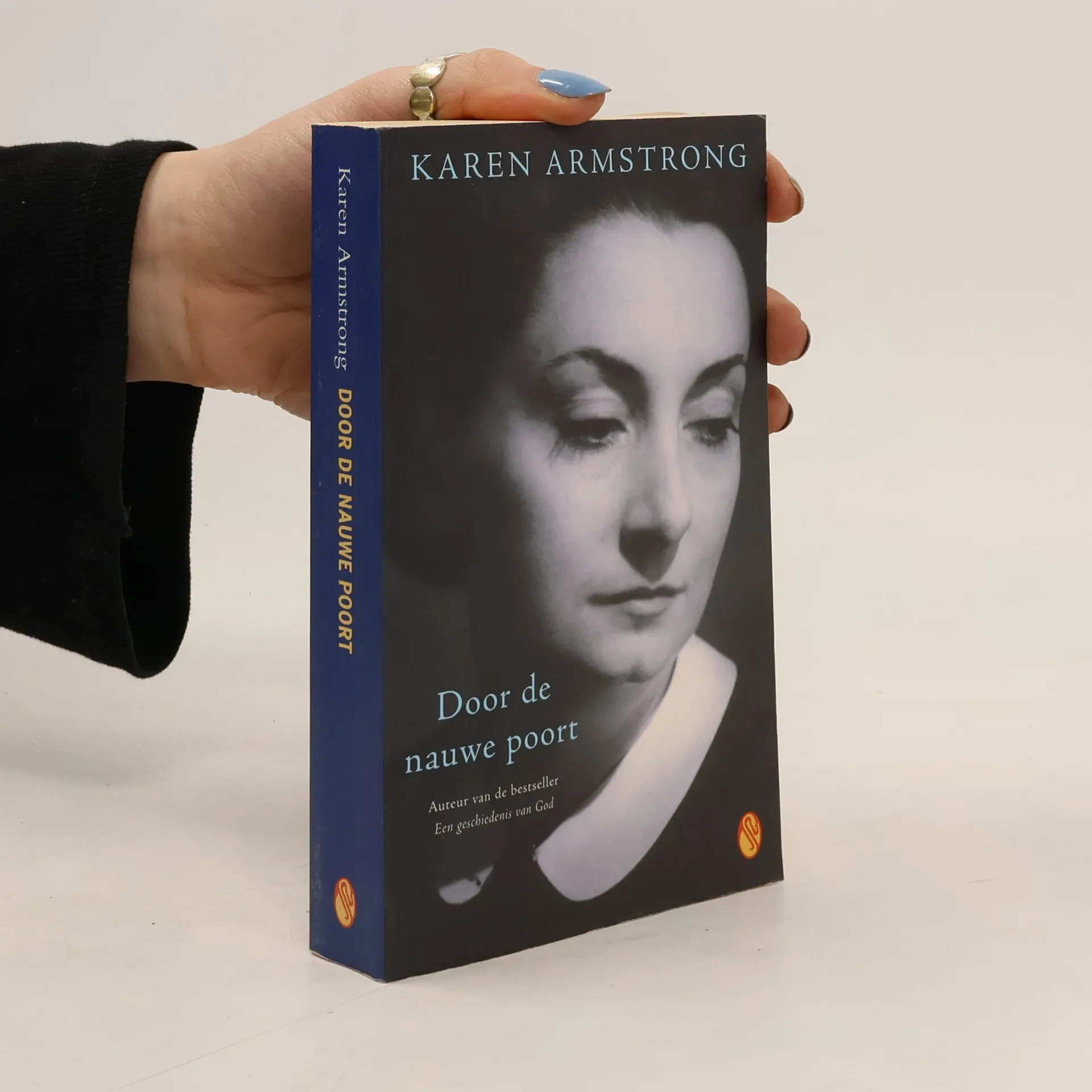
Autobiografisch relaas van de Engelse theologe, waarin zij vertelt over haar verblijf als non in een klooster van een rooms-katholieke onderwijscongregatie in de jaren zestig.
In De wenteltrap vertelt Karen Armstrong hoe ze in 1969, na zeven jaar, het klooster verlaat om in Oxford te studeren. Ze voelt zich als Doornroosje die na een lange sluimer in een vreemde, beangstigende wereld terechtkomt. In Londen volgen de jaren waarin ze haar gebrek aan ervaring inhaalt. Ze heeft relaties, loopt feesten af en maakt vrienden. Uiteindelijk vertrekt ze in 1982 als journaliste naar Jeruzalem. Daar verbreedt ze haar horizon, komt ze in contact met andere culturen en gaat ze zich verdiepen in de islam. Karen Armstrong wisselt in De wenteltrap haar persoonlijke herinneringen af met beschouwende stukken over het falen van de kerk, bidden, het wezen van het geloof, eenzaamheid en spiritualiteit. Rode draad is de zoektocht naar haar eigen, persoonlijke en integere manier van geloven. De wenteltrap is daarvan het openhartige, fascinerende en verhelderende verslag.
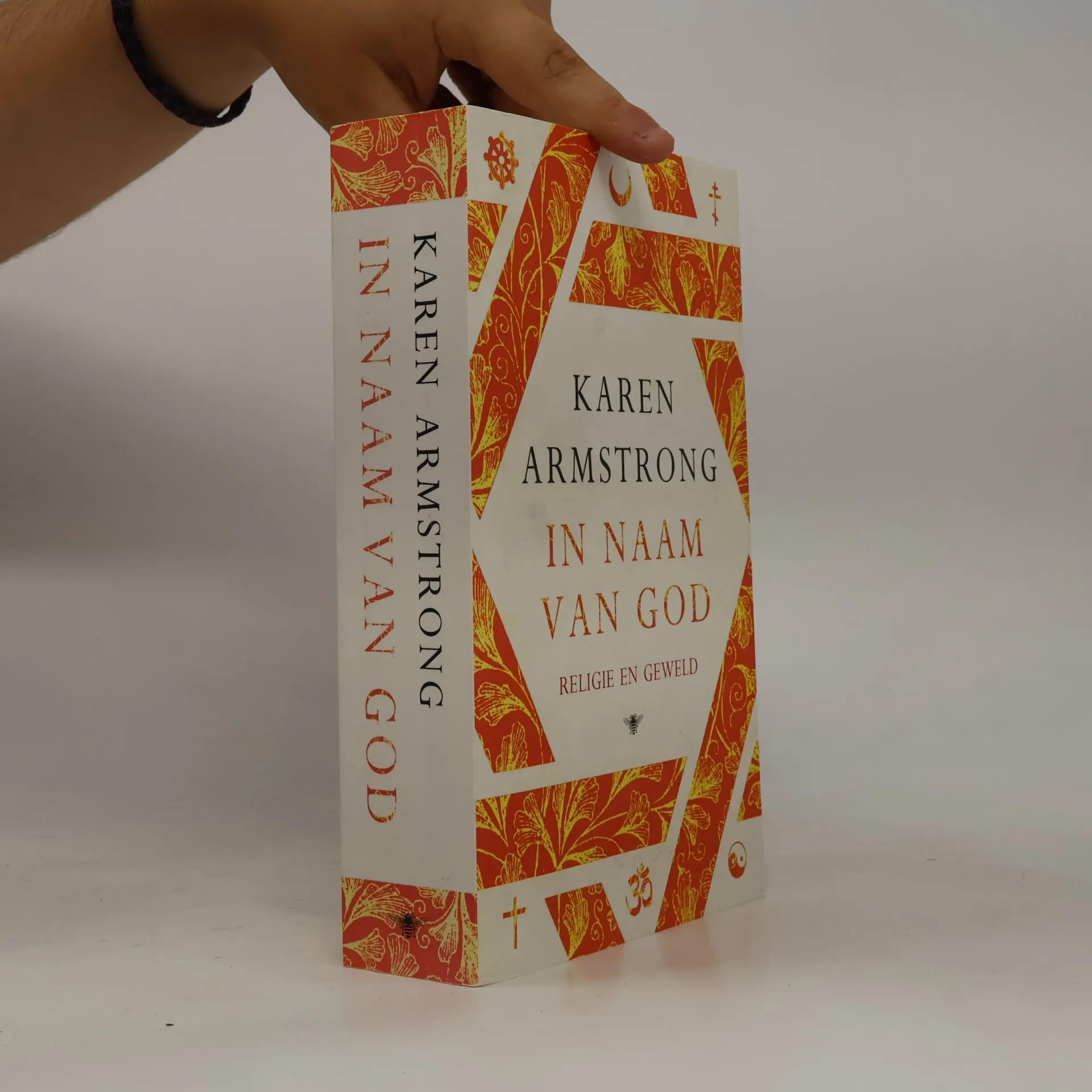
From the best-selling author of A History of God comes a sweeping exploration of religion's connection to violence. For the first time in American history, religious self-identification is declining, with some attributing this shift to the perception that faith breeds aggression and intolerance, particularly following September 11, 2001. This raises questions about the accuracy of such views and their applicability across different faiths. In a time of uncertainty, it is crucial to avoid making decisions based on misconceptions about the religions around us, both locally and globally.
With deep learning and empathy, Karen Armstrong examines the impulse toward violence in the world's major religions. Taking a comparative approach, she juxtaposes the Christian and Islamic traditions of warfare with those of Buddhism, Hinduism, Confucianism, Daoism, and Judaism. Each faith emerged in agrarian societies where violence was often necessary for land acquisition, leading to a martial ethos intertwined with the sacred. Yet, within each tradition, there also arose communities of sages, prophets, and mystics that protested against societal injustice and violence.
Armstrong explores the interplay between these conflicting impulses and their evolution as religions matured. She also addresses modernity's violence and how religions have absorbed contemporary belligerence, ultimately seeking pathways for peace among believers today.
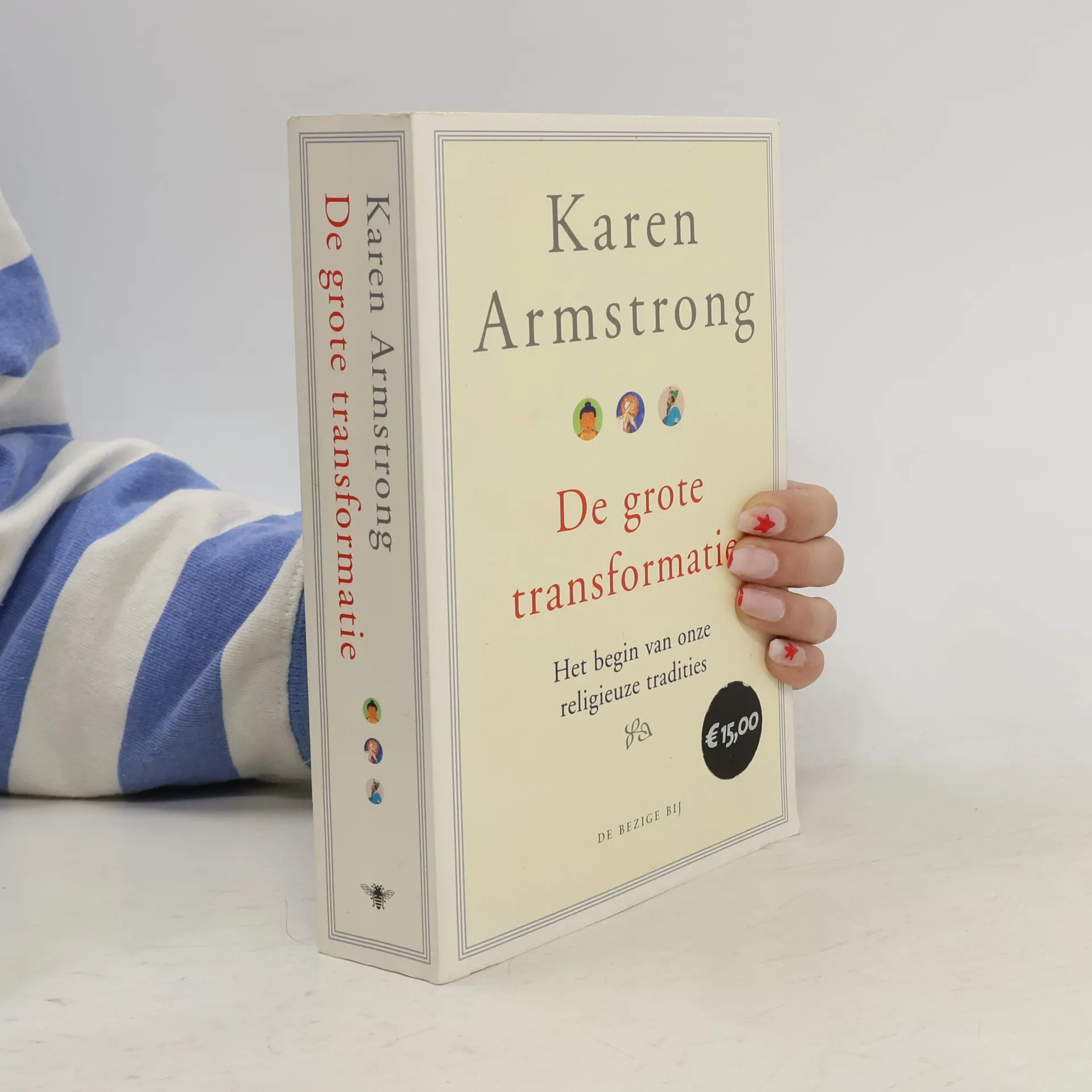
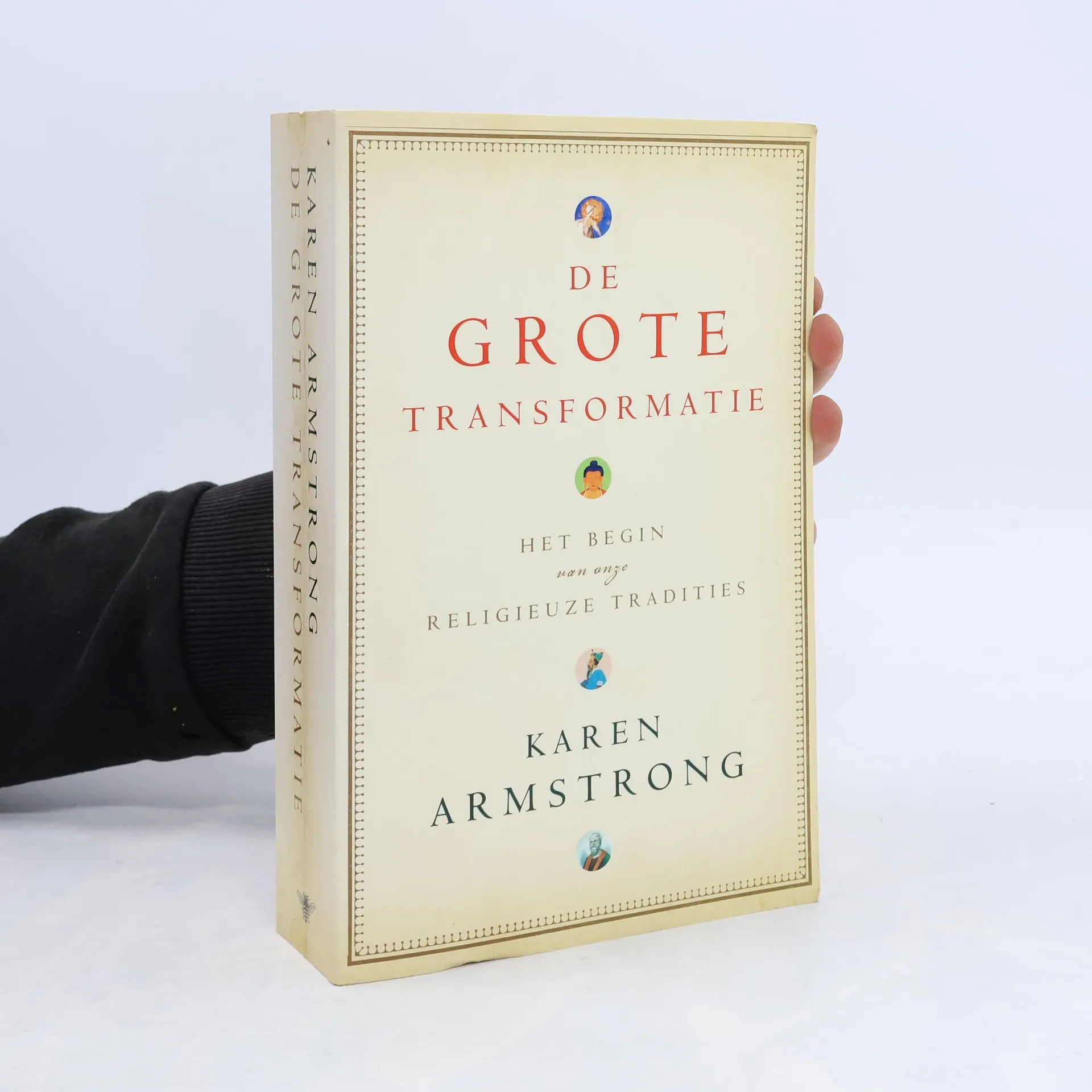
In de periode van de negende eeuw tot ongeveer de tweede eeuw voor Christus ontwikkelden vier afzonderlijke streken religieuze en filosofische tradities die de mensheid tot op de dag van vandaag beïnvloeden: confucianisme en daoïsme in China, hindoeïsme en boeddhisme in India, monotheïsme in Israël, en filosofisch rationalisme in Griekenland. Deze periode, bekend als de 'axiale eeuw', speelde een cruciale rol in de spirituele ontwikkeling van de mensheid. Karen Armstrong onderzoekt in haar nieuwe boek de bijdragen van invloedrijke figuren zoals Boeddha, Socrates, Confucius en Ezekiel. Ondanks de verschillen benadrukken deze tradities een opmerkelijke overeenkomst: de nadruk op compassie boven haat en geweld. De wijzen van deze tijd streefden er niet naar om doctrines van één geloof te omarmen, maar om een leven te leiden dat geworteld was in geweldloosheid en empathie. Armstrong toont aan wat deze gelijkenis zegt over de religieuze impuls van de mens. Ze gaat verder dan spirituele 'archeologie' door te onderzoeken hoe deze oude overtuigingen een uitdaging kunnen vormen voor onze huidige beleving van religie. Dit werk is een ontdekkingsreis naar de vroege ervaringen van de mensheid, hun verlangens, verantwoordelijkheden en inspirerende oplossingen, geschreven in een erudiete en toegankelijke stijl.
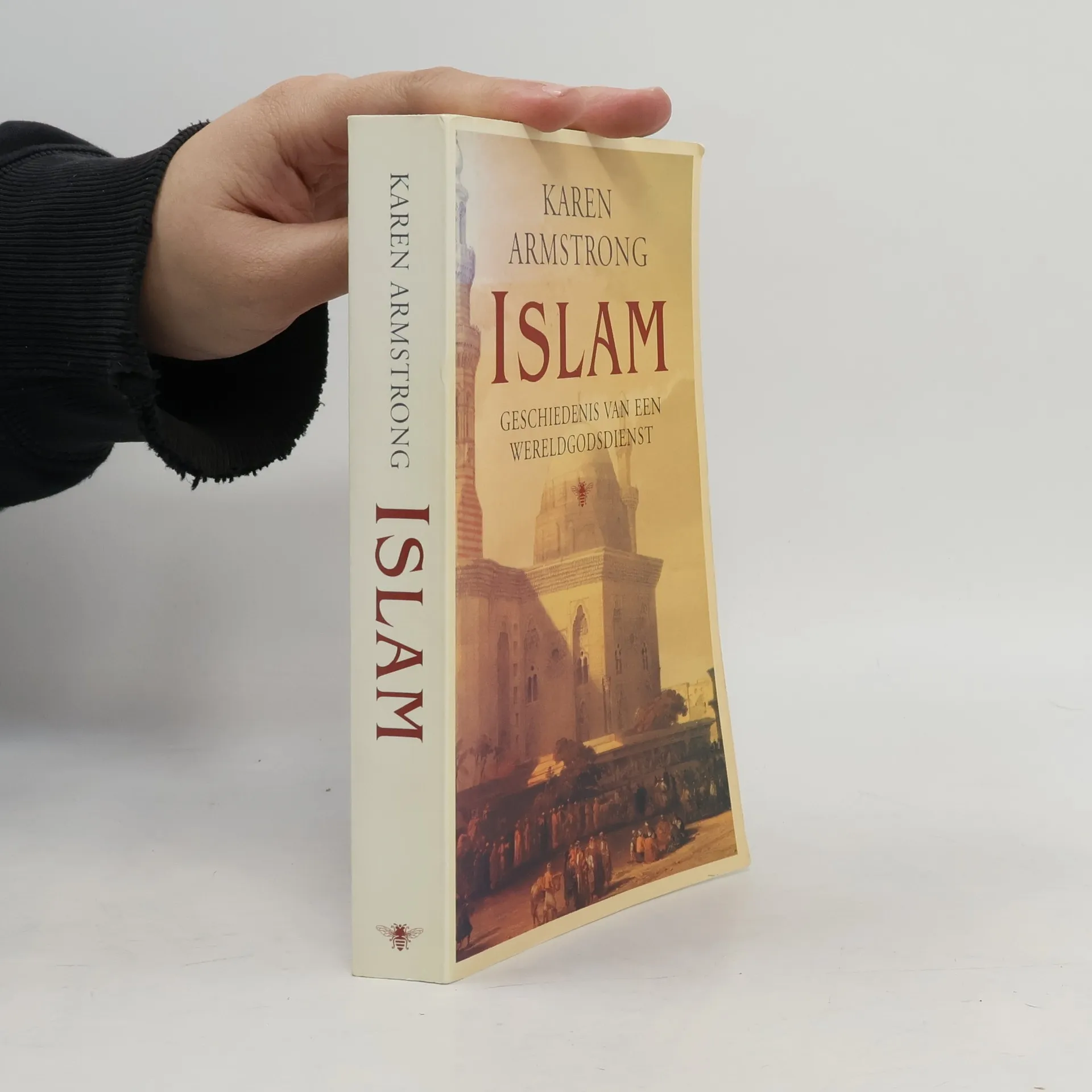
El Islam es, probablemente, la religión más incomprendida y malinterpretada de la modernidad. Una curiosa ignorancia prevalece en Occidentes desde las cruzadas, cuando empezó a cultivarse una visión distorsionada del Islam como una religión violenta e intolerante. Sin embargo, los imperios islámicos llegaron a ser los más g randes y mejor situados de la tierra hasta que fueron reemplazados por las naciones europeas en el siglo XIX.Karen Armstrong explica los acontecimientos centrales en la historia de esta religión -la división entre musulmanes chiítas y sunnitas. La aparición del misticismo sufí, la expansión por el Mediterráneo y por Asia, el efecto devastador de las cruzadas, el florecimiento del Islam imperial en los siglos XIV y XV, los orígenes y consecuencias del Islam revolucionario- y analiza los retos que afronta hoy en día esta religión milenaria.En este libro se confrontan los estereotipos y se demuestra que lo que llamamos «Islam» es un fenómeno mucho más rico y complejo de lo que su moderna facción fundamentalista sugiere.
A nuanced exploration of the part religion plays in human life, past and present, from one of the foremost commentators on religion at work today. Moving from the Paleolithic Age to the present, Karen Armstrong details the great lengths to which humankind has gone in order to experience a sacred reality that it has called God, Brahman, Nirvana, Allah, or Dao. Focusing especially on Christianity but including Judaism, Islam, Buddhism, Hinduism, and Chinese spirituality, Armstrong examines the diminished impulse toward religion in our own time, when a significant number of people either want nothing to do with God or question the efficacy of faith. Why has God become incredible? Why is it that atheists and theists alike now think and speak about God in a way that deviates so profoundly from the thinking of our ancestors? Answering these questions with the same depth of knowledge and profound insight that have marked all of her acclaimed books, Armstrong makes clear how the changing face of the world has necessarily changed the importance of religion at both the societal and the individual level. And she makes a powerful, convincing argument for drawing on the insights of the past in order to build a faith that speaks to the needs of our dangerously polarized age.
Karen Armstrong gaat ervan uit dat ieder mens behept is met een vermogen tot compassie, maar ze is van mening dat dat niet genoeg is: iedereen zou dat vermogen moeten koesteren en ontwikkelen. In het wijze en diepzinnige boek Compassie stippelt Armstrong een programma uit dat ons in twaalf stappen kan leren hoe we een medemenselijker leven kunnen leiden. Ze gaat daar- bij in op thema’s als eigenliefde, bedachtzaamheid, lijden, gedeelde vreugde, de grenzen van onze kennis van de ander en mededogen.
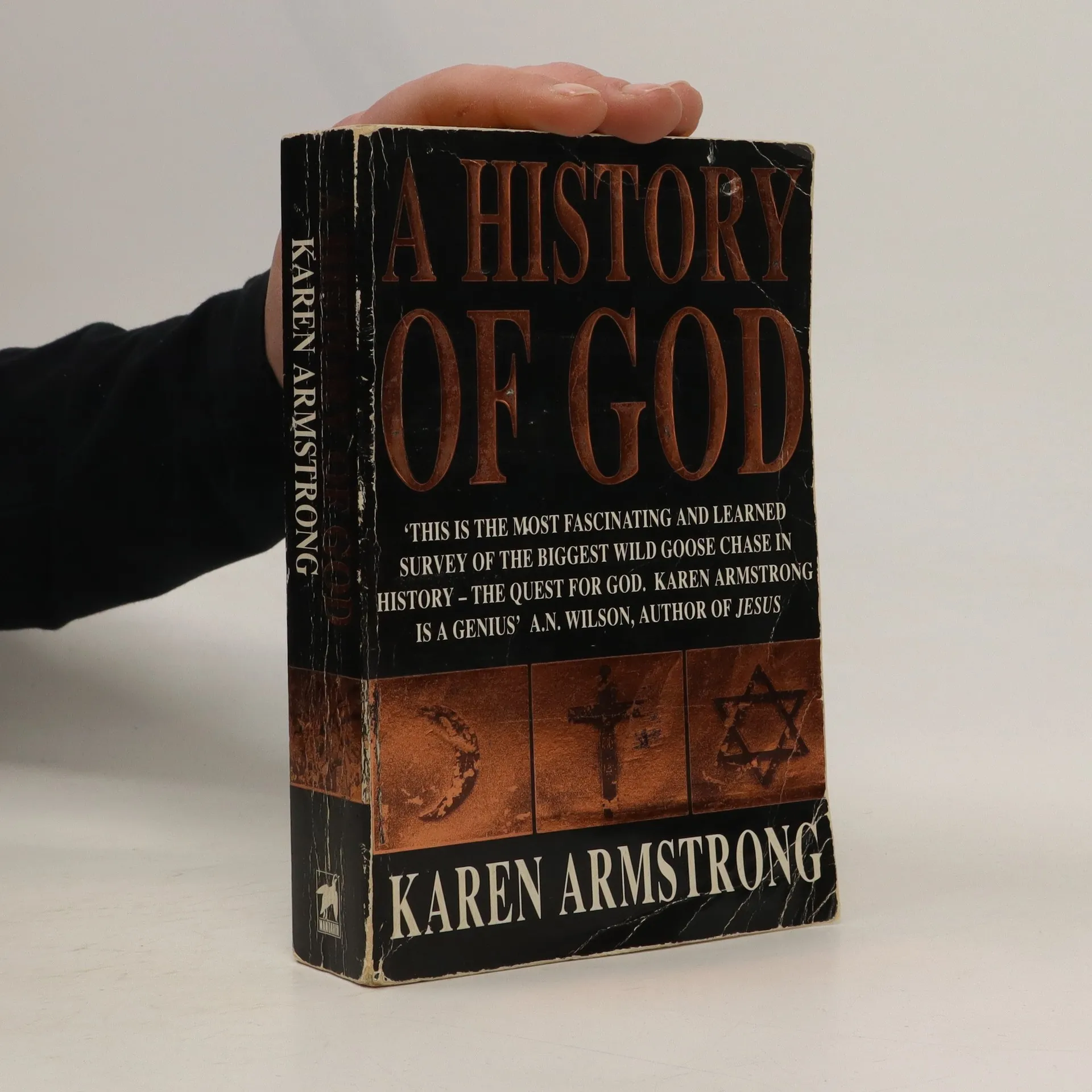
In dit belangrijke en controversiële boek beschrijft Karen Armstrong niet een geschiedenis van God zoals hij 'is', maar zoals de mens in hem geloofd heeft. Zij onderzoekt het ontstaan en de ontwikkeling van de idee van de ene God in het jodendom, het christendom en de islam. Wat is God tegenwoordig? Heeft hij toekomst? En, zo niet, hebben we een vervanging nodig?
Van de mondelinge traditie tot het heden.
De Bijbel is het meest verspreide boek ter wereld. De auteur volgt in dit sleutelwerk het proces van de totstandkoming van de Bijbel en onthult hoe complex en innerlijk tegenstrijdig het literaire en theologische werk van de Bijbel is en welk menselijk streven, dat duizenden jaren duurde, het zijn oorsprong en voortbestaan heeft gegeven. Ze begint met een analyse van de beginperiode van de oudste bijbelse boeken, waarin God ofwel Jahwe ofwel Elohim wordt genoemd. Verder onderzoekt ze de ontwikkeling van de Hebreeuwse Bijbel en het Nieuwe Testament en onthult de verschillende invloeden die de uiteindelijke vorm van de heilige tekst hebben gevormd. Van de Joodse Midrasj en de christelijke cultus rond Jezus tot de invloed van de brieven van de apostel Paulus op de Reformatie en de manipulaties van het boek Openbaring bij evangelicale fundamentalisten, wordt de context onderzocht waarin de zesenzestig bijbelse boeken werden gelezen, en worden de vragen verduidelijkt waarop de Bijbel in verschillende samenlevingen antwoorden gaf.
De geschiedenis van de mythe is de geschiedenis van de mensheid: onze verhalen, onze overtuigingen, ons verlangen naar kennis, onze pogingen om de wereld te begrijpen, maken dat wij verbonden zijn met onze voorouders en met elkaar. Mythen helpen ons om de schepping te doorgronden. ‘Mensen zijn altijd mythevertellers geweest.’ Met deze woorden begint Karen Armstrong haar beknopte, maar uiterst boeiende onderzoek naar de mythe. Mythen, een beknopte geschiedenis is een fascinerende reis door de millennia waarin de mens mythen heeft geschapen en zelf door mythen gevormd is. Armstrong laat zien dat ook de moderne mens nog altijd niet zonder mythen kan. Zij besluit met een pleidooi voor de priesterlijke rol van kunstenaars en schrijvers, die beter dan religieuze leiders in staat zijn de functie van de vroegere mythe in de maatschappij over te nemen, en ons te helpen de wereld op een andere manier te bezien.
In de periode van de negende eeuw tot ongeveer de tweede eeuw voor Christus ontwikkelden vier afzonderlijke regio's religieuze en filosofische tradities die de mensheid tot op heden beïnvloeden: confucianisme en daoïsme in China, hindoeïsme en boeddhisme in India, monotheïsme in Israël, en filosofisch rationalisme in Griekenland. Historici verwijzen naar deze tijd als de 'axiale eeuw' vanwege de cruciale rol in de spirituele ontwikkeling van de mens. In haar nieuwe boek onderzoekt Karen Armstrong de bijdragen van belangrijke figuren zoals Boeddha, Socrates, Confucius en Ezekiel. Ze benadrukt de opmerkelijke overeenkomsten binnen deze tradities, waarbij de nadruk ligt op compassie boven haat en geweld. De wijzen uit deze periode streefden niet naar dogma's, maar naar een leven in harmonie met anderen. Religie was voor hen synoniem met compassie. Armstrong verkent wat deze overeenkomsten zeggen over de menselijke zoektocht naar spiritualiteit en gaat verder dan alleen historische analyse. Ze onderzoekt hoe deze oude overtuigingen ons kunnen uitdagen in onze huidige benadering van religie. Dit boek is een ontdekkingsreis naar de vroegste ervaringen, verlangens en oplossingen van de mensheid, geschreven in Armstrongs kenmerkende, toegankelijke stijl.
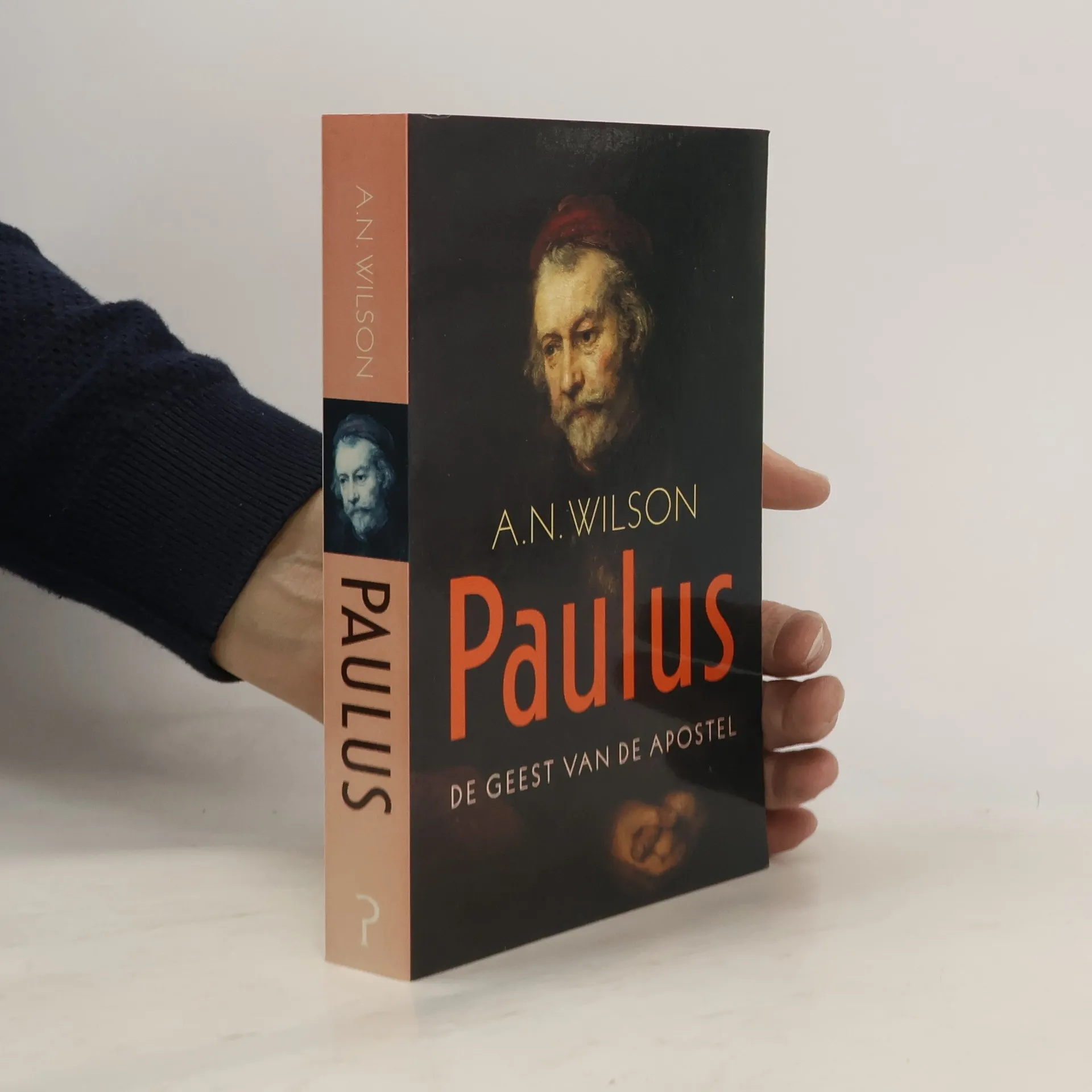
It begins on the road to Damascus, in a moment graven on the consciousness of Western civilization. "Saul, Saul", asks the crucified Jesus of Nazareth, "why persecutest thou me?" From this experience, & from the response of the Jewish merchant later known as Paul, springs the Christian Church as we know it today. For as A.N. Wilson makes clear in this gripping narrative, Christianity without Paul is quite literally nothing. Jesus, with the layers of scholarship & ceremony stripped away, is a fastidious & fervent Jew who will lead his followers into a stricter, purer observance of Judaism. It's Paul who will claim divinity for him, who will transform him into the Messiah, center of an entirely new religion. In Wilson's astute narrative, we see Paul negotiating the dangerous political currents of the Roman Empire, making converts, & writing the great epistles that define our understanding of Christ & of the sublime paradoxes of his teaching. What drove Paul? What would he think of what his church has become? The answers lie in this biography, which lays bare the psychological journey of Christianity's true inventor.
St Paul is known throughout the world as the first Christian writer, authoring fourteen of the twenty-seven books in the New Testament. But as Karen Armstrong demonstrates in this book, he also exerted a more significant influence on the spread of Christianity throughout the world than any other figure in history. It was Paul who established the first Christian churches in Europe and Asia in the first century, Paul who transformed a minor sect into the largest religion produced by Western civilization, and Paul who advanced the revolutionary idea that Christ could serve as a model for the possibility of transcendence
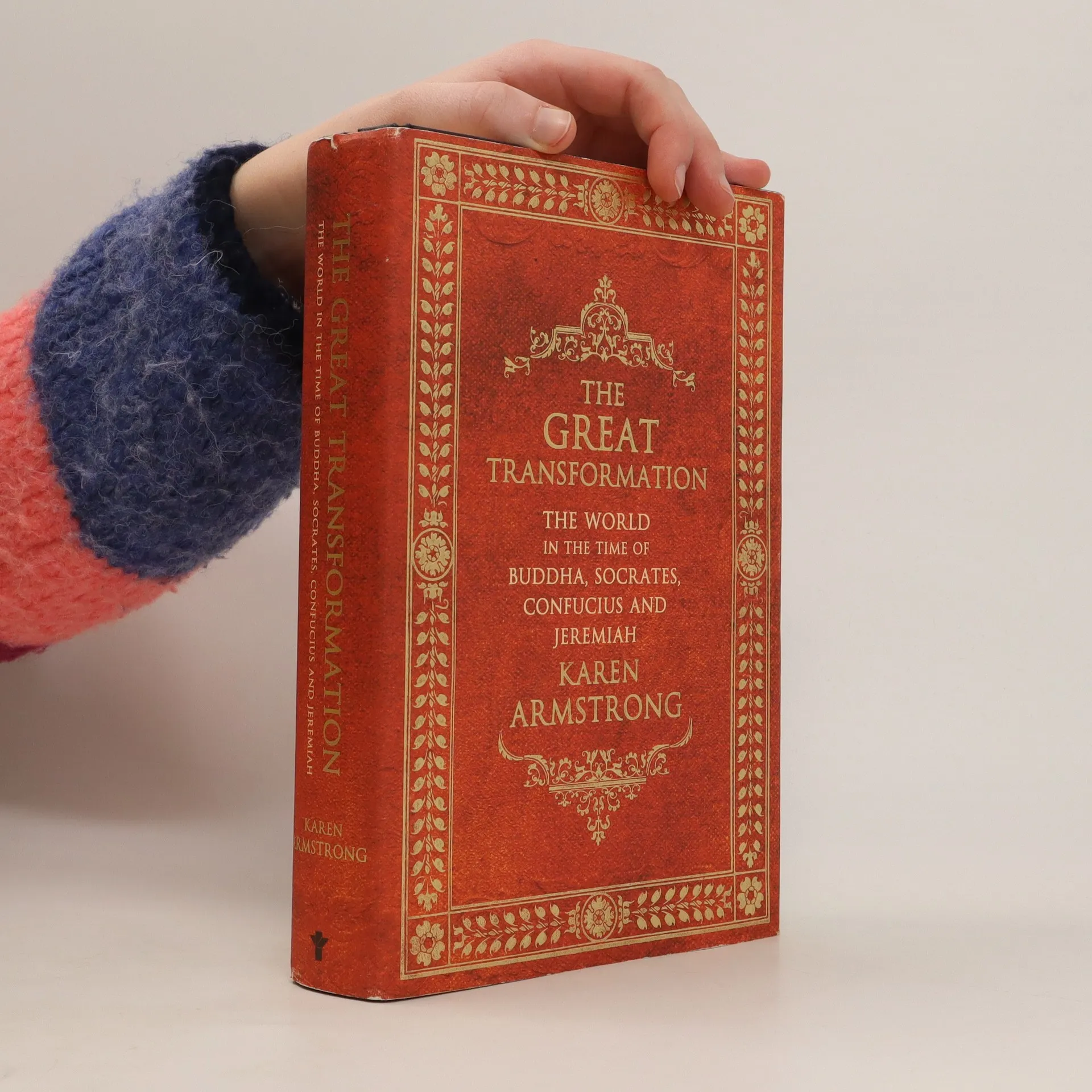
The centuries between 800 and 300 BC saw an explosion of new religious concepts. But why did Socrates, Buddha, Confucius, Jeremiah, Lao Tzu and all others emerge in this 500 year span? Armstrong examines this period and the connections between this disparate group of philosophers, mystics, and theologians.
'An amazingly wide-ranging book, showing that the world's religious texts can be a force for good today' John Barton, author of A History of the BibleIn our increasingly secular world, holy texts are at best seen as irrelevant, and at worst as an excuse to incite violence, hatred and division.
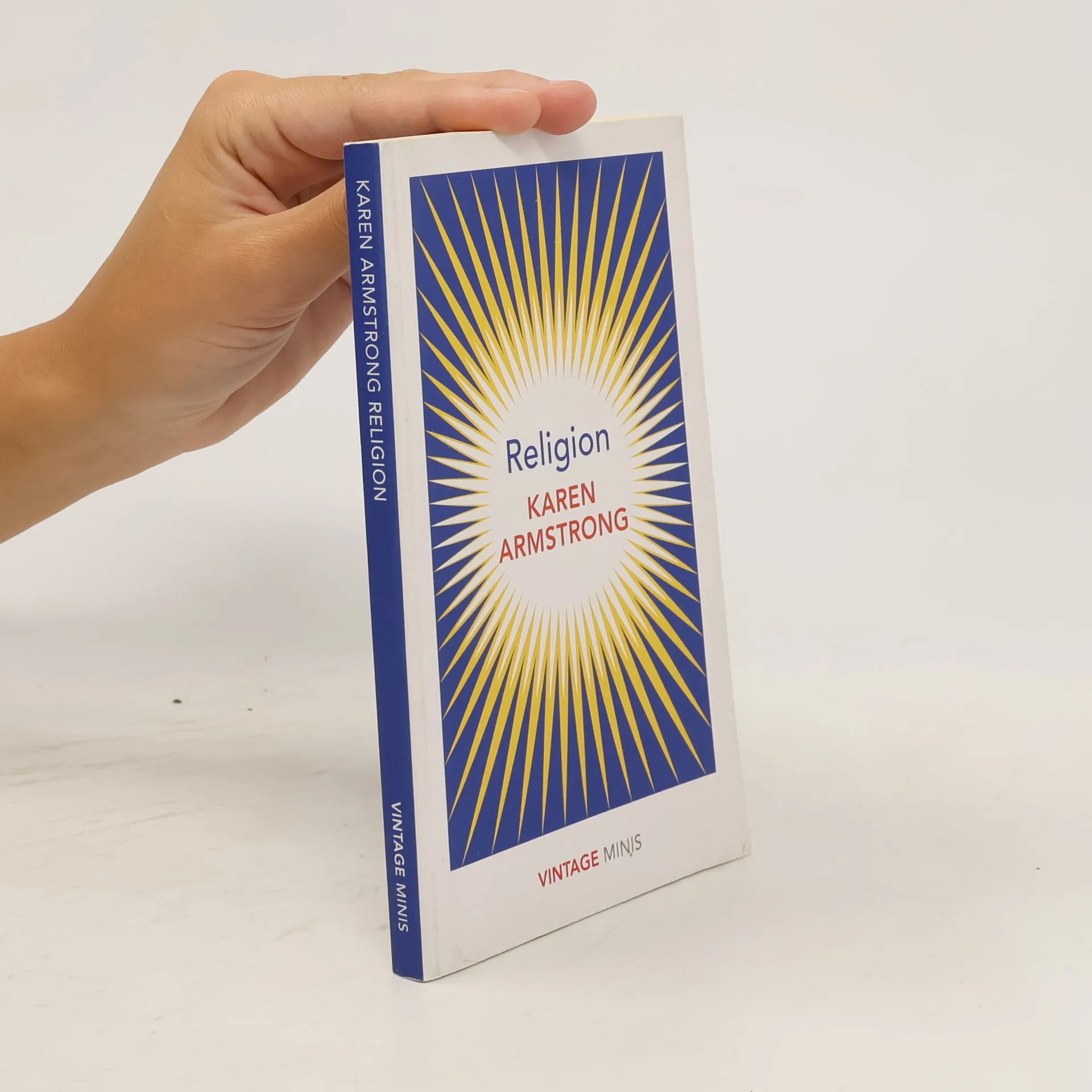
'Because 'God' is infinite, nobody can have the last word.' What is this thing, religion, which has supposedly been the cause of bloodshed and warring for centuries? What is 'God' and do we need 'Him' in our modern world? Karen Armstrong, bestselling author and one of the world's leading writers on religious affairs, has a refreshing and startling way of looking again at these questions. God is not a being to be 'believed in' as a child believes in Santa Claus; religion is not a story to be proven true or false, but a discipline akin to music or art that answers a deeply human need, and can teach us to discover new capacities of mind and heart
The Crusades and Their Impact on Today's World - With a New Preface
628bladzijden
22 uur lezen
The New York Times bestselling author of A History of God skillfully narrates the history of the Crusades with a view toward their profound and continuing influence." Holy War brings compassion, objectivity, breadth, and imagination to the most urgent crisis of our time." — The Boston PhoenixIn 1095 Pope Urban II summoned Christian warriors to take up the cross and reconquer the Holy Land. Thus began the holy wars that would focus the power of Europe against a common enemy and become the stuff of romantic legend. In reality the Crusades were a series of rabidly savage conflicts in the name of piety. And, as Armstrong demonstrates in this fascinating book, their legacy of religious violence continues today in the Middle East, where the age-old conflict of Christians, Jews, and Muslims persists.
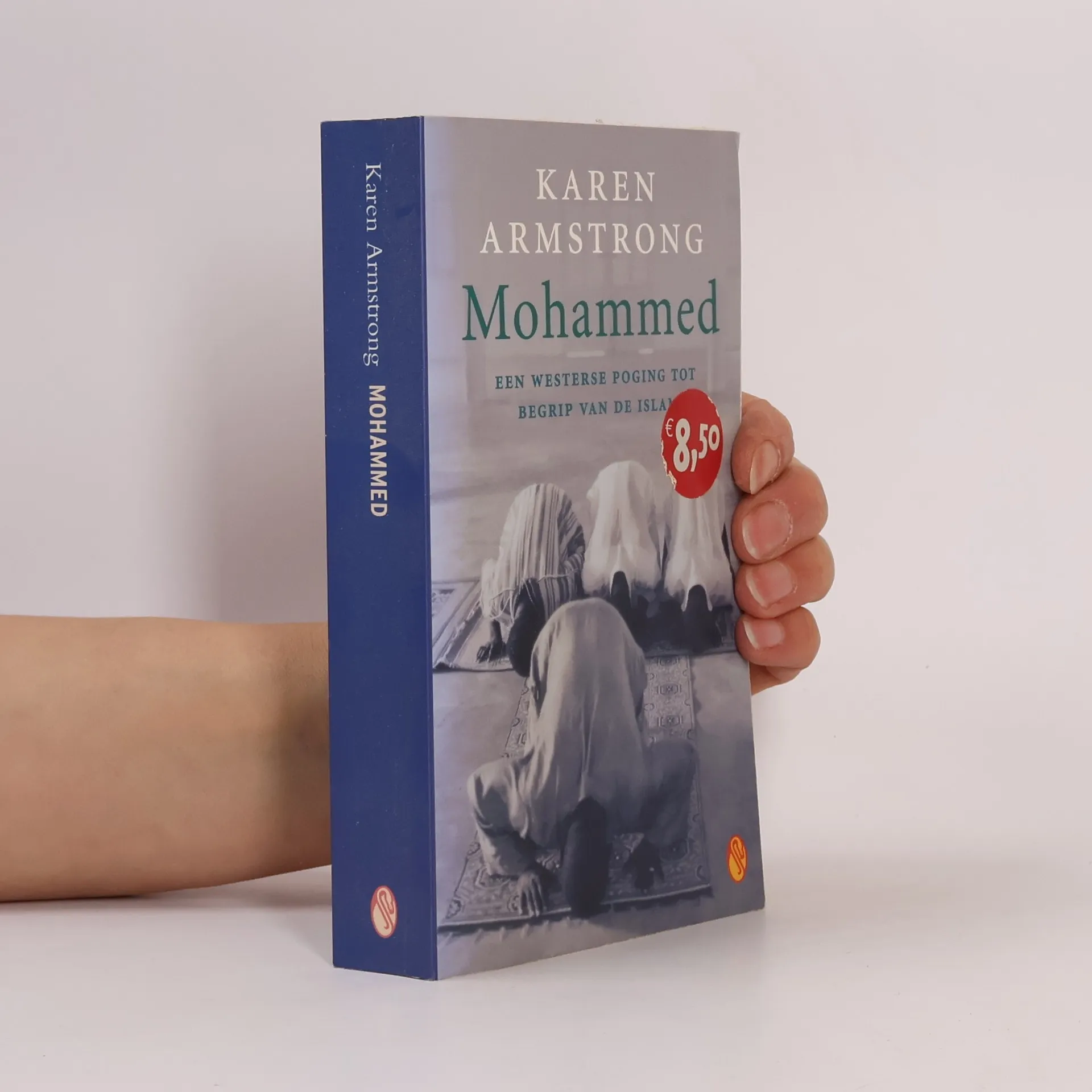
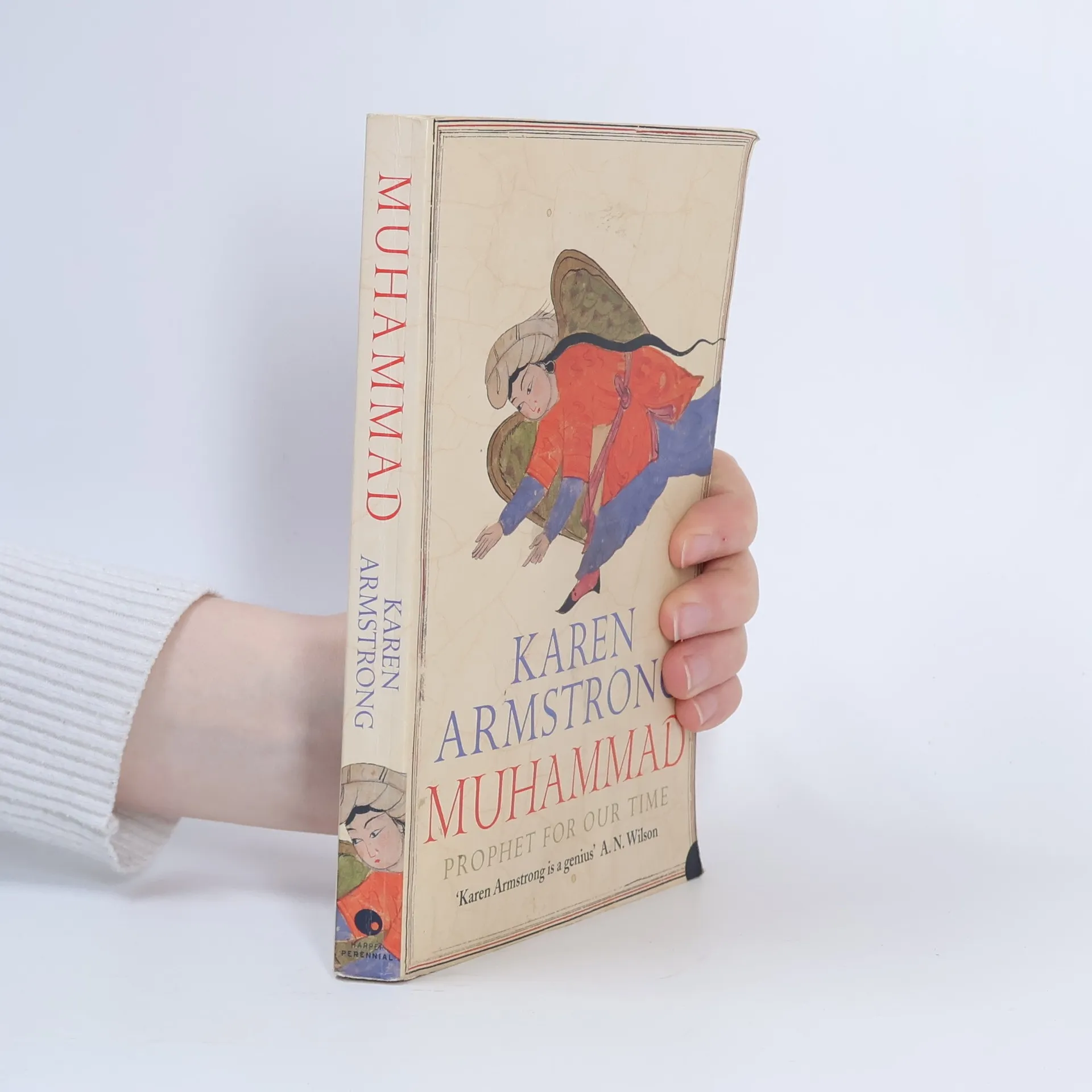
A life of the prophet Muhammad by bestselling religious writer Karen Armstrong. Most people in the West know very little about the prophet Muhammad. The acclaimed religious writer Karen Armstrong has written a biography which will give us a more accurate and profound understanding of Islam and the people who adhere to it so strongly. Muhammad also offers challenging comparisons with the two religions most closely related to it - Judaism and Christianity.
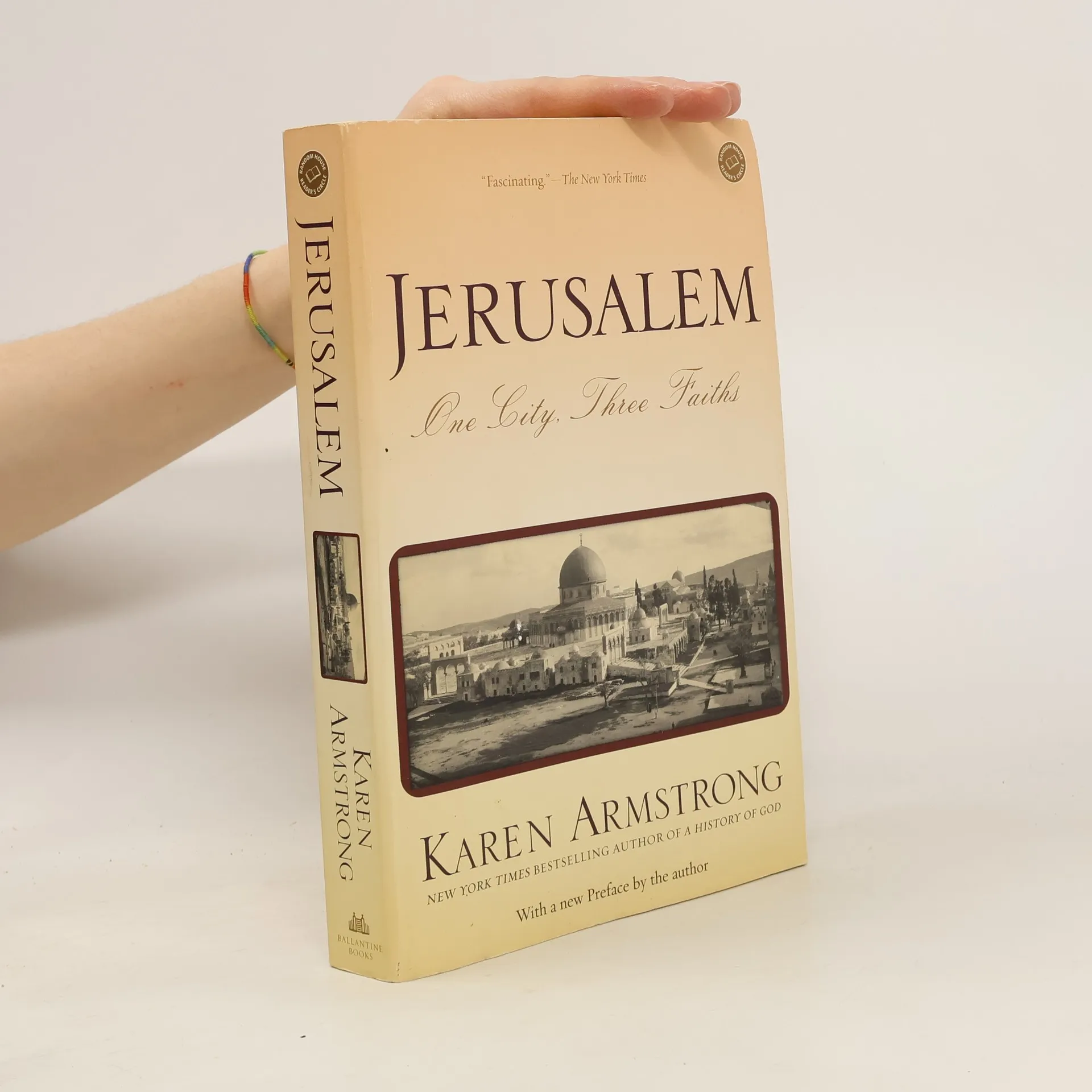
In "Jerusalem," Karen Armstrong explores the city's profound significance to Jews, Christians, and Muslims, tracing its tumultuous history from ancient times to the present. With meticulous research, she examines how differing concepts of holiness have shaped Jerusalem, making it a focal point of conflict and reverence. A compelling read for all.
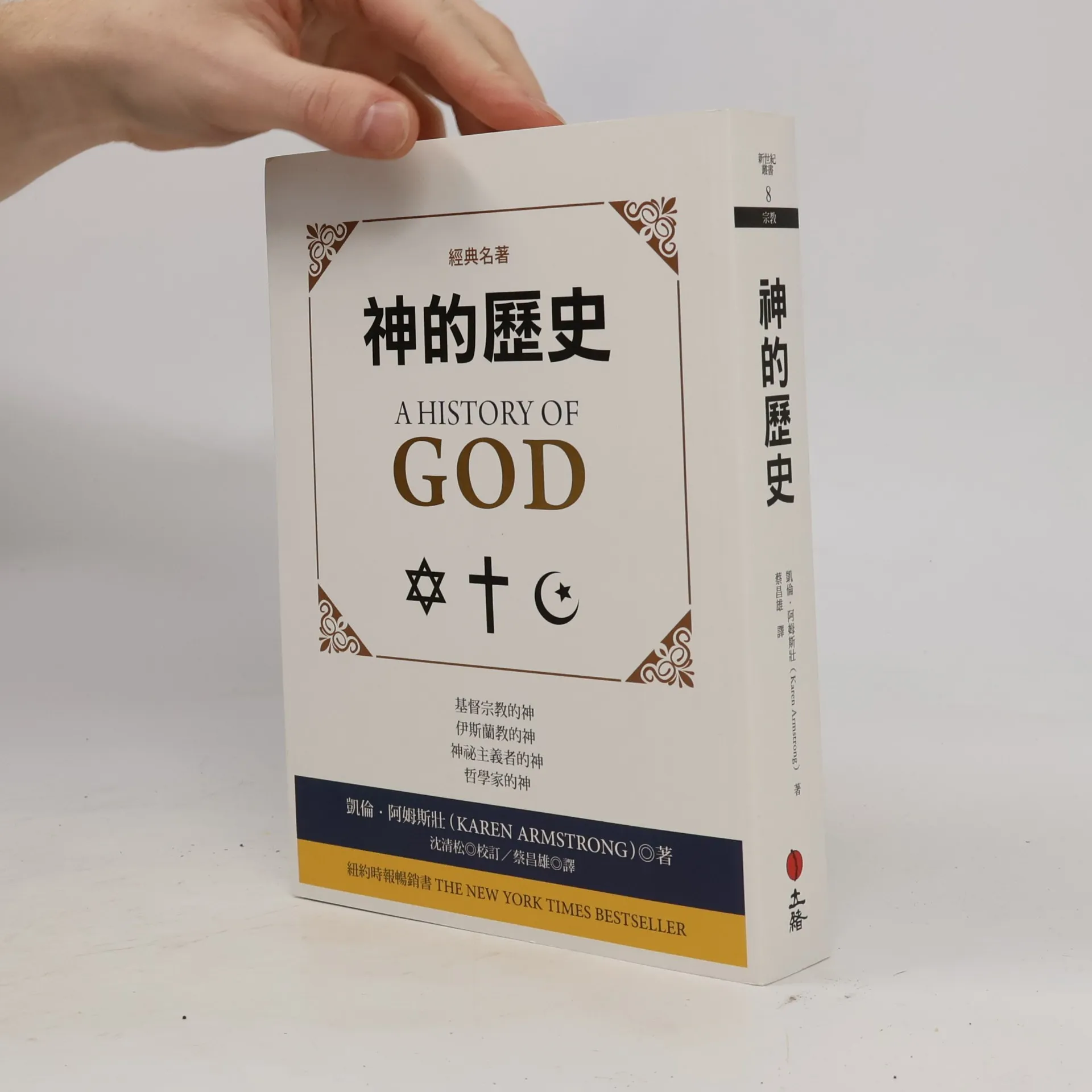
The idea of a single divine being - God, Yahweh, Allah - has existed for over 4000 years, but the history of God is also the history of human struggle. While Judaism, Islam and Christianity proclaim the goodness of God, organized religion has too often been the catalyst for violence and ineradicable prejudice. This controversial account of the evolution of belief examines Western society's unerring fidelity to the idea of One God and the many conflicting convictions it engenders.
Through comparison with other prophets and mystics the author examines Muhammad's spiritual ideas, and uses the facts of his life - from which Muslims have drawn instruction for centuries - to make the tenets of Islam clear and accessible for readers of all faiths.
'KAREN ARMSTRONG IS A GENIUS' A.N. Wilson In this hugely powerful book, Karen Armstrong argues that if we want to avert environmental catastrophe, it is not enough to change our behaviour- we need to learn to think and feel differently about the natural world - to rekindle our spiritual bond with nature. For most of human history, and in almost all the world's cultures, nature was believed to be sacred, and our God or gods to be present everywhere in the natural world. When people in the West began to separate God and nature in modern times, it was not just a profound breach with thousands of years of accumulated wisdom- it also set in train the destruction of the natural world. Taking themes that have been central to the world's religious traditions - from gratitude and compassion to sacrifice and non-violence - Armstrong offers practical steps to help us develop a new mindset to reconnect with nature and rekindle our sense of the sacred. Sacred Nature reveals the most profound connections between humans and the natural world. It speaks to anyone interested in our relationship with nature, worried about the destruction of our environment, and searching for new ways of thinking to shape the action needed to save our planet. 'One of our best living writers on religion' Financial Times 'Karen Armstrong is one of the handful of wise and supremely intelligent commentators on religion' Alain de Botton
An American imam offers answers for today's toughest questions about Islam, and a vision for a reconciliation between Islam and the West. One of the pressing questions of our time is what went wrong in the relationship between Muslims and the West. Continuing global violence in the name of Islam reflects the deepest fears by certain Muslim factions of Western political, cultural, and economic encroachment. The solution to the current antagonism requires finding common ground upon which to build mutual respect and understanding. Who better to offer such an analysis than an American imam, someone with a foot in each world and the tools to examine the common roots of both Western and Muslim cultures; someone to explain to the non-Islamic West not just what went wrong with Islam, but what's right with Islam. Focused on finding solutions, not on determining fault, this is ultimately a hopeful, inspiring book. What's Right with Islam systematically lays out the reasons for the current dissonance between these cultures and offers a foundation and plan for improved relations. Wide-ranging in scope, What's Right with Islam elaborates in satisfying detail a vision for a Muslim world that can eventually embrace its own distinctive forms of democracy and capitalism, aspiring to a new Cordoba - a time when Jews, Christians, Muslims, and all other faith traditions will live together in peace and prosperity.
Kniha provází historickým, filozofickým, intelektuálním a sociálním vývojem monoteistických náboženství. Seznamuje s kontexty a předpoklady, z nichž plynula odlišená pojetí Boha, a současně poukazuje na základní podobnosti uvádí řady zajímavých paralel.
La idea de un ser divino único - Dios, Yahvé, Alá - ha existido durante más de 4,000 años. Pero la historia de Dios es también la historia de la lucha humana. Mientras que el judaísmo, el islam y el cristianismo proclaman la bondad de Dios, la religión organizada ha sido a menudo el catalizador de la violencia y los prejuicios inerradicables. En este fascinante, extenso y original relato de la evolución de la creencia, Karen Armstrong examina la inquebrantable fidelidad de la sociedad occidental a esta idea de un Dios y las muchas convicciones conflictivas que genera. Una historia controvertida y extraordinaria de adoración y guerra, "Una historia de Dios" confronta el hecho - o la ficción - más fundamental de nuestras vidas.
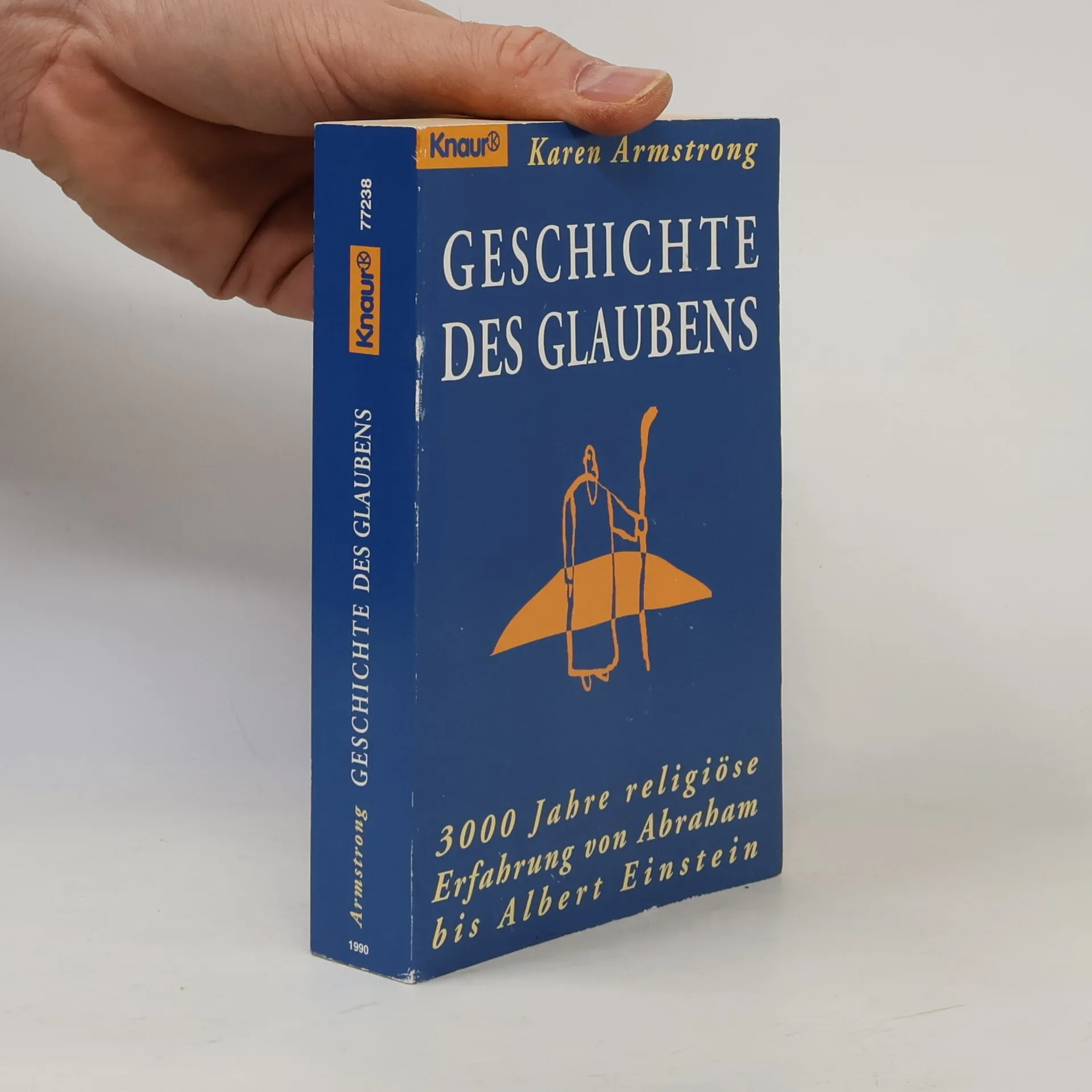
Die Idee eines einzigen göttlichen Wesens - Gott, Jahwe, Allah - existiert seit über 4.000 Jahren. Doch die Geschichte Gottes ist auch die Geschichte menschlichen Kampfes. Während Judentum, Islam und Christentum die Güte Gottes verkünden, war die organisierte Religion oft der Katalysator für Gewalt und unausrottbaren Vorurteile. In diesem faszinierenden, umfangreichen und originellen Bericht über die Entwicklung des Glaubens untersucht Karen Armstrong die unerschütterliche Treue der westlichen Gesellschaft zu dieser Idee des Einen Gottes und die vielen widersprüchlichen Überzeugungen, die sie hervorbringt. Eine kontroverse, außergewöhnliche Geschichte von Anbetung und Krieg konfrontiert das grundlegendste Faktum - oder Fiktion - unseres Lebens.
Karen Armstrong erzählt die faszinierende Geschichte einer der bedeutendsten geistigen Revolutionen der Weltgeschichte. Zwischen dem 9. und 2. Jahrhundert vor Christus entstanden in vier Erdteilen religiöse und philosophische Traditionen, die bis heute für die Menschheit zentral sind. Armstrong begibt sich auf eine Entdeckungsreise zu den Lehren der Achsenzeit, einer Epoche, in der ein neues menschliches Bewusstsein entstand. Diese Zeit brachte die großen Glaubensrichtungen hervor: Hinduismus und Buddhismus aus Indien, Taoismus und Konfuzianismus aus China, Rationalismus aus Griechenland und Monotheismus aus der Region des heutigen Israel. Sie zeigt, dass jede dieser Weltanschauungen auf ähnliche Probleme mit vergleichbaren Antworten reagierte. Die Urväter dieser geistig-religiösen Revolution – Buddha, Sokrates, Konfuzius und Hesekiel – wollten keine ultimative Wahrheit aufzwingen, sondern betonten, wie man lebte. Mitgefühl und Toleranz wurden zu zentralen Tugenden. Armstrongs Abhandlung ist nicht nur eine umfassende Ideengeschichte der Weltreligionen, sondern auch ein eindringliches Plädoyer zur Besinnung auf die ursprünglichen Quellen unseres Glaubens, unserer Philosophie und Moral. In Zeiten von Gewalt und religiöser Intoleranz ist das Buch besonders lehrreich und legt den gemeinsamen Kern der großen Glaubensrichtungen offen.
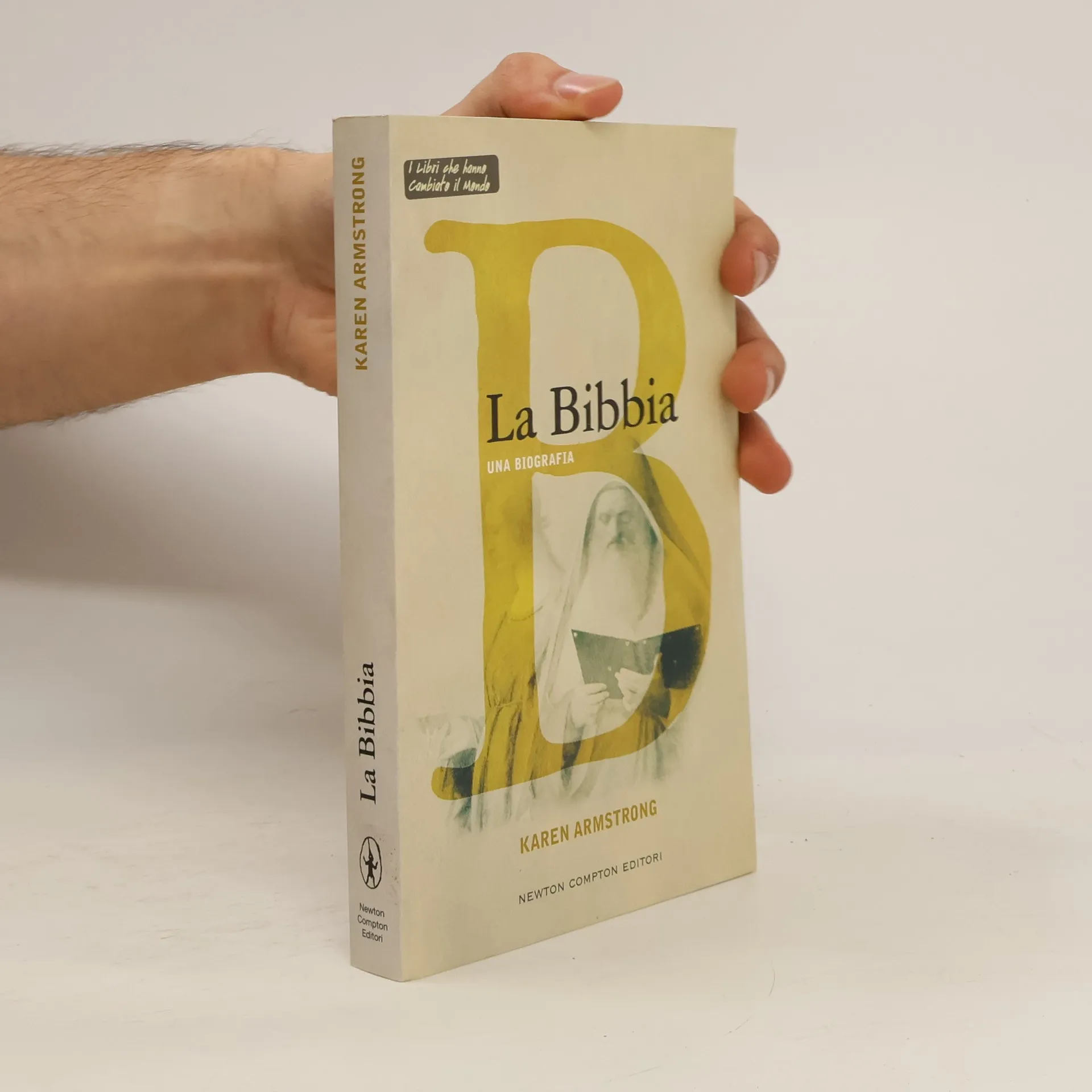
Tradotta in più di duemila lingue, la Bibbia è il libro più diffuso e più letto nella storia dell'umanità. In questo contributo Karen Amnstrong ne segue e ne analizza la genesi, svelando la complessità e la contraddittorietà di un documento creato da centinaia di persone nel corso di migliaia di anni. Armstrong parte dalle origini dei primi antichissimi libri del Vecchio Testamento prendendo via via in esame tutti gli elementi che hanno contribuito a formare il testo sacro della cristianità. Dalla pratica ebraica del Midrash al culto di Gesù, dal ruolo delle lettere di san Paolo nell'ambito della Riforma alla manipolazione delle rivelazioni a opera del fondamentalismo cristiano, l'autrice esplora i vari contesti in cui i 66 libri che compongono la Bibbia hanno visto la luce, spiega come si sia arrivati a un'opera unica e soprattutto mostra come il libro su cui si fonda la cristianità continui a esercitare la sua influenza politica e filosofica, oltre che religiosa, sul mondo moderno.
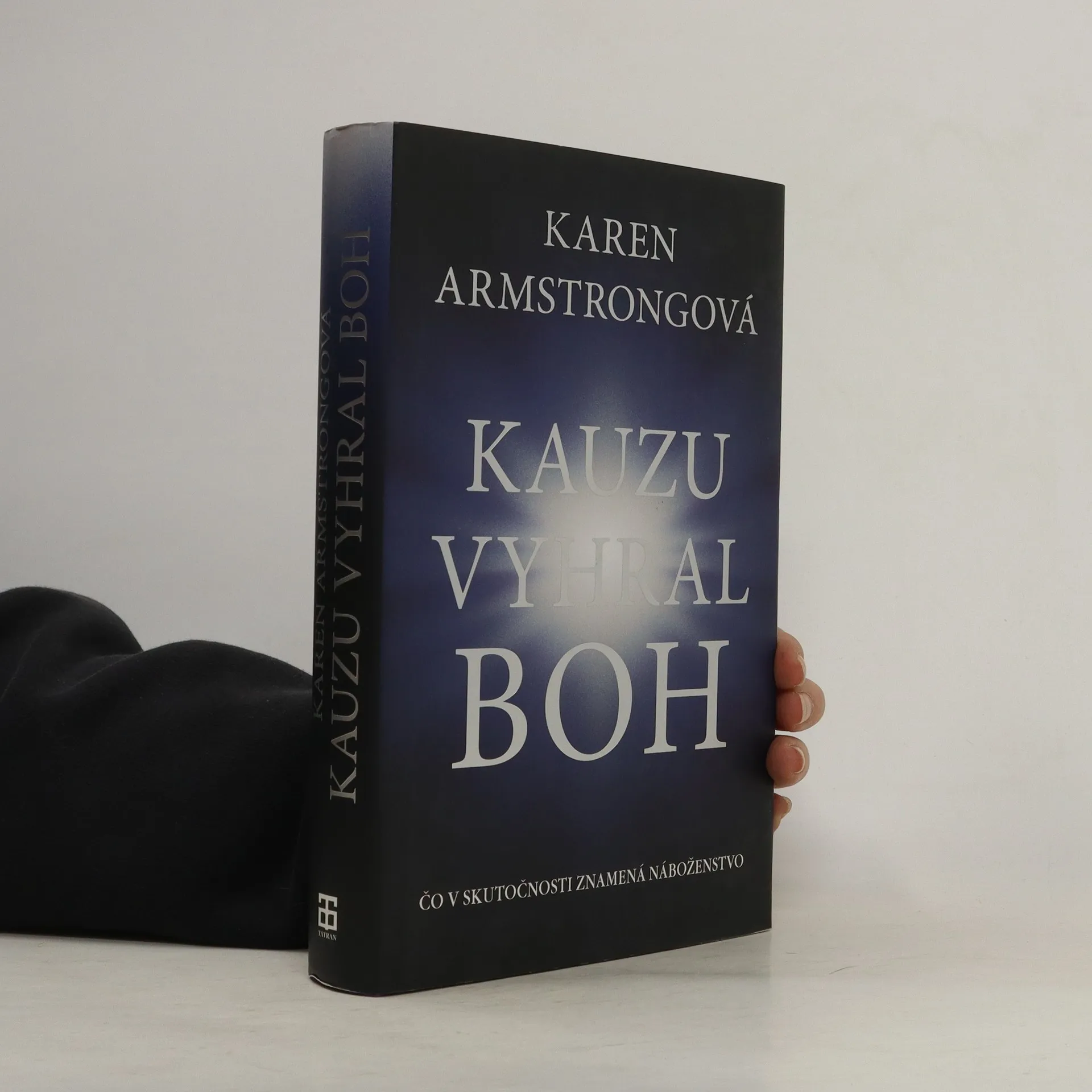
Milióny mužov a žien sa dnes odvrátili od Boha, odmietajúc akúkoľvek spojitosť s ním. Naši predkovia však podnikali dlhé púte, aby zažili posvätnú realitu, opisujúc svoje zážitky ako Boha, Brahmana, Nirvánu či Tao. V súčasnosti sa zvyšuje počet ateistov, ktorí s rovnakým zápalom ako misionári v minulosti hlásajú, že Boh neexistuje.
Karen Armstrongová skúma otázku Boha nielen v diele História Boha, ale aj v publikácii Kauzu vyhral Boh. Dochádza k poznaniu, že obraz Boha sa v priebehu dejín formoval podľa potrieb ľudí. Pre tri monoteistické náboženstvá – židovstvo, kresťanstvo a islam – platí, že nový obraz Boha sa presadil, keď pomohol v každodenných starostiach.
Armstrongová sleduje históriu viery od paleolitu po súčasnosť a ukazuje, že veda a náboženstvo predtým neviedli medzi sebou konflikt. Avšak veda zmenila tón ich dialógu, pričom význam slov ako viera a tajomstvo sa zásadne pretransformoval. Dnes ateisti aj teisti diskutujú o Bohu spôsobom, ktorý by našich predkov šokoval.
Prečo je dnes ťažké veriť v Boha? Má Boh budúcnosť v ére vedeckého racionalizmu? Armstrongová verí, že pohľad do minulosti môže viesť k viere, ktorá sa prispôsobí potrebám nášho rozdeleného a nebezpečného sveta.
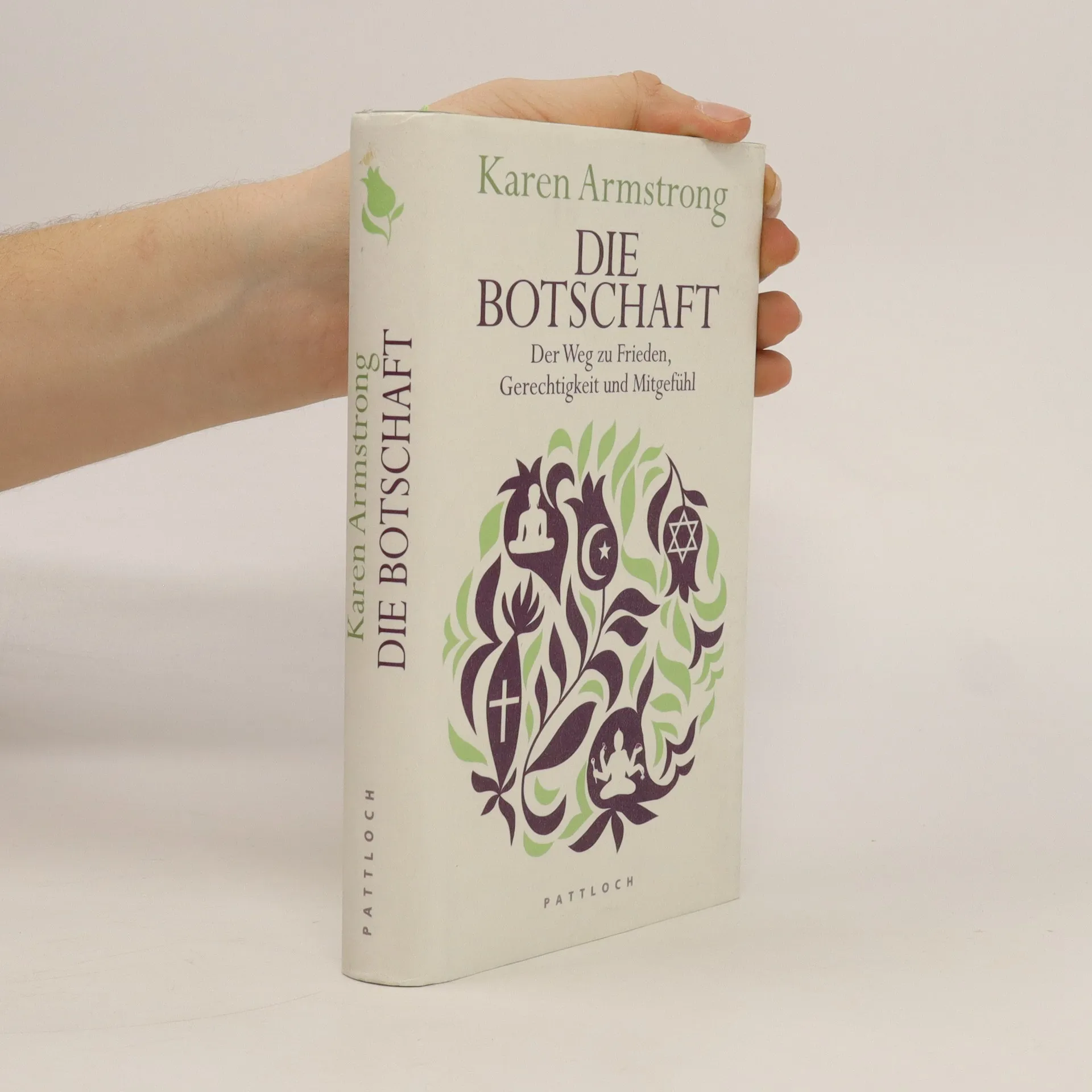
Gewalt, Hass und Terror auf der Welt haben eine gemeinsame Wurzel: die ungleiche Verteilung von Macht und Reichtum. Für Karen Armstrong ist es deshalb die wichtigste Aufgabe unserer Zeit, eine Ordnung zu schaffen, in der alle Menschen und Völker in gegenseitigem Respekt miteinander leben können. Die Religion, die dazu einen wichtigen Beitrag leisten könnte, ist oft aber selbst ein Teil des Problems. Karen Armstrong ruft deshalb die Gläubigen in Christentum, Judentum, Islam, Buddhismus, Konfuzianismus und Hinduismus dazu auf, ihre Konflikte zu begraben und sich auf das zu besinnen, was sie alle miteinander verbindet: das Mitgefühl für die leidenden Menschen. Denn sie weiß: Angesichts der aktuellen Probleme und Herausforderungen gibt es nur einen Weg zu Frieden und Gerechtigkeit. Es ist die „Goldene Regel der Menschheit“ und die lautet: Behandle andere Menschen so, wie du selbst behandelt werden möchtest.