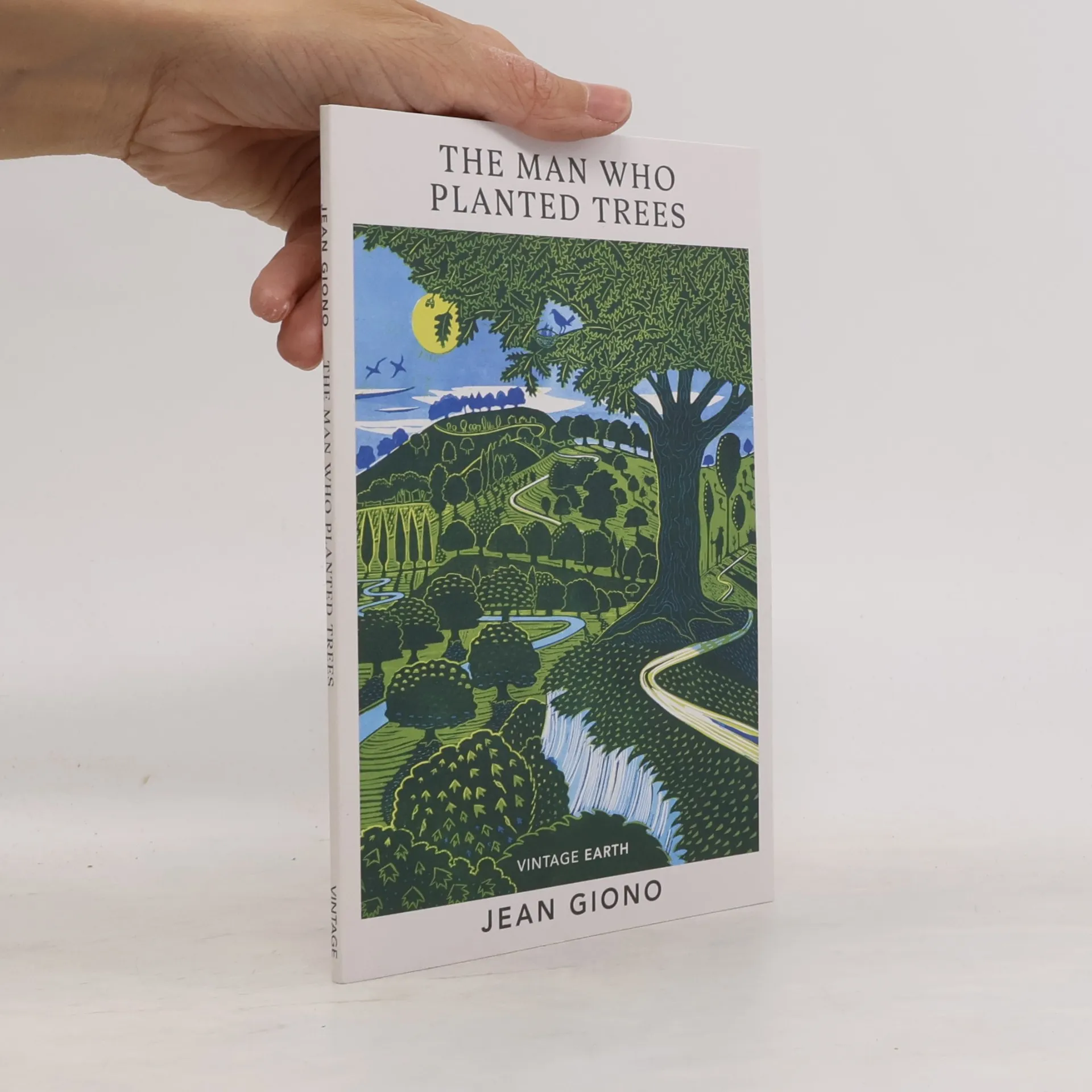
A beautiful gift edition of this classic fable about one man's quest to create a forest. In 1910, while hiking through the wild lavender in a wind-swept, desolate valley in Provence, a man comes across a shepherd called Elzéard Bouffier. Staying with him, he watches Elzéard sorting and then planting hundreds of acorns as he walks through the wilderness. Ten years later, after the war, he visits the shepherd again and sees the young forest he has created spreading slowly over the valley. Elzéard's solitary, silent work continues and the narrator returns year after year to see the miracle he is gradually creating: a verdant, green landscape that is a testament to one man's creative instinct.
Uli Aumüller Boeken

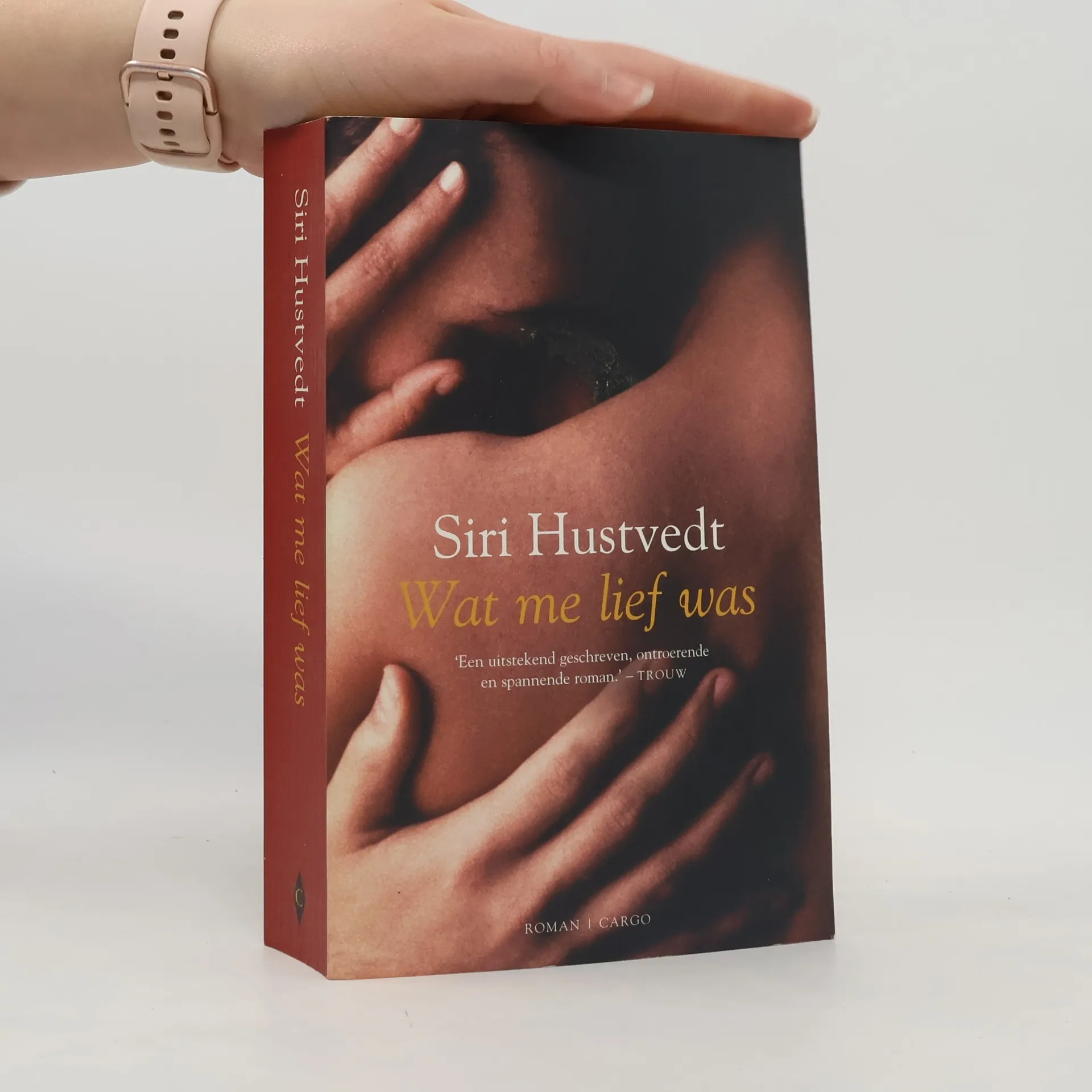
Wat me lief was - druk 1
- 479bladzijden
- 17 uur lezen
Bill en Leo zijn hartsvrienden. Ze delen hun passie voor kunst en literatuur, wonen in hetzelfde flatgebouw in New York, zijn gek op elkaars vrouwen en krijgen ongeveer tegelijkertijd een zoon. Door een tragisch ongeval sterft plotseling, op elfjarige leeftijd, de zoon van Leo. De twee gezinnen proberen de klap te boven te komen, maar niets is meer zoals het was. Het noodlot slaat opnieuw toe wanneer Bill overlijdt en zijn zoon betrokken raakt bij een duistere moord. Leo voelt zich verantwoordelijk voor de jongen en in een wanhopige poging om hem te redden zet hij een wilde achtervolging in. Met grote mensenkennis en intensiteit zet Siri Hustvedt levensechte en onweerstaanbare personages neer, die bij hun pogingen om de mysteries van het leven te doorgronden elkaar dicht naderen. Wat me lief was gaat over liefde en vriendschap, identiteit en verlies, dood en rouw, kunst en geweld. Het is een spannende en intelligente roman die existentiële levenskwesties aansnijdt en zowel ontroert als tot denken aanzet.
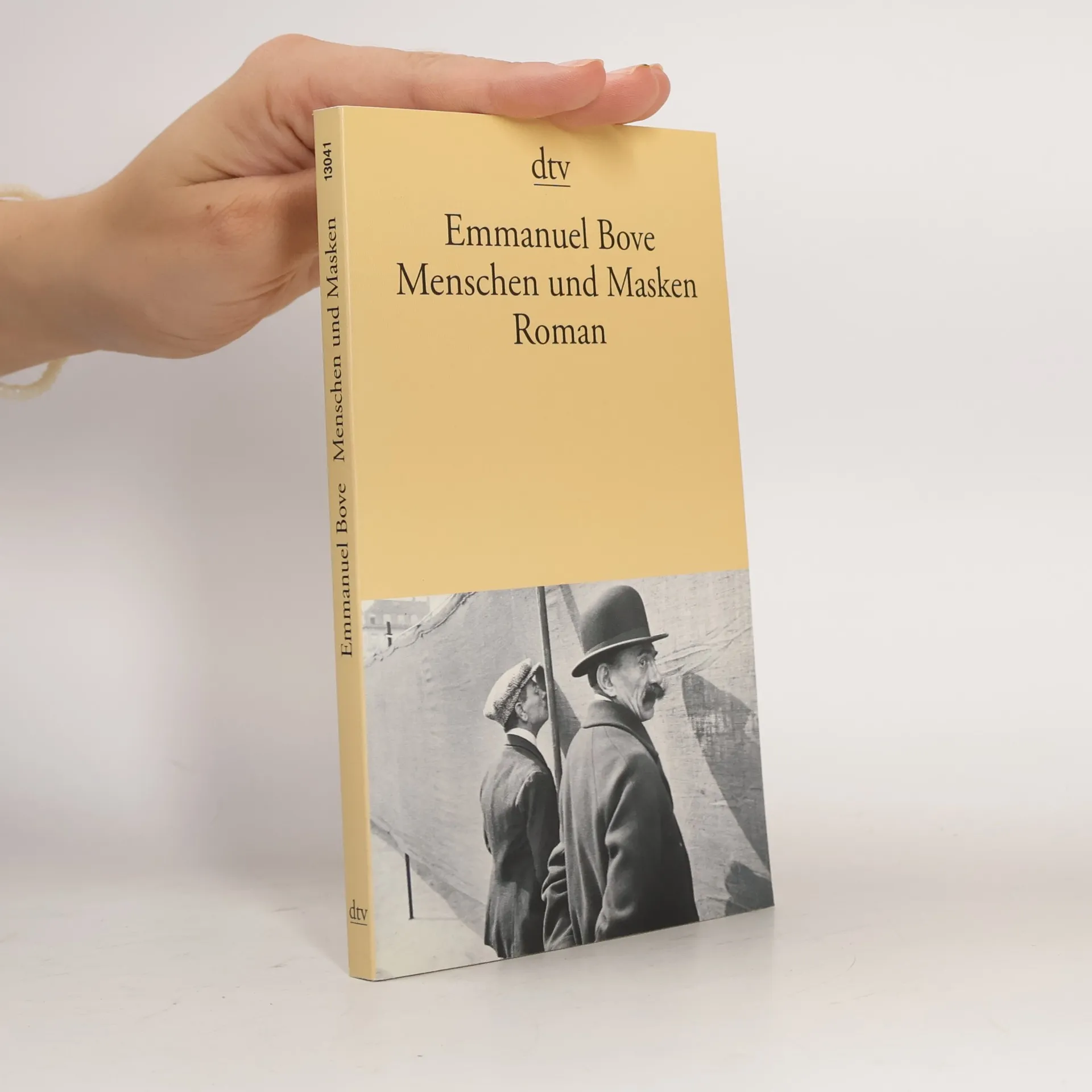
Menschen und Masken
- 144bladzijden
- 6 uur lezen
Paris, Hotel Gallia, ein festlich geschmückter Saal. André Poitou, ein erfolgreicher Schuhfabrikant im Ruhestand, träumt von einem triumphalen Einzug, bei dem ihm das Kreuz der Ehrenlegion verliehen wird. Er möchte sein bisheriges Leben hinter sich lassen und eine neue Jugend im Zeichen von Freundschaft, Sport und Lebensfreude erleben. Doch anstelle der erhofften Feierlichkeit erwartet ihn eine schonungslose Entlarvung und allgemeine Peinlichkeit. Masken fallen, und die Menschen um ihn herum, getrieben von kleinlichen Begierden und Rivalitäten, werden sichtbar. Bove lässt seine Figuren wie chemische Elemente miteinander reagieren; wenn Poitous engste Freunde aufeinandertreffen, sprühen die Funken boshaften Esprits. Sie nennen ihren Freund spöttisch „die Klette“ oder „Kokotte im Ruhestand“. Diese deli- und maliziöse Kostbarkeit hinterlässt beim Leser einen scharfen Verdacht: Der Mensch benötigt keine Feinde, solange er Kollegen, Verwandte und Freunde hat.
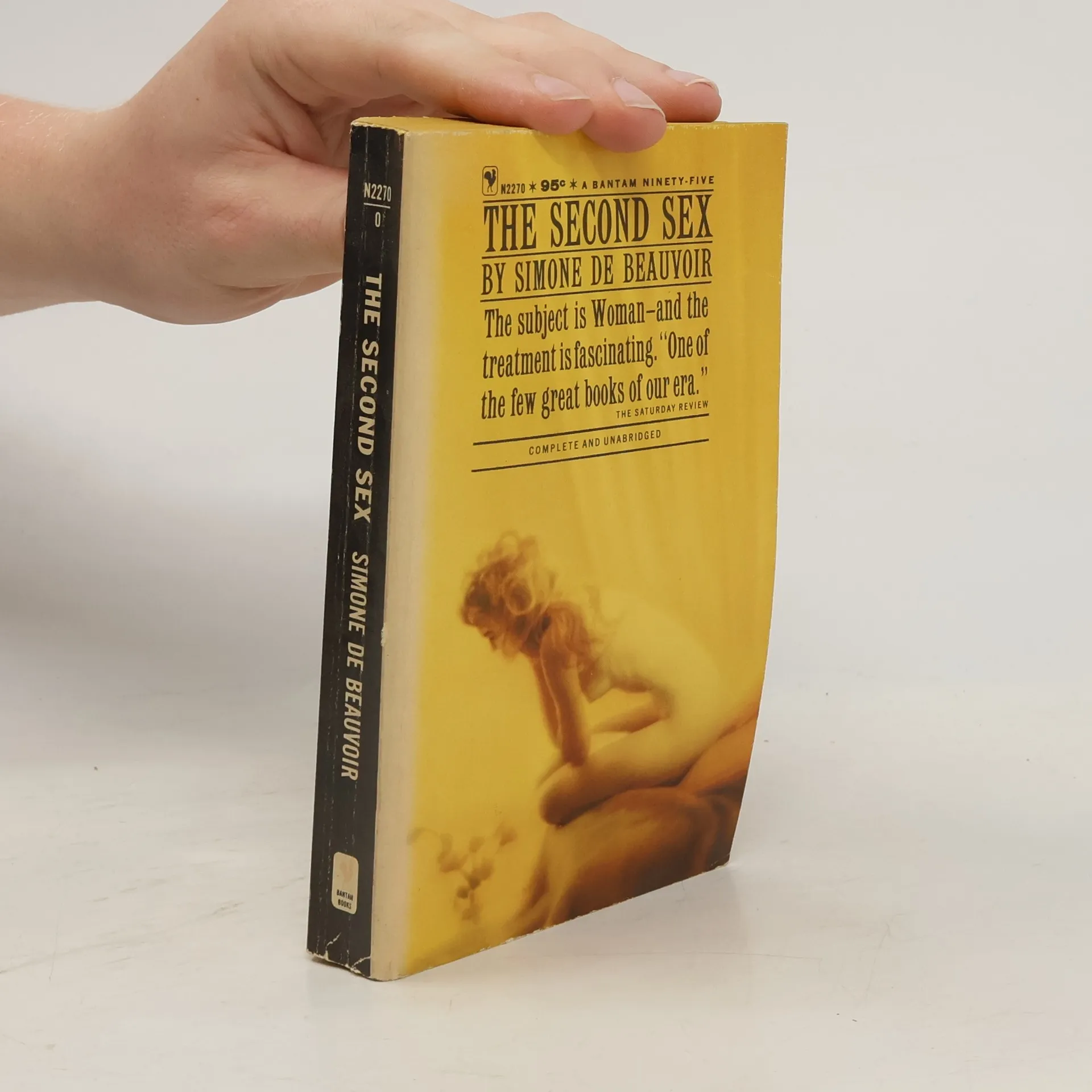
'Everyone who cares about freedom and justice for women should read The Second Sex' Guardian Simone de Beauvoir famously wrote, 'One is not born, but rather becomes, a woman'. In this groundbreaking work of feminism she examines the limits of female freedom and explodes our deeply ingrained beliefs about femininity. Liberation, she argues, entails challenging traditional perceptions of the social relationship between the sexes and, crucially, in achieving economic independence. Drawing on sociology, anthropology and biology, The Second Sex is as important and relevant today as when it was first published in 1949.
The Curtain
- 176bladzijden
- 7 uur lezen
"A magic curtain, woven of legends, hung before the world," writes Milan Kundera in The Curtain, his fascinating new book on the art of the novel. "Cervantes sent Don Quixote journeying and tore through the curtain. The world opened before the knight-errant in all the comical nakedness of its prose." For Kundera, that curtain represents a ready-made perception of the world that each of us has—a pre-interpreted world. The job of the novelist, he argues, is to rip through the curtain and reveal what it hides. In this entertaining and always stimulating essay, Kundera cleverly sketches out his personal view of the history and value of the novel in Western civilization. Too often, he suggests, a novel is thought about only within the confines of the language and nation of its origin, when in fact the novel's development has always occurred across borders: Laurence Sterne learned from Rabelais, Henry Fielding from Cervantes, Joyce from Flaubert, García Márquez from Kafka. The real work of a novel is not bound up in the specifics of any one language: what makes a novel matter is its ability to reveal some previously unknown aspect of our existence. In The Curtain, Kundera skillfully describes how the best novels do just that.
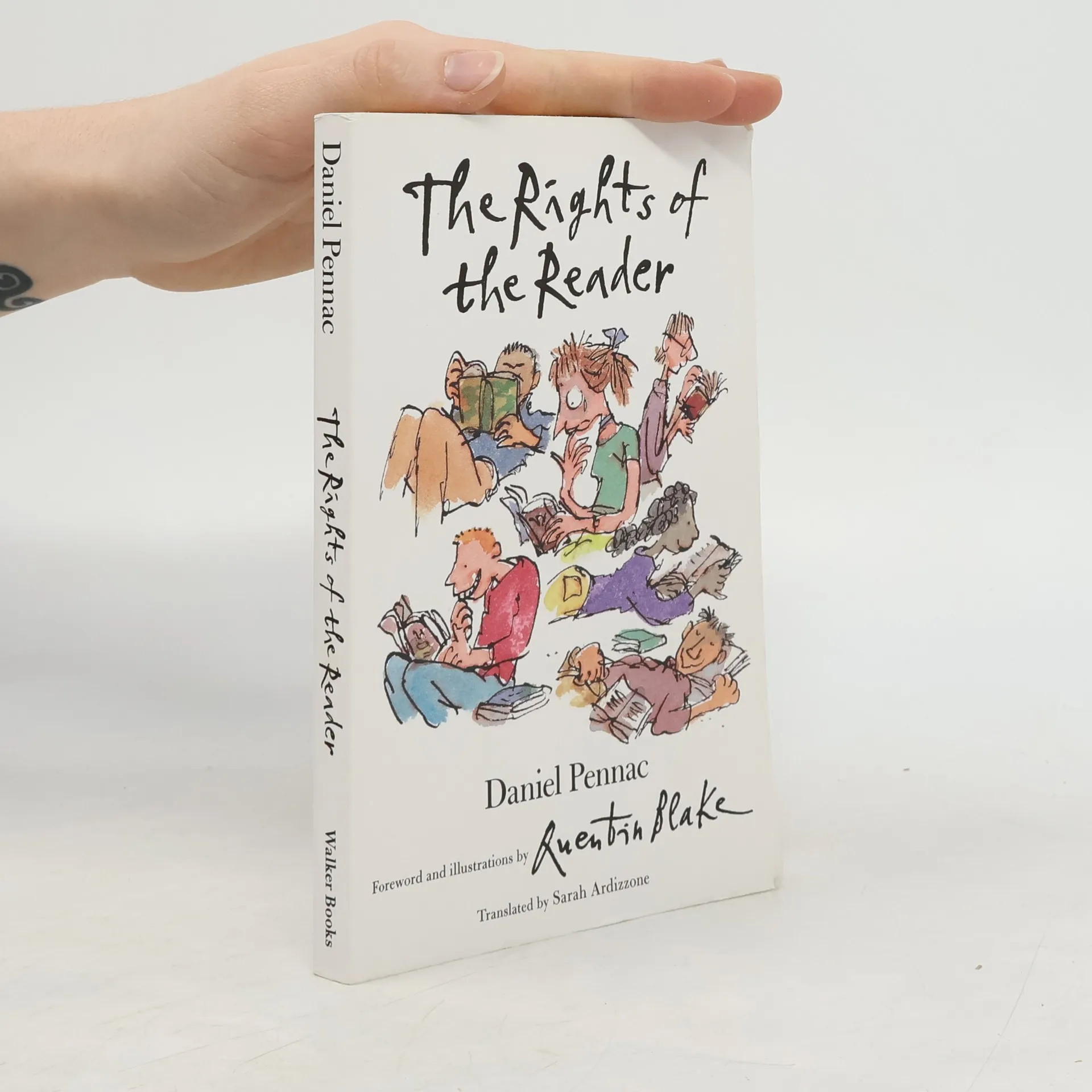
The Rights of the Reader
- 208bladzijden
- 8 uur lezen
Humane, humorous and deeply felt, this is a unique book about reading.
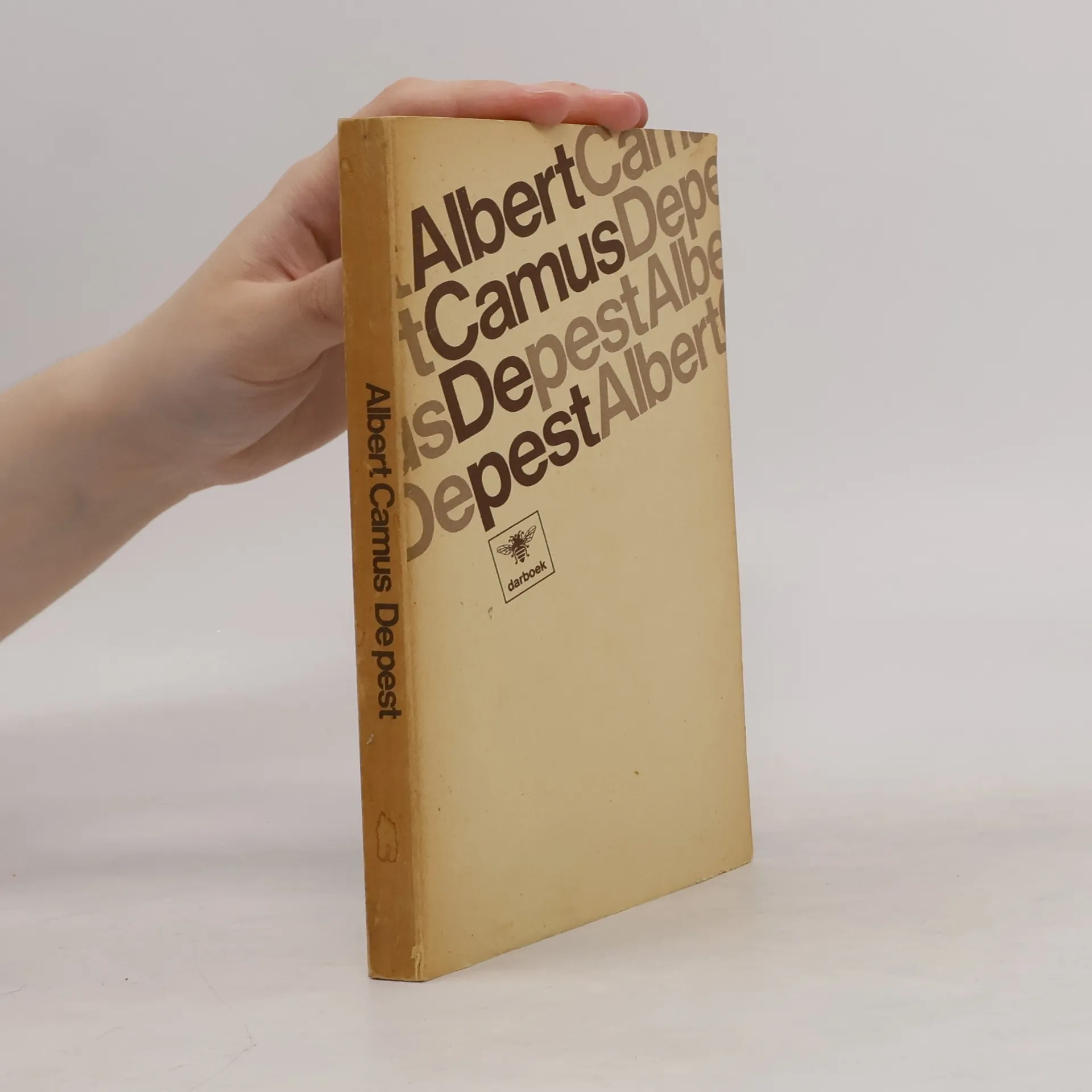
Het uitbreken van een pestepidemie in een Noord-Afrikaanse stad met als gevolg het totale isolement stelt de bewoners voor fundamentele vragen over goed en kwaad.
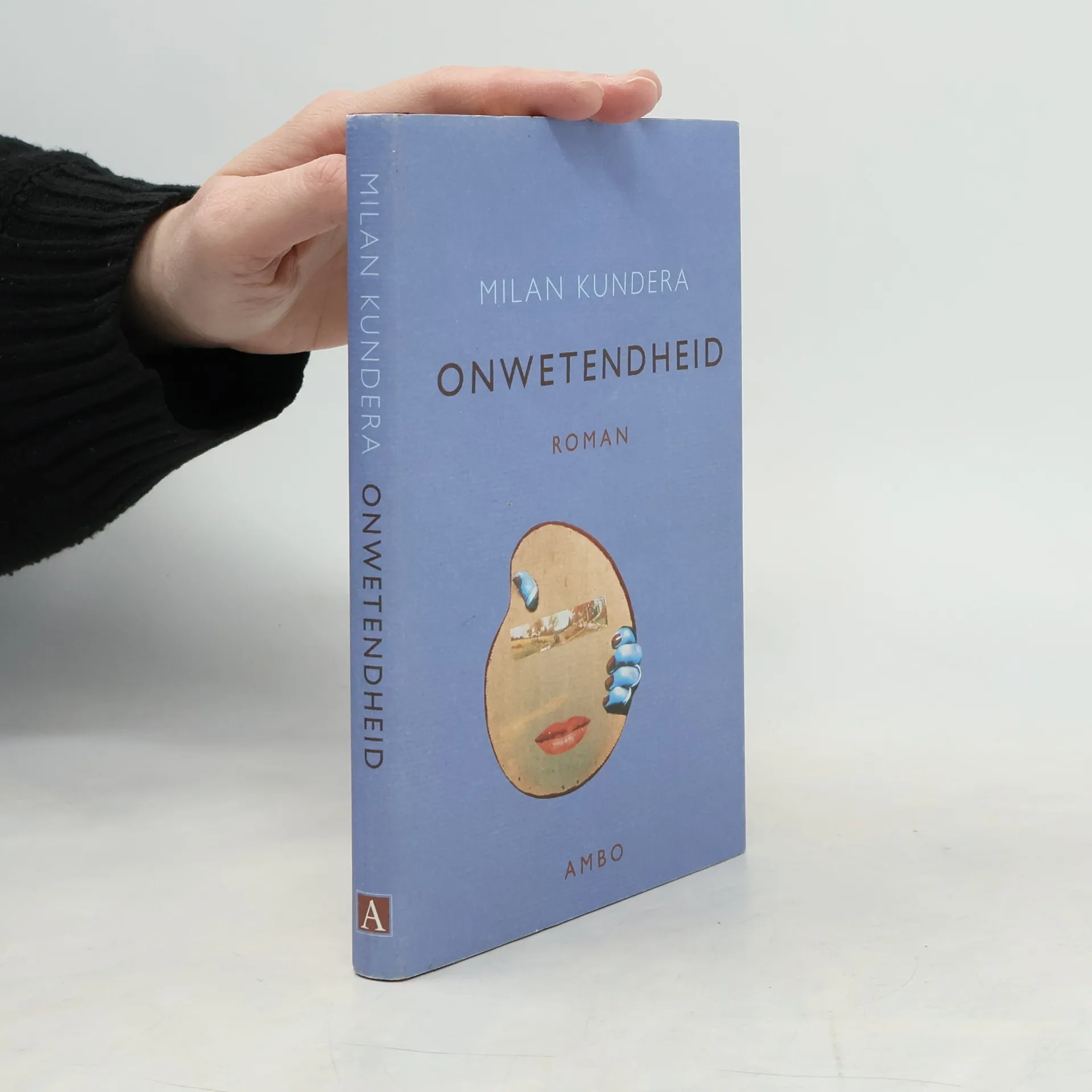
Onwetendheid
- 132bladzijden
- 5 uur lezen
Als een politieke vluchtelinge na de val van het communisme naar haar geboorteland Tsjechië terugkeert, wacht haar een deceptie.
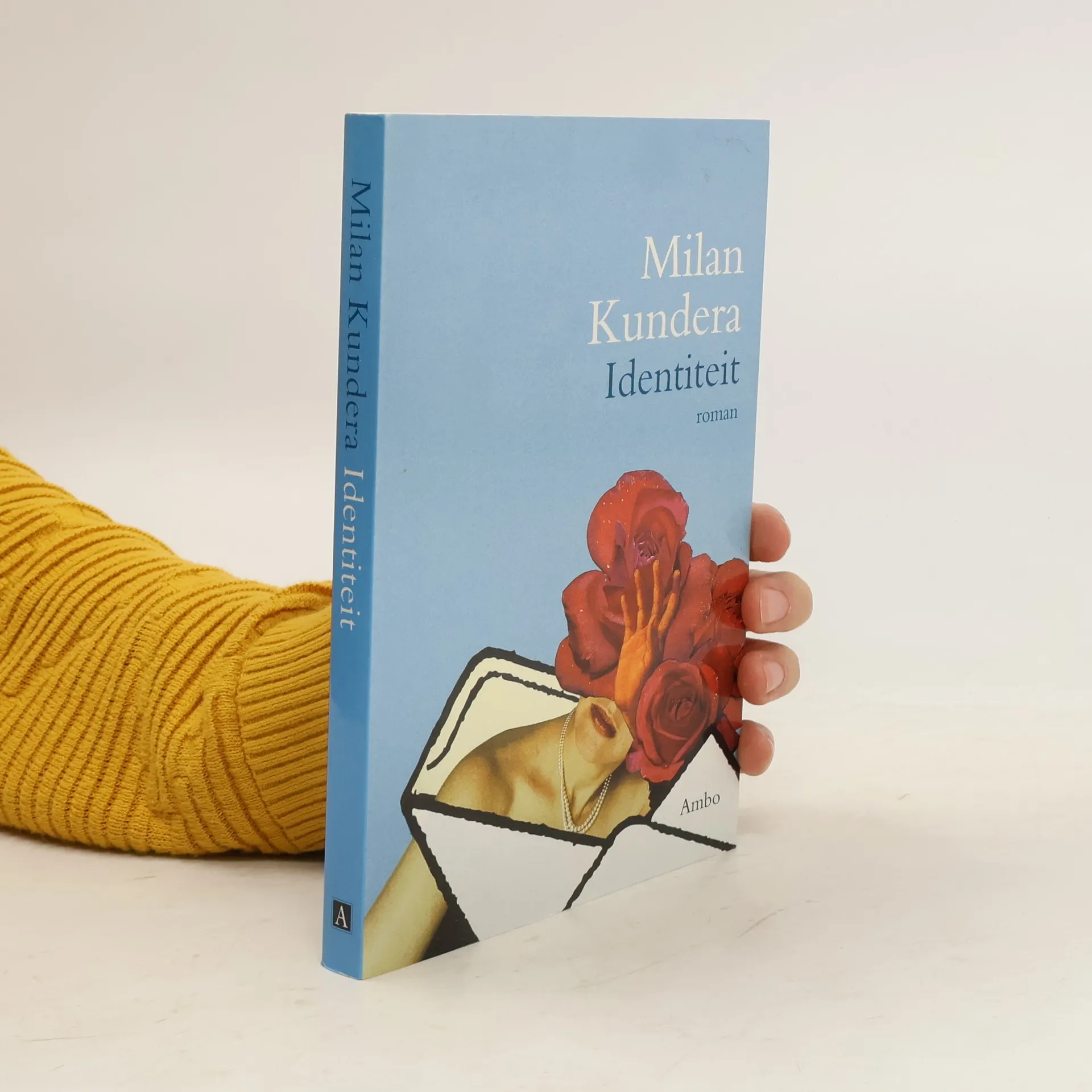
Identiteit
- 172bladzijden
- 7 uur lezen
Identiteit vertelt het verhaal van een crisis. Een crisis tussen een man en een vrouw, Jean-Marc en Chantal, die veel van elkaar houden. Beiden hebben ze in het bestaan van de ander de voorwaarde voor hun evenwicht en ontwikkeling gevonden. Hij neigt naar een leven in de marginaliteit en heeft een rijke verbeelding. Zij is op haar hoede, fragiel en realistisch. Sinds jaren leven ze samen in de rustige zekerheid van hun geluk. De problemen ontstaan uit het niets, althans uit bijna niets. Er is geen ramp, geen overspel en toch belanden Jean-Marc en Chantal in een proces vol misverstanden dat, juist omdat ze van elkaar houden, op hun scheiding lijkt af te koersen. Alleen Milan Kundera kan zo'n verontrustend gegeven in een mooie, heldere liefdesroman omzetten.
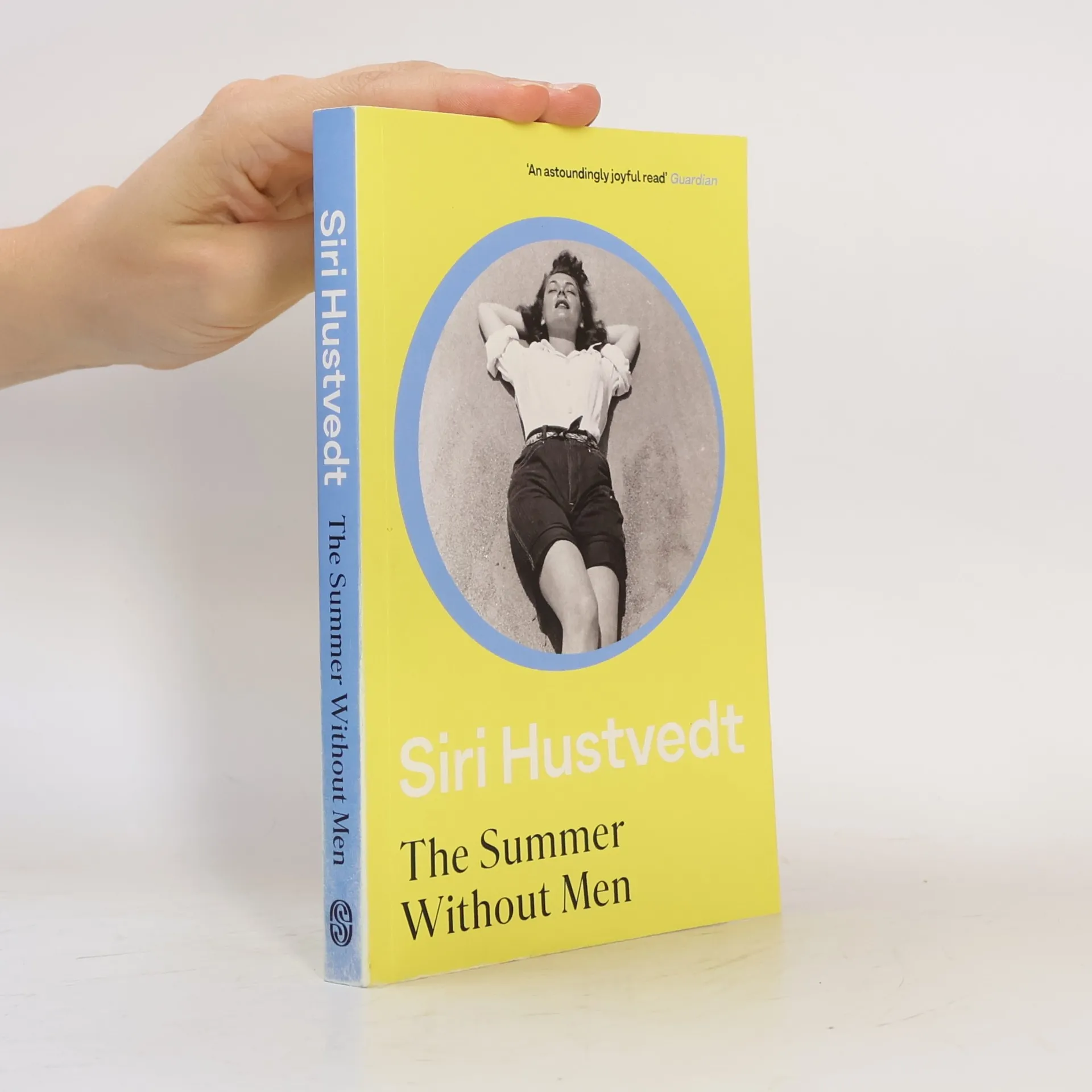
Mia is forced to reexamine her life when her husband puts their marriage on "pause" after thirty years. She returns to the prairie town of her childhood, and is drawn into the lives of those around her.
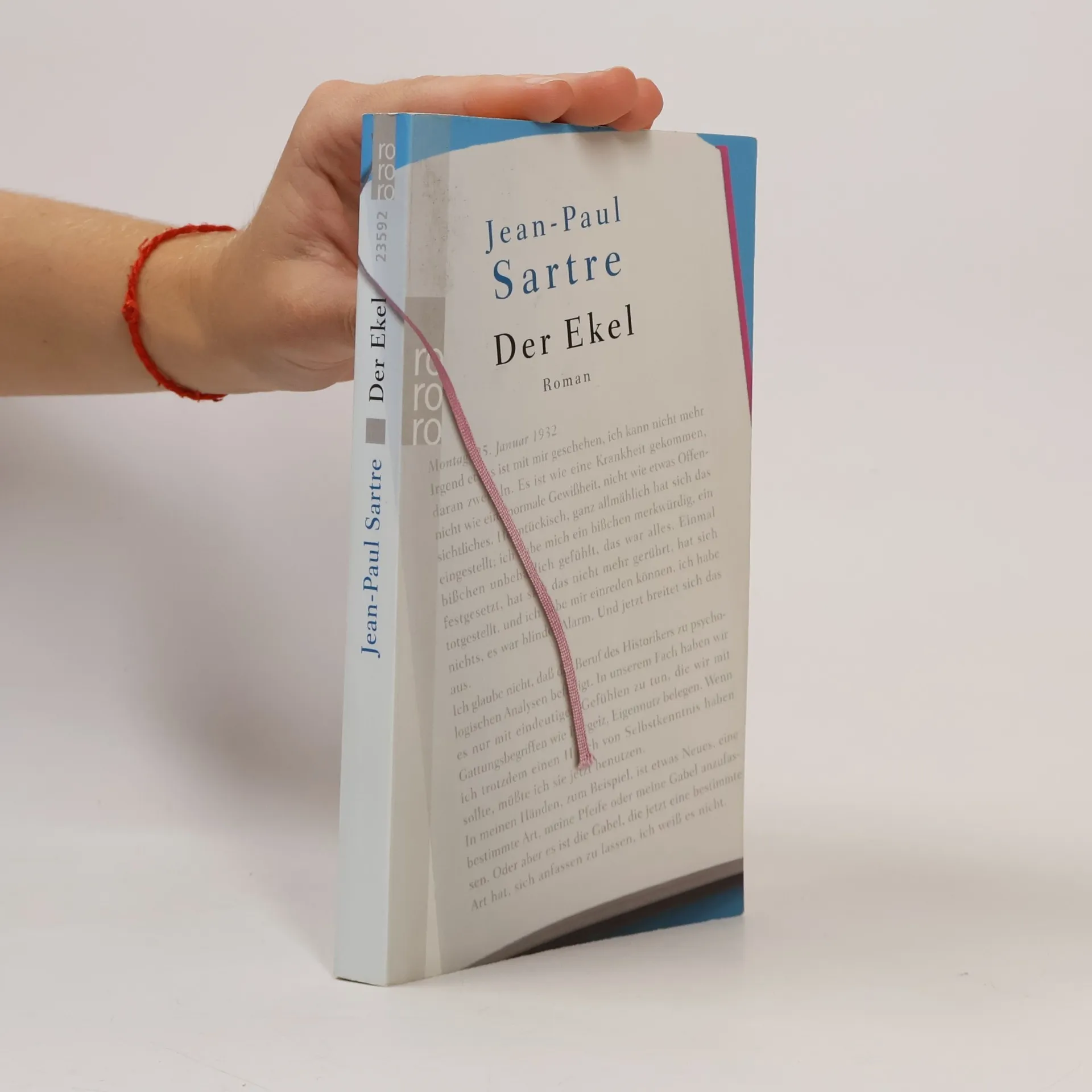
Der Ekel
Roman. Mit einem Anhang, der die in der ersten französischen Ausgabe vom Autor gestrichene Passagen enthält
- 249bladzijden
- 9 uur lezen
Für Antoine Roquentin, Einzelgänger und Außenseiter in einer Provinzstadt, verliert das Leben plötzlich seine Selbstverständlichkeit. Unnachsichtig um Selbsterforschung bemüht, versucht er seinem immer stärkeren Ekel vor Dingen und Menschen auf den Grund zu gehen. Die Erfahrungen, Empfindungen und Visionen des Helden dieses ersten und bedeutendsten Romans des Existentialismus gaben Anstöße zu einer neuen Lebensphilosophie, die bis heute nichts von ihrer Brisanz eingebüßt hat.