Dansen tussen de puinhopen: Duitsland na de ‘bevrijding’ ‘Zoveel begin was er nog nooit. Zoveel einde ook niet.’ Zo omschrijft Harald Jähner de ‘wolfstijd’ in Duitsland, die begon met het einde van de Tweede Wereldoorlog en tot diep in de jaren vijftig voortduurde. Toen de oorlog voorbij was, stonden de Duitsers voor het grote niets, de Stunde null. De ramp die ze zelf hadden veroorzaakt was ongekend, het aantal doden niet te overzien. De steden lagen in puin, kinderen groeiden op zonder vader, meer dan de helft van de bevolking was op drift. Miljoenen vluchtelingen en ontheemden, ontslagen dwangarbeiders en terugkerende krijgsgevangenen moesten in de chaos een nieuw bestaan zien op te bouwen. Maar te midden van alle armoede, honger en anarchie ontstond ook een niet te onderdrukken levenslust, een verlangen naar dansen, naar welvaart – en naar vergetelheid. 'Wolfstijd' is een grote naoorlogse mentaliteitsgeschiedenis die de Duitsers in al hun diversiteit toont: van de naamloze verkopers op de zwarte markt, hun zakken volgepropt met pakjes Lucky Strike, tot stijlvolle huisvrouwen, gezeten aan een niervormige designtafel. Van ‘heropvoeder’ Alfred Döblin en de intellectuelen die een cultuur van debat reanimeerden, tot Beate Uhse, die de eerste seksshop ter wereld opende. Jähner schildert het sociale panorama van een decennium dat beslissend was voor de Duitsers en in veel opzichten heel anders was dan we denken.
Shaun Whiteside Volgorde van de boeken (chronologisch)

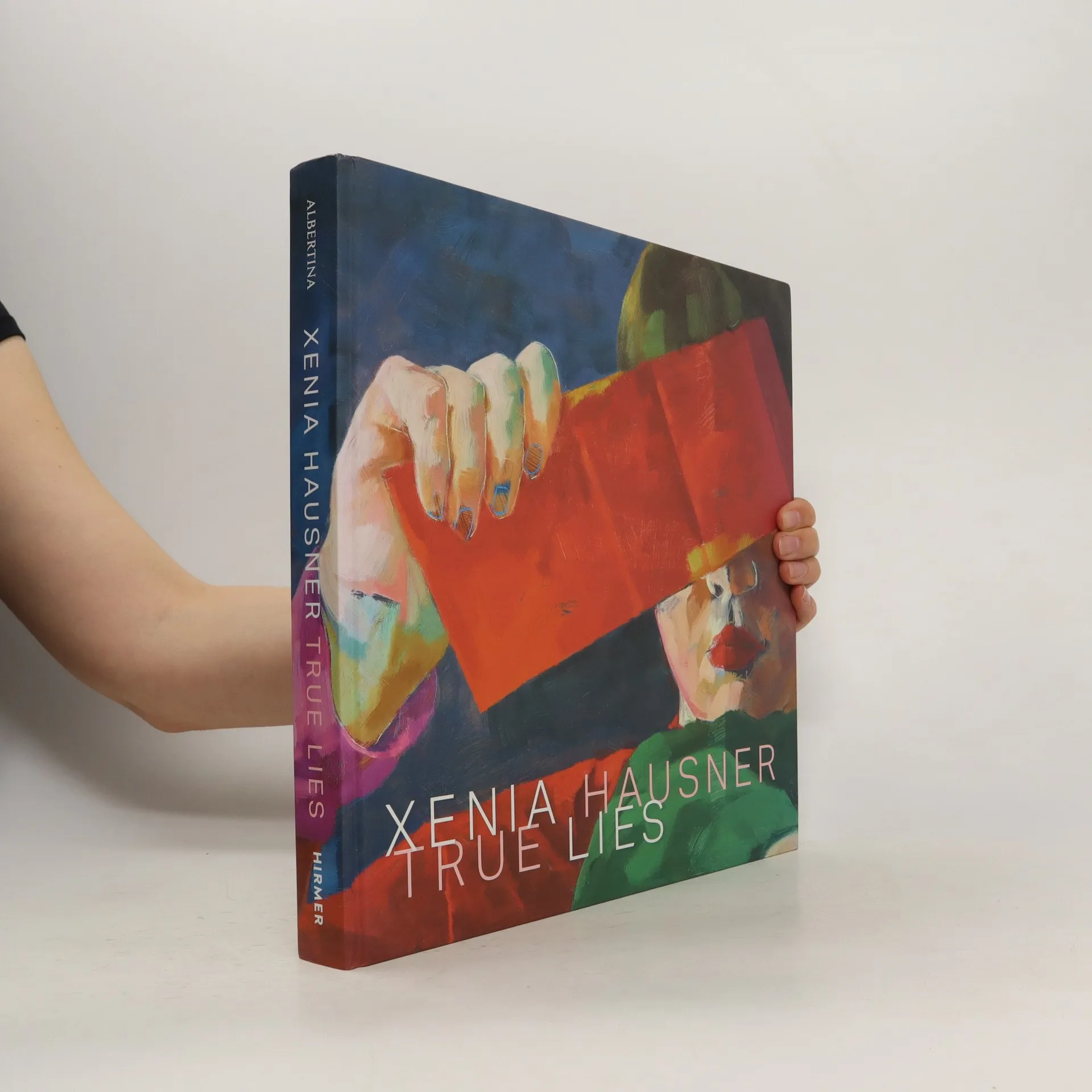
Xenia Hausner is one of the most important Austrian painters of our time. This richly illustrated volume focuses on the aspect of staging that characterizes all her works. Beginning with her early pieces from the 1990s and culminating in the poignant Exiles series, the book transports readers into a feminine world filled with mysterious relationships. Hausner's painting is rooted in photography; the artist constructs spatial settings in her studio and captures a moment akin to a film still. Translated into painting, her images create a dramatic tension, suggesting that what is shown must lead to the next image to reveal its mysteries. Through the staged elements in her works—the painted captured lie—we encounter the contradictions of our existence and find an alternative to a male-dominated visual language.
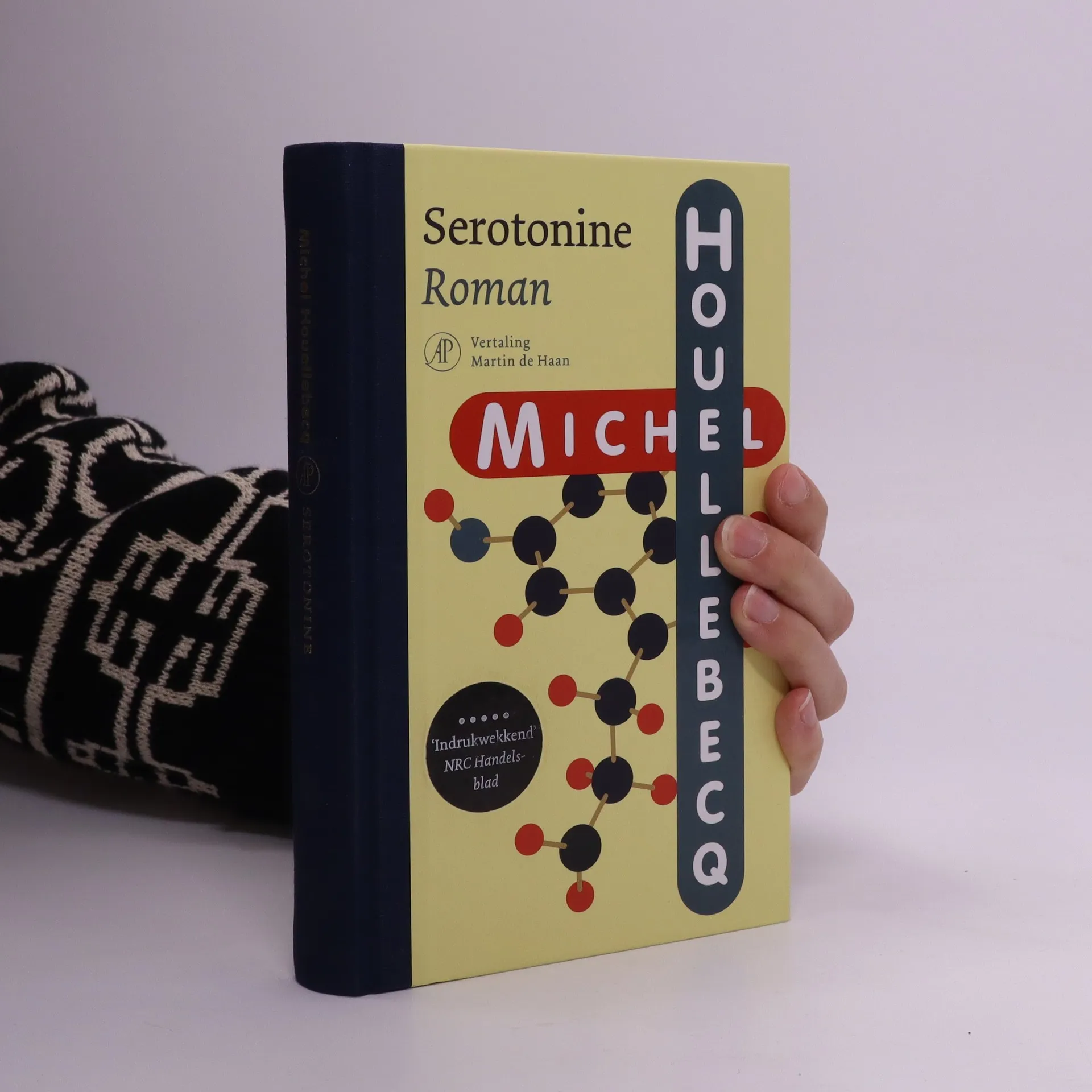
Serotonine
- 304bladzijden
- 11 uur lezen
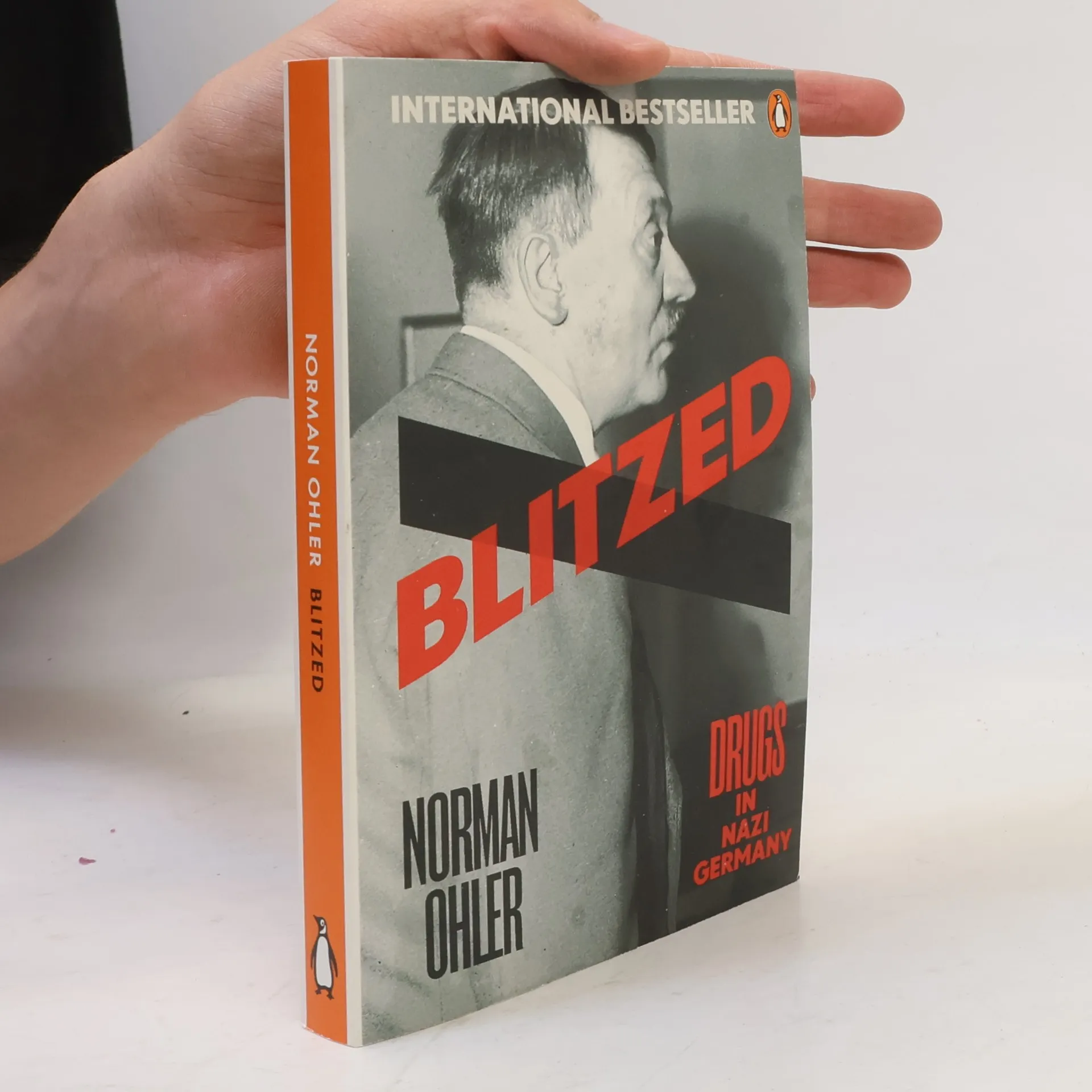
THE INTERNATIONAL BESTSELLER 'The most brilliant and fascinating book I have read in my entire life' Dan Snow 'A huge contribution... remarkable' Antony Beevor, BBC RADIO 4 'Extremely interesting ... a serious piece of scholarship, very well researched' Ian Kershaw The Nazis presented themselves as warriors against moral degeneracy. Yet, as Norman Ohler's gripping bestseller reveals, the entire Third Reich was permeated with drugs: cocaine, heroin, morphine and, most of all, methamphetamines, or crystal meth, used by everyone from factory workers to housewives, and crucial to troops' resilience - even partly explaining German victory in 1940. The promiscuous use of drugs at the very highest levels also impaired and confused decision-making, with Hitler and his entourage taking refuge in potentially lethal cocktails of stimulants administered by the physician Dr Morell as the war turned against Germany. While drugs cannot on their own explain the events of the Second World War or its outcome, Ohler shows, they change our understanding of it. Blitzed forms a crucial missing piece of the story.
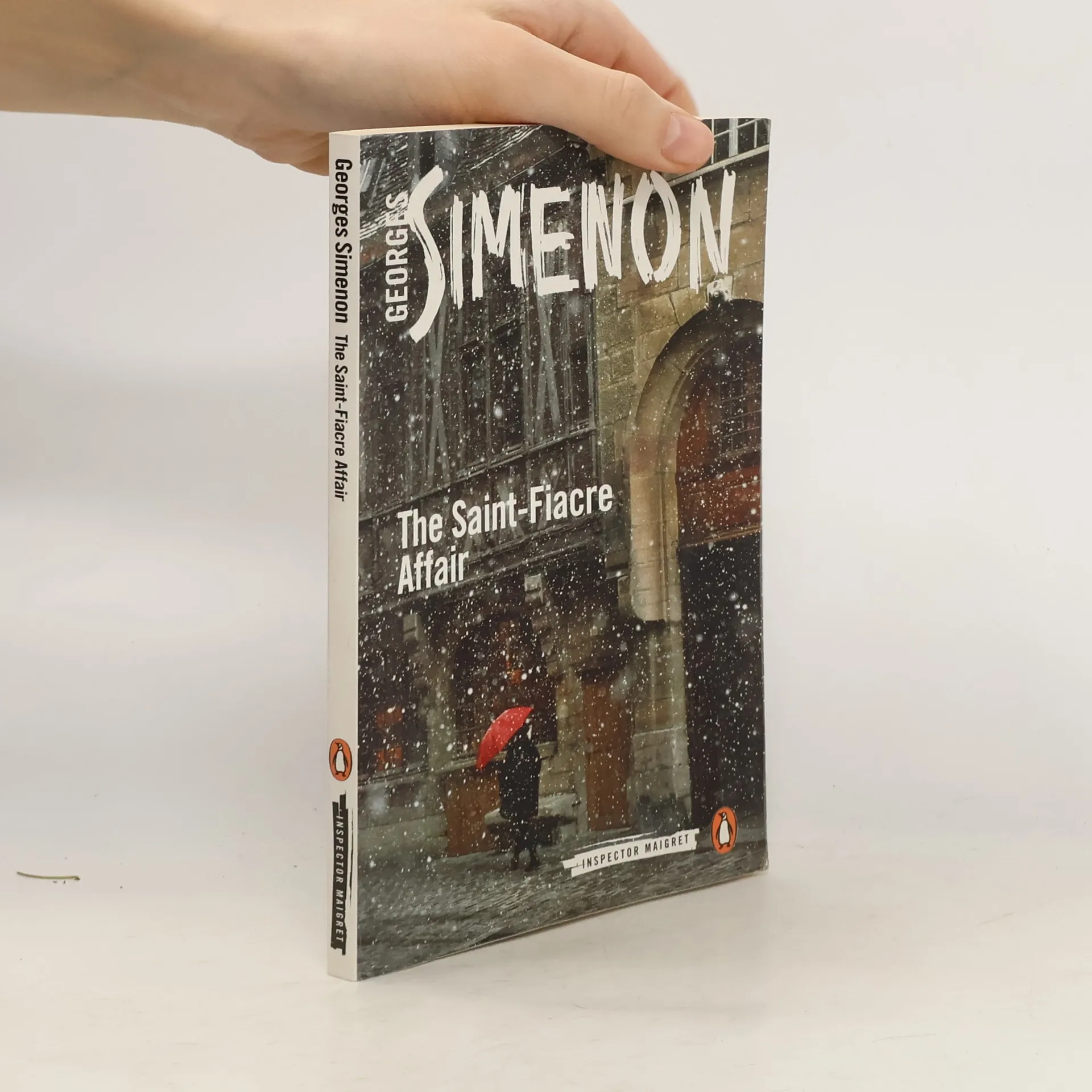
Inspector Maigret: The Saint-Fiacre Affair
- 160bladzijden
- 6 uur lezen
When an ominous note predicting the time and place of a death finds its way to Maigret's desk in Paris, his investigation brings him to Saint-Fiacre, the place of his birth. It isn't long before a darkness descends on Maigret and the town, as the prediction becomes a brutal reality and the Inspector discovers he is not welcome in the place he once called home. As much a thriller as a meditation on alienation, The Saint-Fiacre Affair displays Simenon's unique and searing perspective of the struggles we all are forced to endure.
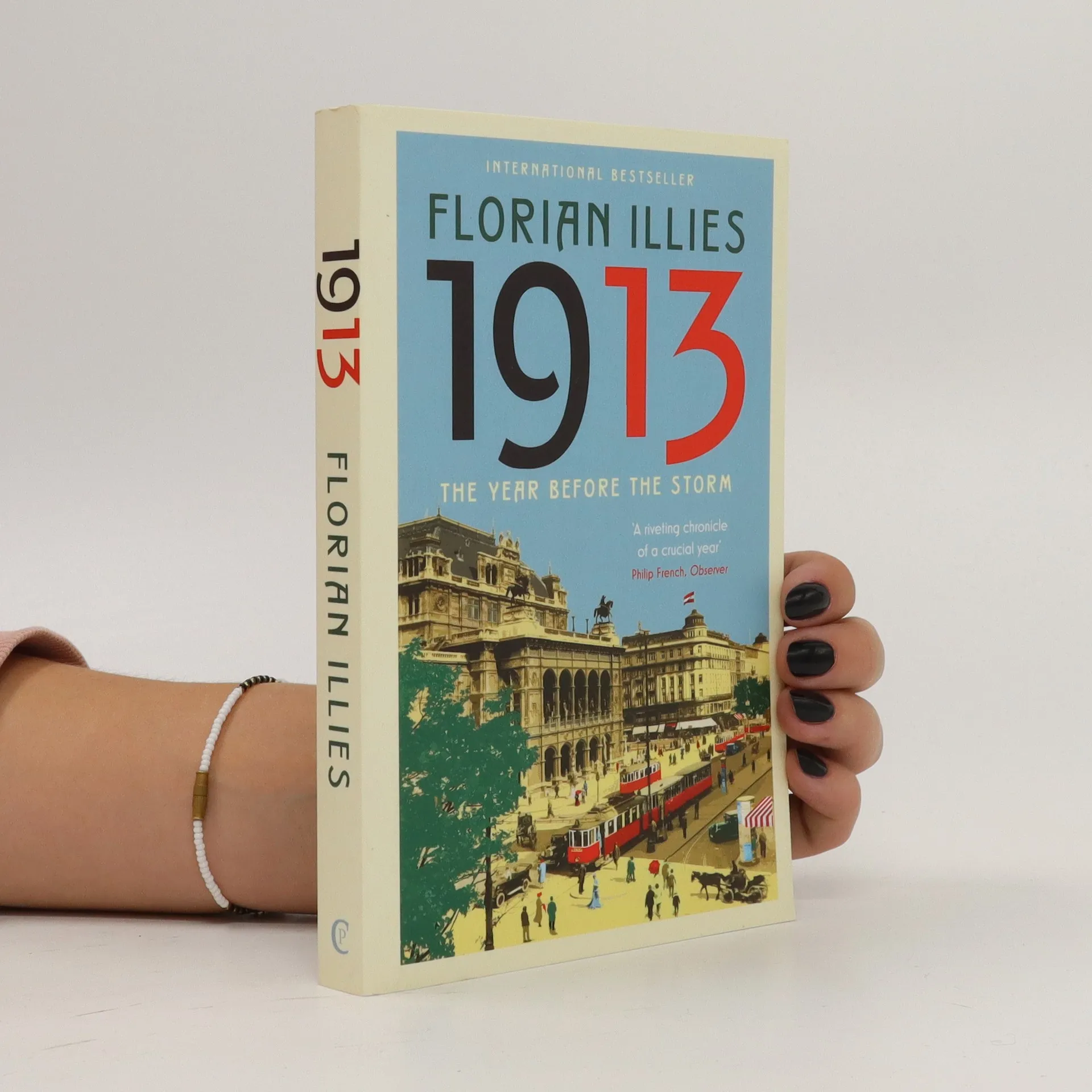
A witty yet moving narrative worked up from sketched biographical fragments, 1913 is an intimate vision of a world that is about to change forever.The stuffy conventions of the nineteenth century are receding into the past, and 1913 heralds a new age of unlimited possibility. Kafka falls in love; Louis Armstrong learns to play the trumpet; a young seamstress called Coco Chanel opens her first boutique; Charlie Chaplin signs his first movie contract; and new drugs like cocaine usher in an age of decadence.Yet everywhere there is the premonition of ruin - the number 13 is omnipresent, and in London, Paris and Vienna, artists take the omen and act as if there were no tomorrow. In a Munich hotel lobby, Rilke and Freud discuss beauty and transience; Proust sets out in search of lost time; and while Stravinsky celebrates the Rite of Spring with industrial cacophony, an Austrian postcard painter by the name of Adolf Hitler sells his conventional cityscapes.
The Ghost of Munich
- 352bladzijden
- 13 uur lezen
September 29th 1938. The day the fate of Czechoslovakia was sealed by the Munich Agreement. Hitler, Mussolini, Chamberlain & - the phantom of Munich, Edouard Daladier, president of the French Council were all present. This novel tells the story behind one of the 20th century's most decisive moments.
Auschwitz
- 176bladzijden
- 7 uur lezen
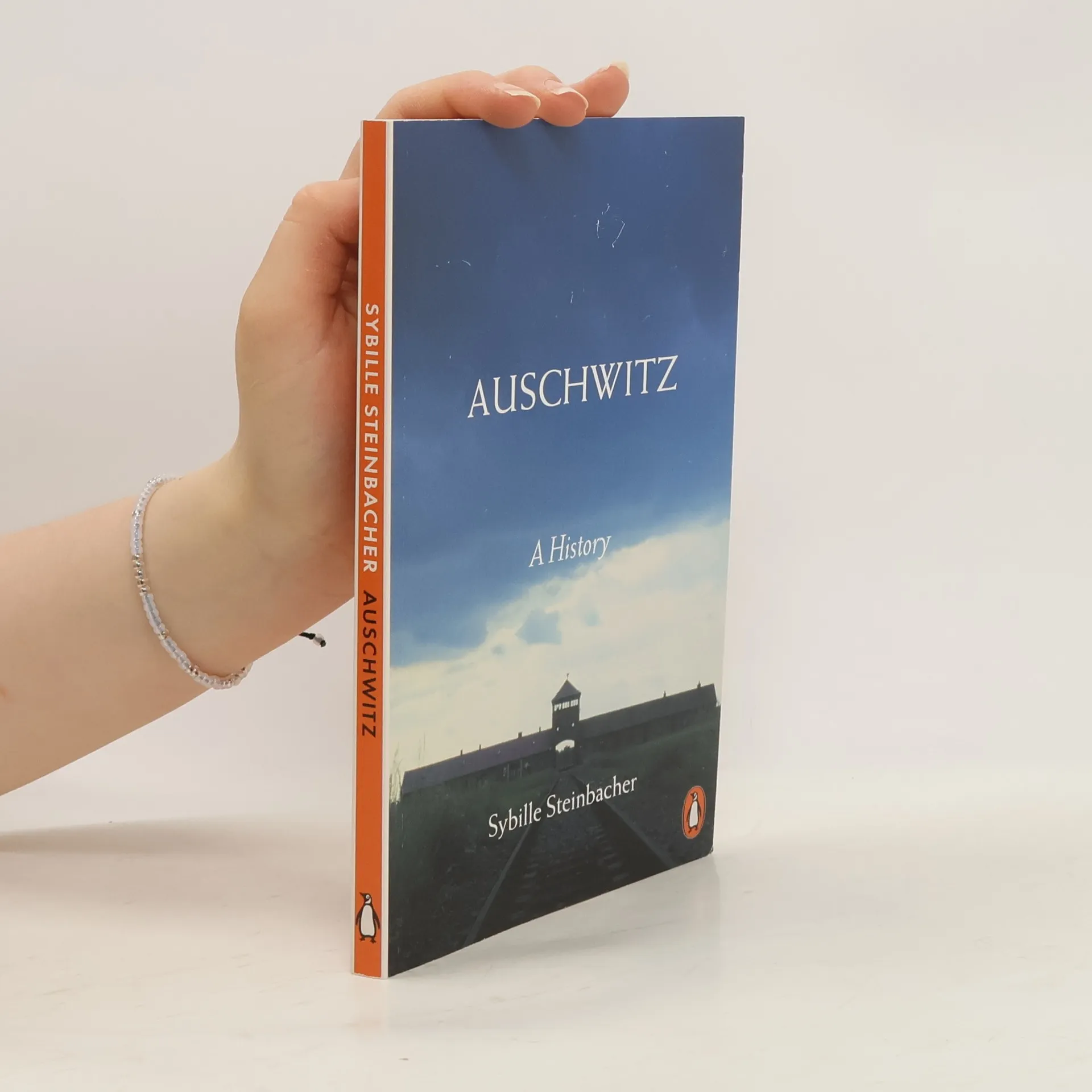
At the terrible heart of the modern age lies Auschwitz. In a total inversion of earlier hopes about the use of science and technology to improve, extend and protect human life, Auschwitz manipulated the same systems to quite different ends. In Sybille Steinbacher's terse, powerful new book, the reader is led through the process by which something unthinkable to any European in the 1930s had become a sprawling, industrial reality during the course of the world war. How Auschwitz grew and mutated into an entire dreadful city, how both those who managed it and those who were killed by it came to be in Poland in the 1940s, and how it was allowed to happen, is something everyone needs to understand.
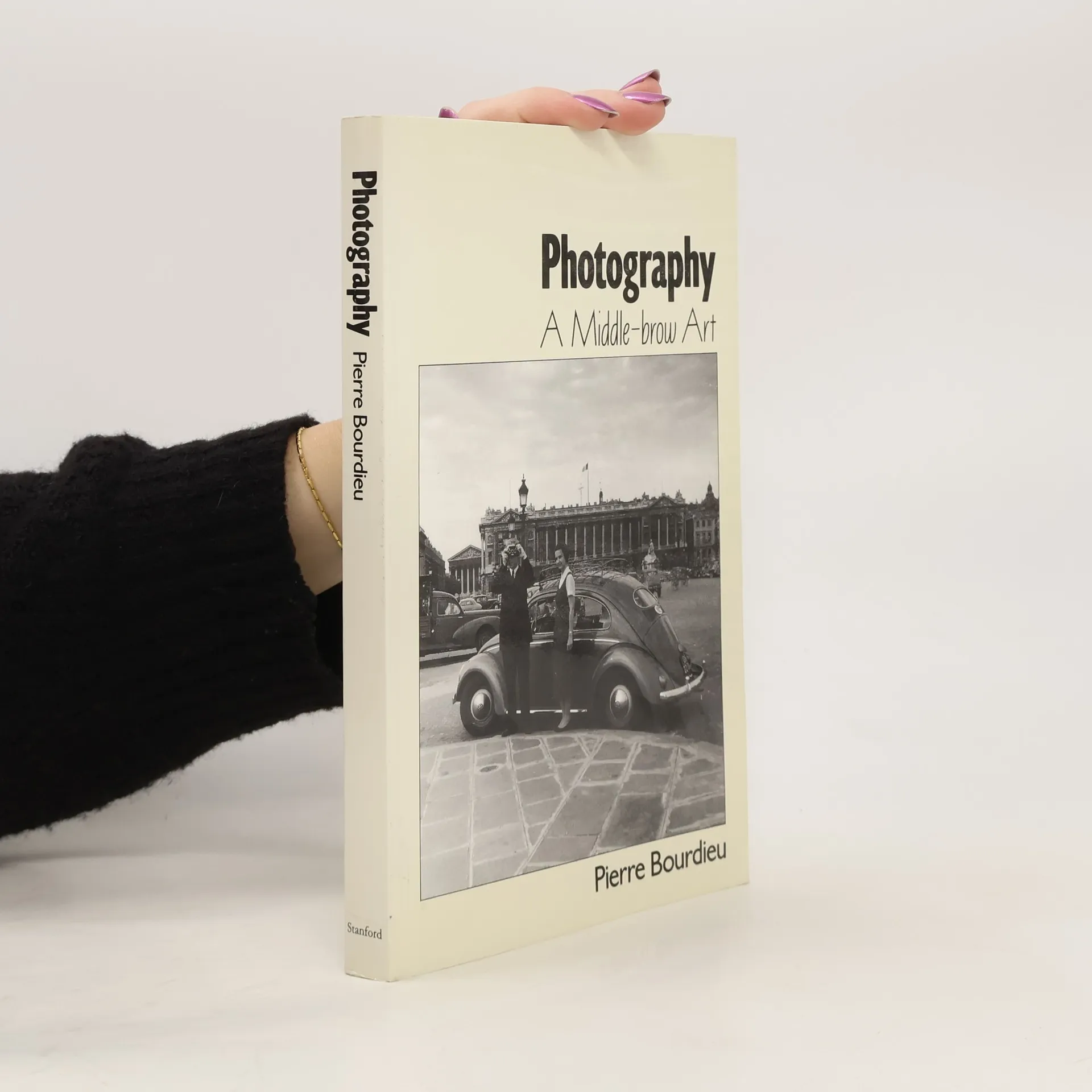
The everyday practice of photography by millions of amateur photographers may seem to be a spontaneous and highly personal activity. But France's leading sociologist and cultural theorist shows that few cultural activities are more structured and systematic than photography.