
The World Library of Psychologists series features international experts curating their most significant work, including extracts from books, key articles, research findings, and both practical and theoretical contributions. This collection highlights the evolution of psychological thought and offers insights into the careers of leading psychologists, showcasing their most impactful publications and ideas.
Ellen Bialystok Volgorde van de boeken (chronologisch)


Bilingual Children
- 170bladzijden
- 6 uur lezen
Multilingualism is achieved through different paths, at different ages, and for different purposes. But languages matter, and the experiences and abilities we acquire with languages impact our cognitive, social, and emotional lives. Moreover, we are now in a position in which we can control our language learning experiences and opportunities to a far greater degree than previously possible, so it is important to pause and examine what we know about multilingualism, foreign language learning, and their effects on individuals and families. The global and historical prevalence of multilingualism should be reassuring to those who struggle with the decisions around language use in their families and communities but we still want to make the best decision possible. The purpose of this book is to examine what is known about these issues in order to understand the impact of multilingualism on children
The psycholinguistics of bilingualism
- 256bladzijden
- 9 uur lezen
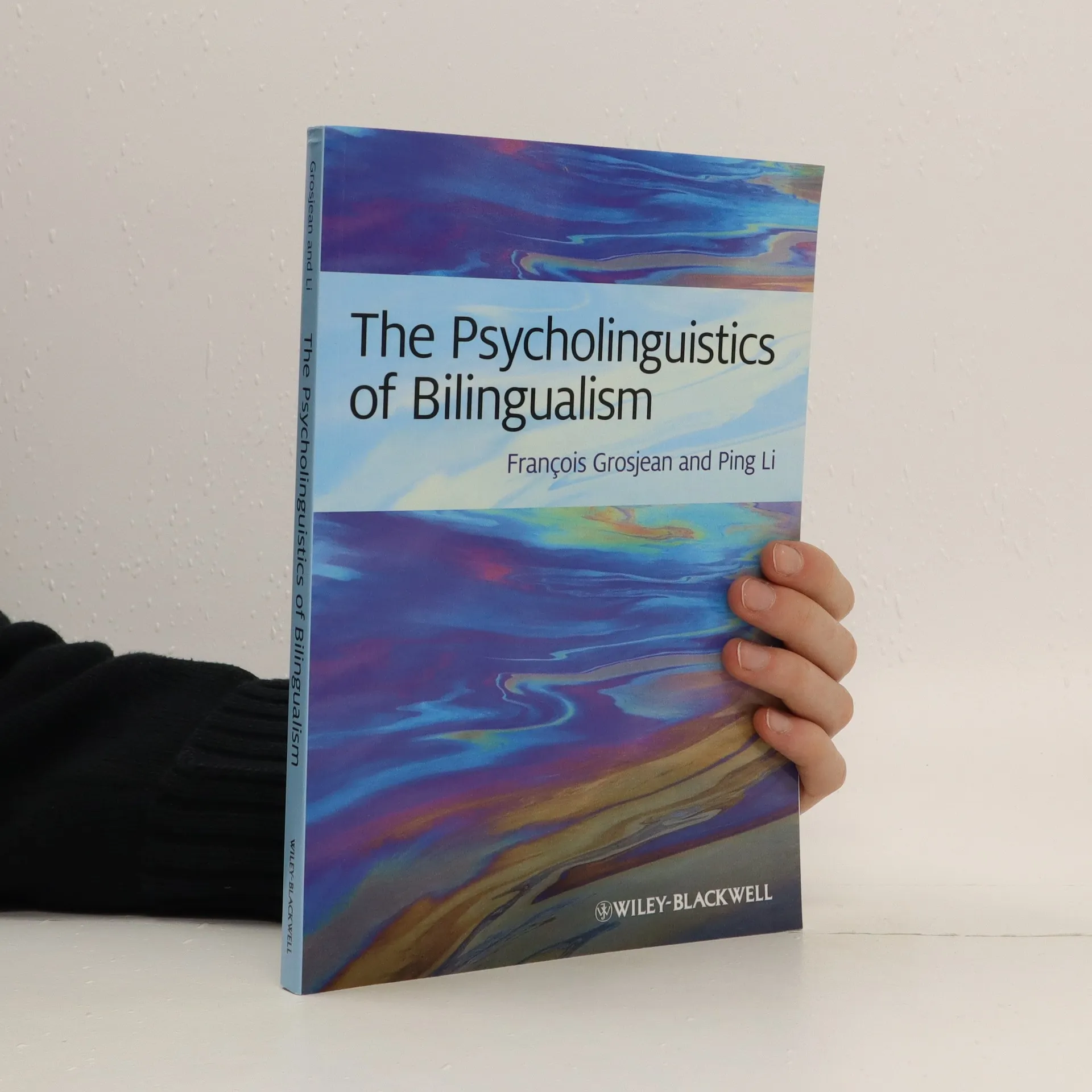
The Psycholinguistics of Bilingualism presents a comprehensive introduction to the foundations of bilingualism, covering language processing, language acquisition, cognition and the bilingual brain. This thorough introduction to the psycholinguistics of bilingualism is accessible to non-specialists with little previous exposure to the field Introduces students to the methodological approaches currently employed in the field, including observation, experimentation, verbal and computational modelling, and brain imaging Examines spoken and written language processing, simultaneous and successive language acquisition, bilingual memory and cognitive effects, and neurolinguistic and neuro-computational models of the bilingual brain Written in an accessible style by two of the field’s leading researchers, together with contributions from internationally-renowned scholars Featuring chapter-by-chapter research questions, this is an essential resource for those seeking insights into the bilingual mind and our current knowledge of the cognitive basis of bilingualism
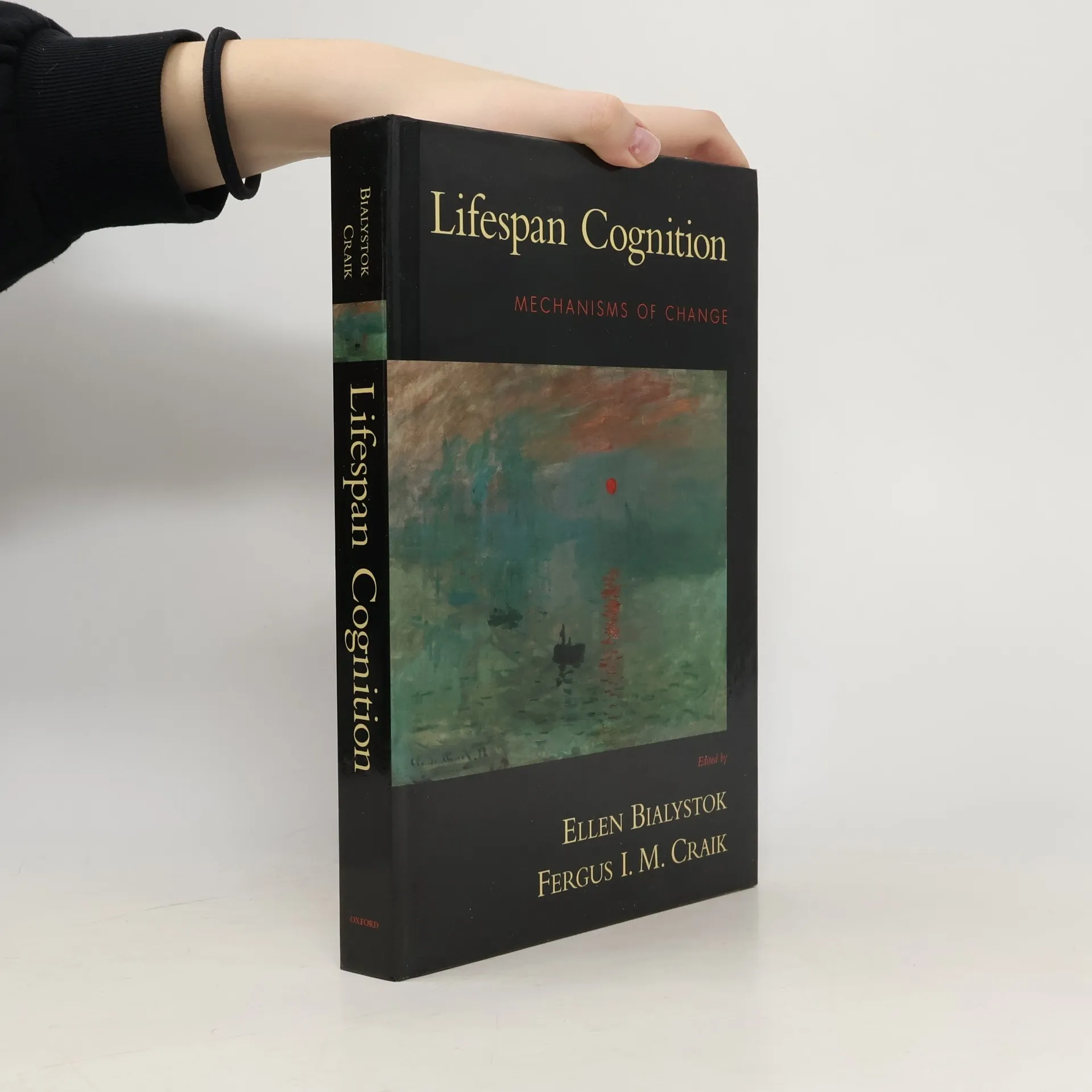
This volume creates a bridge across cognitive development and cognitive aging. Pairs of researchers study the rise and fall of specific cognitive functions, such as attention, executive functioning, memory, working memory, representations, language, problem solving, intelligence, and individual differences to find ways in which the study of development and decline converge on common processes and mechanisms. The contributed chapters are framed by an introduction that sets out the problems to be discussed and a conclusion that extracts the common themes and speculates on the implications for theory building. The book is unique in offering a lifespan approach to cognition by experts in the individual facts of cognitive functioning from either the developmental or the aging perspective.
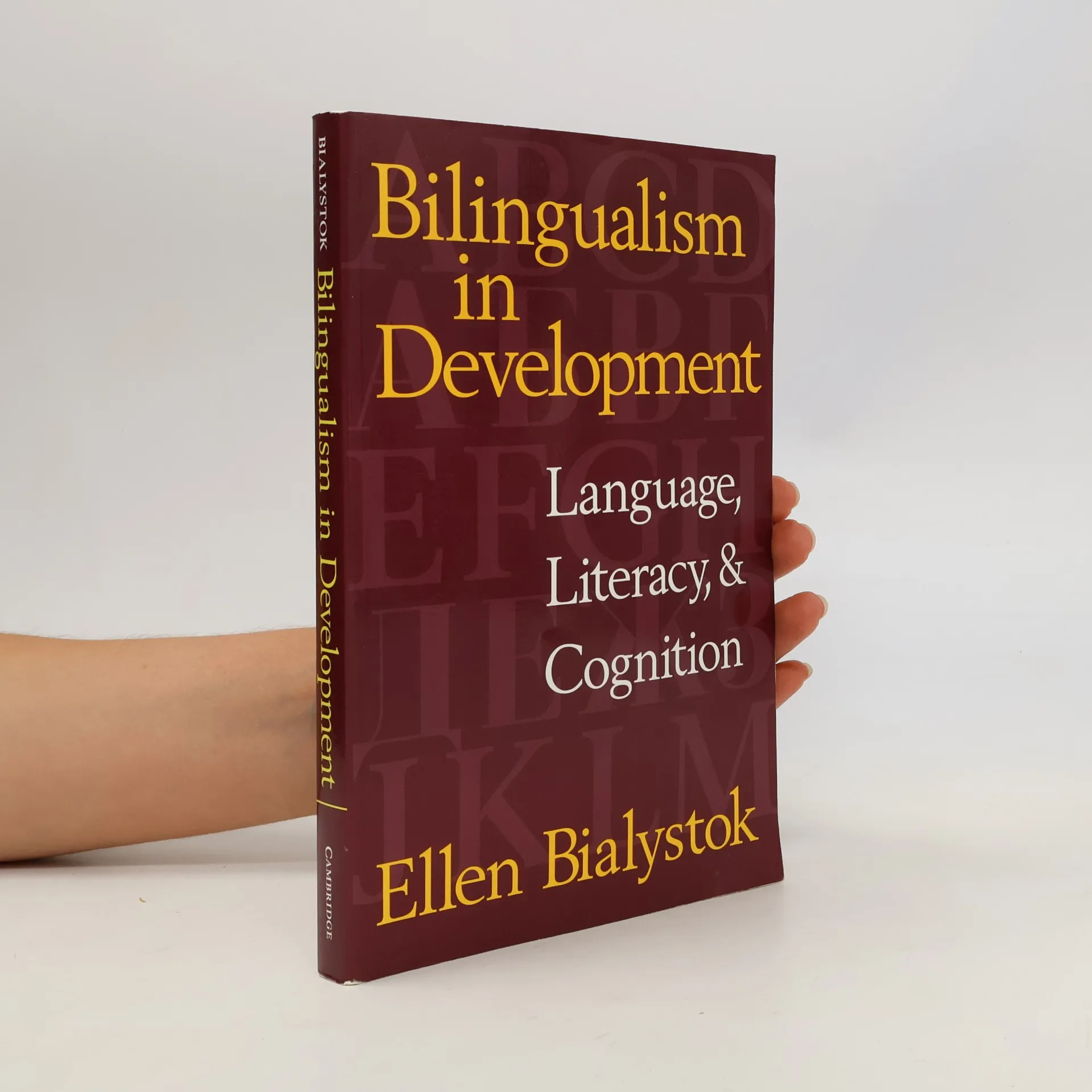
Bilingualism in Development is an examination of the language and cognitive development of bilingual children focusing primarily on the preschool years. It begins by defining the territory for what is included in bilingualism and how language proficiency can be conceptualized. Using these constraints, the discussion proceeds to review the research relevant to various aspects of children's development and assesses the role that bilingualism has in each. The areas covered include language acquisition, metalinguistic ability, literacy skill, and problem-solving ability. In each case, the performance of bilingual children is compared to that of similar monolinguals, and differences are interpreted in terms of a theoretical framework for cognitive development and processing. The studies show that bilingualism significantly accelerates children's ability to selectively attend to relevant information and inhibit attention to misleading information or competing responses. This conclusion is used as the basis for examining a set of related issues regarding the education and social circumstances of bilingual children.