John Ruskin Boeken
John Ruskin was een centrale figuur in de kunstkritiek en sociale hervormingen, wiens vroege werken de kunst van J. M. W. Turner verdedigden. Zijn uitgebreide geschriften onderzochten de kruispunten van kunst, natuur en ethiek, en doken vaak in de morele en spirituele implicaties van de industriële samenleving. Ruskin's onderscheidende stijl vloeide van gedetailleerde artistieke analyses naar breder sociaal en economisch commentaar. Zijn proza vormde het esthetisch begrip en inspireerde bewegingen voor milieubehoud en sociale rechtvaardigheid.



This lecture by John Ruskin delves into the artistry of J.M.W. Turner, highlighting his significance as England's greatest artist. As a close supporter, Ruskin provides insights into Turner's techniques, particularly in color and light, while also discussing the influences that shaped his work. The text is accompanied by illustrations representing various stages of Turner's career, offering a comprehensive view of his artistic evolution.
Giotto and His Works in Padua
- 184bladzijden
- 7 uur lezen
"The Arundel Society first published 'Giotto and His Works in Padua' between 1853 and 1860. It stands as Ruskin's most compelling set of reflections on Giotto's masterpiece - an artwork that, in Ruskin's estimation, changed the very course of art history. Originally accompanied by a set of black and white woodcuts of the panels in the chapel, this new edition presents each panel in vivid color photography, adding a useful visual aid to Ruskin's lyrical descriptions. The result is a book that serves not only as an introduction for students of art history, but also as a discussion of what it means to be a great artist, by one of most influential writers ever to tackle visual art."--Publisher's description
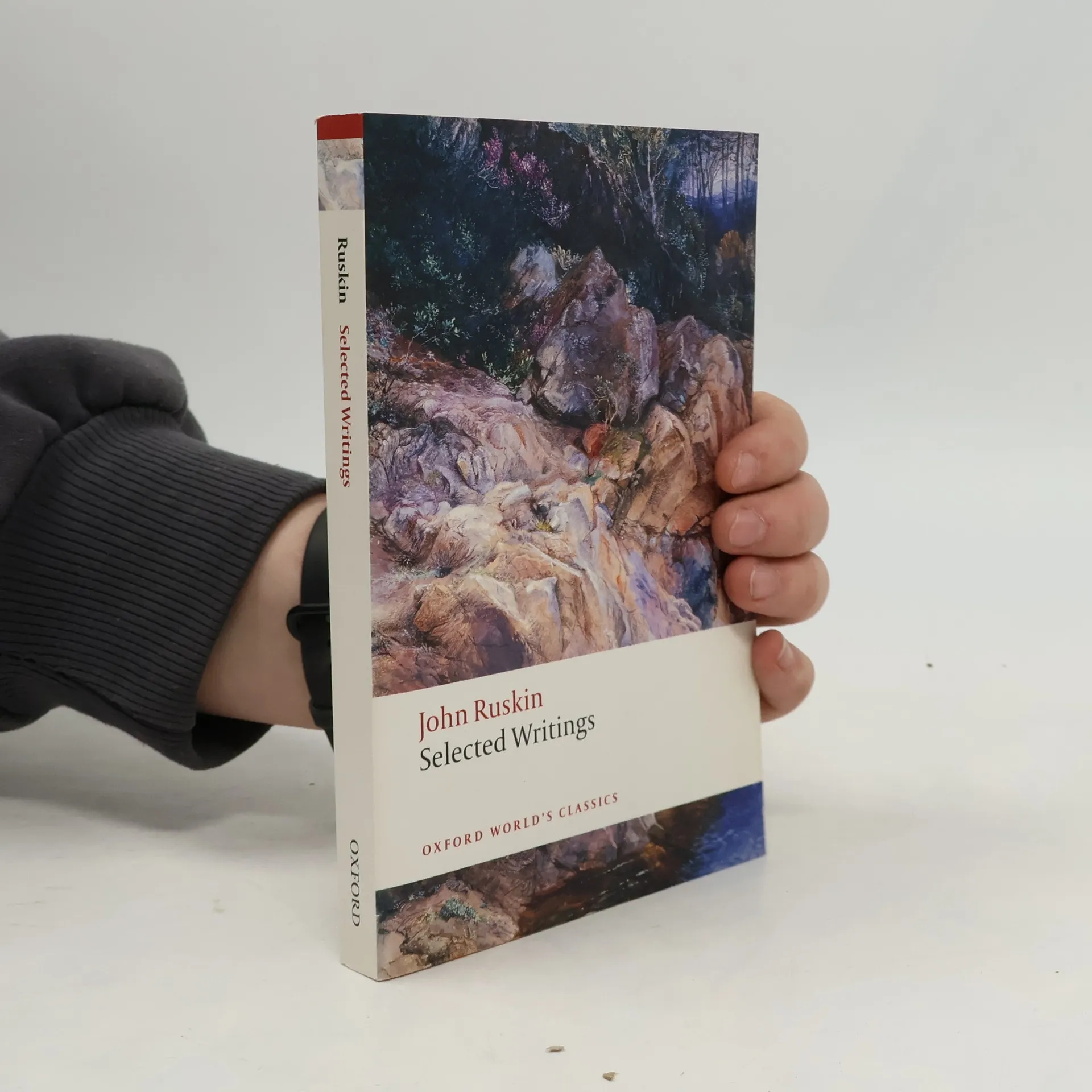
Selected Writings
- 324bladzijden
- 12 uur lezen
Ruskin was the most powerful and influential critic of the nineteenth century. He wrote about nature, art, architecture, politics, history, myth and much besides. This new selection draws on the whole range of his output, including representative material from all his major works. The introduction outlines the development of his life and thought and shows why he remains such a rewarding writer today.
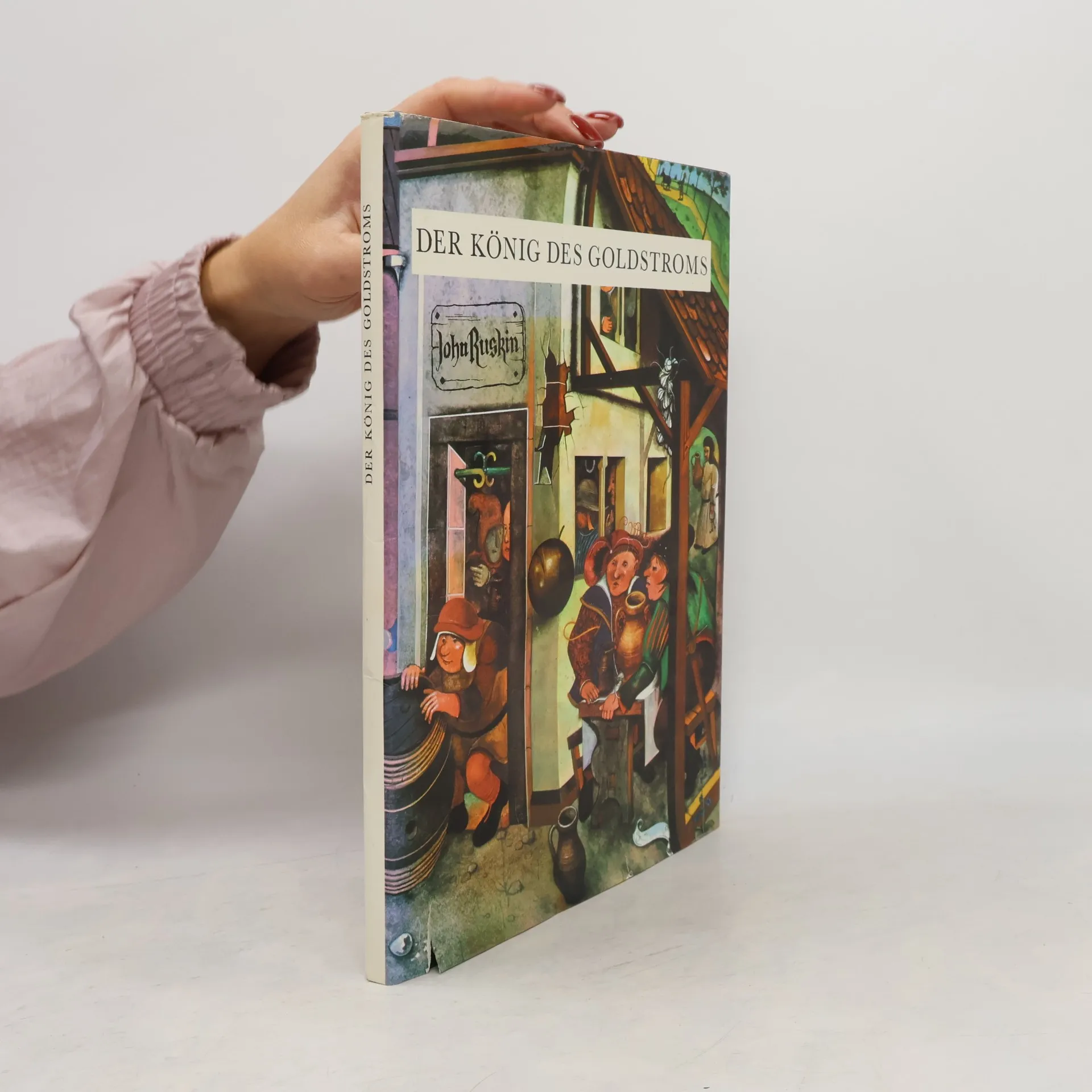
Set in a fantastical landscape, this tale follows the misadventures of a greedy and selfish man who is cursed by the King of the Golden River. The story unfolds as the protagonist learns valuable lessons about generosity and kindness through a series of magical encounters. Richly illustrated, it blends moral themes with enchanting imagery, making it a timeless fable about the transformative power of selflessness and the consequences of avarice. Ruskin's narrative captivates readers with its moral depth and imaginative storytelling.
The Elements of Drawing
- 356bladzijden
- 13 uur lezen
The book is a reprint of a classic work first published in 1857, offering readers a chance to explore its historical significance and original themes. It preserves the language and style of the time, providing an authentic experience of 19th-century literature. The reprint aims to engage both new readers and those familiar with the text, highlighting its enduring relevance and impact on literature and culture.
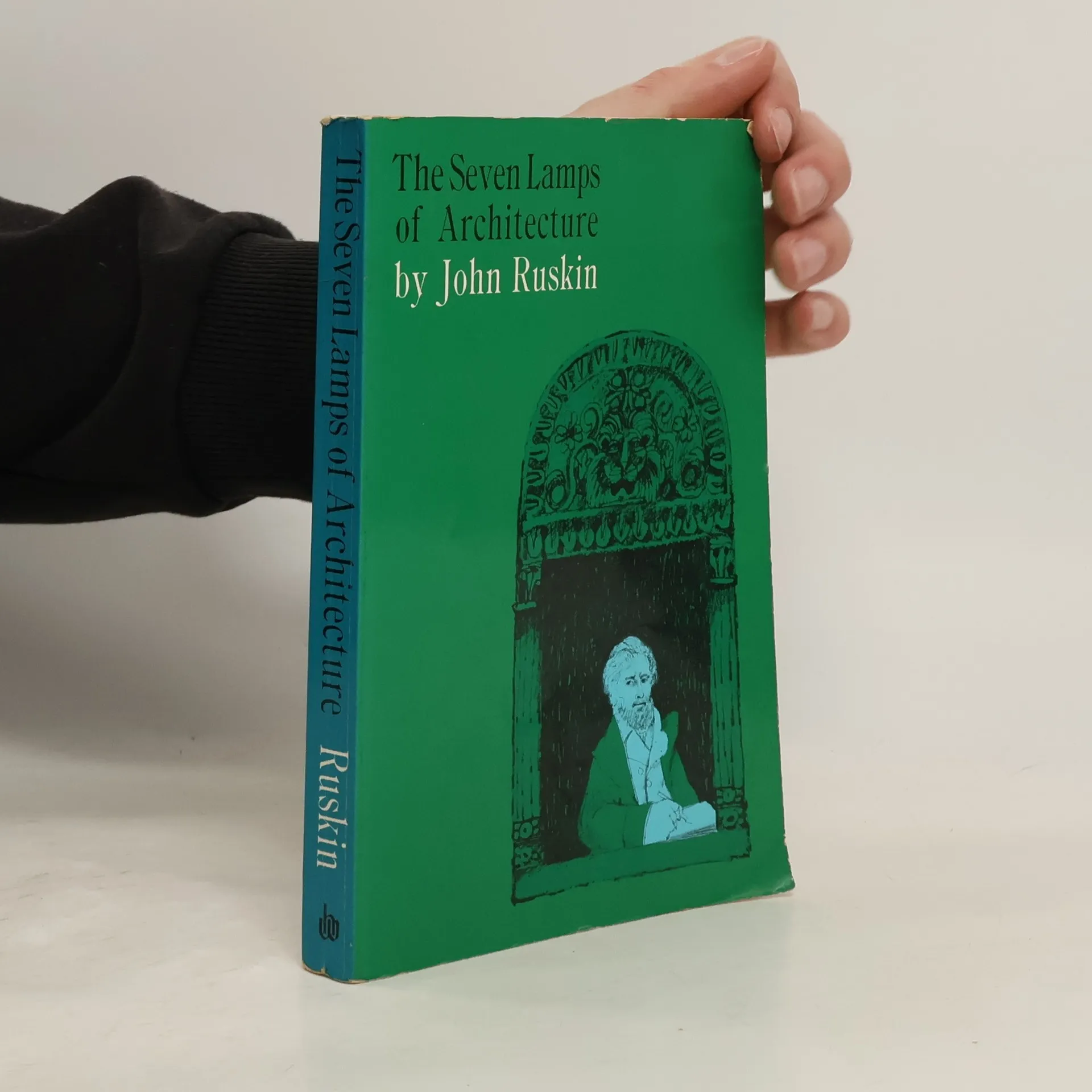
The Seven Lamps of Architecture
- 210bladzijden
- 8 uur lezen
Classic work by great Victorian expresses his deepest convictions of the nature and role of architecture and its aesthetics. Authoritative edition includes reproductions of 14 plates of Ruskin's architectural drawings.
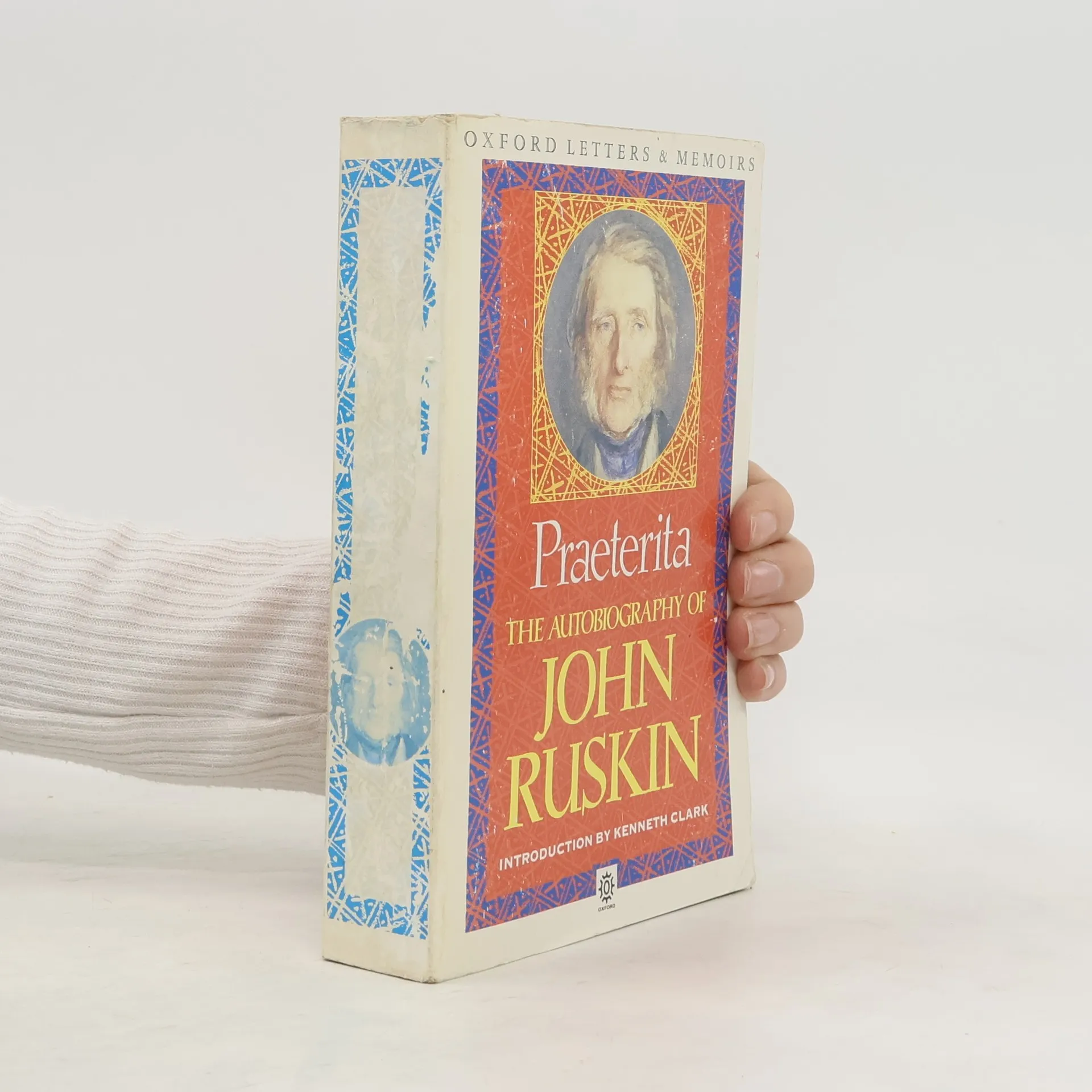
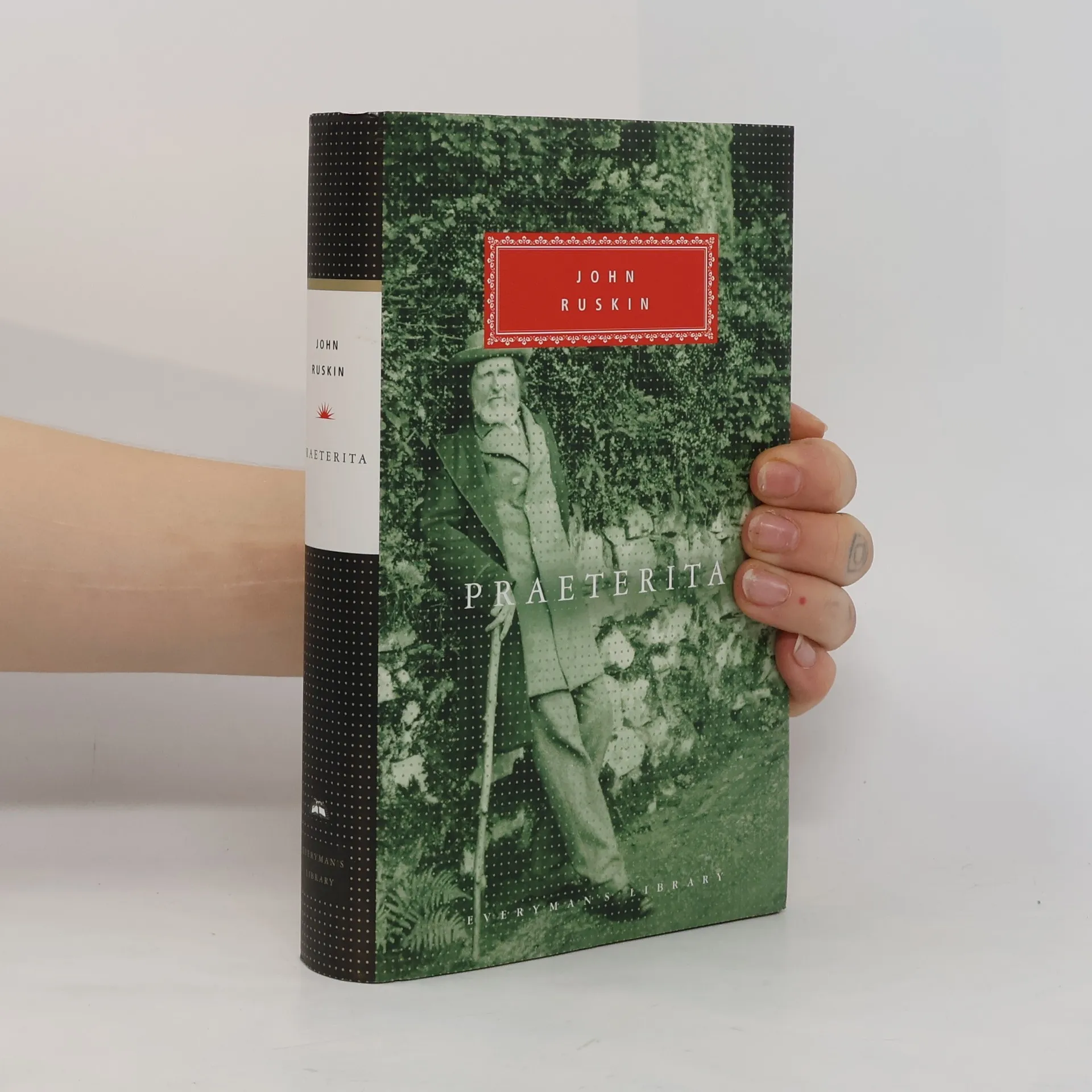
Praeterita. The Autobiography of John Ruskin
- 616bladzijden
- 22 uur lezen
Written in the 1880s, this autobiography of one of Britain's most famous art critics of the 19th century describes his upbringing in a respectable Victorian household, his Continental travels, his friends and relations and the development and refinement of his aesthetic tastes.
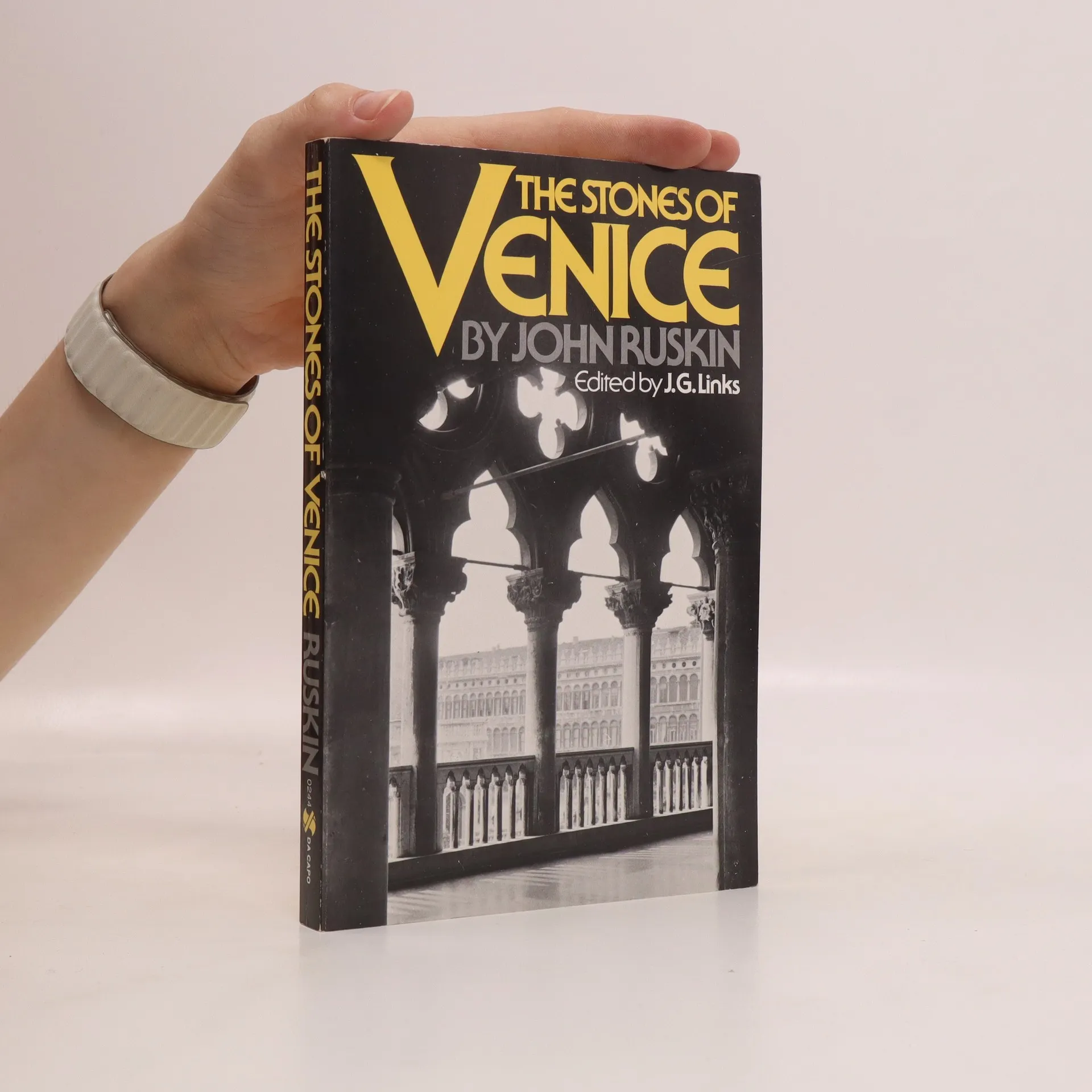
”It is in Venice, and in Venice only, that effectual blows can be struck at this pestilent art of the Renaissance. Destroy its claims to admiration there, and it can assert them nowhere else.” This was Ruskin's war cry as he entered the now almost forgotten Battle of the Styles on the side against ”the school which has conducted men's inventive and constructional faculties from the Grand Canal to Gower Street.”But first the reader must know the difference between right and wrong; he must find out for himself the best way of doing everything. ”I shall give him stones, and bricks and straw, chisels and trowels and the ground, and then ask him to build, only helping him if I find him puzzled.”Unhappily, both these exciting objectives were attained only after the expenditure of nearly half-a-million words; glorious words, but too many. For fifty years, The Stones of Venice was read by all who went there and thousands who could not; the sightseers whom the city captivates today seldom have its greatest guidebook with them.It is the aim of this new edition to put a fascinating book within reach of travelers—active or armchair—with limited resources of time. Much that was superfluous has been omitted; what remains is the essence of a now very readable and portable book. It is a book for the lover of architecture, the lover of Venice, the lover of lost causes, and, perhaps above all, for the lover of fine writing.
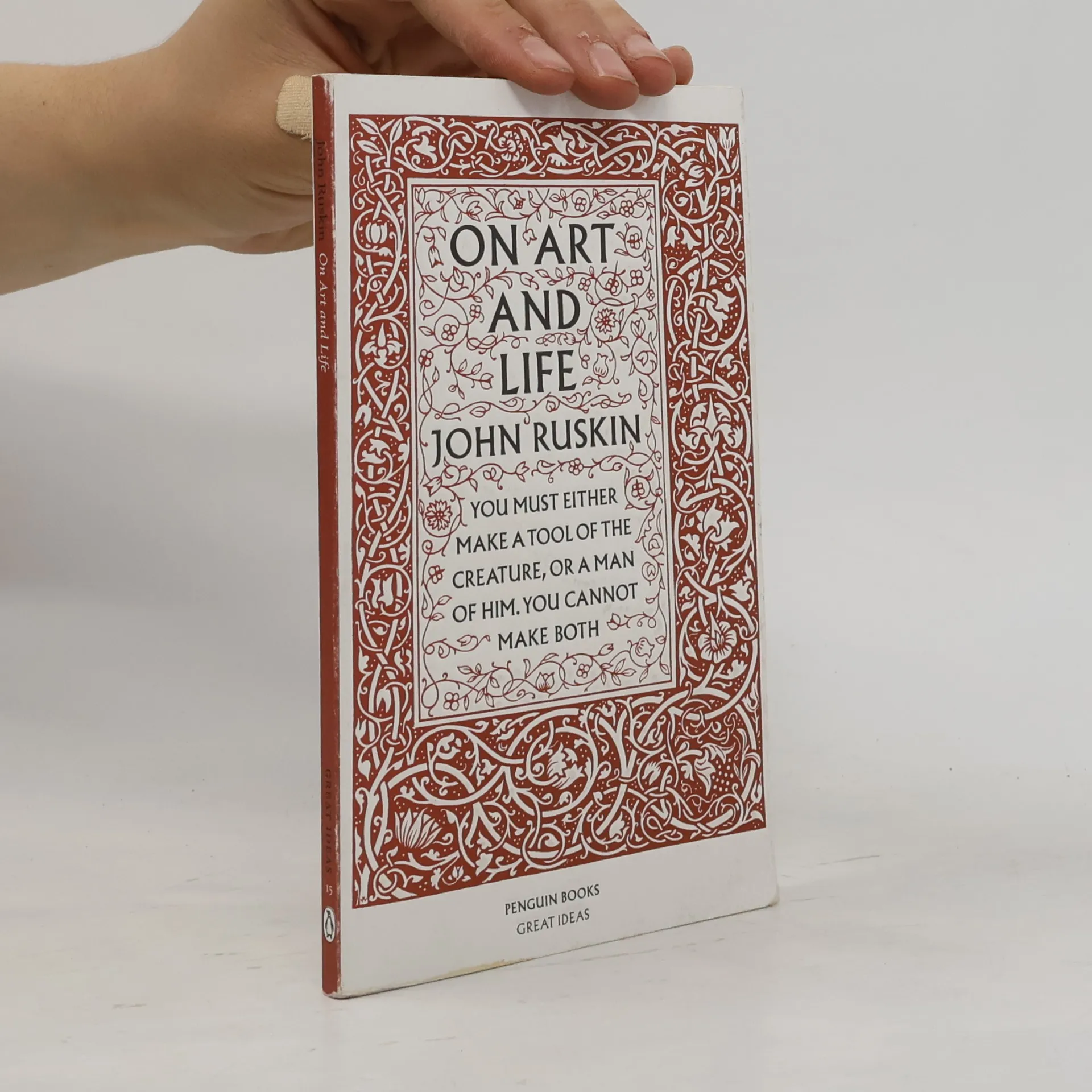
On Art and Life
- 112bladzijden
- 4 uur lezen
John Ruskins insights into the need for individual artistic freedom, and his disdain for the mass-production art of the Victorian era, radically altered society's perception of creative design and remain powerfully relevant to our ideas of beauty today.
Traffic
- 64bladzijden
- 3 uur lezen
'You shall have thousands of gold pieces; - thousands of thousands - millions - mountains of gold: where will you keep them?' Two of Ruskin's most powerful essays: 'Traffic' and 'The Roots of Honour' Introducing Little Black Classics: 80 books for Penguin's 80th birthday. Little Black Classics celebrate the huge range and diversity of Penguin Classics, with books from around the world and across many centuries. They take us from a balloon ride over Victorian London to a garden of blossom in Japan, from Tierra del Fuego to 16th century California and the Russian steppe. Here are stories lyrical and savage; poems epic and intimate; essays satirical and inspirational; and ideas that have shaped the lives of millions. John Ruskin (1819-1900). Ruskin's Unto This Last and Other Writings is available in Penguin Classics.
John Ruskin was one of the most influential thinkers of the Victorian era, and his works continue to resonate today. From seminal essays on art and literature to thoughtful reflections on ethics and society, this collection offers readers a comprehensive look at the mind of a true visionary.
In 1851, John Ruskin passionately defended the Pre-Raphaelite Brotherhood against criticism, highlighting their commitment to truth and detail in art. His writings, including the influential pamphlet "Pre-Raphaelitism," spanned nearly a decade, showcasing his support for artists like Millais and Hunt. This compilation gathers all of Ruskin's published works related to the movement, including his early exhortations to artists and later articles and lectures, underscoring his pivotal role in elevating the Pre-Raphaelites and shaping British art. Edited by Stephen Wildman, it includes insightful commentary.
This book is a reproduction of a historical work, presented in large print to enhance accessibility for readers with impaired vision. Published by Megali, a house dedicated to making historical texts more accessible, it aims to preserve and share important literature while ensuring that visually impaired individuals can enjoy reading with greater ease.
This book is a reproduction of a historical work, published by Megali, which focuses on making literature accessible to individuals with impaired vision through large print formats. The initiative aims to preserve important texts while enhancing readability for those who may struggle with standard print sizes.
The book is a reprint of a classic work first published in 1856, offering readers a chance to explore its historical context and significance. It captures the essence of its time, reflecting the themes and ideas prevalent in the mid-19th century. This edition preserves the original text, allowing contemporary audiences to engage with the language and style of the period, making it a valuable resource for both history enthusiasts and literary scholars.
Lectures on Art
- 120bladzijden
- 5 uur lezen
John Ruskin, a multifaceted figure of the Victorian era, excelled as an art critic, philosopher, and philanthropist, engaging with diverse subjects like geology, architecture, and literature. His prolific output included essays, poetry, travel guides, and even a fairy tale, showcasing a range of literary styles. Ruskin's early elaborate prose evolved into clearer language aimed at effectively conveying his insights. Central to his work is the exploration of the interrelationship between nature, art, and society, reflecting his deep commitment to these themes.
The Ethics of the Dust; Ten Lectures To Little Housewives On The Elements Of Crystallization
in large print
- 228bladzijden
- 8 uur lezen
This historical work is presented in a large print format, catering specifically to individuals with impaired vision. The publishing house Megali focuses on making classic texts more accessible, ensuring that important works can be enjoyed by a wider audience.
This book is a reproduction of an original historical work, presented in large print to enhance accessibility for readers with impaired vision. Published by Megali, a company dedicated to preserving and making historical texts available, this edition emphasizes the importance of inclusivity in literature.
John Ruskin was a multifaceted figure in the Victorian era, excelling as an art critic, philosopher, and philanthropist. His diverse writings spanned various subjects, including geology, architecture, and literature, showcasing his wide-ranging interests. Ruskin's literary forms included essays, poetry, and travel guides, while his artistic talents were evident in his detailed sketches and paintings. Over time, his elaborate writing style evolved into a clearer, more accessible approach, emphasizing the intricate relationships between nature, art, and society.
The King of the Golden River / Der König des Goldenen Flusses (Buch + Audio-Online) - Frank-Lesemethode - Kommentierte zweisprachige Ausgabe Englisch-Deutsch
Weg mit dem Lehrbuch - Englisch durch Eintauchen meistern
- 168bladzijden
- 6 uur lezen
Entdecken Sie mit der Lesemethode von Ilya Frank eine innovative Art, Fremdsprachen zu lernen. Diese Methode kombiniert Originaltexte mit klaren Übersetzungen und fördert ein tiefes Verständnis. Erleben Sie die fesselnde Geschichte von "The King of the Golden River", die wichtige Lektionen über Gier und Güte vermittelt.
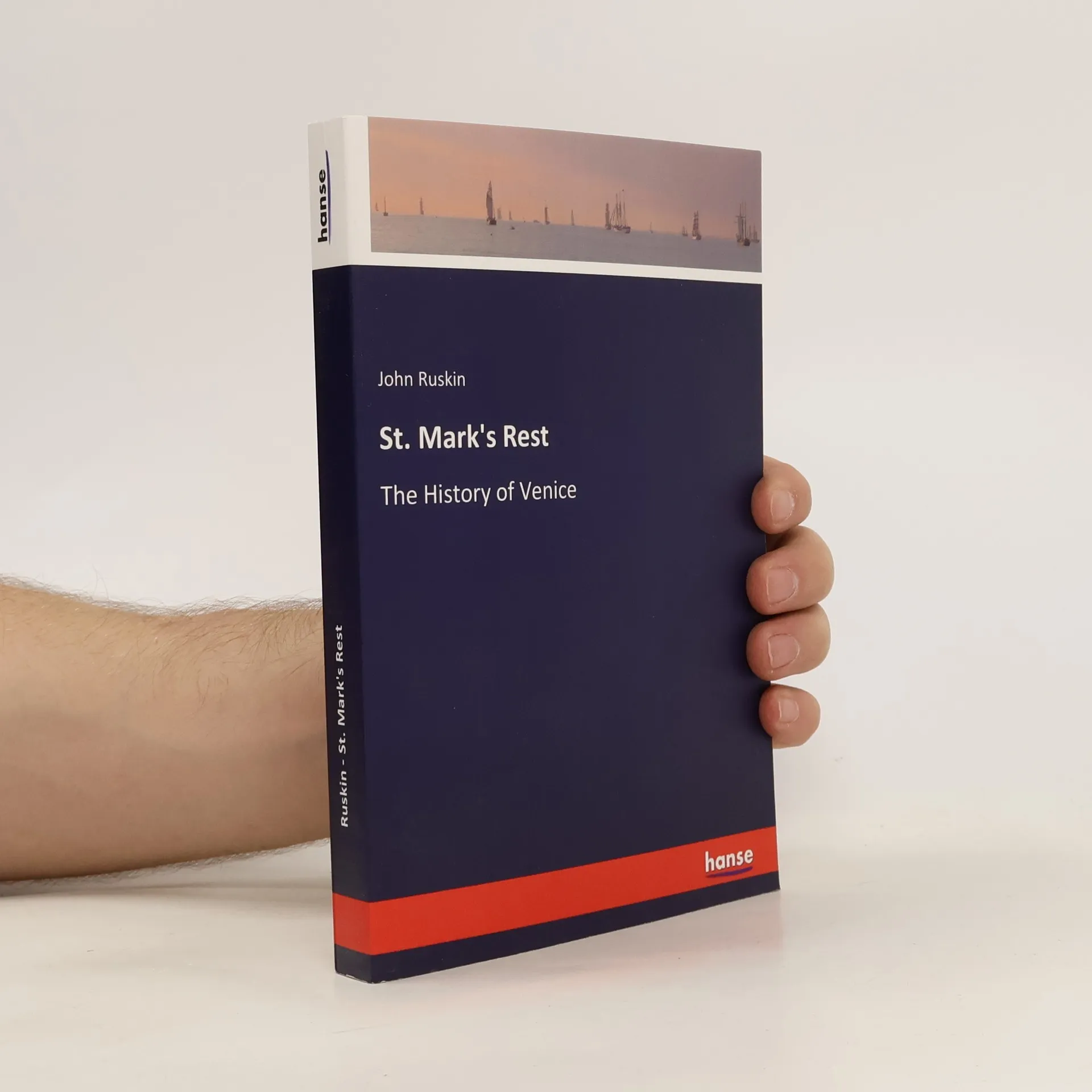
St. Mark's Rest
- 252bladzijden
- 9 uur lezen
St. Mark's Rest - The History of Venice is an unchanged, high-quality reprint of the original edition of 1890. Hansebooks is editor of the literature on different topic areas such as research and science, travel and expeditions, cooking and nutrition, medicine, and other genres. As a publisher we focus on the preservation of historical literature. Many works of historical writers and scientists are available today as antiques only. Hansebooks newly publishes these books and contributes to the preservation of literature which has become rare and historical knowledge for the future.
Focusing on the intersection of economics, morality, and social justice, John Ruskin's essays critique capitalism and its impact on society and the environment. He argues for a moral foundation in economic practices, advocating for living wages for workers and highlighting the detrimental effects of industrialization on nature. Initially controversial, these essays have influenced modern social movements, including Mahatma Gandhi's ideologies. Ruskin's insights remain relevant, offering a profound exploration of the ethical dimensions of economic systems.
This is a reproduction of the original artefact. Generally these books are created from careful scans of the original. This allows us to preserve the book accurately and present it in the way the author intended. Since the original versions are generally quite old, there may occasionally be certain imperfections within these reproductions. We're happy to make these classics available again for future generations to enjoy!
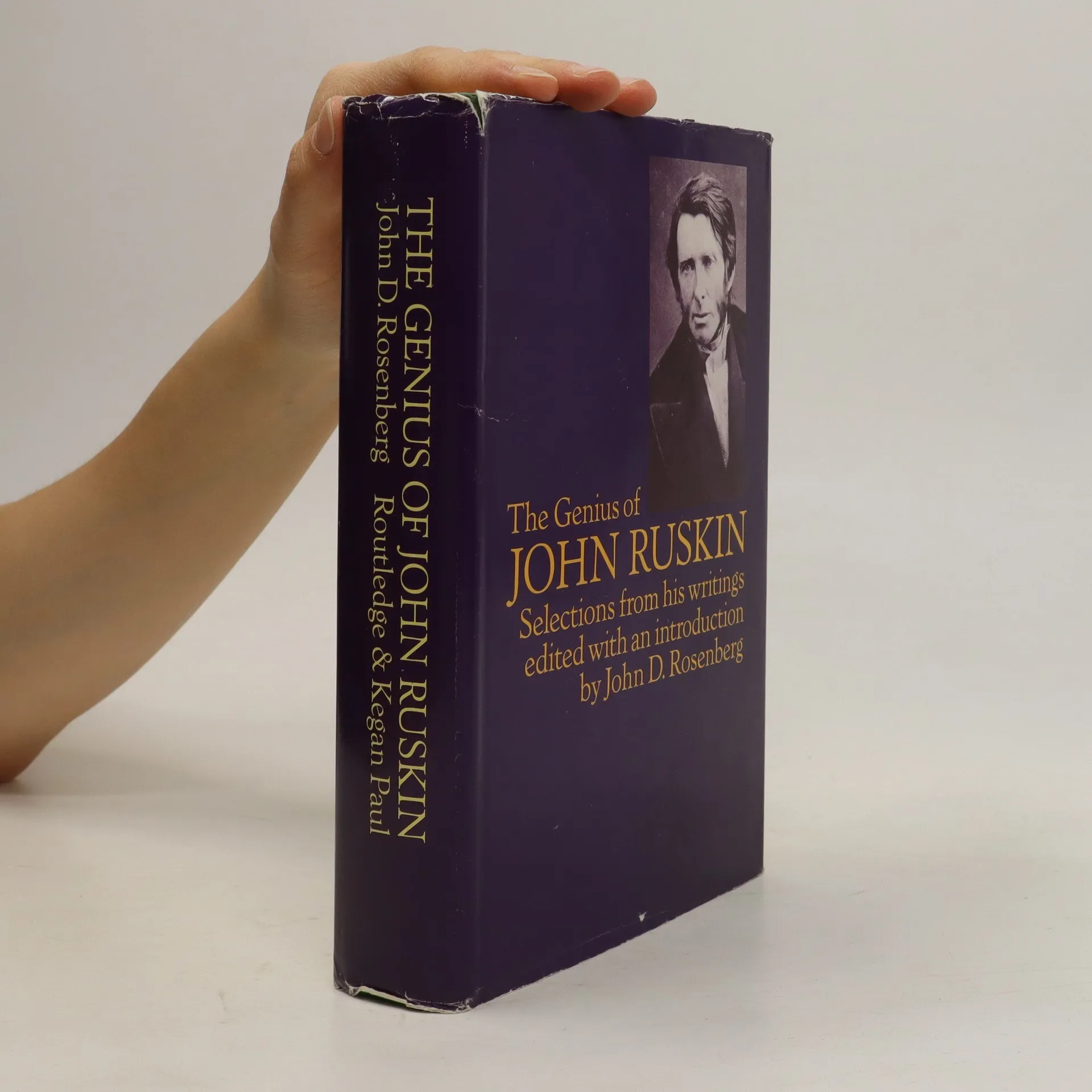
The Genius of John Ruskin
- 560bladzijden
- 20 uur lezen
No figure among the Victorians surpasses John Ruskin in magnitude of genius, modernity of message, or mastery of prose. Yet for the first half-century after his death in 1900, his genius lay largely undiscovered. First published in 1963, John D. Rosenberg's The Genius of John Ruskin aimed to make Ruskin's ideas and writings accessible to the modern reader, and it quickly became a classic. Long out of print, this important anthology is now available with a new foreword by Herbert F. Tucker and an expanded and updated bibliography by the author that takes into account recent Ruskin scholarship.
HardPress Classic Books Series
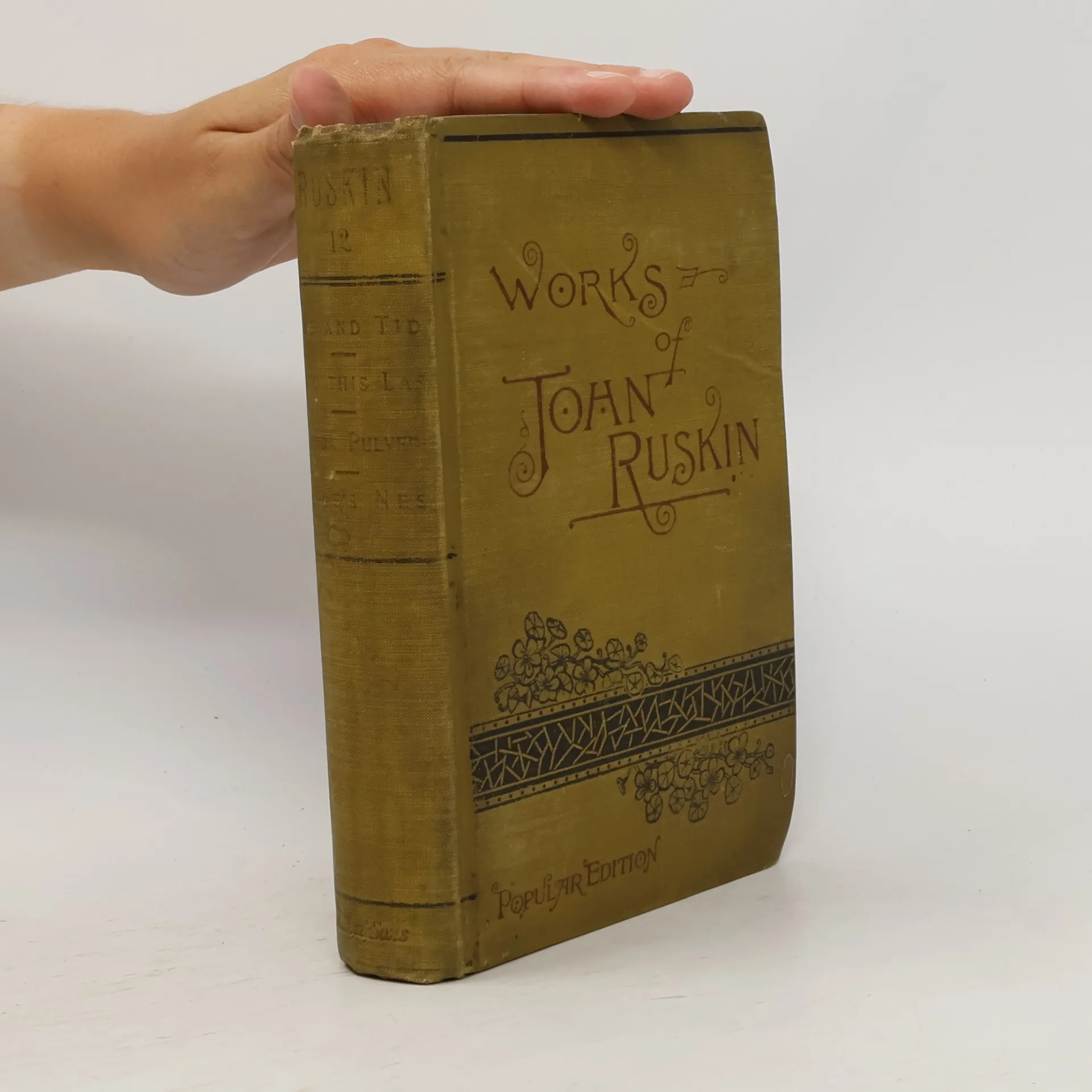
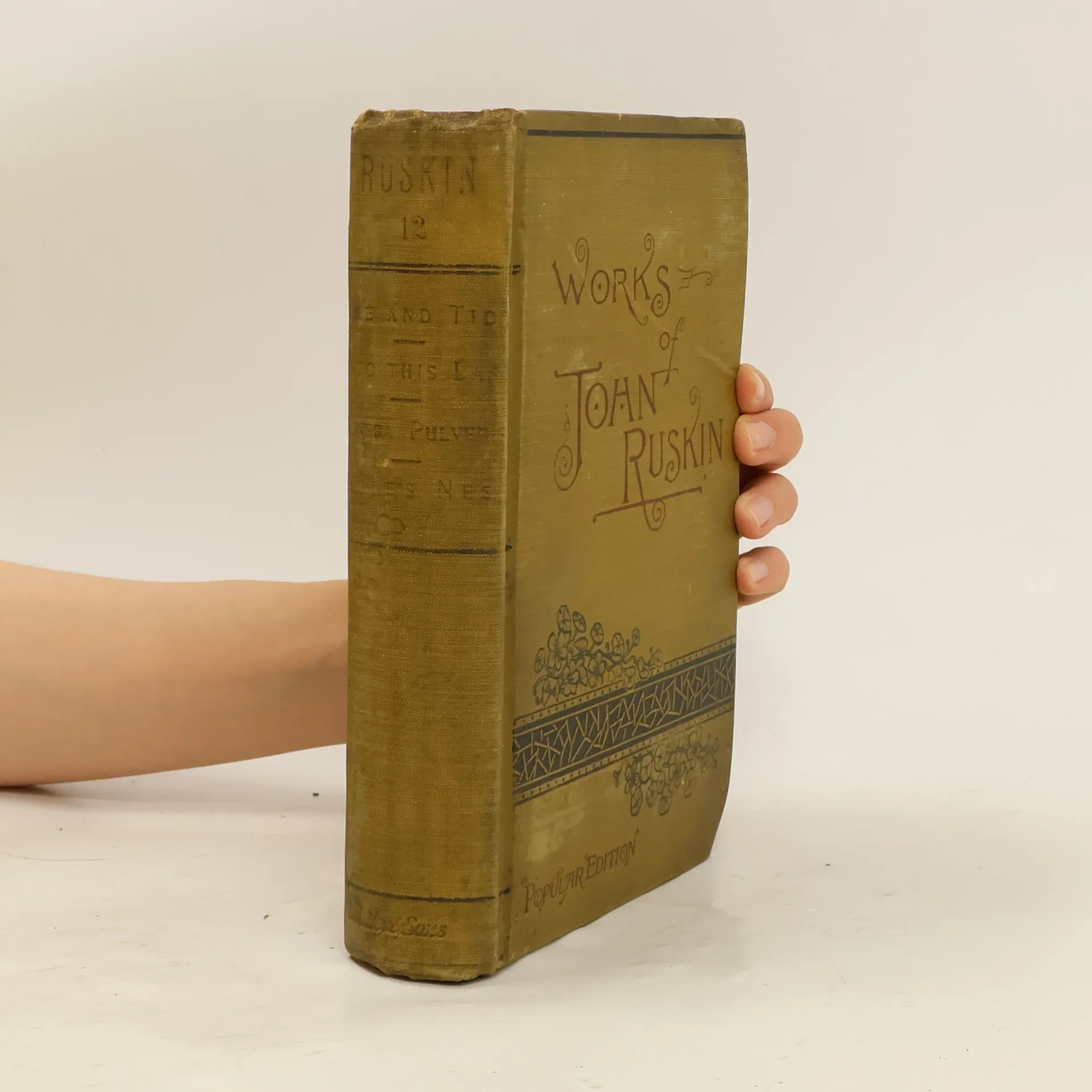
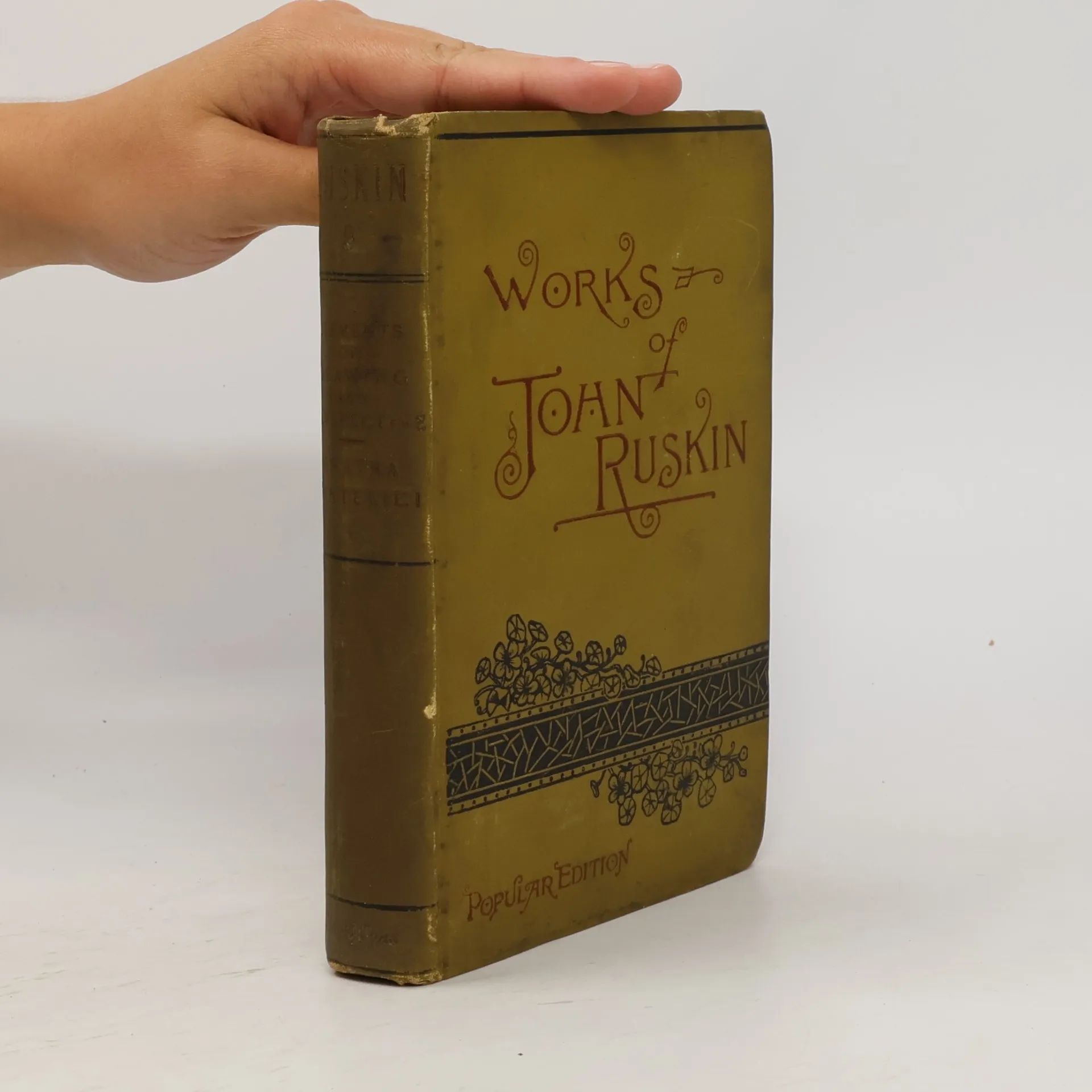
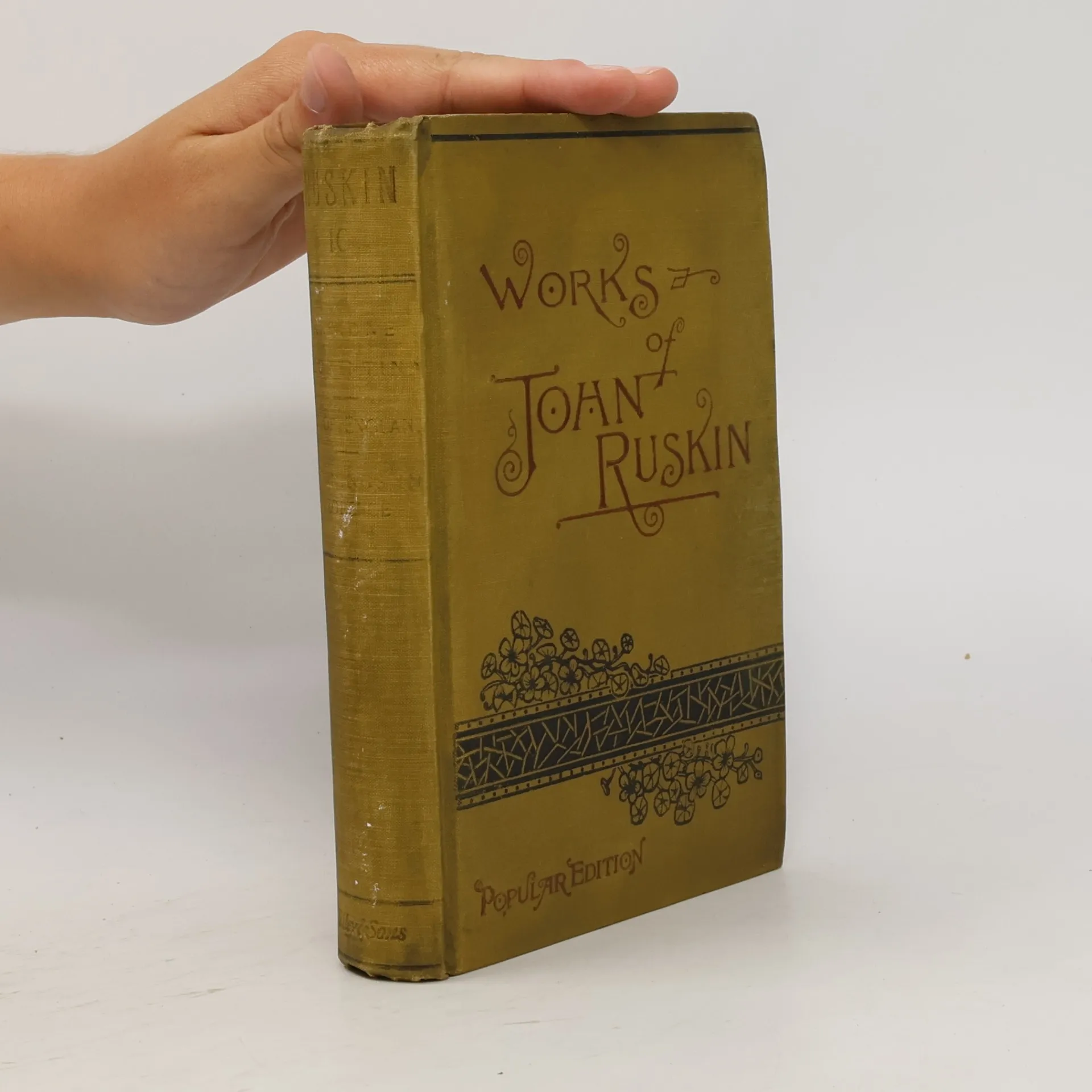
Works of John Ruskin
Of Kings Treasuries. Of Queens Gardens. Of the Mystery of Life
Time and Tide, by Weare and Tyne
Twenty-Five Letters to a Workinf Man of Suderland of the Laws of Work
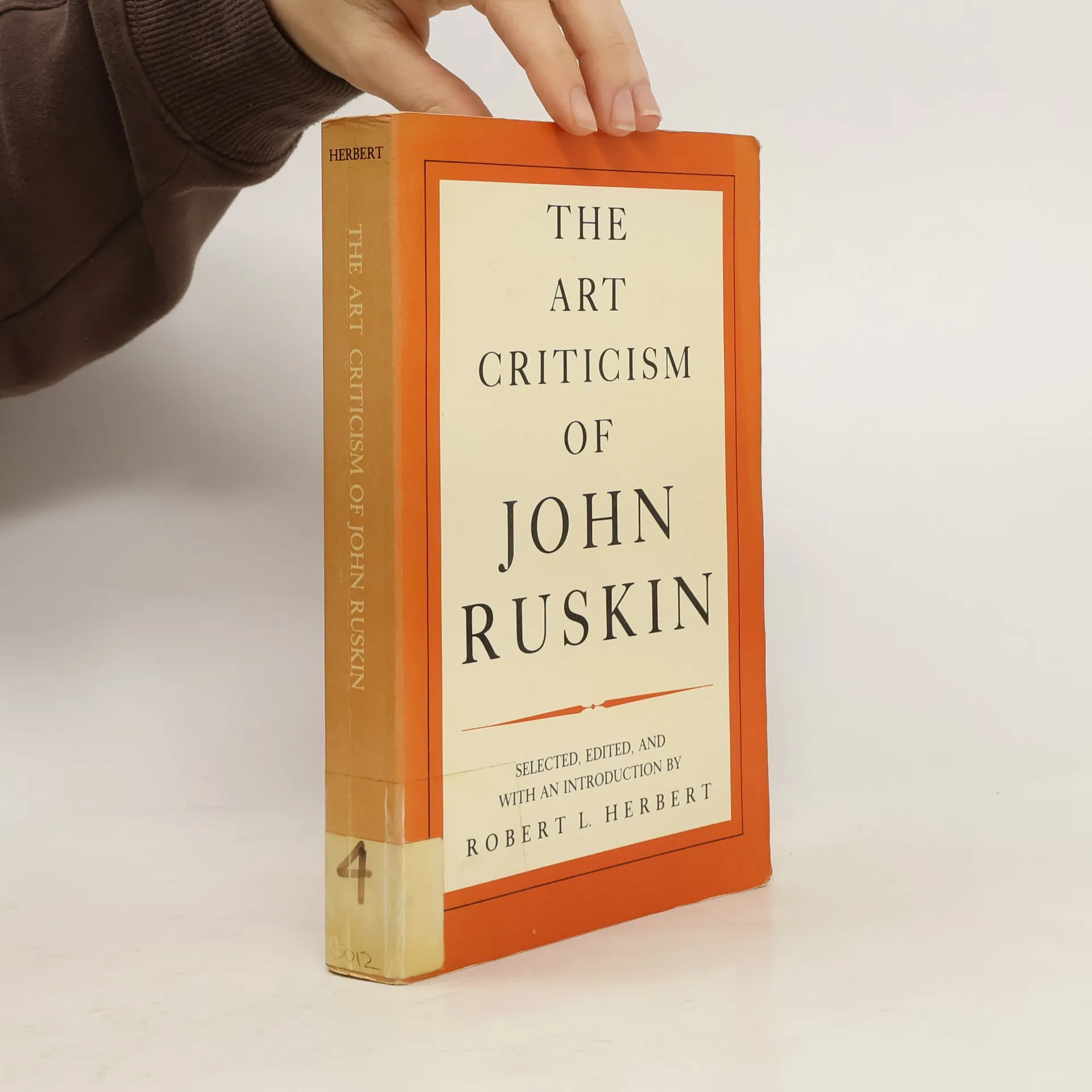
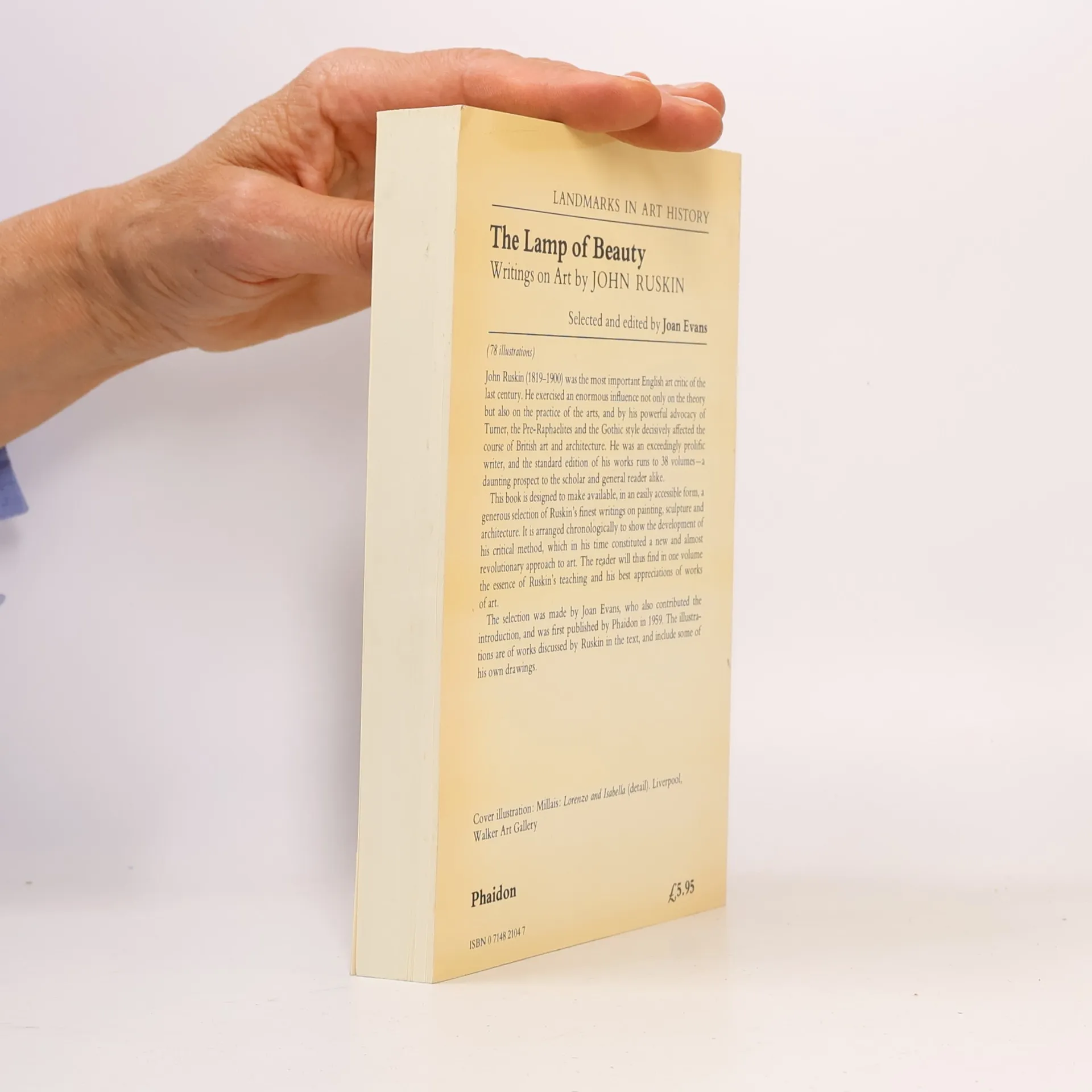
John Ruskin was arguably the most important art critic of the 19th century. This book makes available a generous selection of his finest writings on painting, sculpture and architecture.
Time and Tide, by Weare and Tyne
Twenty-five Letters to a Working Man of Sunderland on the Laws of Work
Ariadne Florentina
Six Lectures on Wood and Metal Engraving
Everyman's Library: Praeterita and Dilecta
- 564bladzijden
- 20 uur lezen
Ruskin was not merely the most important anglophone art critic and social commentator of the late nineteenth century: for his admirers - who included Proust - he was a Tolstoyan figure with the magic of an artist and the moral authority of a sage.
Fors Clavigera; Letters to the workmen and labourers of Great Britain, In Eight Volumes
Volume 2 - in large print
- 288bladzijden
- 11 uur lezen
This book is a reproduction of a historical work published by Megali, a company dedicated to creating large print editions to enhance accessibility for readers with impaired vision. The focus on readability ensures that important historical texts are available to a wider audience, allowing more people to engage with and appreciate these works.
Fors Clavigera; Letters to the workmen and labourers of Great Britain, In Eight Volumes
Volume 3 - in large print
- 352bladzijden
- 13 uur lezen
This book is a reproduction of a historical work, presented in large print to enhance accessibility for readers with impaired vision. Published by Megali, a house dedicated to making classic texts more readable, it aims to preserve important literature while catering to the needs of those who require larger text formats.
Works of John Ruskin 1-12
- 12 volumes
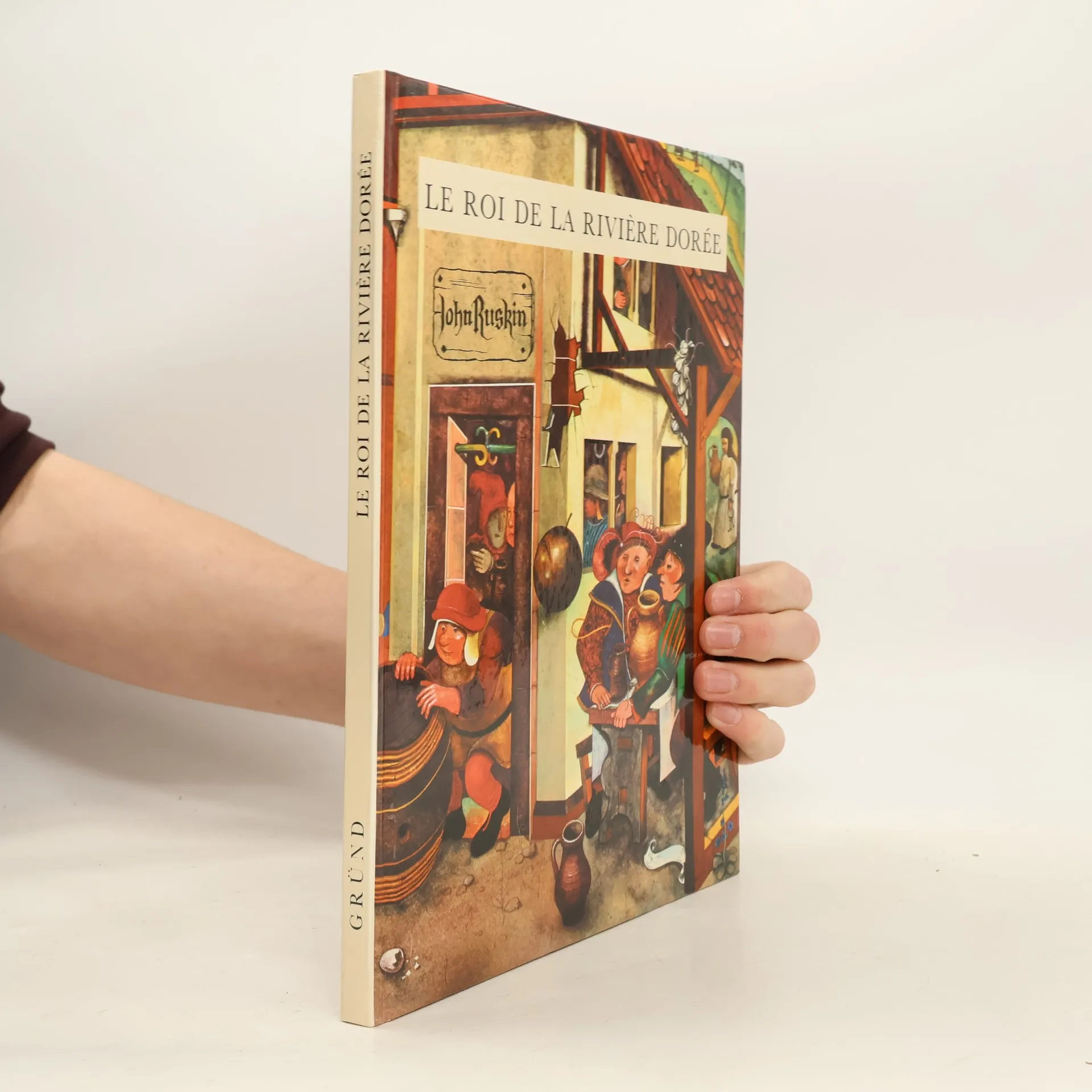
Le Roi de la Rivière dorée
- 55bladzijden
- 2 uur lezen
Ruskinovy přednášky proslovené posluchačům univerzity oxfordské. Kapitoly: Inaugurační, Poměr umění k náboženství, Poměr umění k mravnosti, Poměr umění k užitečnosti, Linie, Světlo, Barva.
Kniha anglického teoretika umění a spisovatele Johna Ruskina je všeobecně považována za autorův nejdůležitější kritický text věnovaný architektuře. Podstata gotiky tvoří myšlenkové jádro Ruskinovy rozsáhlé třídílné studie benátské architektury The Stones of Venice, častěji však bývá publikována jako samostatný, poeticky laděný teoretizující esej. Ruskin v Podstatě gotiky formuluje své originální umělecko-společenské chápání gotické architektury jako průniku vnějších architektonických forem a vnitřního „ducha gotiky“ a definuje její charakteristické umělecké a morální znaky. Gotika se tak Ruskinovi stává uměleckým slohem, který – na rozdíl od odlidštěného (nejen) moderního prefabrikovaného umění – předpokládá, ba přímo vyžaduje originalitu, invenci a tvůrčí svobodu umělců a řemeslníků (ale i diváků) a lze ji právem chápat jako výraz zdravější a morálnější společnosti.
John Ruskin war ein vielseitiger britischer Denker des 19. Jahrhunderts, der als Schriftsteller, Maler, Kunsthistoriker und Sozialphilosoph bekannt wurde. Er lebte von 1819 bis 1900 und hinterließ ein bedeutendes Erbe in der Kunst- und Sozialkritik. Seine Arbeiten befassen sich mit der Verbindung von Kunst und Gesellschaft, wobei er oft die moralischen und ethischen Dimensionen des Schaffens betont. Ruskins Einfluss reicht weit über die Kunst hinaus und umfasst auch gesellschaftliche Reformen und die Wertschätzung der Natur.
Die Königin der Luft
Studien über die griechische Sturm- und Wolkensage
Grundlagen des Zeichnens
in drei Briefen für Anfänger
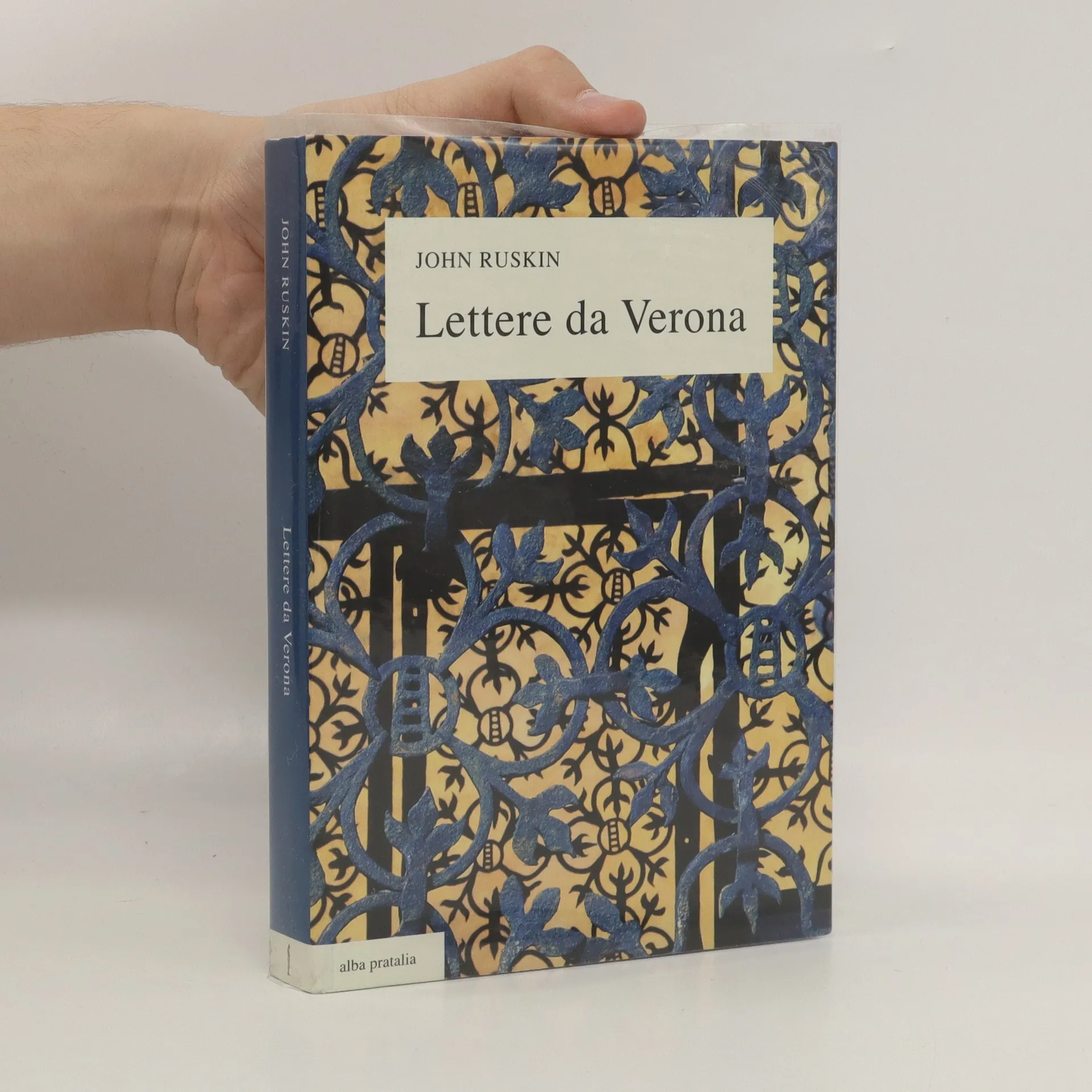
Ruskins ›Grundlagen des Zeichnens‹ (›Elements of Drawing‹, erstmals erschienen 1857) sind das Werk eines Kunstenthusiasten, der kaum einen Tag verstreichen ließ, ohne einige Stunden zu zeichnen und zu aquarellieren. Es wendet sich in drei Briefen mit zahlreichen Übungsbeispielen an Menschen jeden Alters und entwickelt das Zeichnen durch die Schulung des Auges. Die präzise Wahrnehmung der Natur und das detaillierte Verständnis großer Kunstwerke sollen geschärft und ausgebildet werden. Seine stilistisch meisterhaft vorgetragene Schule von Zeichnen und Sehen begriff Ruskin zugleich als eine Anleitung zur ›drawing cure‹, zur Belebung von Seele und Geist durch die künstlerische Praxis. Die auch ins Französische und Italienische übersetzten ›Elements of Drawing‹ sind ein klassisches Einführungswerk, von angehenden Künstlern und generell Menschen, die Zeichnen lernen möchten, über Generationen mit Begeisterung und Erfolg benutzt, das im englischen Sprachraum bis heute in zahlreichen englischen Ausgaben und auch auf einer eigenen Website der Universität Oxford allgegenwärtg ist. Sie werden hier erstmals nach über hundert Jahren in neuer deutscher Übersetzung vorgelegt.
Diesem Letzten
Vier Aufsätze über die wichtigsten Prinzipien der Volkswirtschaft
- 186bladzijden
- 7 uur lezen
Zu Beginn der Industriellen Revolution verfasste John Ruskin mit „Diesem Letzten“ eine der ersten Kritiken an den Anfängen der Volks- und Betriebswirtschaft. Mit scharfem Verstand deckte er die Schwachstellen der auf Reichtum und Macht fokussierten Ökonomie auf und erkannte die sozialen und ökologischen Kollateralschäden dieser einseitigen Denkweise. Ruskin postulierte Redlichkeit als wesentliche Eigenschaft ökonomisch handelnder Individuen und sah den Wohlstand, der dem Leben dient, als das wichtigste Produkt einer Volkswirtschaft. Seine Ideen beeinflussten bedeutende Zeitgenossen, darunter Mahatma K. Gandhi, der sich an Ruskins Idealen orientierte. Die kritischen Schlussfolgerungen zu den Theorien von John S. Mill, David Ricardo und Adam Smith sind auch heute noch relevant. Angesichts aktueller wirtschaftlicher Krisen und Korruption erscheint eine Neuübersetzung dieses zeitlosen Meisterwerks der Sozialkritik sinnvoll. Die 2011 erstmals erschienene, dritte, leicht korrigierte Auflage bietet erklärende Anmerkungen sowie ein Vor- und Nachwort des Übersetzers, das Ruskins ethische Ansätze aufgreift, hinterfragt und in ein aktualisiertes Modell der menschlichen Natur integriert.
Diesem Letzten
Vier Abhandlungen über die ersten Grundsätze der Volkswirtschaft
- 196bladzijden
- 7 uur lezen
»Was unter der Benennung Reichtum eigentlich erstrebt wird, ist im Wesentlichen Macht über die Menschen. Genau ausgedrückt ist es: die Kunst, das höchste Maß von Ungleichheit, zu unseren Gunsten, zu schaffen.« (John Ruskin, Diesem Letzten) »Mit 'Diesem Letzten' legte Ruskin 1860 eine fundierte Kritik an der liberalen Wirtschaftstheorie und an den sozialen Verhältnissen seiner Zeit vor. Seine Argumente sind so modern, dass sie bis heute immer wieder Gegenstand politischer Diskurse sind. Bezieht man sein Gesamtwerk und sein persönliches Wirken in die Deutung mit ein, kann man ihn als einen der frühesten Denker der Nachhaltigkeit bezeichnen.« (Christine Ax) Nachdruck der deutschen Erstausgabe in der herausragenden Originalübersetzung von Anna von Przychowski.
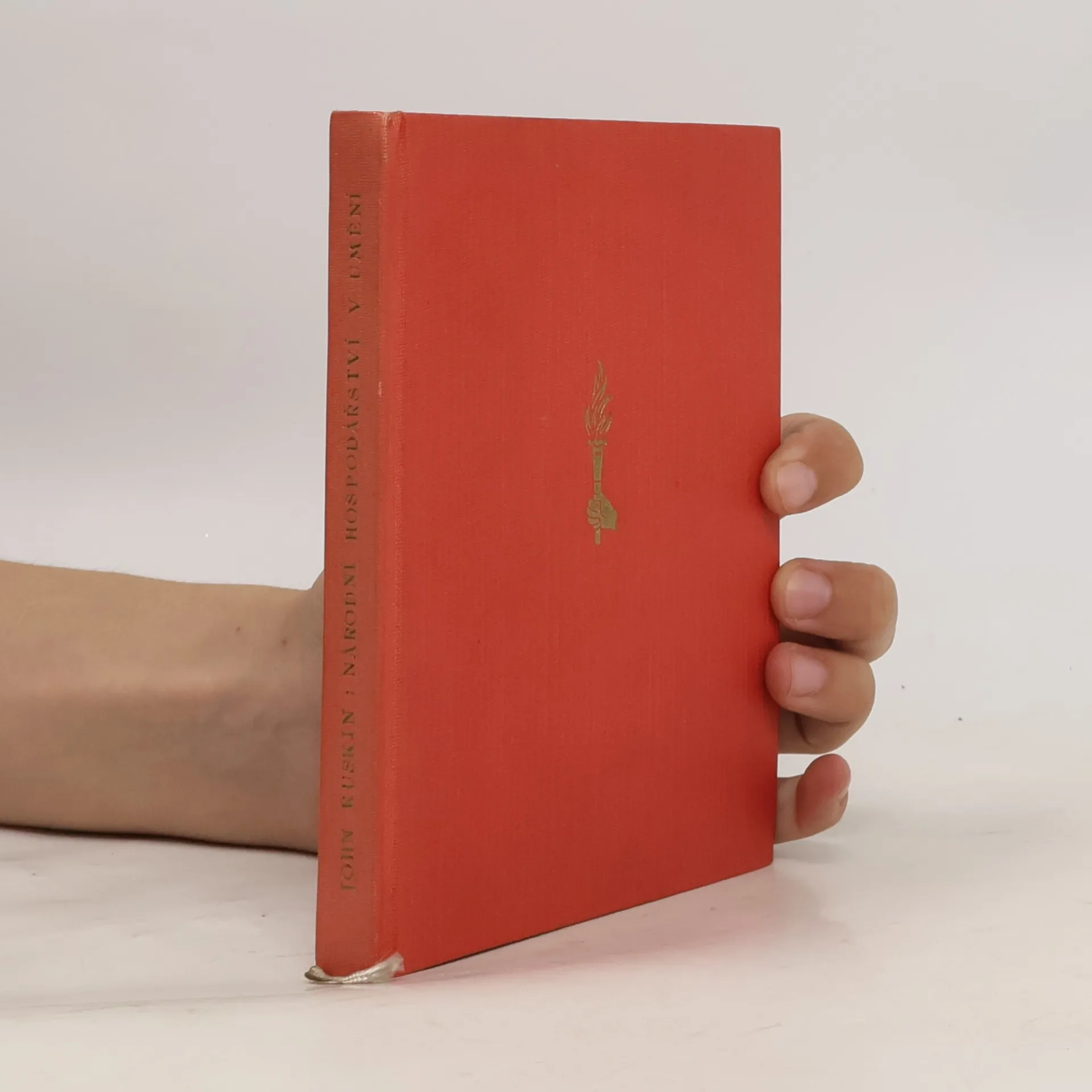
Známý anglický ekonom a vědec se zamýšlí nad vztahem ekonomie a umění jako celku. Popisuje věk minulý i tehdy současný, životní úrovně umělců jako celku, možnostmi finanční pomoci. Také rozebírá vzájemné ovlivnění i závislost ekonomie a umění.
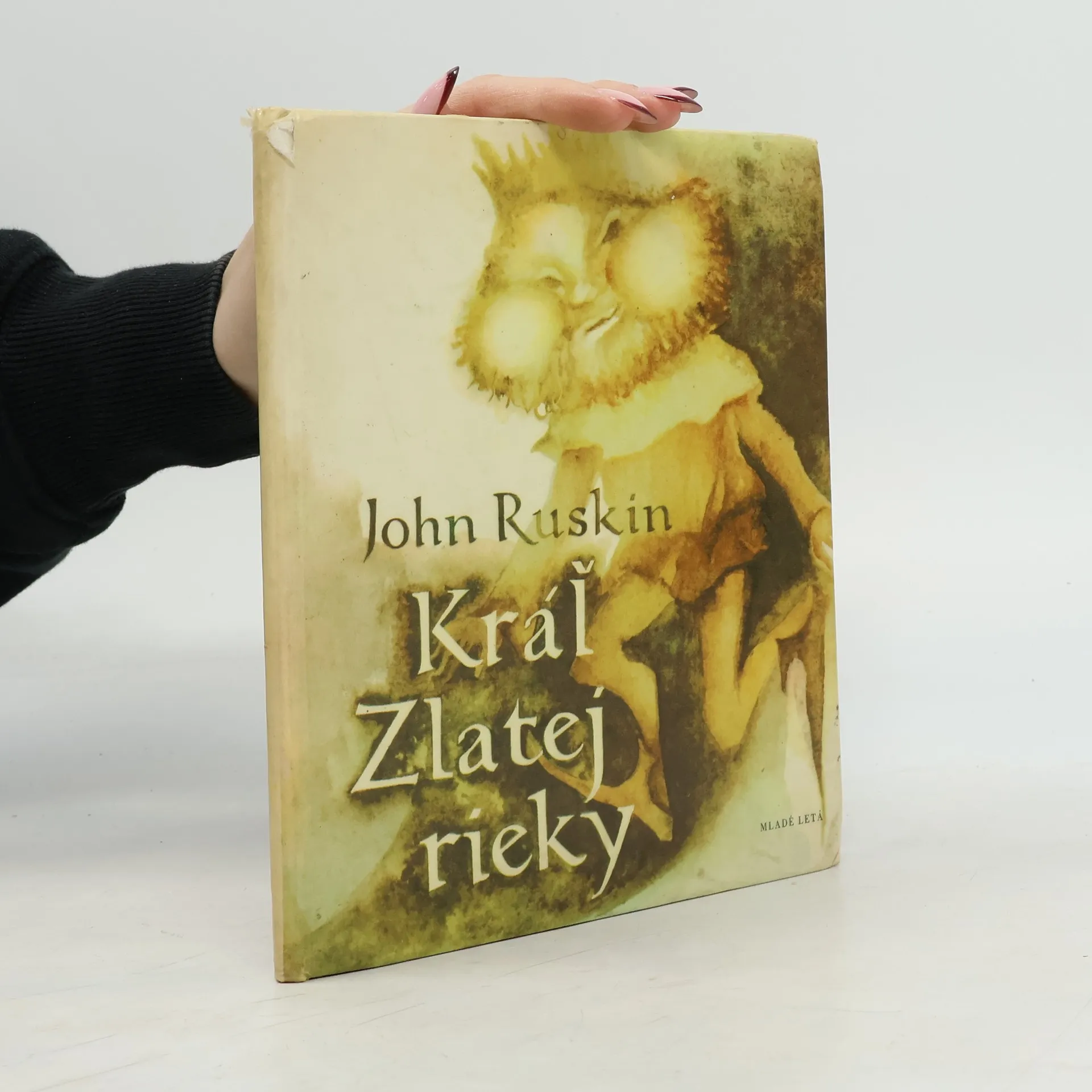
Kráľ zlatej rieky
- 56bladzijden
- 2 uur lezen
Readings from Ruskin
Mit Anmerkungen zum Schulgebrauch hrsg. von Aronstein