

What did democracy mean before liberalism? What are the consequences for our lives today? These questions are examined by this book.
Josiah Ober Volgorde van de boeken (chronologisch)
Josiah Ober is een vooraanstaand professor Klassieke Talen en Politicologie aan de Stanford University. Zijn wetenschap duikt in de complexiteit van politieke theorie en de geschiedenis van het oude Griekenland. Ober onderzoekt kritisch de vorming en het behoud van politieke instellingen binnen oude stadstaten en hun blijvende maatschappelijke gevolgen. Zijn onderzoek belicht fundamentele vragen over democratie en burgerschap die krachtig resoneren met hedendaags politiek denken.
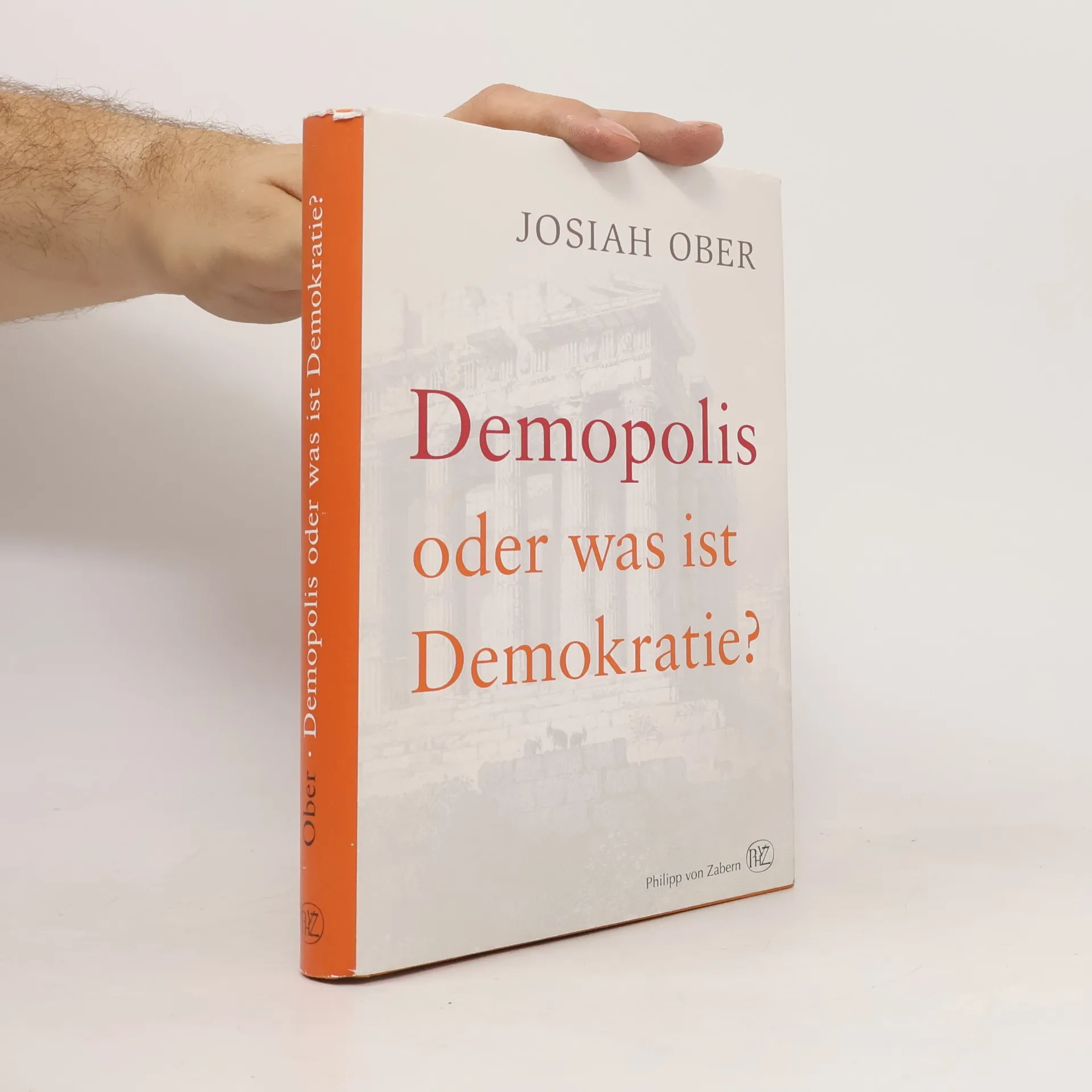

Demopolis - oder was ist Demokratie?
- 311bladzijden
- 11 uur lezen
Die Demokratie – läuft ihre Zeit ab? Diese Frage wird immer häufiger gestellt, seitdem autoritäre Führer im Vormarsch sind. »Wir erwarten das Falsche von unserer Demokratie«, wäre die Antwort von einem der modernsten Denker unserer Zeit: Josiah Ober. In seinem Grundlagenwerk ›Demopolis‹ beschreibt der Historiker und Philosoph, was Demokratie im Kern ausmacht. Dazu schaut er auf die ›Wiege der Demokratie‹, das alte Griechenland. Im Altertum gab es keine richterliche Unabhängigkeit oder Pressefreiheit, die Errungenschaften des Liberalismus. Und die Bürger, die das heute aufgeben sollen, leben in einer Demokratie? Folgen Sie Josiah Ober bei der Beantwortung dieser spannenden Fragen.
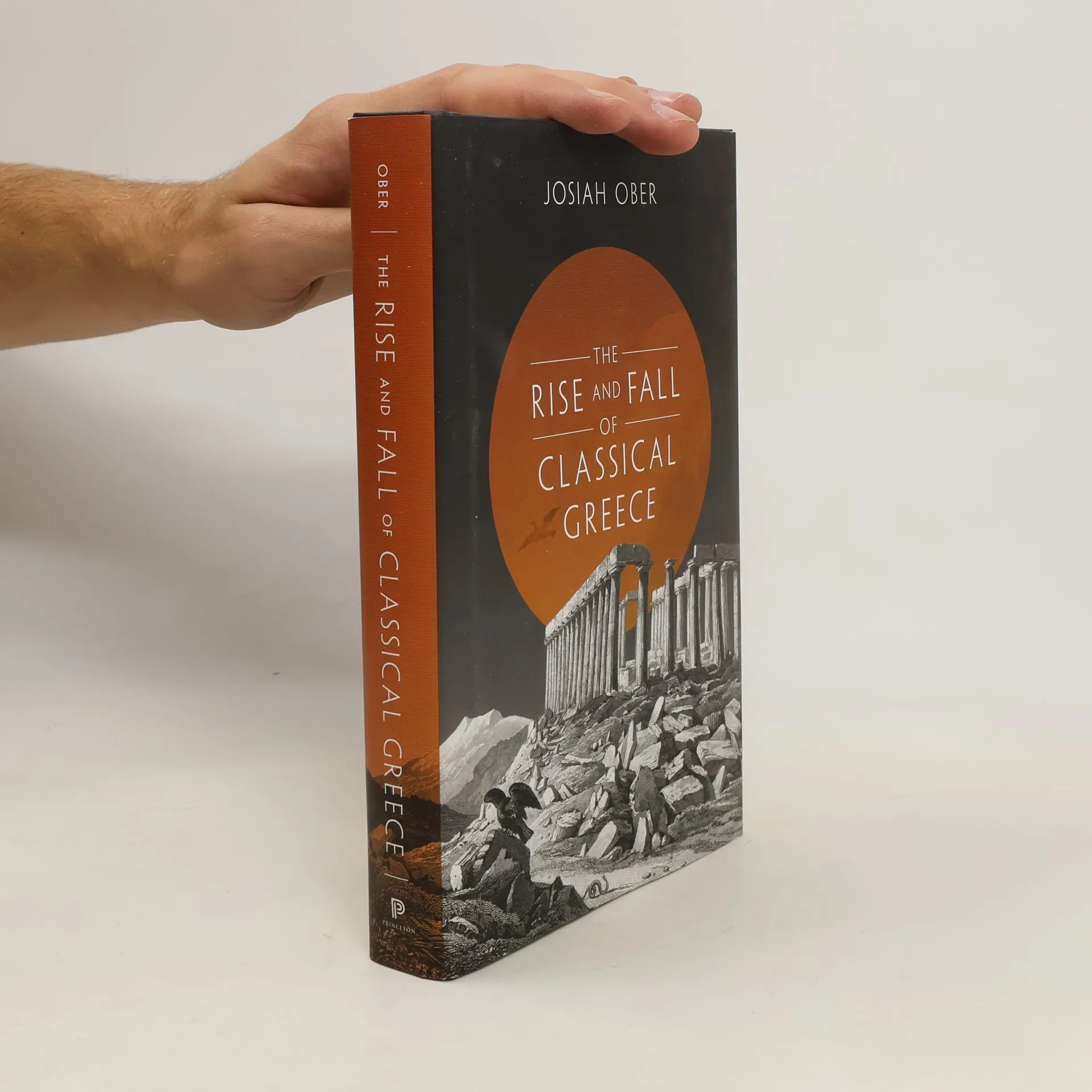
The Rise and Fall of Classical Greece
- 416bladzijden
- 15 uur lezen
Drawing on newly available information and employing innovative approaches to evidence, a gripping narrative, filled with uncanny modern parallels, offers a major new history of classical Greece and an unprecedented account of its rise and fall.
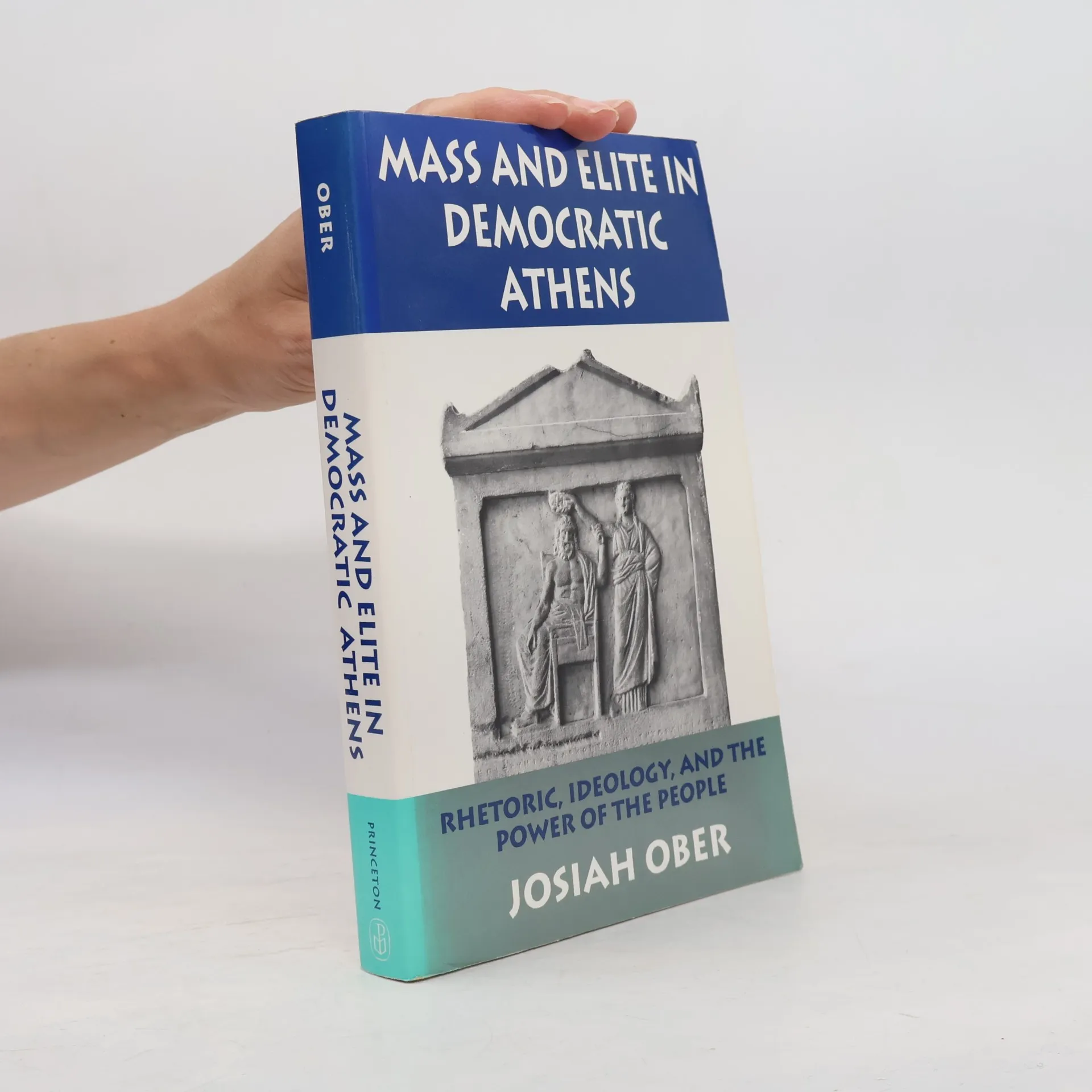
Mass and Elite in Democratic Athens
Rhetoric, Ideology, and the Power of the People
- 408bladzijden
- 15 uur lezen
This book asks an important question often ignored by ancient historians and political scientists Why did Athenian democracy work as well and for as long as it did? Josiah Ober seeks the answer by analyzing the sociology of Athenian politics and the nature of communication between elite and nonelite citizens. After a preliminary survey of the development of the Athenian "constitution," he focuses on the role of political and legal rhetoric. As jurymen and Assemblymen, the citizen masses of Athens retained important powers, and elite Athenian politicians and litigants needed to address these large bodies of ordinary citizens in terms understandable and acceptable to the audience. This book probes the social strategies behind the rhetorical tactics employed by elite speakers.A close reading of the speeches exposes both egalitarian and elitist elements in Athenian popular ideology. Ober demonstrates that the vocabulary of public speech constituted a democratic discourse that allowed the Athenians to resolve contradictions between the ideal of political equality and the reality of social inequality. His radical reevaluation of leadership and political power in classical Athens restores key elements of the social and ideological context of the first western democracy.