Naomi MitchisonVolgorde van de boeken (chronologisch)
1 november 1897 – 11 januari 1999
Naomi Mitchison was een productieve auteur wiens uitgebreide oeuvre historische fictie, sciencefiction, poëzie, autobiografie en non-fictie omvatte. Ze verkende meesterlijk universele thema's zoals moed, vergeving en de zoektocht naar betekenis. Haar schrijven had een intieme kwaliteit, vergelijkbaar met een dagboek maar vrij van kunstgrepen of inspanning, en bood diepe waarheden met een serene diepte. Mitchisons verhalen nodigden lezers uit in werelden waar zelfs de kleinste details met helderheid schitterden, een beetje zoals het observeren van de diepten van warm water.
Naomi Mitchison's extensive body of work includes over two hundred and fifty short stories, showcasing her remarkable talent and versatility as a writer. Her fiction often explores diverse themes and characters, reflecting a rich tapestry of human experience. Mitchison's storytelling is characterized by its depth and creativity, making her contributions to literature significant and enduring.
Spanning from 1935 to 1993, the book presents a critical examination of societal issues through a passionate lens. The author addresses a variety of contemporary topics, often with a blend of seriousness and humor, highlighting how current affairs negatively impact society. Through thoughtful reflections, the narrative encourages readers to consider the implications of these events on the fabric of daily life.
Mitchison's work reflects her deep engagement with Scottish landscape, history, and politics, particularly as a member of local governance. While her focus may initially appear limited to the West Highlands, her writings reveal a broader concern for Scotland's identity as a small nation under Westminster's rule. Through her journalism, she addresses contemporary issues, questioning the influence of global politics and finance, such as NATO and oil, on Scotland's future. Her pieces encapsulate both local challenges and wider existential inquiries.
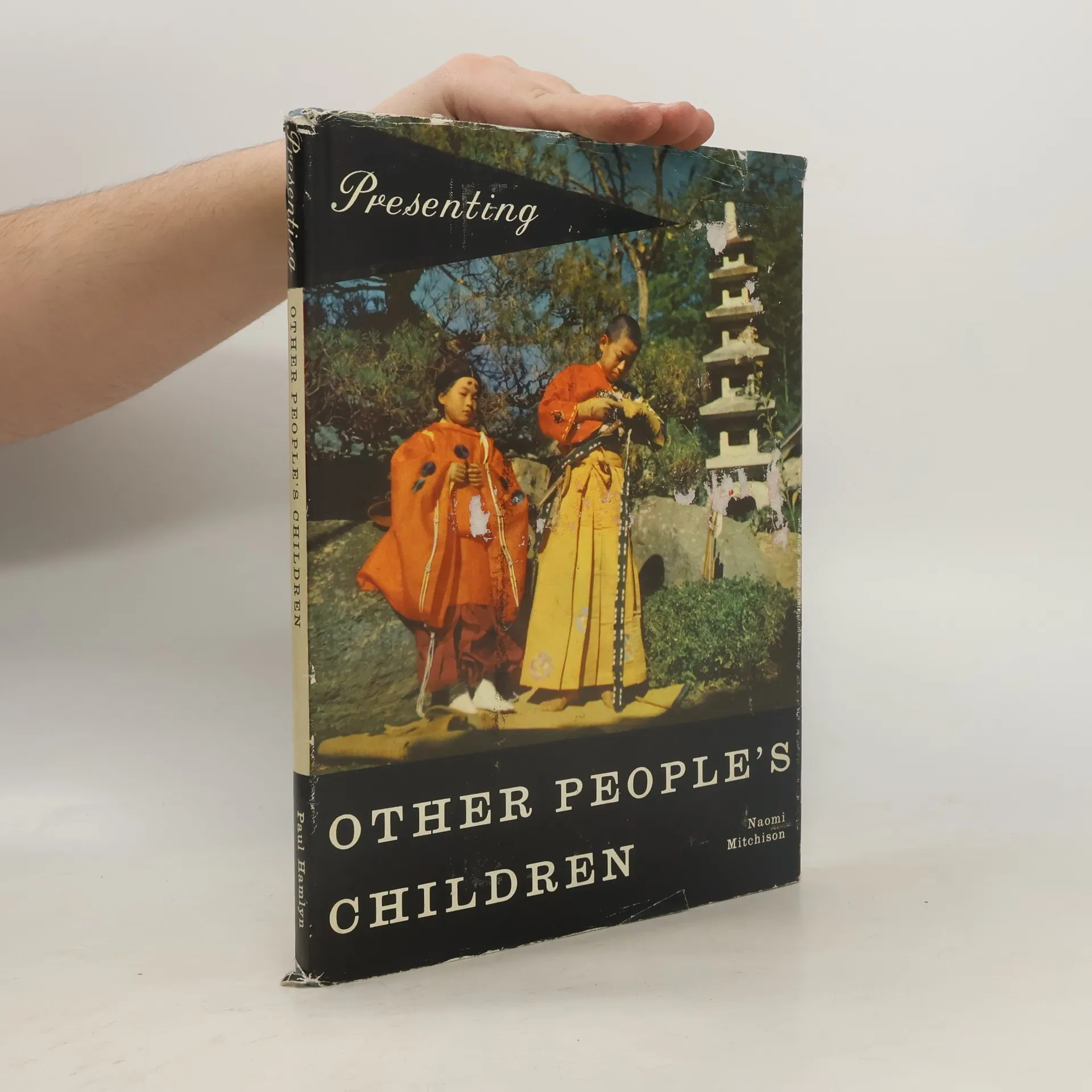
The book features a collection of stories inspired by Naomi Mitchison's extensive experiences with the Bakgatla people of Botswana. Through her observations of their tribal structure and social culture, she presents tales that capture the essence of their behavior and traditions. Although aimed at children, these stories offer rich insights into the lives and customs of the Bakgatla, blending education with entertainment.
Alfred Dube, Botswana's High Commissioner in London, highlights the lack of British awareness about Botswana, often viewed as uninteresting. However, Naomi Mitchison, a prolific publicist and unofficial ambassador for the country, has significantly shaped British perceptions of Botswana. Her efforts have introduced many in Britain to the rich culture and realities of Botswana, countering the general indifference. The book explores the contrast between Dube's observations and Mitchison's influential role in promoting Botswana's visibility.
This collection features over eighty articles, showcasing Mitchison's earliest non-fiction work alongside her reflections on motherhood and children. It also includes her significant contributions to the contraception debate, highlighted by the pamphlet "Comments On Birth Control," published in 1930. The volume offers insights into her perspectives on family and reproductive rights, illustrating her impact on social discussions of her time.
Naomi Mitchison's extensive literary career spanned various genres, including fiction, essays, and poetry, yet her poetry has remained largely uncollected. This volume represents the inaugural effort to compile and evaluate her poetic works, aiming to shed light on her contributions to the genre. It serves as an essential step in recognizing and appreciating the depth of her poetic expression throughout her long life.
The narrative explores the surprising journey of a European intellectual who finds himself among 30,000 others in admiration and loyalty to a young leader. It delves into the transformation of perceptions and the unexpected connections that lead to a profound sense of honor and respect for this Chief, revealing the intricate dynamics of identity and leadership that challenge preconceived notions of cultural and social boundaries.
Naomi Mitchison's travels beyond Britain serve as the backdrop for her vivid storytelling, where she candidly shares her adventures, challenges, and unsettling encounters. Her narratives not only reflect her personal experiences but also highlight the diverse stories of those she meets along the way, offering a rich tapestry of insights into different cultures and human experiences.
Set in the west of Scotland during the mid-20th century, this collection features two novels, "The Far Harbour" and "Henny and Crispies," alongside two short stories, "The Salmon Net" and "Lords of the Isles." The works explore the lives of young adults, showcasing Mitchison's engaging storytelling and vivid portrayal of the Scottish landscape. Originally published between 1951 and 1964, these stories reflect the cultural and social dynamics of the time, making them a significant addition to the literary landscape for younger readers.
This collection features a diverse array of stories that span themes of adventure, mythology, and human experience. The narratives explore various historical and fantastical settings, from ancient civilizations to personal tales of loss and discovery. Each story delves into the complexities of life, identity, and the human condition, showcasing rich characterizations and vivid imagery. The compilation serves as a testament to the author's storytelling prowess, inviting readers to engage with a tapestry of emotions and experiences across different times and places.
This collection features a diverse array of stories and poems that explore themes of love, exile, and philosophical musings, drawing inspiration from classical Greek culture. The narratives include reflections on identity and memory, such as "Charilas, in exile, remembers Sparta," and imaginative tales like "The child Jason is brought to Chiron." Each piece offers a unique glimpse into the human experience, blending lyrical beauty with historical context, making it a rich tapestry of early 20th-century literature infused with classical influences.
Exploring the rich tapestry of African history and culture, this collection features stories of legendary figures such as Mai Idris Alooma, Shaka of the Amazulu, and Lobengula of the Amandebele, highlighting their significant contributions and legacies. Additionally, the second part presents evocative narratives and imagery from Botswana, delving into themes of identity, tradition, and transformation. The works collectively celebrate the diverse experiences and histories that shape the African continent, offering readers a profound insight into its heroes and landscapes.
Set against the backdrop of World War II, this volume features two compelling narratives. The first, "The Rib of the Green Umbrella," tells the story of a family's courageous Resistance efforts in Italy. The second, "Karensgaard," follows a Danish family across generations, highlighting their involvement in the Resistance and the challenges they face in the post-war years. Together, these tales explore themes of resilience and the impact of war on family and identity.
The collection features a blend of short stories and poems from two notable works, showcasing the author's evolution over the years. The earlier publication, "What Do You Think Yourself?", from 1982, presents themes of self-reflection and identity, while "A Girl Must Live," released in 1990, explores the complexities of womanhood and independence. Together, these pieces offer a rich tapestry of emotional depth and literary style, highlighting the author's unique voice and perspective.
Exploring the experiences of women in India, the narrative centers on the evolving friendship between two girls amidst the backdrop of significant cultural and ethnic issues. Mitchison's insights, drawn from her travels and personal encounters, provide a candid examination of societal roles and interactions during a pivotal era. While the writing style reflects its time, the themes of understanding and connection resonate powerfully, making the exploration of these complex dynamics both poignant and relevant.
Set against the backdrop of 1983, this work reflects Naomi Mitchison's lifelong commitment to socialism and feminism, showcasing her speculative imagination. At 86, she revisits political themes that resonate deeply with contemporary issues, demonstrating her enduring relevance as an author. The book serves as both a literary exploration and a strategic discourse on societal concerns that have persisted over decades.
Re-imaginings of Norse sagas from the early second millennium are presented in this volume, showcasing Mitchison's ability to engage younger readers through captivating storytelling. As part of The Naomi Mitchison Library, these works reflect her skill in weaving historical narratives with imaginative elements, enriching the understanding of Norse mythology and culture for a new generation.
This collection features a range of stories by Mitchison aimed at younger readers, showcasing her imaginative storytelling. It includes longer narratives like "Graeme and the Dragon," "Little Boxes," "Henny and Crispies," and "Sun and Moon," alongside the shorter tale "Highland Holiday." The compilation highlights Mitchison's ability to engage children with enchanting themes and diverse characters, reflecting her significant contribution to children's literature in the latter half of the Twentieth Century.
A unique wartime diary, written for the mass-observation project, by the
doyenne of Scottish literature and celebrated left-wing political thinker
Naomi Mitchison. With a Foreword by Tessa Dunlop, TV presenter and bestselling
author
Exploring the art of storytelling, this book delves into the interplay between history and narrative, highlighting the joy and challenges that come with crafting tales. It reflects on the storyteller's journey, emphasizing the potential for both discovery and error in reimagining historical events. With a focus on creativity and the subjective nature of storytelling, it invites readers to appreciate the nuances of how history can be interpreted and transformed through the lens of imagination.
Set in Orkney during the Stone Age, this collection of five interconnected stories spans hundreds of years and explores various characters. The author weaves factual passages with fictional narratives, reflecting on archaeological findings and their relevance to modern society. The narrative structure highlights the uneven progression of human development, emphasizing key discoveries and inventions that shaped our history. Ultimately, the work presents a continuous story of humanity, marked by significant moments that define our evolution.
Set against the backdrop of Kintyre's landscape, this collection features thirteen stories and fourteen poems that explore both historical and contemporary themes. While the first five stories delve into the past of Caithness and Orkney, the remainder reflects Highland life and mythology. Notably, "Five Men and a Swan" stands out as a classic of Scottish literature. As Mitchison's involvement in the local community wanes, this work serves as a poignant farewell to her Carradale years before she shifts her focus to African themes and science fiction.
An enchanting collection that introduces the author and activist Naomi Mitchison to a new generation of readers The Fourth Pig, originally published in 1936, is a wide-ranging collection of fairy tales, poems, and ballads that reflect the hopes and forebodings of their era but also resonate with those of today. From a retelling of “Hansel and Gretel” to the experimental title story, a dark departure from “The Three Little Pigs,” this book is a testament to the talents of Naomi Mitchison (1897–1999), who was an irrepressible phenomenon—a prominent Scottish political activist as well as a prolific author. Mitchison’s work, exemplified by the tales in this superb new edition, is stamped with her characteristic sharp wit, magical invention, and vivid political and social consciousness. Marina Warner, the celebrated scholar of myths and fairy tales and writer of fiction, provides an insightful introduction to Mitchison as a remarkable writer and personality.
Set in pre-World War I Oxford, the narrative captures a child's perspective on family life, friendships, and the small adventures of childhood. It intertwines the author's budding interest in botany with the interruptions of adult figures like Lord Haldane and other notable visitors, who bring their own quirks into her world. The book paints a vivid portrait of a bygone era while exploring themes of childhood innocence and the impact of scientific and political ideas on a young mind. An introductory essay by Ali Smith adds depth to the context.
From the dark ages to modern times, from the dragons of medieval forests to Constantinople, this is a fantastic and philosophical fairy-tale journey that will appeal to fans of Harry Potter, Diana Wynne Jones, and T. H. White’s The Sword in the Stone.
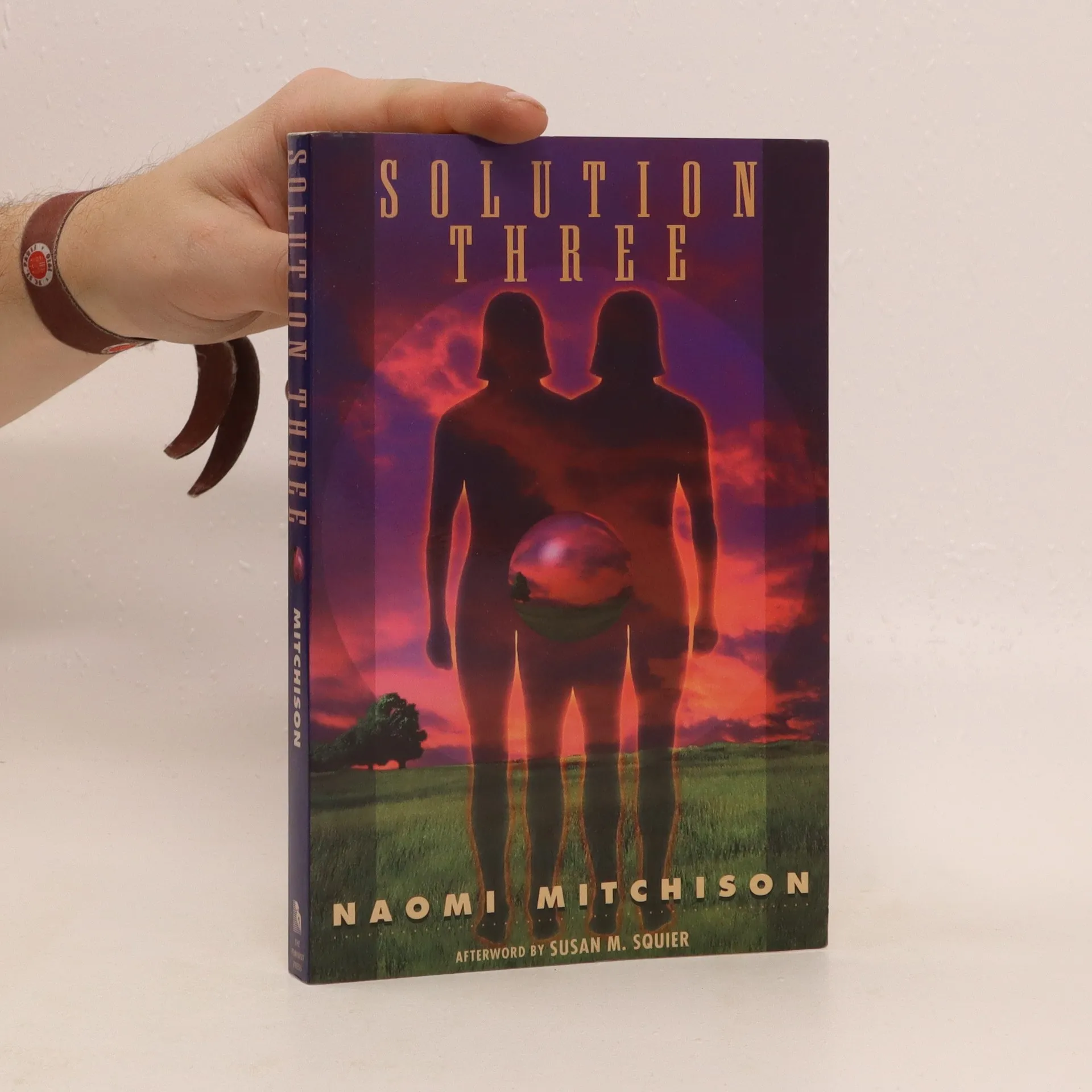
As a fast-paced novel about a future shaped by feminist ideals of sexual and racial equality, "solution three" at first seems to be a peaceful answer to the world's problems. Homosexuality as an international norm and reproduction by cloning have minimized aggression and overpopulation. The sexes have equal rights and status, racial tension has been eliminated through genetic intermixing, and scientists work closely with the governing body, the Council, to keep an eye on the food supply and to heal the earth of prior environmental terrorism.Originally published in 1975, Solution Three presents a future society in which reproductive control and homosexuality shape a more equitable life for all, eradicating aggression and racism, curbing overpopulation, and providing a dependable food supply. But there are those who are rebelling in this peaceful world: Miryam, a geneticist, secretly married, is rearing her own children; Lilac, a surrogate mother chosen to carry a Clone baby, is delaying her son’s seizure for social conditioning; and even the carefully conditioned Clones are behaving unexpectedly. This novel asks the courageous question: What is the cost to women of new models of reproducing life, regardless of the intentions behind the goal?
Exploring the Arthurian legend through a modern lens, the narrative follows two young reporters from rival newspapers as they cover the unfolding events of King Arthur's quest for the Holy Grail. Set against the backdrop of the Cold War, Mitchison blends humor with a quest for spiritual growth, using her journalistic insights to navigate the fantastical tales. While her innovative approach garnered mixed reactions from contemporaries, including Tolkien, it ultimately serves as a commentary on storytelling itself, inviting readers on a journey of discovery.
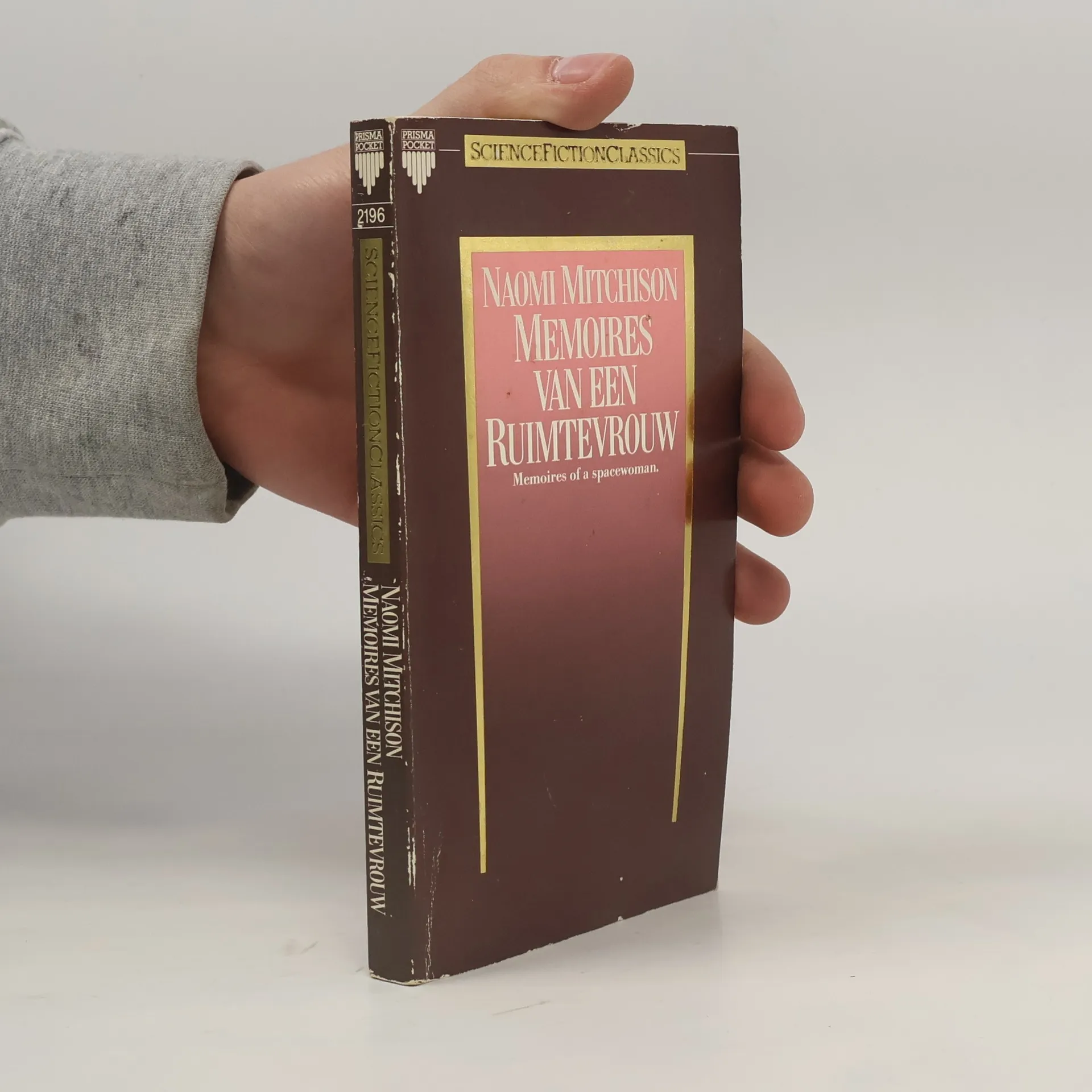
Naomi Mitchison, dochter van een vooraanstaand wetenschapper en zus van geneticus J B S Haldane, had altijd interesse in de wetenschappen, vooral in de genetica. Haar romans weerspiegelden dit echter niet en pas bijna veertig jaar na het begin van haar schrijverscarrière publiceerde ze een Science Fiction-roman. Isobel Murray stelt in de inleiding dat het boek geenszins 'pure' Science Fiction is: het succes van de roman hangt niet alleen af van de buitengewone variëteit aan levensvormen die de heldin tegenkomt en probeert te communiceren met verschillende werelden, maar ook van haar geloofwaardige menselijke emoties en dramatische emotionele leven. Deze roman spreekt ook lezers aan die doorgaans het genre vermijden en de voorkeur geven aan meer traditionele verhalen. Verkenners zoals Mary vormen een eliteklasse die nieuwsgierigheid beschouwen als de grootste gave van de mensen. In de roman neemt ze meermaals risico's die haar leven kunnen bedreigen. Haar stem, terwijl ze haar avonturen en experimenten vastlegt, is uniek, aantrekkelijk en onvergetelijk.
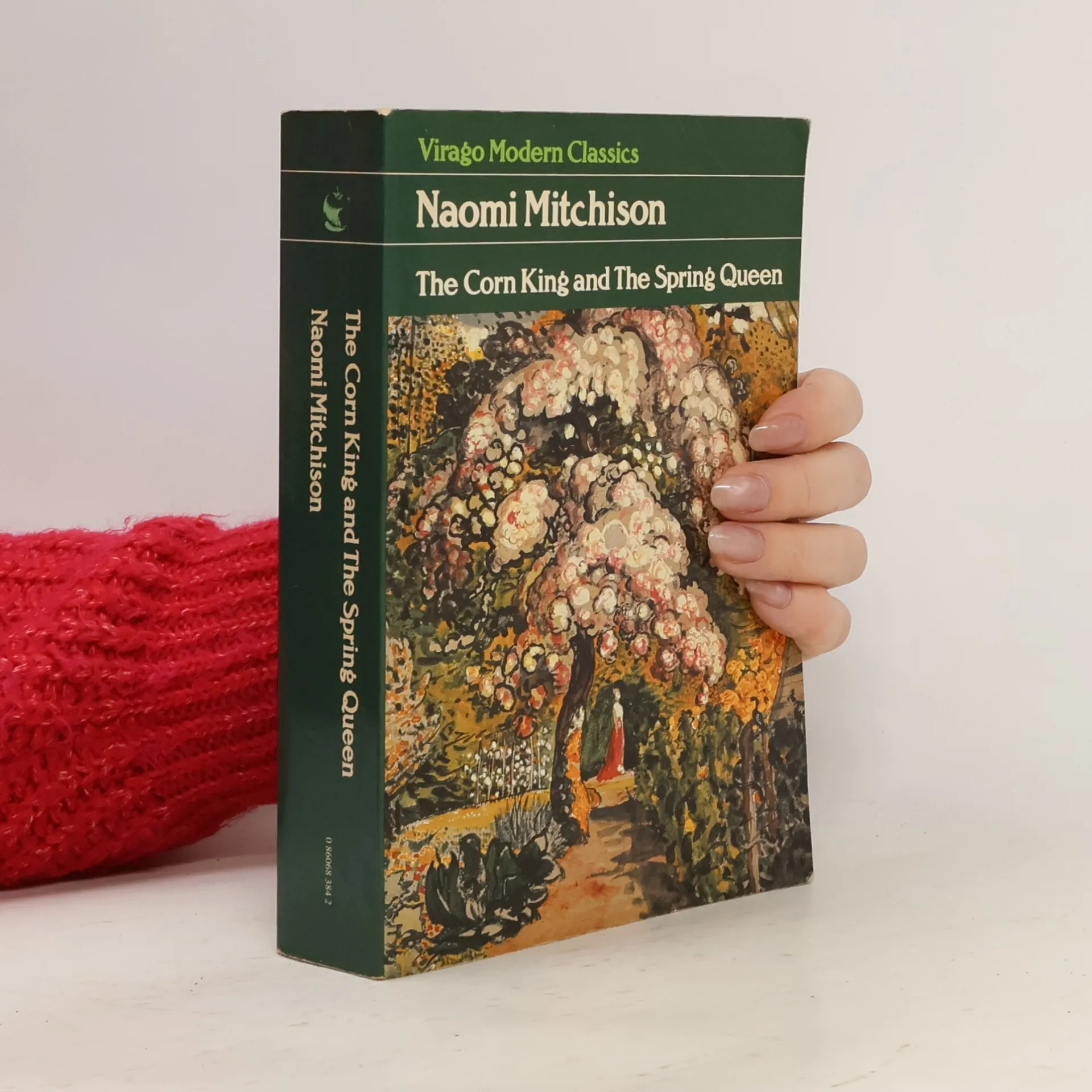
Introduced by Naomi Mitchison. Set over two thousand years ago on the clam and fertile shores of the Black Sea, Naomi Mitchison's The Corn King and the Spring Queen tells of ancient civilisations where tenderness, beauty and love vie with brutality and dark magic. Erif Der, a young witch, is compelled by her father to marry his powerful rival, Tarrik the Corn King, so becoming the Spring Queen. Forced by her father, she uses her magic spells to try and break Tarrik's power. But one night Tarrik rescues Sphaeros, an Hellenic philosopher, from a shipwreck. Sphaeros in turn rescues Tarrik from near death and so breaks the enchantment that has bound him. And so begins for Tarrik a Quest - a fabulous voyage of discovery which will bring him new knowledge and which will reunite him with his beautiful Spring Queen.