
Bookbot

Muriel Gardiner

    23 november 1901 – 6 februari 1985

    Deze Amerikaanse psychoanalytica volgde haar opleiding in Wenen en werd een vooraanstaand figuur op haar vakgebied. Haar werk dook diep in de menselijke psyche en onderzocht de ingewikkelde verbanden tussen geest en emotie. Gedurende haar carrière trachtte ze de fundamentele drijfveren achter menselijk gedrag te begrijpen en bood ze inzichten in zelfontdekking. Haar invloed blijft voortduren en vormt het hedendaagse begrip van psychologie.

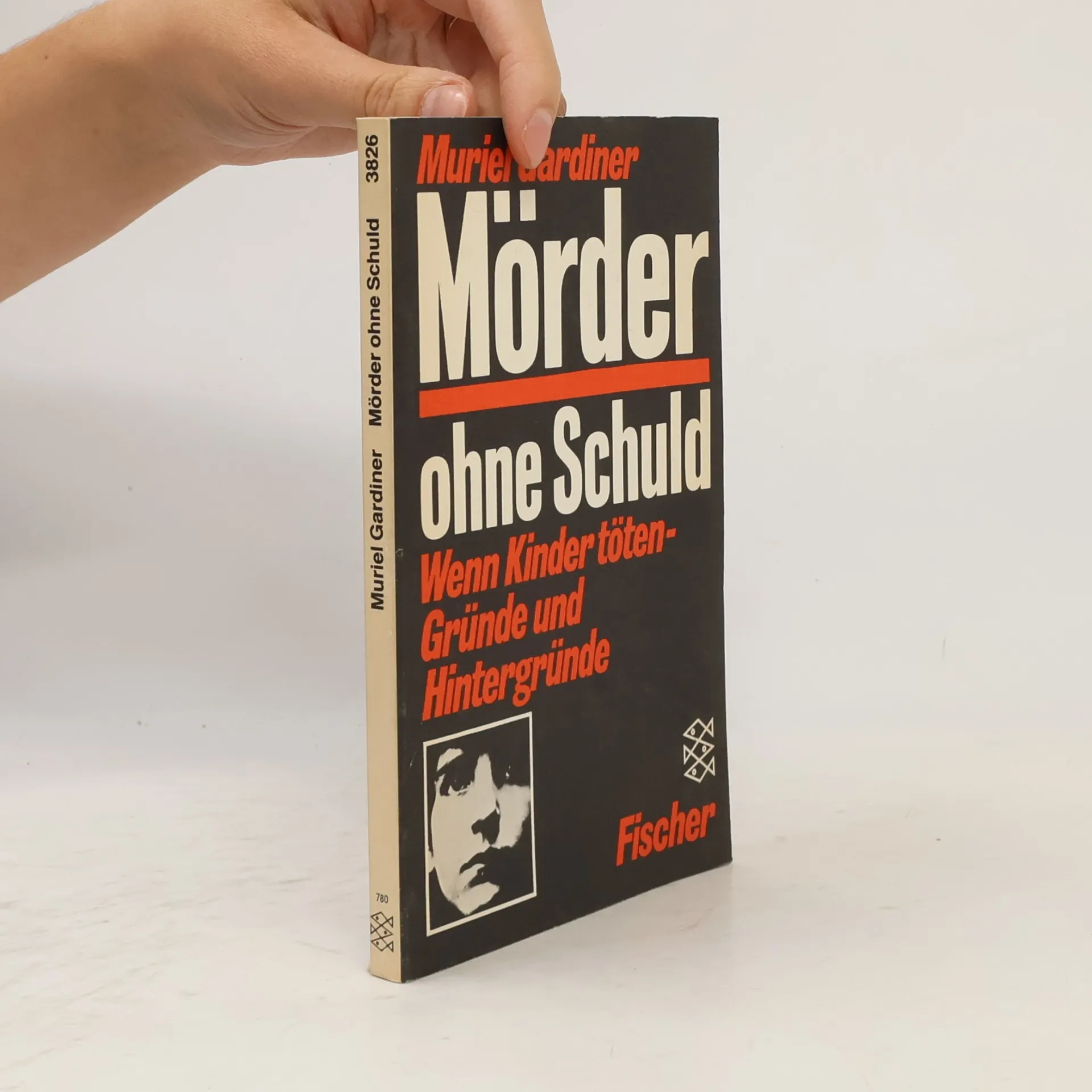
    Mörder ohne Schuld
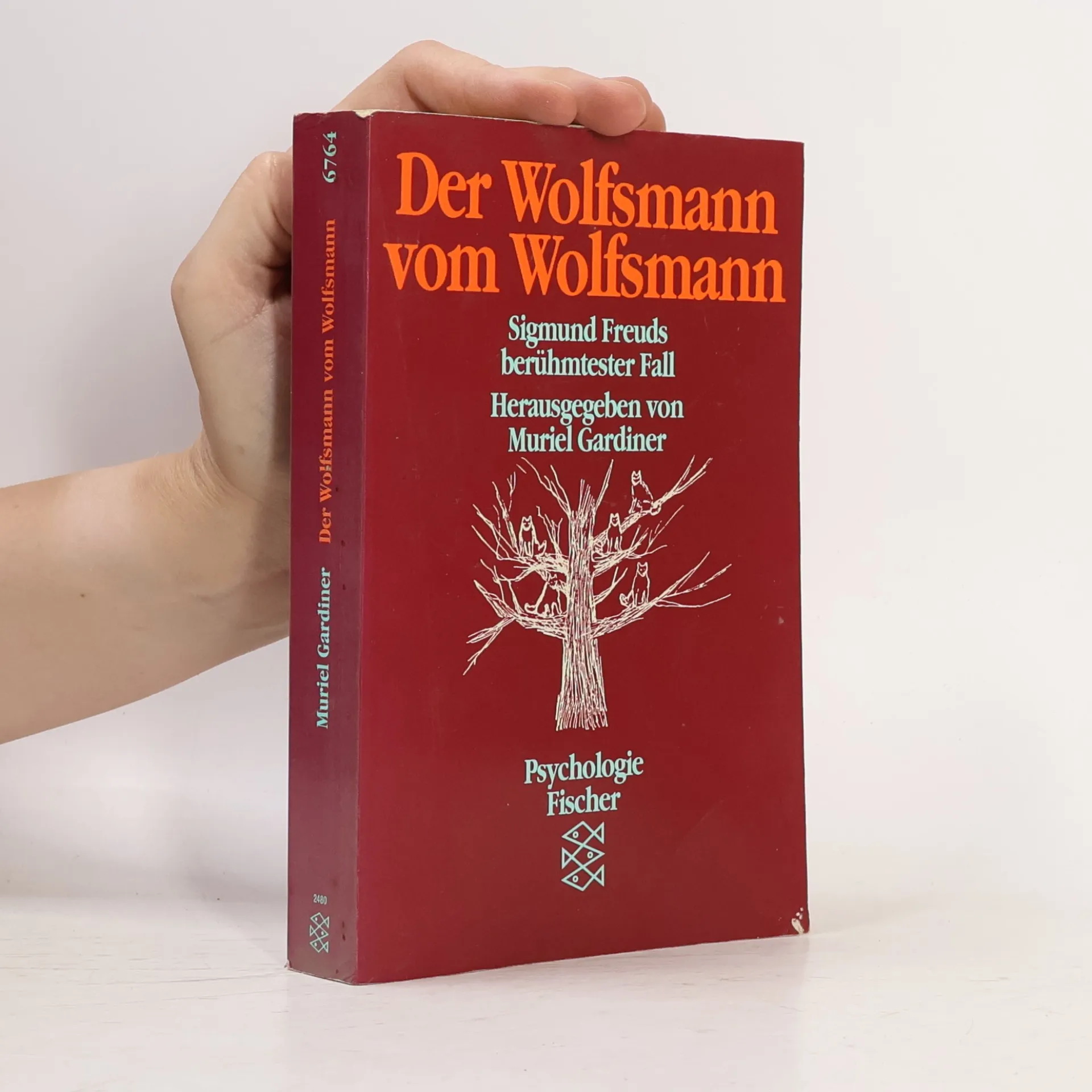
    Der Wolfsmann vom Wolfsmann
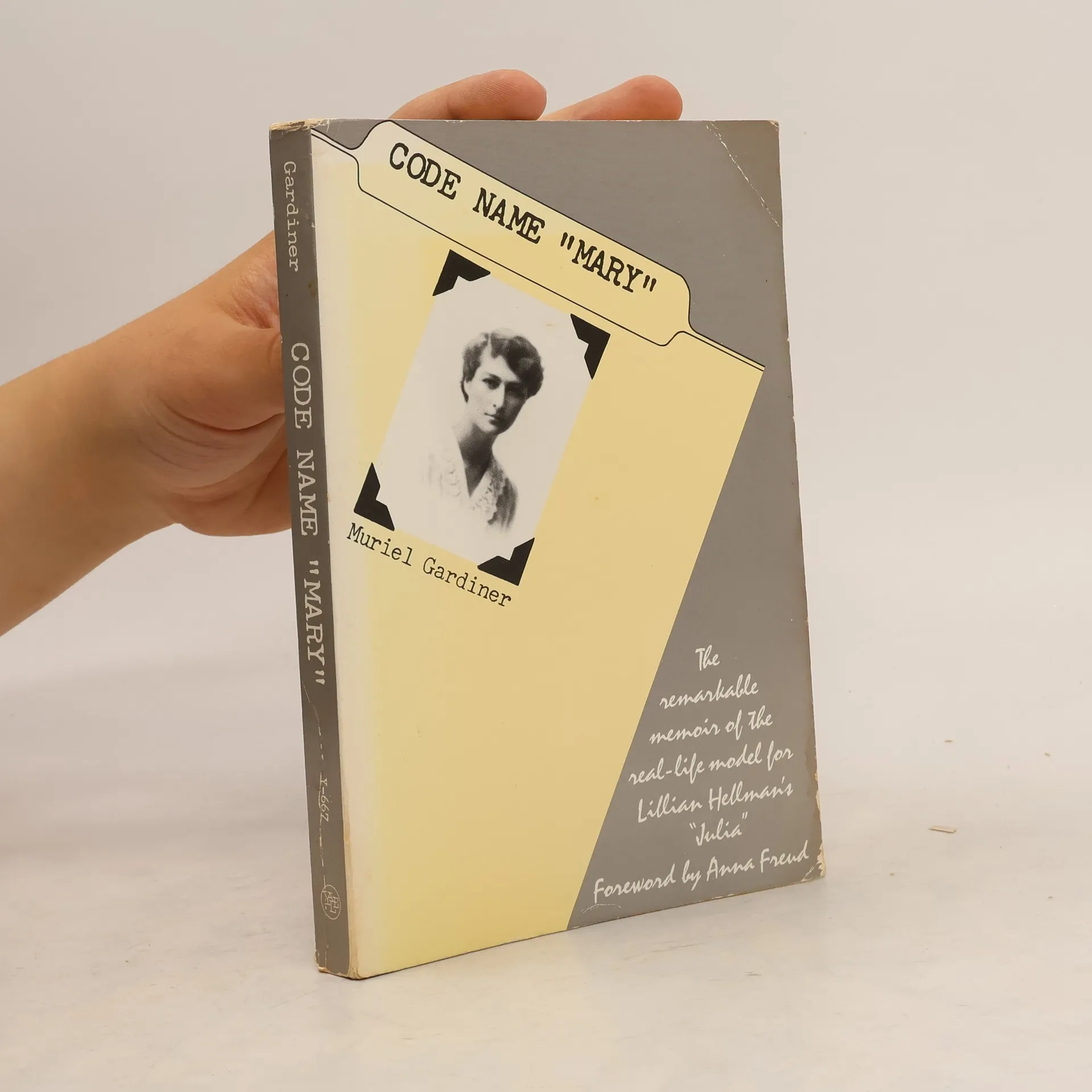
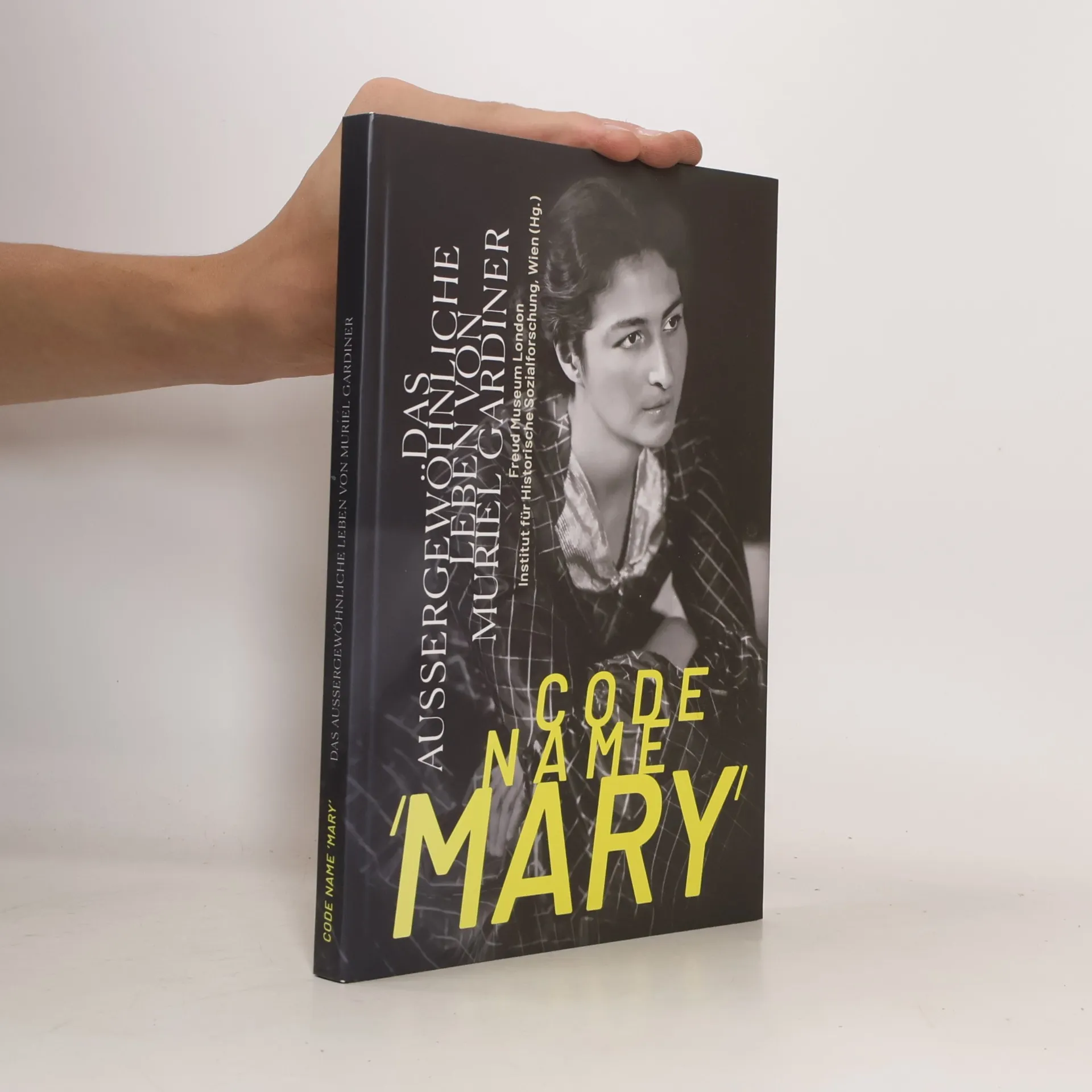
    Code Name 'Mary'
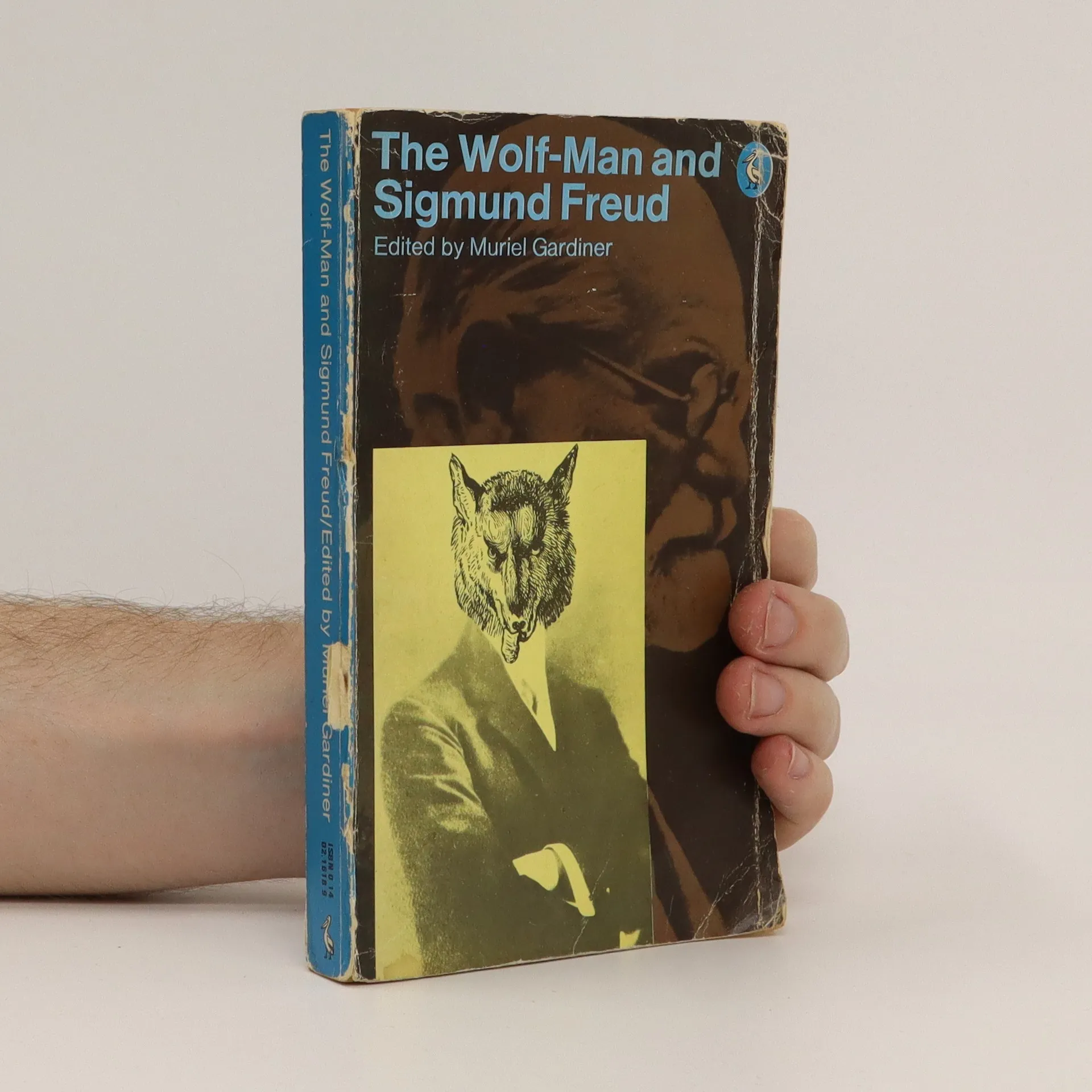
    The Wolf-Man and Sigmund Freud
    De Wolvenman / Uit de geschiedenis van een kinderneurose
    • This is Freud's groundbreaking study of a wealthy young Russian man, subject to psychotic episodes and neuroses. Through the patient's dream of childhood wolves, Freud was able to determine his real problem - that of infantile neurosis brought about by a sexual complex and an Oedipal fixation. GREAT IDEAS. Throughout history, some books have changed the world. They have transformed the way we see ourselves - and each other. They have inspired debate, dissent, war and revolution. They have enlightened, outraged, provoked and comforted. They have enriched lives - and destroyed them. Now Penguin brings you the works of the great thinkers, pioneers, radicals and visionaries whose ideas shook civilization and helped make us who we are.

      De Wolvenman / Uit de geschiedenis van een kinderneurose
      3,8
    • The Wolf-Man and Sigmund Freud

      • 395bladzijden
      • 14 uur lezen

      The Wolf-Man was the subject of what James Strachey described as 'the most elaborate and no doubt the most important of all Freud's case histories'. He was still living in Vienna more than half a century after his analysis with Freud. In this remarkable biographical account, the Wolf-Man comes alive not only through Freud's case history, which is reprinted in full, and Ruth Mack Brunswick's account of the follow-up analysis she conducted, but also through his own autobiographical memoirs covering his childhood in Russia, his recollections of Freud, his marriage, and the circumstances of his life in Vienna after the First World War. The story of the Wolf-Man's later years is told by the author, who kept in close touch with him following the shattering suicide of his wife in 1938.

      The Wolf-Man and Sigmund Freud
      3,9