
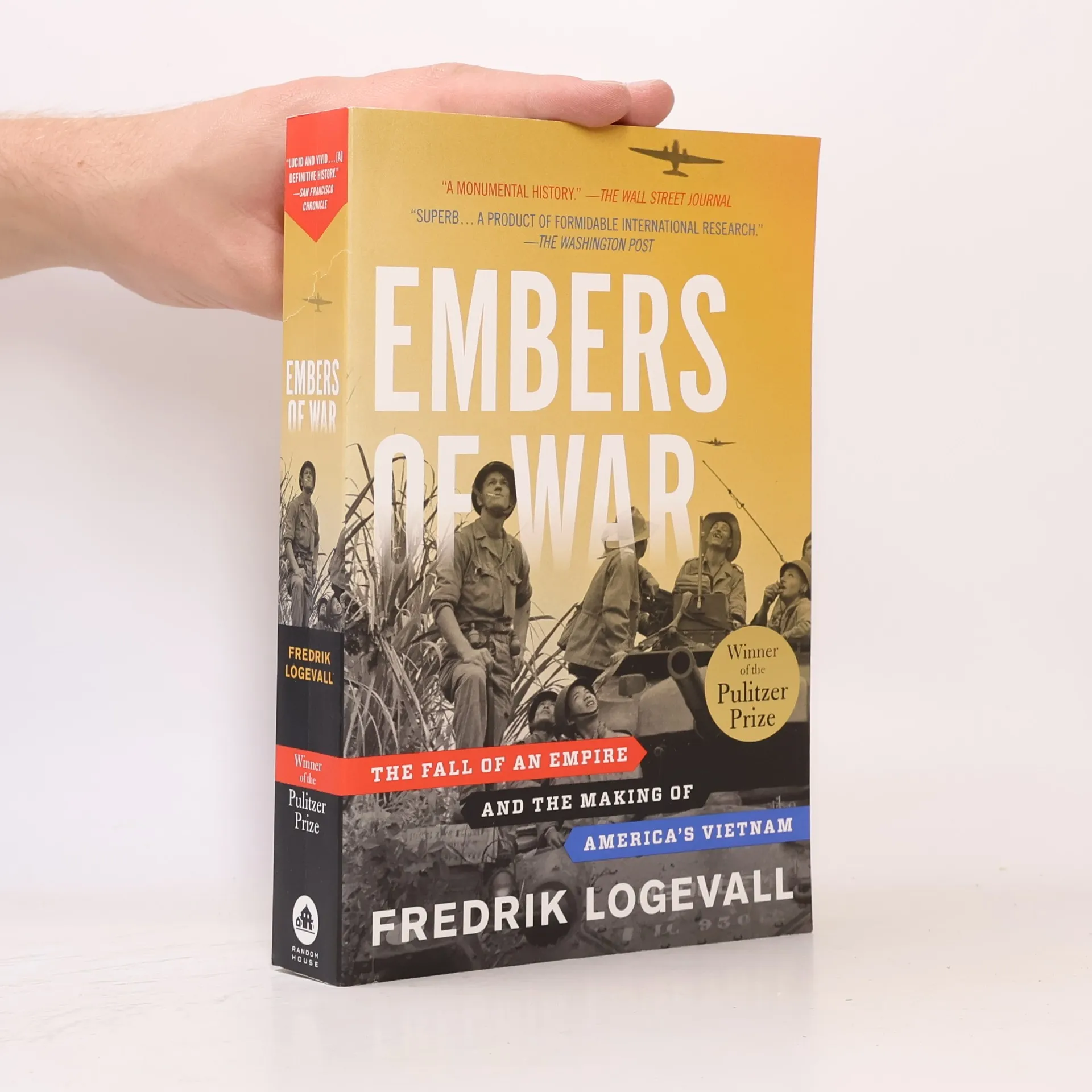

Fredrik Logevall is een vooraanstaand historicus met een focus op de geschiedenis van de Amerikaanse buitenlandse betrekkingen en de moderne internationale geschiedenis. Zijn werk duikt in de complexe gebeurtenissen en beslissingen die mondiale verhalen hebben gevormd. Logevalls schrijfstijl wordt gekenmerkt door scherpe analyses en meeslepende verhalen, die de diepere stromingen van de internationale politiek voor zijn lezers onthullen. Zijn expertise biedt onschatbare inzichten in cruciale momenten uit het verleden die nog steeds resoneren.
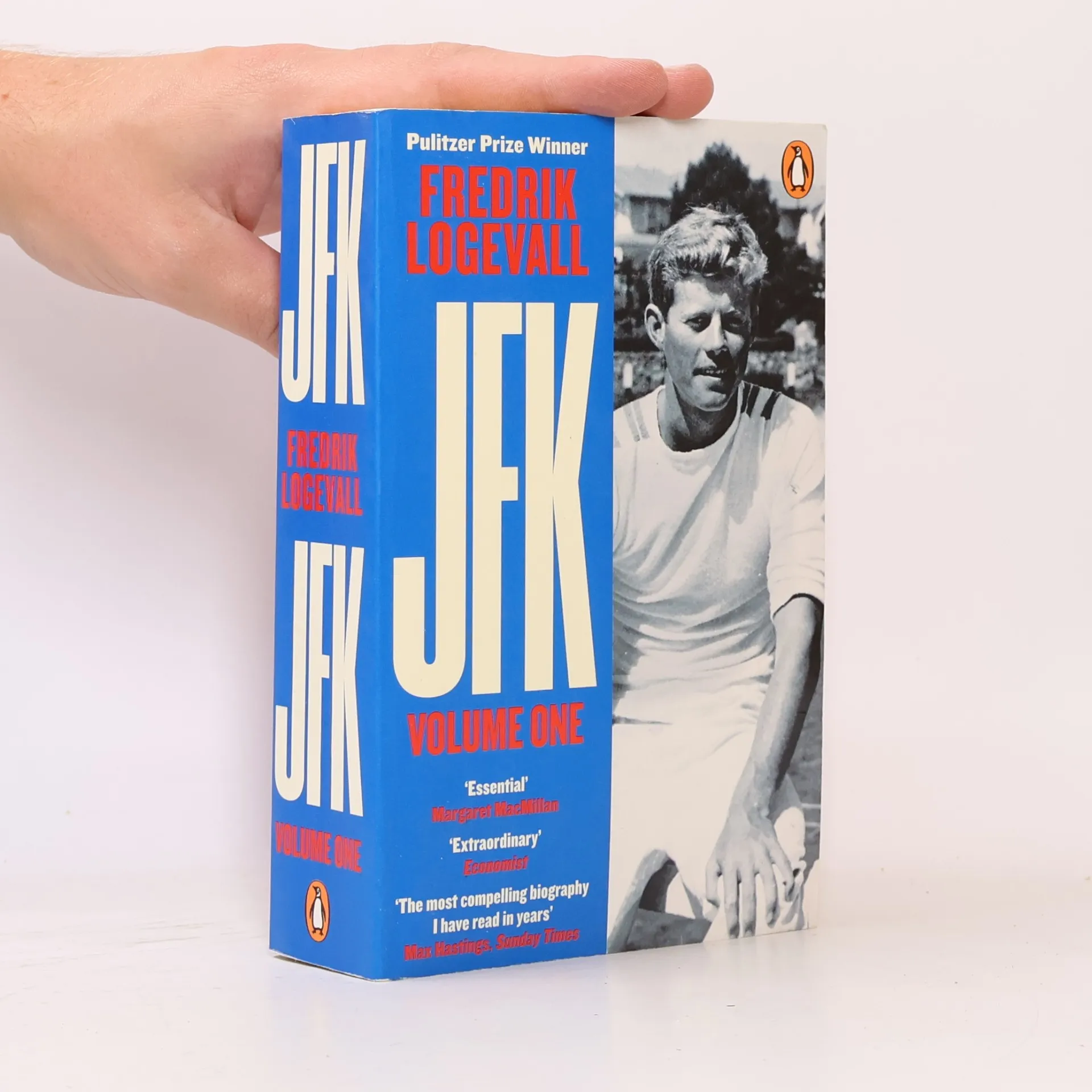
This volume spans the first thirty-nine years of JFK's life -- from birth through to his decision to run for president -- to reveal his early relationships, his formative and heroic experiences during World War II, his ideas, his bestselling writings, his political aspirations and the role of this father, wartime ambassador to Britain. In examining these pre-White House years, Logevall shows us a more serious, independently minded Kennedy than we've previously known.
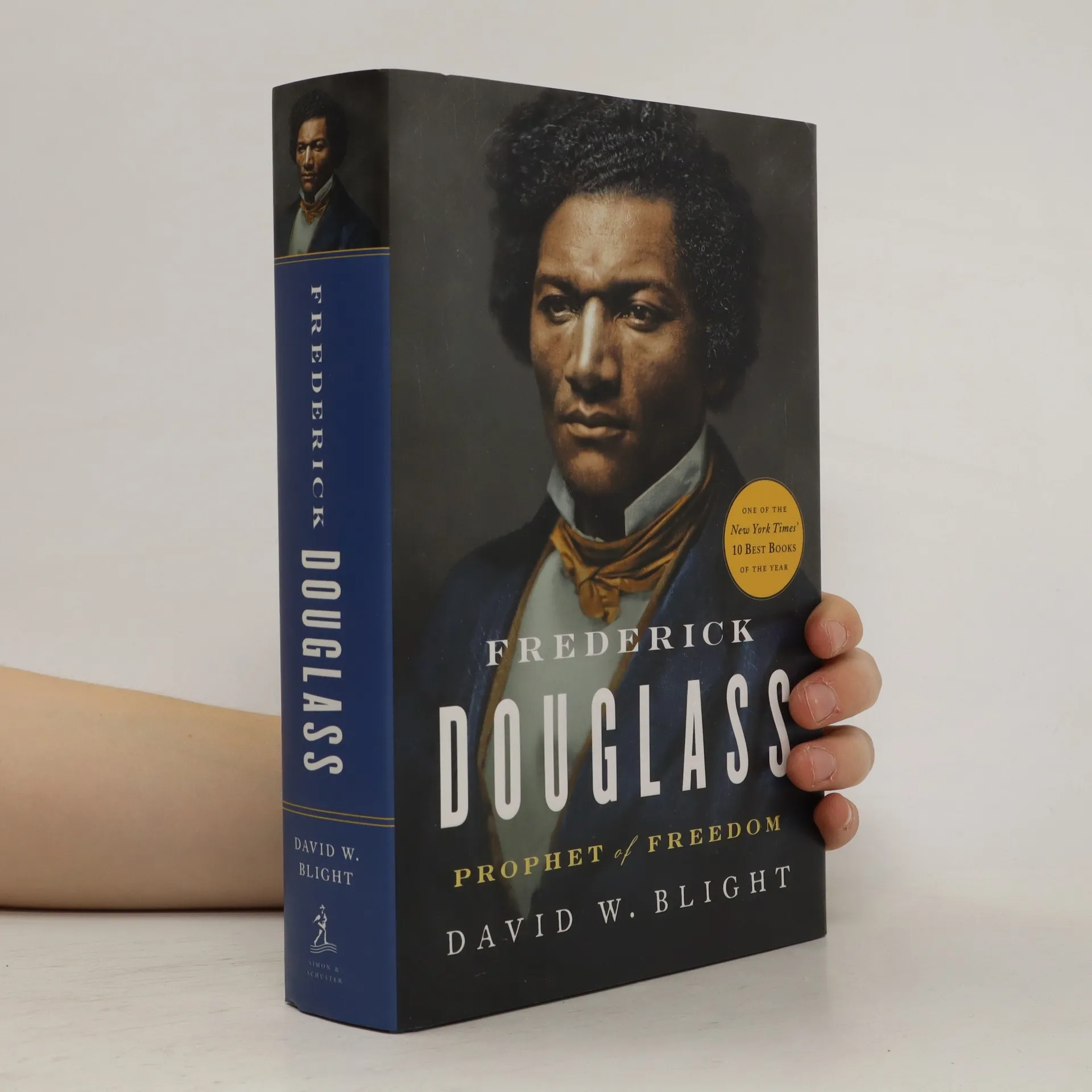
This dramatic biography chronicles the life of Frederick Douglass, the most significant African-American of the nineteenth century. Born into slavery in Baltimore in 1818, Douglass was fortunate to learn to read from his mistress, which paved the way for his emergence as a leading abolitionist and orator. Throughout his life, he authored three autobiographies and published his own newspaper, using his experiences to expose the horrors of slavery. Initially mentored by William Lloyd Garrison, Douglass captivated audiences with his powerful speeches, later evolving into a political abolitionist and supporter of the Republican Party and Abraham Lincoln. By the Civil War and Reconstruction, he had become the nation’s most renowned orator, vocally opposing the end of Reconstruction and the rise of Jim Crow laws. Douglass was a complex figure, critiquing the U.S. while remaining a radical patriot. He engaged in political debates with younger African-Americans but remained committed to civil rights. This biography by David Blight utilizes new sources, including private collections and Douglass's newspapers, to explore his two marriages and intricate family life. It presents Douglass not only as a master of words but also as a profound thinker influenced by Biblical theology, filling a significant gap in historical literature about this remarkable man.
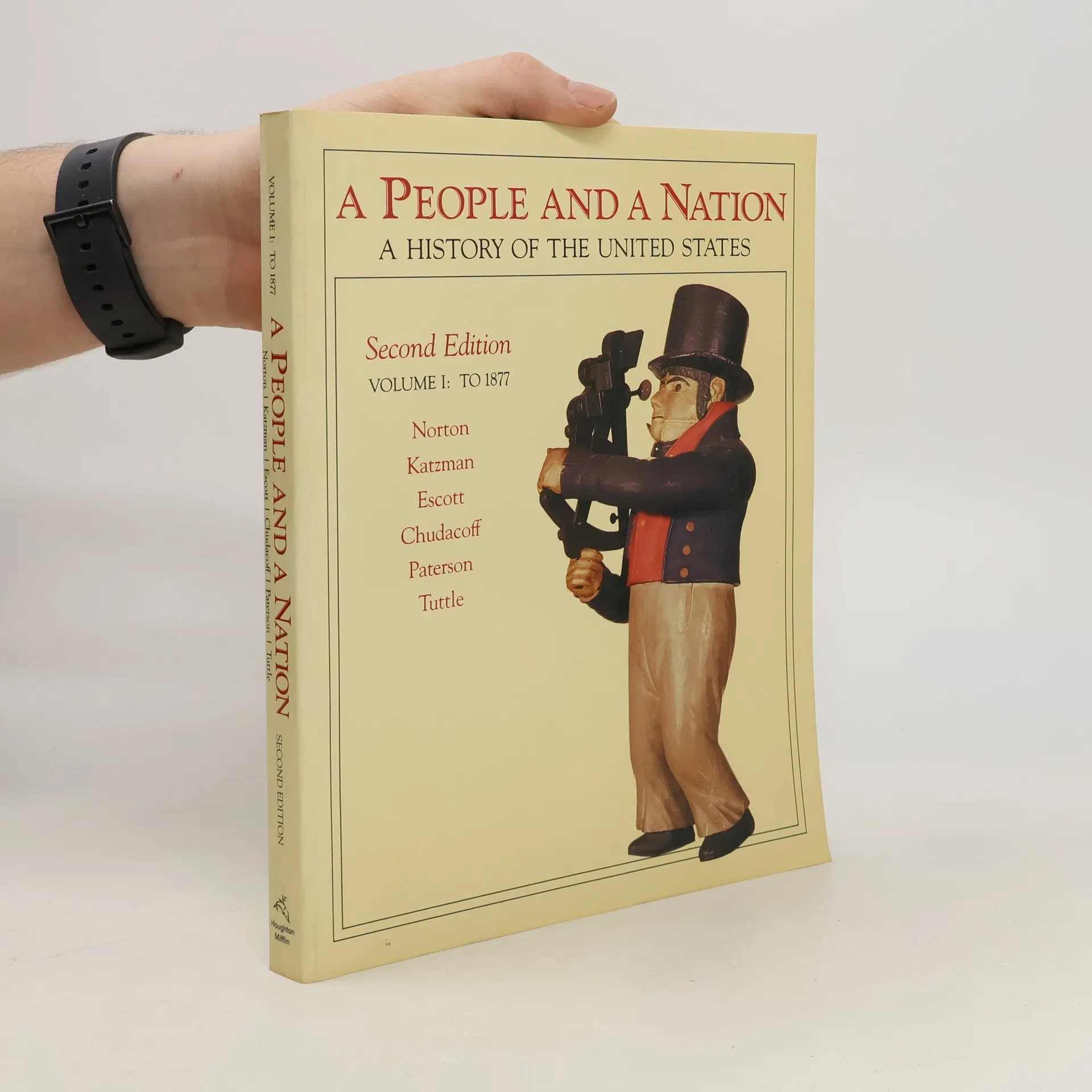
This spirited narrative challenges students to think about the meaning of American history. Thoughtful inclusion of the lives of everyday people, cultural diversity, work, and popular culture preserves the text's basic approach to American history as a story of all the American people.The Seventh Edition maintains the emphasis on the unique social history of the United States and engages students through cutting-edge research and scholarship. New content includes expanded coverage of modern history (post-1945) with discussion of foreign relations, gender analysis, and race and racial relations.
In 1865, in the aftermath of civil war, the North and South of America began a
slow process of reconciliation. This book examines the construction of a
culture of reunion during the ensuing decades and analyzes how this unity was
created through increasing racial segregation.