
Donovan Wylie reveals the joys and the sorrows of the whole of Ireland in a brilliant selected sequence of images of the people, the buildings, and the landscape, in short everything that makes up the unique character of this haunted but beautiful land.
Photographing individual lighthouses as seen from the opposing coastlines of France and the home nations of the United Kingdom, Belfast-based photographer Donovan Wylie (born 1971) confronts the physical barriers and invitations to crossing created by the sea.Immediately following the June 2016 referendum on Brexit, Wylie began exploring ideas of family dynamics and fractured relationships as a way to understand the United Kingdom’s current state. In collaboration with the writer Chris Klatell and the Seamus Heaney Centre, this project responds to Virginia Woolf's To the Lighthouse (1927), which investigates the complexities of seeing, loss and the passage of time. By photographing the afterglow of distant lighthouses to process the tensions and complexities of identity and isolationism, Lighthouse simultaneously represents closeness and distance, interrogating how the isolation of the British landscape contributes to understanding national identity.
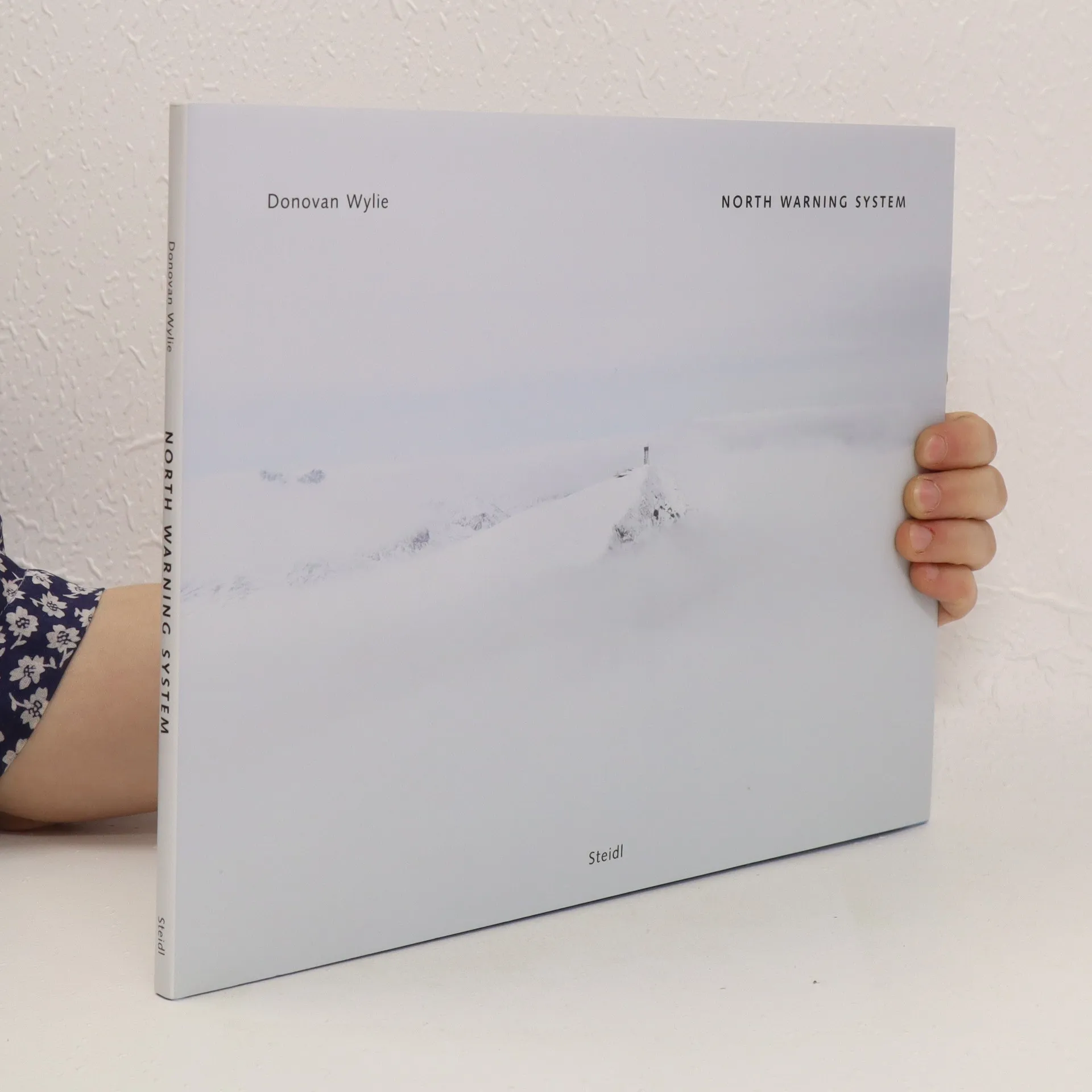
North Warning System is Donovan Wylie’s third and final book of photographs on the theme of vision and power in military architecture and draws a close to The Tower Series. Surveying a radar station just inside the Canadian Arctic, the photographer examines the detection of invisible threats through unmanned observation posts in remote regions. The development of long-range bombers and missiles after the Second World War made Canada’s arctic frontier vulnerable to attack from the air. This forced Canada and the United States jointly to construct a matrix of short and long-range radar stations in the 1950s. Known as the Distant Early Warning Line, these stations provided electronic observation and surveillance capability across Canada’s northern frontier throughout the Cold War. In the 1990s, these stations were upgraded to form the North Warning System (NWS) which is increasingly active—as international maritime traffic is developing throughout the north, so is military presence. In this volume, whiteness takes on the quality of a blank canvas, a metaphor for the sweep of history.
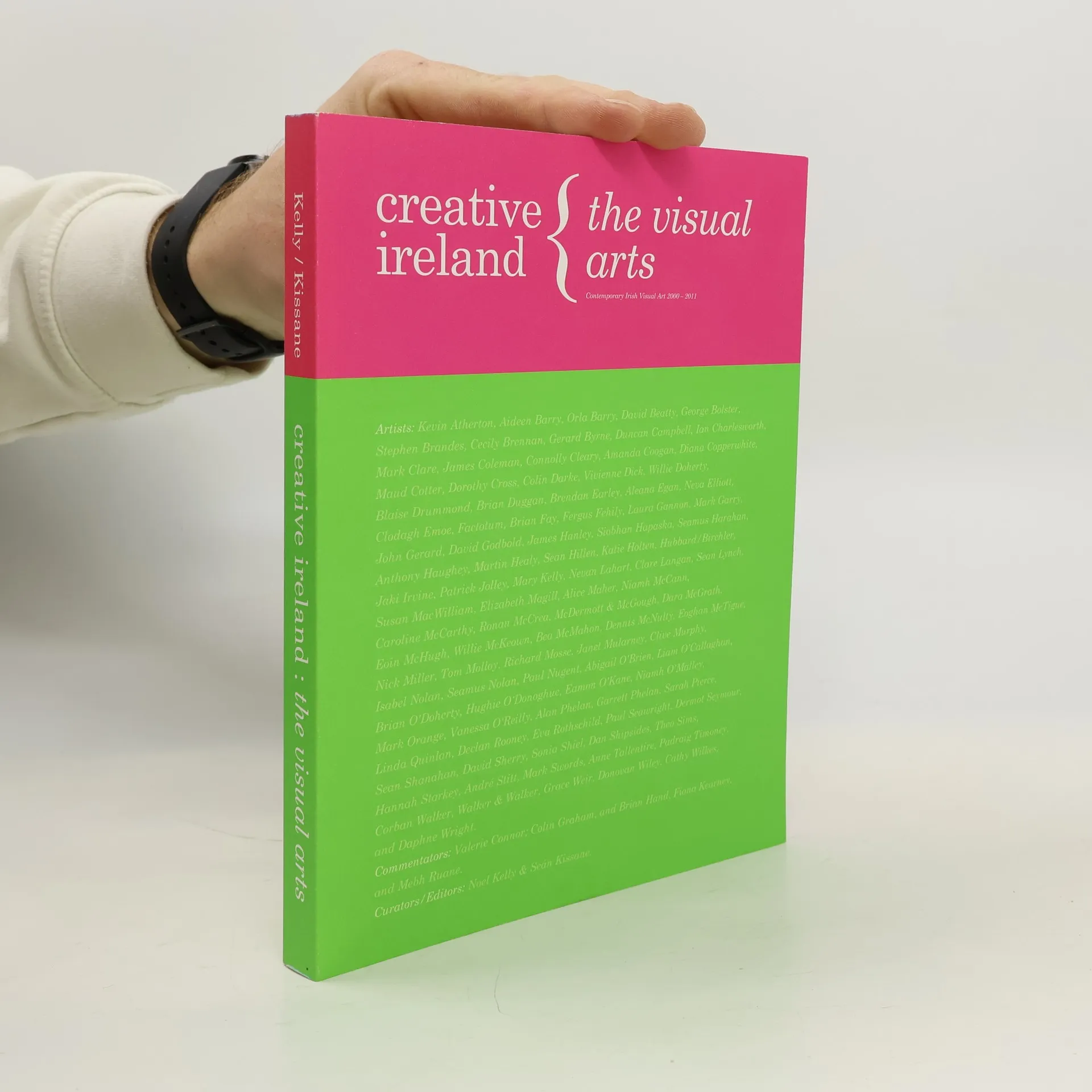
The Visual Arts, Contemporary Visual Arts in Ireland 2000-2011
244bladzijden
9 uur lezen
100 Irish Artists, 100 Colour Plates. 6 Commentaries from respected writers such as: Mebh Ruane, Colin Graham, Valerie Connor, Fiona Kearney, Brian Hand and Noel Kelly - Creative Ireland: The Visual Arts will fast become the most desirable visual arts book this season. Creative Ireland: The Visual Arts presents an attractive record of the early 21st century contemporary visual arts in Ireland with 100 artists who have been selected for their specific contribution to the contemporary arts in the first years of the 21st Century. Aimed at a general audience, as well as the art connoisseur and enthusiast, each artist is profiled with an iconic example of their practice shown in full colour. The texts are engaging as they explain Ireland within the context of the early 21st century, and the impact that this has had socially, economically and culturally. The book is in an attractive format, and is priced at a level that makes it affordable.