The First Paul
- 230bladzijden
- 9 uur lezen
Using the best of biblical and historical scholarship, this title presents a fresh understanding of early Christianity.


Marcus J. Borg was een toonaangevend figuur in zijn generatie van Jezus-geleerden, vermaard om zijn interpretaties van het vroege christendom en de nieuwtestamentische geschriften. Zijn werk richt zich op het blootleggen van de historische Jezus onder lagen van traditie en theologie, waardoor zijn boodschap toegankelijk wordt voor moderne lezers. Borg's wetenschap hield zich specifiek bezig met thema's als sociale rechtvaardigheid en de transformerende kracht van geloof, waarbij hij vaak een benadering gebruikte die intellectueel onderzoek wilde verbinden met spirituele groei. Zijn invloed reikt veel verder dan academische kringen en resoneert bij lezers in en buiten kerkelijke gemeenschappen, en biedt een overtuigende visie op Jezus' boodschap en de relevantie ervan voor de wereld van vandaag.





Using the best of biblical and historical scholarship, this title presents a fresh understanding of early Christianity.
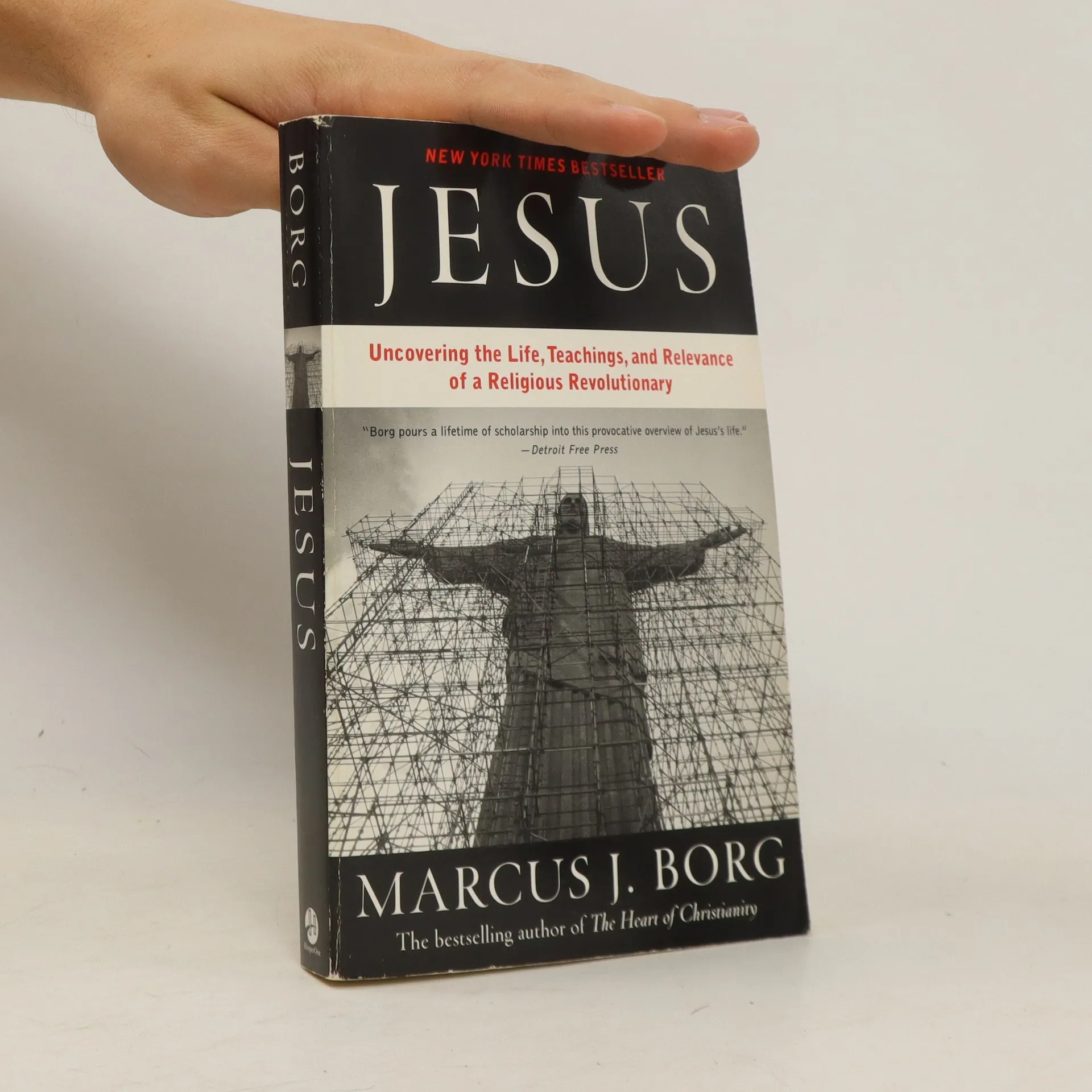
From top Jesus expert Marcus Borg, a completely updated and revised version of his vision of Jesus—as charismatic healer, sage, and prophet, a man living in the power of the spirit and dedicated to radical social change. Fully revised and updated, this is Borg's major book on the historial Jesus. He shows how the Gospel portraits of Jesus, historically seen, make sense. Borg takes into account all the recent developments in historical Jesus scholarship, as well as new theories on who Jesus was and how the Gospels reflect that. The original version of this book was published well before popular fascination with the historical Jesus. Now this new version takes advantage of all the research that has gone on since the 80s. The revisions establish it as Borg's big but popular book on Jesus.
One of the vital challenges facing thoughtful individuals today is reading the Bible faithfully while maintaining a sense of truth and history. This work offers a solution for achieving an authentic yet contemporary understanding of the scriptures. Many believe the only options are fundamentalism or outright rejection of the Bible's meaning. Acclaimed author Marcus Borg demonstrates how to reconcile the Bible with scientific and critical thinking alongside our spiritual needs, leading to a grounded experience of these sacred texts. He introduces the "historical-metaphorical" approach, exploring what the Scriptures meant to ancient communities and helping readers discover their relevance today. Borg argues that traditional views on the Bible's origin and interpretation have become unpersuasive, necessitating a fresh encounter with the texts that respects their significance without adhering to literalism. He shares his personal spiritual journey from unquestioning belief to a dynamic relationship with the Bible, revealing how modern faith crises stem from misinterpretations of sacred texts. This book invites readers from all backgrounds to engage with the Bible, explore its mysteries, and understand its relevance, ultimately opening up rich possibilities for their lives.
In recent explorations of the historical Jesus, few have connected biblical scholarship with personal faith as effectively as this work. The author addresses the desires of those seeking a contemporary faith that embraces critical intelligence and historical inquiry. Through rigorous examination, he presents a vision of faith in Christ that is both critical and sustaining. He emphasizes that believing in Jesus transcends doctrinal acceptance; it involves a deep, personal commitment to the living Lord. Drawing from his own journey—from naive belief to collegiate skepticism and ultimately to a mature faith—he illustrates how understanding the historical Jesus can foster a more authentic Christian life, grounded in spiritual challenge, compassion, and community rather than rigid creeds. The prose is straightforward and accessible, examining key findings of modern Jesus scholarship through the lens of faith. The author explores various dimensions of Jesus' character, including his role as a spirit person, teacher, social prophet, and movement founder. He also reinterprets significant Old Testament stories, revealing new truths that can enhance one's faith journey. This work invites questioning believers, skeptics, and reluctant unbelievers to reframe their understanding of Jesus, presenting him not merely as a historical figure but as a living presence that can transform lives today.
This stunning collection is perfect for those curious about the influential teachers, Jesus and Buddha, and their lessons of peace, love, patience, and kindness. Witness as two of the most holy beings meet in a thought-provoking encounter of the spirit. Jesus and Buddha is a timeless testament to what makes us similar rather than different. This enlightening book also makes a great gift.
Was Jesus born of a virgin? Did he know he was the Messiah? Was he bodily resurrected from the dead? Did he intentionally die to redeem humankind? Was Jesus God? In The Meaning of Jesus two leading Jesus scholars with widely divergent views go right to the heart of these questions and others, presenting the opposing visions of Jesus that shape our faith today. In alternating chapters, Marcus Borg, the most popular revisionist voice on Jesus and a member of the Jesus Seminar, and N. T. Wright, the most prominent standard–bearer for the traditional stance and an outspoken critic of the Jesus Seminar, present their views of who Jesus was, what he taught, and what he did. Candid, spirited, and thoughtfully debated, this compelling discourse will stimulate fresh ideas and intense dialogue among anyone concerned with what it means to be a Christian today.
Why Christian Words Have Lost Their Meaning and Power―And How They Can Be Restored
In Speaking Christian , acclaimed Bible scholar Marcus Borg, author of Meeting Jesus Again for the First Time , argues that the very language Christians use has become dangerously distilled, distorted, and disconnected from the beliefs which once underpinned it. Stating a case that will resonate with readers of N. T. Wright’s Simply Christian , Borg calls for a radical change to the language we use to invoke our beliefs—the only remedy that will allow the Church's words to once again ring with truth, power, and hope.
Worte, die unser Herz erleuchten. Parallele Aussagen der zwei großen Weisheitslehrer der Menschheit