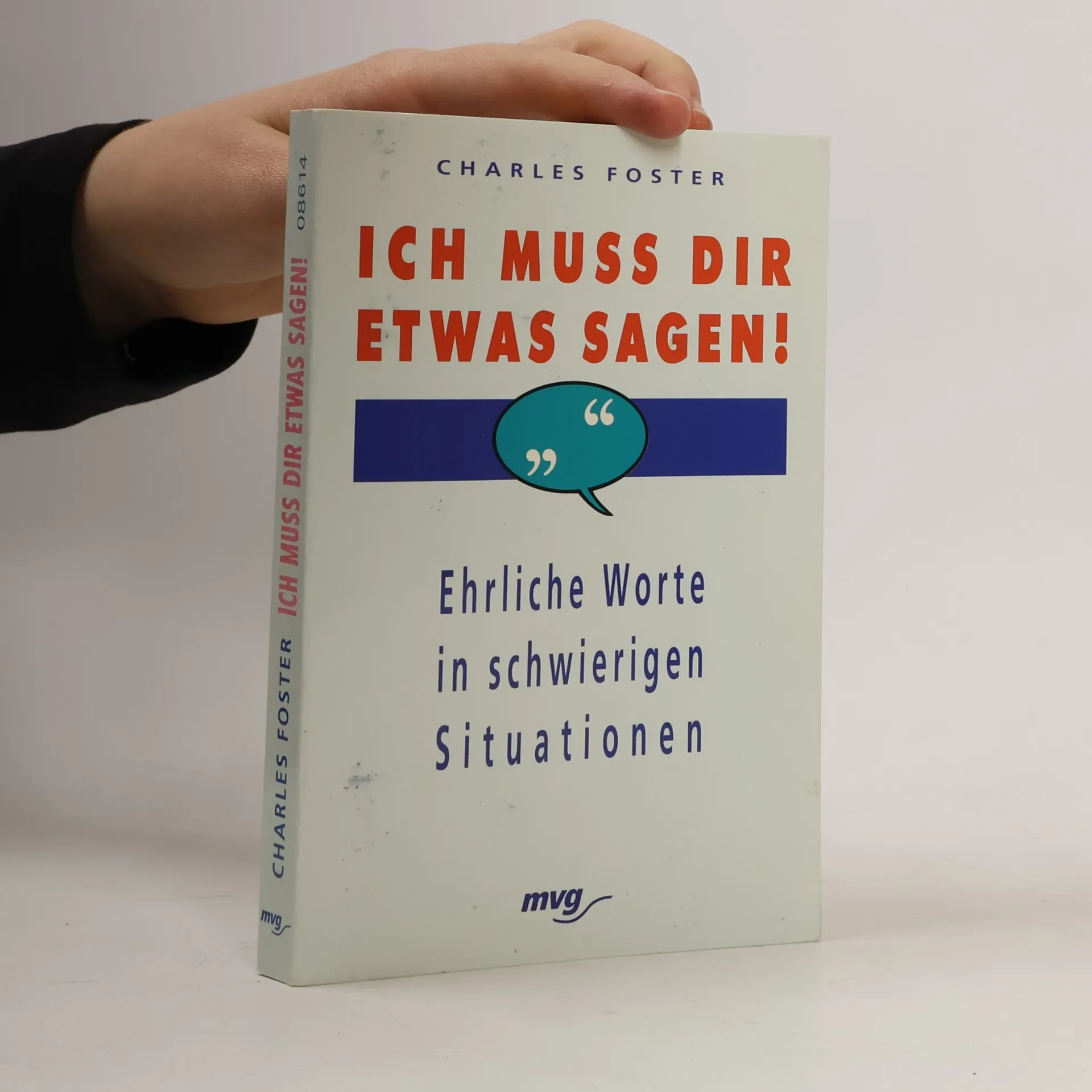


Charles Foster is een auteur wiens werken een breed terrein aan onderwerpen bestrijken, van reizen en evolutiebiologie tot natuurlijke historie, antropologie en filosofie. Zijn unieke benadering van schrijven komt voort uit een leven vol diverse ervaringen, waarin academische bezigheden en juridische praktijk worden gecombineerd met extreme expedities over de hele wereld. Deze fusie van wetenschappelijk begrip en avontuurlijke exploratie stelt Foster in staat om complexe menselijke en natuurlijke werelden met een ongebruikelijke diepgang en perspectief te verkennen. Lezers zullen zijn vermogen waarderen om schijnbaar uiteenlopende gebieden met elkaar te verbinden, waardoor zowel intellectueel stimulerende als boeiende verhalen ontstaan.
This is a radical new look at the Common Swift - a numerous but profoundly un-
common bird - by Charles Foster, author of the New York Times Bestseller,
Being a Beast. Foster follows the swifts throughout the world, manically,
lyrically, yet scientifically.
A fox, grown strong on pepperoni pizza from the dustbins of the East End, dances along a railway track towards Essex, the territory of wild foxes and wilder huntsmen. An orca, mourning the loss of her mother in a valley west of Skye, knows that she must now lead the pod as matriarch. She swims again through her childhood, thinking about the old ways, the old roads, laid down thousands of years ago. But the old roads aren't so easy now. At moonrise in a West Country river, an otter floats slowly downstream. The tide, though it pushes him landwards when it exhales, seems to pull him out when it inhales. He turns on his back. He can see the stars clearly for the first time and wonders if he can swim to them. The land has never stopped waiting. It has only ever been in exile, right under our noses, waiting to confound, outrage and re-enchant.

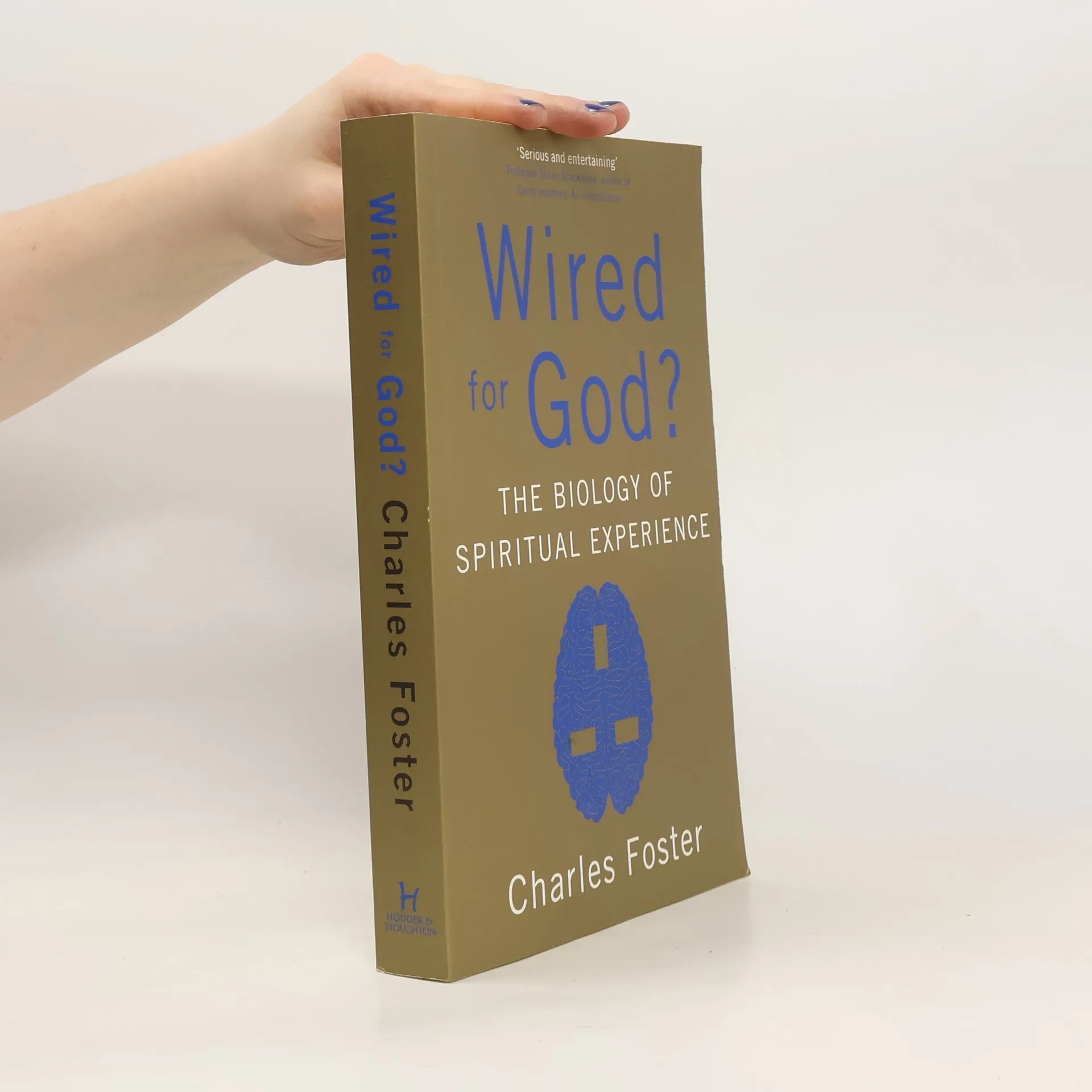
Human religious experiences are remarkably uniform; many can be pharmacologically induced. Recent research into the neurology of religious experience has shown that, when worshipping or praying, a certain part of the brain, apparently dormant during other activities, becomes active. What does all this mean for those of faith and those with none? In this fascinating book barrister Charles Foster takes a survey of the evidence -- from shamans to medieval mystics, to out-of-body experiences and epilepsy, via Jerusalem and middle-class Christianity -- and assesses its significance. Written in short, accessible chapters, this is a fascinating tour of religious and mystical experiences and their relation to human physiology.
Transcendentally eccentric nature writing of the first order. Charles Foster
digs deep under the skin of other animals, uncovering gems of wisdom that our
usually superficial gaze will otherwise miss Hugh Warwick
Exploring the interplay between intuition and reasoning in ethics, this book engages with the ideas of prominent philosophers and psychologists, particularly Joshua Greene and Jonathan Haidt. It critiques the prevailing notion that intuition dominates moral judgments, as proposed by Haidt, while also challenging Greene's call for reason to take precedence in modern ethical dilemmas. By advocating a balanced approach, it offers fresh insights relevant to both philosophical and psychological discussions, making it a compelling read for those interested in moral reasoning.
Exploring the intersection of law and personal morality, this book delves into various legal domains such as criminal, tort, contract, family, and medical law. It critically analyzes whether current laws aim to enhance ethical behavior, the specific moral standards they uphold, their effectiveness, and the legitimacy of morality as a legal objective. Through this examination, the text raises important questions about the role of law in shaping individual ethics and the implications of moral enhancement technologies.
Charles Foster untersucht in „Die Akte Jesus“ die Ereignisse nach der Kreuzigung Jesu mit modernen kriminalistischen Methoden. Er stellt zentrale Fragen zur Auferstehung und bewertet die Glaubwürdigkeit der Augenzeugen. Sein überraschendes Urteil: Die Geschichte der leiblichen Auferstehung ist überzeugender als viele Zweifel.