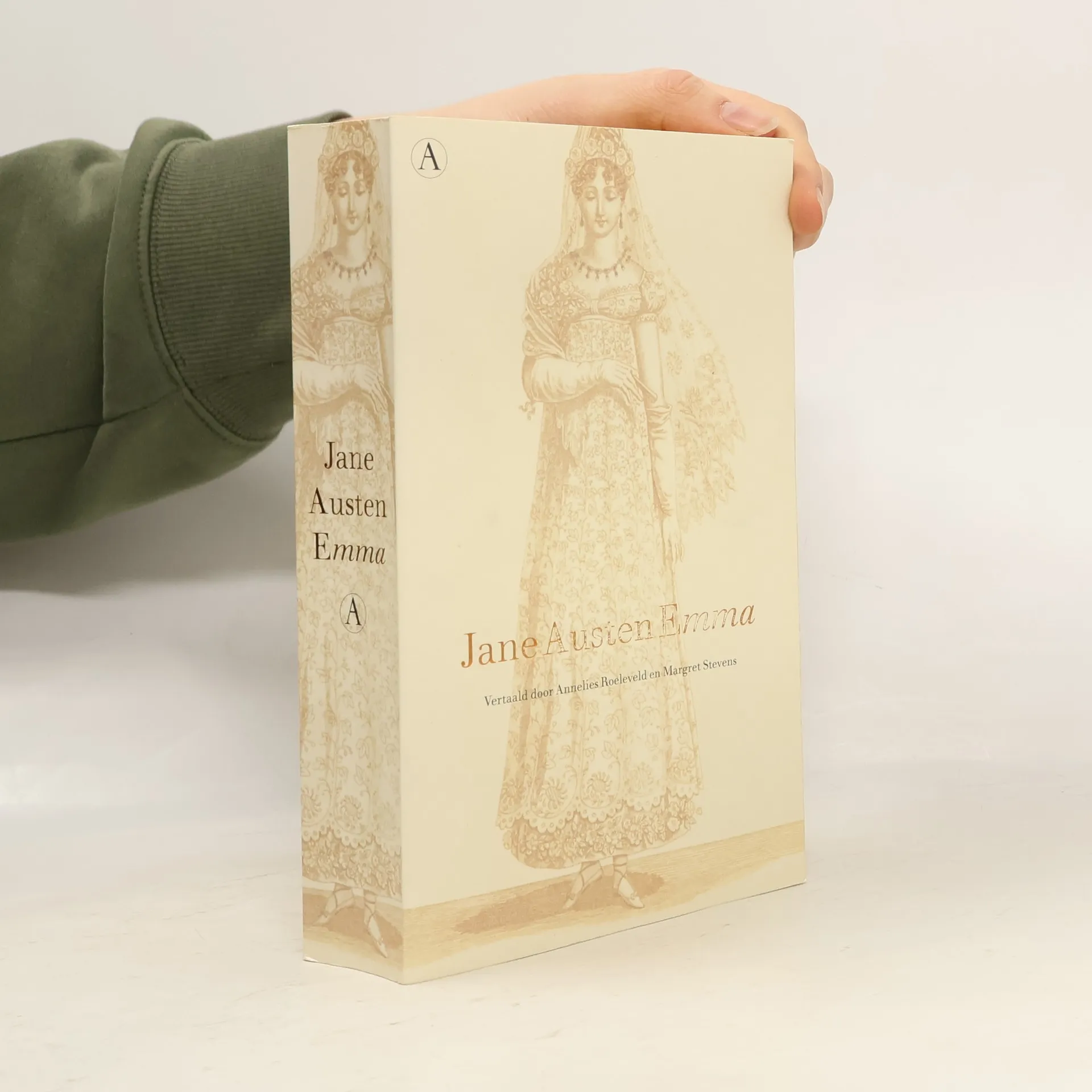
Emma
- 492bladzijden
- 18 uur lezen
Beschrijving van leven en karakter van een jong, intelligent en zelfbewust meisje uit de gegoede middenstand in Engeland omstreeks 1800.


Marilyn Butler was een vooraanstaand Brits literatuurcriticus, bekend om haar diepgaande studie van de Romantiek en de literatuur van de 18e en 19e eeuw. Haar onderzoek richtte zich op het begrijpen van de sociale en intellectuele krachten die de literaire creatie vormden, met een bijzondere focus op auteurs als Maria Edgeworth. Butler stond bekend om haar nauwkeurige analyse en haar vermogen om literaire werken te verbinden met hun bredere culturele en historische context. Haar invloedrijke kritische studies belichten de complexiteit van literaire stromingen en verrijken ons begrip van de Britse literatuur.
Beschrijving van leven en karakter van een jong, intelligent en zelfbewust meisje uit de gegoede middenstand in Engeland omstreeks 1800.
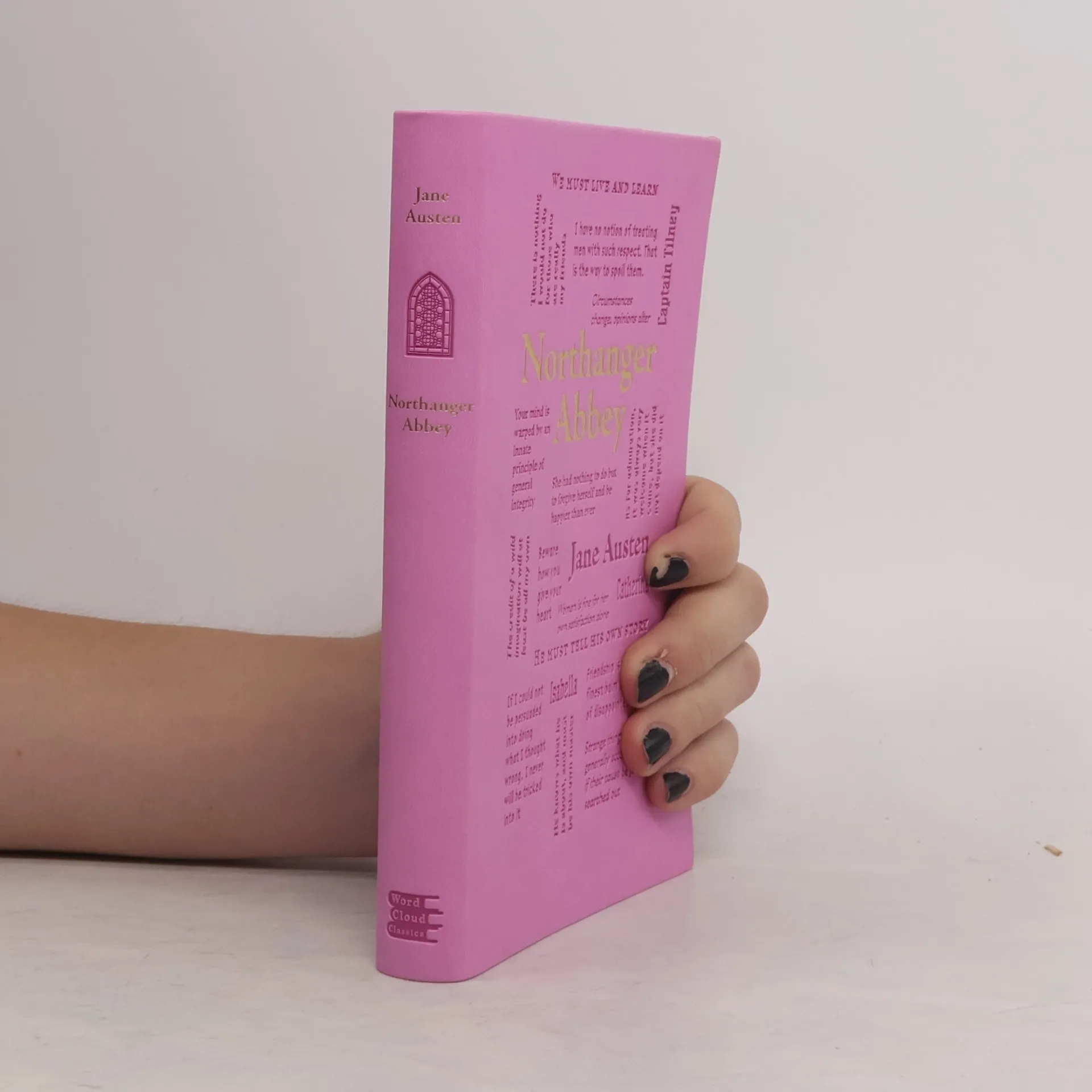
A young woman comes of age and realizes that life is not a Gothic novel. A timeless classic, Jane Austen's Northanger Abbey is both a coming-of-age story and a parody of the Gothic novels of the nineteenth century. Catherine Morland is destined to be the heroine of her own life story as she navigates friendships and romantic relationships, and as she learns to let go of childish notions of fantasy regarding the lives of others. Held from publication for more than a decade, this story was an instant success when it was finally released in 1817. This Canterbury Classic Word Cloud makes a fine addition to any home library.
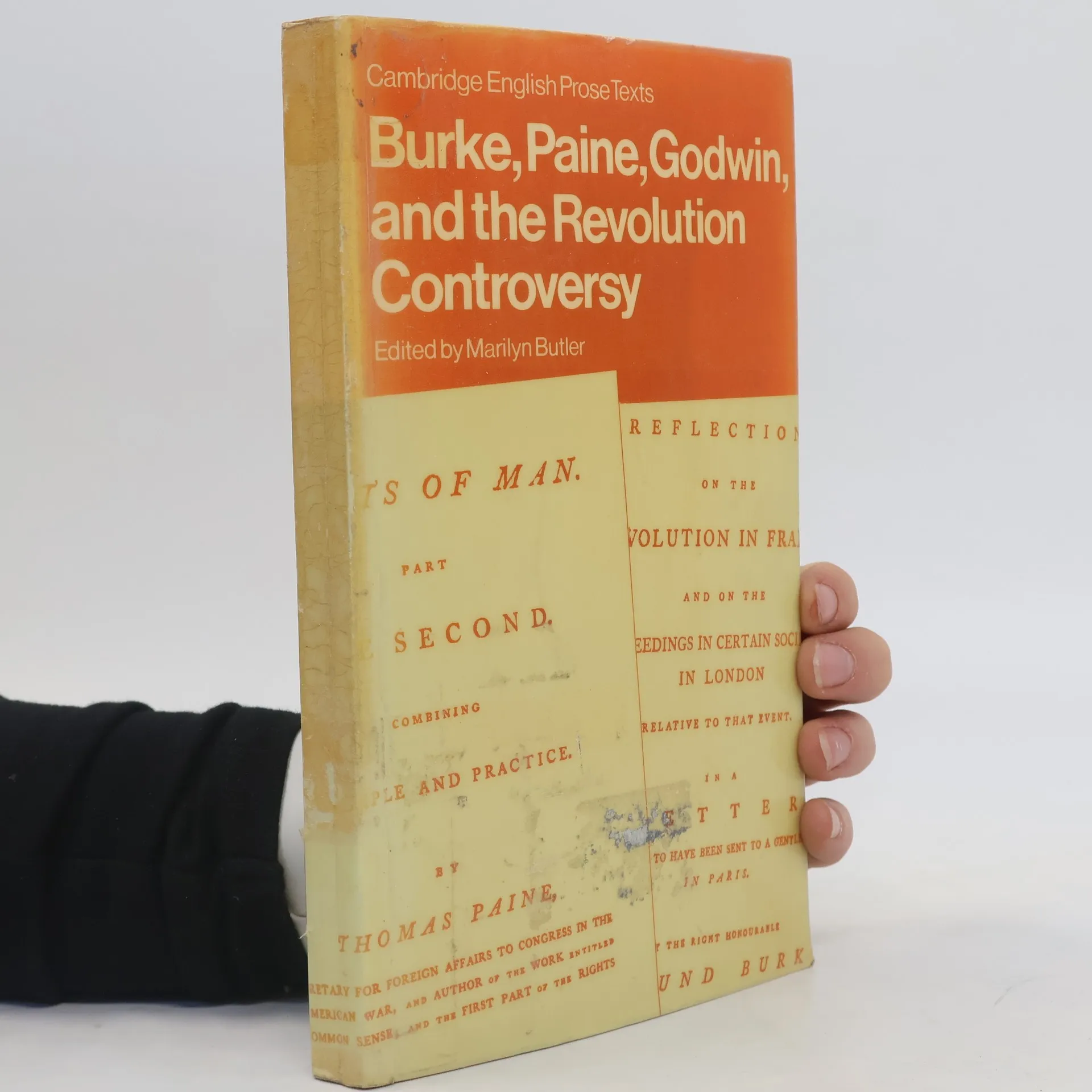
This volume focuses on the significant Revolution debate in England during the 1790s, sparked by the French Revolution. It includes major works by Burke, Paine, and Godwin, alongside shorter pieces by writers like Cobbett and More. Part of the Cambridge English Prose Texts series, it highlights non-fictional prose from the late sixteenth to mid-nineteenth centuries, providing access to influential yet often overlooked writers. The debate featured interconnected works that reflect the historical context of their creation. Major tracts such as Burke's *Reflections on the Revolution in France*, Paine's *The Rights of Man*, and Godwin's *Enquiry Concerning Political Justice* are presented in depth, while important shorter writings are included almost in full. The volume portrays a community of oppositional writers who engaged with each other and challenged the pro-government majority, offering insights into Romanticism and the development of extra-parliamentary opposition through the press. It also illustrates the debate's influence on figures like Mary Wollstonecraft, Coleridge, and Wordsworth. Comprehensive annotations clarify obscure references, while an introduction by Dr. Butler provides an overview of the pamphlet war and its key players. A critical guide for further reading is also included, making this volume an essential resource for students of English Romantic literature, history, and political history.