Hebrew myths : the book of genesis
- 311bladzijden
- 11 uur lezen
Examines selected Biblical passages for their mythological references and their anthropological value.


Raphael Patai was een Hongaars-Joodse etnograaf, historicus, oriëntalist en antropoloog. Zijn werk richtte zich op de studie van etnische groepen, historische gebeurtenissen en culturele gebruiken. Patai droeg door zijn uitgebreide onderzoek en publicaties bij aan een dieper begrip van de menselijke samenleving. Zijn multidisciplinaire benadering maakte het mogelijk verschillende wetenschappelijke gebieden te verbinden bij het verkennen van de menselijke cultuur.


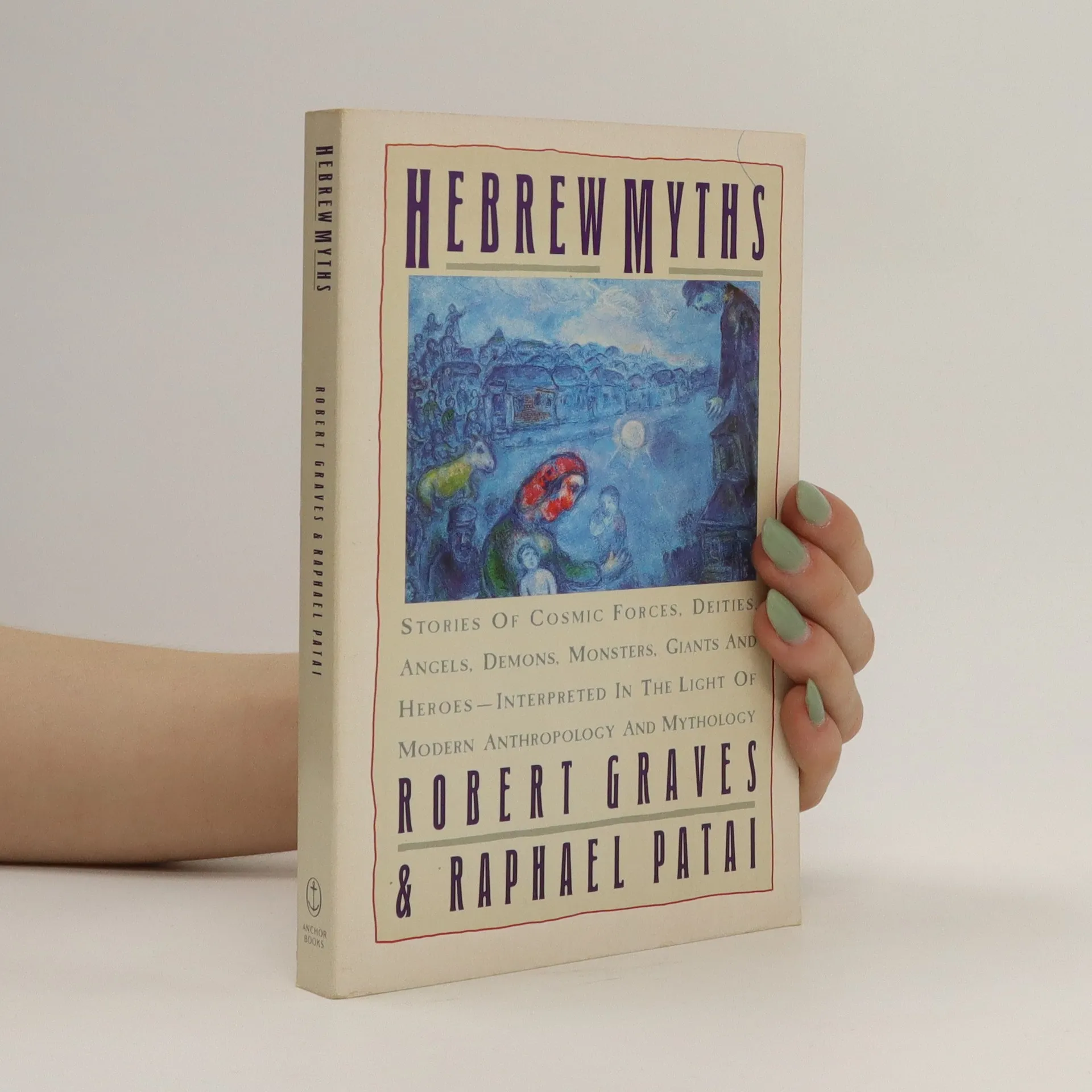
Examines selected Biblical passages for their mythological references and their anthropological value.
The classic study of Arab culture and society is now more relevant than ever. Since its original publication in 1983, the revised edition of Raphael Patai's The Arab Mind has been recognized as one of the seminal works in the field of Middle Eastern studies. This penetrating analysis unlocks the mysteries of Arab society to help us better understand a complex, proud and ancient culture. The Arab Mind discusses the upbringing of a typical Arab boy or girl, the intense concern with honor and courage, the Arabs' tendency toward extremes of behavior, and their ambivalent attitudes toward the West. Chapters are devoted to the influence of Islam, sexual mores, Arab language and Arab art, Bedouin values, Arab nationalism, and the pervasive influence of Westernization. With a new foreword by Norvell B. DeAtkine, Director of Middle East Studies at the JFK Special Warfare Center and School, Fort Bragg, N.C., this book unravels the complexities of Arab traditions and provides authentic revelations of Arab mind and character. A later printing. from 2007, contains a revised foreword by Norvell DeAtkine but is otherwise identical to this, 2002, edition.
The book explores the often-overlooked contributions of Jews to the field of alchemy from antiquity to the nineteenth century. Raphael Patai utilizes a wealth of previously unexamined sources to highlight the significant role Jews played in this intellectual pursuit, shedding light on their impact within a captivating area of cultural history. This comprehensive work opens a new perspective on the intersection of Jewish identity and alchemical thought, revealing the complexities of their involvement in this centuries-old fascination.