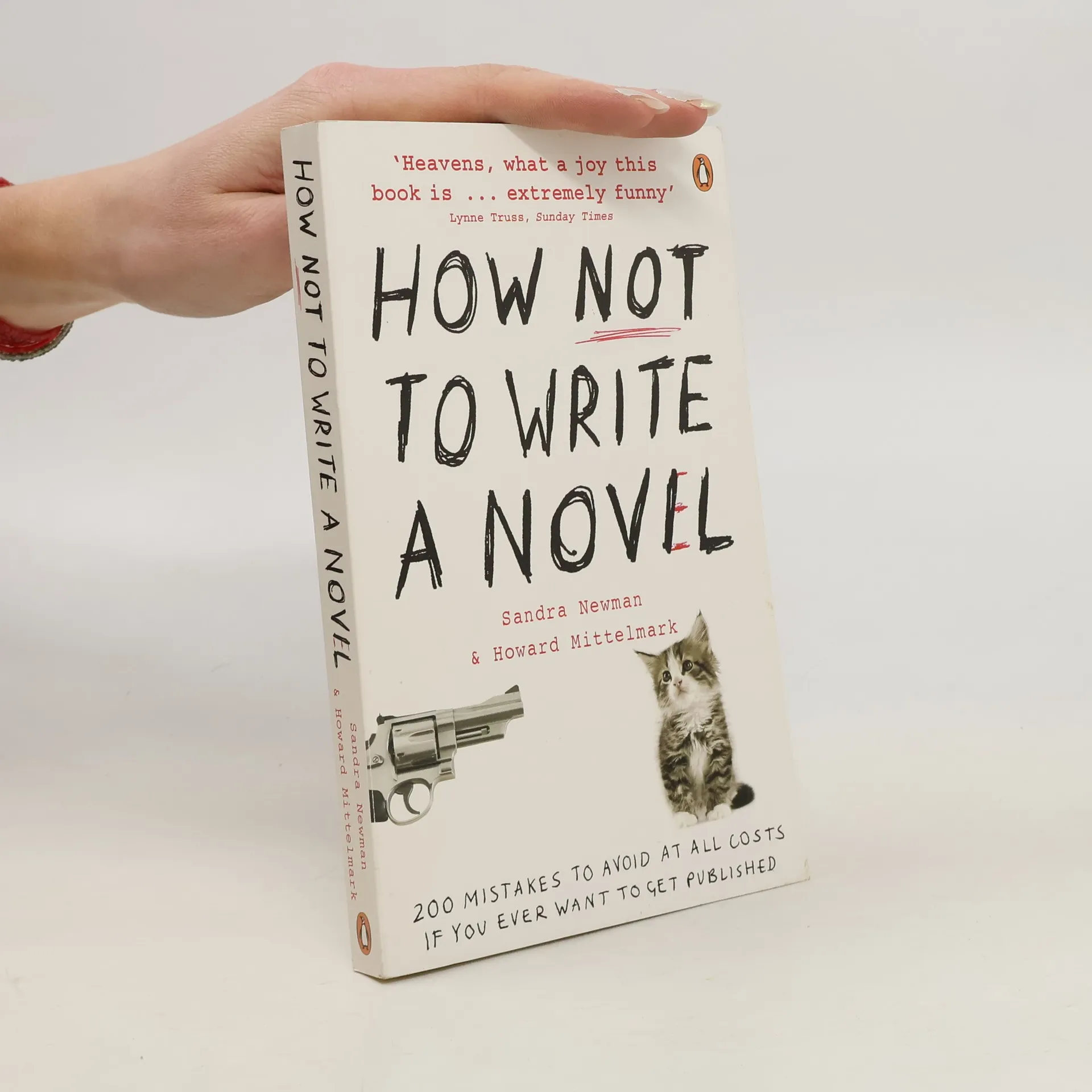
There are many ways prospective authors routinely sabotage their own work. But why leave it to guesswork? This title shows how you can ensure that your manuscript never rises above the level of unpublishable drivel; that your characters are unpleasant, dimensionless versions of yourself; and that your plot is digressive, tedious and unconvincing.
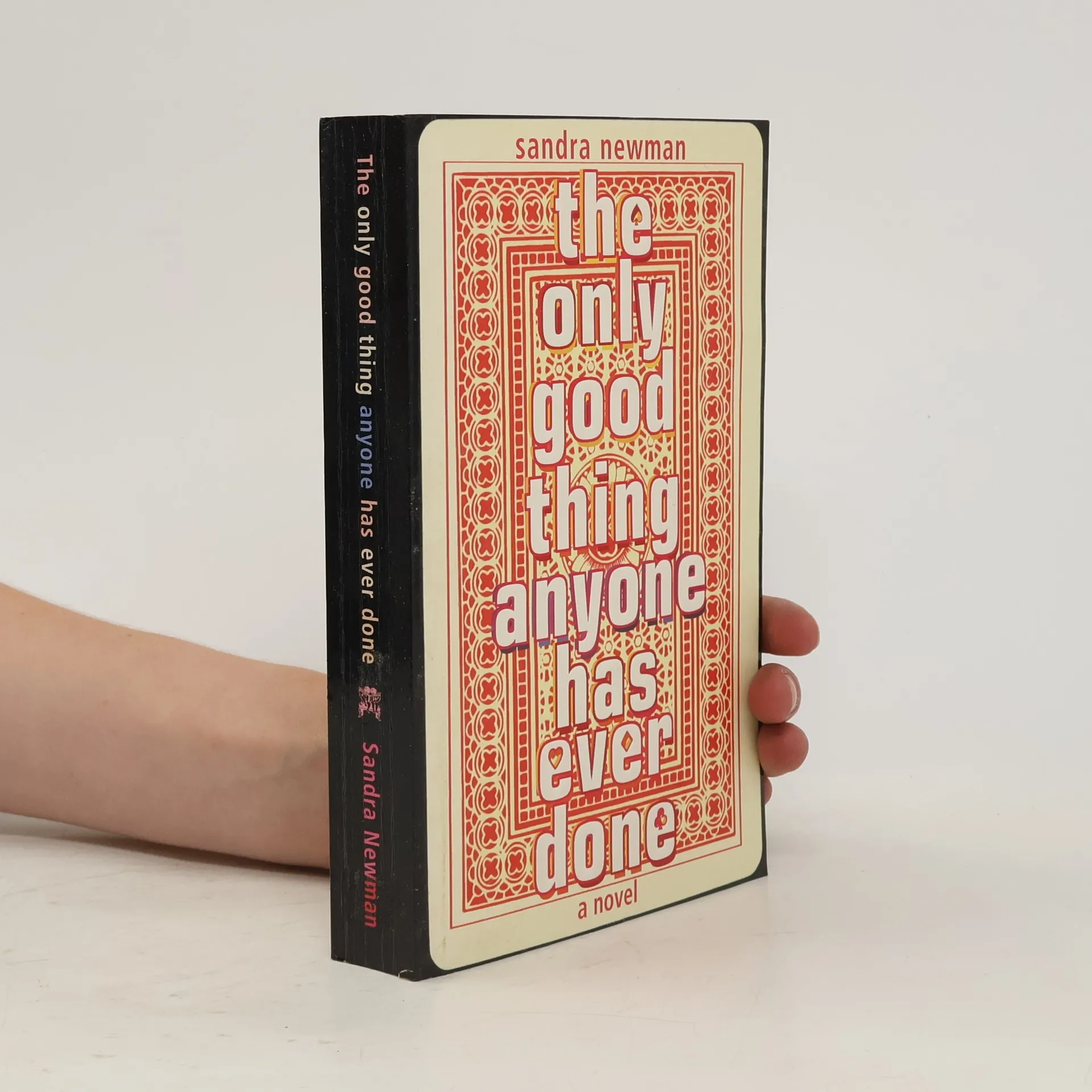
This is a funny and clever Generation-X novel about the life of Chrysalis Moffat, whose parents both died when she was young, leaving her in the care of her fast-talking brother, Eddie, and Ralph the guru, a Scotsman who has spent a bit of time in Tibet.
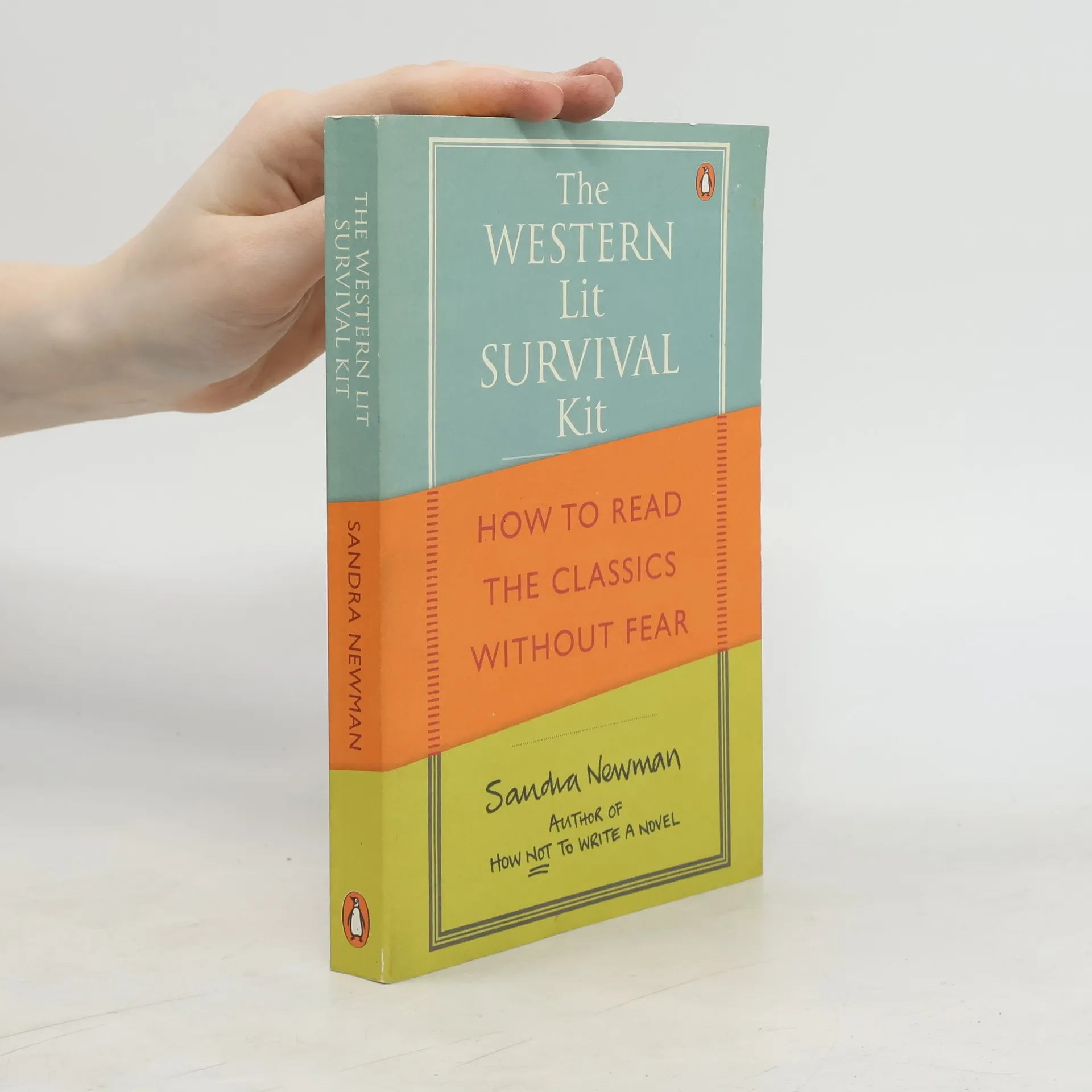
There they sit, the great tomes of classical literature, taunting you with their length and difficulty, as you ask: which books are the most important and why - and what's actually any good? Why does most writing about the classics have words like 'seminal' or 'oeuvre' in it? What does postmodernism mean? Can I get away with just reading the introduction? Now you can enjoy the classics without fear. This survival kit will guide you painlessly through the Western literary canon, century by century: from Ancient Greek drama to the modern novel, via Beowulf, Chaucer, Shakespeare, Romantic poetry, Tolstoy and Proust. There are entertaining plot summaries, unpretentious definitions of literary movements and fresh insights into authors' lives. With each work assigned ratings from 1 to 10 on Importance, Accessibility and Fun, you'll discover what's really worth bothering with and what you can safely discard without guilt. This book will make the things you've read clearer, inspire you to tackle the ones you've always meant to and make you sound far cleverer than you really are. Praise for How not to write a novel 'Heavens, what a joy this book is . . . extremely funny.' Lynne Truss, Sunday Times 'A hilarious, wickedly observed and deeply useful guide.' Kate Saunders, Observer
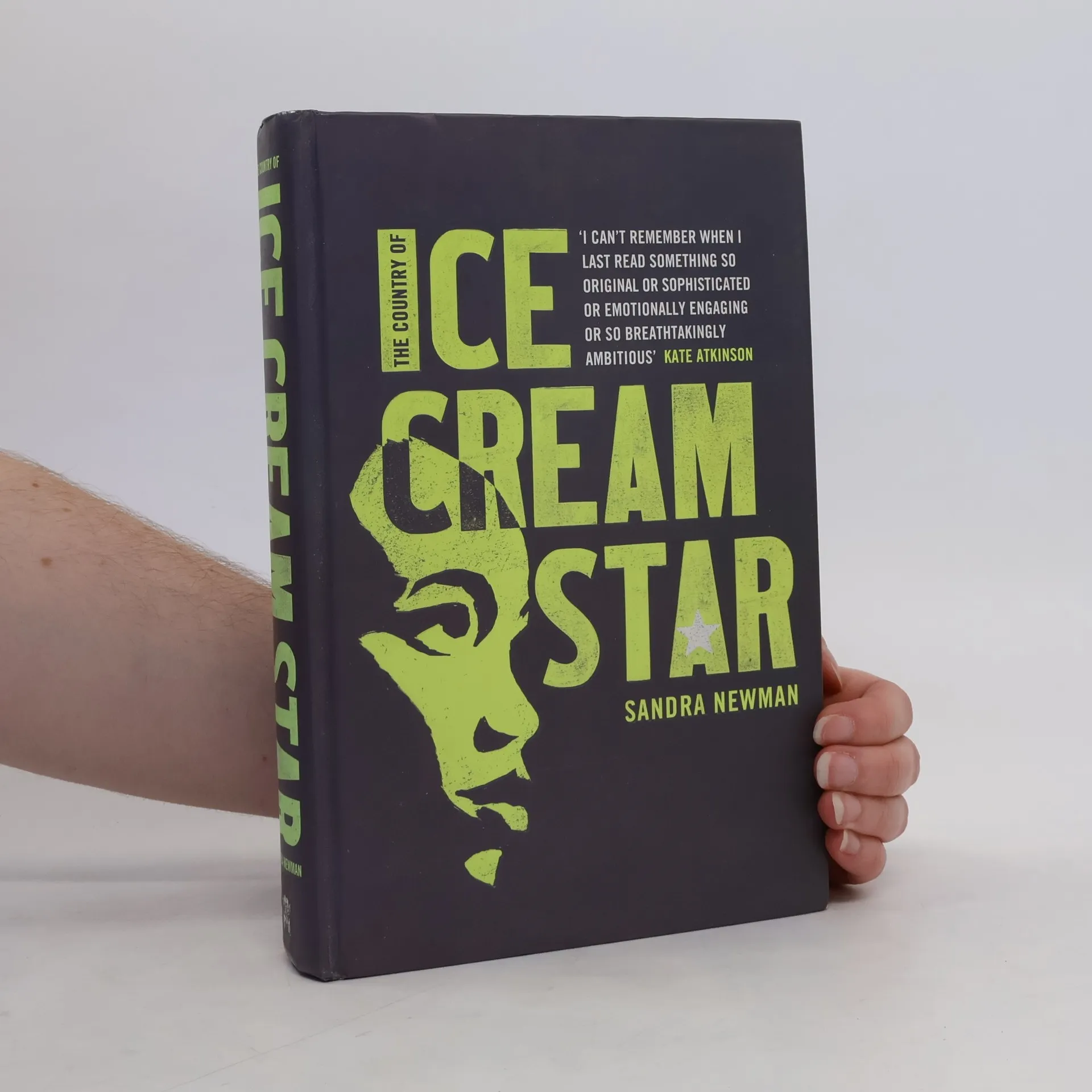
"In the ruins of a future America, fifteen-year-old Ice Cream Star and her people survive by scavenging in the detritus of an abandoned civilization. Theirs is a world of children - by the time they reach twenty, each of them will die from a disease they call posies. When her brother sickens, Ice Cream sets out on the trail of a cure, led by a stranger whose intentions remain unclear. It's a quest that will lead her to love and heartbreak, to captivity and to a nation's throne, and ultimately into a war that threatens to doom everyone she loves."--Publisher
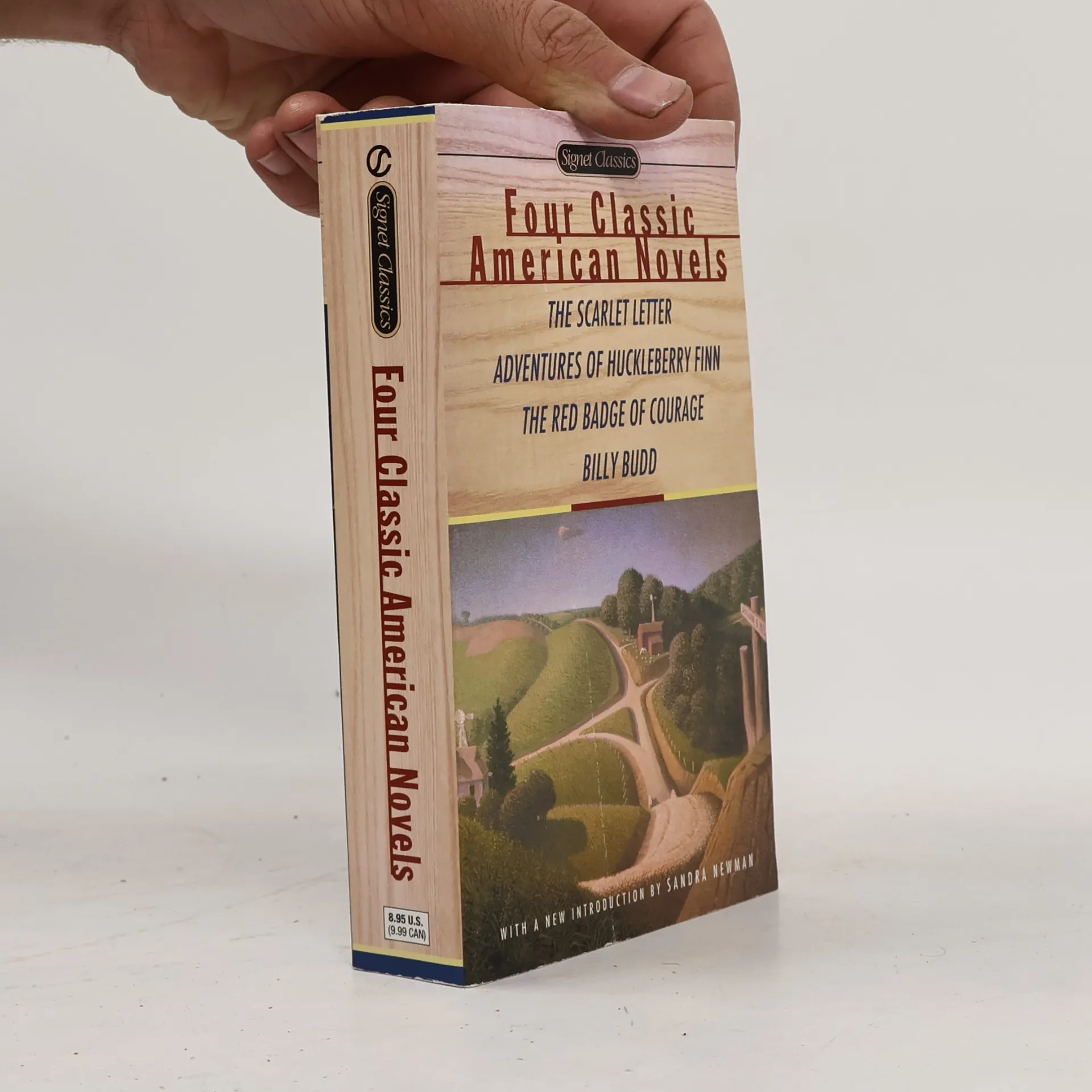
Shining examples of American literature at its best, these four novels explore timeless themes—adventure, war, sex, and morality—through compelling narratives. An adulteress, a runaway boy, a terrified soldier, and a maltreated sailor—the heroes of these novels have become a part of popular culture. This indispensable volume includes… The Scarlet Letter by Nathaniel Hawthorne Adventures of Huckleberry Finn by Mark Twain The Red Badge of Courage by Stephen Crane Billy Budd by Herman Melville With an Introduction by Sandra Newman
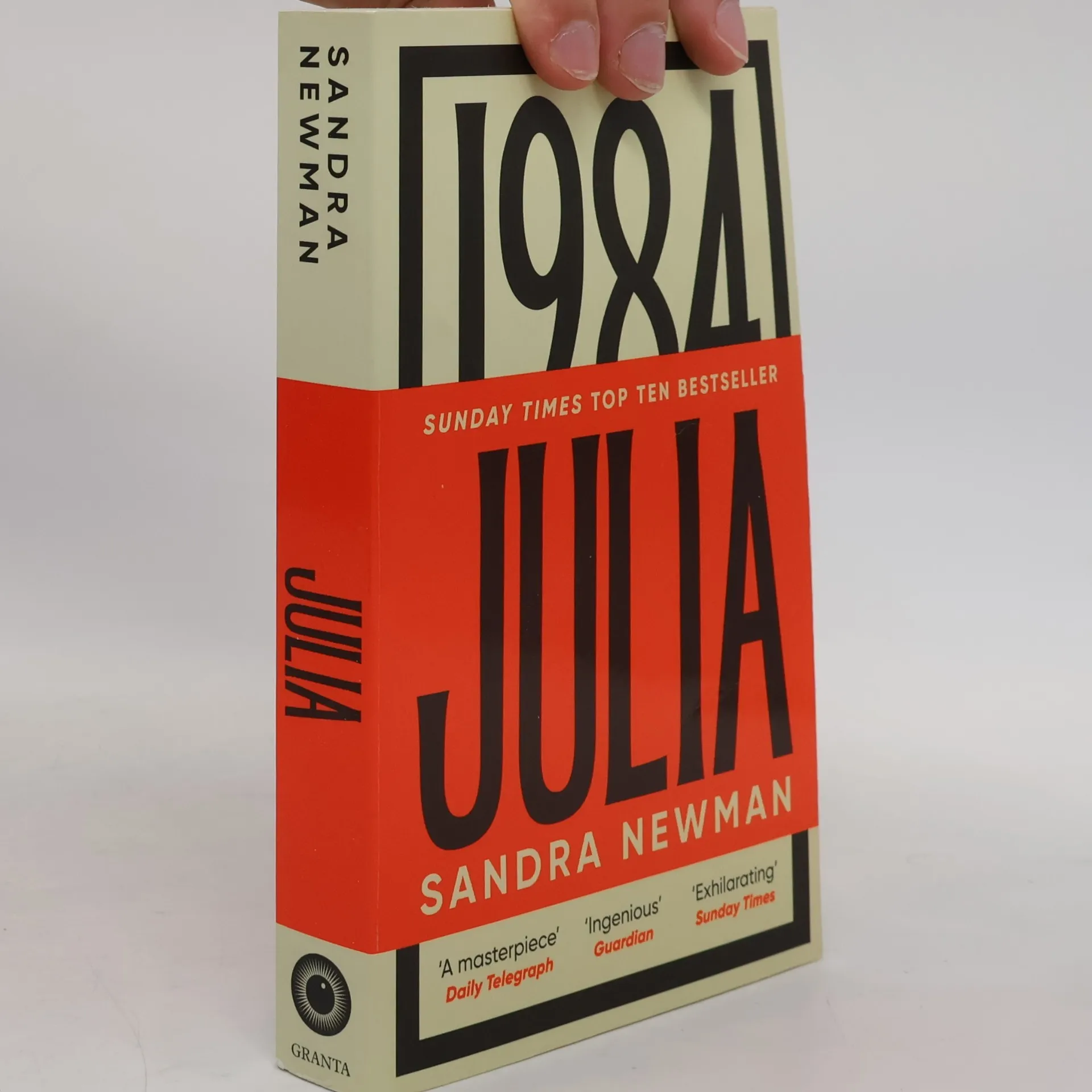
a fascinating reflection on totalitarianism as refracted through Orwell's
times and our own The Guardian London, chief city of Airstrip One, the third
most populous province of Oceania. It's 1984 and Julia Worthing works as a
mechanic fixing the novel-writing machines in the Fiction Department at the
Ministry of Truth. Under the ideology of IngSoc and the rule of the Party and
its leader Big Brother, Julia is a model citizen - cheerfully cynical,
believing in nothing and caring not at all about politics. She knows how to
survive in a world of constant surveillance, Thought Police, Newspeak,
Doublethink, child spies and the black markets of the prole neighbourhoods.
She's very good at staying alive. But Julia becomes intrigued by a colleague
from the Records Department - a mid-level worker of the Outer Party called
Winston Smith, she comes to realise that she's losing her grip and can no
longer safely navigate her world. Seventy-five years after Orwell finished
writing his iconic novel, Sandra Newman has tackled the world of Big Brother
in a truly convincing way, offering a dramatically different, feminist
narrative that is true to and stands alongside the original. For the millions
of readers who have been brought up with Orwell's Nineteen Eighty-Four, here,
finally, is a provocative, vital and utterly satisfying companion novel.
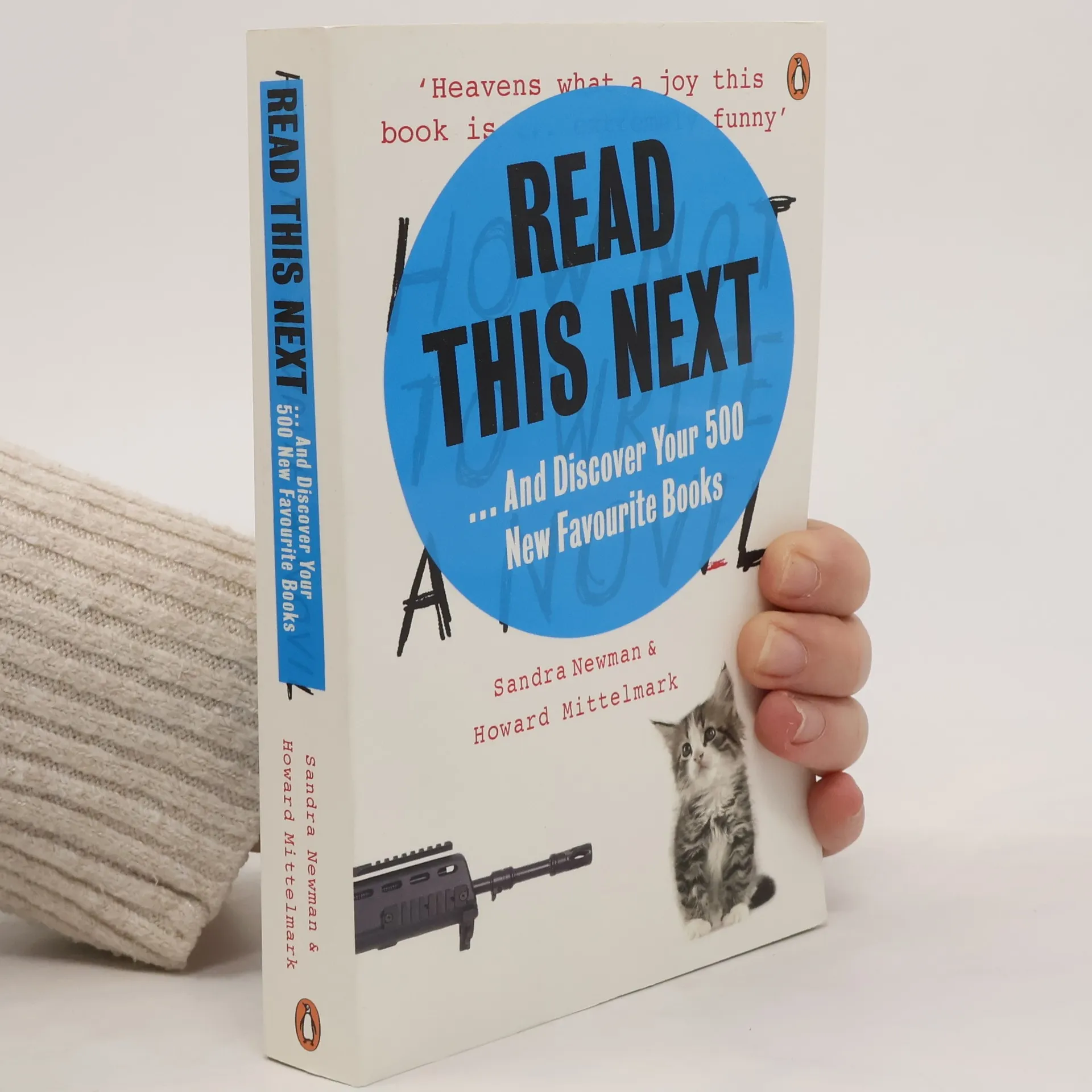
Covering books from Catch 22 to Gentlemen Prefer Blondes, and exploring all the important issues like how to tell the difference between Naomis Wolf and Klein, whether anyone really likes Emma Bovary and what makes the perfect loo book, this smart, witty and insightful guide reminds you exactly why you love reading and then makes you want to go out and read lots more.
A young man, Ben, meets a young woman, Kate -- and they begin to fall in love. From their first meeting, Ben knows Kate is unworldly and fanciful, so at first he isn't that concerned when she tells him about the recurring dream she's had since childhood. In the dream, she's transported to the past, where she lives a second life as Emilia, the mistress of a nobleman in Elizabethan England. But for Kate, the dream becomes increasingly real and compelling until it threatens to overwhelm her life
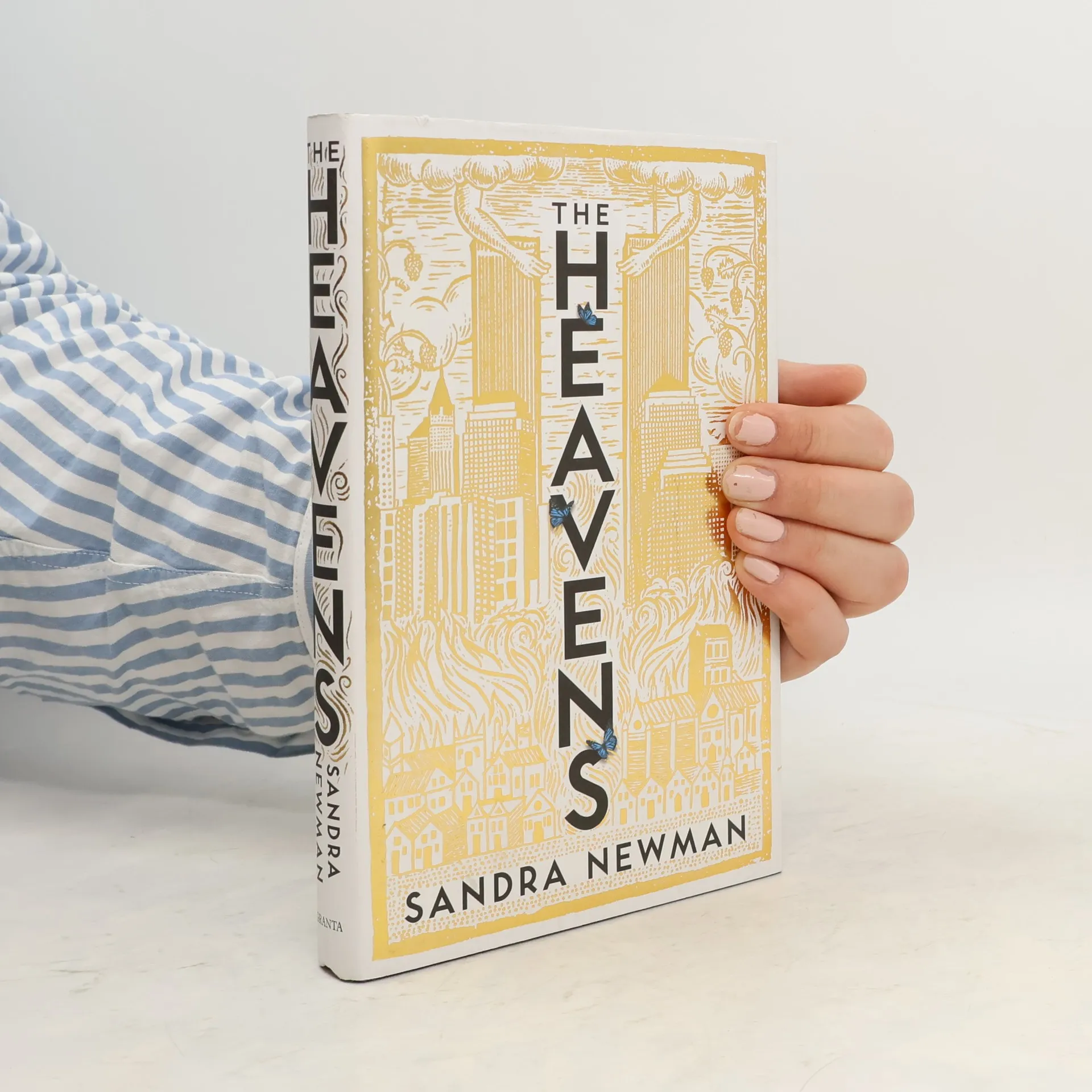
In a single moment, in every part of the world, every person with a Y chromosome vanishes: lovers, children, parents - even foetuses from the womb. Jane Pearson wakes on a mountainside the next morning to find her husband and son missing from their tent. Frantic and grieving, she sets out to find the one person she thinks can help - Evangelyne Moreau, the brilliant, charismatic leaders of the Commensalist Party of America, whose heart she broke many years before. While Jane searches for those she has lost, a radically different society emerges, one that seems - at first - to be suddenly, blissfully safer than what came before. And then The Men appears online: uncanny video footage that shows the missing being herded through bizarre, otherworldly landscapes. Is it a hoax, or could The Men hold the key to bringing back those who were lost? And if so, what might be the cost?