
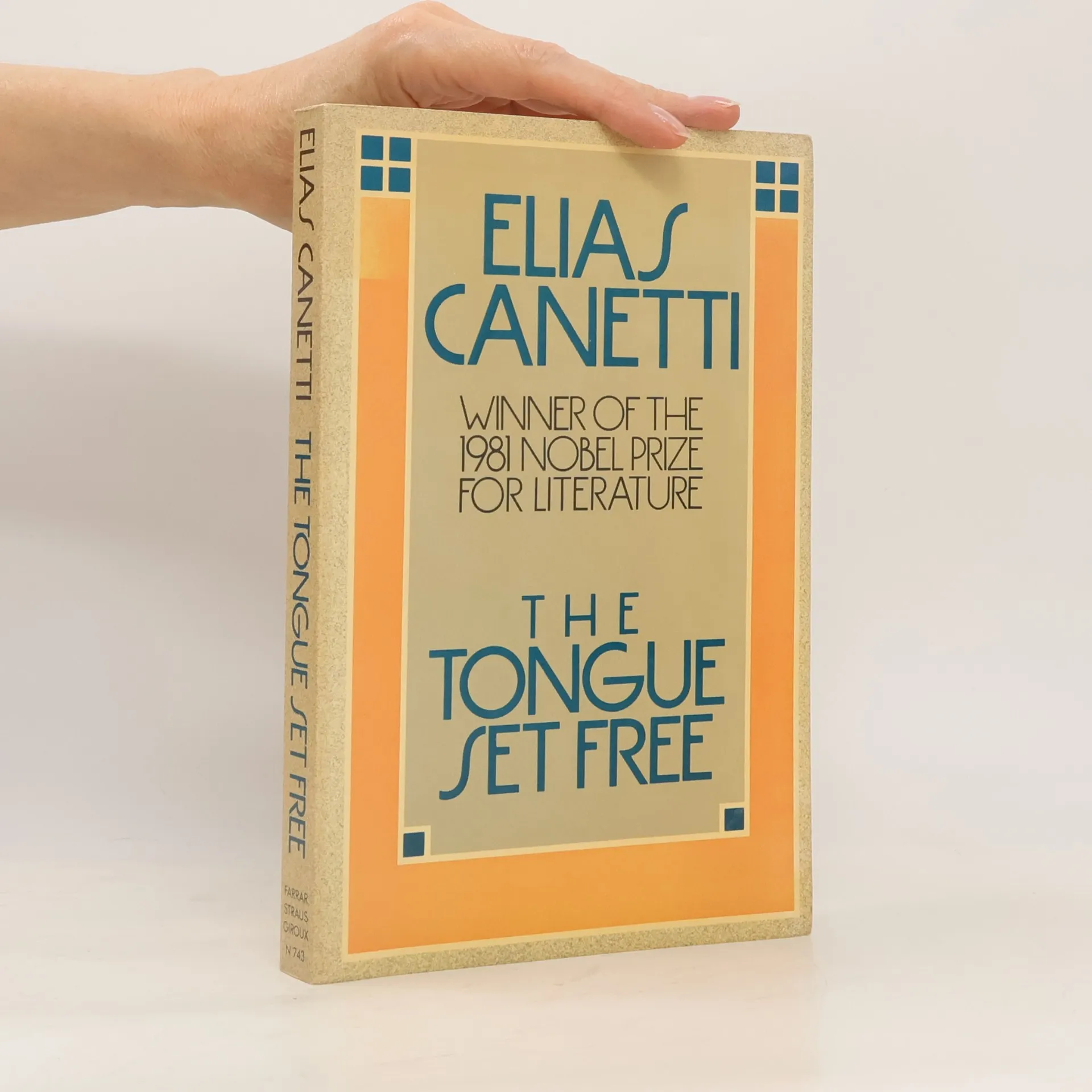
The Tongue Set Free
- 288bladzijden
- 11 uur lezen
The Tongue Set Free is the first volume in Elias Canetti's three-volume autobiography. Translated from the German by Joachim Neugroschel.


The Tongue Set Free is the first volume in Elias Canetti's three-volume autobiography. Translated from the German by Joachim Neugroschel.
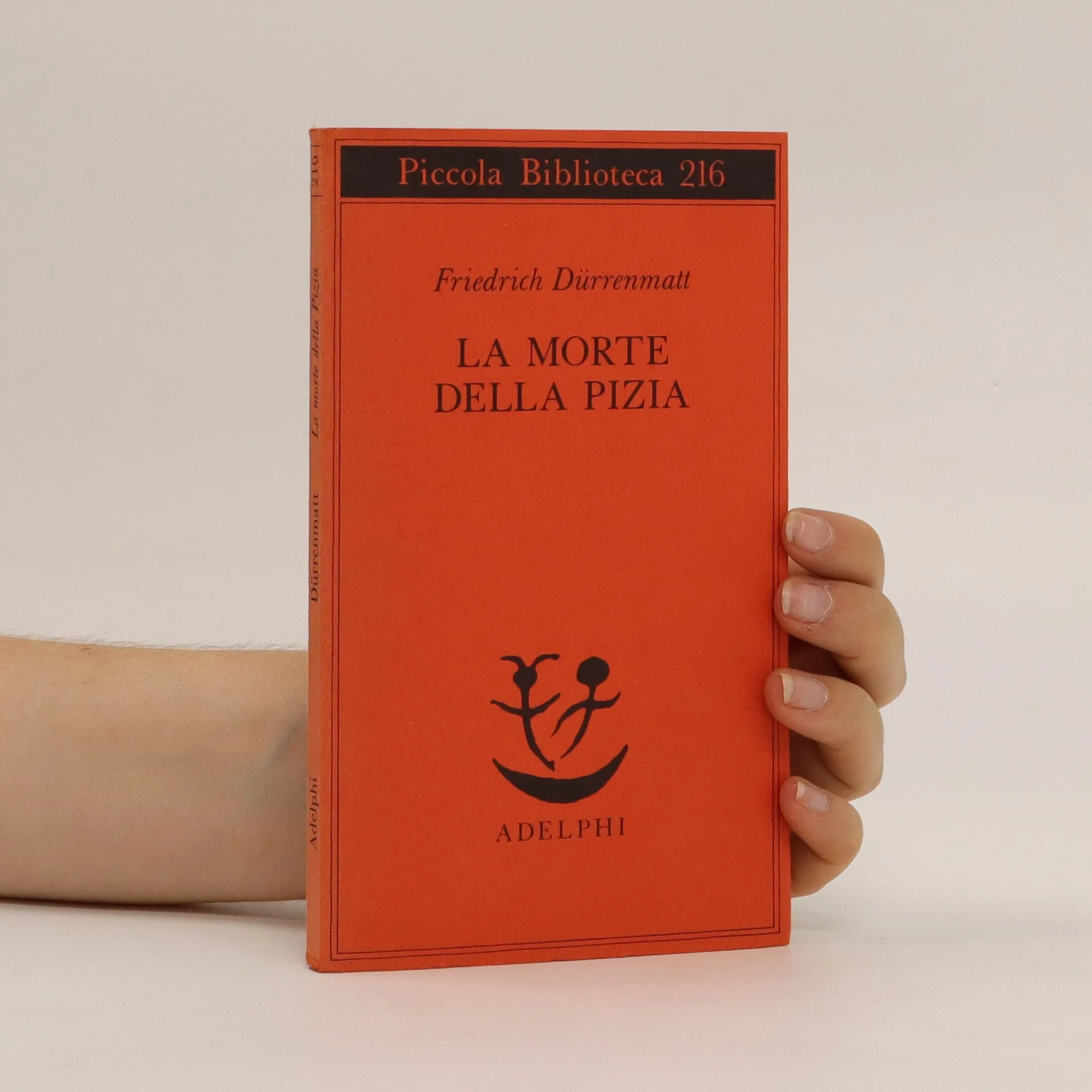
«Stizzita per la scemenza dei suoi stessi oracoli e per l’ingenua credulità dei Greci, la sacerdotessa di Delfi Pannychis XI, lunga e secca come quasi tutte le Pizie che l’avevano preceduta, ascoltò le domande del giovane Edipo, un altro che voleva sapere se i suoi genitori erano davvero i suoi genitori, come se fosse facile stabilire una cosa del genere nei circoli aristocratici, dove, senza scherzi, donne maritate davano a intendere ai loro consorti, i quali peraltro finivano per crederci, come qualmente Zeus in persona si fosse giaciuto con loro». Con queste parole spigolose e beffarde ha inizio La morte della Pizia e subito il racconto investe alcuni dei più augusti miti greci, senza risparmiarsi irriverenze e furia grottesca. Ma Dürrenmatt è troppo buono scrittore per appagarsi di una irrisione del mito. Procedendo nella narrazione, vedremo le storie di Delfi addensarsi in un «nodo immane di accadimenti inverosimili che danno luogo, nelle loro intricatissime connessioni, alle coincidenze più scellerate, mentre noi mortali che ci troviamo nel mezzo di un simile tremendo scompiglio brancoliamo disperatamente nel buio». L’insolenza di Dürrenmatt non mira a cancellare, ma a esaltare la presenza del vero sovrano di Delfi: l’enigma.
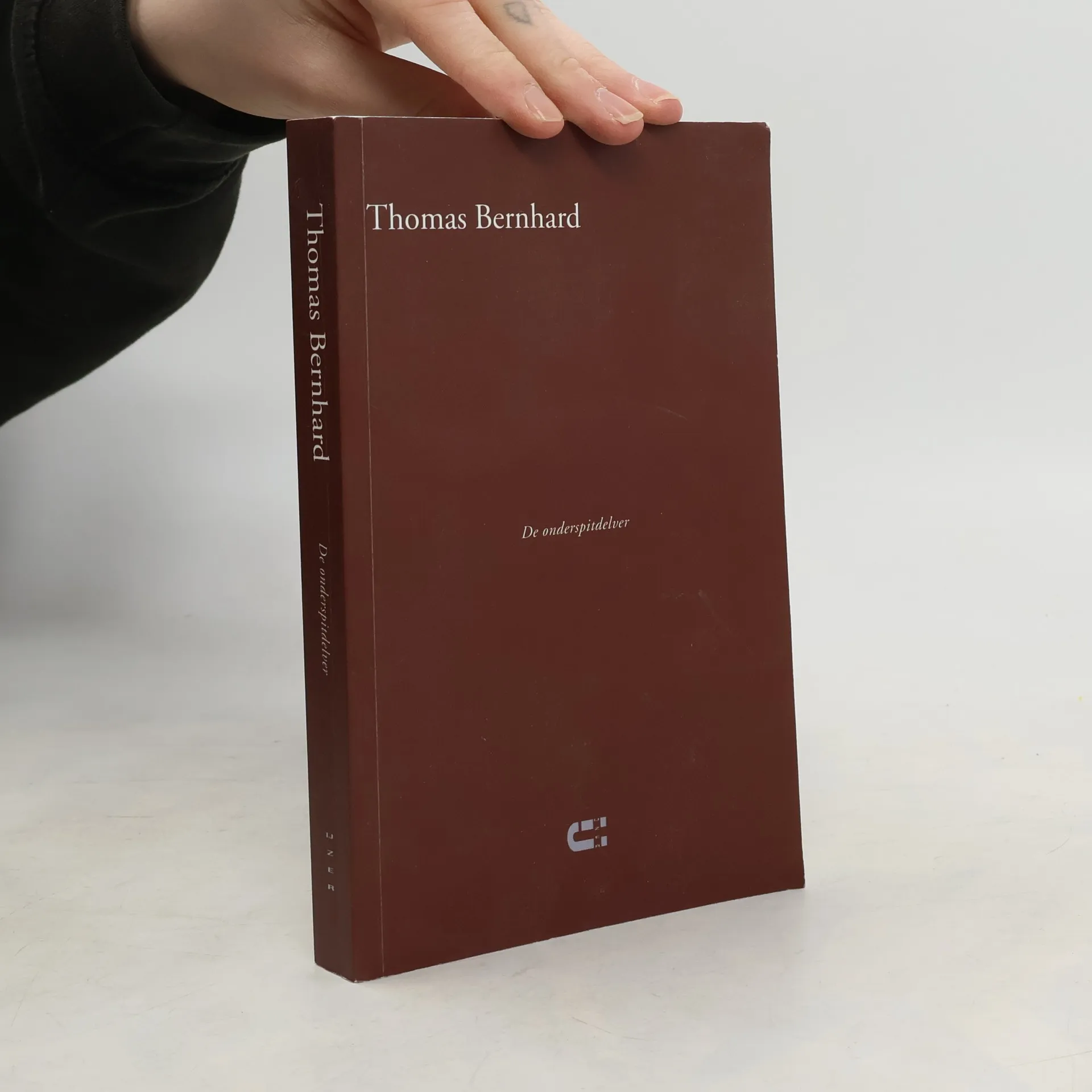
De onderspitdelver is een kunstenaarsroman, een requiem voor Glenn Gould, maar vooral een portret van Bernhard zelf. Centraal staat de relatie tussen drie pianisten: Glenn Gould, Wertheimer en de ik-figuur. Zij hebben elkaar in hun jonge jaren in Salzburg leren kennen tijdens de Horowitzcursus. Voor Wertheimer en de ik-figuur is de ontmoeting met Gould fataal. Het besef dat zij zijn geniale niveau nooit zullen bereiken —het gaat in de kunst immers om het hoogste, meest perfecte —, luidt voor Wertheimer de ondergang in en maakt dat de ik-figuur afstand doet van zijn piano en ‘wereldbeschouwingskunstenaar' wordt, dat wil zeggen schrijver. Het genie, de onderspitdelver en de filosoof: een virtuoos boek over virtuozendom.
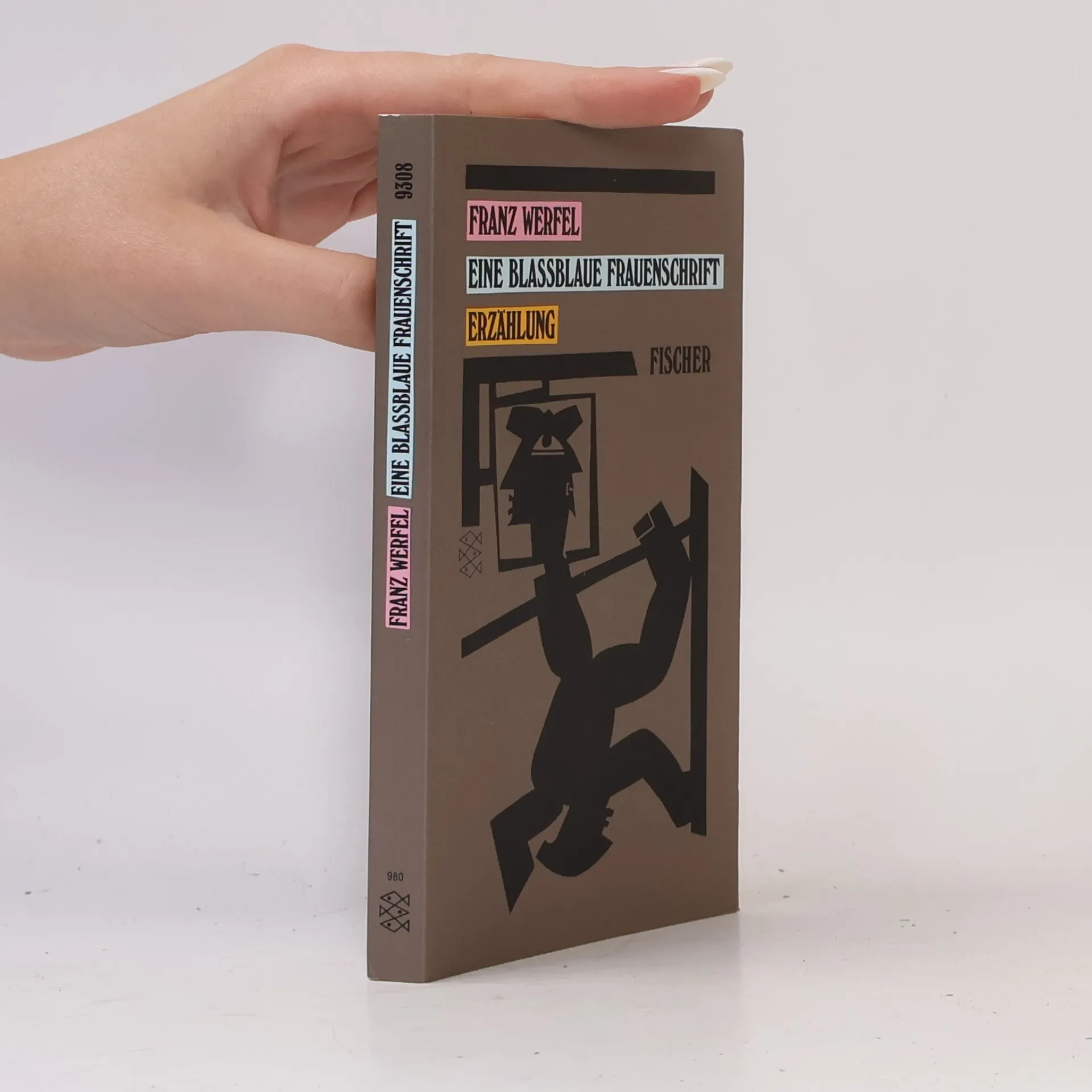
In February 1940, Franz Werfel embarked on a new short novel, a departure from his earlier bestsellers, which would unfold as a tragicomic tale reflecting a world on the brink of becoming inhospitable. This narrative serves as a prelude to Holocaust literature, centering on a suppressed love triangle involving Leonidas Tachezy, a high-ranking Austrian bureaucrat; his younger wife Amelie; and Vera Wormser, a Jewish woman from his past. Leonidas had fallen in love with Vera when she was just fourteen, but after marrying Amelie, he encounters Vera again in a German university town. He promises her marriage but ultimately withdraws from her life, returning to his comfortable existence until a letter arrives, penned in Vera's unmistakable pale blue ink. In a manner reminiscent of Humbert Humbert in Lolita, Leonidas recounts his "crime" against Vera to an imaginary courtroom, revealing the characters' evasions and self-deceptions. The story captures the essence of interwar Austria, highlighting the complexities of anti-Semitism and the diverse Austrian populace. This NEA-award-winning translation makes Werfel's novella accessible to a new generation, affirming his place alongside contemporaries like Mann, Kafka, and Musil in the literary canon.