



Bibi
- 736bladzijden
- 26 uur lezen
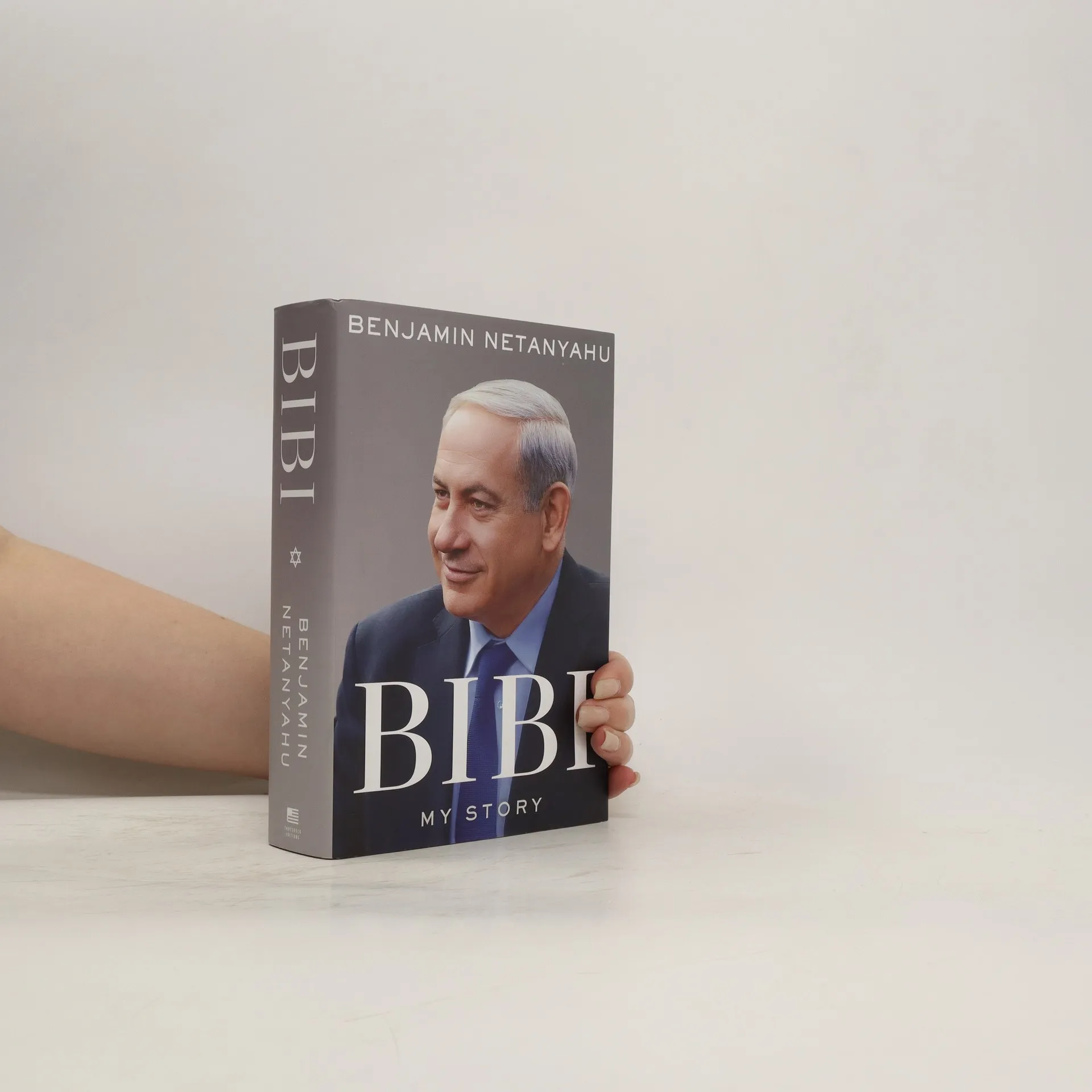
"From their earliest days, Bibi and his close-knit brothers, Yoni and Iddo, were instilled with purpose. Born in the wake of the Holocaust at the dawn of Israel's independence and raised in a family with a prominent Zionist history, they understood that the Jewish state was a hard-won and still precarious gift. All three studied in American high schools--where they learned to appreciate the United States--before returning to their cherished homeland. The brothers joined an elite special forces outfit of the Israeli Defense Forces known as "the Unit." At twenty-two, Bibi was wounded while leading his team in the rescue of hostages from a hijacked plane. Four years later, in 1976, Yoni was killed in Entebbe, Uganda, while leading his men in one of the most daring hostage-rescue missions in modern times. Yoni became a legend; Bibi felt he would never recover from his grief. Yet, inspired by Yoni's legacy and guided by the wisdom of his visionary historian father, Bibi thrust himself into the international struggle against terrorism, ultimately becoming the longest-serving prime minister in Israel's history. In this memoir Bibi weaves together his gripping personal story with the dramatic history of Israel and the Jewish people." -- Dust jacket