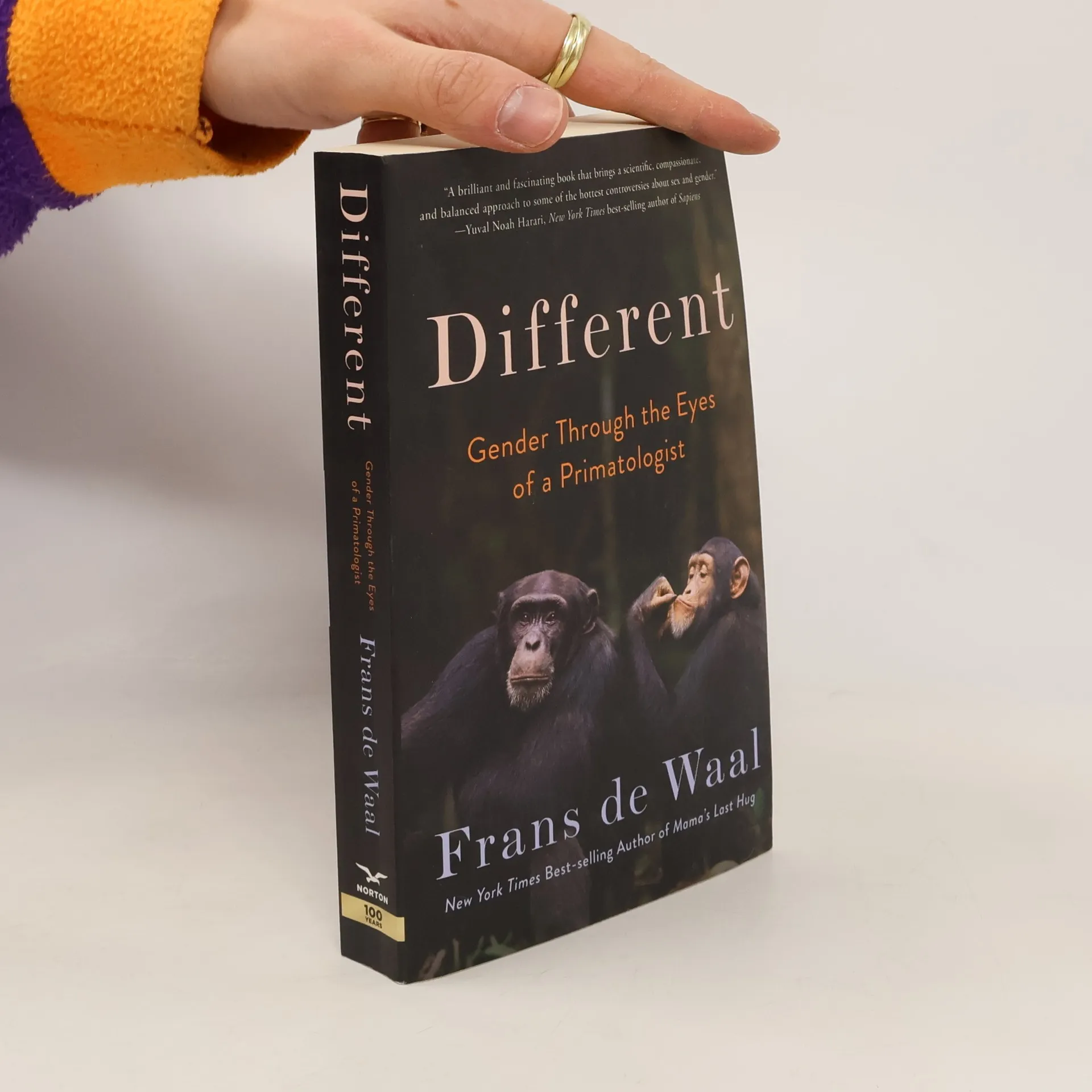
Though many scholars now argue that gender differences are purely a product of socialization, primatologist Frans de Waal illustrates in Different the scientific, evolutionary basis for gender differences in humans, drawing on his decades of experience working with our closest ape relatives: chimpanzees and bonobos. De Waal illuminates their behavioral and biological differences, and compares and contrasts them with human behavior: male domination and territoriality in chimpanzees and the female-led pacific society of bonobos.In his classic conversational style and a narrative rich in anecdotes and wry observations, de Waal tackles topics including gender identity, sexuality, gender-based violence, same-sex rivalry, homosexuality, friendship, and nurturance. He reveals how evolutionary biology can inform a more nuanced—and equitable—cultural understanding of gender. Ultimately, he argues, our two nearest primate relatives are equally close to us, and equally relevant. Considering all available evidence, we can learn much about ourselves and embrace our similarities as well as our differences.
Frans B. M. Waal Volgorde van de boeken (chronologisch)
Frans de Waal is een invloedrijke auteur en primatoloog wiens werk zich verdiept in de complexe wereld van dierlijke intelligentie en gedrag. Door middel van nauwgezet onderzoek en toegankelijk schrijven onthult hij de diepgaande cognitieve vermogens en sociale structuren van onze dierlijke verwanten. Zijn geschriften dagen conventionele ideeën over menselijke uniciteit uit en dringen er bij lezers op aan hun relatie met het dierenrijk te heroverwegen. De Waal biedt een boeiend perspectief op wat het betekent om in bredere zin intelligent en bewust te zijn, en benadrukt de continuïteit tussen soorten.


Mama's laatste omhelzing
over emoties bij dieren en wat ze ons zeggen over onszelf
- 368bladzijden
- 13 uur lezen
Mama’s Last Hug is a fascinating exploration of the rich emotional lives of animals— beginning with Mama, a chimpanzee matriarch who formed a deep bond with biologist Jan van Hooff. Her story and others like it show that humans are not the only species with the capacity for love, hate, fear, shame, guilt, joy, disgust, and empathy, and open our hearts and minds to the many ways in which humans and other animals are connected. “Through colorful stories and riveting prose, de Waal firmly puts to rest the stubborn notion that humans alone in the animal kingdom experience a broad array of emotions.” — Barbara J. King, NPR “De Waal’s eye- opening observations argue for better treatment and greater appreciation of animals, even as he ensures that you’ll never look at them—or yourself—the same way again.” — People
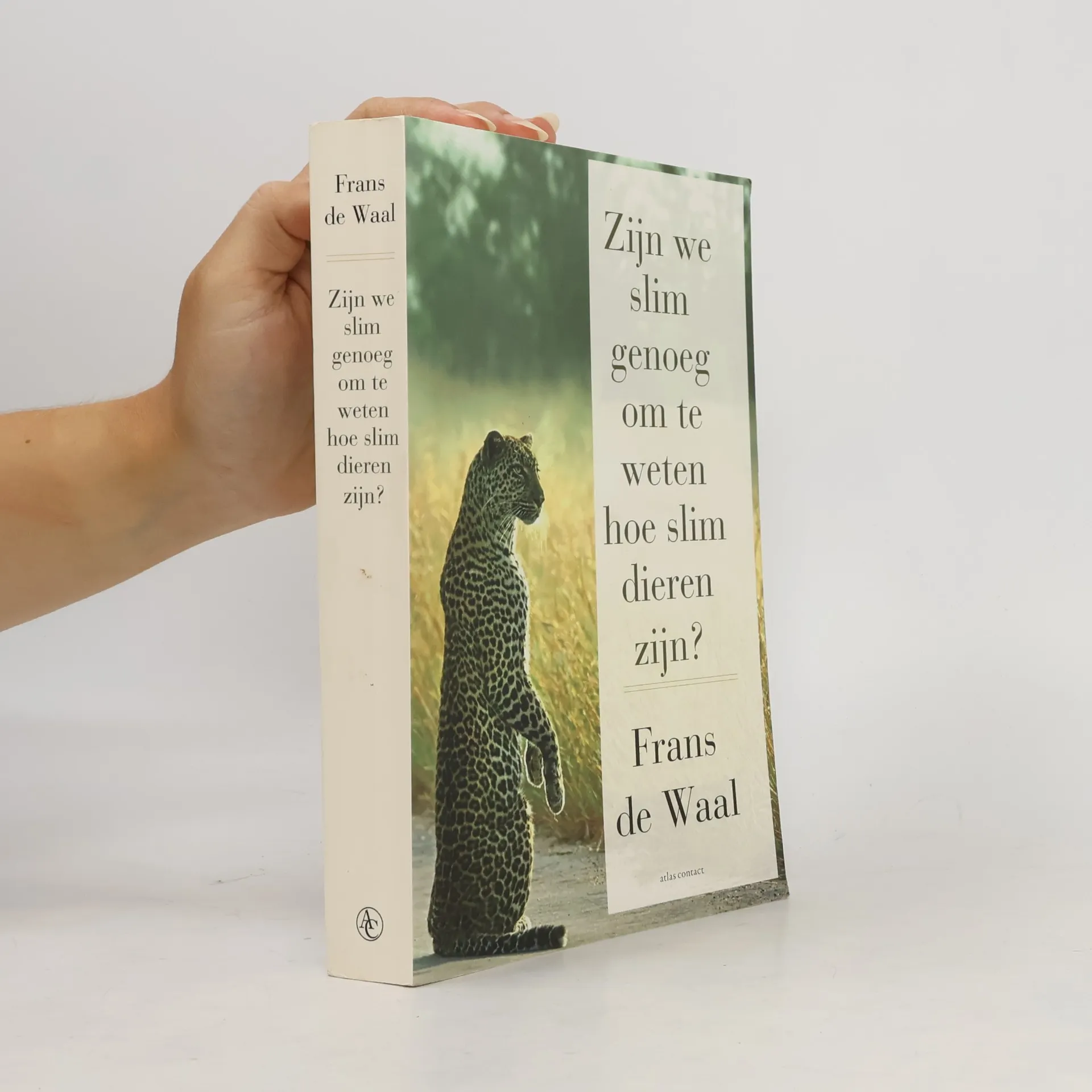
Zijn we slim genoeg om te weten hoe slim dieren zijn?
- 336bladzijden
- 12 uur lezen
Kan een octopus gereedschap gebruiken? Weten chimpansees wat eerlijk is? Kan een vogel raden wat een andere vogel weet? Voelen ratten empathie met hun vrienden? Niet zo lang geleden zou het antwoord op al deze vragen ‘Nee’ geweest zijn, maar nu zijn we er niet meer zo zeker van. Als je goed kijkt, blijken dieren een stuk slimmer te zijn dan we dachten. Wat is het verschil tussen menselijke en dierlijke intelligentie, en vooral: hoe komen we daarachter? Het zijn vragen die Frans de Waal al zijn hele carrière bezighouden. De laatste jaren heeft het onderzoek naar dierlijke intelligentie een grote vlucht genomen. Onderzoekers proberen zich steeds meer te verplaatsen in het standpunt van de dieren. In Zijn we slim genoeg om te weten hoe slim dieren zijn? maakt Frans de Waal de balans op. Een fascinerend boek dat je op een werkelijk andere manier laat kijken naar wat dier én mens kunnen.
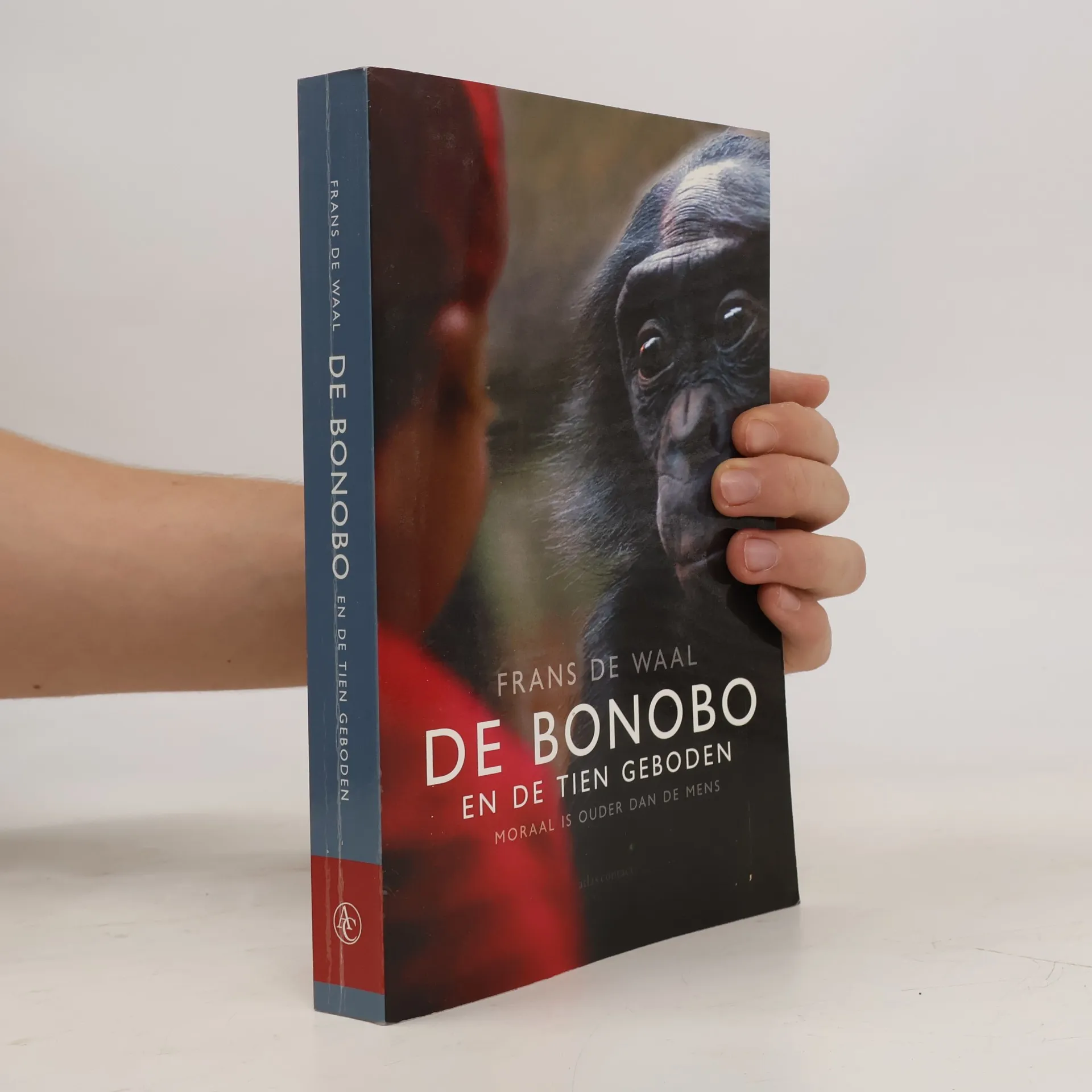
Hebben we religie nodig om goed te zijn? Frans de Waal beantwoordt deze vraag door te kijken naar apen en andere dieren. Hoe dicht ze ook bij ons staan, in een bonobogemeenschap is nog nooit een kerk opgericht. Maar dat is ook helemaal niet nodig: in het goddeloze universum van de bonobo of de chimpansee bestaan medelijden, zorgzaamheid en rechtvaardigheid wel degelijk. Dat deze eigenschappen ouder zijn dan de mensheid, laat De Waal zien in De bonobo en de tien geboden, zijn verhalend geschreven boek over de evolutionaire basis van ons betere zelf.
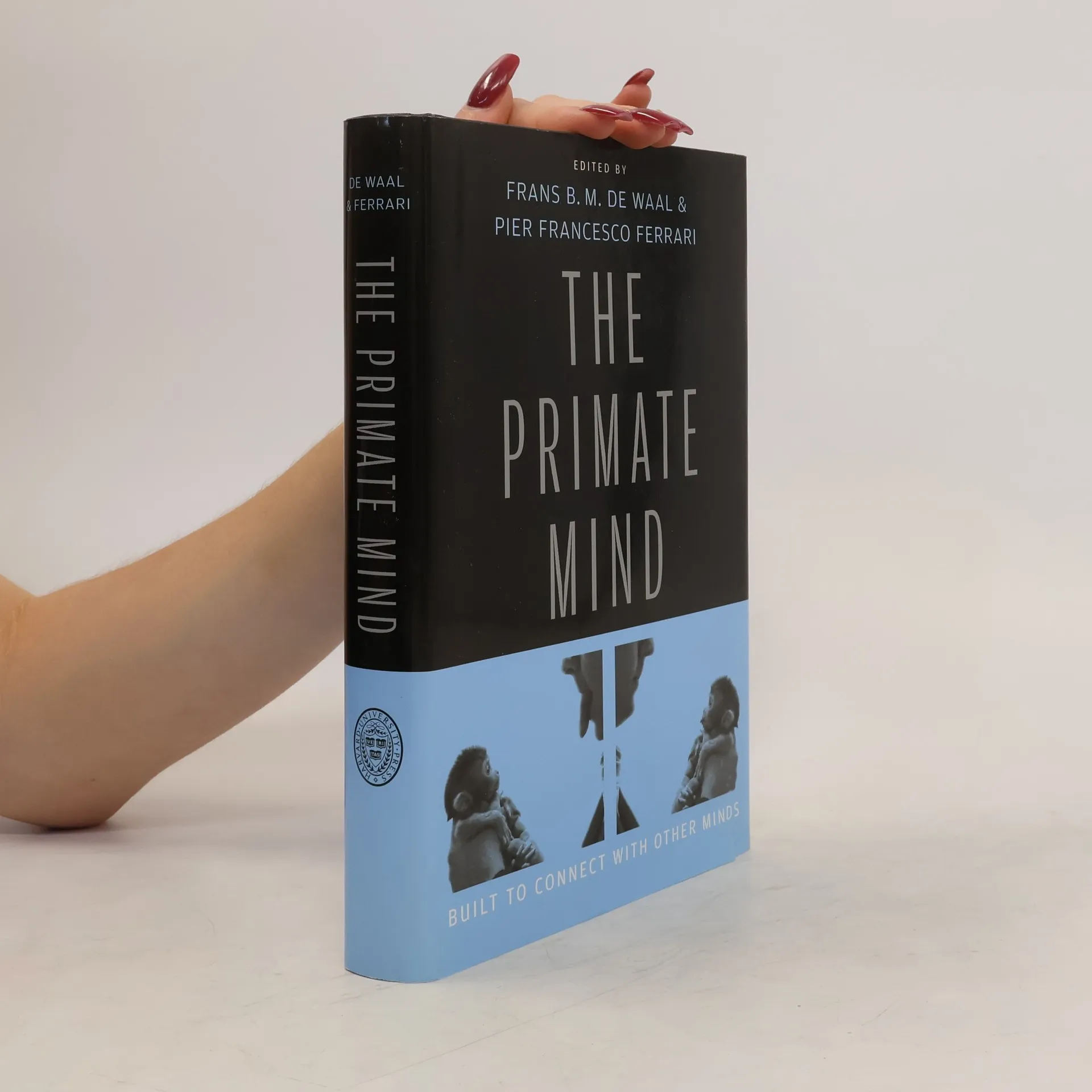
The Primate Mind
Built to Connect with Other Minds
Prominent neuroscientists, psychologists, ethologists, and primatologists from around the world take a bottom-up approach to primate social behavior by investigating how the primate mind connects with other minds and exploring the shared neurological basis for imitation, joint action, and empathy as well as their evolutionary foundations.
Onderzoek naar overeenkomsten en verschillen in sociaal gedrag van chimpansees, bonobo's en mensen.
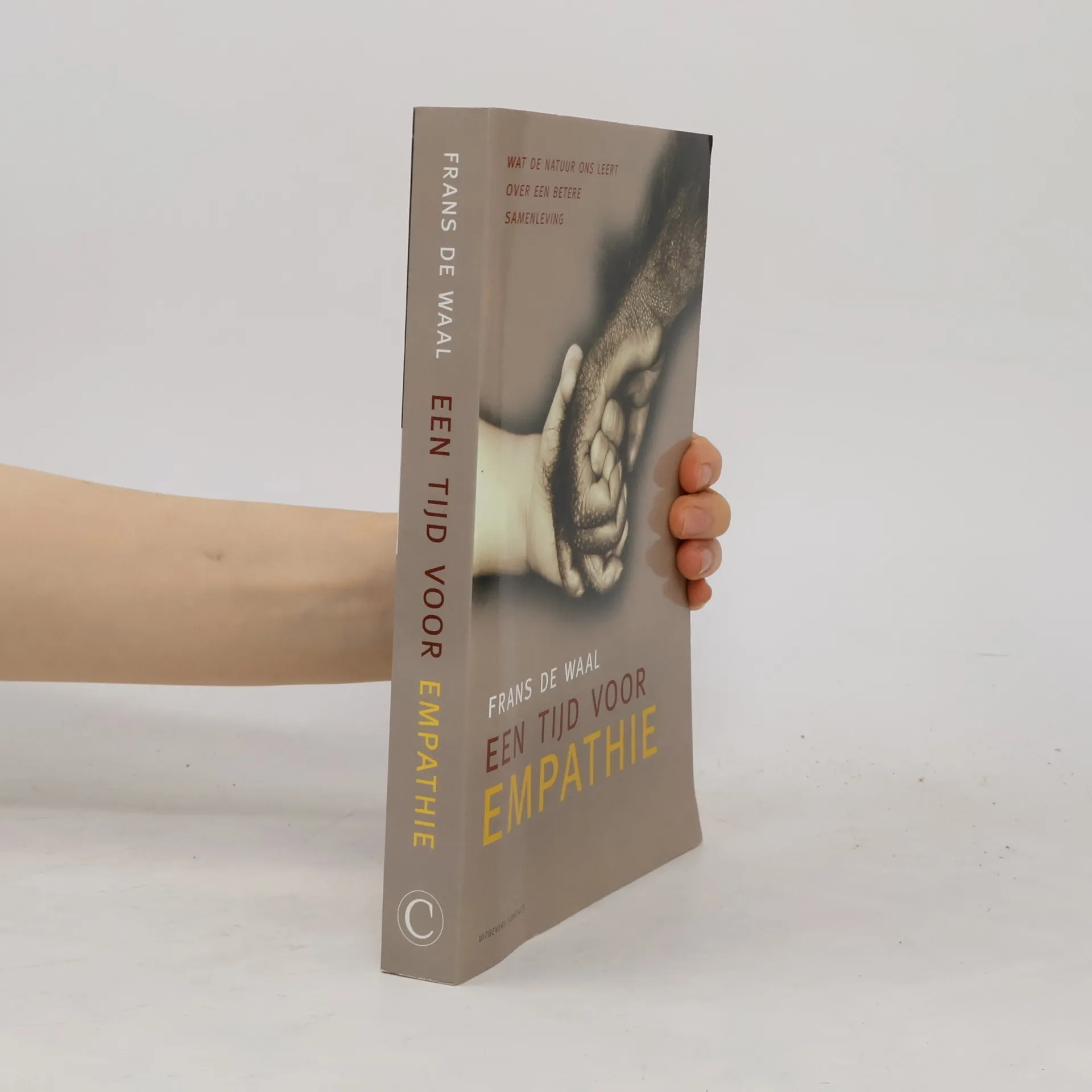
Een tijd voor empathie
Wat de water ons leert over een betere samenleving - druk 8
- 311bladzijden
- 11 uur lezen
Beschouwing over empathie en sociaal gedrag als overlevingsmechanisme in samenlevingen.
Primates and Philosophers
- 232bladzijden
- 9 uur lezen
"Can virtuous behavior be explained by nature, and not by human rational choice? In Primates and philosophers, renowned primatologist Frans de Waal explores the biological foundations of one of humanity's most cherished traits: morality. Drawing on Darwin, recent scientific advances, and his extensive research of primate behavior, de Waal argues that modern-day evolutionary biology incorrectly reinforces our habit of labeling ethical behavior as humane and the less civilized as animalistic. His compelling account of how human morality evolved out of mammalian society will fascinate anyone who has ever wondered about the origins and reach of human goodness."--Page 4 of cover
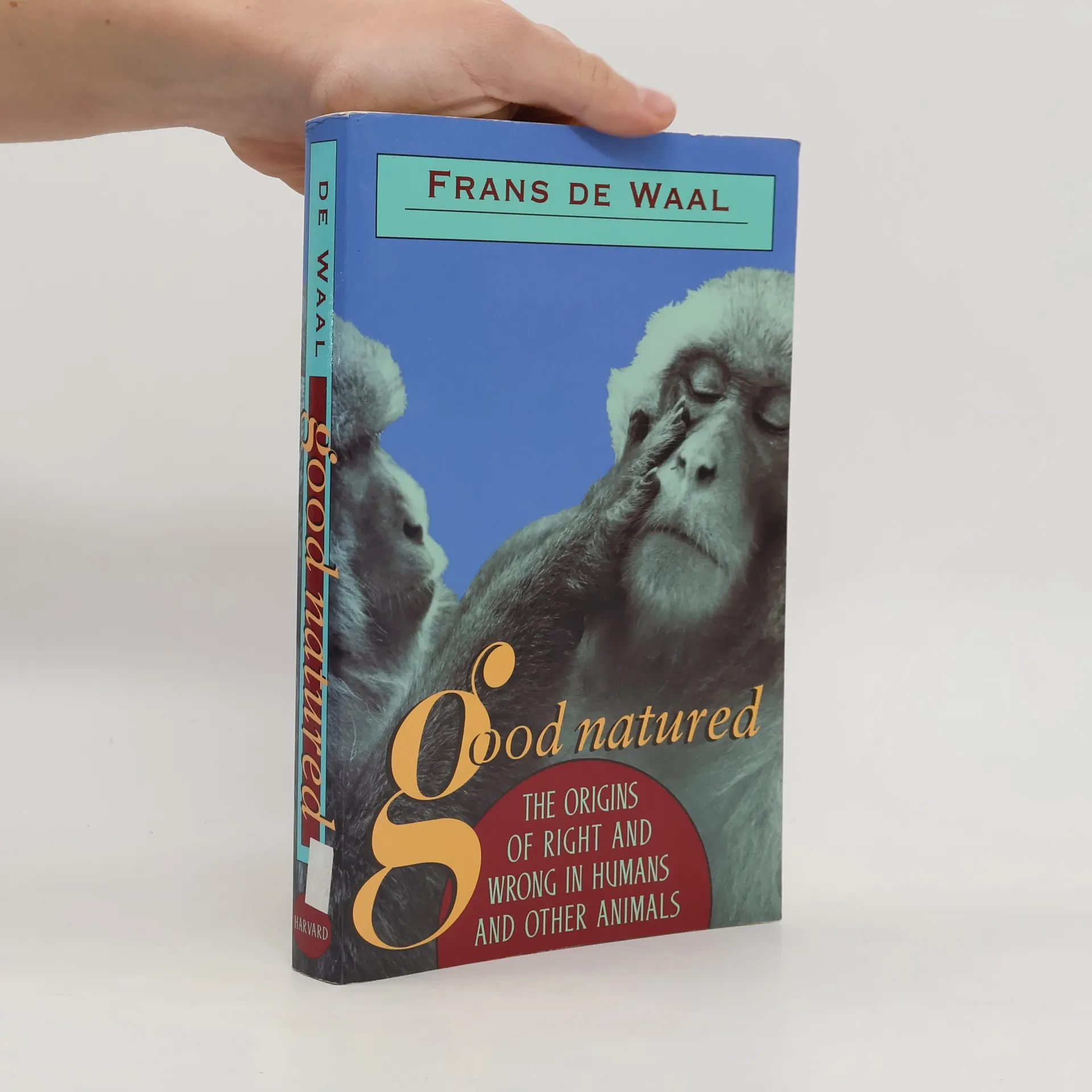
We have long attributed man's violent, aggressive, competitive nature to his animal ancestry. But what if we are just as given to cooperation, empathy, and morality by virtue of our genes? From a scientist and writer whom E.O. Wilson has called 'the world authority on primate social behavior' comes a lively look at the most provocative aspects of human nature - power, sex, violence, kindness, and morality - through our two closest cousins in the ape family. For nearly 20 years, Frans de Waal has worked with both the famously aggressive chimpanzee and the lesser-known egalitarian, erotic, matriarchal bonobo, two species whose DNA is nearly identical to that of humans. He brings these apes to life on every page, revealing their personalities, relationships, and power struggles, creating an engrossing narrative that explores what their behaviour can teach us about ourselves and each other.
Kniha Dobráci od přírody se zabývá evolucí morálky a hledá její kořeny mezi našimi nejbližšími příbuznými – vyššími primáty. Mezi příbuznými, s nimiž máme společného víc, než jsme si mnohdy ochotni přiznat...
Ein amüsanter und intelligenter Bildband über erstaunliche Ähnlichkeiten§§Ungewöhnliche Fotos und Texte zeigen, wie komplex und intensiv die sozialen Beziehungen von Primaten sind und dass Primaten genauso vielfältige Ausdrucks- und Verhaltensweisen besitzen wie wir Menschen.§§Seit mehr als dreißig Jahren untersucht Frans de Waal, einer der herausragendsten Primatologen der Welt und Autor von Bestsellern wie "Der gute Affe" und "Bonobos. Die zärtlichen Menschenaffen", das Leben von Primaten in Zoos, Forschungsparks und in freier Natur. Über die Jahre hat er eine unglaubliche Menge an Fotomaterial von unseren nächsten Verwandten angesammelt. Die Auswahl an Fotografien für dieses Buch fängt die soziale Interaktion von Bonobos, Schimpansen, Kapuzineräffchen, Pavianen und Makaken ein und zeigt die feinen Gesten, Ausdrucksweisen und Bewegungen, die die meisten Naturfotografen oder gelegentlichen Beobachter so faszinieren. De Waal bietet zu jedem Foto einen Begleittext, der seine Beobachtungen und Eindrücke sowie seine professionellen Interpretationen schildert. Das Ergebnis ist ein besonders berührender und zugleich persönlicher Einblick in die Gesellschaftsstruktur der Primaten.
De aap en de sushimeester - over cultuur bij de dieren
culturele bespiegelingen van een primatoloog
- 320bladzijden
- 12 uur lezen
Cultuur is per definitie iets van mensen. Zodra dieren gedrag vertonen dat op cultuur lijkt wordt dat direct verklaard met 'instinct' of 'imitatie', andere opvattingen worden weggewuifd als antropocentrisch. Frans De Waal verzet zich tegen deze benauwde visie en laat in dit boek zien dat cultuur bij dieren wel degelijk aangetoond kan worden. Het beroemdste voorbeeld daarvan, het Japanse makakenvrouwtje dat zichzelf, haar groepsgenoten en nakomelingen leerde om voedsel in zeewater af te spoelen, is het uitgangspunt van De Waals reis door het dierenrijk. De vragen die hij daarbij stelt zijn diepgaand. Wat bedoelen wij met 'cultuur'? Is het mogelijk om cultuur waar te nemen bij dieren? En wat betekent die waarneming voor ons eigen zelfbeeld? Hij beschrijft apen die grappen maken met de mensen om hen heen, apen die een stenen aambeeld gebruiken om noten te kraken, orca's die hun jongen leren om het strand op te duiken om daar een prooi te verschalken, opvallende gedragsverschillen tussen de verschillende volkeren van één apensoort. Al deze waarnemingen leiden tot zijn onontkoombare conclusie dat wij ons laatste bastion moeten opgeven. Cultuur is niet langer een uniek menselijke uitvinding en komt ook voor bij dieren. "De aap en de sushimeester" zal een klassiek boek blijken te zijn, het begin van een nieuw tijdperk waaarin wij het aloude conflict tussen natuur en cultuur voorgoed zijn ontstegen.
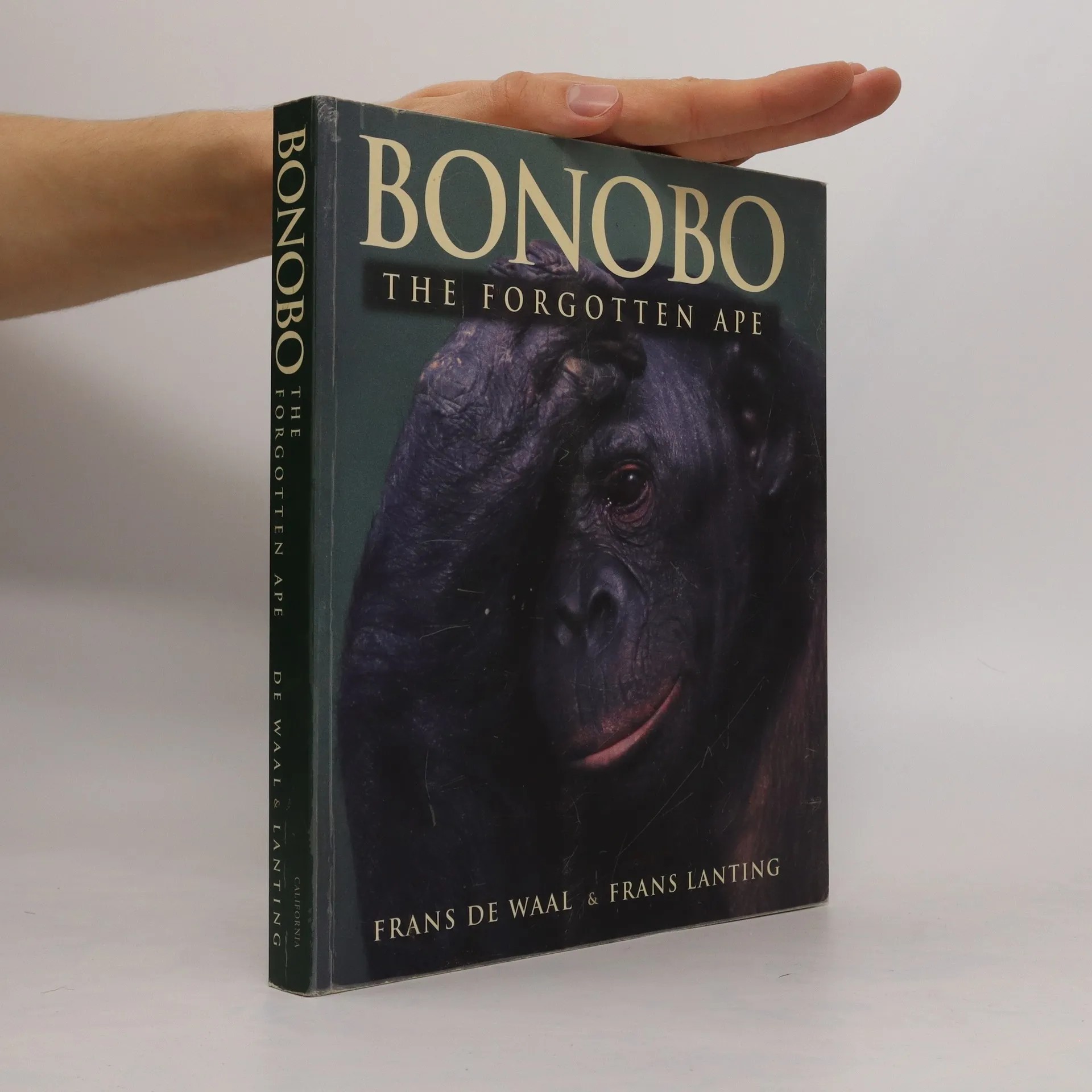
Bonobo
- 200bladzijden
- 7 uur lezen
Primatologist Frans de Waal and wildlife photographer Frans Lanting present the most up-to-date perspective available on the bonobo, the least known of the great apes. 75 color plates.
The author challenges those who have declared ethics uniquely human. Making a case for a morality grounded in biology, he shows that ethical behaviour, in humans and animals alike, is as much a matter of evolution as any other trait. Anecdotes, theories and data are used throughout.
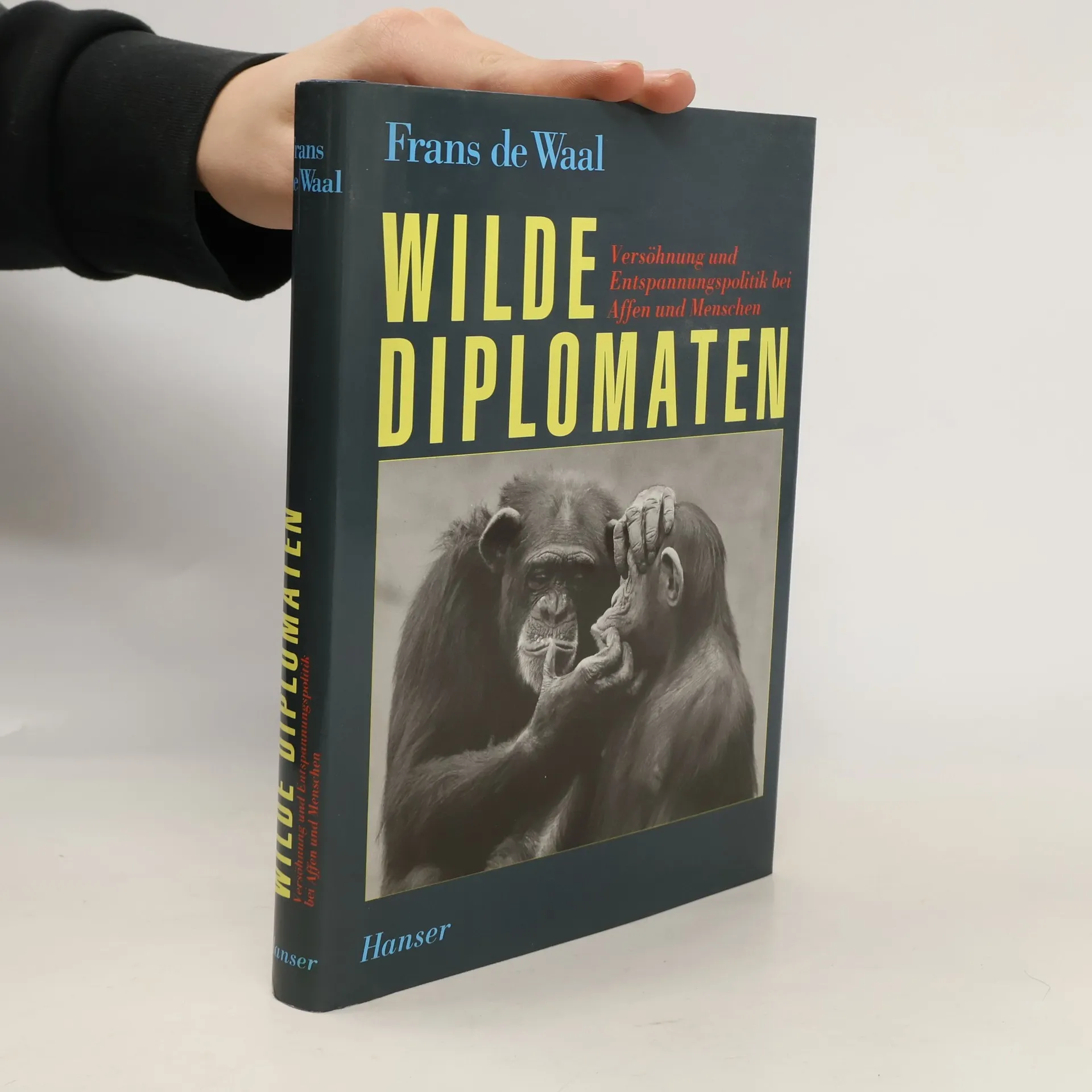
Wilde Diplomaten
- 295bladzijden
- 11 uur lezen
Die Botschaft von Frans de Waals Buch ist einfach, aber grundlegend: Schon bei den Primaten haben sich, Hand in Hand mit Konkurrenz und aggressiven Tendenzen, starke und wirkungsvolle Mechanismen der Versöhnung und des Friedensstiftens entwickelt. Er demonstriert überzeugend, daß wir, die Menschen, diese Fähigkeit zur Konfliktlösung geerbt haben, und er widerlegt die Ansicht, daß biologisch verwurzelte Aggressivität die sozialen Beziehungen unveränderbar beherrschen müssen. Wir dürfen uns nicht der Illusion hingeben, daß aggressive Neigungen uns jemals verlassen werden, doch sollten wir ebensowenig unser Erbe an Versöhnungsbereitschaft vernachlässigen. (Süddeutsche Zeitung). Zu dieser neuen Betrachtungsweise trägt das kenntnisreich und zugleich unterhaltsam geschriebene Buch ein gut Teil bei.
In 1976 brak in de chimpanseekolonie in Burgers Zoo in Arnhem een langdurige machtsstrijd uit tussen de drie sterkste mannen: Luit, Yeroen en Nikki. Frans de Waals onderzoek van dit conflict was uniek in zijn nauwkeurigheid en uitvoerigheid, en de discussie die hij met Chimpanseepolitiek heeft losgemaakt is nog altijd niet verstomd. Newt Gingrich, voormalig voorzitter van het Amerikaanse huis van Afgevaardigden, raadde dit boek aan als verplichte kost voor politici. De Waal observeerde niet alleen, hij interpreteerde ook het gedrag van de chimpansees in termen van 'menselijke' emoties en drijfveren. Mede daardoor krijgt de machtsstrijd tussen deze mensapen de dramatische allure van een shakespeareaanse tragedie. Het bleek dat ook onder chimpansees de zucht naar macht en seks kan leiden tot verraad, geweld en zelfs een gruwelijke moord. Chimpanseepolitiek is wetenschap op zijn allerspannendst.