Gedreven door een levenslange passie voor natuur en dieren, heeft deze auteur een doctoraat in de dierkunde en benadert ze haar schrijven met een onverzadigbare nieuwsgierigheid. Ze ontdekte dat schrijven een lonende manier bood om haar kennis te delen en tegelijkertijd het gezinsleven in evenwicht te houden. Haar werk duikt in non-fictie, met een bijzondere focus op de Westwaartse expansie van de Verenigde Staten, wat haar toewijding aan grondig onderzoek en de wens om voortdurend te leren aantoont. Elk boekproject stelt haar in staat om haar liefde voor het ontdekken van nieuwe 'dingen' te bevredigen, en biedt lezers een kijkje in zorgvuldig onderzochte historische en natuurlijke werelden.
A stunning exploration of the mercury pollution in Montanathat causes harm to
humans and ospreys alike. Engrossing narrative nonfiction with fun webcam
photos makes for an engaging addition to the award-winning Scientists in the
Field series.
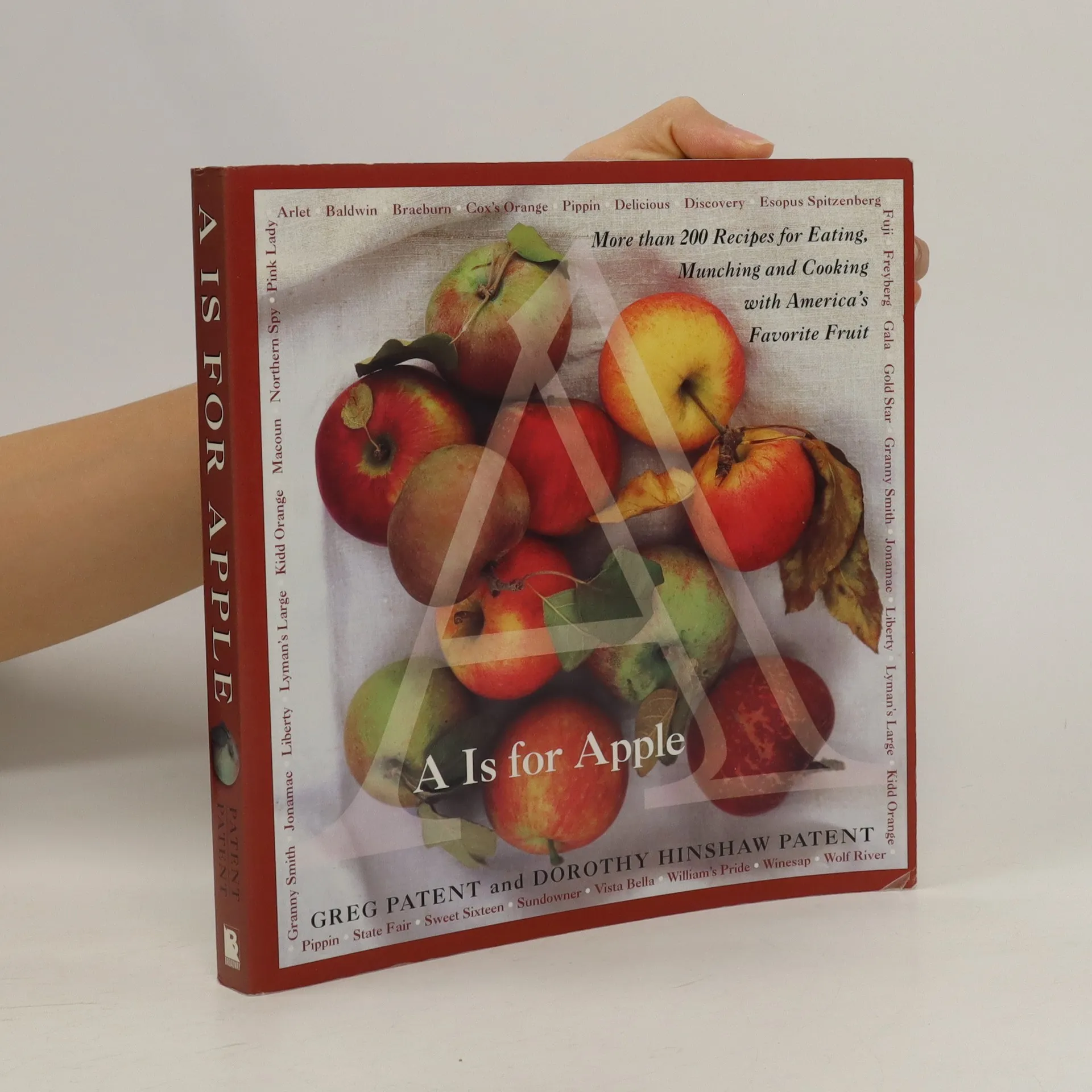
A tart-sweet, sun-crisped apple plucked from a hundred-year-old tree and eaten out of hand. A mug of hot curried apple soup enjoyed as an autumn lunch. Cider-braised duck legs with onions and cabbage. Warm deep-dish apple pie topped with a melting scoop of apple-cinnamon ice cream. Everyone has tasted Golden Delicious and Granny Smith apples, but how about Esopus Spitzenbergs or Sweet Sixteens? With more apple varieties available than ever before, how do you choose the right apple for eating, cooking, and baking? In A Is for Apple you'll discover the many pleasures of America's favorite fruit. Filled with helpful hints on how to grow, select, and cook a wide variety of apples, this bountiful collection presents more than 200 recipes for everything from soups, salads, and salsas to crisps, cobblers, and cheesecakes.
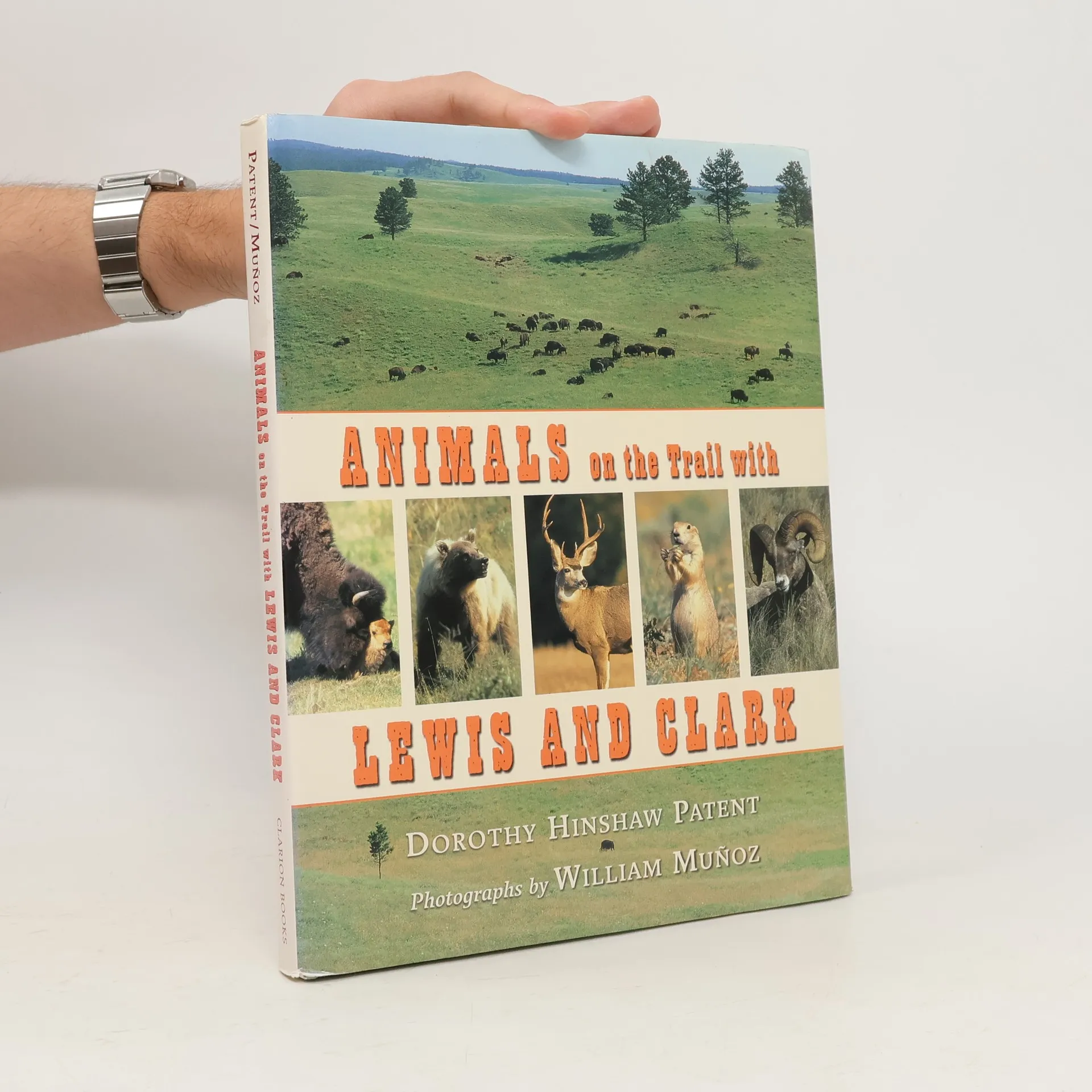
In 1804 Meriwether Lewis and William Clark were sent by President Thomas Jefferson to explore the largely uncharted western territory of North America, and thus became critical figures in America’s expansion and major contributors to its scientific scholarship. They observed and documented scores of animals, including the Great Plains wolf, mule deer, prairie dogs, grizzly bears, and salmon. Several species and subspecies of mammals, birds, and fish previously unknown to science were recorded for the first time; the information gathered would serve as the basis of scientific study for years to come.Collected here are stunning photographs by William Munoz that catalog the diverse array of wildlife witnessed by Lewis and Clark. Nature lovers and history buffs alike will be intrigued by this unusual account of the journey, whose bicentennial will soon be celebrated. Route maps, suggestions for further reading, chronology of animals sighted, index.
Tells of the transformative period in the early 16th century when the Spaniards introduced horses to the Great Plains, and how horses became, and remain, a key part of the Plains Indians' culture.