From the bestselling author of Under the Black Flag, comes the definitive biography of the swashbuckling 19th century maritime hero upon whom Jack Aubrey and Horatio Hornblower are based.Nicknamed le loup des mers ("the sea wolf") by Napoleon, Thomas Cochrane was one of the most daring and successful naval heroes of all time. In this fascinating account of Cochrane's life, David Cordingly, author of the bestselling Under the Black Flag and The Billy Ruffian , unearths startling new details about the real-life "Master and Commander," from his daring exploits against the French navy to his role in the liberation of Chile, Peru, and Brazil, and the shock exchange scandal that forced him out of England and almost ended his naval career. Drawing on previously unpublished papers, his own travels, wide reading, and the kind of original research that distinguished The Billy Ruffian , Cordingly tells the rip-roaring story of the archetypal Romantic hero who conquered the seas and, in the process, defined his era.
David Cordingly Volgorde van de boeken (chronologisch)
David Cordingly is een vooraanstaand Engels marinehistoricus, algemeen erkend als een toonaangevende autoriteit op het gebied van piraterij. Zijn uitgebreide werk duikt in de romantiek en de realiteit van het leven op zee, waarbij historische feiten worden gescheiden van mythen en legenden. Cordingly's geschriften verkennen de levens van zeelieden en de rol van vrouwen in de maritieme geschiedenis, geworteld in nauwgezet onderzoek en meeslepende verhalen. Zijn analyses bieden lezers een diepe duik in de fascinerende wereld van maritieme avonturen en belangrijke historische gebeurtenissen.


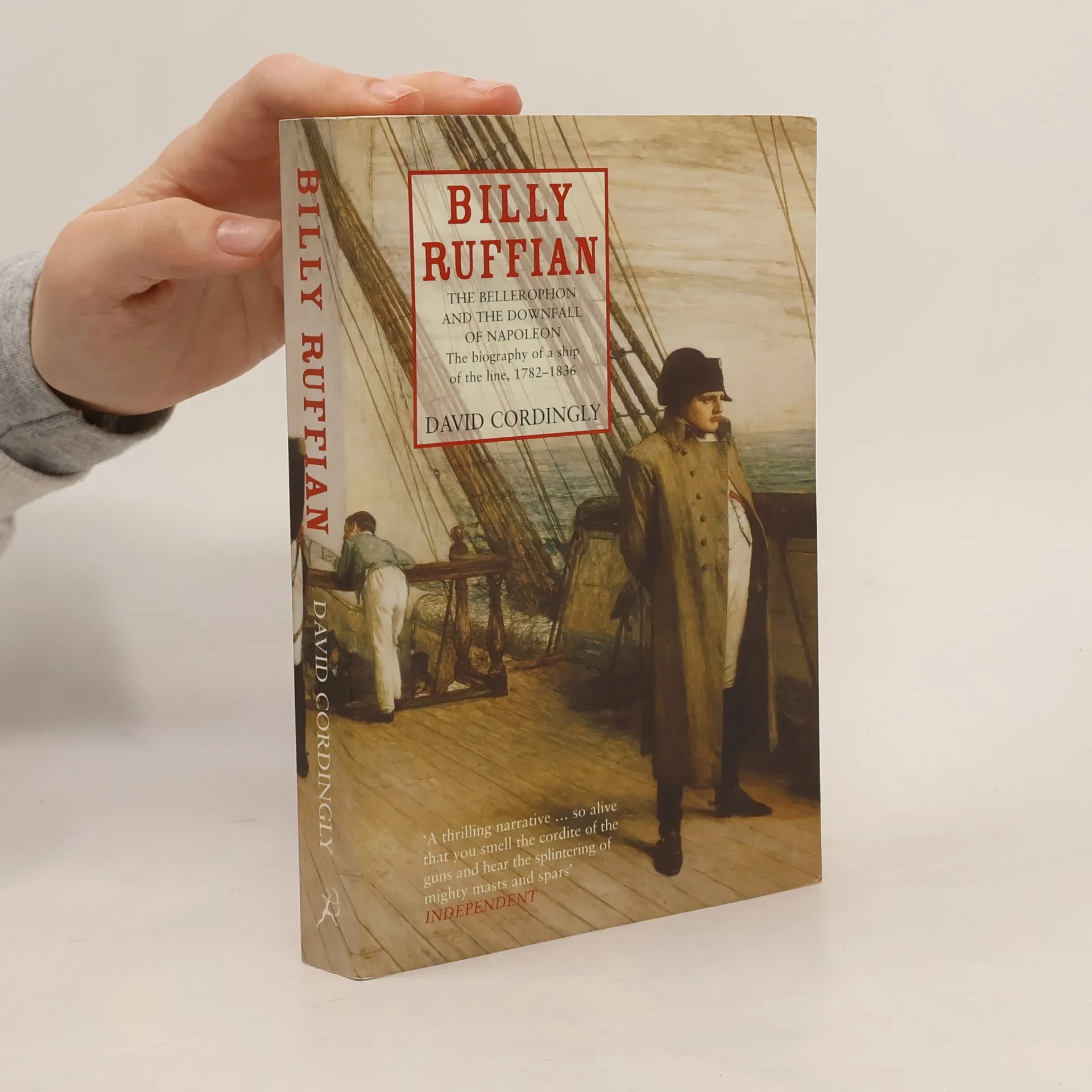


Under fourteen captains, the ship Bellerophon played a conspicuous part in three of the most famous sea battles: the battle of the Glorious First of June (1794); the battle of the Nile (1798); and the battle of Trafalgar (1805). This book presents the story of an eighteenth-century fighting ship - known to her crew as the Billy Ruffian.
Piraten
- 256bladzijden
- 9 uur lezen
A wonderful illustrated history of pirates from the sixteenth century until present.
Piracy has long attracted ruthless individuals seeking fortune. For young men, it provided an escape from monotonous shore jobs, offering excitement, treasure, and the allure of adventure, including wine, women, and travel. However, it was a perilous pursuit; most famous pirates, like Blackbeard and Kidd, had brief careers lasting only two to three years, and few, such as Morgan or Drake, lived long enough to enjoy their ill-gotten gains. Historically, piracy has existed since ancient times, with Phoenician merchant ships targeted in the Mediterranean during the second millennium B.C. In Greece, Aegean islands were home to generations of pirates, and in 78 B.C., Julius Caesar was famously held for ransom by them. The discovery of vast gold treasures by Spanish conquistadores in the New World ignited two centuries of buccaneering, marking the Golden Age of Piracy. Meanwhile, the riches of the East led to the emergence of formidable pirates in the South China Sea, known for their numbers and brutality. Piracy has never fully disappeared; it persists along the coasts of Brazil, West Africa, and notably in the Malacca Strait, where the world's highest concentration of merchant shipping continues to attract these ancient marauders.
Examines the popular image of pirates in modern times and compares it with the real world of pirates, who were more often murderers and thieves than romantic heros.