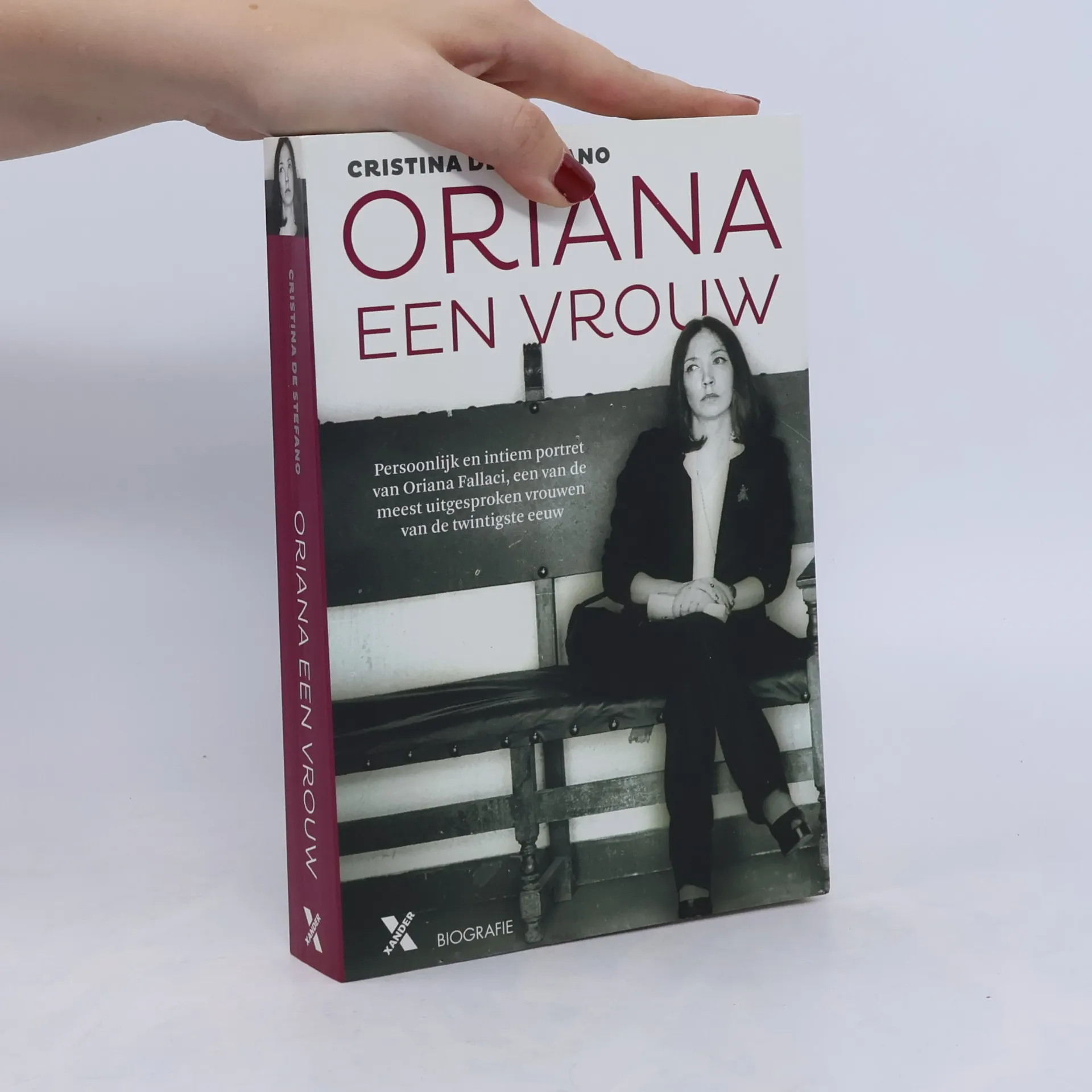
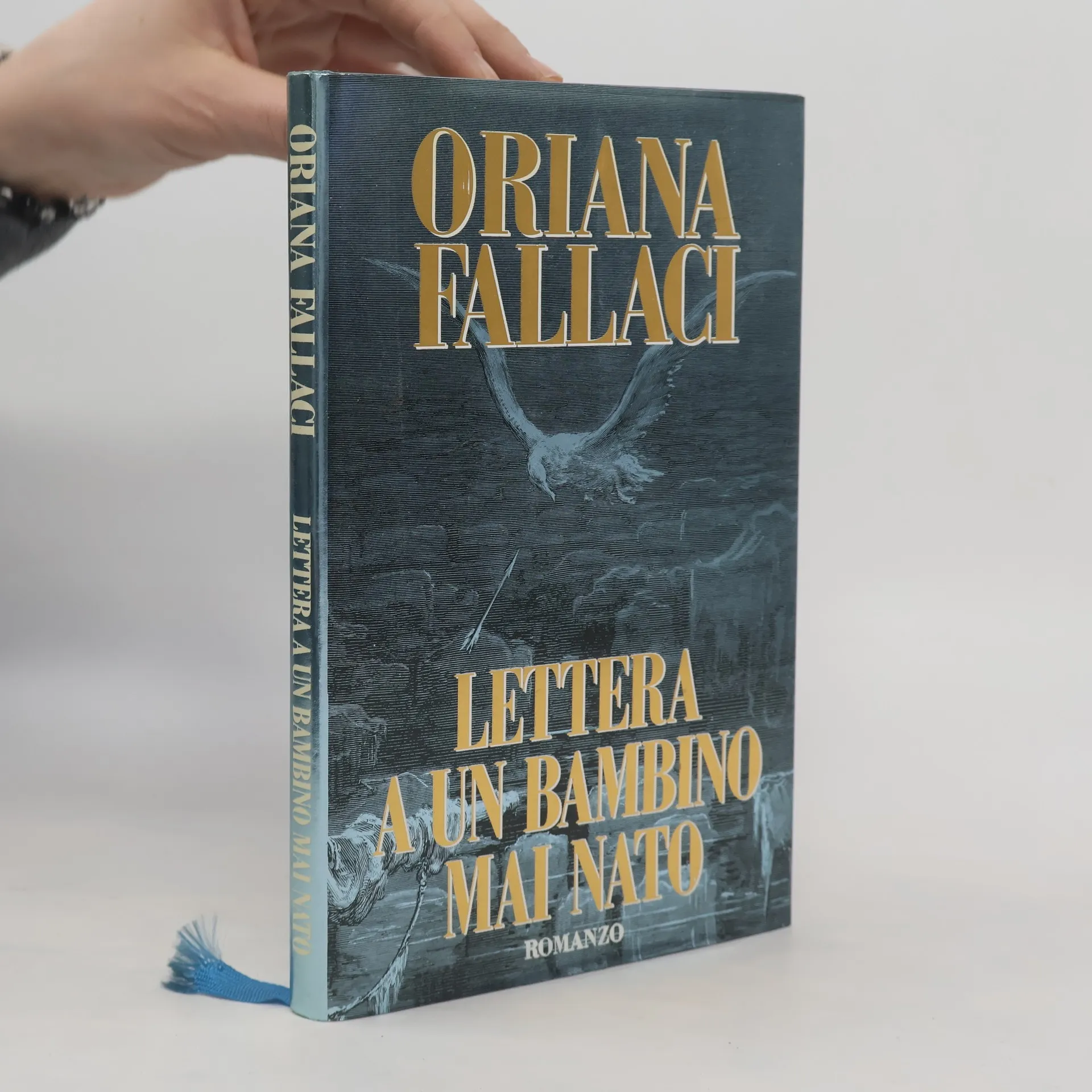
Niets en zo zij het
- 354bladzijden
- 13 uur lezen
Autobiografie van de Italiaanse journaliste ten tijde van de oorlog in Vietnam.


Oriana Fallaci, journaliste en romanschrijfster, stond bekend om haar onverschrokken aanpak van oorlogsverslaggeving en politieke interviews. Haar geschriften duiken vaak in de rauwe realiteit, waarbij thema's als oorlog, politiek en de menselijke strijd worden onderzocht. Fallaci stond bekend om haar individualistische perspectief, dat feministen soms van streek maakte, naast haar verering van heroïsche mannelijkheid. Haar literaire stijl wordt als baanbrekend beschouwd en doorbreekt de conventionele grenzen van interviews en verslaggeving.

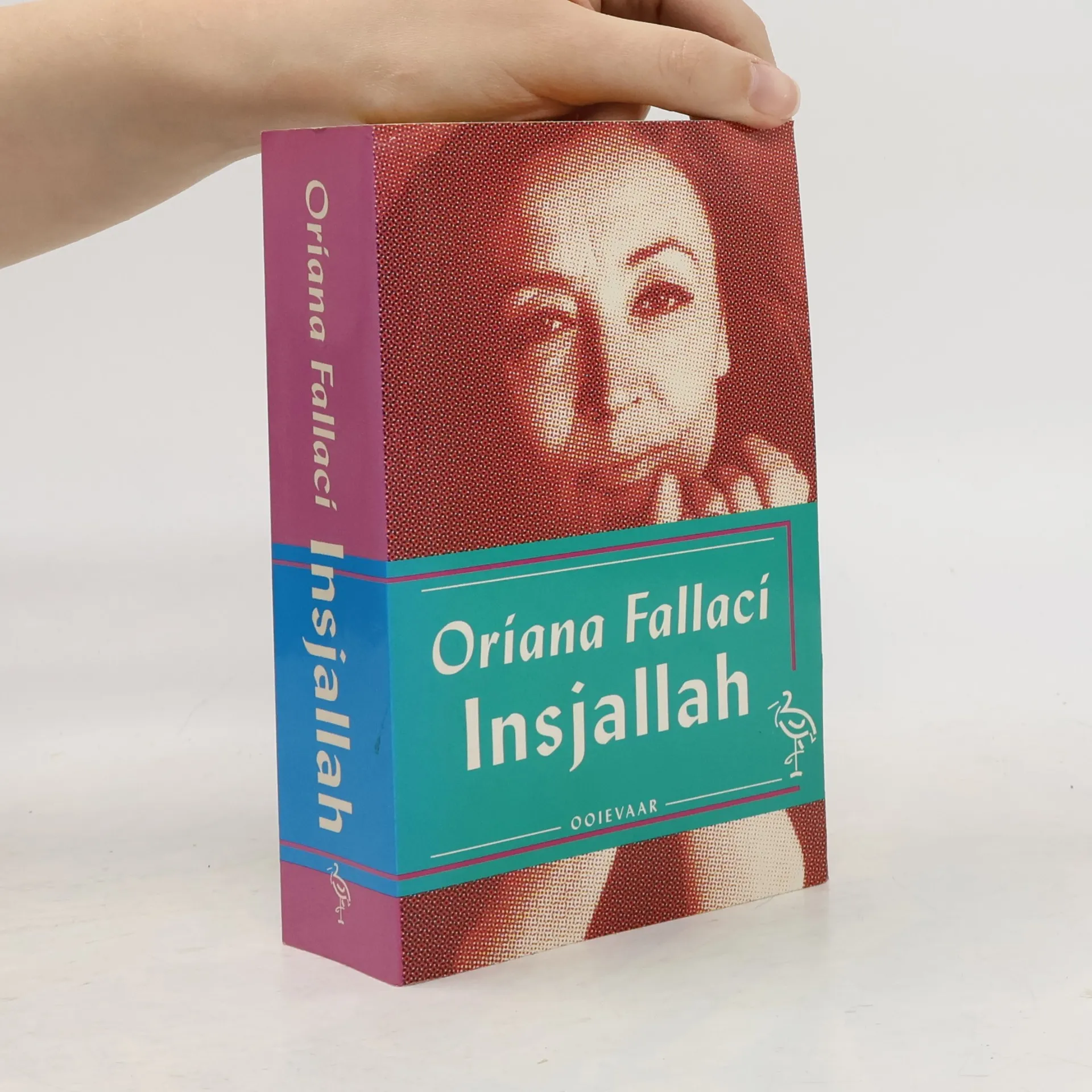
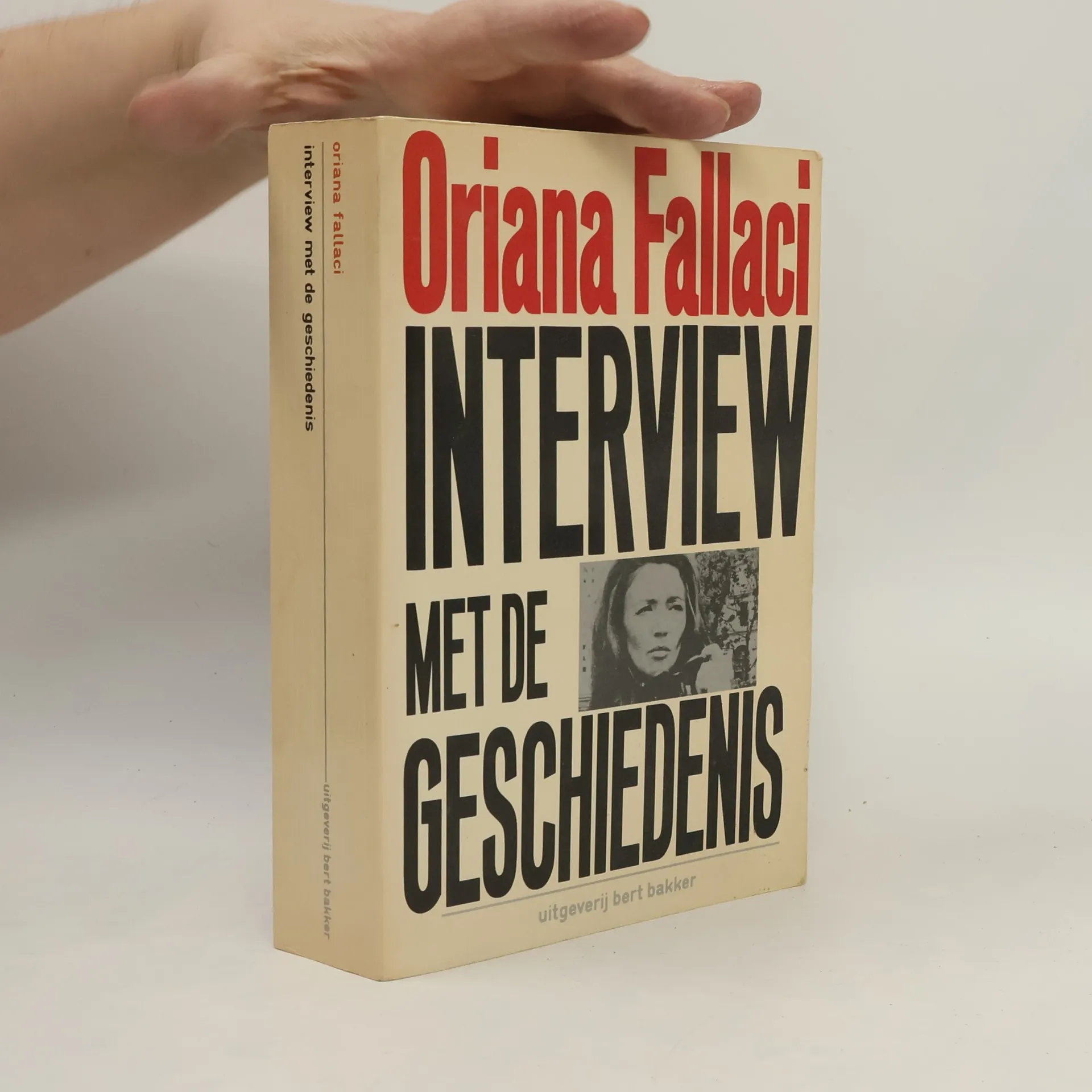
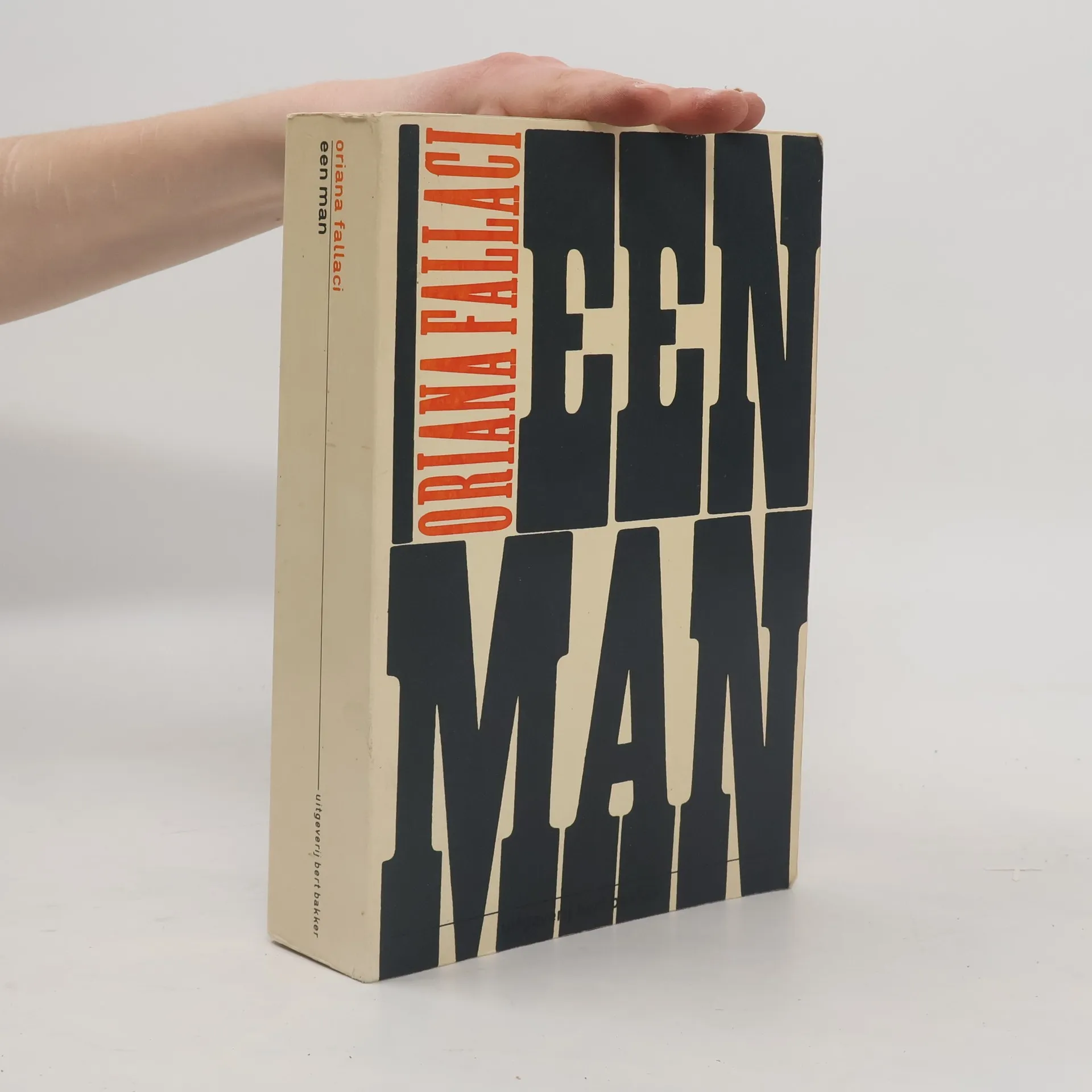

Autobiografie van de Italiaanse journaliste ten tijde van de oorlog in Vietnam.
Het leven van de Griekse dichter en vrijheidsstrijder Alexander Panagoulis die bijna vijf jaar geleden onder verdachte omstandigheden bij een auto-ongeluk om het leven kwam.
Interviews met zesentwintig politici uit de hele wereld, die in de jaren zeventig invloedrijk waren.
Nel 1990, Oriana Fallaci torna al romanzo con un'opera corale ambientata a Beirut durante la missione di pace occidentale dopo gli eventi del 1982. La narrazione si sviluppa in novanta giorni, da una fine ottobre a una fine gennaio, iniziando con l'allegoria dei cani di Beirut e la duplice strage. Il Professore, un militare appassionato di letteratura, guida la storia, che si intreccia con un'equazione matematica e la ricerca della formula della Vita. Il libro presenta un ampio campionario umano: il calabrese povero, il sardo orgoglioso, il siciliano vivace, il veneziano deluso, il toscano arguto, il romagnolo impaurito e il torinese ottimista. Tra i personaggi spicca Ninette, una misteriosa libanese con un ruolo cruciale, insieme a bambini, lenoni, banditi e cinque monache seducenti. Con un cast che si arricchisce di giorno in giorno, l'opera esplora la complessità dell'umanità in tempo di guerra, rifiutando la ferocia e ponendo l'Uomo al centro del destino. È un atto d'amore per la Vita, che analizza lo spirito degli italiani con saggezza, ironia e distacco, richiamando opere di Levi, Fenoglio e Tomasi di Lampedusa.
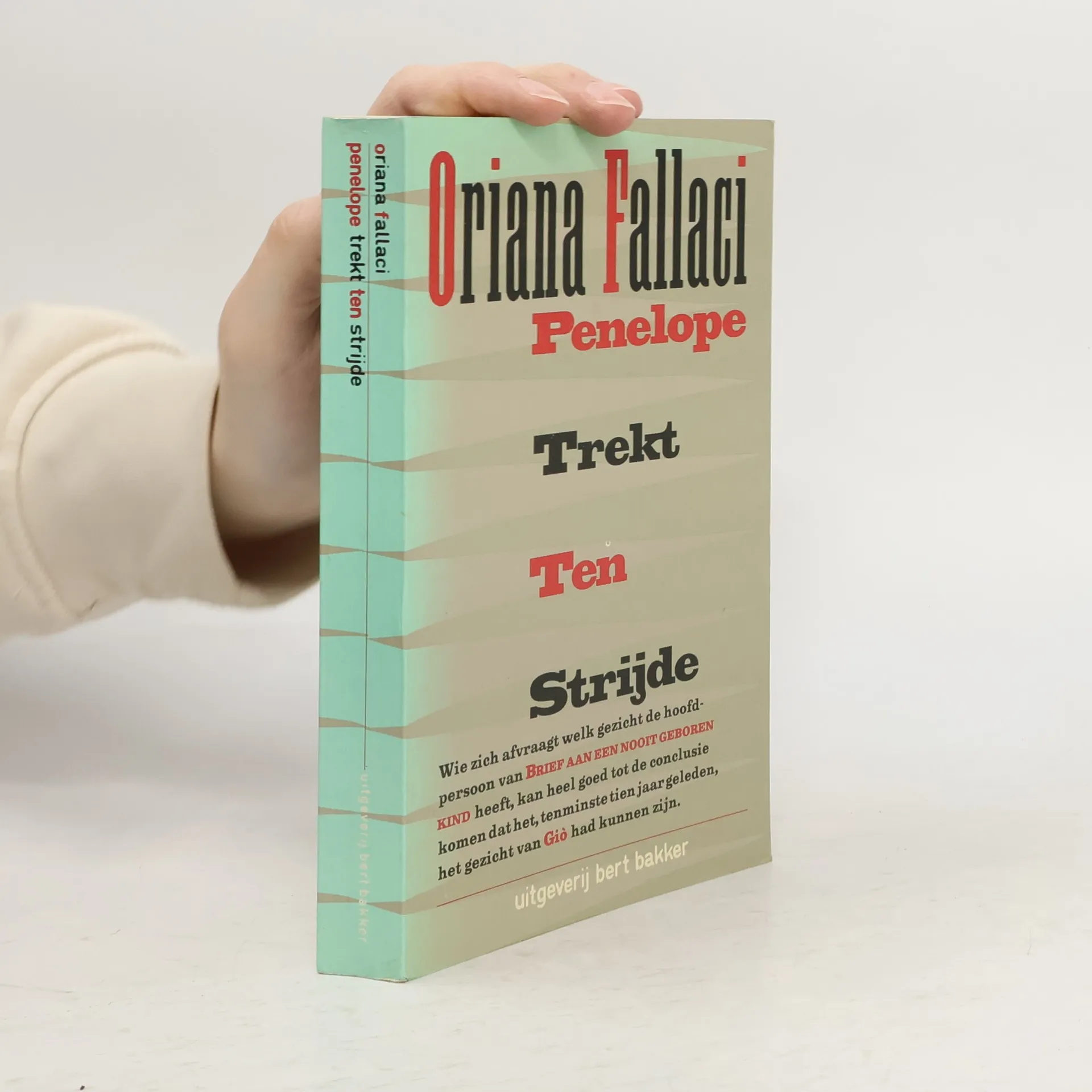
Een Italiaanse journaliste tracht een Amerikaanse jeugdvriend en met hem haar jeugdige dromen, terug te vinden.
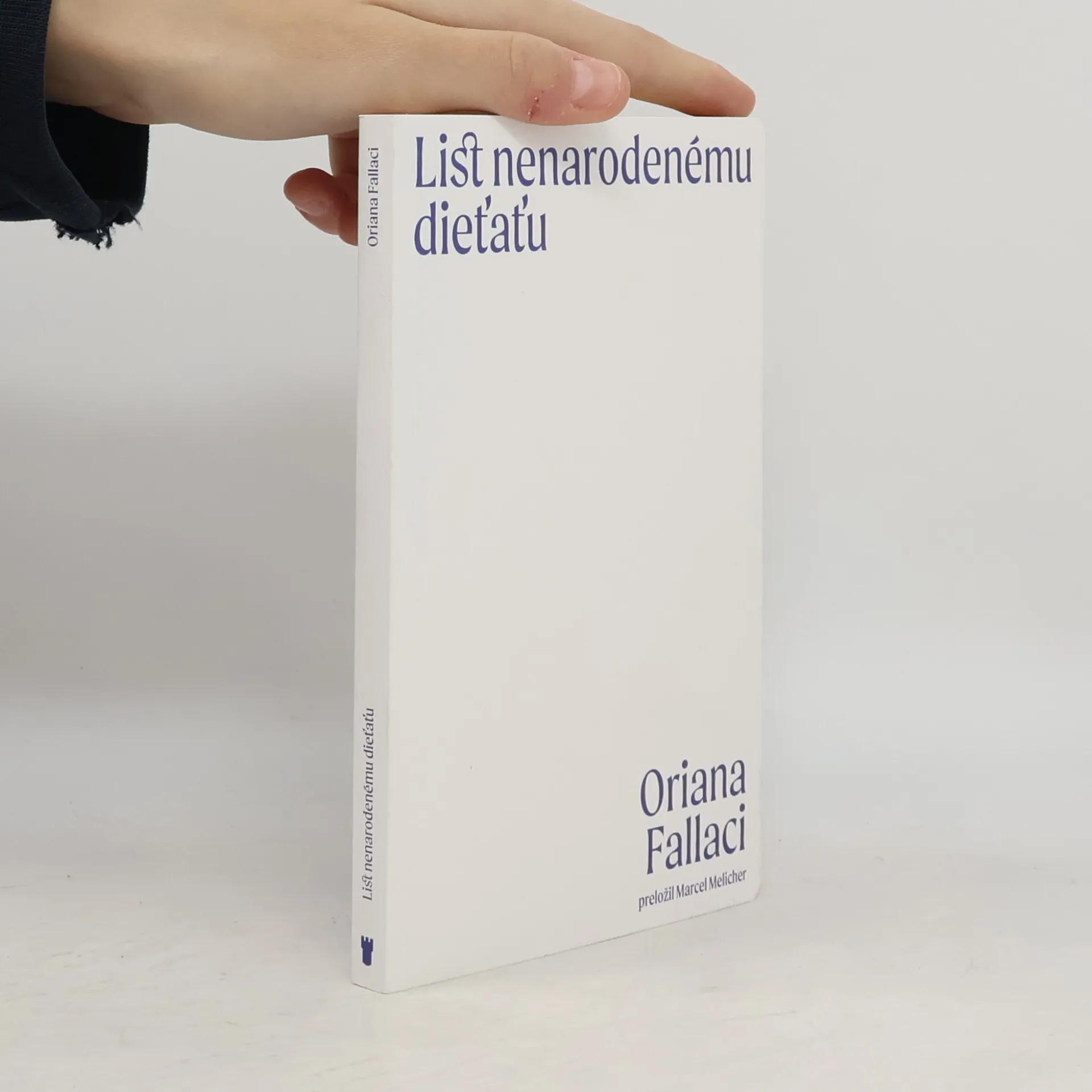
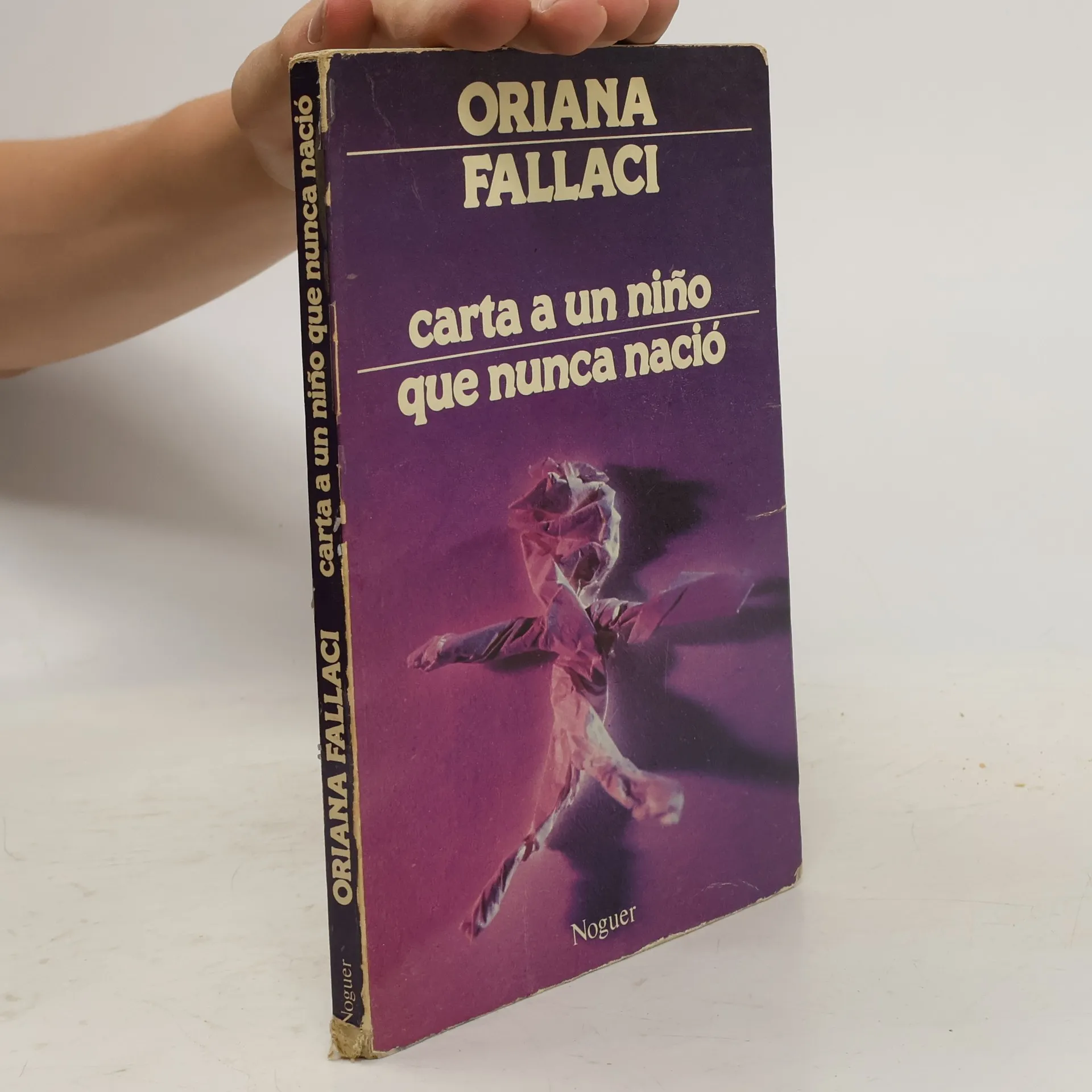
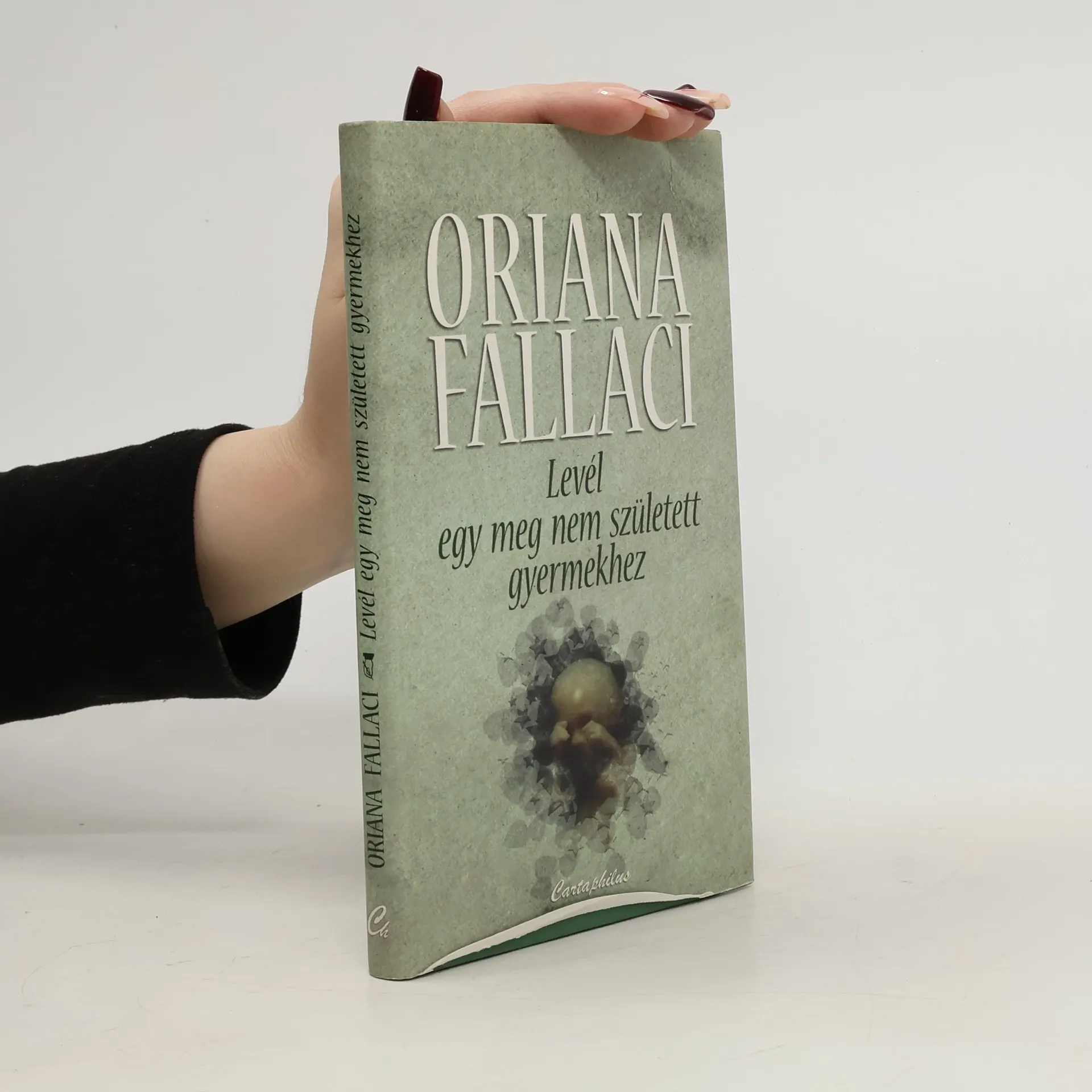
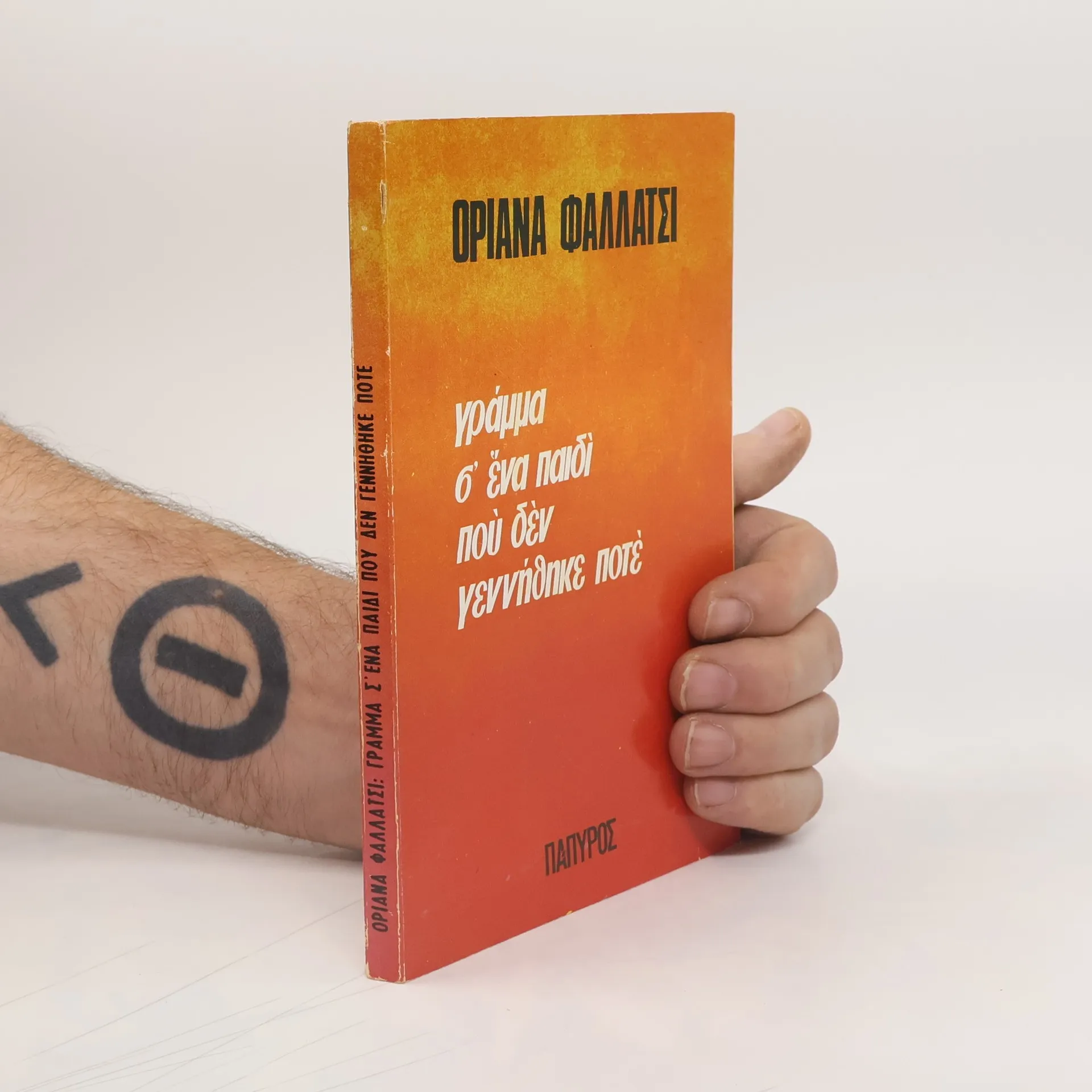
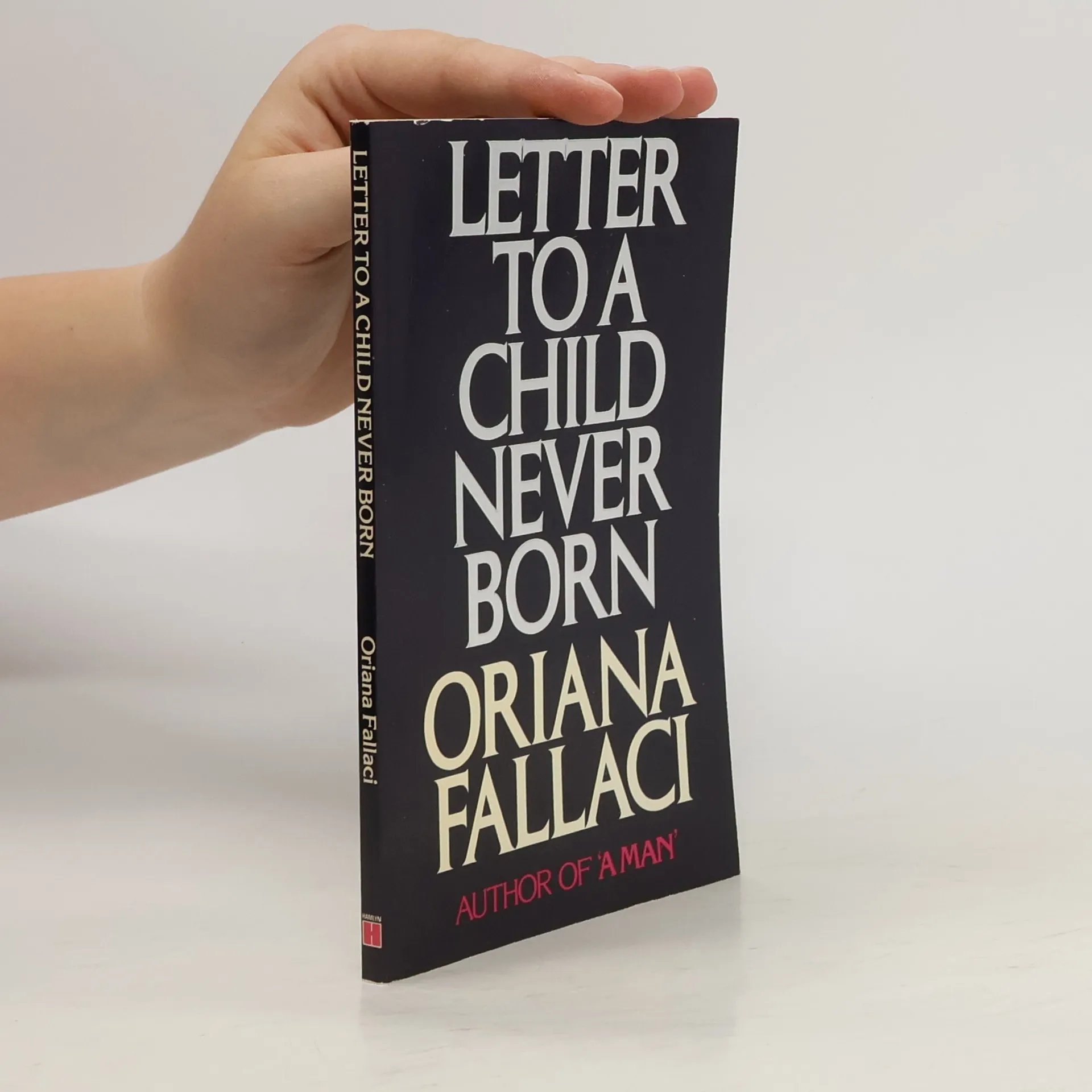
Published by Rizzoli in 1975, Letter to a Child Never Born was quickly translated and sold in twenty-seven countries, becoming an extraordinary world success. It is the tragic monologue of a woman speaking with the child she carries in her womb. This letter confronts the burning theme of abortion, and the meaning of life, by asking difficult questions: Is it fair to impose life even if it means suffering? Would it be better not to be born at all? Letter to a Child Never Born touches on the real meaning of being a woman: the power to give life or not. When the book begins, the protagonist is upset after learning she is pregnant. She knows nothing about the child, except that this creature depends totally and uniquely on her own choices. The creation of another person directly within one’s own body is a very shocking thing. The sense of responsibility is huge; it is a heavy burden that gives life to endless reflections, from the origin of our existence to the shame of our selfishness. If the child could choose, would he prefer to be born, to grow up, and to suffer, or would he return to the joyful limbo from which he came? A woman’s freedom and individuality are also challenged by a newborn—should she renounce her freedom, her job, and her choice? What should she do at this point?
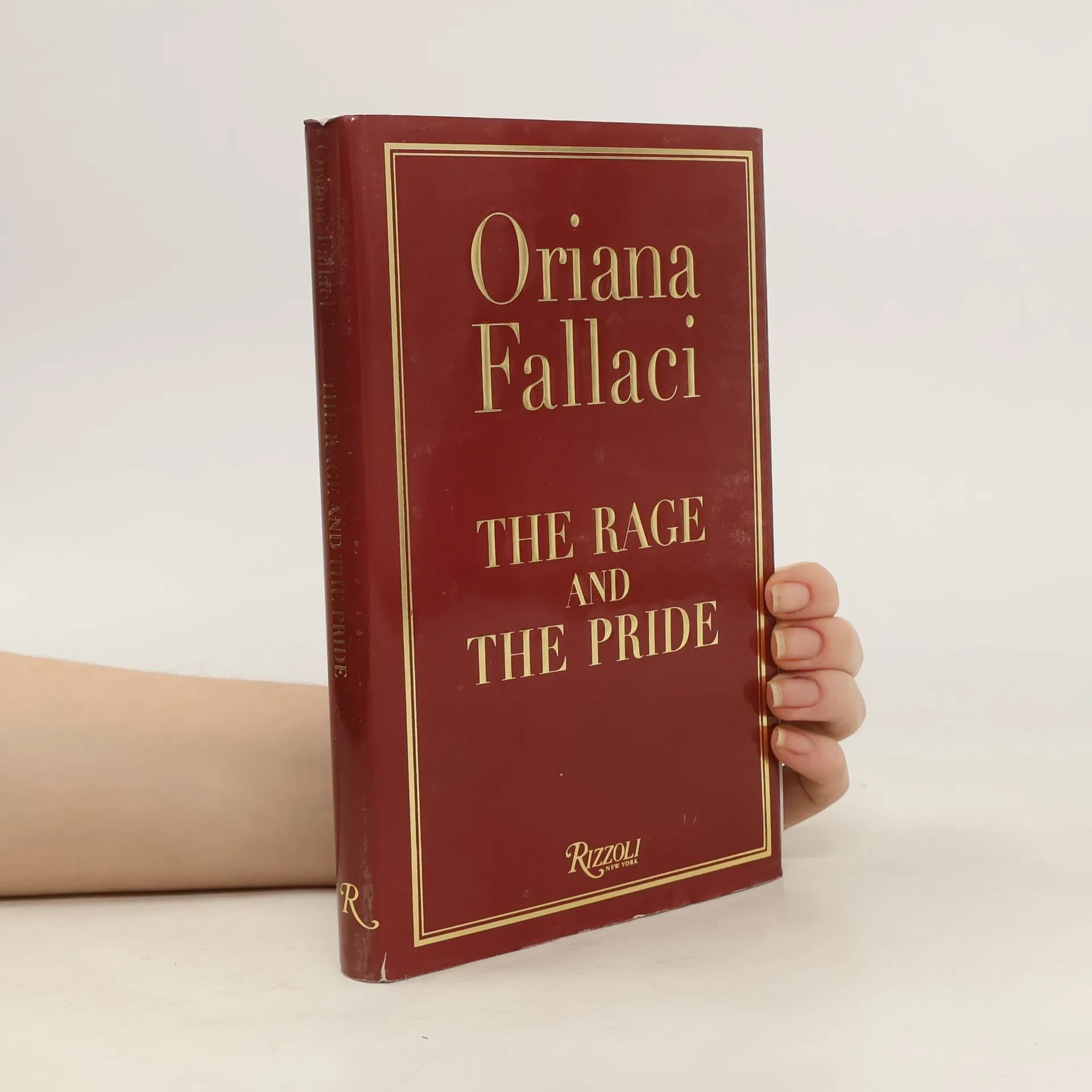
The writer's first work for ten years, on themes linked to the events of September 11: America, Italy, Europe, Islam and ourselves, interspersed with personal memoirs.
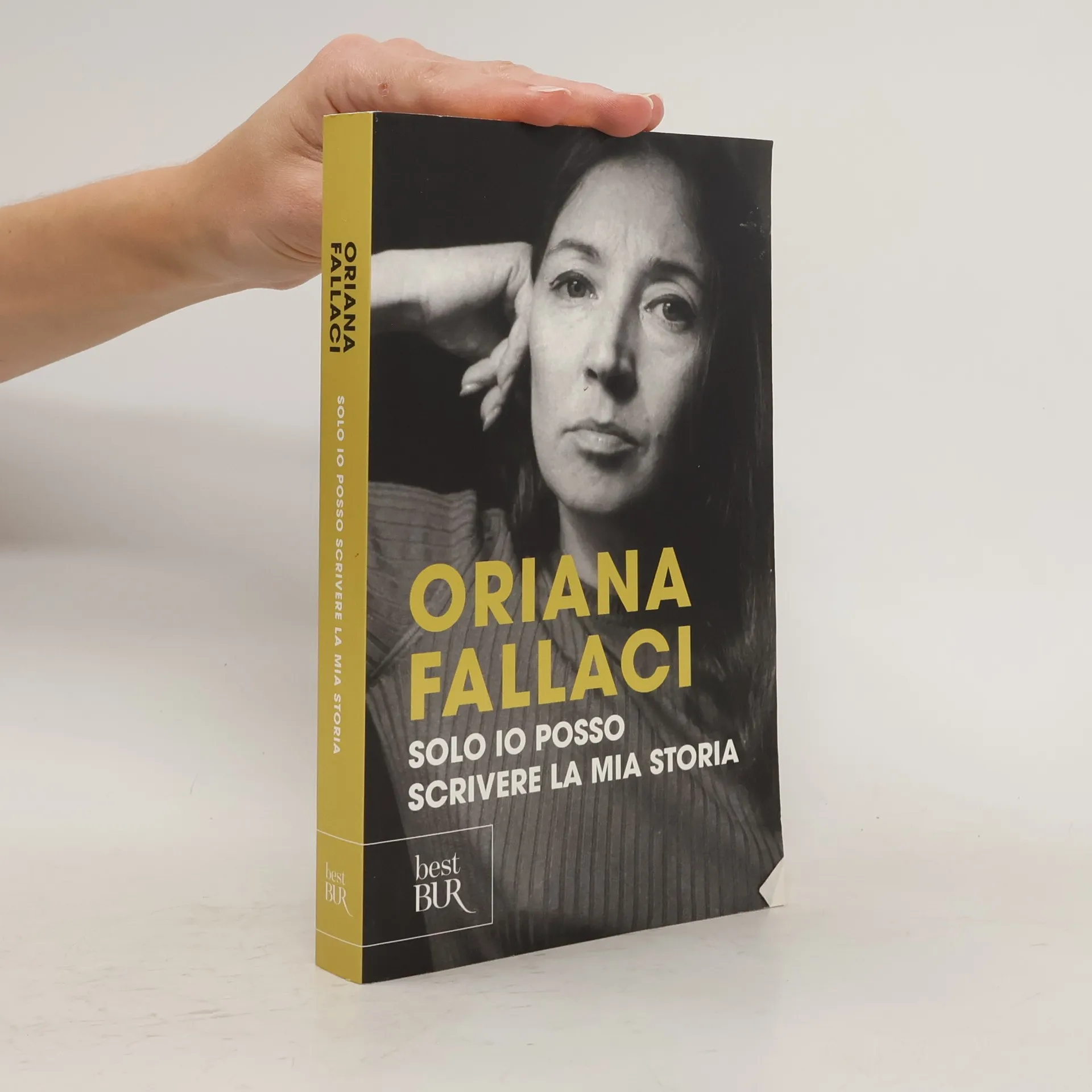
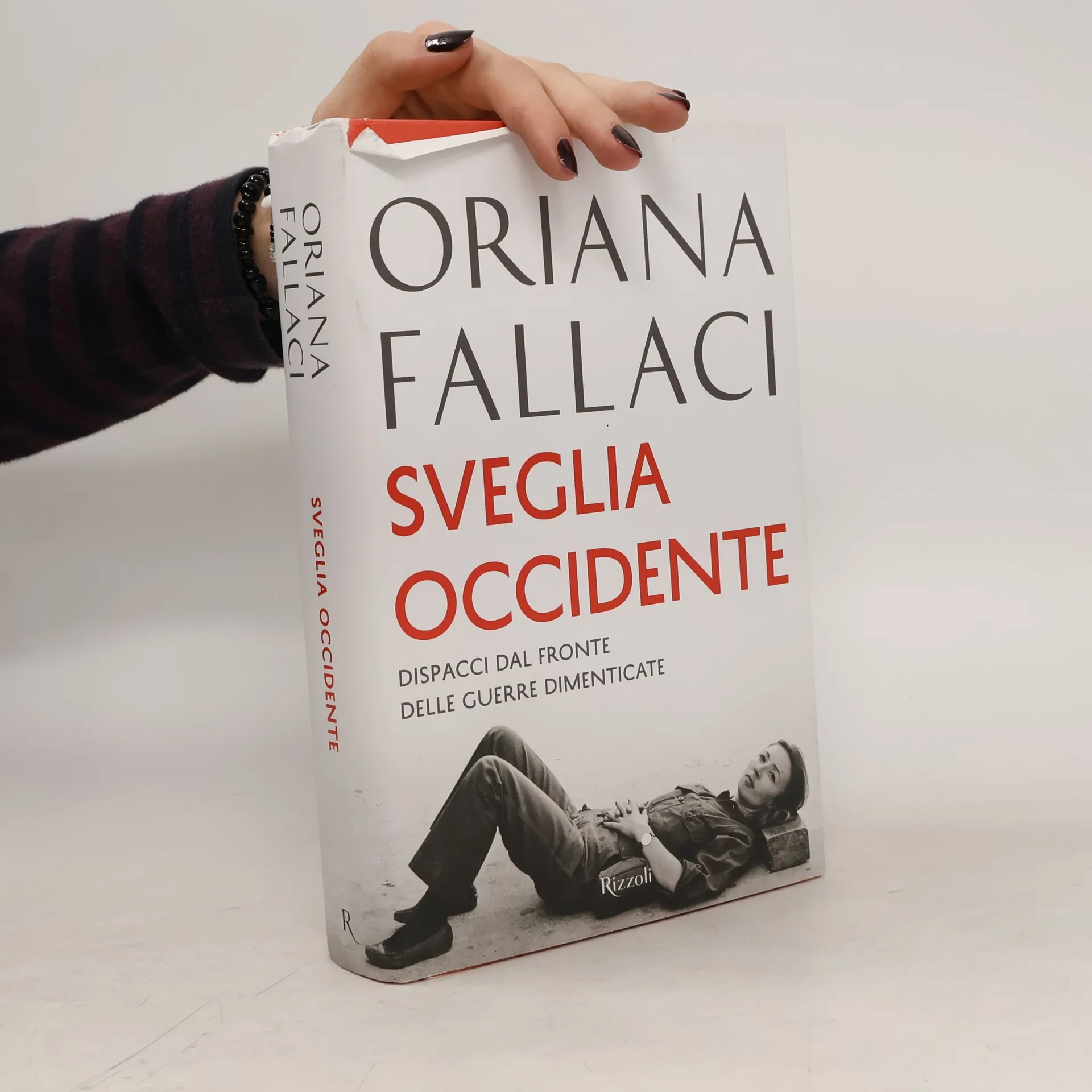
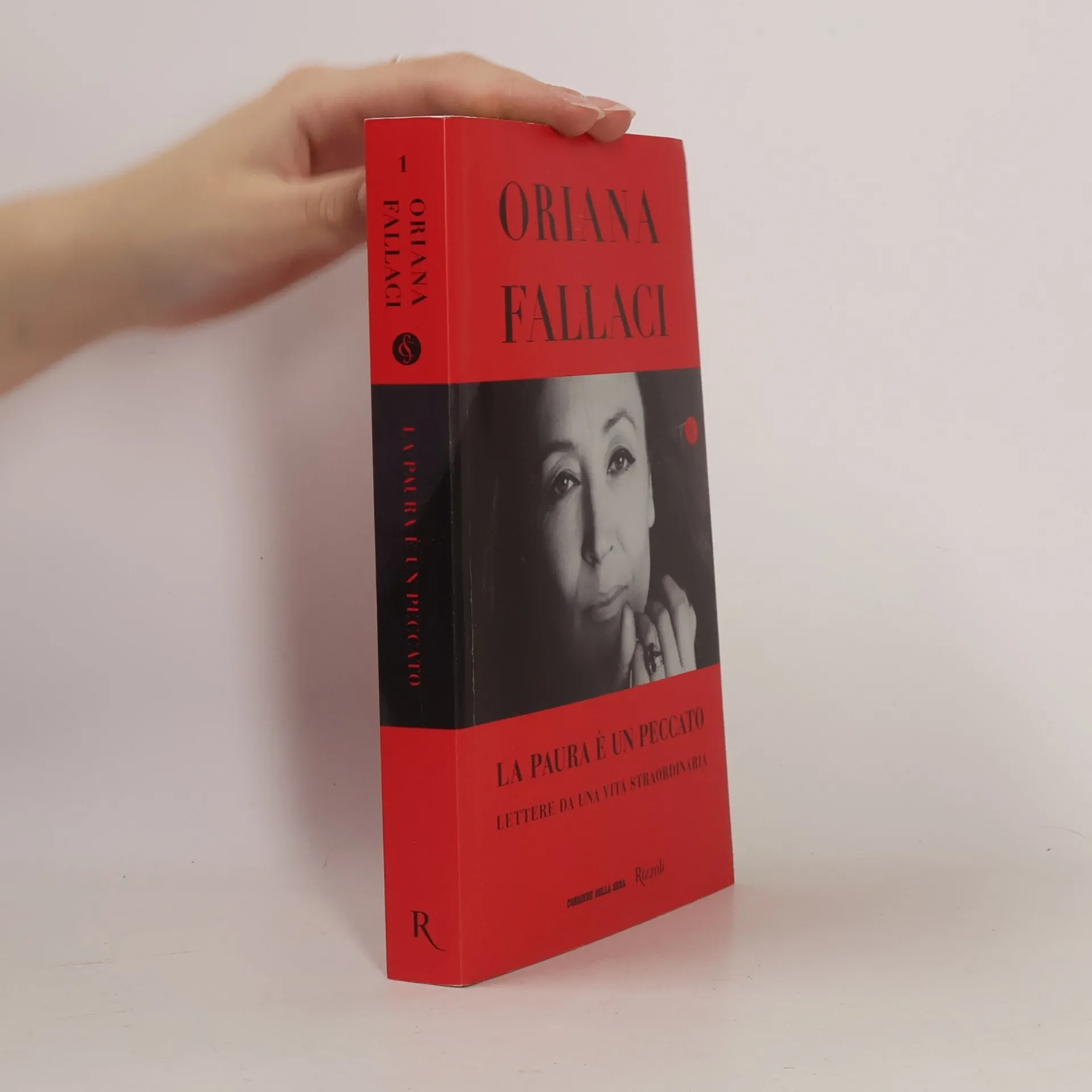
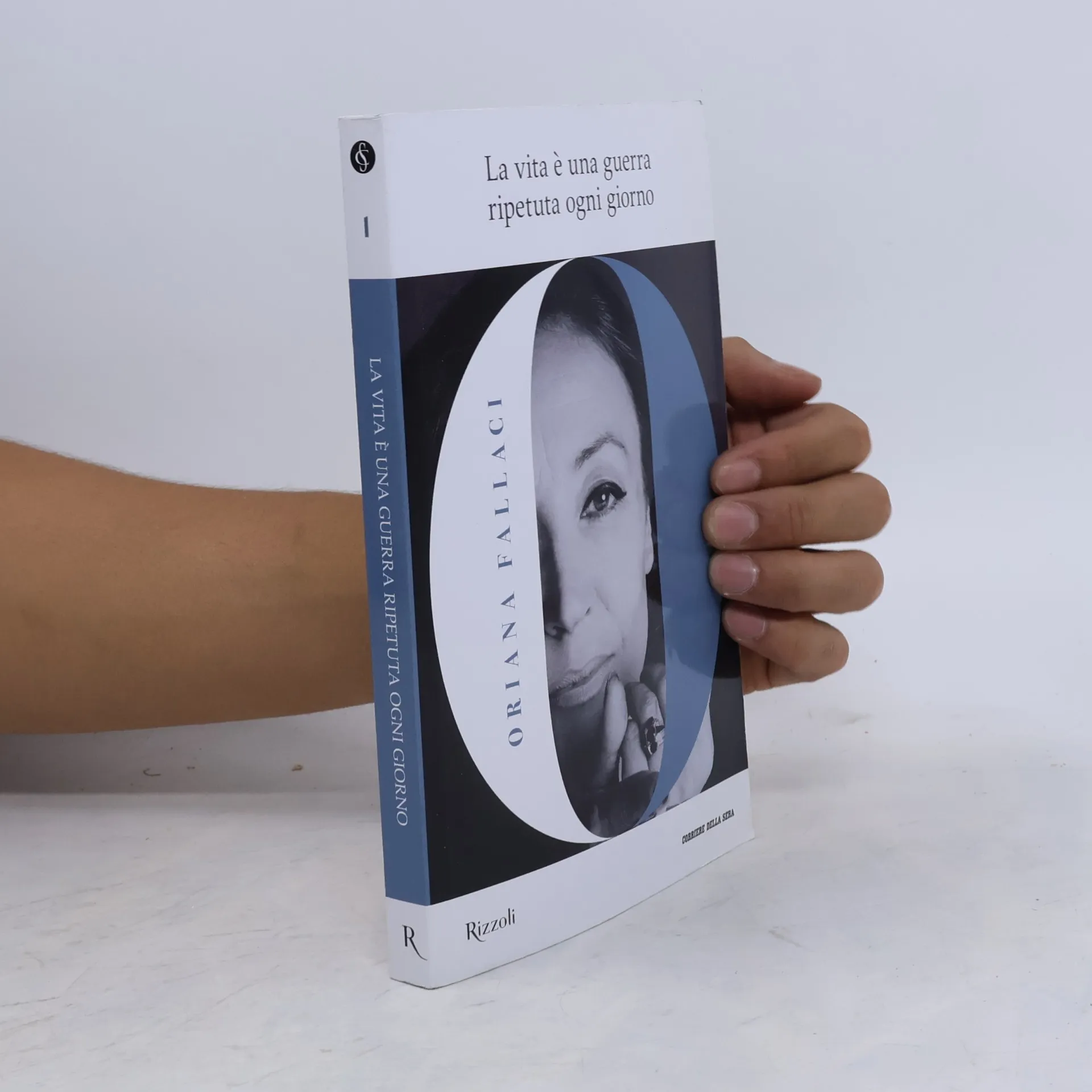
"Nella mia vita ho visto molte brutte cose. Molte. Sono nata in una tirannia, sono cresciuta in una guerra, e per gran parte della mia esistenza ho fatto il corrispondente di guerra. Per anni (in Vietnam, otto) ho vissuto al fronte. Ho seguito battaglie, ho subito sparatorie e cannoneggiamenti e bombardamenti, ho testimoniato l'umana crudeltà e imbecillità." Mai e poi mai Oriana avrebbe autorizzato una sua biografia, eppure non ha fatto altro che scrivere e raccontare la sua storia straordinaria. Lo ha fatto dalle trincee in Vietnam e dagli uffici della Casa Bianca così come dalla tenda di Gheddafi o dal quartier generale di Khomeini. Ha raccontato la storia del Novecento e con lucidità ha saputo riconoscere il più grande incubo del Ventunesimo secolo: il terrorismo globale. Ha affrontato i grandi leader politici senza mai inchinarsi di fronte al potere. "In ogni mio libro è accennata una traccia della mia biografia umana" ripeteva ai giornalisti che sfidavano la sua proverbiale diffidenza da addetta ai lavori. Così come i suoi quaderni che utilizzava per preparare meticolosamente ogni intervista contengono numerosi appunti autobiografici; brevi note che utilizzava ampliate nei suoi libri. Questi scritti restituiscono con precisione il carattere e il pensiero di una donna sui generis, capace di maltrattare grandi leader politici e divi di Hollywood, consegnando ai suoi lettori il testamento di una vita leggendaria.
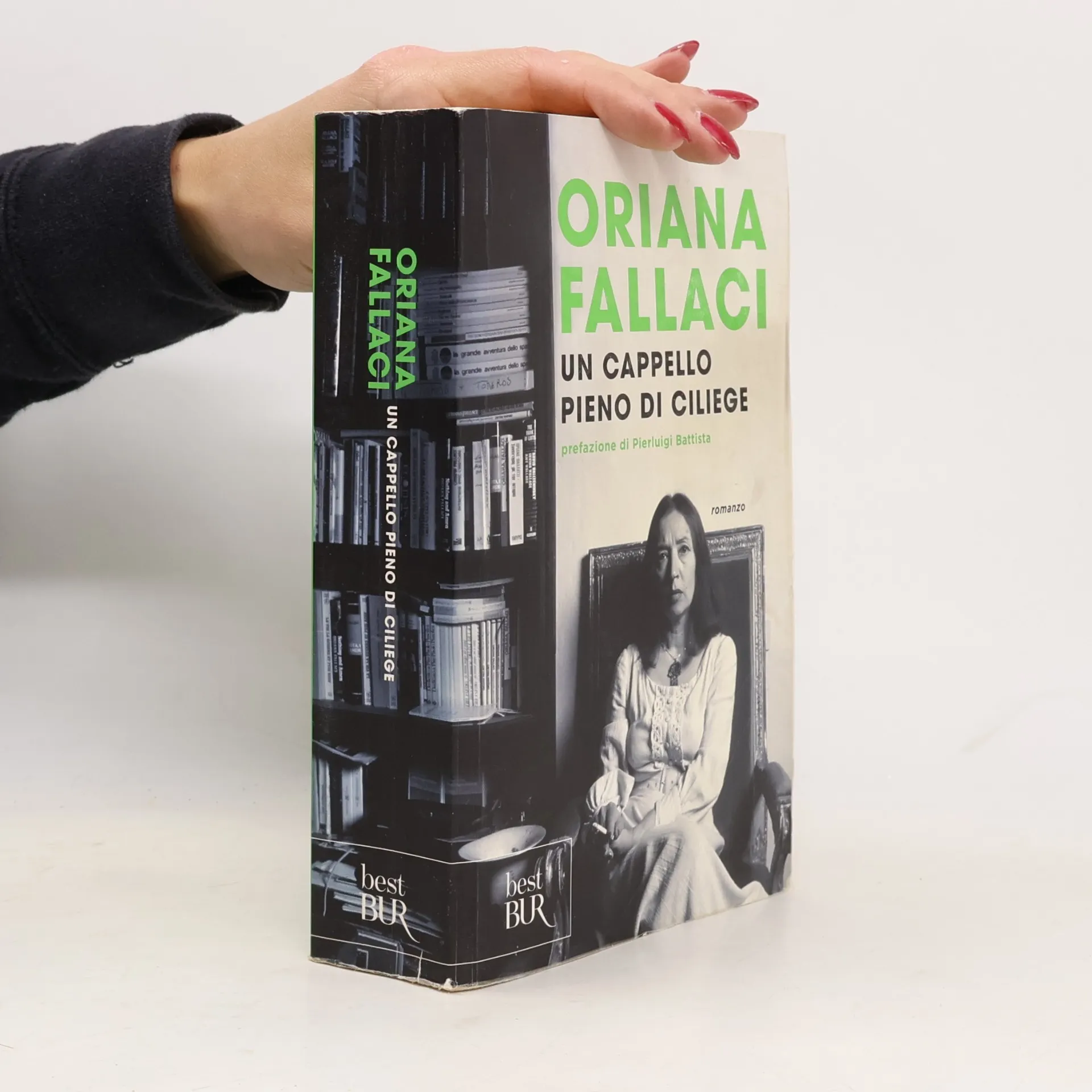
"Un'opera di inedita poesia poiché a scandirne la poderosa metrica è la Storia." - La Stampa. "Commovente l'entusiasmo della Fallaci per il desiderio furioso degli analfabeti di impadronirsi della scrittura e della lettura come armi di riscatto e di rivincita morale." - Corriere della Sera. "Melodrammatico, eccessivo, appassionato, un monumento all'amore e allo scandalo." - Il Foglio. "Energia e fluidità narrativa." - Il Sole 24 Ore. Così la critica accoglie, nel luglio 2008, il romanzo postumo di Oriana Fallaci, pubblicato da Rizzoli seguendo le indicazioni lasciate dall'autrice prima di morire nel settembre 2006. "Ora che il futuro s'era fatto corto e mi sfuggiva di mano con l'inesorabilità della sabbia che cola dentro una clessidra, mi capitava spesso di pensare al passato della mia esistenza." La straordinaria epopea della famiglia di Oriana diventa una saga che copre gli anni dal 1773 al 1889, con incursioni nel passato e un futuro che precipita verso il bombardamento di Firenze nel 1944, nel quale andrà distrutta anche la cassapanca con i cimeli delle generazioni di Fallaci. Dopo anni di ricerche, la cronaca familiare si trasforma in "una fiaba da ricostruire con la fantasia... E tutti quei nonni, nonne, bisnonni, bisnonne, trisnonni, trisnonne, arcavoli e arcavole, insomma tutti quei miei genitori, diventarono miei figli."
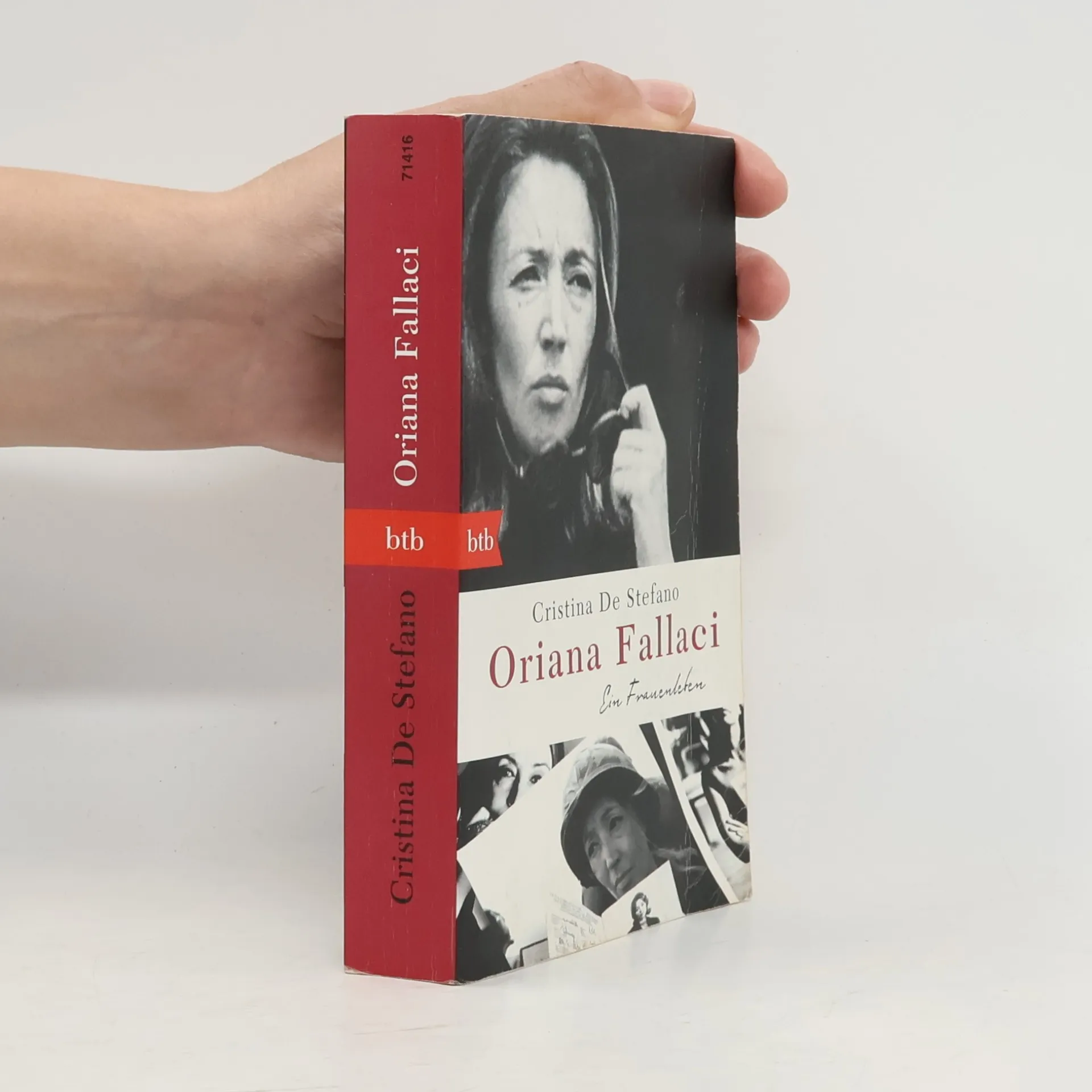
Unbequem, unerschrocken, kompromisslos – Oriana Fallci war die große Ikone der journalistischen Literatur.Oriana Fallaci führte ein Leben in Extremen: Als weltberühmte Reporterin und Autorin zahlreicher Bücher berichtete sie aus Kriegsgebieten und provozierte Staatsmänner, sie lebte den Widerstand gegen Ungerechtigkeit und Unterdrückung. Die Frage danach, was es heißt, eine Frau zu sein, begleitete sie ihr Leben lang. Sie arbeitete für die wichtigsten internationalen Zeitungen wie die Londoner Times, Life und die New York Times, und sprach mit zahlreichen bekannte Persönlichkeiten – ihr Interviewstil war so gefürchtet wie legendär. Fallacis Bücher, darunter Brief an ein nie geborenes Kind, Ein Mann und Inschallah wurden in 20 Sprachen übersetzt und in 31 Ländern veröffentlicht. Die erste autorisierte Biografie der streitbaren italienischen Journalistin und Schriftstellerin.
Nel 1974, Oriana Fallaci pubblica un'opera che segna un'epoca, tradotta e studiata in tutto il mondo. Attraverso le sue interviste, Fallaci offre una galleria indimenticabile di protagonisti internazionali: statisti, leader, pacifisti, guerrieri e ideologi. Federico Rampini, nella prefazione alla riedizione, sottolinea l'importanza di queste conversazioni. I lettori attendevano nuove interviste, e Fallaci aveva lavorato a bozze e appunti, iniziando dai suoi celebri incontri con Khomeini e Gheddafi, per riflettere sul potere. Nessuno come lei aveva accesso a figure di tale rilevanza, capaci di influenzare il destino dell'umanità. La sua vita privata e professionale si intrecciano, e la perdita di due persone amate la spinge verso l'isolamento, che definisce "i miei tre inverni nel tunnel". Tuttavia, dopo la pubblicazione di "Un uomo" nel 1979, realizza due straordinari reportage per il "Corriere della Sera" dall'Iran e dalla Libia, che formano la prima parte di questa opera. Nella seconda parte, dal 1964 al 1982, sfilano i nomi che hanno segnato la storia della seconda metà del Novecento.
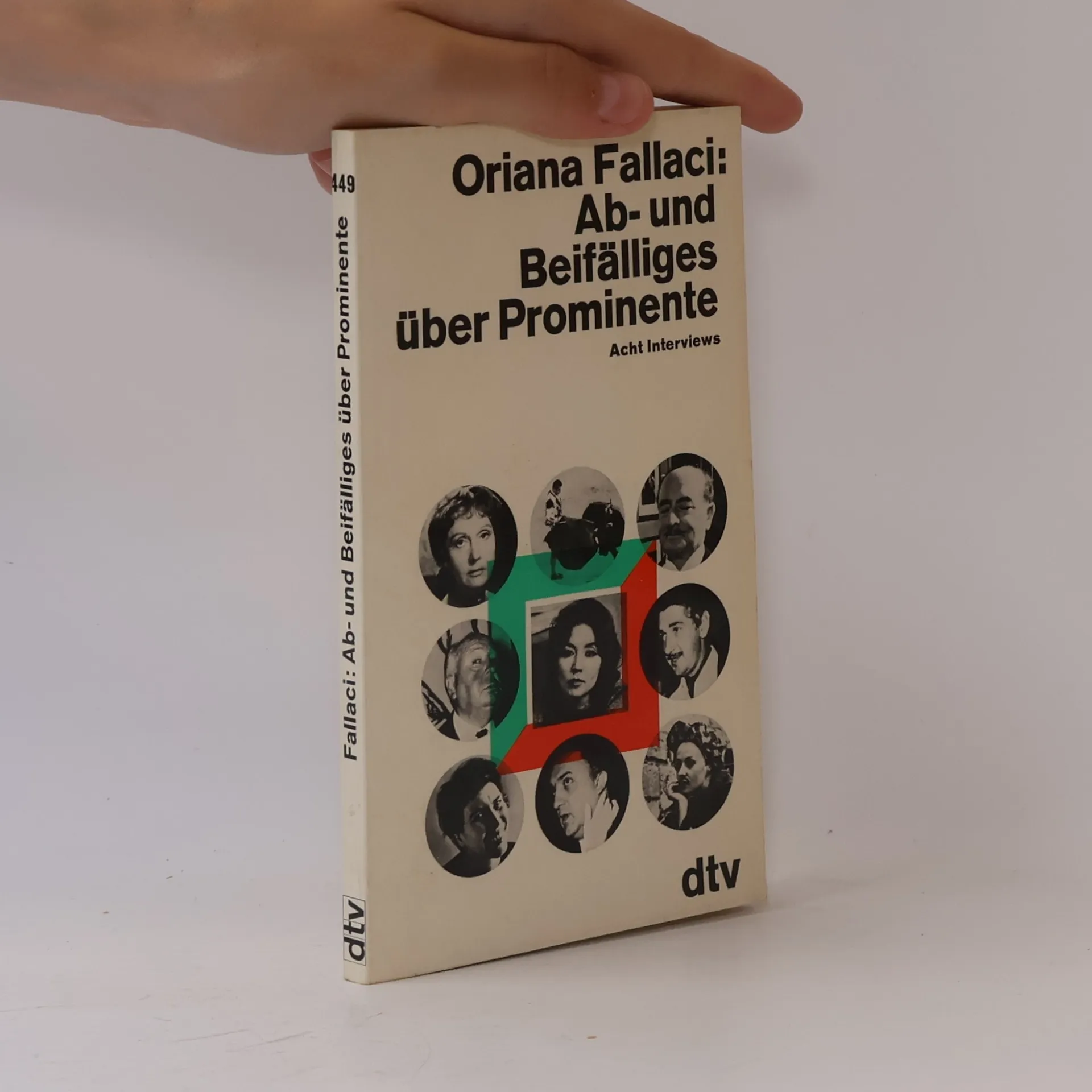
CHE GRANDE SCRITTRICE, L’ORIANA! Eroica sui fronti di guerra e impareggiabile nel confronto con icone come Franca Valeri, Frank Capra, Monica Vitti e Paul Newman, Oriana Fallaci si distingue per la sua capacità di far emergere vizi e debolezze delle celebrità che incontra. In questo volume, si presenta una selezione delle sue indimenticabili interviste degli anni Sessanta, realizzate come inviata de “L’Europeo” tra Cinecittà e Hollywood. Fallaci riesce a catturare l’essenza di personaggi come Juliette Gréco, Danny Kaye, Ingrid Bergman e molti altri, rivelando la loro umanità attraverso domande incisive e osservazioni acute. La sua penna vivace e il suo approccio diretto rendono ogni incontro unico e memorabile. In appendice, un reportage sul viaggio di Pier Paolo Pasolini a New York, città che lo affascinava, e un commovente testo in memoria di Ingrid Bergman, che testimonia il profondo legame tra Oriana e i suoi intervistati. La Fallaci è descritta come un’autentica forza della natura, capace di riscattare la nostra esperienza dalla mediocrità e dalla banalità. “Non assomiglia a nessuno, è incatalogabile come nessuno,” afferma Barbra Streisand, sottolineando l’unicità di Oriana.
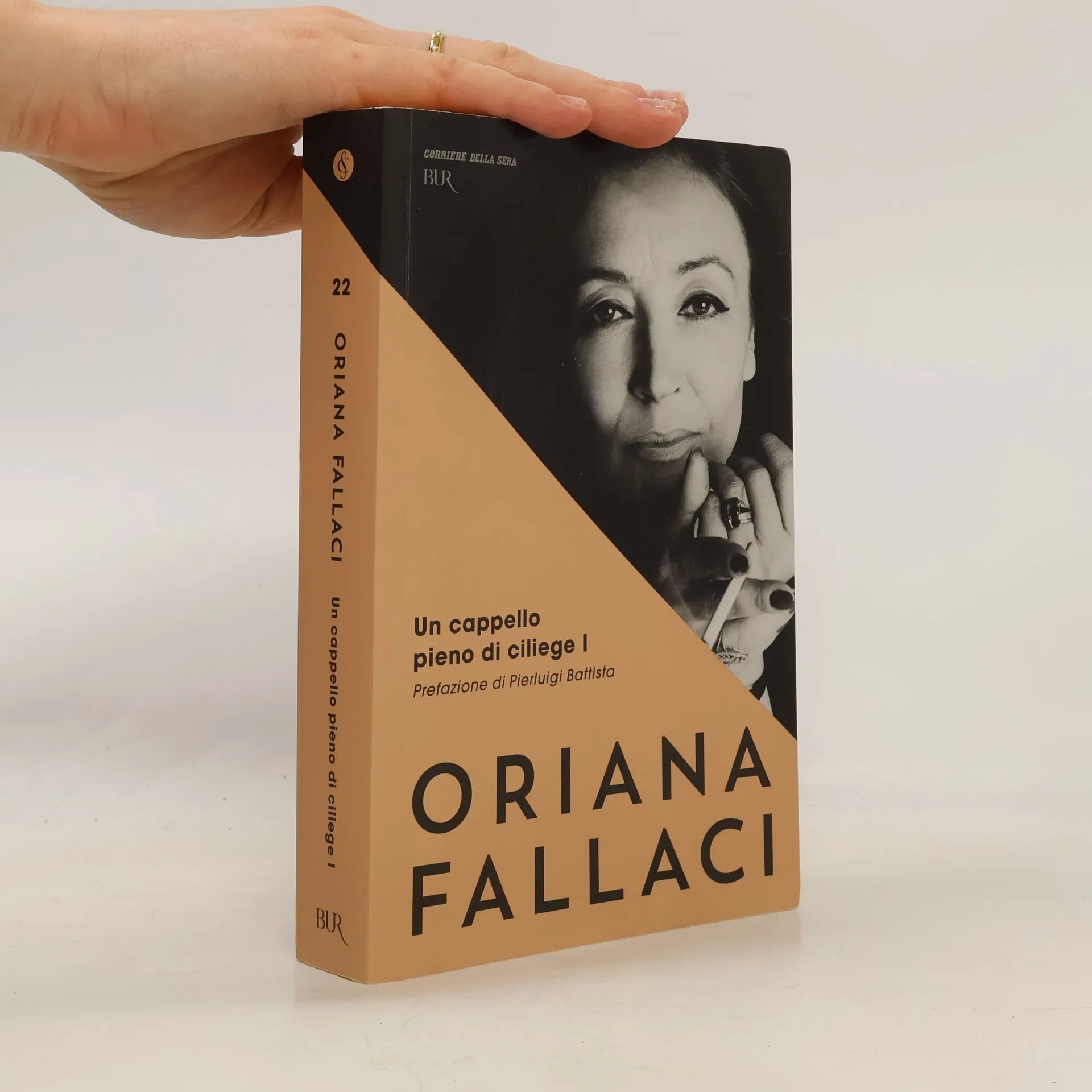
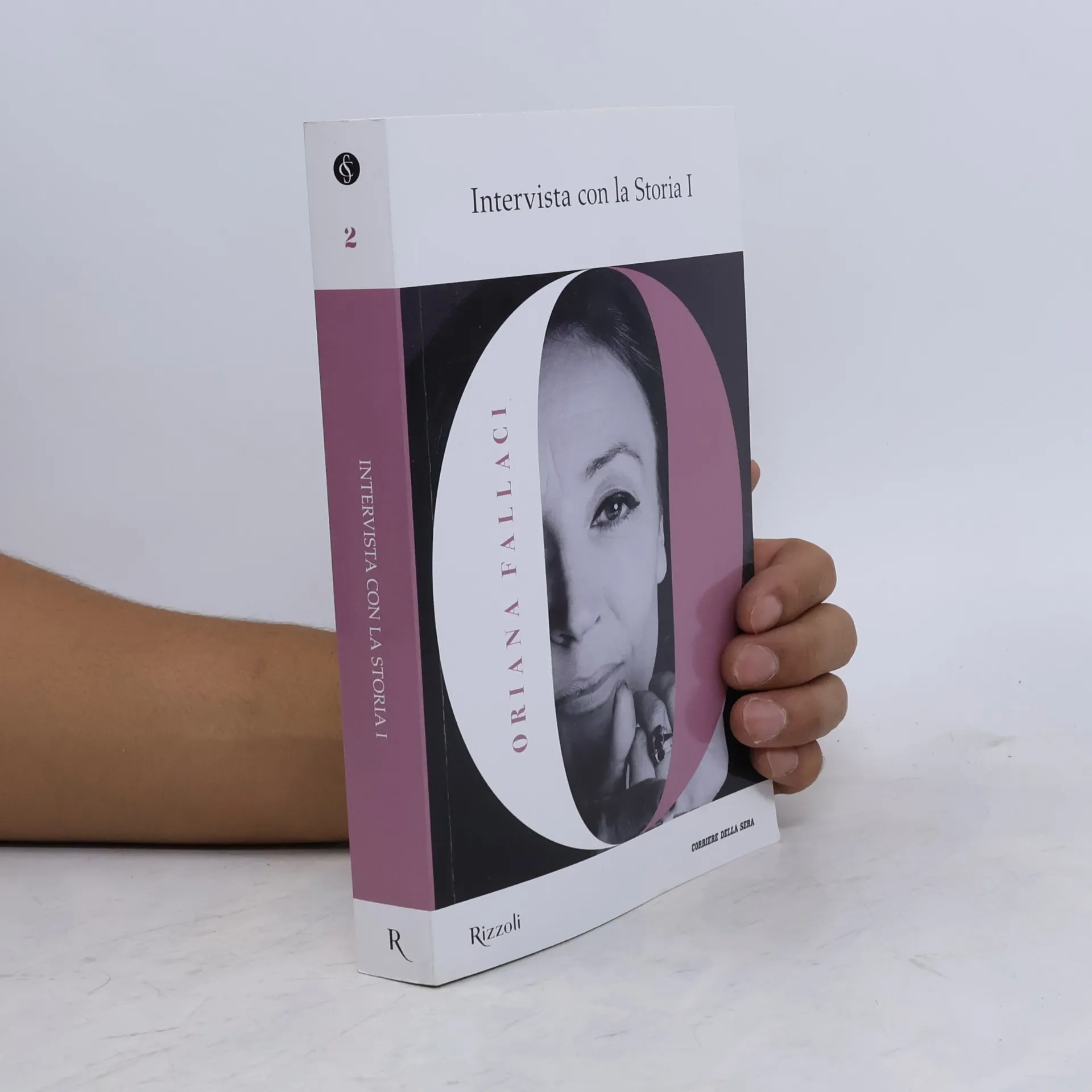
Oriana Fallaci (1929-2006) verwierf internationale bekendheid als tegendraadse journalist, auteur en opiniemaker. Al jong ontdekte ze dat het leven een strijd moest zijn en vanaf haar eerste baan in de journalistiek tot de vele bestsellers die ze schreef, bleef ze geïnspireerd door de pijnlijke waarheden uit haar eigen leven. Haar liefdesleven, bijvoorbeeld, was altijd vol drama en verdriet, en hieruit putte ze inspiratie voor romans, maar ook haar ambitie voor een feministisch en hardwerkend leven.
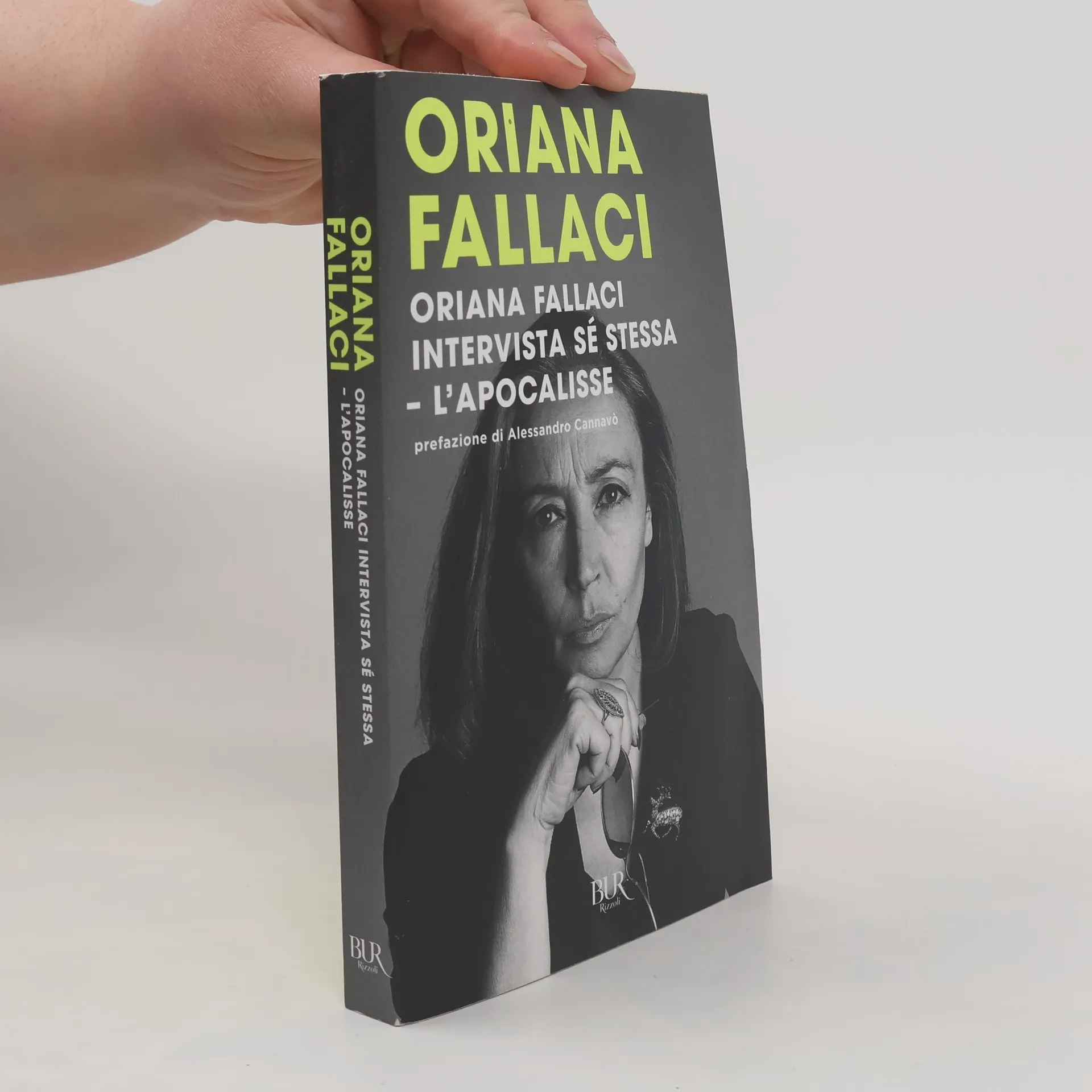
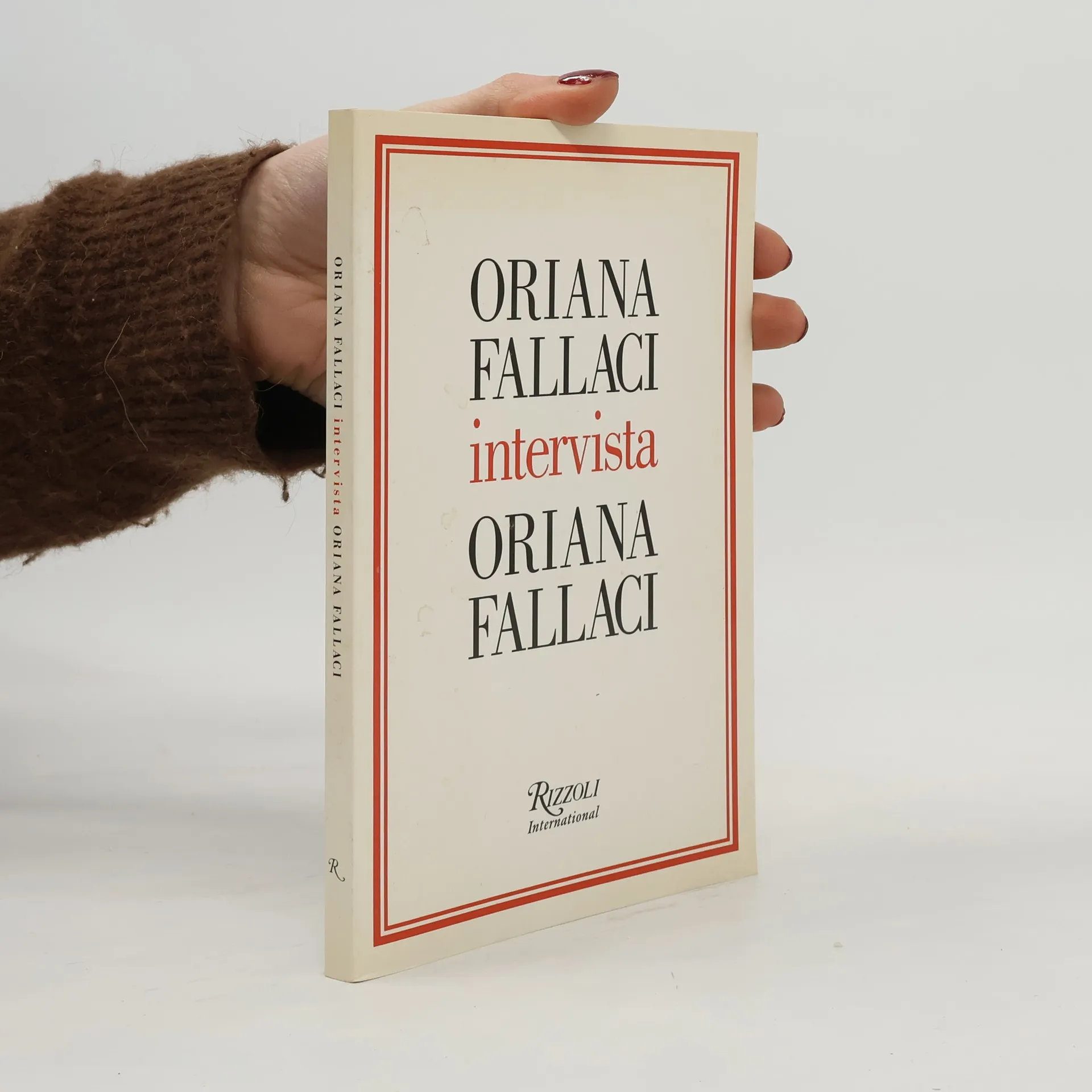
Oriana Fallaci è una delle penne più celebri e incisive degli Appennini. In "Intervista con se stessa. Apocalisse" Oriana Fallaci afferma con fermezza la sua posizione sui problemi, i pericoli e le sfide che affronta il mondo contemporaneo. Conduce una crociata contro coloro che osano determinare il destino di migliaia di persone. Questa non è una confessione, ma un testamento. Senza idoli, senza menzogne. Fallaci è consapevole che questa è la sua ultima battaglia, ma non ha intenzione di arrendersi. Così lei o ti fa suo alleato, o ti dichiara guerra. La probabilità di perdere questa guerra è alta. La voce appassionata e potente di Fallaci lascerà per sempre un segno indelebile sulla vita politica e sociale del XX secolo. Una voce che non sarà mai zittita.
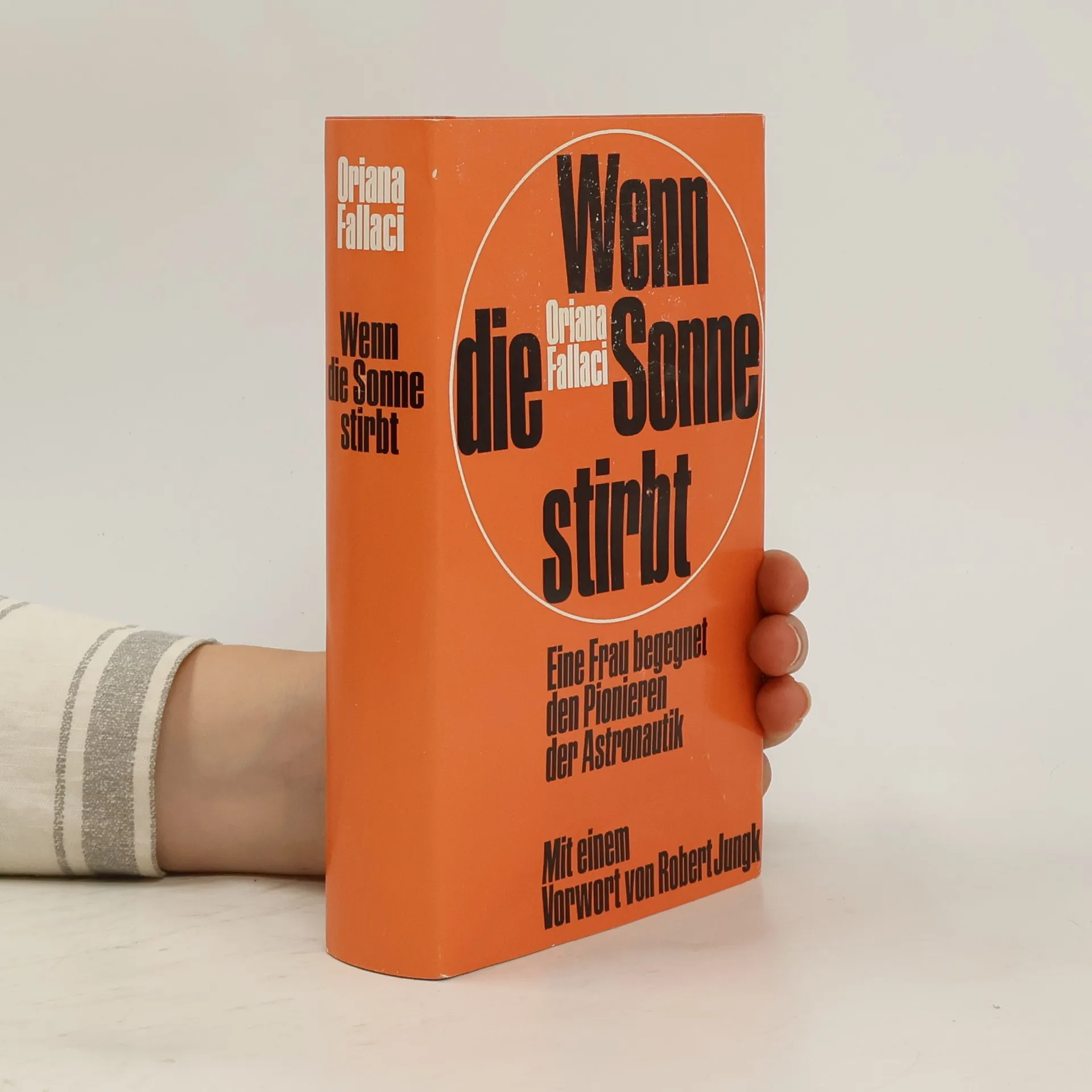
Un libro coraggiosamente autobiografico: il diario di una donna moderna lanciata alla scoperta del nostro futuro, l'avventura del viaggio alla Luna e agli altri pianeti, il trionfo di una società tecnologica che con le cosmonavi e i calcolatori elettronici cambia perfino la morale e i sentimenti.
"Abbiamo paura di non essere sufficientemente allineati, obbedienti, servili, e venire scomunicati attraverso l'esilio morale con cui le democrazie deboli e pigre ricattano il cittadino. Paura di essere liberi, insomma. Di prendere rischi, di avere coraggio." Oriana Fallaci ha pronunciato queste parole nel 2005 quando decide di raccontare il suo "diritto all'odio". Sono riflessioni che ancora oggi, a distanza di dieci anni, risultano drammaticamente attuali, così come molti suoi brani finora inediti in cui affronta il conflitto con l'Islam senza mezzi termini né concessioni. "Ho visto le mussulmane la cui vita vale meno di una vacca o un cammello" scrive una giovanissima Oriana nel suo primo reportage sulla condizione delle donne nei paesi islamici. "Vi sono donne nel mondo che ancora oggi vivono dietro la nebbia fitta di un velo come attraverso le sbarre di una prigione." Una prigione che si estende dall'oceano Atlantico all'oceano Indiano percorrendo il Marocco, l'Algeria, la Nigeria, la Libia, l'Egitto, la Siria, il Libano, l'Iraq, l'Iran, la Giordania, l'Arabia Saudita, l'Afganistan, il Pakistan, l'Indonesia: è il mondo dell'Islam, dove nonostante i "fermenti di ribellione" le regole riservate alle donne sono immote da secoli. Prefazione di Lucia Annunziata.
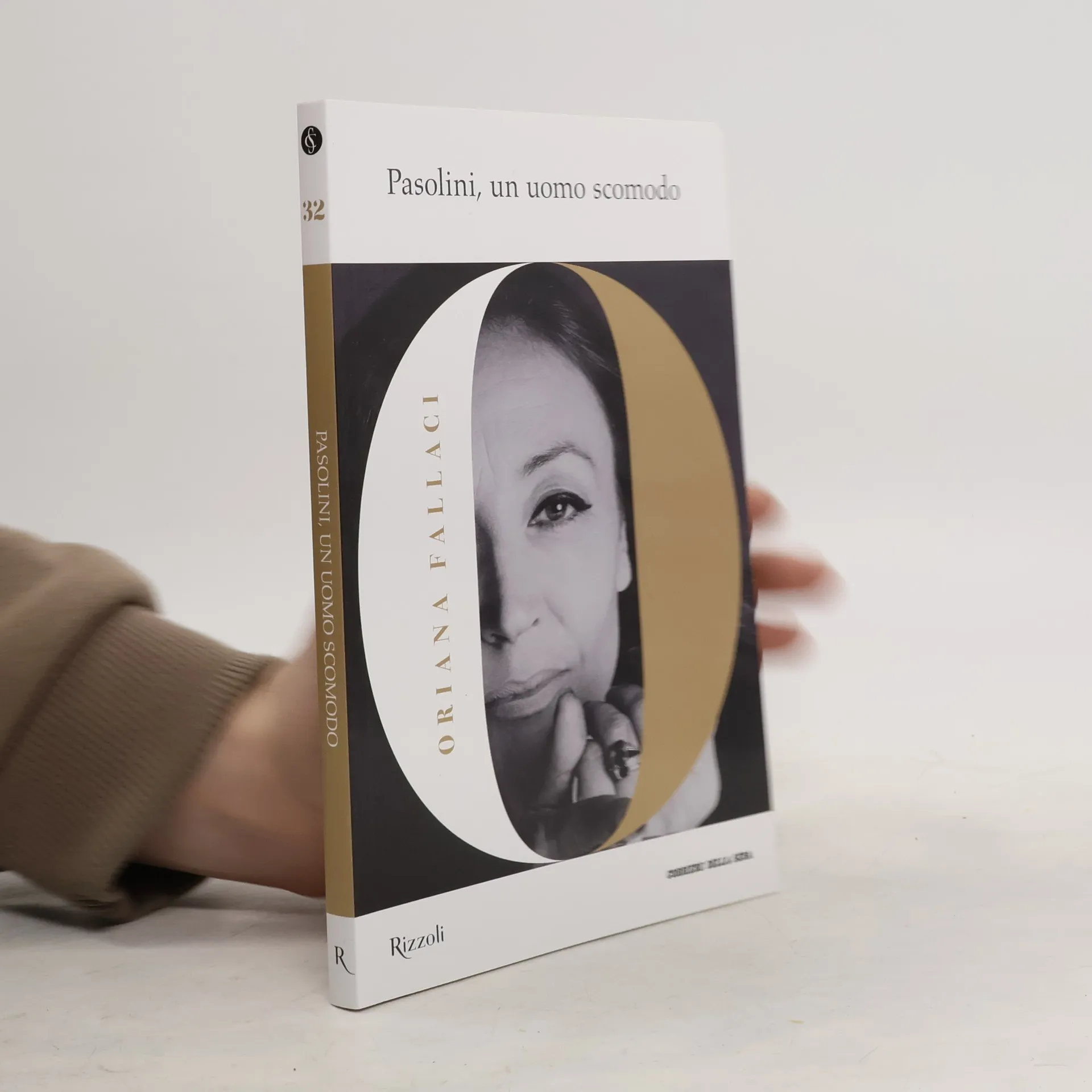
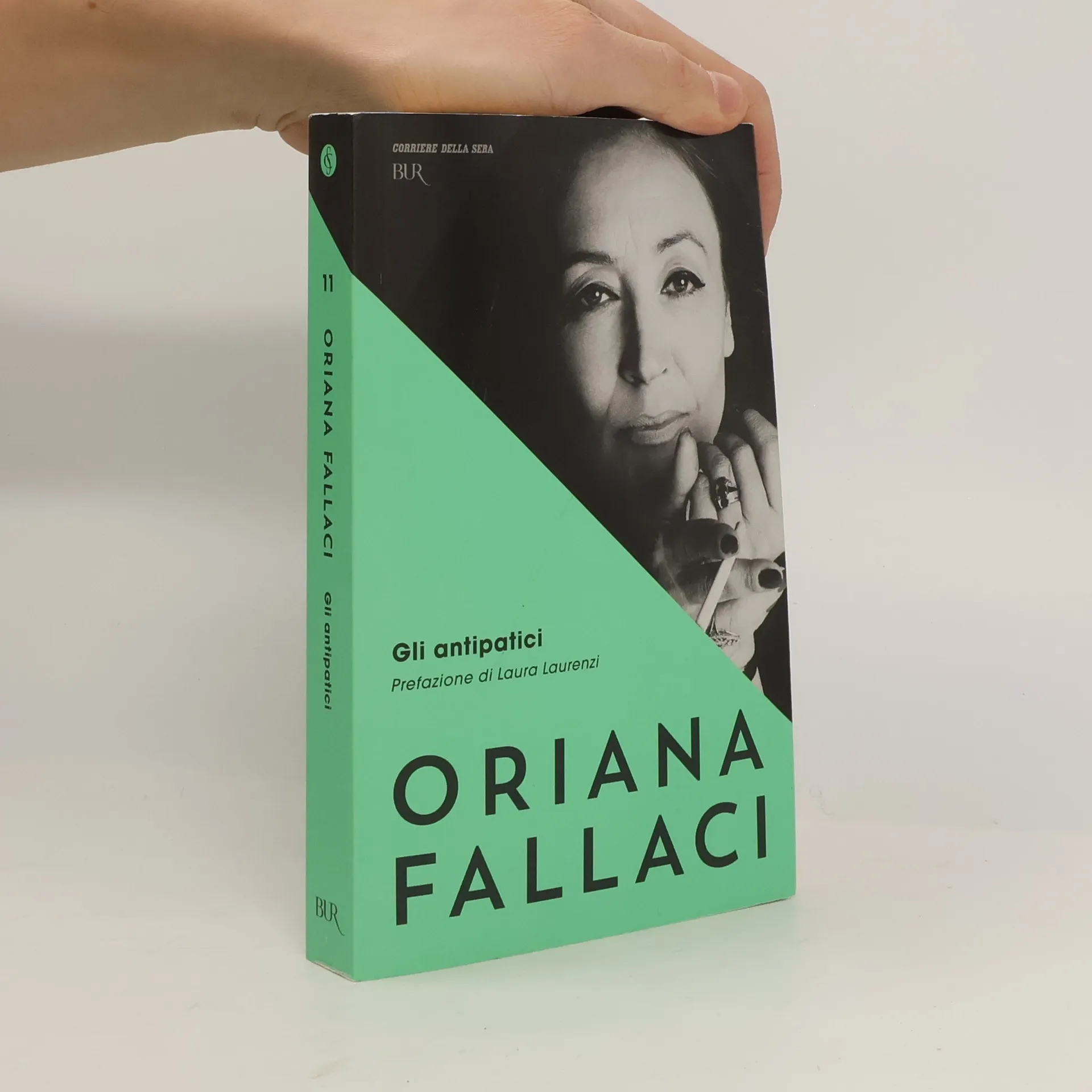
Quella tra Oriana e Pier Paolo è una delle più affascinanti e intense storie di amore-odio della letteratura e del costume italiani del Novecento. Scrittori di primissimo livello, polemisti spietati, personaggi venerati e infangati dall'opinione pubblica del tempo, le loro personalità contrapposte non potevano far altro che incrociarsi. Forse anche perché, a differenza dei loro colleghi italiani, Oriana e Pier Paolo si muovono con agio sullo scenario internazionale: lei grazie ai suoi reportage dalle zone di guerra e a una serie di interviste ai potenti della terra, lui soprattutto per merito del suo cinema che spiazza, divide e scandalizza i censori di tutto il mondo. Tra gli anni Sessanta e i primi Settanta, questi due protagonisti del panorama intellettuale si incontrano e si scontrano, si cercano e si negano: lei ammira e detesta il suo essere sempre bastian contrario, lui adora e disprezza la sua intensa visceralità. Ma la morte di Pasolini, il brutale omicidio che lo strappa alla vita il 2 novembre del 1975, spinge Oriana a rinsaldare il legame con questo amico-nemico andato via troppo presto. E lo fa con i mezzi a sua disposizione, quelli del giornalismo e della scrittura. Sotto la sua spinta, "L'Europeo" - il settimanale per cui lavora - si lancia in una controinchiesta che smentisce e ribalta la versione offerta dalle autorità. Introduzione di Alessandro Cannavò.
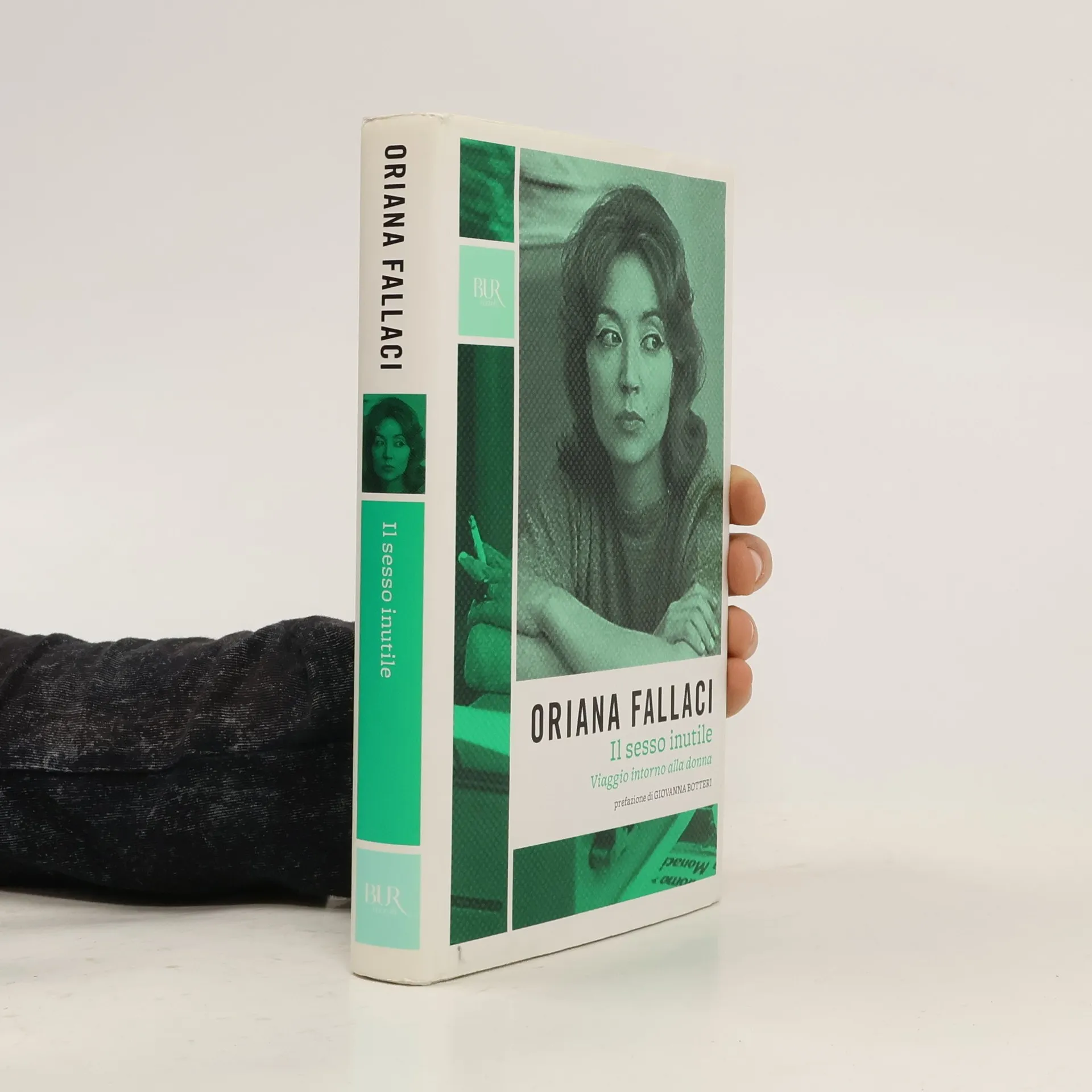
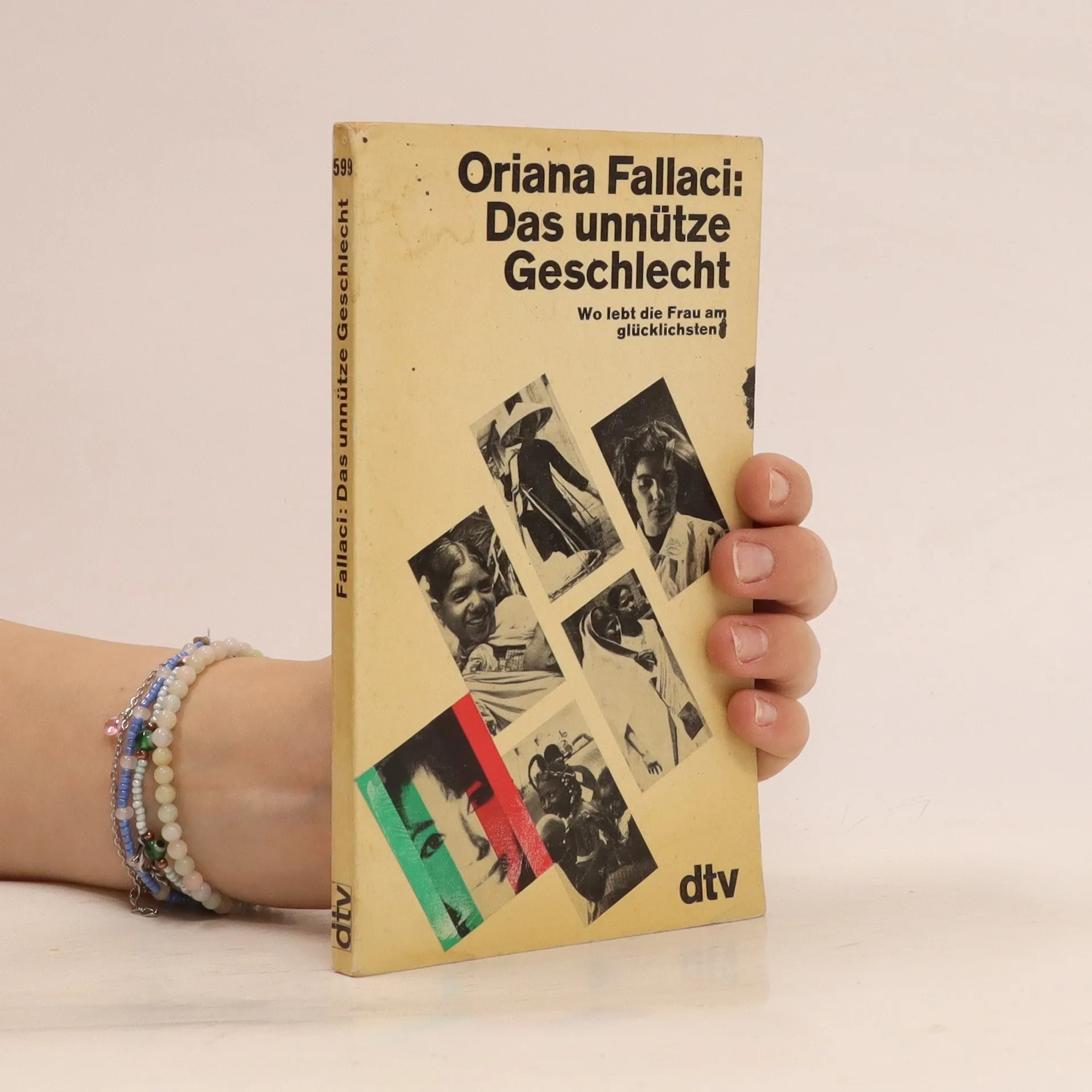
"Le donne non sono una fauna speciale e non capisco per quale ragione esse debbano costituire, specialmente sui giornali, un argomento a parte: come lo sport, la politica e il bollettino meteorologico." Così Oriana Fallaci nella premessa a "Il sesso mutile". L'anno precedente, inviata de "L'Europeo", è in Oriente insieme al fotografo Duilio Pallottelli per un'inchiesta sulla condizione delle donne. È partita alla ricerca di tracce di felicità e nel libro racconta la sua esperienza: a Karachi in Pakistan assiste al matrimonio di una sposa bambina e si ribella all'idea delle donne velate; a New Delhi incontra Rajkumari Amrit Kaur, figura di grande potere in India; in Malesia conosce le matriarche che vivono nella giungla; a Singapore c'è la scrittrice Han Suyin; a Hong Kong le cinesi non hanno più i piedi fasciati ma le intoccabili abitano ancora sulle barche; a Tokio è smarrita di fronte all'impenetrabilità delle giapponesi e a Kyoto affronta il mistero delle geishe; alle Hawaii cerca invano i segni di un'esistenza originaria intatta. Il viaggio si conclude a New York, dove il progresso ha reso più facile la vita delle donne a confrontarsi con "un mondo di uomini deboli, incatenati a una schiavitù che essi stessi alimentano e di cui non sanno liberarsi".
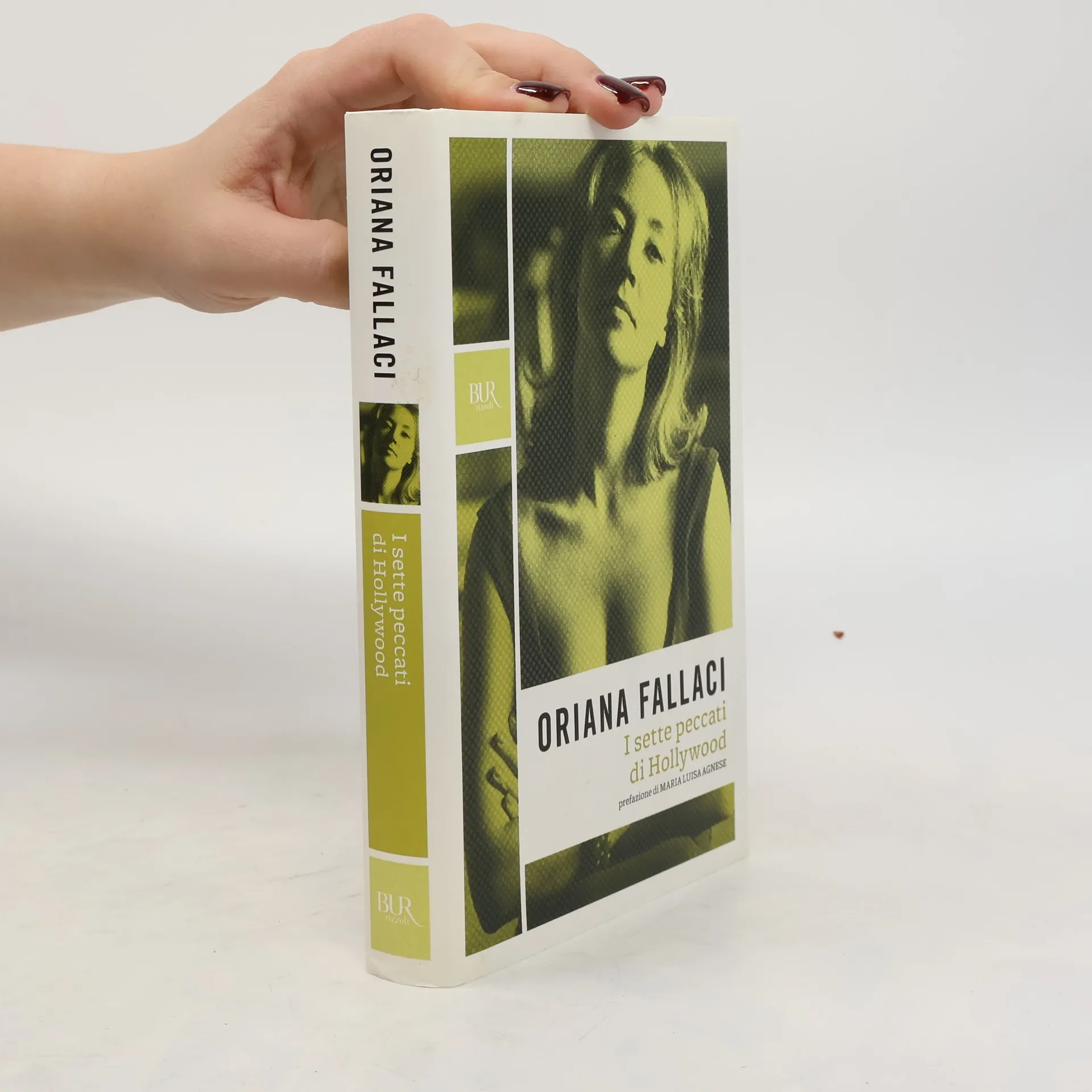
Il 9 gennaio 1956, Oriana Fallaci, inviata de "L'Europeo", arriva a Hollywood per intervistare Marilyn Monroe. Porta in dono dodici camicie confezionate a Roma per il regista Jean Negulesco. Anche se l'incontro non è decisivo, spinge Oriana a volare a New York, dove rimane colpita dalla bellezza dei grattacieli. Due anni dopo, il giornale le chiede di scrivere reportage sul cinema, e ritorna a Hollywood, visitando le dimore degli attori e partecipando a feste esclusive. Osserva i divi anche durante la Messa e si interessa ai produttori indipendenti, condividendo ambizioni e rimpianti in interviste sincere. Con ironia e comprensione umana, esplora i sette peccati capitali, affermando che la storia di Hollywood è dominata da chi è energico e ambizioso. Nonostante le crisi, Hollywood rinasce sempre, alimentata da una forte avidità di successo. La sua narrazione diventa il libro d'esordio, I sette peccati di Hollywood, pubblicato nel 1958 da Longanesi e riproposto nella collana BUR delle Opere di Oriana Fallaci dopo una lunga assenza.
Autointervista di una donna che ha il coraggio di scrivere la verità sugli altri e su se stessa. Temi: il cancro morale che divora l'Occidente e quello fisico che divora lei. L'antioccidentalismo, il filoislamismo, il parallelo tra l'Europa del 1938 e l'Eurabia d'oggi, il nuovo nazifascismo che avanza. Tra i personaggi: Berlusconi e i maramaldi, i protagonisti e i leader non-leader della politica italiana. Bush, l'Onu, Kofi Annan, i tagliatori di teste e le loro vittime. Il tricolore messo al bando dagli arcobalenisti, i pacifisti guerraioli, i collaborazionisti in buona e cattiva fede. E anche "La forza della ragione", i suoi lettori, i suoi ricordi, la sua passione politica, il suo umorismo, la morte di cui parla senza disagio e senza paura.
Tra i tavolini di via Veneto o nei teatri di posa di Cinecittà, in piazzetta a Capri o al Lido di Venezia, uno sguardo attento e ironico illumina i riti dell'Italia della dolce vita. Oriana Fallaci, giovane scrittrice allora impegnata come corrispondente dell'Europeo, coglie lo spirito di quegli anni e di chi li abita: intellettuali, gente di cinema, ma anche viveur, nobili decaduti, borghesi in cerca di gloria. In un grande affresco, scanzonato e senza preconcetti, si ritrovano, con i loro tic, speranze e aspirazioni, gli attori famosi – da Sordi a Gassman, da Gina Lollobrigida a Sofia Loren –, i registi – Visconti, Rossellini, Fellini, Antonioni –, gli scrittori, i grandi produttori e le stelline in cerca di gloria che hanno fatto la fortuna del cinema italiano nel mondo e hanno saputo rappresentare, forse più che in qualsiasi altra epoca, le caratteristiche del "genio italico".Oriana Fallaci li osserva, li incontra, li intervista, qualche volta ne diventa amica, a volte si fa odiare, ma sempre ce li restituisce vividi e umani, cogliendone i punti deboli e le grandezze, le idiosincrasie e le passioni. Un "dietro le quinte" che racconta un'epoca eccezionale attraverso la penna pungente di una grande scrittrice.
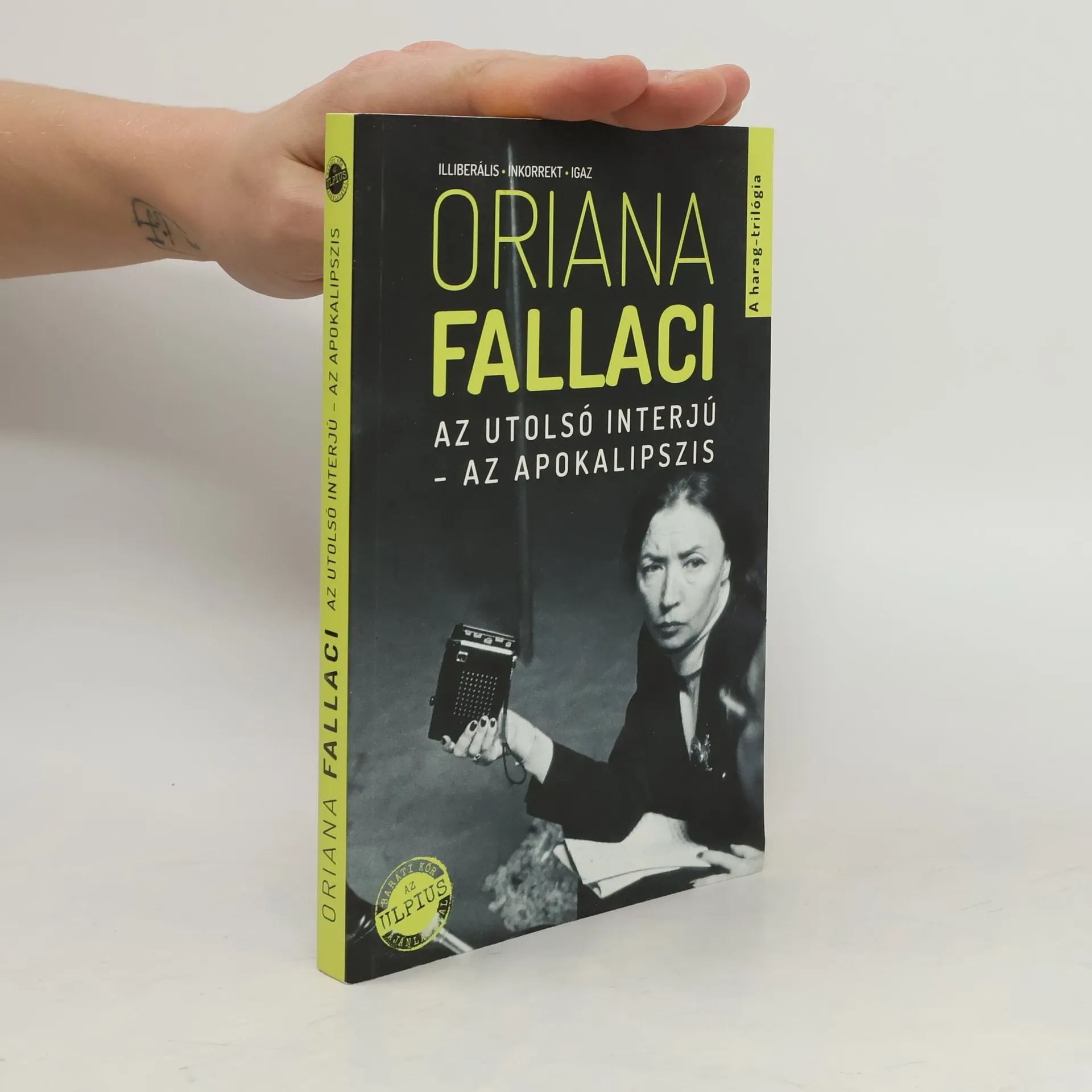
Nos, az úgynevezett civilizációk-összeütközése, más néven a Nyugat és az Iszlám szeütközése nem más, mint az a harc, amiről János evangélista beszél". Mindezekkel kapcsolatban a szerző hangsúlyosan foglalkozik az amerikai és európai politikusok, kiemelten az olasz jobb- és baloldal kritikájával is. A borítóján "illiberális, inkorrekt, igaz" jelzőkkel illetett mű - előzményeihez hasonlóan - minden valószínűség szerint Magyarországon is heves vitákat fog kiváltani.
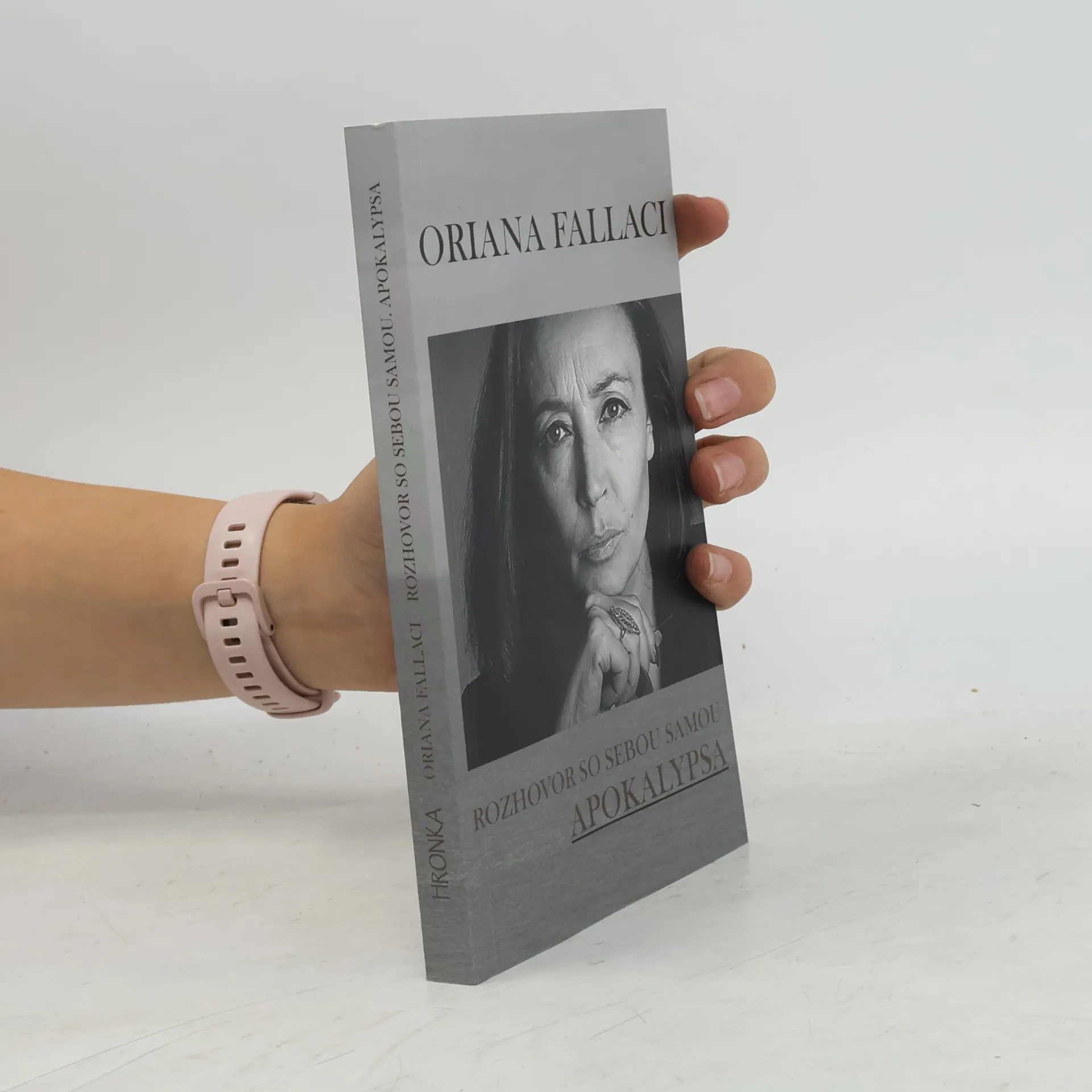
Rozhovor so sebou samou s obsiahlym doslovom pod názvom Apokalypsa dokončila krátko predtým, ako prehrala svoj zápas s rakovinou. V netradičnom žánri autointerview sa nevyhýba osobným vyznaniam, úvahám nad svojím životom a chorobou, ale všetko smeruje k jej opisu mravného a intelektuálneho úpadkuzápadnej civilizácie. S charakteristickou otvorenosťou píše o islamskom terorizme, kríze európskych hodnôt, demaskuje pokrytectvo politikov a nastavuje zrkadlo rezignovanej západnej spoločnosti. Knihu rozhovorů se sebou samou připravila autorka nejprve pod titulem Oriana Fallaciová rozmlouvá s Orianou Fallaciovou a později ji v rozšířené a přepracované podobně přidala k novému textu – Apokalypse.
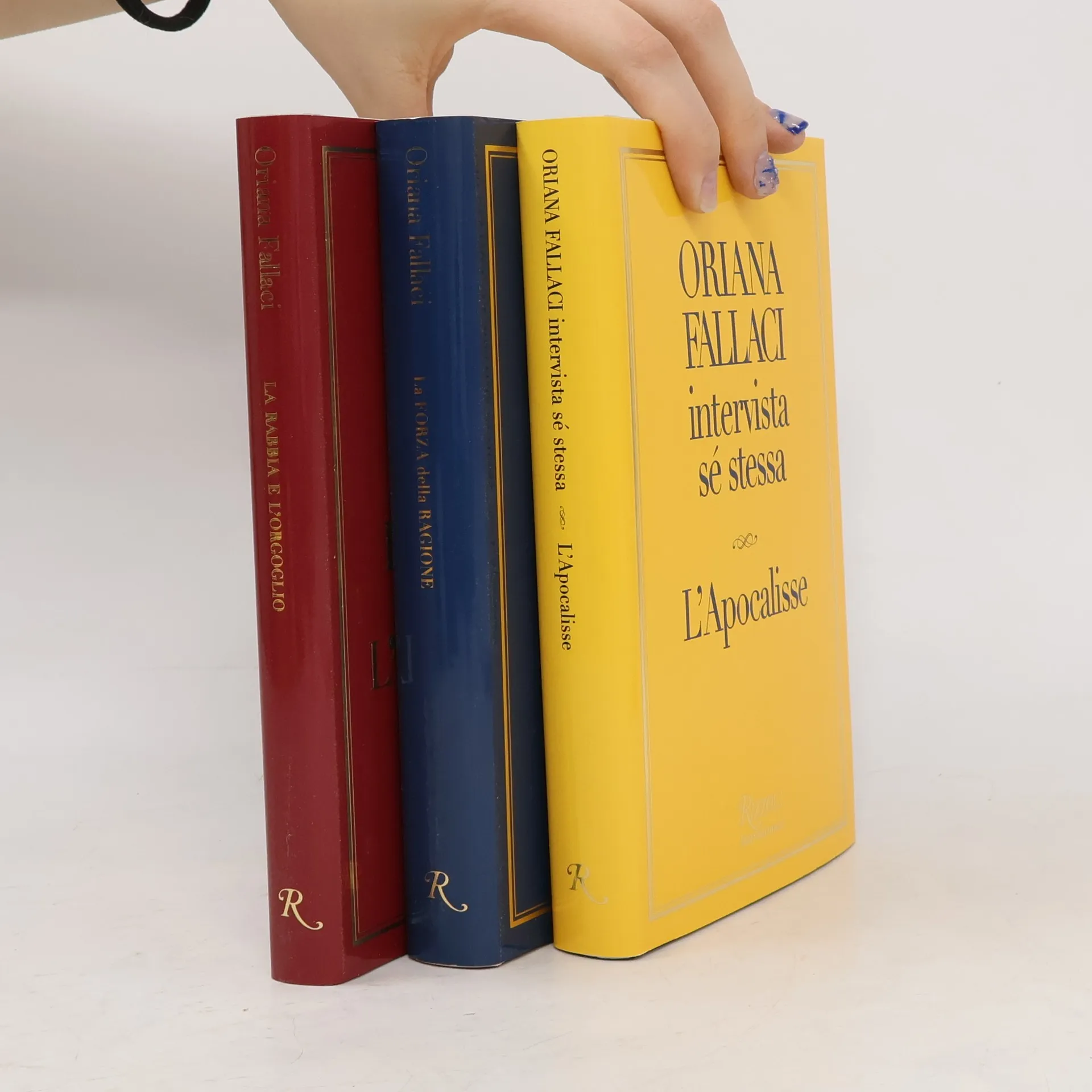
Il cofanetto raccoglie tre dei maggiori successi di Oriana Fallaci ("La rabbia e l'orgoglio", "La forza della ragione", "Oriana Fallaci intervista sé stessa"), scritti a partire dall'attacco alle Torri gemelle di New York, amati (o fortemente criticati) da milioni di persone in Italia e nel mondo. A questi si aggiunge "L'apocalisse", un post-scriptum che in realtà è un altro libro, con il quale Fallaci torna a intervistare se stessa con il consueto coraggio. L'autrice ha riveduto e corretto, ma soprattutto ampliato, ogni testo con numerosi brani e lunghi inserti che lo rinnovano e arricchiscono.