Penguin Classics - 57: How Much Land Does a Man Need?
- 53bladzijden
- 2 uur lezen
Includes: - How Much Land Does a Man Need? - What Men Live By





Includes: - How Much Land Does a Man Need? - What Men Live By
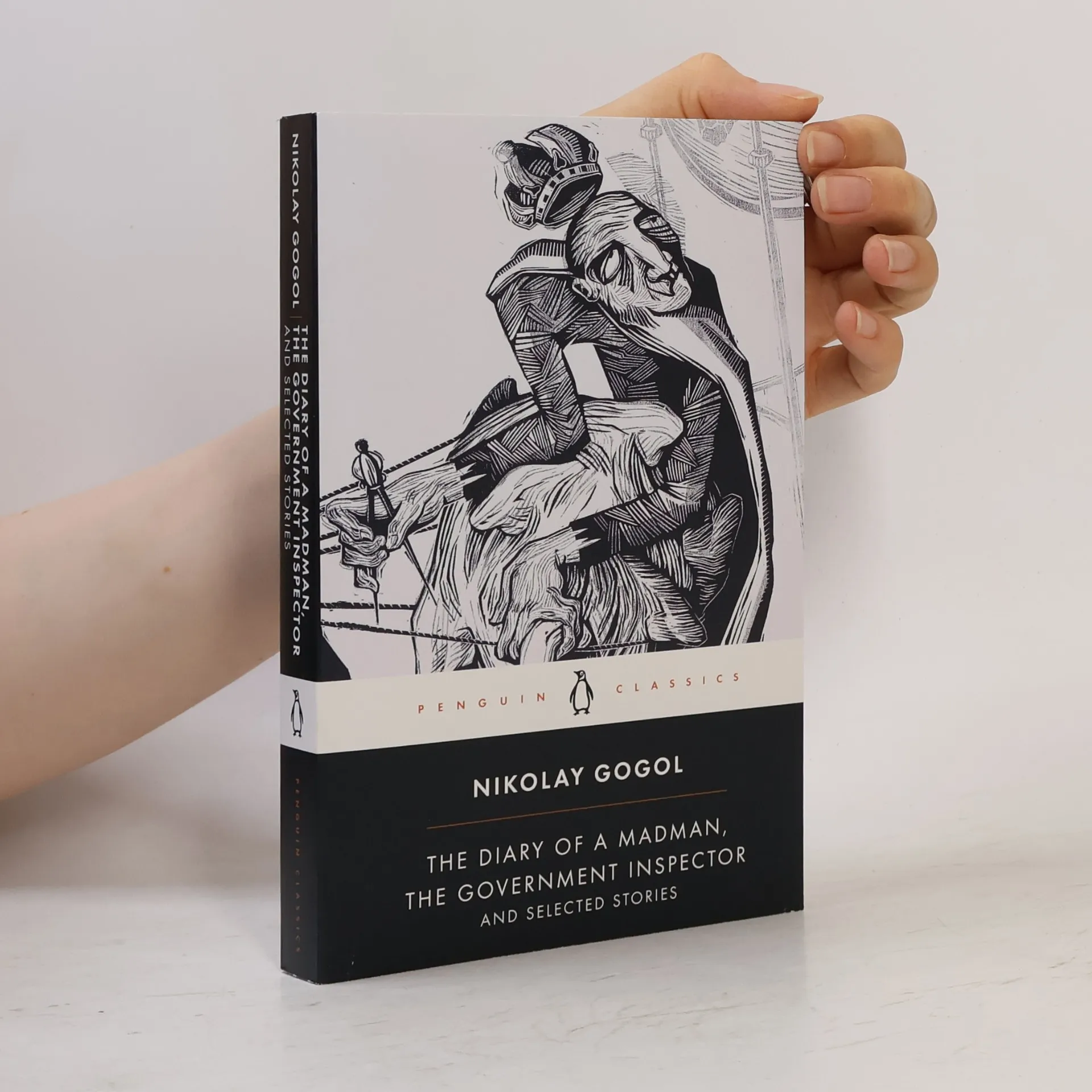
Nikolai Gogol's work offers a sharp critique of society, highlighting the absurdities of bureaucracy and corruption. This collection features his renowned drama "The Government Inspector," celebrated for its biting satire, and a range of short stories that explore the lives of society's marginalized, from clerks to swindlers. Notable pieces include "Diary of a Madman," which delves into madness, "Nevsky Prospect," portraying obsession, and "The Overcoat," a poignant reflection on poverty that left a lasting impact on Russian literature.
"The Nose" is a satirical short story by Nikolai Gogol. Written between 1835 and 1836, it tells of a St. Petersburg official whose nose leaves his face and develops a life of its own.
Ten classic short stories by the master Russian author explore the daily lives of peasants and the interrelationships of men and women.
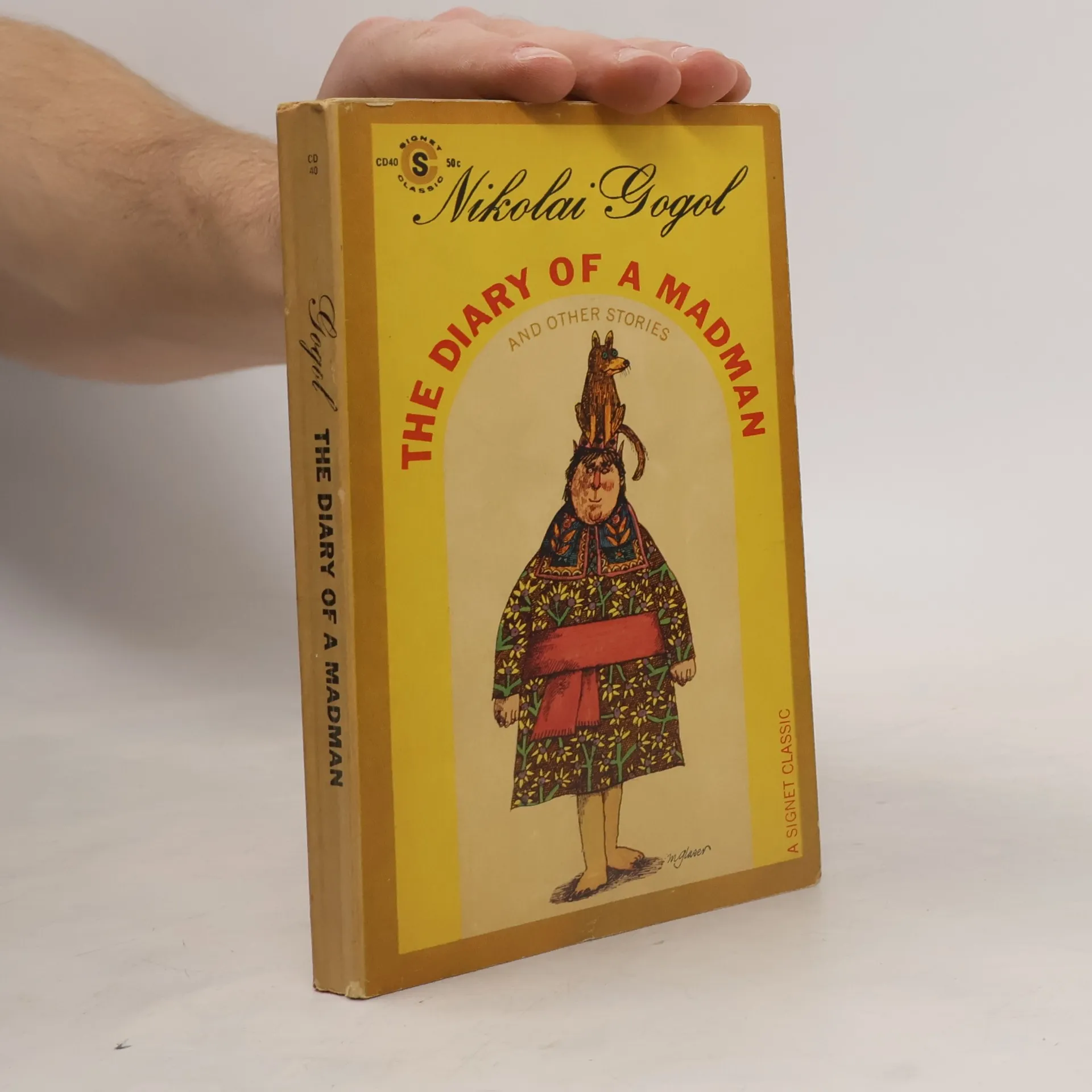
Illuminates the Russian writer's thoughts on madness, bureaucracy, and illusion in these five tales
Bevat: - Kinderen - Onder de mensen - Mijn universiteiten