

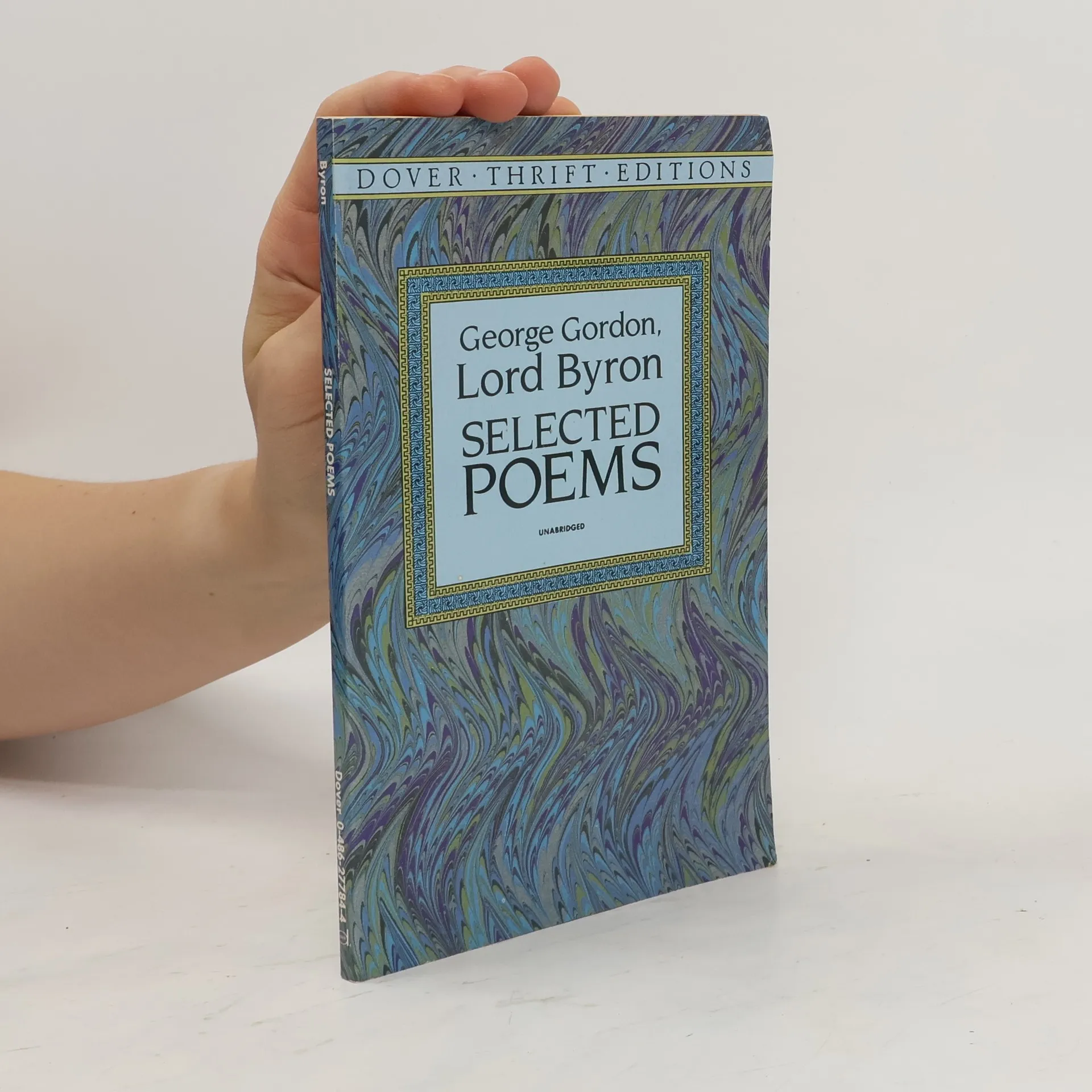
Byron's free-spirited lifestyle combined with his rare poetic gift to make him one of the foremost figures of the Romantic Era. This collection of his poems, richly varied in mood and content, captures the essence of his great achievement. Among the thirty-one poems included are convivial song-like poems, love poems, travel poems, humorous and satiric poems. Shorter works such as the famous "She Walks in Beauty," "Stanzas to Augusta" and "So We'll Go No More a Roving" are well represented. Also here are important longer works — "The Prisoner of Chillon," "Beppo," "The Vision of Judgment," all unabridged — and lyrics excerpted from Don Juan, Childe Harold's Pilgrimage, and the play Manfred. Taken together, these are poems that draw readers quickly into the passions, humors, and convictions of a poet whose life and work truly embodied the Romantic spirit.
Nathan Haskell Dole Boeken
Nathan Haskell Dole was een Amerikaanse redacteur, vertaler en auteur die zich verdiepte in rijke literaire tradities van over de hele wereld. Zijn uitgebreide vertaalwerk omvatte een diepe onderdompeling in de Russische literatuur, met name de werken van Leo Tolstoj, naast Spaanse, Franse en Italiaanse romans. Door zijn vertalingen bracht Dole een diversiteit aan internationale stemmen bij lezers, verrijkend het literaire landschap en overbruggend culturen. Zijn redactionele inspanningen vormden verder gepubliceerde inhoud en lieten een onuitwisbare indruk achter in de literaire wereld.
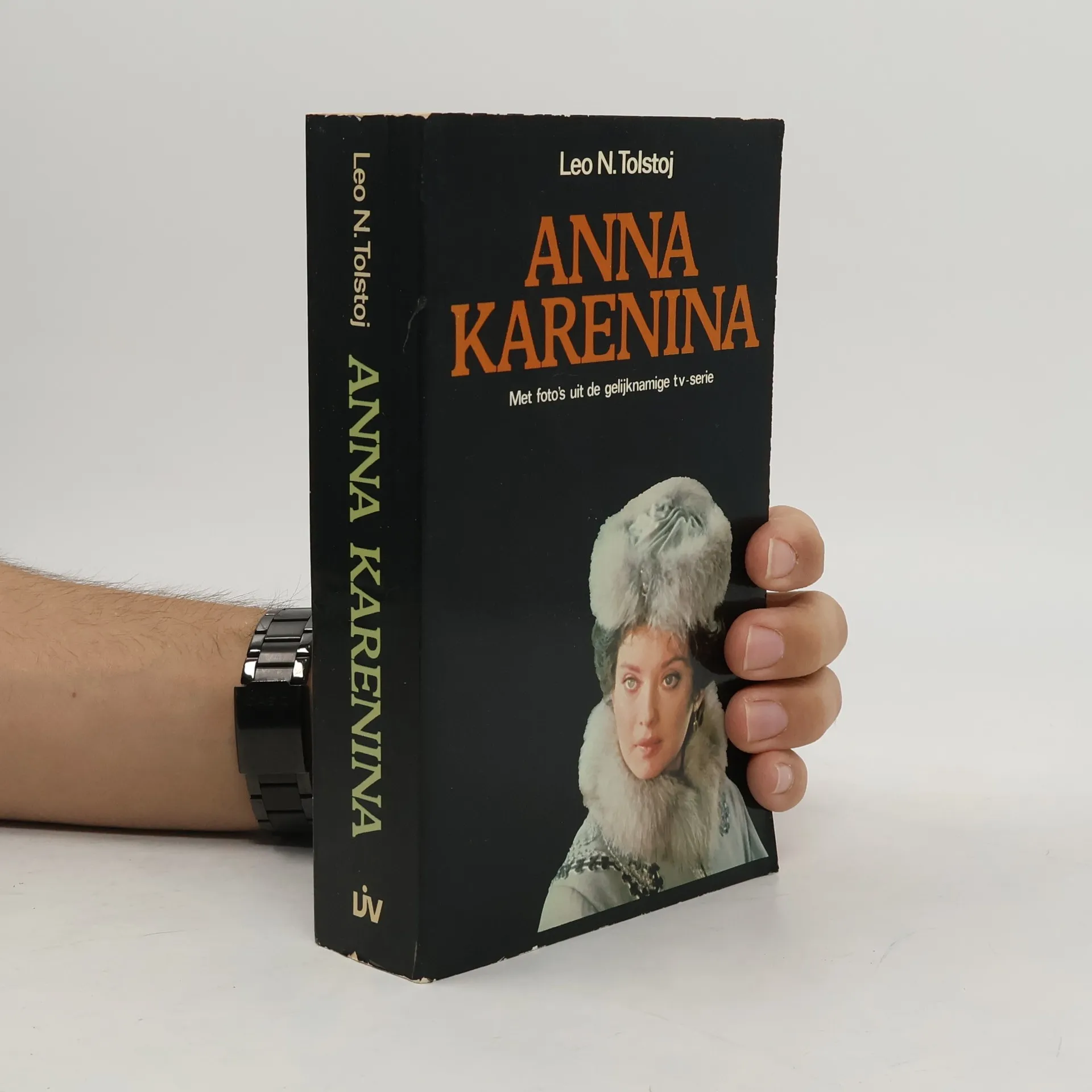
Een vrouw verlaat haar gezin en gaat in vrije liefde met haar minnaar leven, doch blijkt uiteindelijk niet tegen de spanningen van dit onzekere bestaan opgewassen. "Anna Karenina". 1873-'76
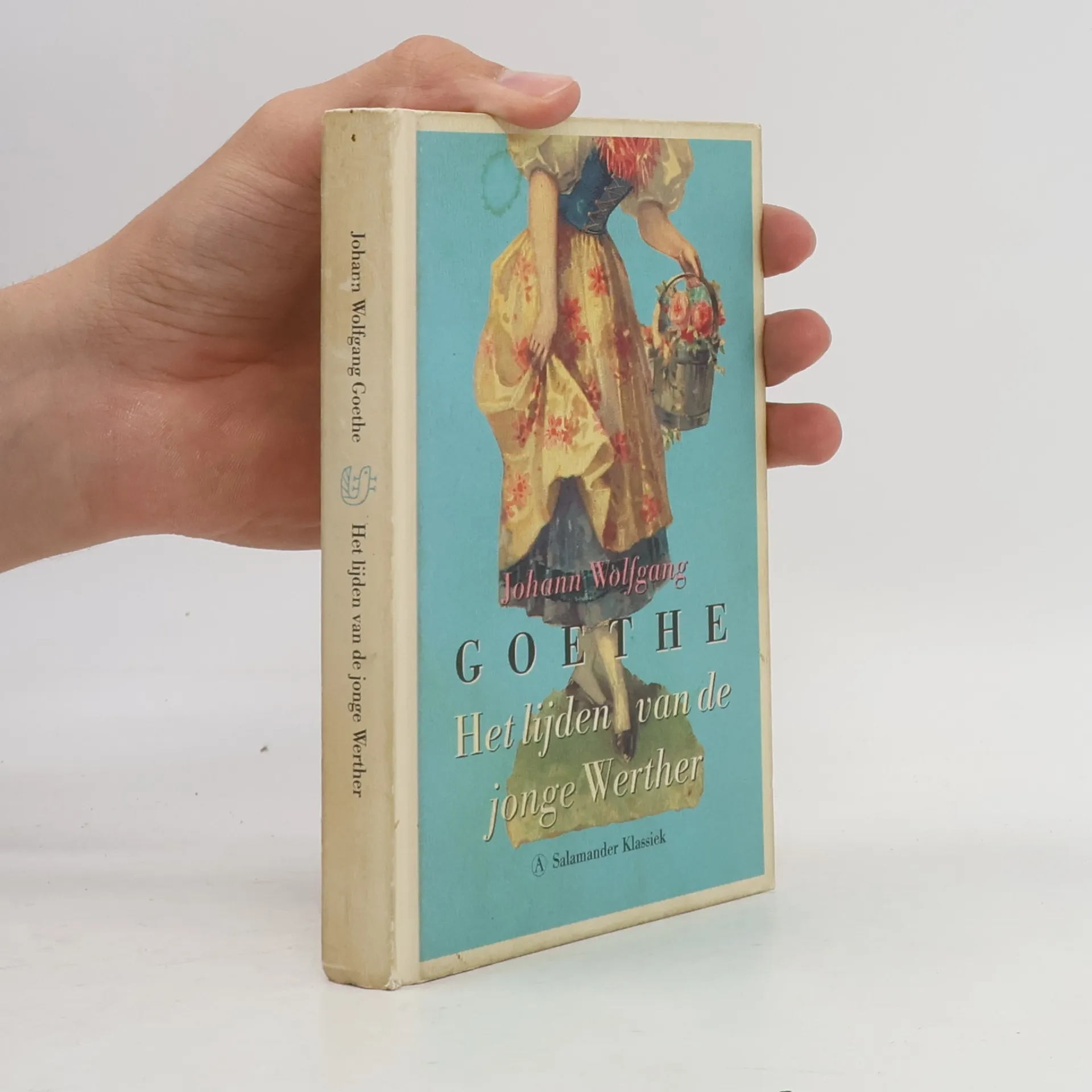
Salamander Klassiek: Het lijden van de jonge Werther
- 176bladzijden
- 7 uur lezen
In 1774 verscheen te Leipzig, anoniem, Die Leiden des jungen Werthers. De naam van de schrijver bleef niet lang geheim: Johann Wolfgang Goethe. Het boek maakte die naam in de hele wereld bekend. Zelden is er een boek verschenen dat zijn tijd zo in de nerf wist te raken. Een groot aantal vooral jonge mensen kon zich met de held identificeren. Die held was Werther, de intelligente, romantische jongeman, die in Lotte zijn grote liefde ontmoette, maar moest ervaren dat die niet beantwoord werd. Zij had haar hart aan een ander geschonken. Wanneer Werther zich dat tenslotte heeft gerealiseerd, maakt hij een eind aan zijn leven. In zijn dagboek schrijft hij over het geluk dat hem deelachtig werd voor háár te kunnen sterven. Aan zijn schrijftafel gezeten schiet hij zich een kogel door het hoofd. Goethes Het lijden van de jonge Werther deed een golf van emotie door Duitsland slaan. Het boek werd zowel krachtig veroordeeld als tot het boek van de eeuw verheven. Georg Lukács heeft de betekenis van het boek zo aangegeven: 'Het lijden van de jonge Werther is een van de grootste liefdesromans uit de wereldliteratuur, omdat Goethe heel het leven van zijn tijd met al zijn conflicten in deze liefdestragedie heeft samengevat.'
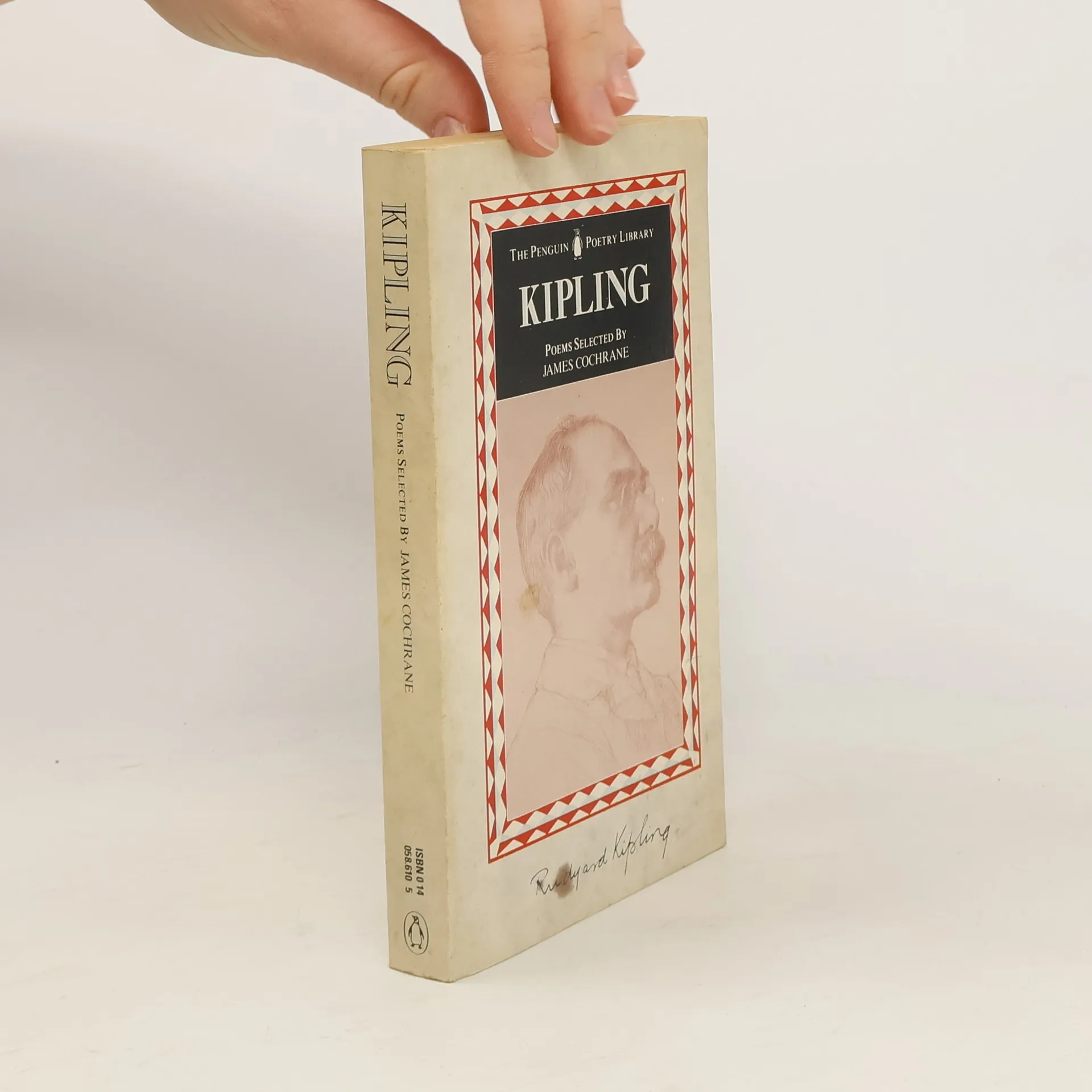
IN the old fairy tales the cradles of new-born infants were visited by beneficent beings who granted special gifts of fortune, beauty, talent, though sometimes a jealous hag would slink in and by a malevolent counter- charm try to spoil the bright future. Such things have long ago ceased in commonplace England, but it is differ- ent in India; and we can hardly help believing that the power of understanding the speech of animals and birds is still occasionally conferred on fortunate mortals. Else how can one explain "Rikki-Tikki-Tavi," and "Tomai of the Elephants " ? Fortunate for special purposes is the man of one race and language who is born amid the men of another, and thus inherits two tongues and the knowledge of two peoples. Such was the good fortune of Rudyard Kipling, and it is not a mere legend that, on meeting with Indian elephants amid the tawdry surroundings of an American circus, he was able to talk and understand the mystic language of the jungle.