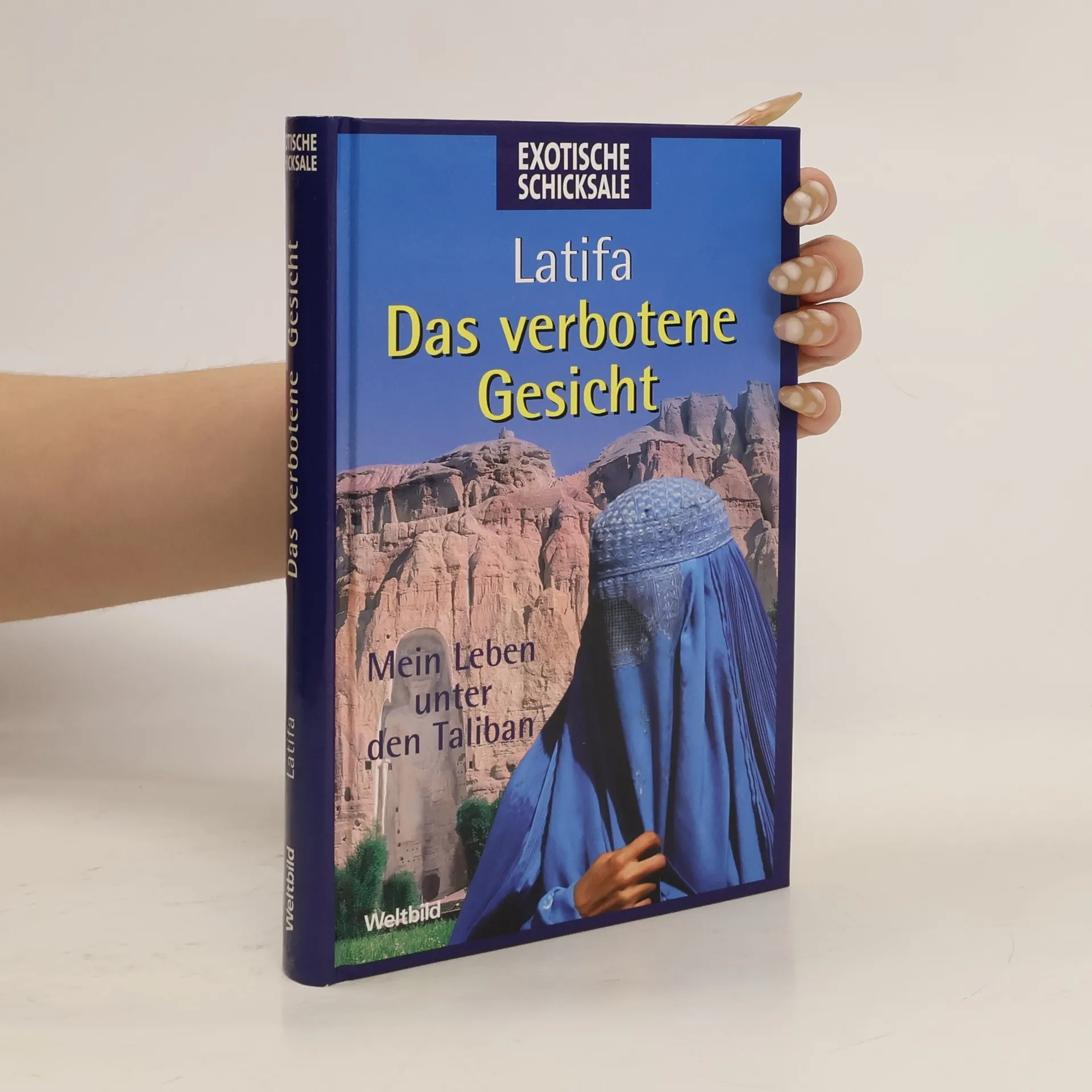
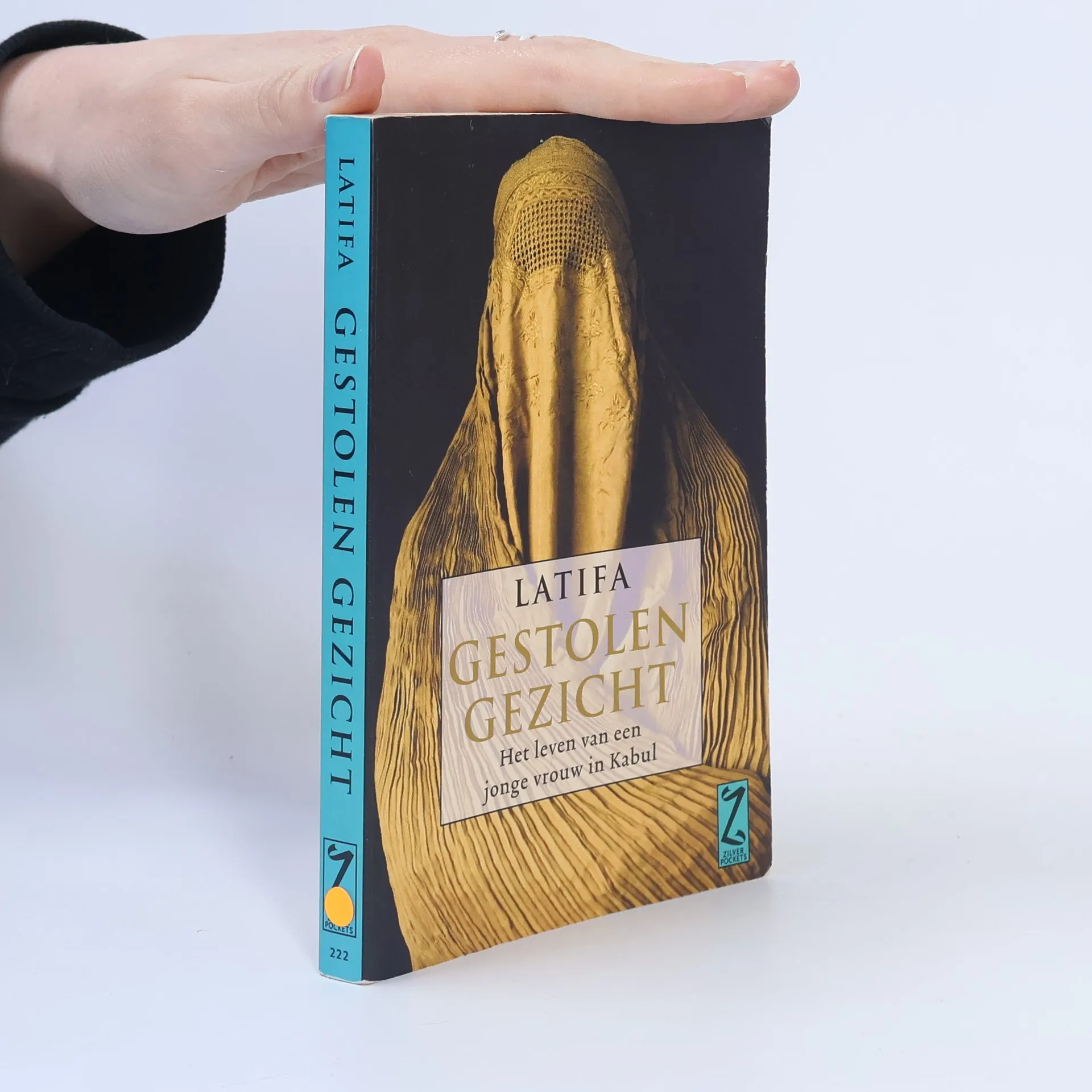
Latifa was born into an educated middle-class Afghan family in Kabul in 1980. She dreamed of one day becoming a journalist and was interested in fashion, movies and friends. Then in September 1996, Taliban soldiers seized power in Kabul. Her school was closed and from that moment she became a prisoner in her own home at just 16. Latifa was now forced to wear a chadri. With painful honesty and clarity Latifa describes the way she watched her world falling apart, in the name of a fanatical interpretation of a faith that she could not comprehend. Her voice captures a lost innocence, but also echoes her determination to live in freedom and hope. Earlier this year, Latifa and her parents escaped Afghanistan with the help of a French-based Afghan resistance group.
Chékéba Hachemi avait 11 ans lorsqu'elle a quitté l'Afghanistan pour rejoindre le Pakistan. Seule, elle suit un passeur dans des montagnes escarpées. À 25 ans elle s'engage aux côtés de Massoud dans son combat contre les talibans, pour améliorer le sort de son pays et surtout les conditions de vie des femmes afghanes. Dans ce témoignage, elle retrace ses victoires, ses erreurs et ses échecs. Et montre comment les petites histoires font la grande.
An astonishing first-hand account of a young womans life lived under the tyranny of the Taliban.Born into a middle-class Afghan family in Kabul in 1980, Latifa spent her teenage days talking fashion and movies with her friends, listening to music, and dreaming of one day becoming a journalist. Then, on September 26, 1996, Taliban soldiers seized power in Kabul. Suddenly, streets were deserted. Her school was closed. Phones were cut. The radio fell silent. And from that moment, Latifa, just sixteen years old, became a prisoner in her own home. The simplest and most basic freedoms like walking down the street alone or even looking out of a window were forbidden. Latifa had never worn a veil before, but was now forced to be swathed in a chadri, the state-mandated uniform that covered her entire body. Her disbelief at having to hide her face was soon replaced by fear, the fear of being whipped or stoned like the other women she'd seen in the streets. Latifa struggled against an overwhelming sense of helplessness and despair. In a step of defiance, she set up a clandestine school in her home for a small number of young girls. To avoid arousing suspicion, the children were not allowed to attend every day, nor could they keep regular hours. Latifa knew that she was risking her life for something that could change little. But the teaching gave her a reason to get up in the morning, it helped restore meaning in her life. Latifa eventually escaped to Europe with her parents. My Forbidden Face provides a poignant and highly personal account of life under the Taliban regime. With painful honesty and clarity, Latifa describes her ordered world falling apart, in the name of fanaticism that she could not comprehend, and replaced by a world where terror and oppression reign. Latifa and her parents escaped Afghanistan in May 2001 and were brought to Europe in an operation organized by a French-based Afghan resistance group and Elle Magazine. Since then she has been writing My Forbidden Face in collaboration with Chekeba Hachemi, the founder of Afghanistan Libre. They both live in Paris. This is her first book.
Latifa è nata a Kabul nel 1980. La sua è una famiglia della media borghesia afgana, colta e benestante. La sua più grande aspirazione di adolescente è quella di diventare giornalista e, come molte coetanee, dopo la scuola ama frequentare gli amici, leggere un libro, fare un po' di sport, andare al cinema. Poi, il 27 settembre 1996, la fine di tutto. La setta fondamentalista islamica dei talebani con un colpo di stato prende il potere. Improvvisamente, anche le cose più normali diventano proibite: cancellato il suo diritto a studiare, a lavorare, a uscire da sola. Umiliata e obbligata a vivere reclusa, Latifa inizia la sua piccola, disperata battaglia organizzando una scuola clandestina tra le mura di casa.