

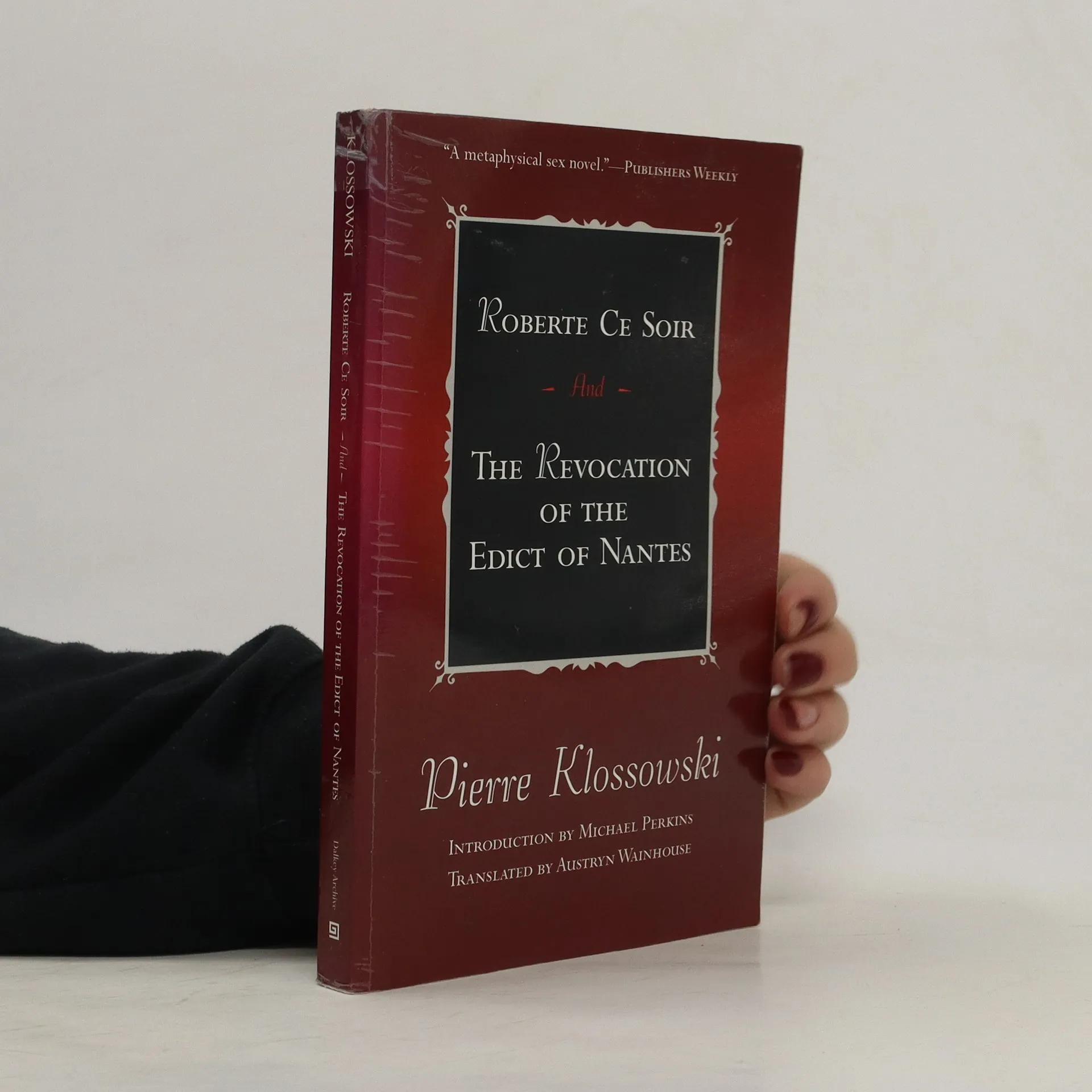
Together these two novels comprise the most fascinating, obsessive, and erotic works of contemporary French fiction. Like the works of Georges Bataille, and those of the Marquis de Sade before him, Klossowski's fiction explores the connections between the mind and the body through a lens of sexuality. Both of these novels feature Octave, an elderly cleric; his striking young wife Roberte; and their nephew, Antoine in a series of sexual situations. But Klossowski's books are about theology as well, and this merging of the sexual with the religious makes this book one of the most painstakingly baroque and intellectual novels of our time.
Austryn Wainhouse Volgorde van de boeken (chronologisch)
Austryn Wainhouse was een Amerikaanse auteur, uitgever en vertaler, met name van Franse werken. Hij is het best bekend van zijn Engelse vertalingen van de werken van de Markies de Sade. Zijn werk biedt een uniek inzicht in de Franse literatuur en gedachte.
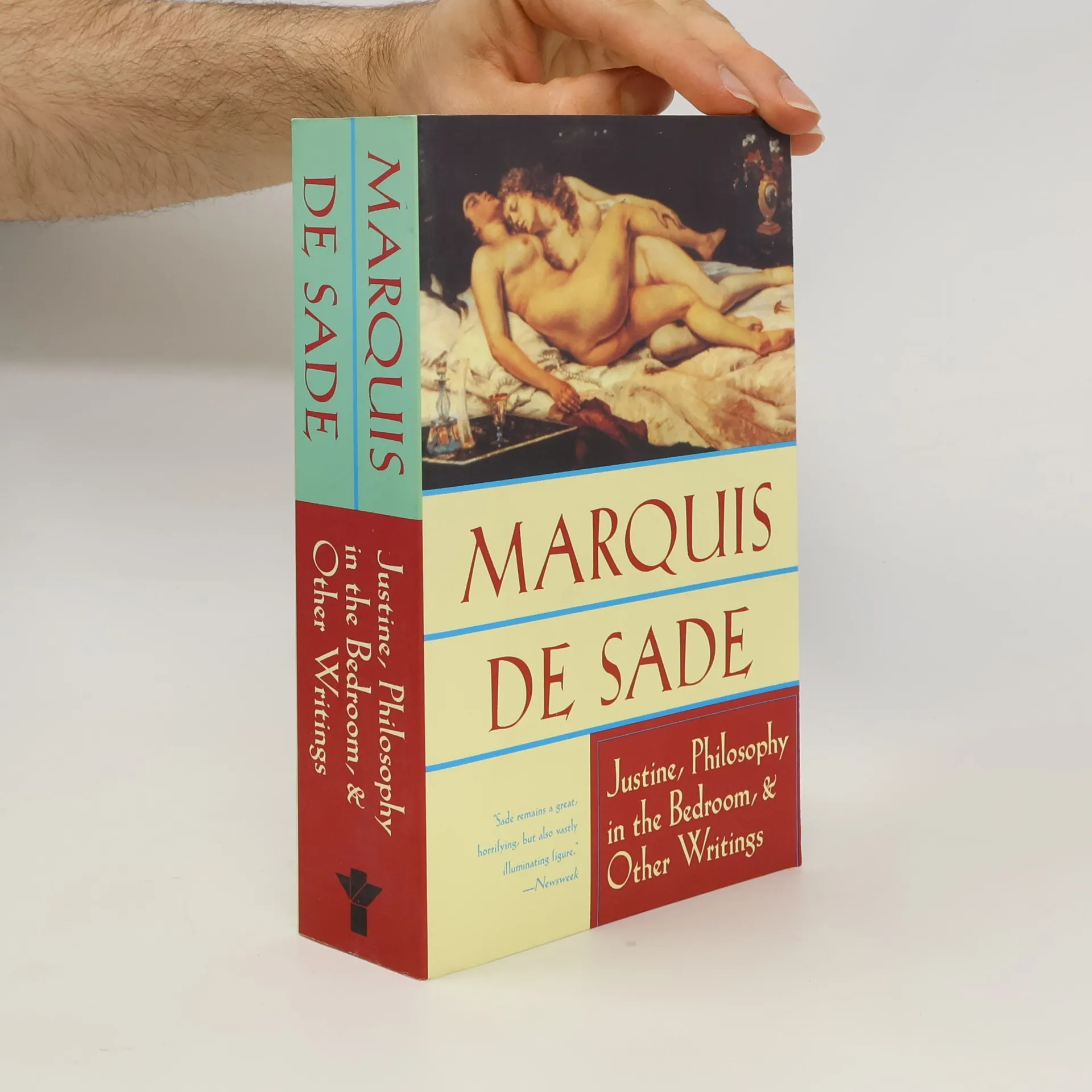


Justine, Philosophy in the Bedroom, and Other Writings
- 784bladzijden
- 28 uur lezen
No other writer has so scandalized proper society as the Marquis de Sade, but despite the deliberate destruction of over three-quarters of his work, Sade remains a major figure in the history of ideas. His influence on some of the greatest minds of the last century—from Baudelaire and Swinburne to Nietzsche, Dostoyevsky and Kafka—is indisputable. This volume contains Philosophy in the Bedroom, a major novel that presents the clearest summation of his political philosophy; Eugénie de Franval, a novella widely considered to be a masterpiece of eighteenth-century French literature; and the only authentic and complete American edition of his most famous work, Justine. This literary portrait of Sade is completed by one of his earliest philosophical efforts, Dialogue between a Priest and a Dying Man, a selection of his letters, a fifty-page chronology of his life, two important essays on Sade, and a bibliography of his work.
Onder aanvoering van vier 'schurken', een hertog, een bisschop, een bankier en een rechter, zondert een groep mensen zich af in een kasteel om zich over te geven aan alle mogelijke vormen van seksualiteit, tot de extreemste aan toe. Voor de uitspattingen worden acht jongens en meisjes in de leeftijd van twaalf tot vijftien geselecteerd, acht mannen met grote penissen ('de neukers'), dienaressen en vertelsters. Dit gezelschap gaat er stevig tegenaan. Zaad vliegt in het rond, er wordt stront gegeten, gezogen, gelikt, gepist, geneukt en afgetrokken. De vier schurken laten zich door de vertelsters (vier dames) verhalen vertellen. Iedere maand vertelt een dame over 'de passie van de maand' en brengt daarmee de hoofden van de schurken op hol, wat weer gepaard gaat met allerlei seksuele afwijkingen.
This radical work by Nobel laureate Monod represents a significant intellectual milestone. It serves as a philosophical statement aimed at dismantling the animist view of humanity that has influenced Western thought from primitive cultures to dialectical materialism. Monod's argument is grounded in modern biology, which demonstrates that humans are the result of chance genetic mutations. Employing the rigorous logic of a scientist, he utilizes contemporary understanding of genetic structure to propose a new perspective on human existence. He asserts that objective scientific knowledge, regarded as the only reliable form of understanding, refutes the notions of destiny or evolutionary purpose found in traditional philosophies. Monod believes that the persistence of these ideas contributes to the growing schizophrenia of a world that embraces scientific advancements while ignoring their moral consequences. He critiques figures such as Plato, Hegel, Bergson, Teilhard de Chardin, Spencer, and Marx as "animist" thinkers and advocates for a new ethic that differentiates between objective knowledge and values. This ethic of knowledge, he argues, may help alleviate our profound spiritual malaise and avert the impending darkness he foresees.