
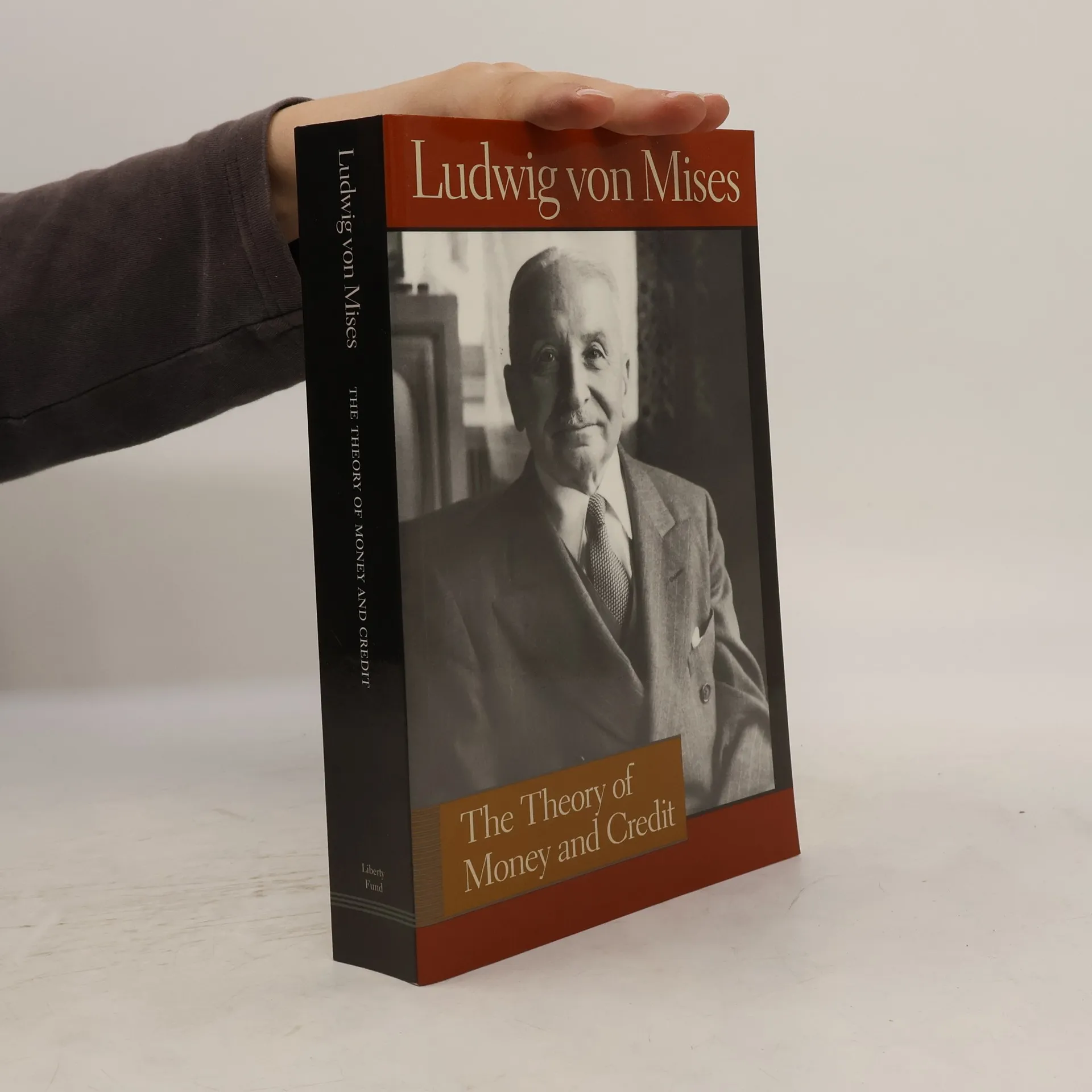
The Theory of Money and Credit integrated monetary theory into the main body of economic analysis for the first time, providing fresh, new insights into the nature of money and its role in the economy and bringing Mises into the front rank of European economists. The Theory of Money and Credit also presented a new monetary theory of the trade cycle, which, under further development by Mises’s student Nobel Laureate F. A. Hayek, came to challenge all previous trade-cycle theories. Ludwig von Mises (1881–1973) was the leading spokesman of the Austrian School of economics throughout most of the twentieth century. Please note: This title is available as an ebook for purchase on Amazon, Barnes and Noble, and iTunes.
Lionel Robbins Boeken
Deze Britse econoom was een sleutelfiguur aan de London School of Economics. Hij staat bekend om zijn definitie van economie en zijn aanzienlijke invloed op de heroriëntatie van de Angelsaksische economie. Zijn ideeën hebben het economisch denken gevormd, en zijn beroemde citaat, "Mensen willen wat ze niet kunnen krijgen", weerspiegelt een diep inzicht in de menselijke natuur.


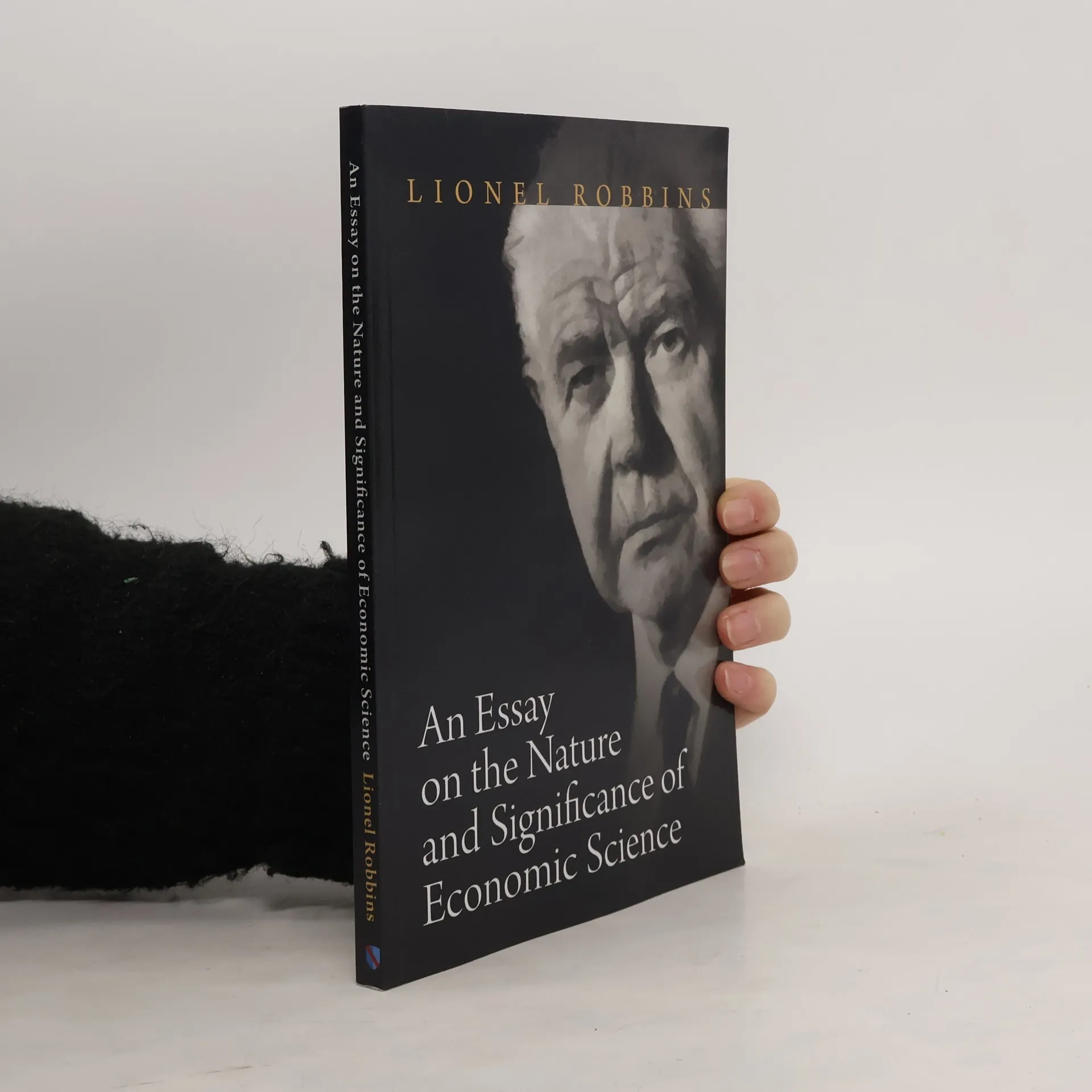
This book by Lionel Robbins first appeared in 1932 as an outstanding English-language statement of the Misesian view of economic method, namely that economics is a social science and must advance its propositions by means of deductive reasoning and not through the methods used in the natural sciences. The case is argued here with patience and attention to scholarly details. The unfortunate second edition of this book, which is more available today, introduces confusions by departing from Austrian microeconomic theory. Thus does the Mises Institute celebrate the 75th anniversary of the first edition with this reprint. "Reading Robbins," writes Samuel Bostaph of the University of Dallas, "is an excellent way of contrasting his explanation of the basic nature of economics with that of the Austrian School, as found in the work of Mises as an extension of Carl Mengers's foundations. Such a reading wonderfully clarifies one’s understanding of the basic conception of economics as a science of human action, rather than one of mere 'economizing.' "