

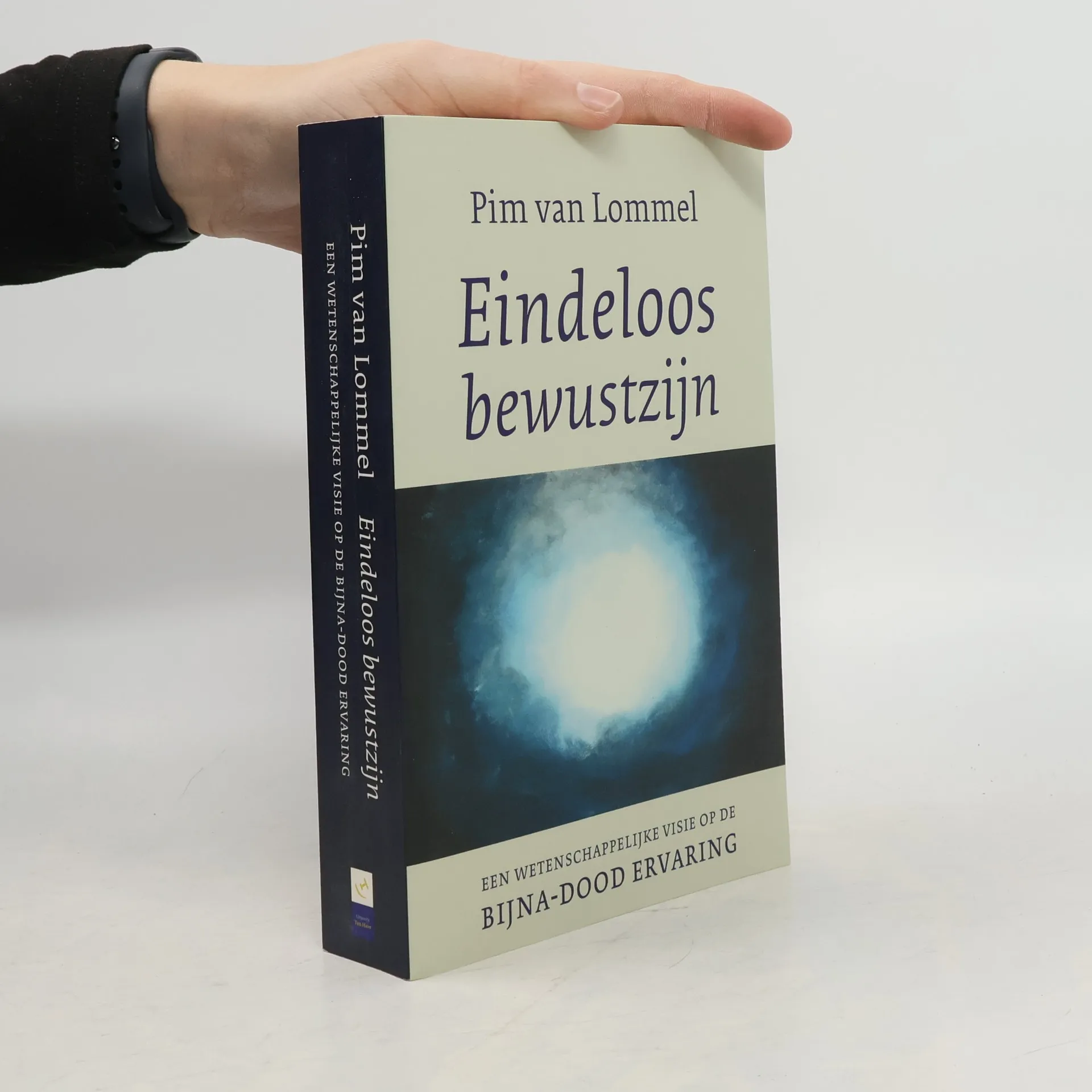
As a cardiologist, Pim van Lommel was intrigued by the numerous patients who reported near-death experiences following heart attacks. Struggling to reconcile these accounts with scientific rigor, he initiated a research study within a network of hospitals staffed by medical professionals. Over two decades, van Lommel systematically examined near-death experiences in a diverse group of patients who survived cardiac arrest. In 2001, he and his team published their findings in The Lancet, marking the first scientifically robust exploration of this phenomenon and generating significant international interest. Now available in English, van Lommel presents a comprehensive analysis of his results and theories, which have already sold over 125,000 copies in Europe. He provides compelling evidence that near-death experiences are genuine occurrences, not mere products of imagination, psychosis, or oxygen deprivation. Additionally, he notes that such experiences often lead to lasting changes in patients' personalities. Van Lommel argues that prevailing views on the brain and consciousness among many professionals are too limited for a full understanding of these phenomena. He posits that consciousness can exist independently of brain function, suggesting a profound separation between consciousness and the physical body.
Pim van Lommel Boeken
Deze auteur duikt in de ingewikkelde relatie tussen geest en brein en biedt een nieuw perspectief op bewustzijn. Zijn werk onderzoekt diepgaande vragen over leven en dood, waarbij hij bijna-doodervaringen onderzoekt met de precisie van een wetenschapper en de empathie van een arts. Door zijn onderzoek probeert hij ons begrip van wat het betekent om levend en bewust te zijn te vergroten. Zijn schrijven is zowel boeiend als inzichtelijk en nodigt lezers uit om na te denken over de diepste mysteries van het bestaan.
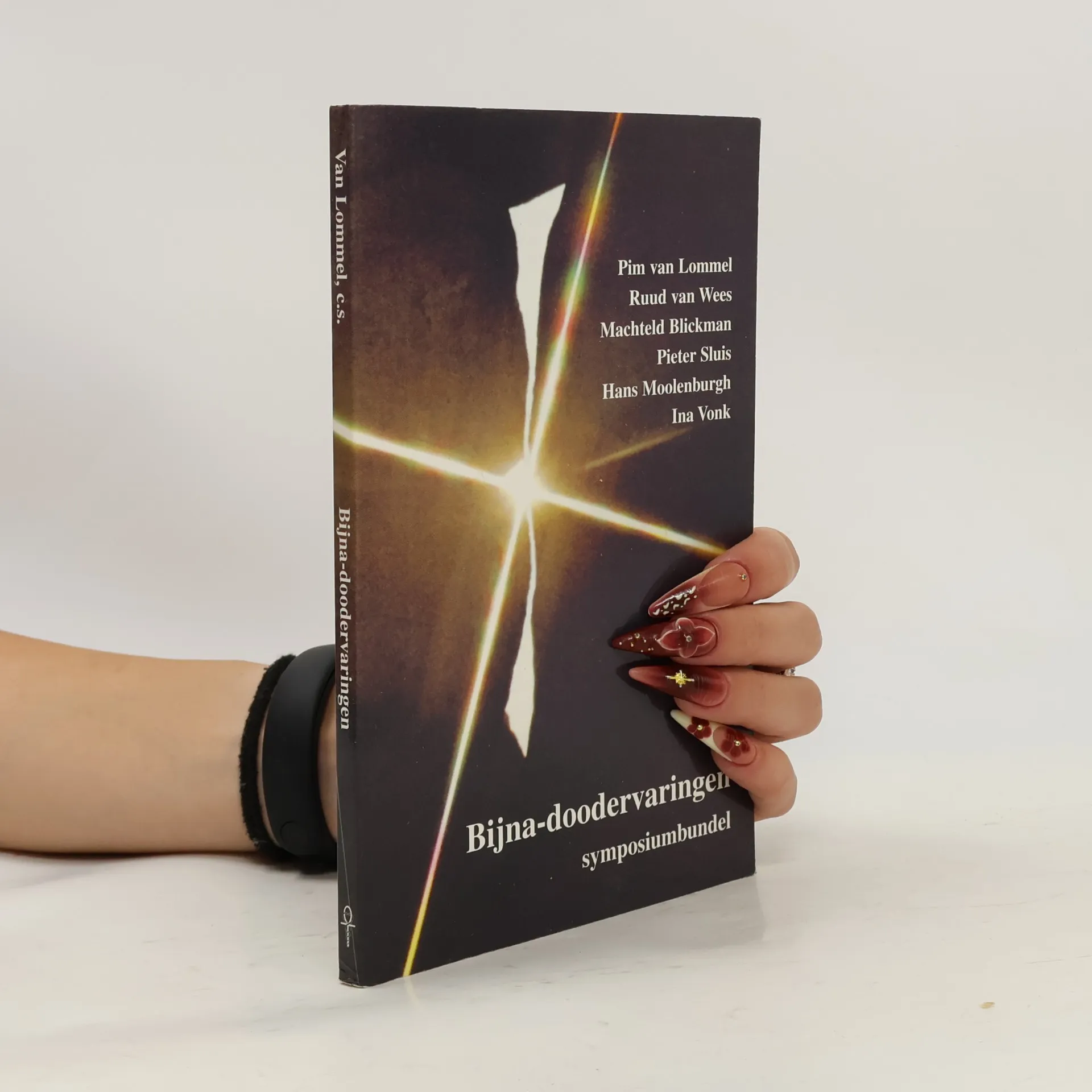
Bijna-doodervaringen
Symposiumbundel
De bijna-doodervaring, die in tien tot twintig procent van de gevallen van klinische dood tijdens een hartinfarct blijkt voor te komen - volgens een prospectieve studie, verricht bij 344 patiënten in Nederland - is een universele ervaring die over de gehele wereld en in alle tijden wordt gemeld, en onafhankelijk is van leeftijd geslacht, intellect, of godsdienst', aldus de cardioloog Pim van Lommel. Bij velen blijkt de bijna-doodervaring een grote omwenteling in het leven te hebben veroorzaakt. Van overleven ging men ineens leven, huwelijken werden beëindigd, maar ook werden relaties verdiept, had men mystieke ervaringen enzovoort.
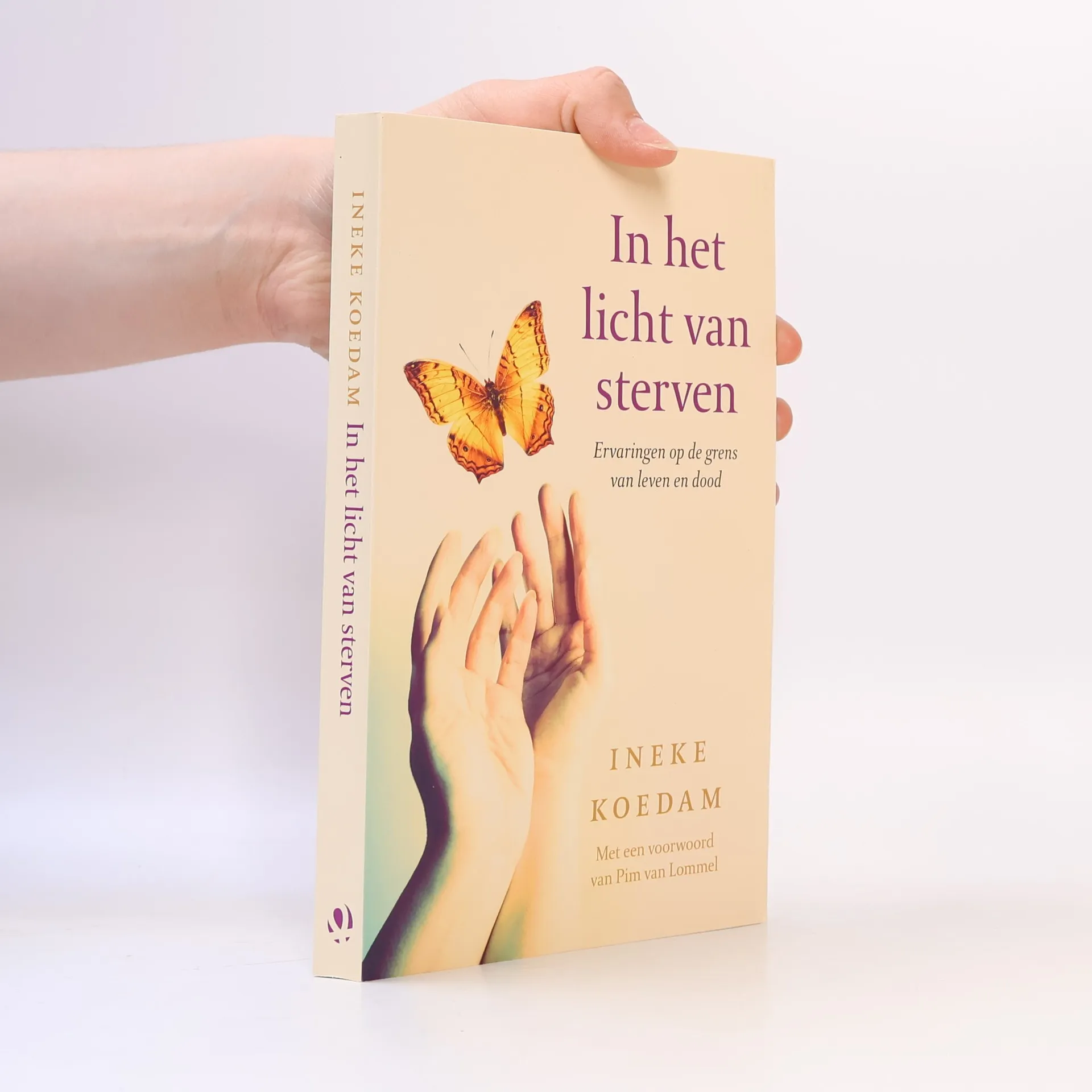
In het licht van sterven
Ervaringen op de grens van leven en dood
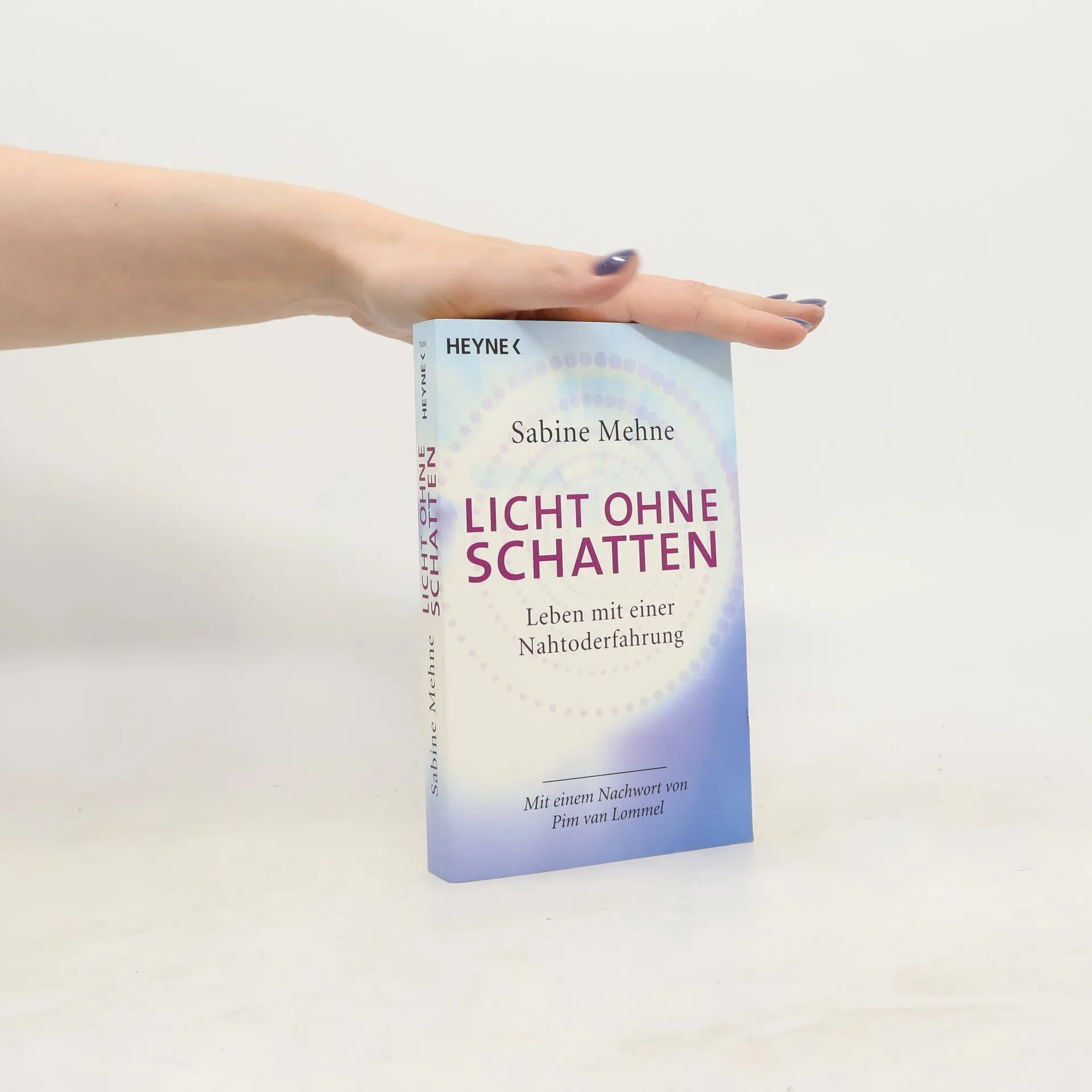
Licht ohne Schatten
Leben mit einer Nahtoderfahrung. Mit einem Nachwort von Pim van Lommel
- 320bladzijden
- 12 uur lezen
Rare Book