

Focusing on a metatheory for educational philosophy, this book emphasizes the need for democratization, reconstruction, and decolonization of education. It addresses the challenges posed by a global and technological society, advocating for transformative approaches that reshape educational practices and theories to better serve diverse communities and foster critical engagement among learners.
Douglas Kellner Volgorde van de boeken (chronologisch)
31 mei 1943
Douglas Kellner is een vooraanstaande kritische theoreticus van de derde generatie, die zich diepgaand bezighoudt met de impact van de mediamarkt op de samenleving. Hij is een pionier op het gebied van kritische mediawijsheid en analyseert hoe de hedendaagse mediabeelden steeds meer worden gevormd door spektakel en mega-spektakel. Zijn werk verdiept zich ook in de dynamiek van alterglobalisering, waarbij hij tegen-hegemonistische bewegingen en alternatieve culturele uitingen bepleit in de zoektocht naar een democratischere samenleving. Kellner onderzoekt het politieke potentieel van nieuwe media en pleit voor een concept van 'meerdere technologische geletterdheden' als alternatief voor gestandaardiseerde vormen van computergeletterdheid.

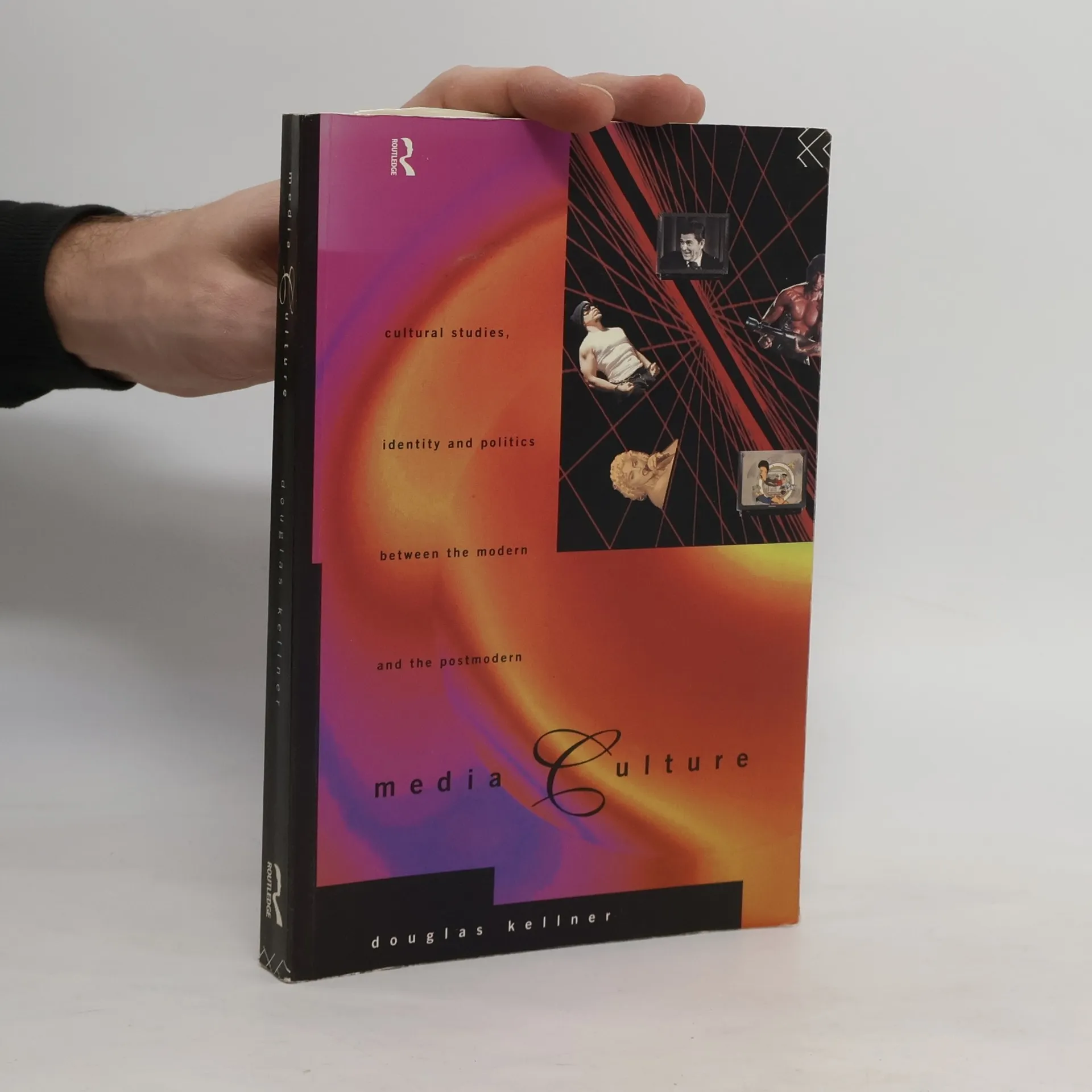
Media Culture
Cultural Studies, Identity, and Politics in the Contemporary Moment
- 326bladzijden
- 12 uur lezen
Kellner examines the pervasive influence of mediated culture as the primary force shaping socialization and impacting various aspects of life, including the economy and politics. This updated edition of a classic text in media and cultural studies delves into how media serves as a crucial player in contemporary society, highlighting its significance in cultural and social interactions.
De eendimensionale mens
studies over de ideologie van de hoog-industriële samenleving
- 280bladzijden
- 10 uur lezen
First published in 1995. Routledge is an imprint of Taylor & Francis, an informa company.
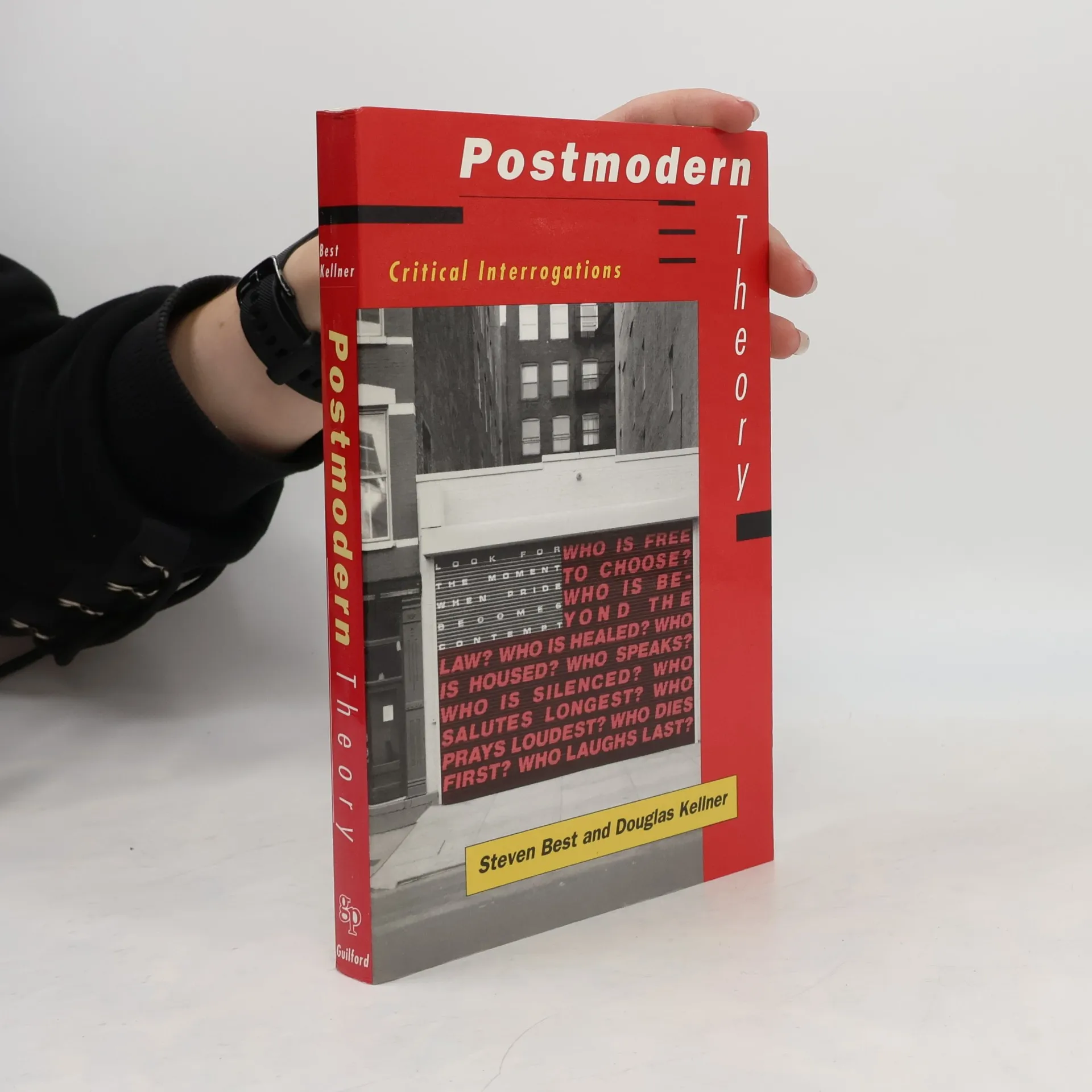
In this timely volume, the authors systematically analyze postmodern theory to evaluate its relevance for critical social theory and radical politics today.Best and Kellner provide:* An introduction and critique of the work of Foucault, Deleuze and Guattari, Baudrillard, Lyotard, Laclau and Mouffe, and Jameson, which assess the varying contributions and limitations of postmodern theory* A discussion of postmodern feminist theory and the politics of identity* A systematic study of the origin of the discourse of the postmodern in historical, sociological, cultural, and philosophical studies.The authors claim that while postmodern theory provides insights into contemporary developments, it lacks adequate methodological and political perspectives to provide a critical social theory and radical politics for the present age.