Hope For South Africa
- 106bladzijden
- 4 uur lezen


Alan Patons literaire werk duikt in de diepgaande onrechtvaardigheden van apartheid, waarbij thema's als raciale verdeeldheid en het verlangen naar verzoening worden onderzocht. Zijn schrijven wordt gekenmerkt door een lyrische stem die zijn diepe genegenheid voor het Zuid-Afrikaanse landschap en zijn bevolking prachtig vastlegt. Door zijn verhalen bracht Paton consequent een krachtige boodschap van hoop voor een rechtvaardigere toekomst over. Hij blijft significant vanwege zijn vermogen om de menselijke tol van onderdrukking te articuleren en tegelijkertijd de blijvende geest van de mensheid te verdedigen.

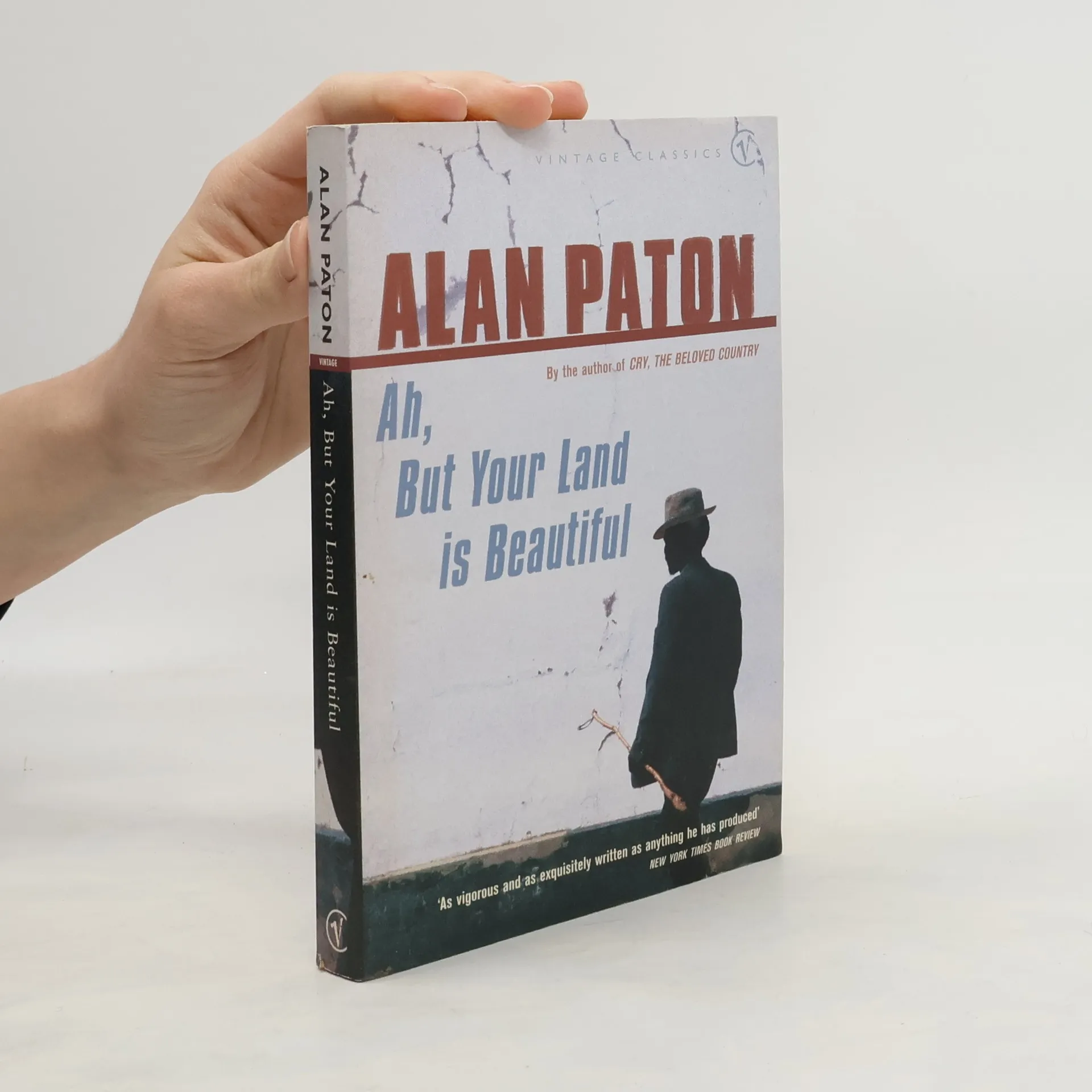

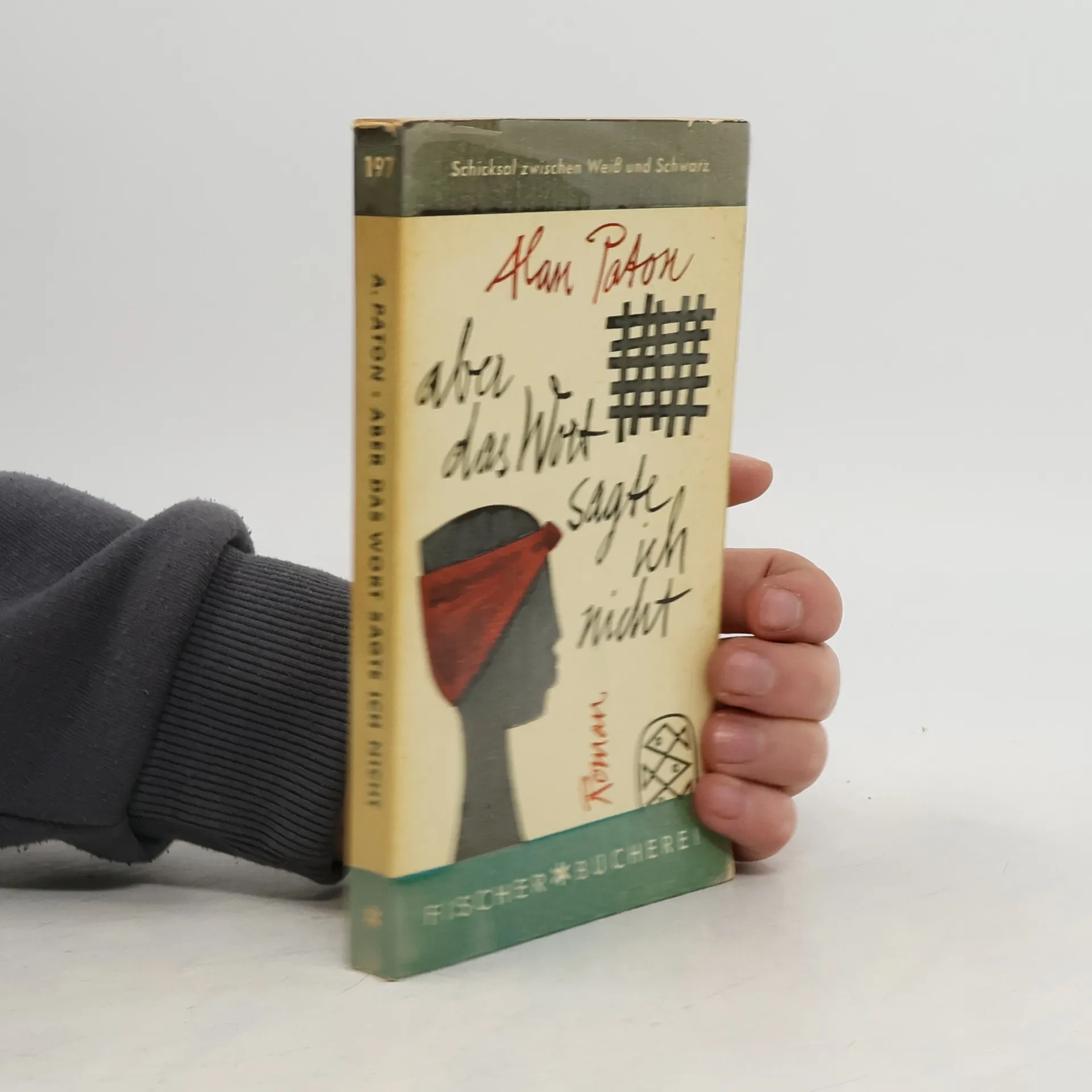
Ah, But Your Land is Beautiful is set in the 1950s, the time of the Passive Resistance campaign, the Sophiatown removals, the emergence of the South African Liberal Party and the early stages of the Nationalist government in power.
This widely acclaimed and influential volume is now available in a greatly revised and expanded twenty-fifth anniversary edition that places the monumental religious struggle against South African apartheid into a larger and instructive global setting. De Gruchy's authoritative and newly updated account of Christian complicity with and then resistance to one of the world's most notoriously repressive regimes holds indispensable lessons and "dangerous memories" for all concerned about evil, justice, and racial reconciliation.
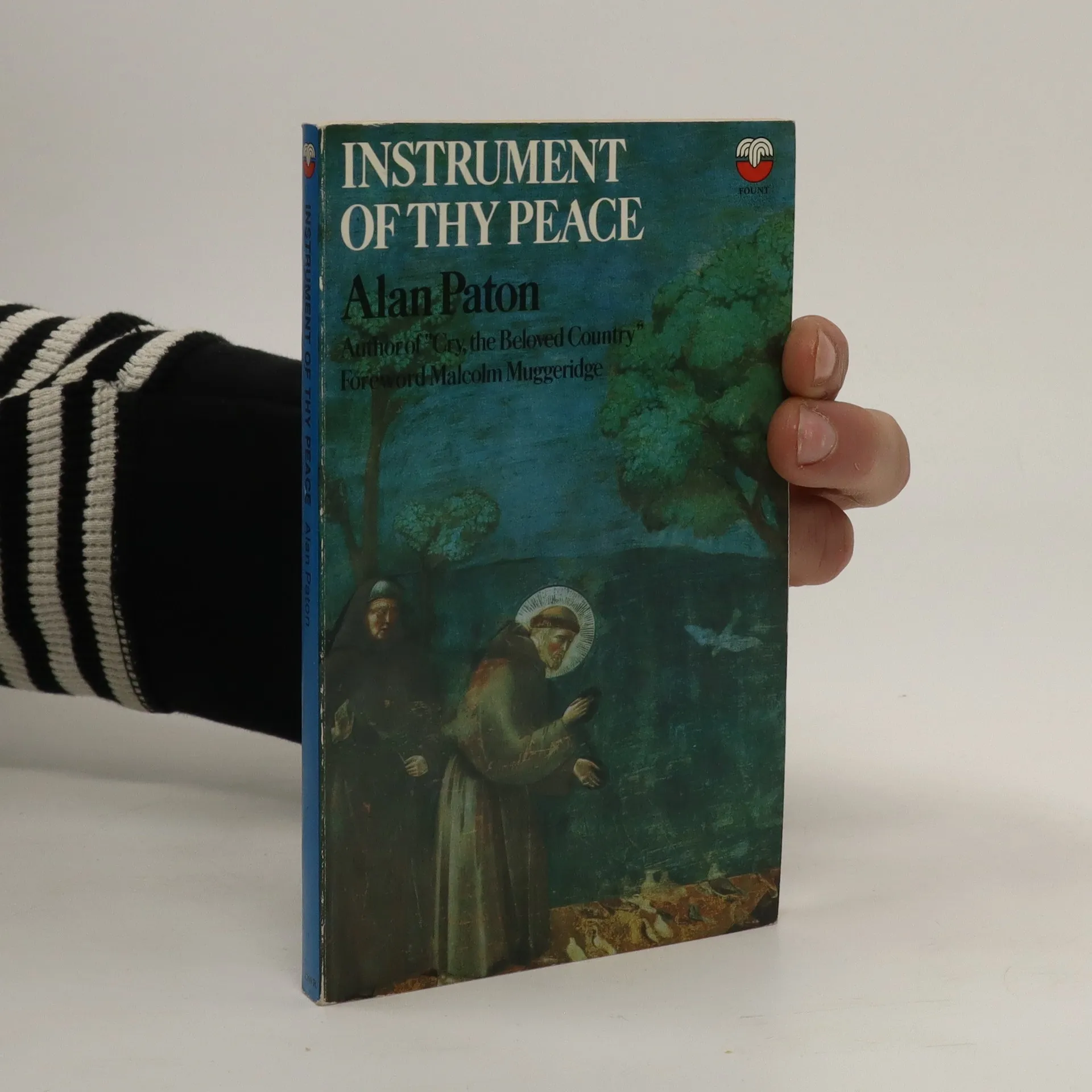
This world-renowned writer views the spiritual dilemmas of twentieth-century man and offers his affirmation of Christian faith
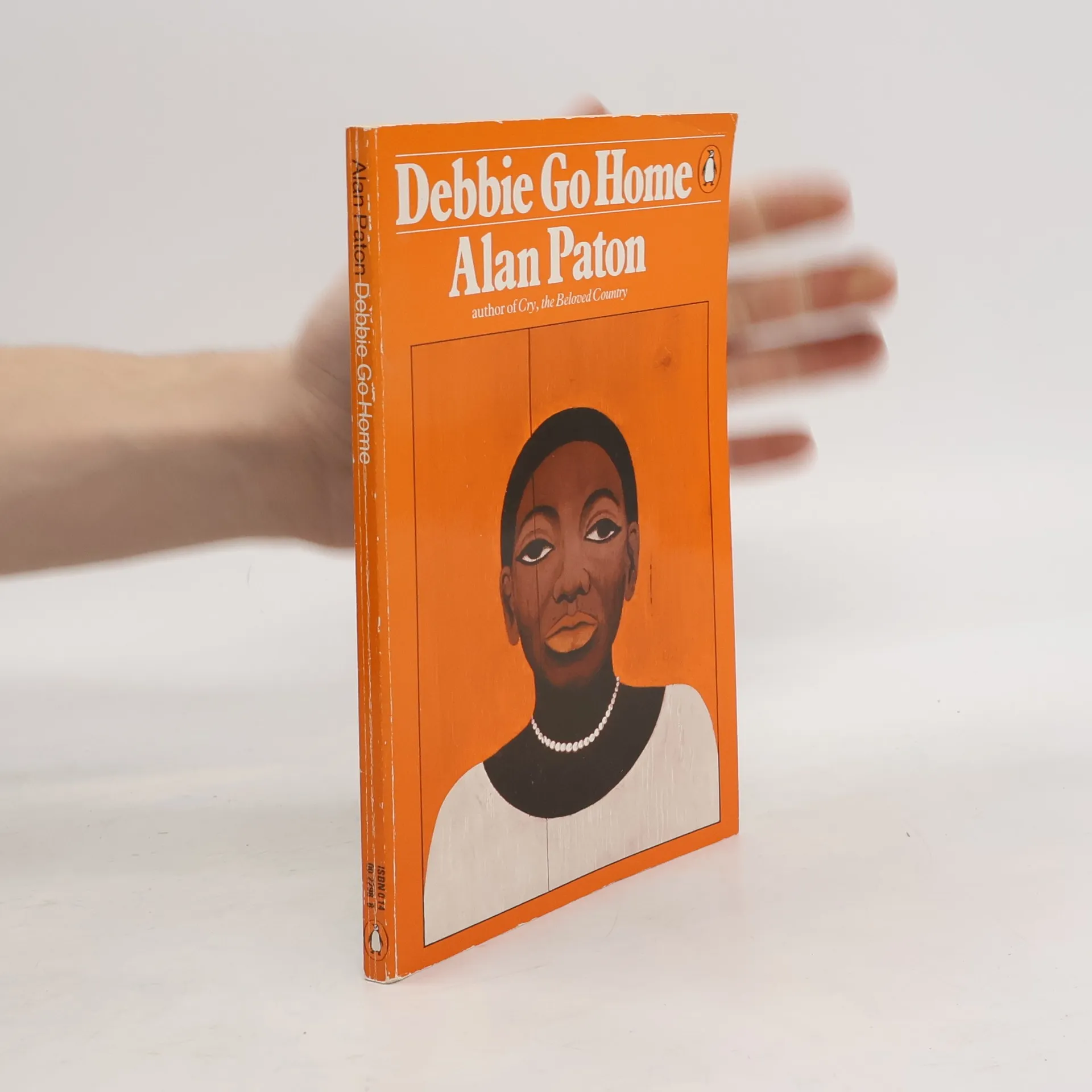
Short stories set in the South Africa of Alan Paton's "Cry The Beloved Country"Stories:Debbie Go Home; Ha'penny; The Divided House; Life for a Life;Death of a Tsotsi; The Worst Thing of his Life; The Waste Land; A Drink in the Passage; Sponono; The Elephant-Shooter
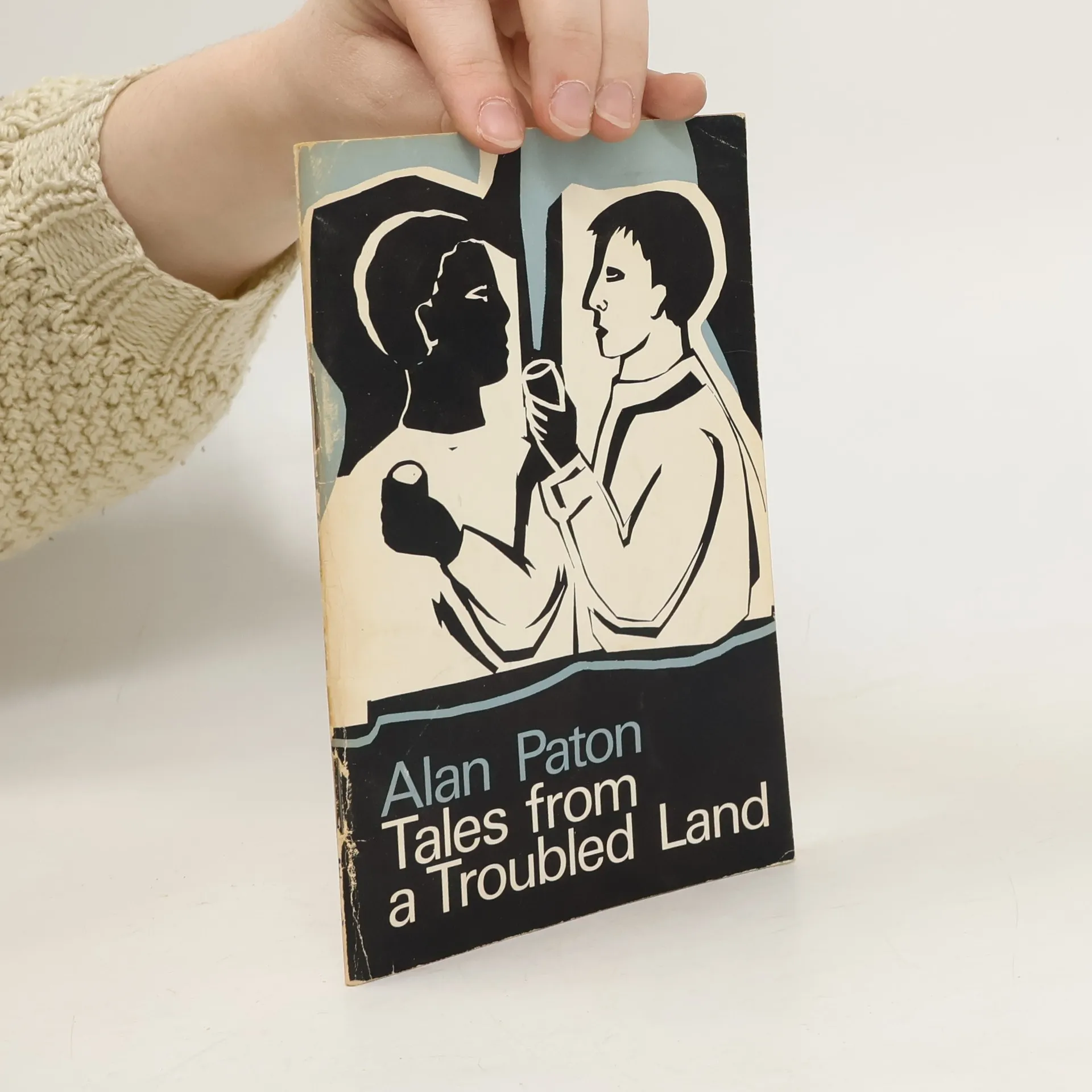
The collection features ten poignant short stories that explore the deep injustices faced in South Africa. Through a blend of compassion and despair, the distinguished author delivers powerful narratives that reflect the social and political struggles of his homeland, offering both insight and emotional depth.
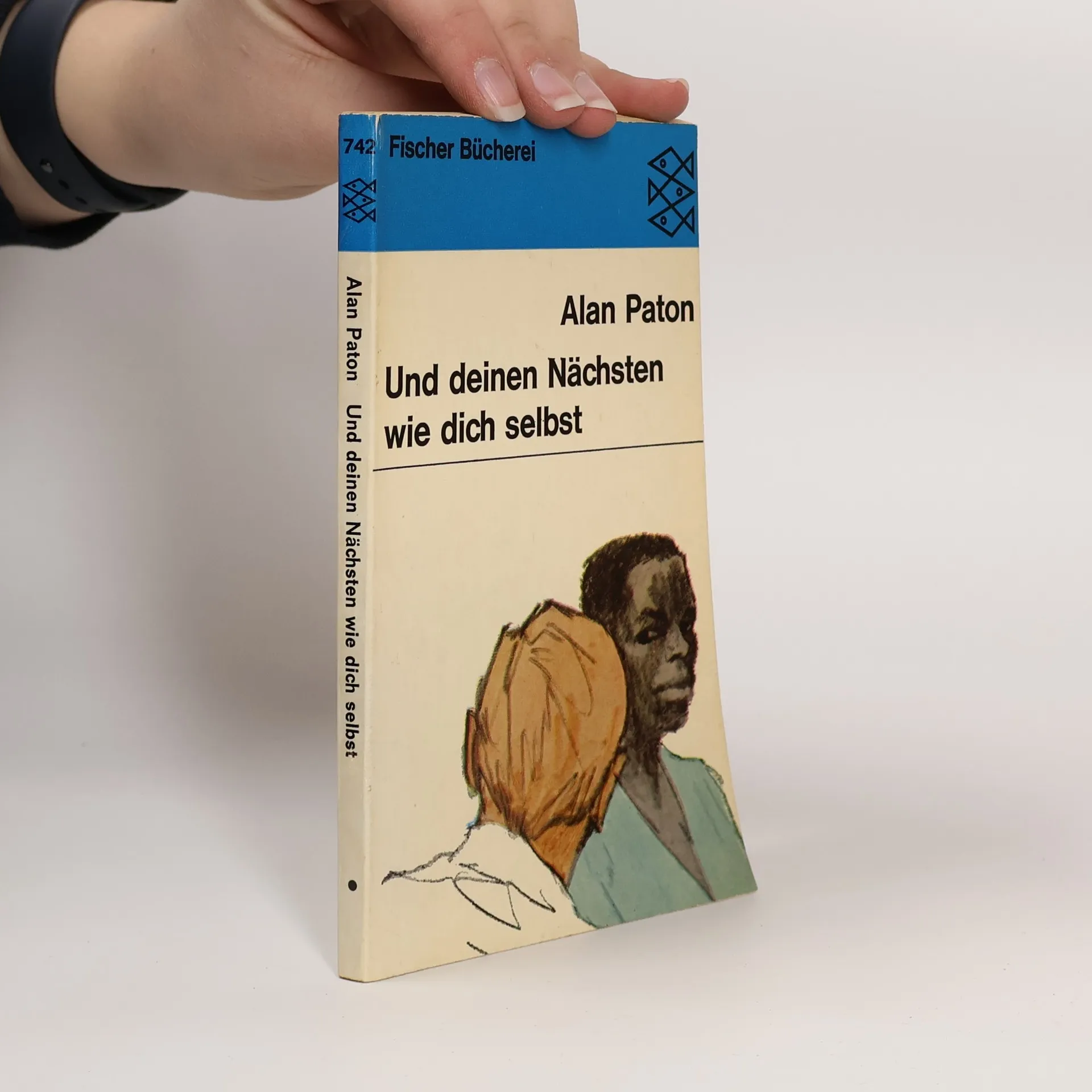
The story follows a young white South African police lieutenant who faces severe repercussions after defying strict racial relationship laws. As he grapples with societal judgment, familial pressure, and his own internal conflicts, he embarks on a challenging journey of self-discovery and resilience in a deeply divided world. The narrative explores themes of love, identity, and the struggle against oppressive societal norms.
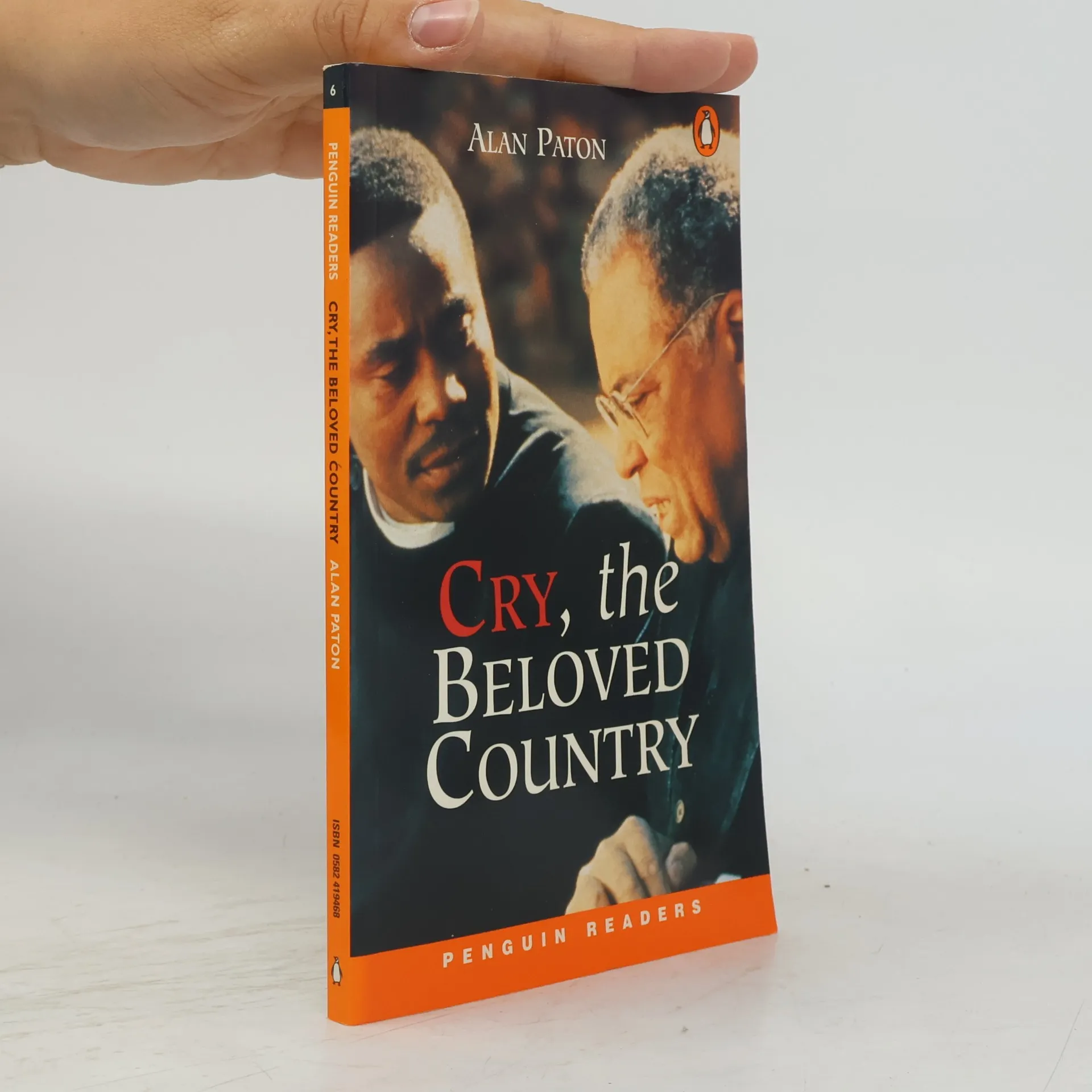
"Penguin Readers" is a series of simplified novels, film novelizations and original titles that introduce students at all levels to the pleasures of reading in English.